















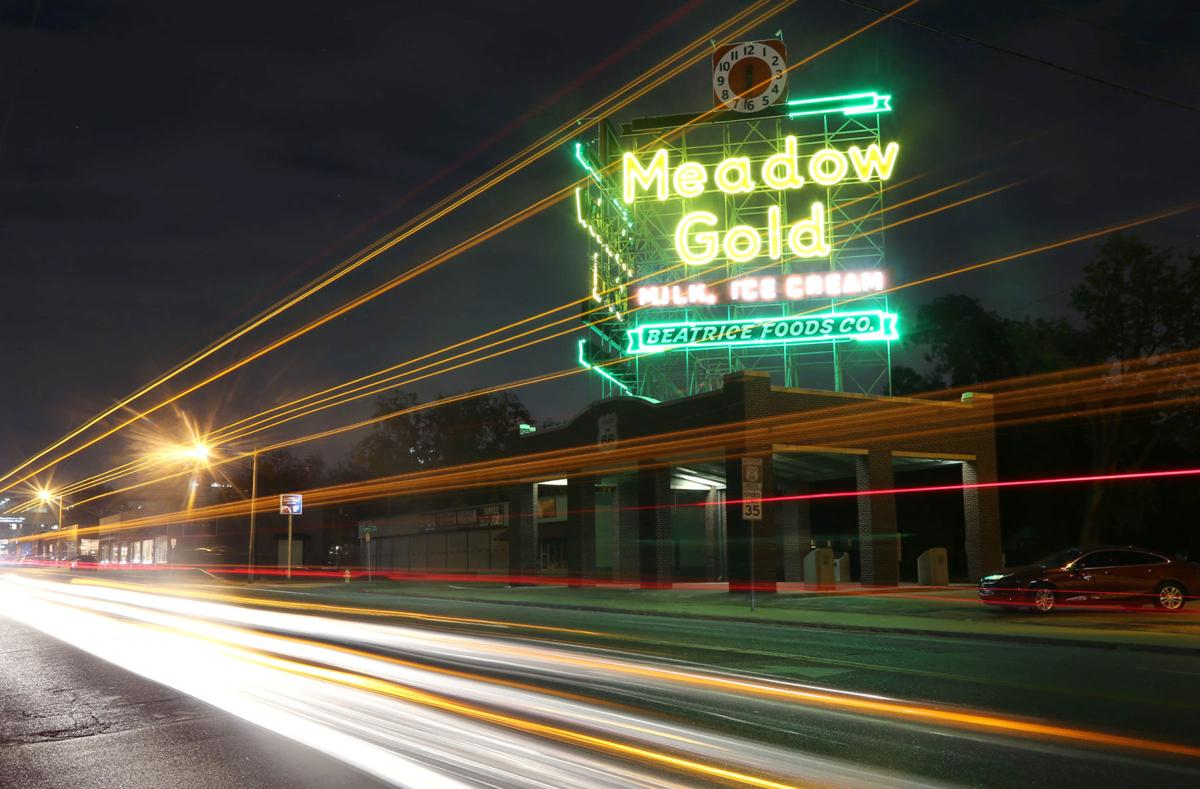
Neon signs are some of the world’s most beautiful – and underappreciated – forms of art. First showcased back in 1910 by Georges Claude at the Paris Motor Show, neon signs have had an ever-expanding presence across the country for decades. The hub of the art form’s restoration and preservation, however, is found right here in Oklahoma.
“Neon artists are called ‘glass benders’ because that’s literally what happens – heating up glass tubes and bending them into shapes,” says Rhys Martin, president of the Oklahoma Route 66 Association. “Restoring vintage neon takes a lot of work. Some of these old signs haven’t been lit in decades, and there are limited resources available to show what the colors originally were.”
Environmental conditions can play a factor, as well as the sad truth that trained professionals are simply hard to come by.
“I’ve known some businesses that have had to hire shops hundreds of miles away. Some of these old signs aren’t the size you can just load into a truck bed,” says Martin.
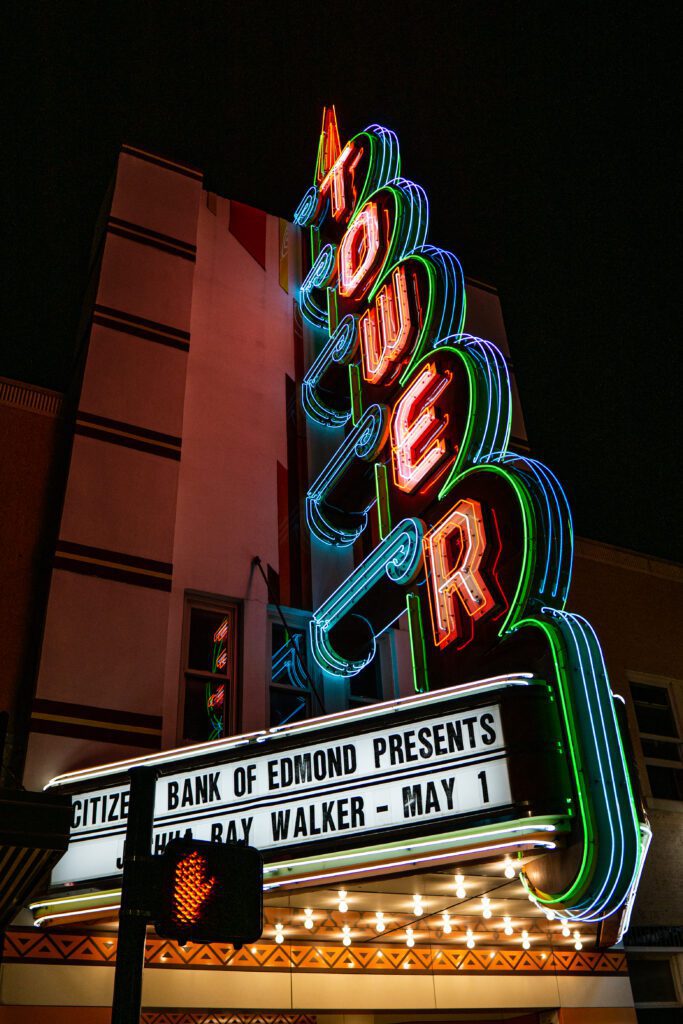
Thankfully, plenty of Oklahoma signs have been restored over the past few years with the help of grant funding.
“Under the City of Tulsa/Route 66 Commission’s neon sign grant program, four of the eighty-five signs awarded grants since 2019 have been restorations in anticipation of the Route 66 Centennial,” says Autumn Tiller, an urban design planner at the Tulsa Planning Office. “Total cost for restoration of these signs total approximately $30,000. Signs brought back to their former glory include Billy Ray’s BBQ, Interparts of Tulsa, Thelma’s Bar and Circle Cinema.”
Martin says the beauty of these signs was just one reason he got interested in the art form.
“I originally got into Route 66 as a photographer, and the old neon was one of my favorite subjects,” he says. “I marveled at the signs that had survived the coming of the interstates, but also loved capturing the ghosts of once magnificent buzzing beacons. It’s been so wonderful to not only see old signs restored these last few years, but see newer business owners get the opportunity to add neon signage to their little slice of the Mother Road.”
While the neon is a great way to slip back into nostalgic times, it also serves as a tourism booster for the state.
“The grant program has increased the inventory of neon signs in Tulsa and provides attractions for locals, Route 66 enthusiasts and neon fans alike,” says Tiller. “Some commercial property owners along the Route include it as a condition within their business leases to encourage investment and participation in the program.”
Martin agrees: neon signs are more than a beautiful thing to observe.
“A signature piece of art like a neon sign not only helps you stand out but calls to that particular flavor of traveler that seeks out these signs so that they can see them lit up,” he says. “That means they have to stay until the sun sets … and that means at least a meal and probably a hotel room. Great for economic development and great for local pride of place, too.”