















What do Oz and Bulgaria’s capitals have in common? They both have a yellow brick road! As if the city of Sofia isn’t already charming enough, its vibrant pathway makes it even more unique. The history of the road itself is equally fascinating. Reportedly, the bricks were sent by the Habsburg cousins as a royal wedding present to Prince Ferdinand. The aspiration for Sofia to be a stylish capital – similar to cities like Vienna or Budapest – transformed the former unpaved roads into the yellow brick roads you see today. Although the ravages of World War II damaged much of the bricks, restoration prevailed.
Upon arrival to Sofia, one first notices the snow-capped Vitosha mountains of the Balkans. The locals rave about their treasured hikes in the mountains. The proximity of the airport to the main square is yet another perk. The latter enables travelers to feel refreshed and ready to explore the city. Two luxurious hotels, the InterContinental Sofia by IHG and Sense Hotel are located within the historic square, which makes it easy to enjoy Sofia on foot. Breakfast in the glamorous Ador restaurant of the InterContinental Sofia hotel prepares you for sightseeing and a nightcap at the Sense Hotel rooftop bar is a celebratory way to end your day. Best of all, the spa located in the InterContinental hotel is worth a visit for massage treatments – which is a smart way to reset your jet lag. The second travel perk about Sofia is the walkability of the main square with its numerous museums. While there is a metro system, it’s not necessary for reaching the main attractions enhanced by their connectivity.
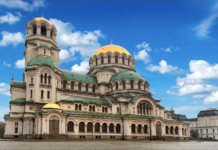
Dominating the square’s landscape is the St. Alexander Nevsky Cathedral, with its imposing architectural details. Inside, the somber music, chanting and muted colors will impress. Iconography and holy relics are on display. Stained glass windows, tiled floors and rustic chandeliers mesmerize you into pondering how something so opulent can also be so humbling at the same time.


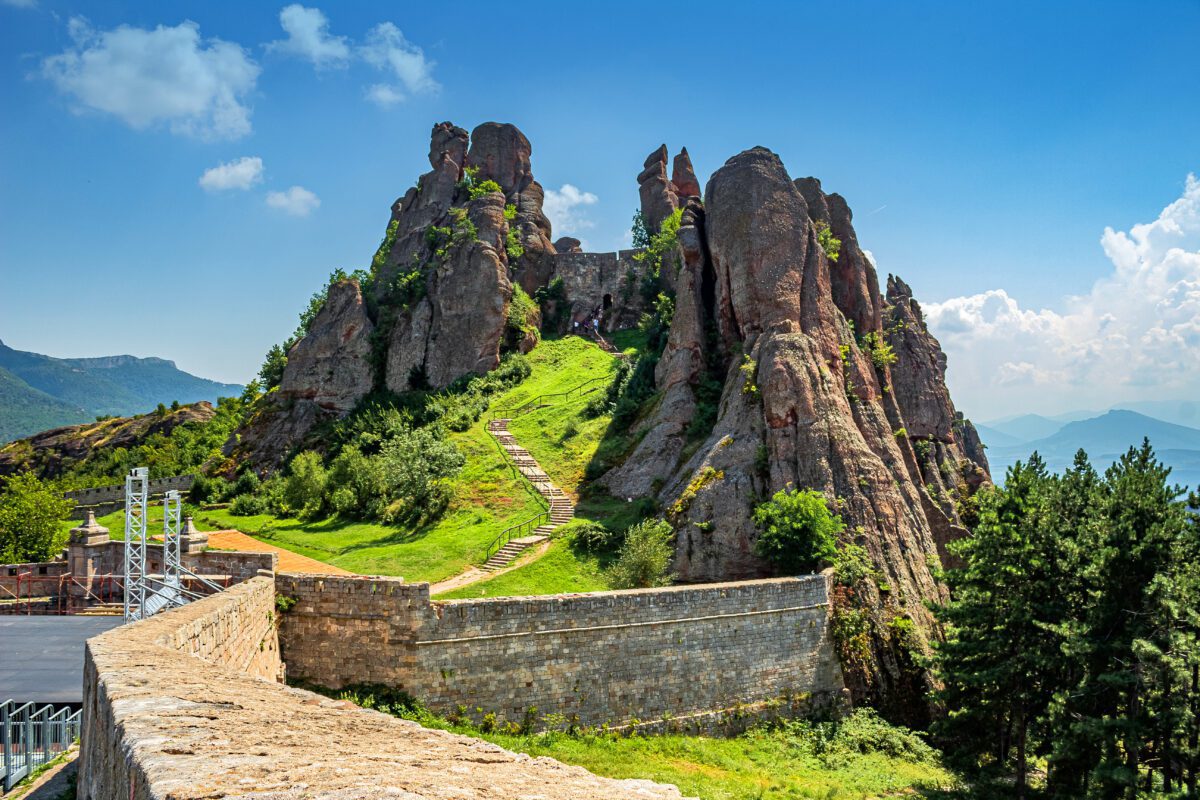
Follow the yellow brick road to nearby cafes, parks and museums within the city-center. The Serdika ruins nearby (from the ancient Roman empire) were discovered during the metro construction process.
The political art sculptures are provocative bronzes displayed throughout the area. They represent a time of struggle, survival and self-expression. The historic structures seem to convey resilience and healing as they remain a part of the landscape. The Museum of Socialist Art and Monuments showcases more statues and paintings from this era.
The Royal Palace includes the National Art Gallery and Ethnographic Museum. A well-curated exhibit of each era of Bulgarian history reveals treasures from vintage films of coronations to artifacts from royal life. A replica of Marie Antoinette’s horse carriage given to the Bulgarian royalty for a coronation is on display. Costumes and military garb fill rooms lined with family portraits.
Visit Constantinoff restaurant where glamour and culinary skills collide. The tiramisu presentation is an event not to be missed! It’s served in a thrilling way – the waiter churns it several times at the tabletop while the steam of dry ice chills it to perfection. Head back into the square to watch the changing of the guards at the Presidency building. Dine at Shtastliveca for gourmet dinners and Bulgarian wine.
Departing Sofia is bittersweet as your taxi drives past trees of yellow leaves and green spaces. Locals share a love of the mountains and speak of them as if they are a weekend goal of leisure awaiting them. Sofia satisfies the traveler with traces of modern history, art, and excellent cuisine to remember fondly.