


















For generations, libraries have been quiet cornerstones of their communities, places where shelves of books hold the promise of discovery. But in an era defined by an overhaul of digital infrastructure, libraries are being challenged to redefine their role.
Rather than fading away, many are evolving in creative ways, blending tradition with technology to remain essential gathering places for learning, connection and curiosity. From major urban systems to small-town branches, libraries are proving that their stories are far from over.
“Some libraries are seeing a decrease in overall circulation, but we are not,” says Jason Kuhl, CEO of the Metropolitan Library System in Oklahoma City. “We have a very strong reading community here.”
That means employing all means possible to bring books and information in every form.
“One of the shifts we are seeing is to e-books and audiobooks,” he says. “We do more circulation of that type of material than we do physical material.”
Apps such as Libby and Hoopla allow readers to borrow ebooks, audiobooks and magazines free of charge from their local public library — and it’s not just big city libraries that are partnering with them.
“We have close to 1,200 checkouts a month on just those platforms,” says Kristin Cunningham, director of the Okmulgee Public Library. “That’s pretty good for a library our size.”
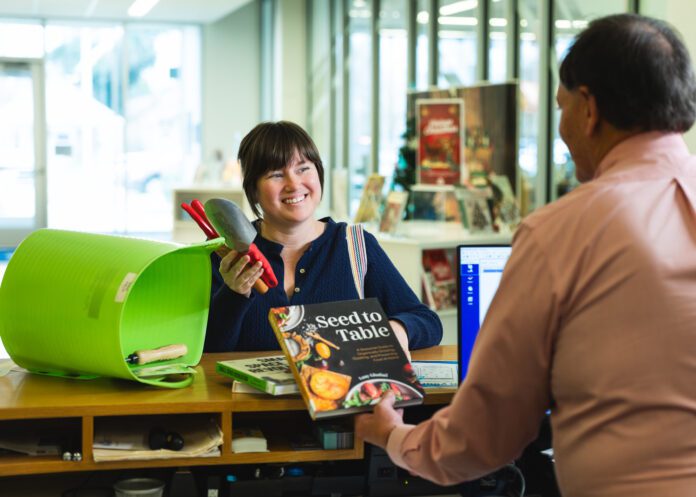
But in the community of just over 11,000, face-to-face interaction is still an important part of the process, as homeschool groups meet at the library for classes and research, and parents with children visit for story time and summer reading programs.
“We also offer delivery services for homebound people and people in nursing homes,” Cunningham says. “One of our staff members delivers books weekly — I can’t imagine not being able to get something to read.”

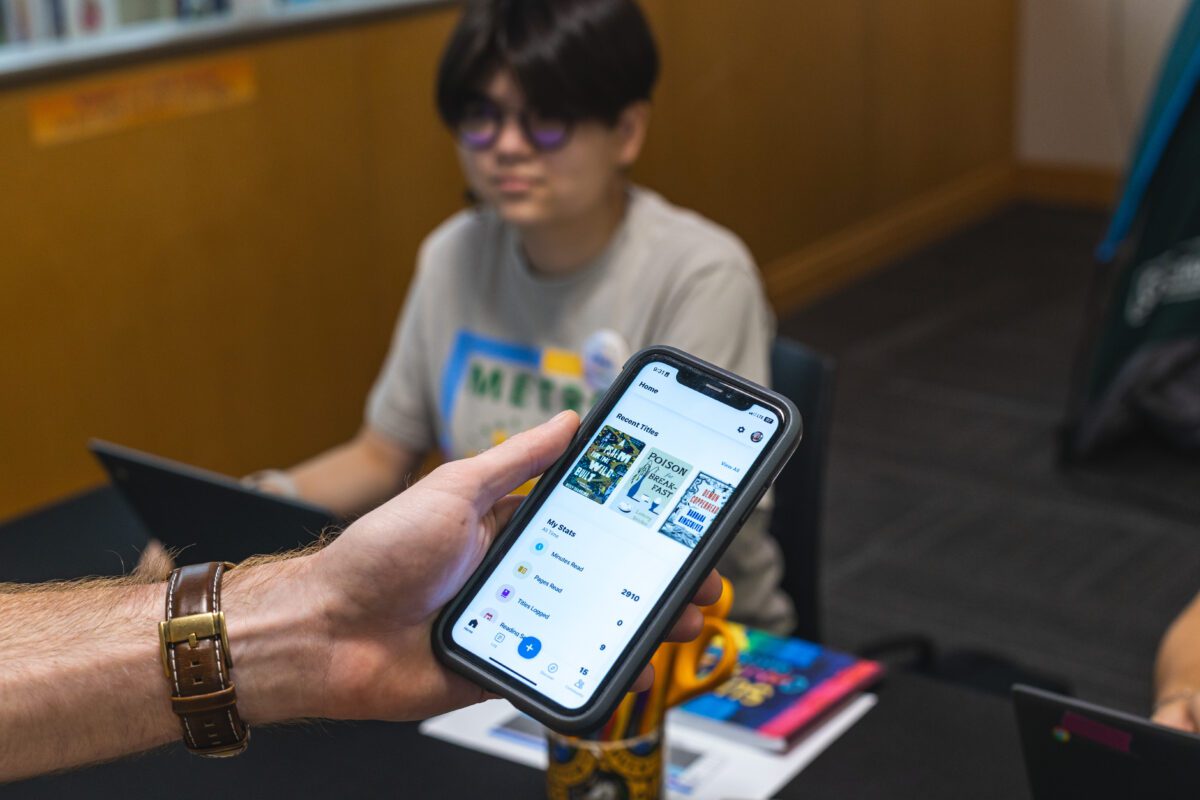

In-person offerings are still an important way to engage the Oklahoma City community, Kuhl says, even as the library redefines literacy in the modern world.
“We have meeting rooms and maker spaces at a number of our locations and we’ve got our toe in a lot of things as we look at what our community needs and in terms of workforce development and what it means to be literate in today’s world,” Kuhl says. “Because it’s not just about being able to read the printed word.”
Most public libraries are funded by their communities, OKC and Okmulgee being no exception.
“Ninety-four percent of our revenue comes from local property taxes here in Oklahoma County,” Kuhl says, “And I’d say we’re probably one of the best uses of that money in terms of bang for the buck. If you’re a regular library user, you are getting many thousands of dollars in value beyond what you pay to the library every year, and that’s something that we take very seriously and make sure we’re maximizing that value and sort of a more global picture of what libraries are.”
Even as libraries are paying dues to a virtual reality, the reader remains at the center of its mission.
“I just want our library to be a place where people can come and enjoy,” Cunningham says, “and just feel welcome and connected to the community.”