




















The Art of ‘Subtle’ Plastic Surgery
As plastic surgery continues to evolve, there’s been a trend toward more subtle, yet significant, improvements to one’s appearance. Two plastic surgeons share insights on the newest technologies and procedures delivering natural-looking results.
The Rise of Minimally Invasive Treatments
“We have seen a resurgence of minimally invasive, office-based treatments that can help restore a more youthful and natural-looking face,” explains Mark Mims, M.D., a facial plastic and reconstructive surgeon with OU Health in Oklahoma City.
One common procedure is radiofrequency microneedling, which can significantly improve the texture and quality of the skin. The procedure works for all skin types and delivers noticeable results with only a few days of recovery.
He says red light therapy has also surged in popularity. Using ‘photobiomodulation,’ this treatment stimulates skin cells to boost collagen and elastin production. Early results are encouraging for improving complexion, texture and fine wrinkles, though long-term studies are ongoing.
The Evolution of Classic Treatments
“In addition to brand new technologies, the tried-and-true formulations have also received ‘glow ups,’” says Mims. “For Botox, we are seeing a much higher percentage of patients coming in their 20s and 30s to prevent the occurrence of wrinkles, rather than treating them once they form. Some of the newer formulations of Botox can last much longer than the standard 3-4 months, allowing patients more time between treatments.”
In addition, hyaluronic acid fillers now offer extended longevity, and some formulations stimulate the body’s natural collagen production, leading to better results with fewer treatments needed over time.
The Appeal of ‘Low Visibility’ Procedures
Today’s patients are increasingly choosing target adjustments over dramatic transformations.
“Procedures with low downtime and natural results have certainly increased in popularity recently, and for good reason,” explains Mims. “The ability to look refreshed without a month of downtime fits into our active lifestyle much easier than more aggressive procedures.”
Upper and lower blepharoplasty remain the most requested procedures, allowing for a more ‘awake’ appearance with minimal downtime – typically about one week. Endoscopic brow lifts are another popular option, providing subtle changes through hidden incisions and quick recovery. Results are immediate and restore a more youthful appearance to the upper two-thirds of the face.
Mims adds that improved postoperative recovery protocols now help patients return to their lives quicker than ever.
When More Dramatic Results Are Desired
For anyone wanting more dramatic results, Mims says facelifts remain the gold standard.
“Although many treatments can provide subtle improvements, the facelift allows for a much more robust correction, and one that can lead to the longest-lasting results,” he says.
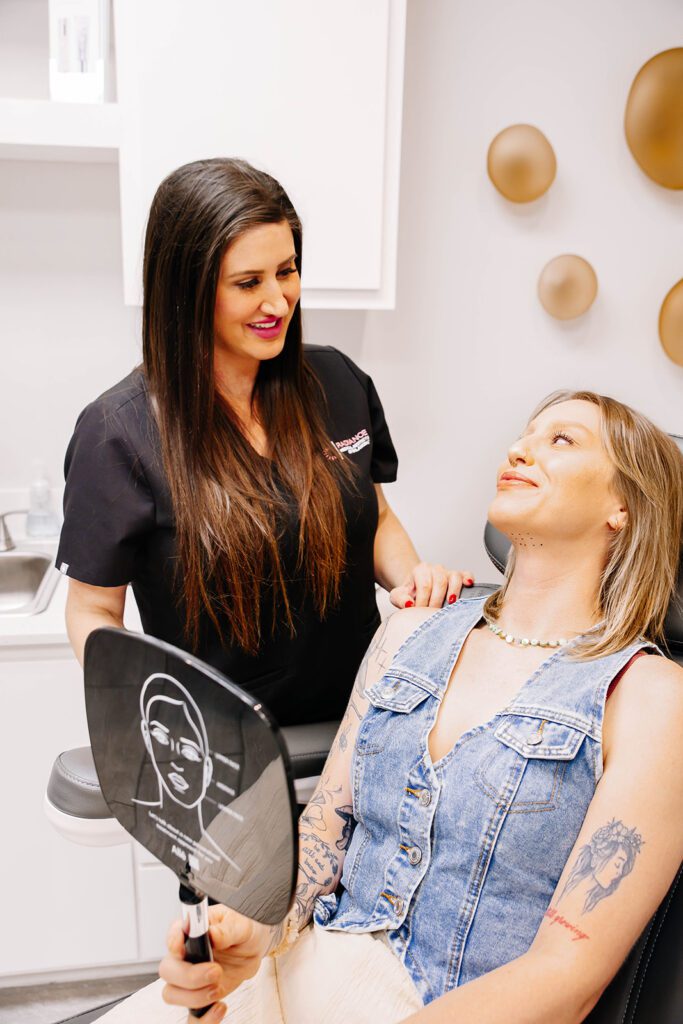
However, he emphasizes that facelifts are not one-size-fits-all. The approach must be individualized to each patient’s needs and age.
“For patients under 50, a deep plane approach may be more than they need to achieve the natural results they are looking for and a ‘SMAS-only’ lift may be more appropriate,” says Mims. “This technique allows for quicker recovery while bringing youth back to the face and neck. For our patients over 50, the deep plane approach is often the best choice. Despite the longer recovery time, it will yield the best results and truly allow you to turn back the clock.”
Facial plastic surgeon Ivan Wayne, M.D., owner of W Facial Aesthetics in Oklahoma City, sees patients foregoing temporary fixes and following the path of many celebrities who have had their fillers dissolved and opted for a more natural-looking facelift.
“When it comes to facelifts, significant evolution has occurred over the last five years,” says Wayne. “The current premier surgery is a deep plane facelift, which is an old technique, but using a more modern version that involves very short skin flaps, creating a more vertical lift that looks more natural, avoiding the pulled look. This is often combined with conservative fat grafting, using the patient’s own body fat as a filler to rejuvenate the face. Patients are also getting these facelifts at a much younger age and they have been described as the “forever 35 facelift” because you can stay looking 35 for many years if you start early.”
Wayne also says there’s a lot of interest in newer skin care treatments that contain peptides and growth factors.
“I have personally seen how effective these are in rejuvenating the skin,” he says.
Choosing the Right Path Forward
Mims says with any facial rejuvenation journey, selecting the right procedure for the right patient is critical.
“One of the best pieces of advice I can give is to make sure you feel comfortable with your provider,” he says. “There are often multiple approaches to achieve the look you desire and a good relationship helps yield the best results and brings the highest satisfaction.”
A good provider should also be able to perform a detailed analysis of your specific aging pattern and individual desires for rejuvenation, as well as provide reasonable expectations for results and timelines. With the right approach and the right surgeon, facial rejuvenation can deliver the natural, refreshed appearance patients are looking for.
Regenerative Aesthetics Take Center Stage
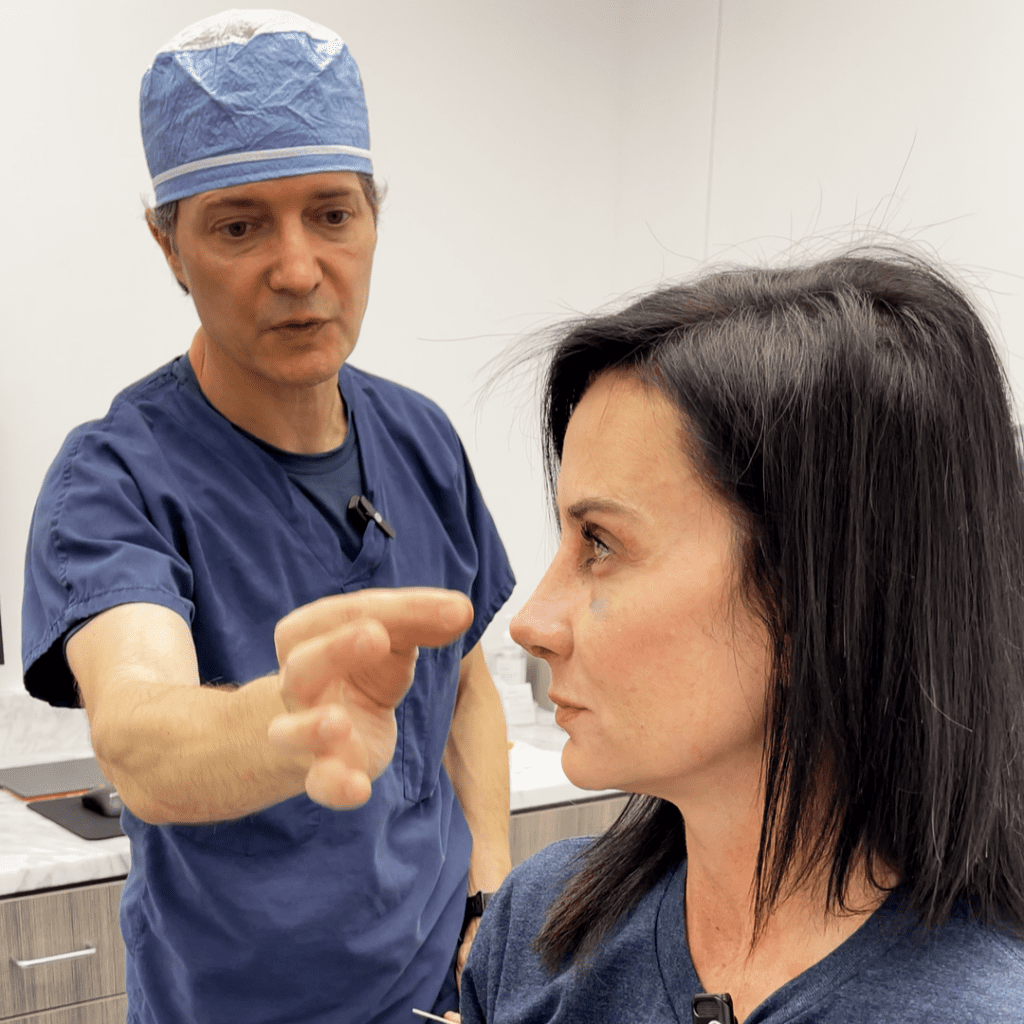
Harnessing the body’s natural healing abilities, regenerative aesthetics are transforming the skincare and cosmetic treatment industry.
Kasey L. Swayden, PA-C, owner of Radiance Medical Aesthetics of Oklahoma in Oklahoma City, says regenerative aesthetics have gained momentum because they align with how the body naturally heals and restores itself.
“Rather than simply adding volume or creating surface-level change, these treatments work by stimulating collagen production, improving cellular turnover, and strengthening the skin’s underlying structure,” Swayden explains. “When we activate the body’s own repair mechanisms, the results tend to look more natural, age more gracefully and improve overall skin quality over time.”
This approach resonates with patients seeking subtle, long-term improvement rather than drastic or artificial-looking transformations.
“Regenerative treatments support healthier skin, not just younger-looking skin, and that distinction really matters,” she says. “They also allow us to customize care based on each patient’s biology, lifestyle and goals, which leads to better outcomes and higher patient satisfaction.”
And this is just the beginning. Swayden describes regenerative aesthetics as one of the most exciting and rapidly evolving areas in the industry.
“We’re already seeing more refined technologies, improved delivery methods and better data supporting treatments that enhance tissue quality and skin integrity,” she notes. “As research continues to advance – particularly in stem-cell-adjacent therapies, adipose-derived biologics and bio-stimulatory devices – we’ll gain even more precise ways to improve skin health at a cellular level.”
What encourages her most is the shift toward evidence-based innovation.
“As providers, we’re becoming more discerning, and patients are more educated,” Swayden observes. “The future of regenerative aesthetics isn’t about trends, it’s about scientifically sound treatments that deliver measurable, sustainable results. I fully expect continued advancements that allow us to treat aging skin earlier, more proactively and with better long-term outcomes.”
Ethical Marketing & Transparency
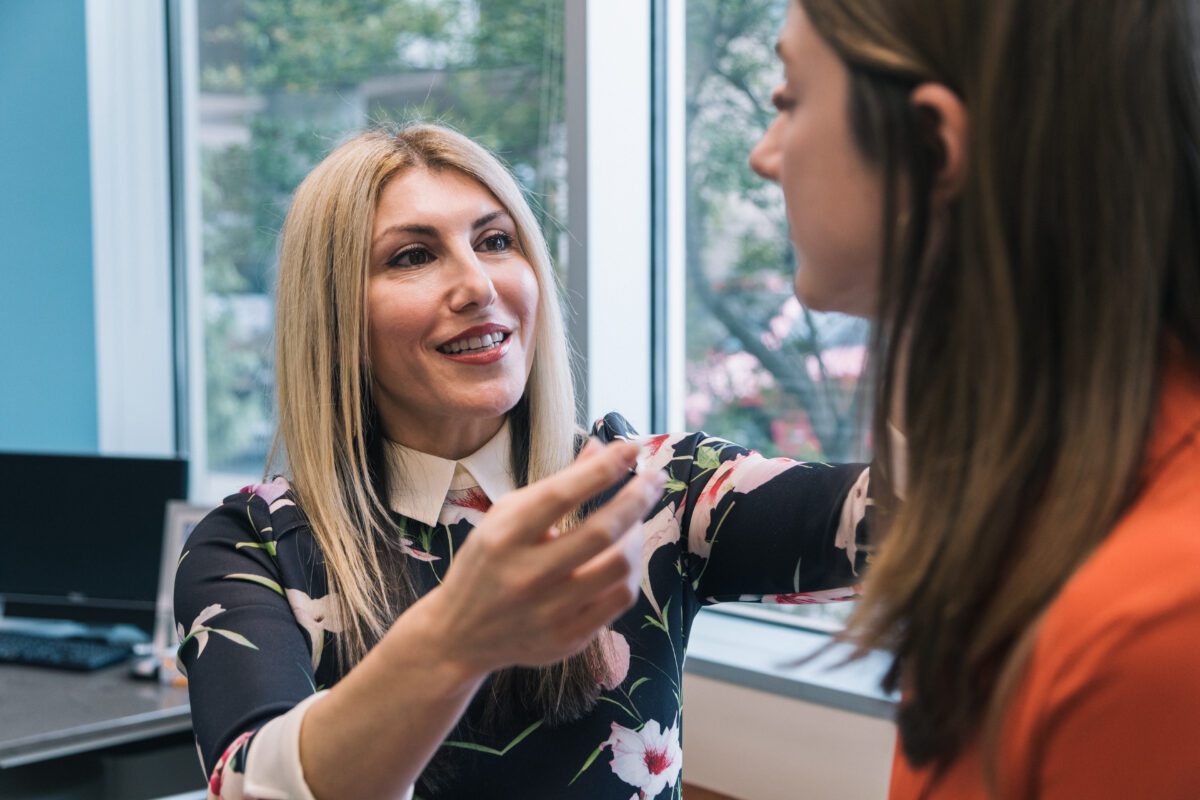
Social media platforms have long been known to promote unrealistic beauty standards through filtered, digitally altered content. In response, skincare professionals are pushing back with transparency: sharing honest, unfiltered before-and-after images and educating clients on what’s truly achievable, both short-term and long-term.
“Social media has created a culture of instant, filtered perfection, which simply isn’t real or healthy,” says Swayden. “ I make it a point to educate patients on skin biology, aging and the purpose of each treatment. Many regenerative procedures are investments in future skin health, and that means results may unfold over weeks or months and require maintenance to sustain them.”
Clear communication, Swayden emphasizes, is foundational to patient trust.
“From the very first consultation, I focus on setting realistic expectations by explaining not only what a treatment can and cannot do, but how and when results occur,” she explains. “We’re very transparent about the difference between treatments that offer immediate gratification and those designed to stimulate change gradually over time.”
By prioritizing long-term strategies over quick fixes, her team helps patients reframe aesthetic care as an ongoing journey rather than a one-time event.
“When patients know what to expect – and why – they feel empowered, confident and far more satisfied with their results,” Swayden says.
Cristie Lehr-Hawkins, M.D., owner of Fig Medical Spa in Tulsa, shares both the positive and negative effects of social media.
“The good from social media is that it has increased awareness and accessibility to information while opening up important conversations about self-care and aesthetics,” says Lehr-Hawkins. “On the other hand, the negative impacts include misinformation, oversimplified before-and-after narratives and unrealistic expectations. Part of our role is to help educate patients and explain what can be achieved, how long the results will last and why ongoing personalized healthcare is so essential.”
She says no single treatment is a universal fix, and instead, a personalized approach considers many factors including one’s genetics, lifestyle, hormone levels and overall health.
“These variables are rarely addressed in a social media context and the need for combination therapies and ongoing maintenance is often overlooked,” says Lehr-Hawkins. “At our practice, we prioritize a personalized approach using science-based treatments over trend-driven aesthetics.”
Hair Restoration
Men and women can experience hair loss for a variety of reasons, including genetics, hormonal shifts, stress and medical conditions. To help individuals restore and strengthen their hair, Fig Medical Spa offers hair treatments using the Alma TransEpidermal Delivery (TED) system.
“The TED hair treatment system is a non-invasive, needle-free option that uses sound waves and air pressure to deliver peptides and nutrients directly to the hair follicles and scalp,” says Lehr-Hawkins. “There’s no downtime or discomfort, and it can greatly reduce hair loss and shedding.”
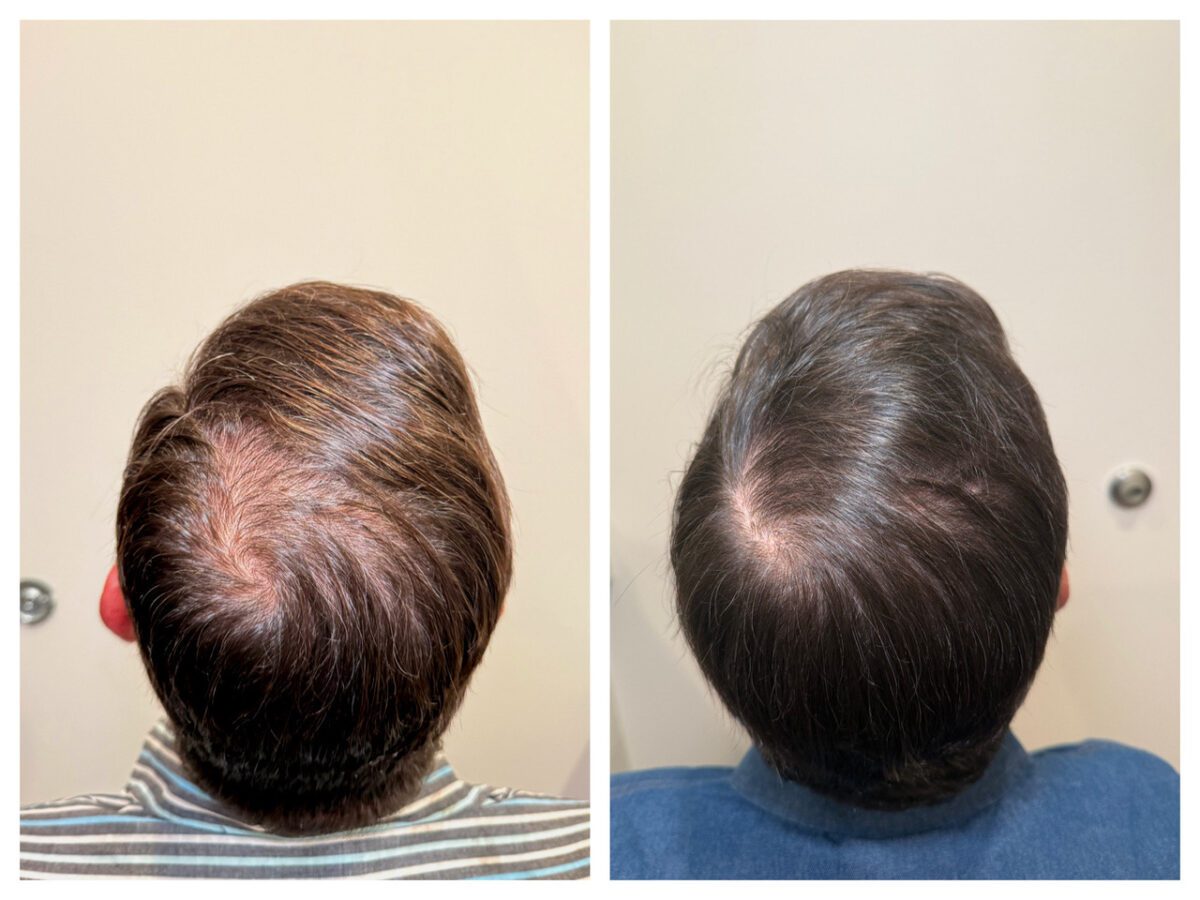
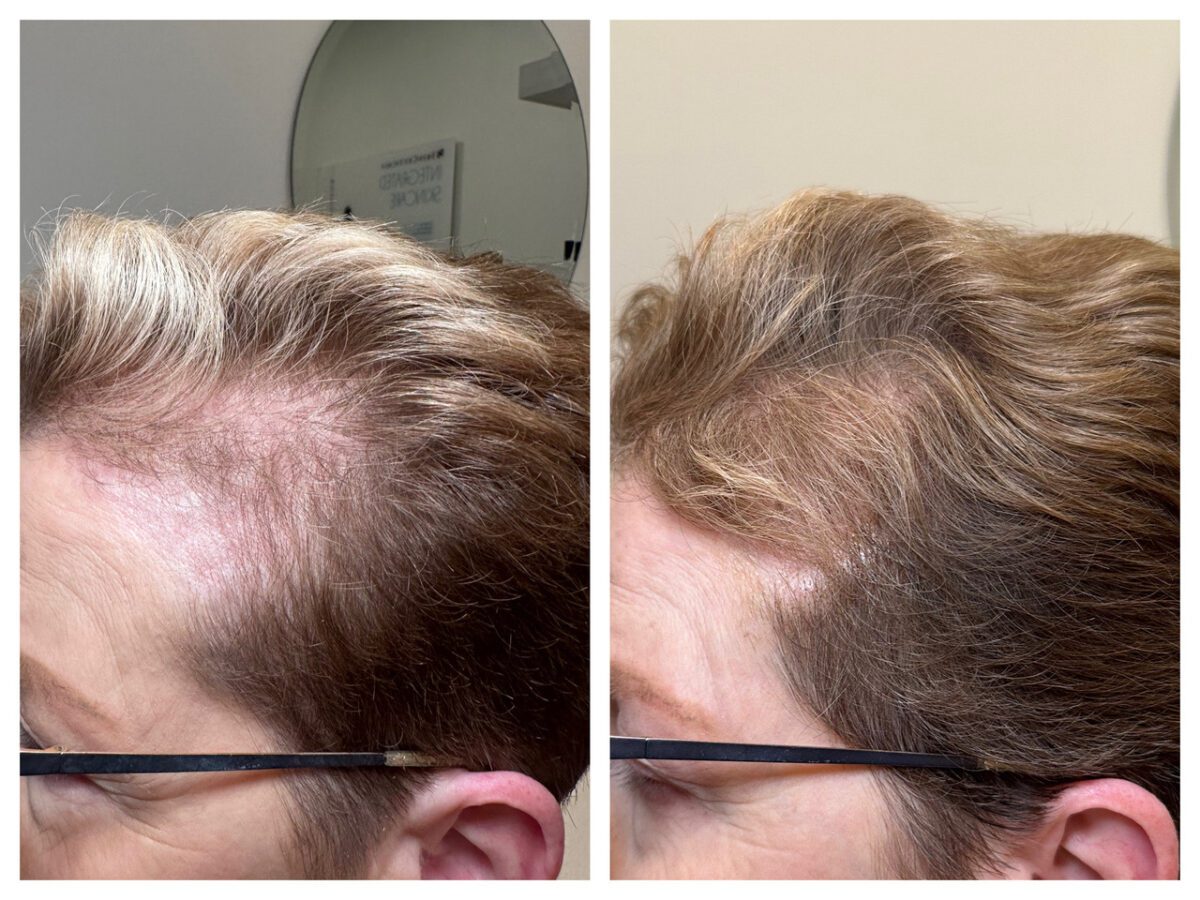
While TED remains popular for treating hair loss and thinning – such as male and female pattern baldness – it is increasingly being used by patients with minimal hair loss who want thicker, shinier and healthier hair.
“A key trend we’re seeing is a growing focus on scalp health as the foundation for long-term hair quality,” says Lehr-Hawkins. “There is a greater interest in preventive measures before significant hair loss occurs.”
Longevity in Aesthetics
As people continue seeking ways to achieve a natural, longer-lasting youthful glow, the field of aesthetics has shifted to include hormone balancing, metabolic testing and peptide protocols to address the underlying physiological factors that impact aging and appearance.
“There is a clear move away from quick cosmetic fixes toward longevity-focused, regenerative aesthetics,” says Lehr-Hawkins. “Patients are more proactive, informed and interested in addressing the root causes of aging, not just external symptoms.”
With this holistic focus, treatment plans may include hormone testing and balancing, peptide protocols and metabolic and inflammatory optimization, along with external skin care products and non-invasive procedures.
“With regenerative aesthetics, our goal is to stimulate the body’s own repair mechanisms, not override them, resulting in subtle, natural-looking improvements that build over time,” says Lehr-Hawkins. “By taking a whole-body approach, we integrate hormone health, metabolic health, skincare and lifestyle factors to create a tailored treatment plan. The future of aesthetics is highly personalized – combining internal wellness strategies with advanced, non-invasive treatments to support both internal vitality and external appearance.”