




















Oklahoma’s myriad array of STEM programs are preparing students for future careers. Across the state, these programs give students an unusual blend of both technical and executive functioning skills meant to support long-term success in a variety of careers.
Dylan Zemlin, president of Sooner Competitive Robotics (SCR) based at the University of Oklahoma, can speak to this long-term success – as can his faculty advisor, Noah Zemlin.
“A core part of what we teach is problem solving and creativity,” says Dylan. “Collaboration is also a huge part of what we do.”
Emily Mortimer, Ph.D., is vice president of STEM Ecosystems of Tulsa Regional STEM Alliance, where she leads a team delivering statewide efforts that connect classrooms, industries, higher education institutions and community organizations through real-world, hands-on STEM learning.
“Robotics and drones are STEM – and students are gaining real expertise in coding, engineering design, data collections, physics and flight operations. What surprises students and families is how strongly these programs build the executive functioning skills behind great engineering work.”
Dylan continues: “A core part of engineering is being able to go through the full process: design, build and test. Being in an organization like ours gives them almost full freedom over their respective projects. This means that they get to apply their design to the parent project – e.g. a robot – and must figure out all of the individual constraints while also designing the actual part. They get to go through the process of actually building their parts, reiterating on designs and testing their parts.”
Mortimer, Dylan Zemlin and Noah Zemlin all agree that part of the learning process includes making mistakes.
“By doing so, you can learn exactly what went wrong, how it went wrong, and what can be improved to prevent it from happening again,” says Dylan.
There are many other learning experiences in the mix. Mortimer explains that executive functioning skills help students in robotics and STEM programs, as well as life. All of these “build essential skills such as strategic planning and organization; critical and analytical thinking; collaboration and communication; creativity and program-solving; adaptability and reflective thinking – preparing students for a future where technology and career pathways evolve rapidly.”
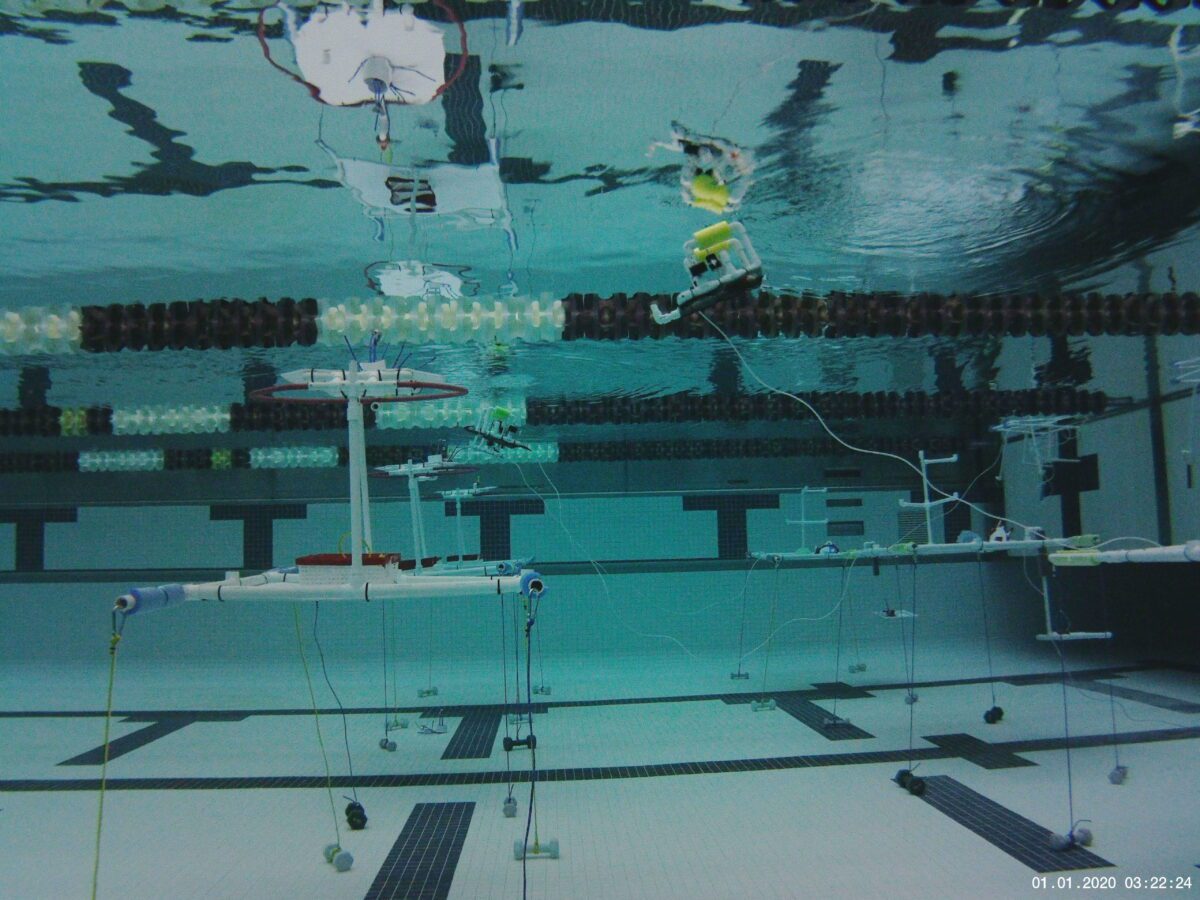
The programs interface with universities, local businesses and nonprofits. For example, SCR hosts its own robotics competition called STORM.
“We designed it from the ground up to be an educational STEM program for universities,” says Noah. “Each year, we release a new set of completely unique rules and challenges that clubs or programs at universities compete in. We design the rules such that the robots must feature tough problems across several disciplines such as mechanical, electrical or software.”
Mortimer says that industry partners bring current technologies, tools and real-world problems to the table, making learning relevant and career-connected.
“Universities extend this by offering access to research environments and emerging innovations that deepen both teacher and student understandings of STEM concepts,” she says. “Nonprofits and informal educators add creative, community-based approaches that make STEM more inclusive and culturally grounded.”
Noah mentions that STEM clubs, especially robotics, give students unique opportunities due to the breadth of work these projects require.
“It’s very rare that a single project can be completed by just one student due to the amount of different disciplines needed such as programming, mechanical design and manufacturing. Kids in STEM clubs must work together with others to design, build and test whatever it is they are working on. As part of that process, they learn better communication skills and the importance of teamwork in developing a complete and working project.”
Main image cutline: The Sooner Competitive Robotics Team at the University of Oklahoma helps its members learn both technical STEM skills alongside executive functioning skills. Photo courtesy the Sooner Competitive Robotics Team