





















Grace Hopper – a U.S. Navy rear admiral, mathematician and computer scientist – believed that the most dangerous phrase was: ‘We’ve always done it this way.’ Oklahoma trailblazers like Angie Debo, Ph.D., and Ada Lois Sipuel Fisher embodied that same forward-thinking mindset, paving the way for women to dare to achieve something greater.
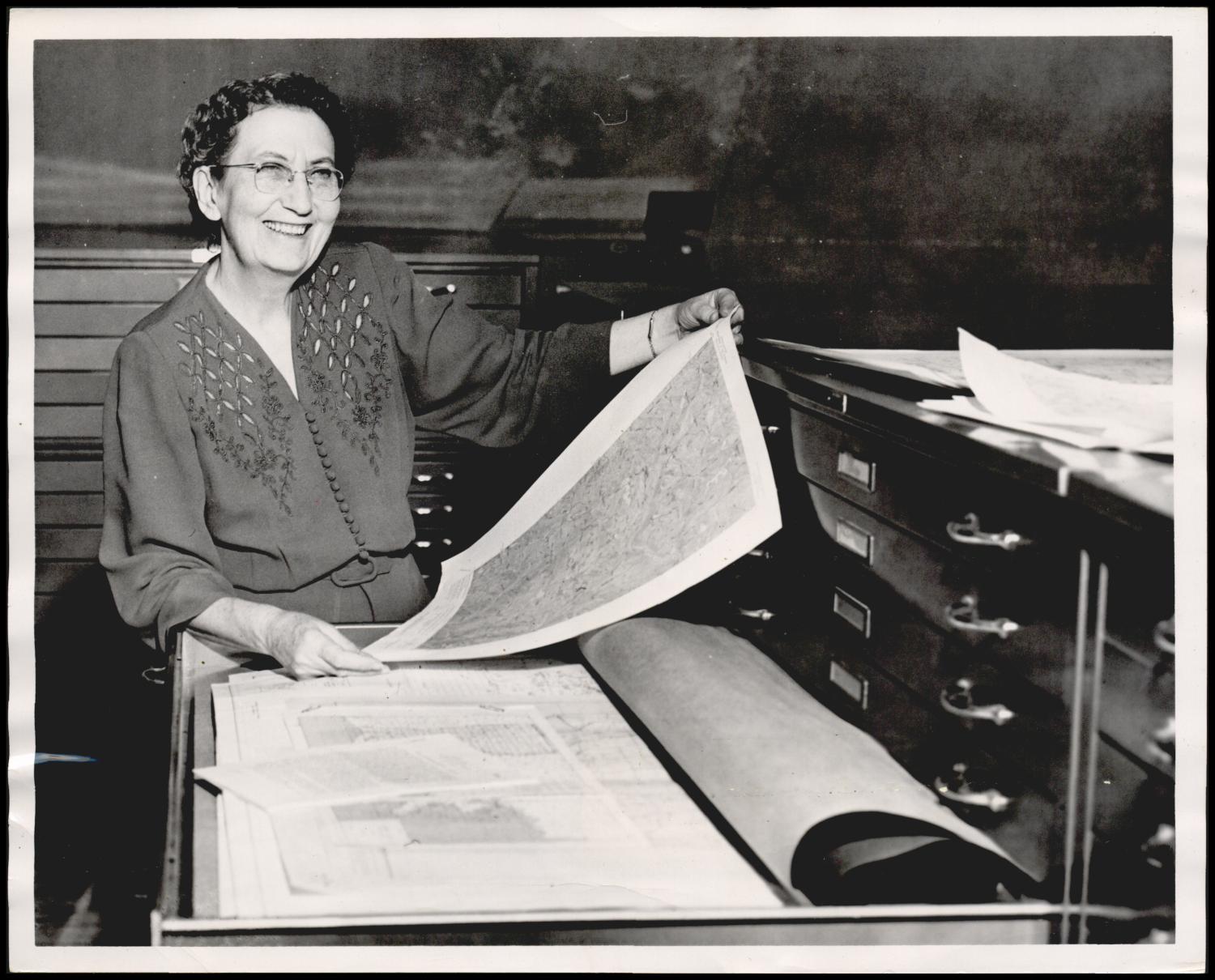
Debo, an innovative scholar, was one of the first major historians to document injustices against Native tribes in Oklahoma. Born in 1890 in Beattie, Kansas, Debo moved to Marshall, Oklahoma Territory, with her family when she was nine years old. She graduated from the University of Oklahoma in 1918 with a degree in history, received her master’s degree from the University of Chicago in 1924, and earned her doctorate from OU in 1933.
In addition to teaching, she was a pastor and the director of the Federal Writers Project in Oklahoma. Debo authored nine books, edited three, co-authored another, wrote many chapters, articles and forewords, and presented numerous papers on Native Americans and Oklahoma history. She also lectured and traveled.
Debo served on the board of directors of the Oklahoma Chapter of the American Civil Liberties Union and the Association on American Indian Affairs. She made surveys for the Indian Rights Association and lobbied for land rights for Indians in Alaska and for water rights for the Havasupai and Pima in Arizona.
Debo was not often publicly commended because during her lifetime, her work challenged state and federal officials, blacklisting her from academic jobs. Some colleges wouldn’t hire her on as a professor simply because she was a woman. Despite this, Debo’s research shaped modern scholarship on Native history, and Oklahoma State University maintains an archive in her honor.
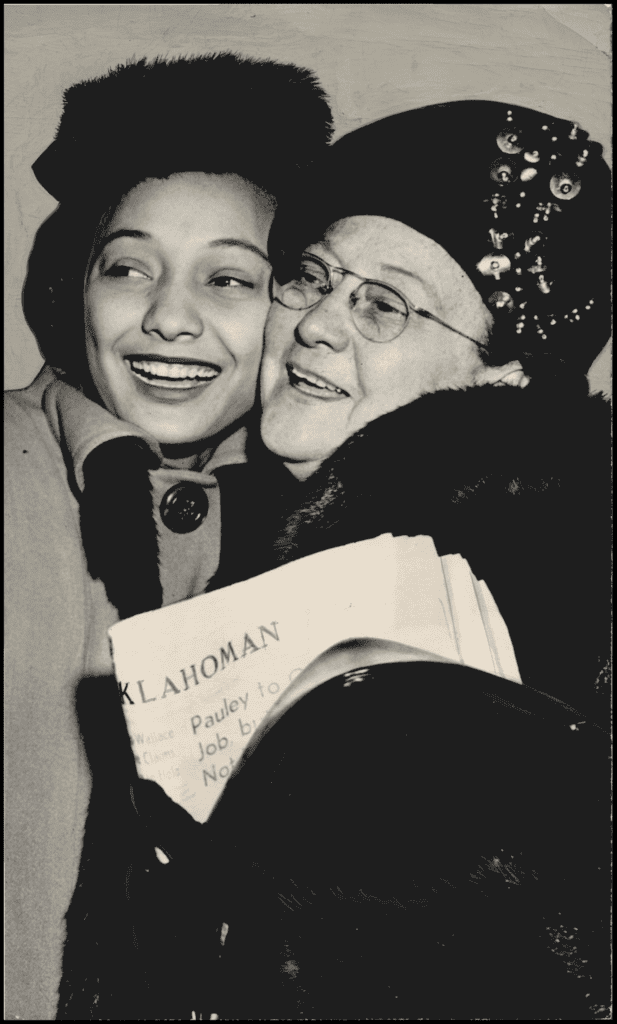
Ada Lois Sipuel Fisher was born in 1924 in Chickasha. She was an excellent student — graduating from Lincoln High School in 1941 as valedictorian and enrolling at Arkansas A&M College, attending for one year. Sipuel transferred to Langston University in Oklahoma to study English and graduated with honors in 1945, but she dreamed of becoming a lawyer.
At the time, Oklahoma was segregated, but Sipuel sought admission to the University of Oklahoma’s College of Law anyway. She was denied admission due to her race. A three year legal battle with the district courts, Oklahoma Supreme Court and the U.S. Supreme Court ensued with the support of the National Association for the Advancement of Colored People (NAACP) and civic leaders across the state.
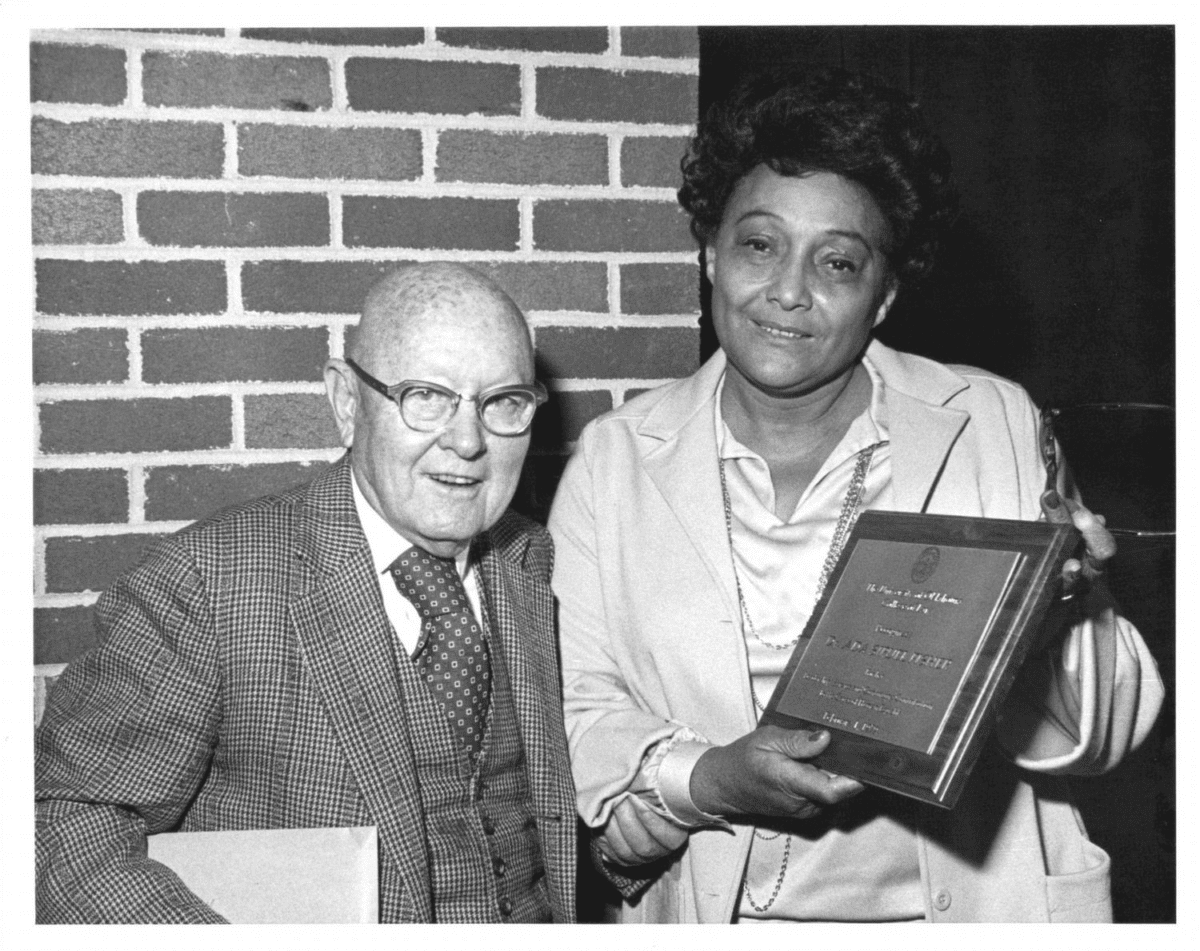
Fisher and her team ultimately won the case, and she was able to enroll in the University of Oklahoma’s law school. Her case was groundbreaking — paving the way for desegregation in higher education in 1948. However, her story was overshadowed by the Brown v. Board of Education case, which ruled that U.S. state laws establishing racial segregation in public schools violate the Equal Protection Clause of the Fourteenth Amendment.
Despite this, Fisher’s fight and win had a ripple effect for future students of color: the University of Oklahoma’s law school created a scholarship and lecture series in her name.