







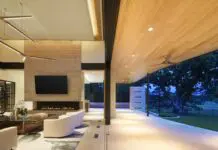
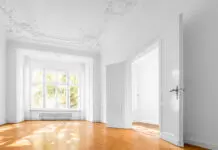








From smart-home technology that fits in your pocket to backyards designed for gathering, today’s homes are evolving in intentional ways. Architects, builders and landscape designers are blending innovation with durability, sustainability and personal style, creating spaces that feel both modern and deeply livable. The result? A smarter, healthier and more beautiful way to call Oklahoma “home.”
By Kimberly Burk
IN THE HOME
Smart Homes, Smarter Living
To help him stay up to speed with the latest in home technology, Oklahoma City builder/designer Kent Hoffman of the Hoffman Group says he “spends a lot of time in meetings with architects, designers and subcontractors. A home can be very automated nowadays, and your phone can control a great deal of that. It’s pretty amazing.”
Security systems with cameras, indoor and outdoor lighting, the temperature of the home and the garage door opener can all be controlled by your cell phone, Hoffman says. Smart devices also include leak detection systems that will turn off the water at the meter to prevent the house from being flooded. Other innovations include motorized window shades, video doorbells with cameras, smart locks and smart irrigation controllers.
“You can retrofit, but it’s definitely easier with a new home to plan on this technology from the ground up,” he says.
New on the scene in Tulsa is Parcel Safe Systems, says Ed Conn, one of the founders and a managing partner.
“We have everything that Ring has, but we actually protect the package,” Conn says.
Combining the strength of metal safes with cutting-edge mobile technology, Parcel Safe is a secure package delivery system that allows the delivery person to drop large parcels inside the house, deterring porch theft. The company obtained a patent in the fall, and the units are assembled in Tulsa.
“We are the first ones to do it this way,” Conn says. “There are competitors, but they don’t have the mobile app and all the features that we have. You can open it from anywhere in the world from the mobile app.”
The safe can be installed in most existing homes, “but we are focusing mostly on the new home build,” Conn says.
Staying In Style
Tulsa architect Brian Freese says he generally advises against chasing the latest trends.
“The best solutions in architecture and design are the most lasting ones – durable materials, well-placed and carefully crafted; well-proportioned rooms and spaces; abundant natural light; and strong visual connections to the outdoors, even if it’s a courtyard,” Freese says.
He is, however, seeing some interior lighting trends that he favors.
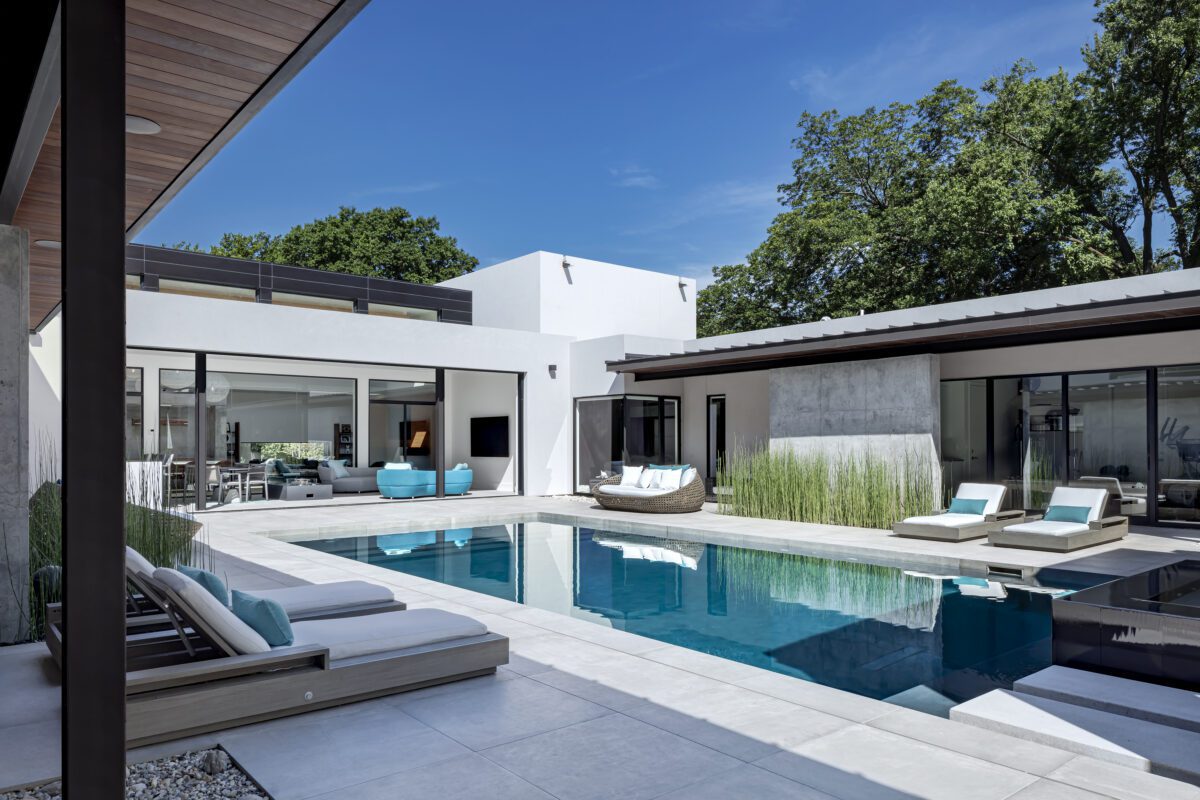
“I believe there is a movement toward fewer interior lights in general and depending more on well-considered natural light, which is much healthier and more pleasing,” he says.
Hoffman says his clients are choosing a range of housing styles these days – “everything from Mediterranean to traditional to quasi-midcentury modern. We are building a large French home right now, and some rustic farmhouse homes.”
Hoffman enjoys remodeling projects as much as new-home builds. With ranch-style bricks, he says, “you can raise the ceilings, change the windows and paint some of the exterior brick. You can make them a lot more contemporary. You can doll them up. I love to put a new face on an old home that’s solid.”
Freese says that his father-in-law told him that “as long as human beings have emotions, there will be architecture. We respond to things through our senses.” For him, that means spaces that think about the people who will live there “and are not just mass-designed.”
Steps Toward Sustainability
A green approach to home building and remodeling can help save the planet, add to the health and comfort of the homeowner and cut utility bills. Additionally, an eco-conscious approach does not necessarily cost more.
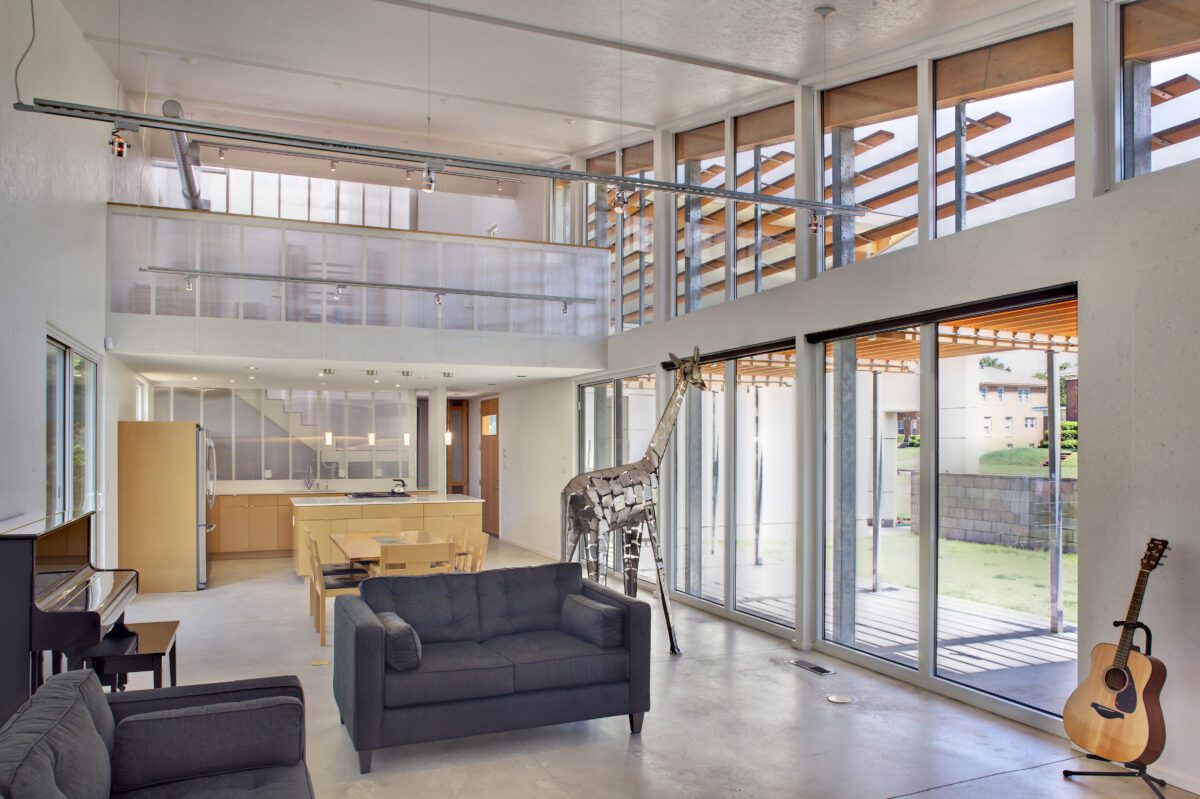
Operable windows, for example, “is an old-fashioned technology,” says Freese. But windows that can be opened result in energy savings and contribute to a pleasant home environment. “The location of windows is pretty important,” he continues. “If correctly placed in a house, from southwest to northeast, you will get prevailing breezes on a nice day. Natural breezes will cleanse a house.”
Hoffman says certain green building materials also stand up to the state’s severe weather.
“We use a lot of synthetic roofs that are a combination of rubber and plastic, recycled materials,” Hoffman says. The roofs are hail-resistant to a certain point, he says, depending on the size of the hail. His company also uses a limestone from Kansas “that holds up to Oklahoma weather very well.”
Freese says natural materials can be used in place of products that contain Volatile Organic Compounds (VOC) found in glues, plastics and manmade composites.
“So many building products have a high VOC content that the human body is not designed to deal with,” Freese says. “This is made worse by the fact that many homes are built to be super tight. Older homes were built to breathe a little bit.”
To better withstand the Oklahoma climate, Freese says, the traditional Portland concrete binder can be replaced with fly ash or slag. He also suggests Forest Stewardship Council-rated wood framing, “which is more expensive but a higher quality material and a better choice.”
For exterior masonry, eco-conscious customers can use products from quarries or manufacturing plants that are closer to the construction site, to lessen the trucking distance.
Homeowners should consider whether a material is beneficial “not only from an environmental point of view but also from the point of view of human health,” Freeze says. “With people with allergies, we take a lot of time in selecting materials,” he says.
Energy-efficient upgrades include increasing insulation in the attic space to reduce excessive heat loss in the winter, and switching to LED light bulbs.
IN THE GARDEN
Thriving Flora
In 1999, the Oklahoma State University Extension Service created Oklahoma Proven, a plant evaluation program designed to help Oklahoma consumers choose the best plants for their gardens. The goal is for gardeners to select plants that are tolerant of the environmental conditions found across the state.
“Using well-adapted plants should lead to greater gardening success and more environmentally friendly gardens,” according to OSU Extension.
The Oklahoma Proven guide, which can be downloaded from OSU Extension, suggests options for annuals, perennials, shrubs and trees. Considerations include drought-resistance, low-water usage, whether plants are indigenous to the continental United States and whether the plants are good habitation for birds, butterflies and other wildlife.
“There are many plants suited for use in Oklahoma, and it is always imperative to match the environmental tolerance of the plant with the environmental conditions in a particular garden,” according to OSU Extension.
A trend noticed by Kathy Caviness of Caviness Landscape Design based out of Arcadia is chaos gardening, “which is the opposite of clean, nicely manicured borders. We like to think of it as organized chaos, utilizing mass plantings of grasses, ground covers and different layers of perennials and annuals.”
Outdoor Entertaining Done Right
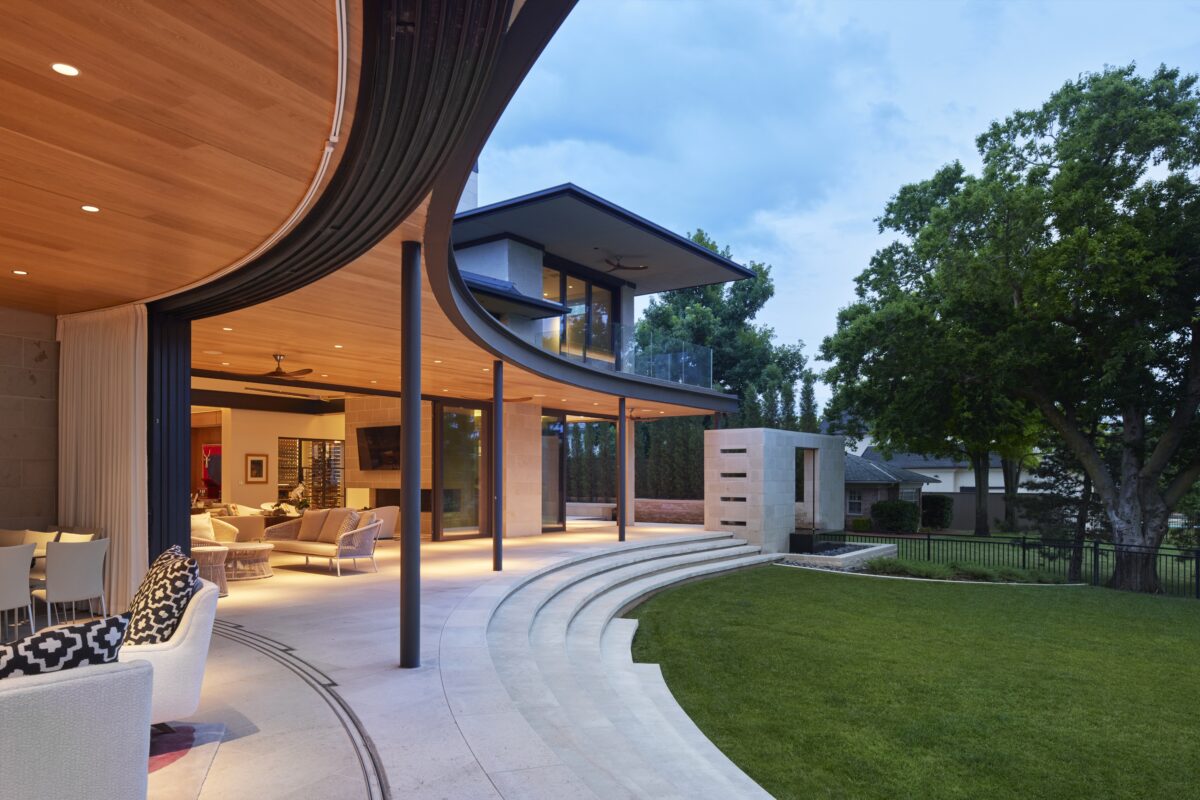
Outdoor kitchens remain popular, but even a regular-sized backyard can also accommodate a dining area, secluded seating areas and a fire pit or fireplace area, says Caviness.
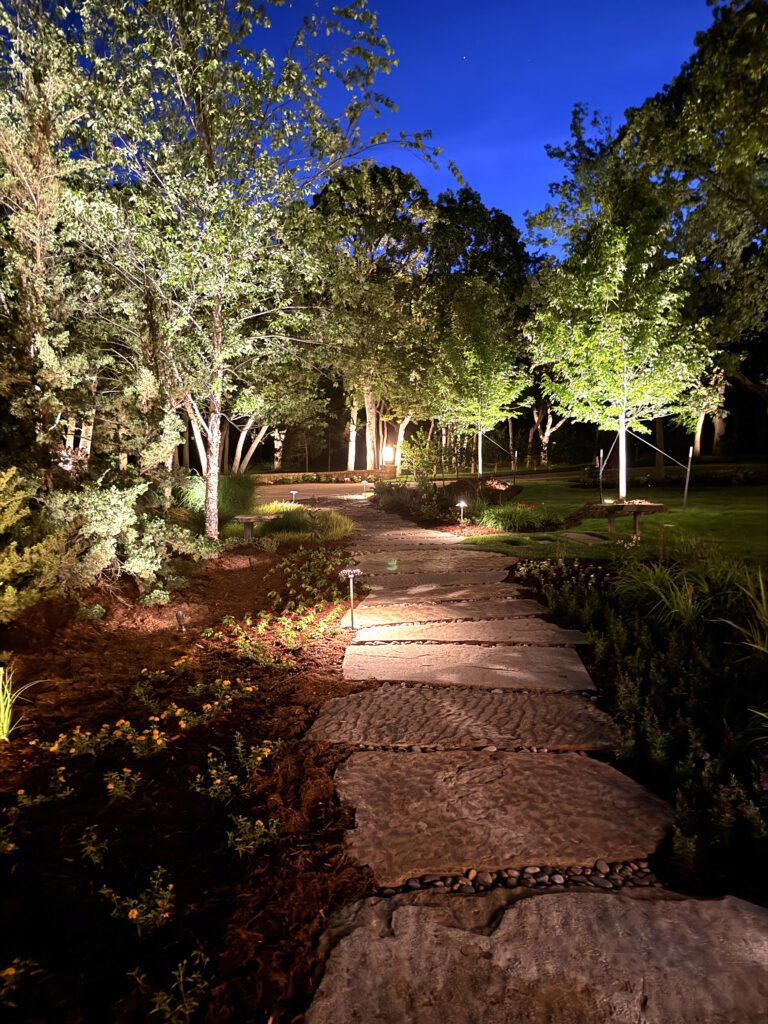
“We still see outdoor living designs as designated rooms or areas that provide different uses,” Caviness says, with landscaping serving as natural dividers. “We love to incorporate natural materials like flagstone and natural boulders into the hardscape designs. Retaining walls can help separate the areas and help with drainage issues or a yard that isn’t flat.
For a weather-resistant outdoor kitchen, “stainless steel for countertops and cabinet faces is a pretty good way to go,” says Freese. “Good-quality stainless will not rust,” Freese says.
A Backyard Oasis
The backyard is no longer an afterthought but a vital extension of the home – one that draws people outdoors and gets them moving.
Freese says that his home design philosophy is “midwest modern that looks appropriate to this part of the world and has a really strong connection to the outdoors, hopefully coaxing people outdoors.”
The part about the outdoors is especially important to him.
“People need to get out and sweat more,” Freese says, and he is optimistic his backyard designs are making that happen.
As a student at Tulane University, his curiosity about the beautiful gardens of New Orleans sometimes drove him to knock on the doors of strangers.
“I was transfixed by those small, outdoor rooms,” he says. “There was usually ancient brick or stone, and almost always a fountain. It transformed the space.”
If you are starting from scratch, “mature landscape materials give that instant gratification, instead of waiting five to ten years for a tree to get to the desired height,” says Caviness. “Landscape lighting incorporated into the design gives a homeowner a dramatic view at night, not to mention addressing safety issues.”
Water’s Quiet Pull
Some people love having a backyard pool. Others don’t want to take care of one. But most everybody loves water, says Freese.
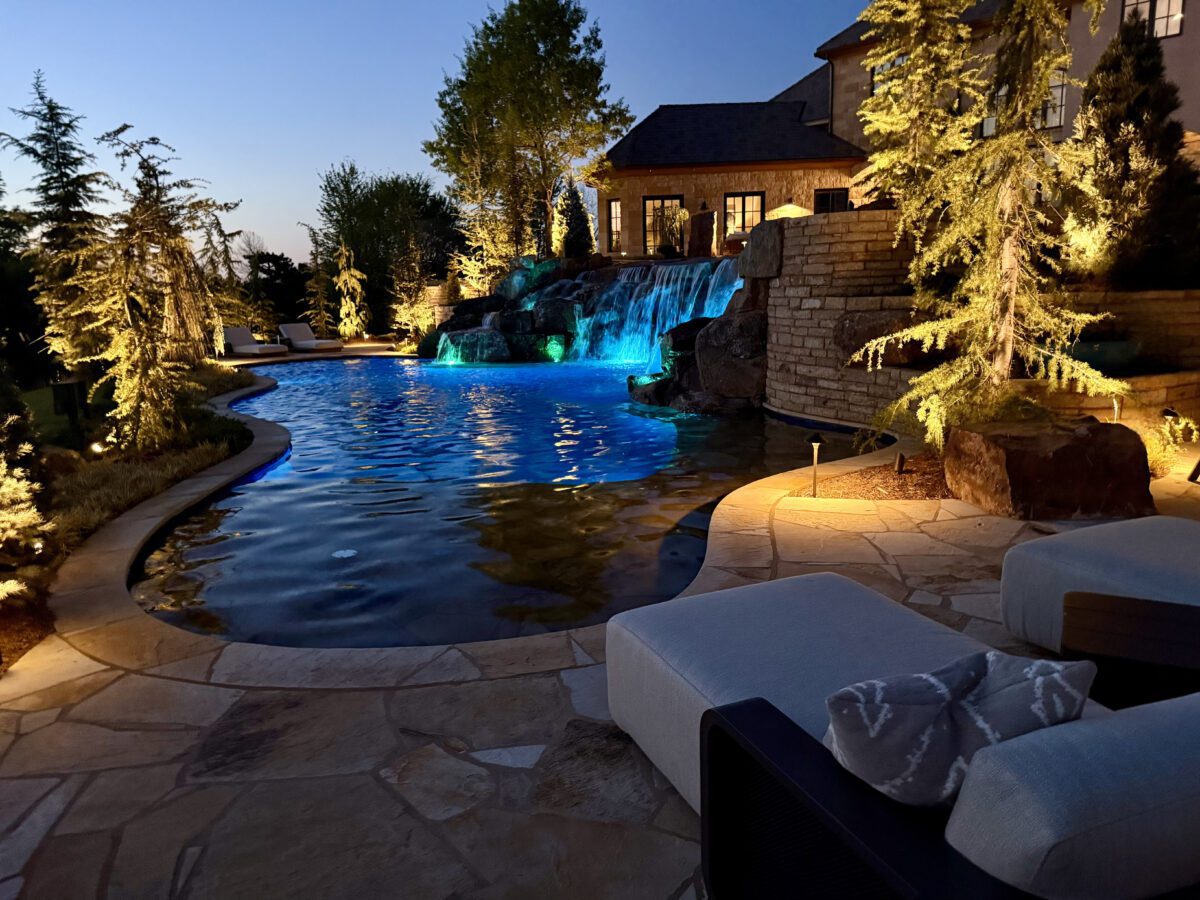
“We design outdoor spaces as well as indoor, and I will commonly design water features like fountains and reflecting pools,” he says. “We are instinctively drawn to the sound of babbling water.”
Nature-inspired or modern designs of water features that complement the home design and blend in with the surrounding landscape are optional choices for alternatives to pools, says Caviness.
“Designing a water feature near a gathering spot for family and guests can provide a visual and pleasing sound that will appeal to all,” she says. “Also, wellness features are a really huge desire for residential designs. Spas, plunge pools that incorporate a cold plunge or a single jet that you can swim against, and saunas – both steam and dry – can also be incorporated into the landscape design.”
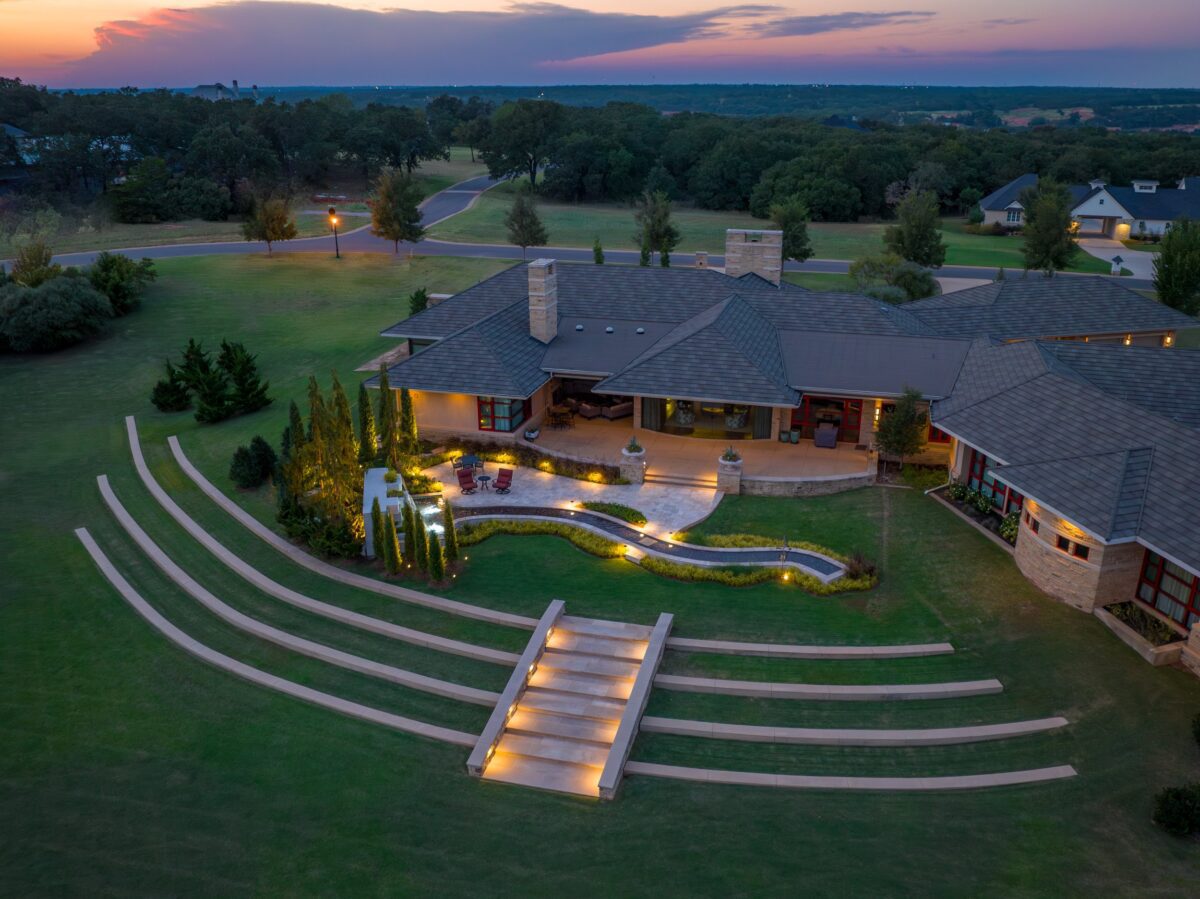
Featured photo caption: Today’s backyards are designed as natural extensions of the home’s interior living space. Photo courtesy the Hoffman Group