




















Teatime is not just for British blokes or grannies wearing lacy white gloves. Oh, no. Gen Z and Millennials are swimming in the tea revolution as they prioritize wellness, cultural values, ceremony, comfort … and beautiful social media moments.
“TikTok/social media is a big driving force for the growth of tea culture at the moment,” says Jonathan Khalilian, who ditched a job in academia to open his Japanese tea house, Brushwood Tea, in Warr Acres.
Social media is brimming with influencers carrying beautiful cups of tea, especially Japan’s trendy green iteration, matcha. “Teatox” influencer Kim Kardashian and her sister Kourtney frequently tout the beauty and health aspects of matcha tea on social media.
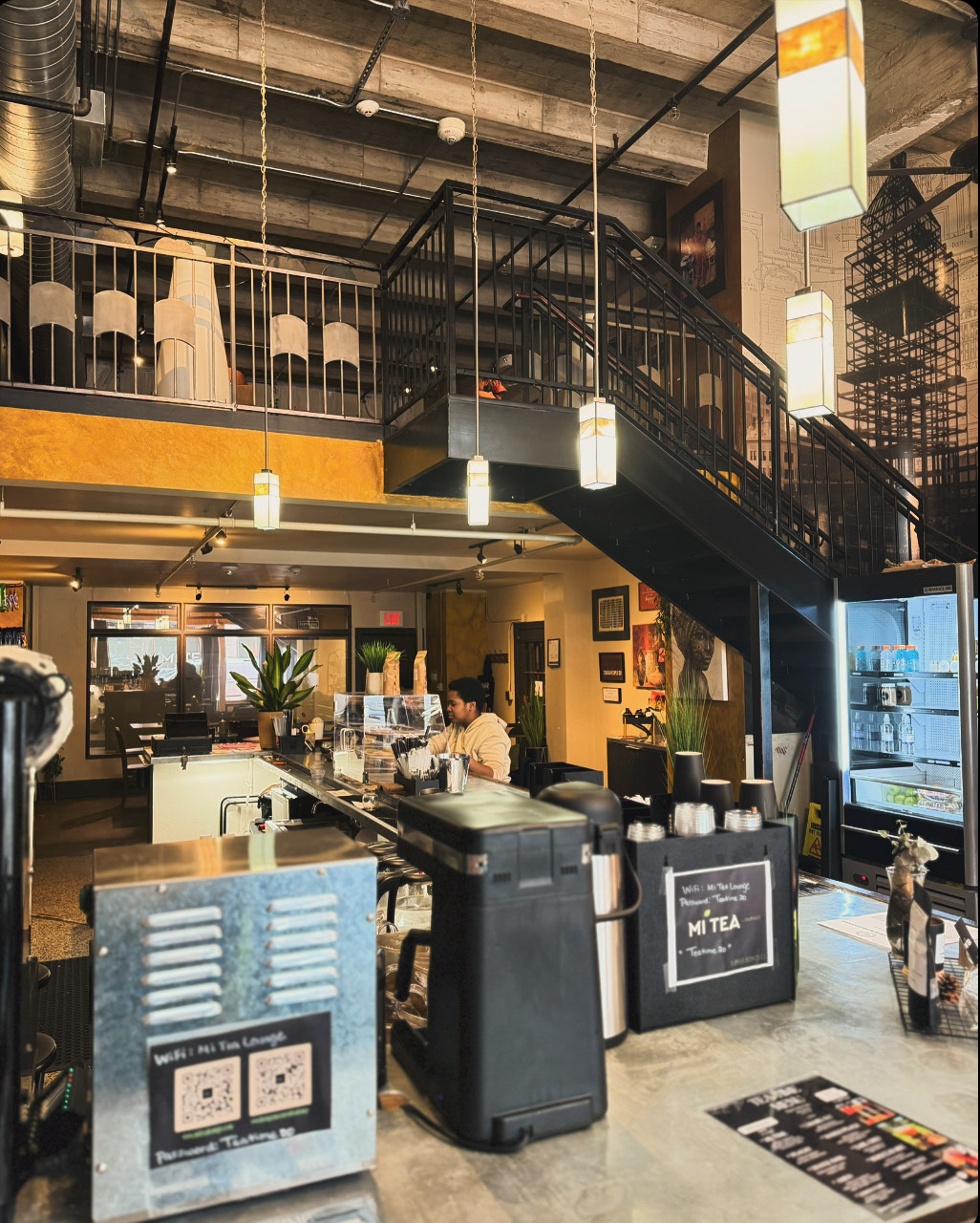
“I don’t know how matcha went so crazy so fast besides social media,” says TaNesha Rushing, a singer/songwriter who founded Mi Tea Lounge, a Tulsa Philtower Building venue that showcases musicians, sea moss and teas. One such tea is her proprietary brand crafted to relieve a scratchy throat.
“It’s a ‘richy’ looking thing … walking around with the tea and feeling demure,” says Rushing. “It’s a thing.”
A Surprising Revolution
An eye-opening restaurant trend report reveals that people drink more tea than coffee in Oklahoma and 29 other states. From Tulsa’s Art Deco elegance to Luther’s gentle countryside, Oklahomans are swapping cups of joe for natural, wellness-centered ingredients.
“Everyone just kind of went on this whole thing of wanting to eat and drink better,” Rushing says.
Affection for tea – a beverage so coveted that Britain dispatched a botanist spy in the 1880s to steal China’s tea secrets – is grounded in today’s physical and mental health craze.
Drinking 1.5-3 cups of tea daily can lower blood pressure and cholesterol, while reducing risks of heart attack, stroke and dementia, though research shows tea drinkers’ healthy lifestyle may be a major factor. Coffee imparts similar benefits, sure, but tea provides a calmer, sustained focus without coffee’s caffeine crash, says Harvard Health.
Simple Life
In Warr Acres, Brushwood Tea fills as Khalilian mixes potions. The door swings open for William Williams, sporting a reddish beard, wire-rimmed glasses and a tailored green coat. Whisking matcha into a froth, Khalilian glances over his shoulder.
“Hi William,” he calls out.
Khalilian, a tea industry veteran and student at the Prague tea school Urasenke Chado School, appears composed as the crowd grows. At one table, a couple enjoys their tea and speaks in Japanese.
At a corner table, Jacob Markstone, his wife, Samantha, and son, Sam, are armed with massive tea bowls. They’re deftly swapping cards and sipping Sam’s favorite – maple bourbon vanilla matcha.
Their Saturday family tradition began after Markstone surprised Khalilian in February 2025 as he prepared to open.
“I’ve been in almost every day since then,” Markstone says. “And I’ve tried all of his teas.”
About 30 miles northeast, the owner of Wild Clover Farm contemplates the growing tea culture.
“Tea is simple and it’s kind,” says Lisa Shelden, who sells home-grown herbs online, and eggs from hens like Hazel and Violet. “Society is in chaos. I think that people are longing for something simple.”