














The suffix stan means “where one stands” or “land of,” so Tajikistan becomes land of the Tajiks, just as Scotland is the land of the Scots. In this case, the ‘stan’ has a lot of up and down to it. Ninety percent of Tajikistan is mountainous, and half of it is above 9,800 feet.
Except for China to the east, Tajikistan is surrounded by most of the other ‘stans,’ including Afghanistan to the south, which makes travel to that part of the country dicey. And steer clear of eastern Tajikistan, too – a little lawless. But that’s okay. The country has plenty going on elsewhere.
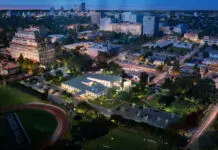
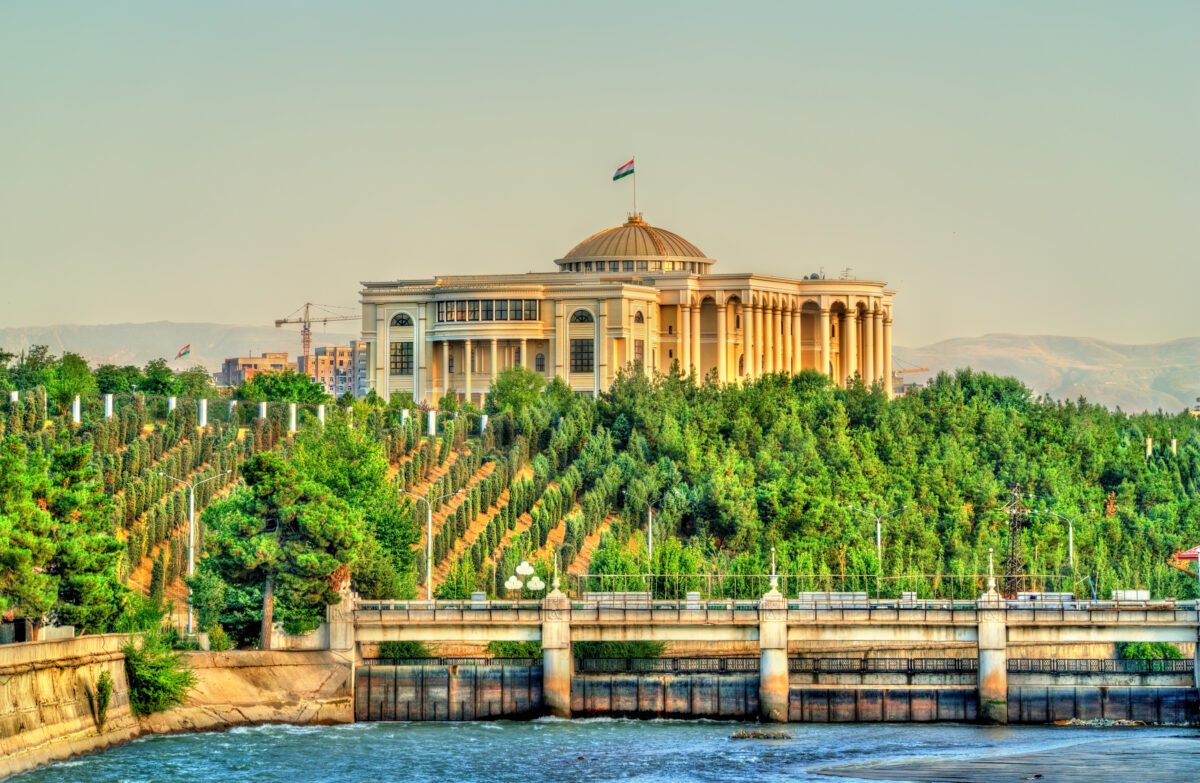
The country’s modern capital of Dushanbe (in the west) provides a comfortable home base to explore the metro of a million and nearby mountains. Dushanbe is so modern, much of its utilitarian Soviet-era architecture has been replaced with ambitious skyscrapers on wide avenues flanked by trees and art. The name Dushanbe means “Monday” in Tajik, so-named because for many years, Dushanbe was the only market town open on Mondays.
Those with a taste for history will enjoy the National Museum of Antiquities, where a 42-foot statue of Buddha in Nirvana lies in repose, skeletons still wear their jewelry and artifacts represent thousands of years and half a dozen cultures.
Head to the impressive Istiklol Monument, completed five years ago, for art by local artists on the lower floors and an observation deck on the 14th floor. In the evenings, the surrounding fountains dance in a multihued light show.
Take time for a leisurely stroll through Rudaki Park, named after the beloved Persian poet. Fountains, statues, outdoor art, gardens and a large lake fill the space, which is adjacent to Flag Pole Park, home of the fifth-largest flag pole in the world. The flag it flies weighs 1,540 pounds.
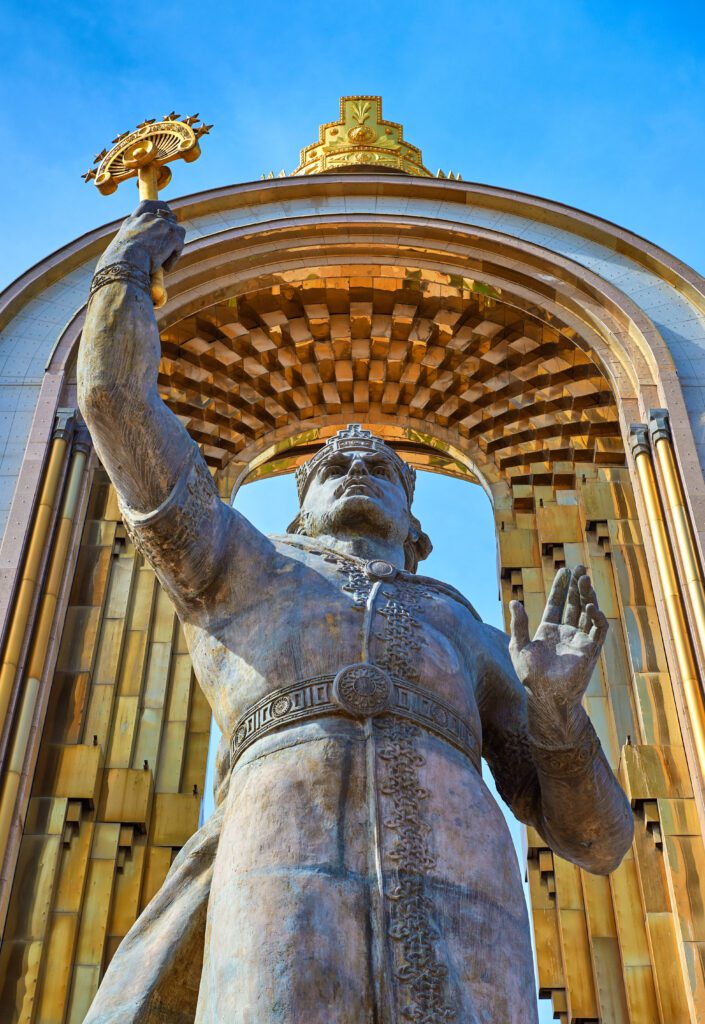
Nearby is a stunning 80-foot statue of longtime Persian ruler Ismoil Somoni. The nation’s currency, the somoni, is named after him. And just beyond that is the National Museum of Tajikistan, a sprawling museum built in 1934 with a concentration on art and history.
Teahouses are called Chaykhana and they’re ubiquitous in Dushanbe, from the small and quaint to the cavernous. Two of the most notable are Toqi, known for its pilaf, and the National Tea House, shaped to resemble a watermelon, a key fruit in Tajik culture. Nowruz Palace began as a simple teahouse on Komsomol Lake, but then things got out of hand. Now it’s the largest in the world with intricate wood carvings, gold leaf ceilings and stained glass.
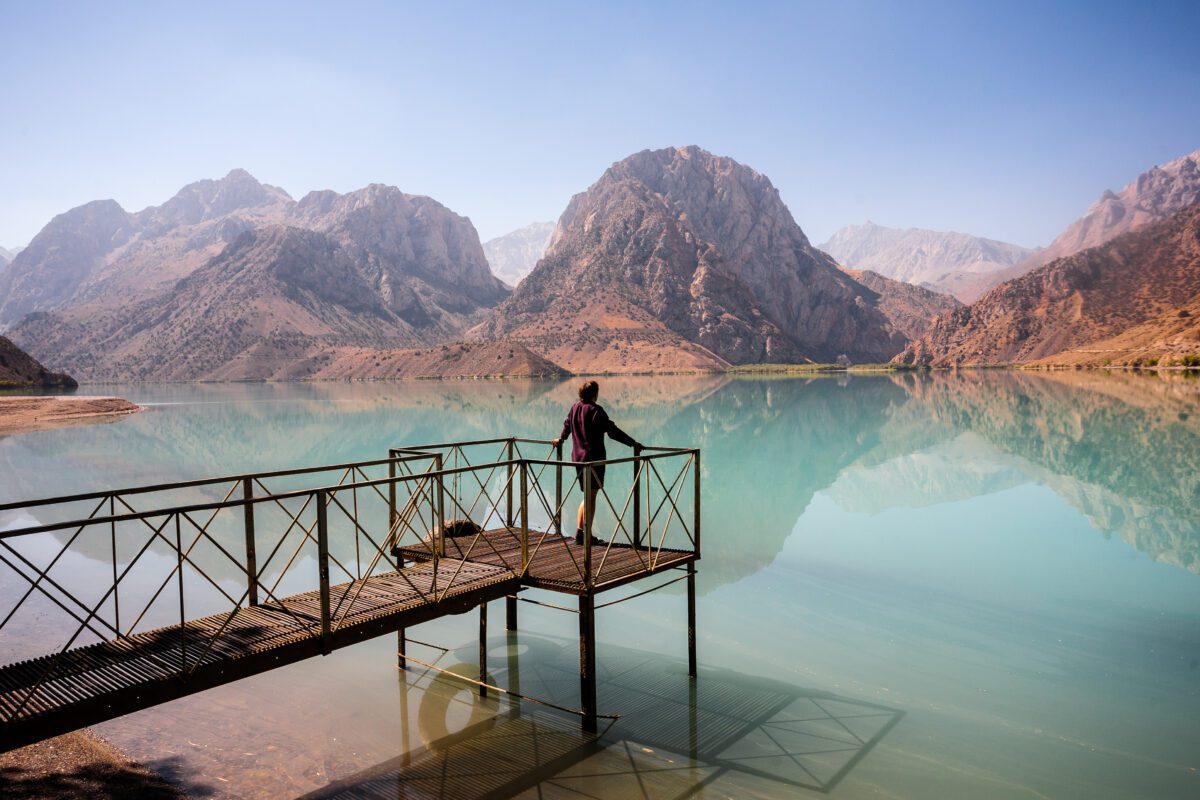
North and west of Dushanbe, the Fann Mountains are spiked with rugged, snow-capped peaks, some above 16,000 feet, offering all levels of hiking and climbing. For the adventurous, dozens of deep blue Alpine lakes and cascading waterfalls are hikeable, including Iskanderkul, once dubbed the Soviet Union’s most beautiful lake. Many glaciers can be found in the high country, some quite big.
Until the 15th century, the legendary Silk Road carried goods between East and West across Tajikistan’s mountainous terrain: jade, ivory, spices and much-sought-after textiles, especially silk from China. Today’s shoppers flock to mega retail complexes like the three-story Mehrgon Bazaar, whose architecture was inspired by the Silk Road and whose emphasis is food.
Persian flavors dominate Tajikistan’s cuisine with mutton featured in many dishes, such as osh, a rice and meat pilaf. Kurutob is also popular, made with yogurt, coriander, onions and flatbread. Qaymaq is a creamy mix of scrambled eggs and greens, and baklava can be found on many restaurant menus.
Stay at the Dushanbe Serena Hotel, a sophisticated glass tower with a spa, minutes from museums and great dining in the heart of the city.