


















From stylish and functional kitchen upgrades to storm-ready construction, remodeling a home in Oklahoma comes with a plethora of exciting possibilities and practical considerations. Designers, architects and builders say today’s homeowners are embracing bold trends and custom features while sagely navigating costs, timelines and the occasional surprise.
Popular Renovations in Oklahoma
If you’re thinking of changing your kitchen cabinets, consider the many shades of green, says Tulsa builder Austin Edgar, owner of Austin Lee Company.
“The greens have really blown up to the point that I went with that in my cabinetry,” in the house he is building for himself, Edgar says.
Other kitchen trends include work station sinks, typically made from stainless steel, that include built-in features such as cutting boards, strainers and knife holders. Rich colors of quartz are popular for countertops, Edgar says, and brushed brass and gold have made a big comeback for drawer pulls, lighting and plumbing fixtures.
“It’s a much more classy look than the brass of the 1990s,” Edgar says.
Outdoor kitchens remain in demand, and the latest thing in outdoor living is the combination pool and spa known as a ‘spool.’
“They are compact, often heated, jetted small pools, usually about 8 feet wide by about 12 feet long,” Edgar says. “And they are coming out with jets to create swimming currents. So you can swim in a very small pool.”
Tulsa architect Richard Winn of TWO Architecture says the emphasis on outdoor living spaces that began during the COVID-19 pandemic is still going strong.
“People are wanting to enjoy their homes more and spend more time in them,” Winn says. “They are really wanting a place where they can entertain, sit out and watch TV and listen to music. And they are wanting it to be screened in if possible, so they don’t have to fight the mosquitoes.”
Tulsa interior designer Tracy Huntington of Huntington Interior Design says “sustainability and wellness-focused design continue to grow in popularity and add lasting value when done thoughtfully.”
Sustainability goes beyond eco-friendly materials, she says.
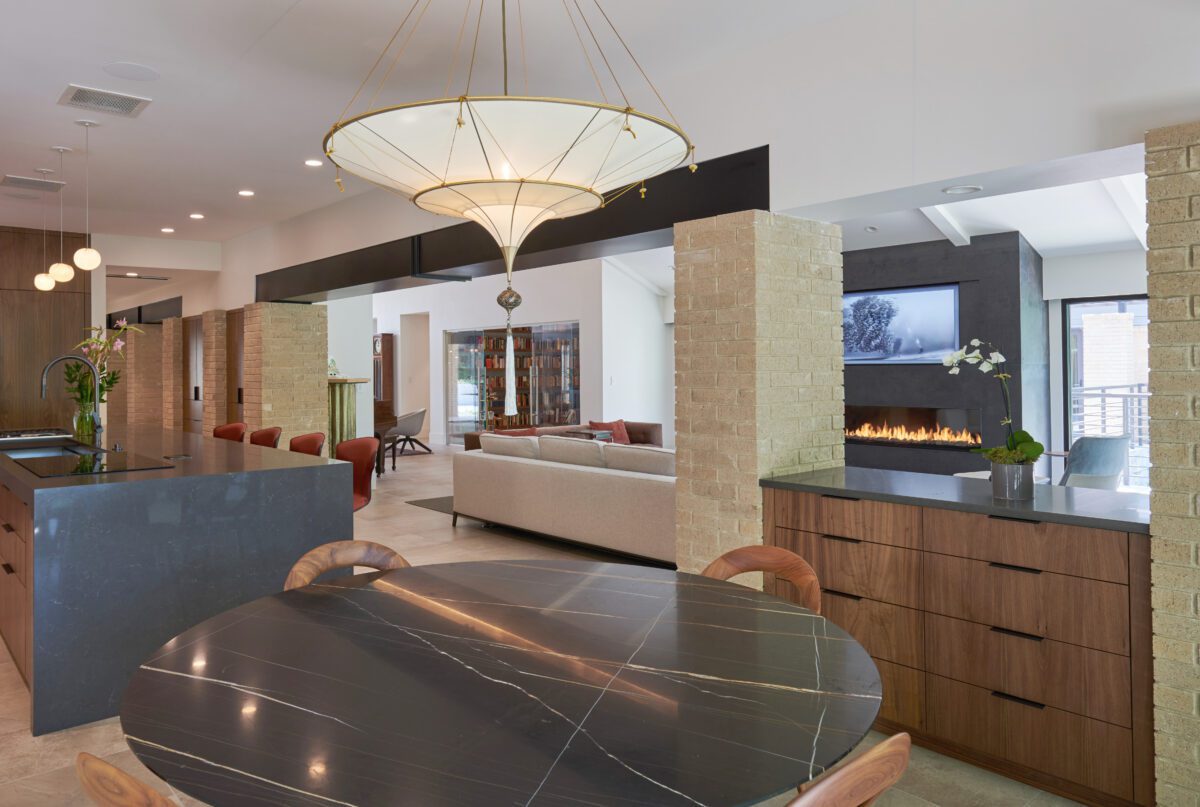
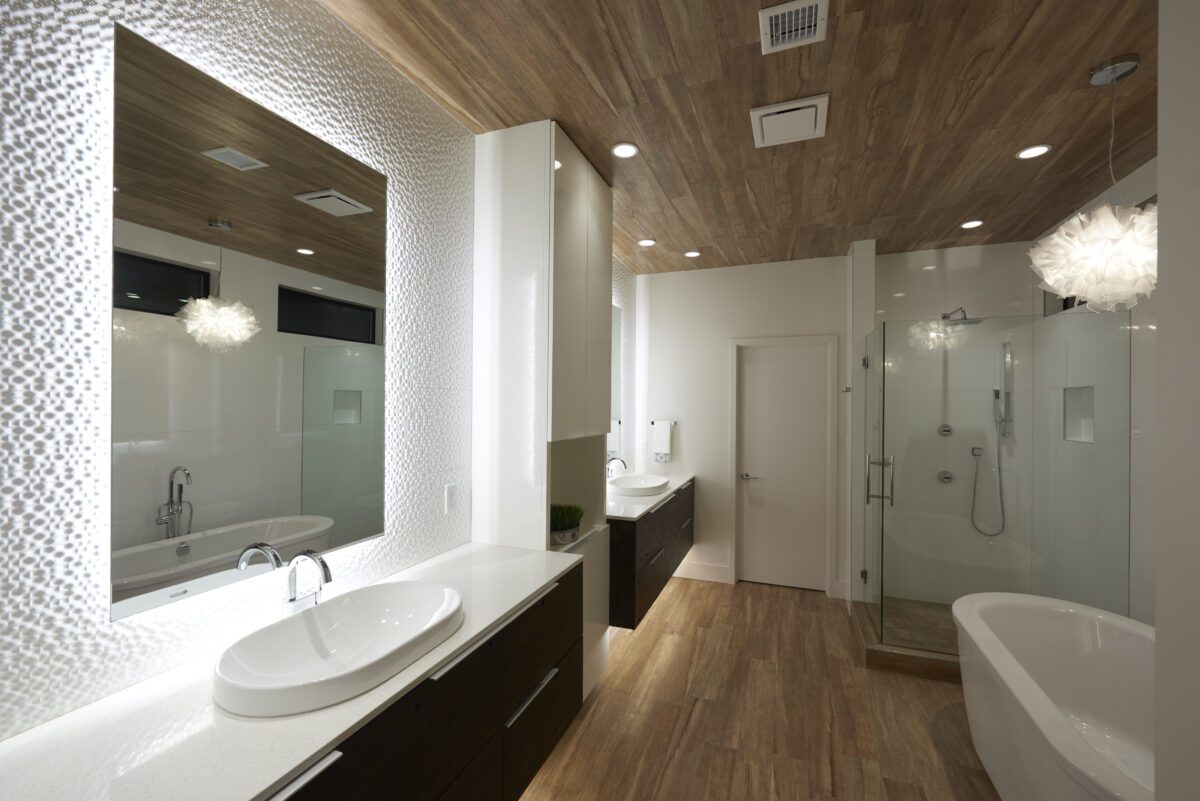
“Energy-efficient windows, better insulation, natural materials and low-VOC finishes improve how a home performs and often lower long-term costs,” she says. “Wellness design focuses on creating spaces that support daily well-being through natural light, improved air quality and spa-inspired bathrooms that feel like a retreat.”
The Cost of Custom
With custom home features, “you can really show your personality,” says Edgar. “You get to truly personalize your home.” But one drawback, Edgar says, is you can get decision fatigue.
“To some people, the amount of selections that have to be made can be a daunting task. With high-end custom homes it’s just the finishes and figuring it all out,” he says.
Custom remodels can also take longer.
“Millwork and trim carpenters can spend months in there,” Edgar adds.
But a remodel that includes custom work can be very rewarding for the homeowner and the builders and designers.
“When you finally solve all the issues to get the highest-end look, where every single finish looks intentional, with the cleanest lines, that’s what I love,” Edgar says.
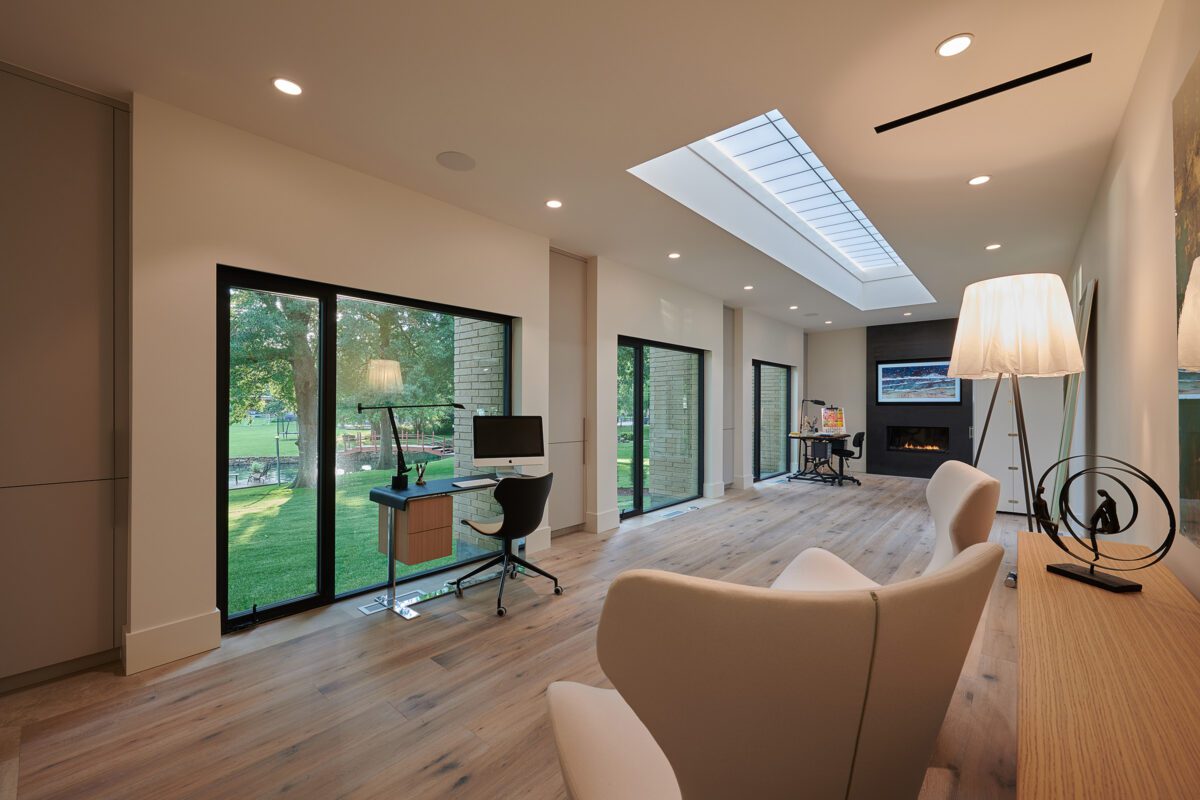
Winn says people who hire an architect usually have some custom work in mind for their remodels. He cites midcentury modern homes as an example of where custom work can really shine.
“Those homes typically had 8-foot ceilings,” Winn says. “We can raise the ceiling, change the roofline, just give the home a new appearance.”
But custom work can be expensive, he acknowledges.
“We will sometimes do a conceptual plan for clients with an anticipated budget, and some have said they can’t afford it,” he says.
However, custom work is similar to any remodeling project when it comes to return on investment, Winn says.
“I think everyone’s expectation is that they are going to get some return on their investment for a remodel,” Winn says. “But a full return is a long shot. So they will just have to enjoy it for a few years and let it gain equity.”
A Timeline Reality Check
Delays are common in renovations, even with careful planning, says Huntington.
“One of the most frequent causes is hidden issues uncovered during demolition, such as outdated wiring, plumbing problems, water damage or structural repairs that must be addressed before work can continue,” Huntington says. “Material lead times can also shift unexpectedly, particularly for custom cabinetry, specialty tile, windows or natural stone. In addition, coordinating multiple trades, weather conditions and permitting or inspection timelines can impact the schedule.”
Supply chain fluctuations and backorders can occasionally affect product availability, too, Huntington says.
“While these challenges do arise, thoughtful planning and clear communication between the client, contractor and designer help manage expectations and keep projects moving forward as smoothly as possible,” she adds.
The timeline for a kitchen or bath remodel is typically 30 to 90 days, says Edgar. Adding on to an existing home can stretch the construction period to six months, and a full-gut remodel can last anywhere from 15 months to two years – sometimes longer than a new build.
“I strongly recommend, if possible, to not live in the house during remodeling,” Edgar says. “But if you go in that direction, it’s going to be a wonderful exercise in patience. People with hammers at 7 a.m. can drive you crazy.”
Winn says that “if you hire a good remodeling contractor, the contractor is going to outline a feasible schedule.”
With a renovation project, he says, “you are paying somebody to tear your house apart before you start putting it back together,” so that adds to the timeline to begin with. And the other thing, Winn says, “is the unforeseen.”
“We’ve done many a project, especially in older Tulsa, where we found decay from termite damage, or plumbing issues, things you don’t see until you open up the walls,” he says.
The best time to commence a building or remodeling project “is in the very early fall and after the major rains in the spring,” Edgar says. “Anything to avoid pouring concrete in extreme temperatures.”
Remodeling in Tornado Alley
Safe rooms are always a good idea in Tornado Alley, says Edgar, and his company installs a lot of post-construction inserts that fit in a garage or closet and are F-5 rated. But when it comes to the weather, it’s also essential that buildings are a match for heavy rain.
“You need a roof that drains well, and gutters that have lines to the street,” Edgar says.
When installing a roof that will hold up to severe weather, “metal is better than comp,” Edgar says. “Wood shake shingles will get you in trouble.”
While not every renovation includes a dedicated safe room, “clients often prioritize upgrades that improve durability, such as reinforced roofs, impact-resistant windows and stronger structural elements,” says Huntington.
“Safe rooms are more common in larger renovations or new construction, especially when floor plans are being reconfigured or square footage added,” she adds. “When integrated thoughtfully, they can double as a closet, storage room or bathroom so they feel like a natural part of the home.”

Renovation Contracts: What Should Be In Writing?
To negotiate a good contract for a home remodel, “you need to fully understand change orders and if any fees or penalties are associated with that,” says Edgar.
“You need to understand payment terms and make sure that works with turnaround,” he adds.
Builders need to present a contract “that is fair to both sides,” says Winn. “The homeowner doesn’t want to see one that’s favored toward the contractor.”
A well-written renovation contract should clearly outline the full scope of work, including materials, finishes, specifications and who is responsible for each aspect of the project, says Huntington.
“It should also define the anticipated project timeline, payment schedule and how selections or allowances will be handled,” she says. “Equally important is documenting the process for change orders, since adjustments often occur once construction begins.”
Huntington says the contract should address procedures for communication, approvals and how unforeseen conditions such as structural or mechanical issues discovered during demolition will be managed.
“Taking the time to put these details in writing establishes clear expectations, creates transparency and helps protect both the homeowner and the project team throughout the renovation process,” she says.
Featured photo credit: Rich finishes, custom cabinetry and modern fixtures define this stylish kitchen renovation by Austin Edgar. Photo courtesy Austin Edgar