


















Smaller performing arts groups in Oklahoma are as unique and diverse as our landscape – gaining a foothold in the state’s cultural scene and working hard to reach their audiences.
Although they lack the funding of their larger counterparts, these small but mighty companies have programming that is just as engaging.
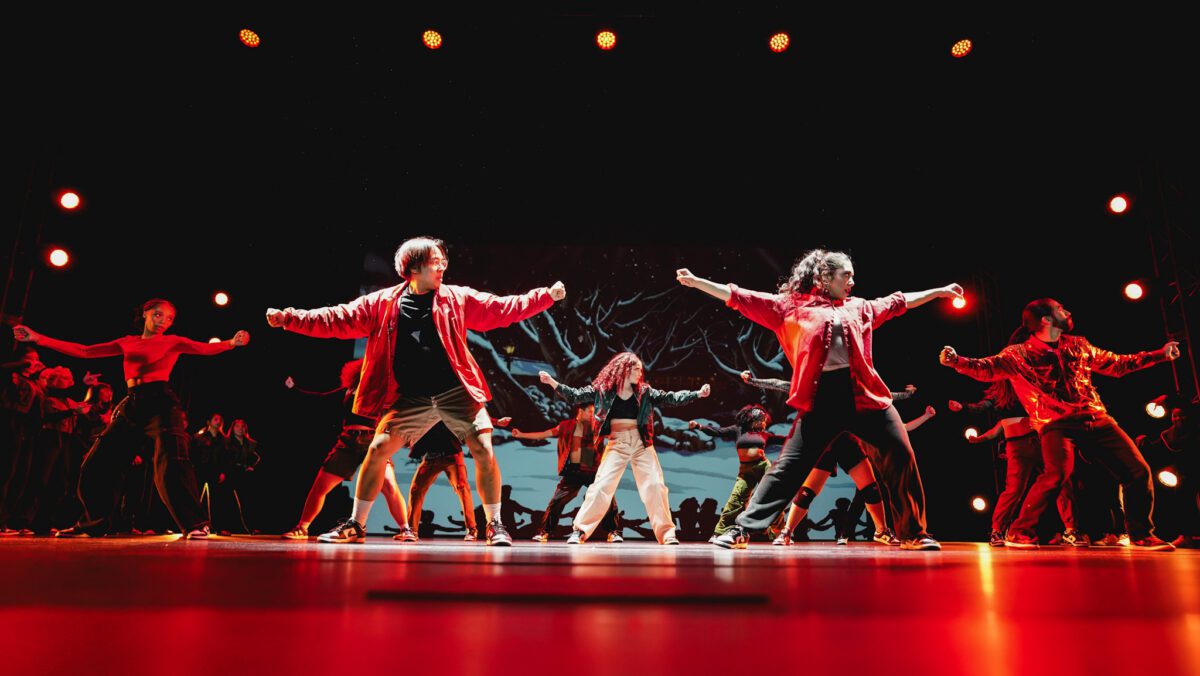
“What distinguishes RACE from … larger institutions is not what we do, but how we do it,” says Sheri Hayden, executive director of RACE Dance Collective based in OKC. “Our scale allows us to remain highly responsive, community-embedded and artist-centered. We prioritize underrepresented dance genres, create professional development opportunities for local dancers and remove barriers to participation through accessible initiatives.
“While larger institutions serve important roles within the regional arts ecosystem, RACE complements that work by centering access, representation and workforce development for artists and audiences who are often excluded from traditional dance spaces,” Hayden continues.
Kelli McLoud-Schingen, the founding artistic director of World Stage Theatre Company based in Tulsa, says that smaller organizations like hers have more freedom to explore more non-traditional spaces and subjects.
“Our audience includes people who enjoy thought-provoking stories that linger long after the performance, those interested in stories from around the world, and individuals who may not be traditional theatre-goers but are drawn to the stories we tell,” she says.
Of course, being a smaller organization often means working on a tighter budget.
“Our marketing reach is primarily limited to word of mouth, social media and printed postcards and posters,” says McLoud-Schingen. “We do not have access to paid radio or television advertising, nor the large-scale promotional resources available to larger organizations. Our funding initially came solely from ticket sales, but over the past three to four years, we have also benefited from grants from local philanthropic organizations and individuals.”
Hayden agrees that word of mouth is powerful, “given our strong, connected community of dancers, students and families. Many audience members discover us through friends or relatives who take classes or perform with the company. We also use social media platforms, send digital newsletters and partner with local TV stations for interviews around major events.”
Since the pandemic, World Stage Theatre Company has grown.
“We became the first theatre company in the city to operate a storefront performance space, expanded our board, secured new grant funding and strengthened our youth summer camp program,” shares McLoud-Schingen.
RACE has also experienced positive upticks post-pandemic.
“When the pandemic began, RACE was still operating in a grassroots phase,” says Hayden. “The organization was entirely run by independent contractors and volunteers, programming was more limited, and there was not yet a consistent base of grant or donor support. As a result, when funding priorities shifted, RACE was not disproportionately impacted by the loss of contributed revenue. While earned income declined, leadership quickly pivoted and reimagined programming to remain active, connected and financially viable during an unprecedented time.
“Since then, RACE has continued to survive and grow by intentionally creating safe, welcoming and community-centered spaces for dancers. As people returned to movement and in-person connection, RACE became a place where artists felt supported, seen and valued, regardless of background or experience level. The organization has expanded its programming, strengthened partnerships and built steady relationships with local and state funders.”