





















Breaking the Burnout Cycle
The strain of daily life, a busy work schedule, caring for kids and other surprise stressors can leave us feeling overwhelmed, immobilized and completely burned out.
Sarah McClanahan, D.O., a psychiatrist and the executive director of behavioral health at Laureate Psychiatric Clinic and Hospital in Tulsa, shares that one of the most effective ways to prevent stress from becoming overwhelming is maintaining consistent routines and prioritizing self-care.
“Our brains thrive on structure, and routines provide a sense of stability when life feels chaotic,” says McClanahan. “Sleep is often the first thing to suffer when we’re stressed, yet it’s one of the most important factors in keeping our bodies and minds functioning well.”
She recommends going to bed and waking up at the same time each day to regulate internal rhythms and keep stress levels manageable. Equally important is carving out time for self-care, whether it’s crafting, taking a bubble bath, exercising or enjoying a quiet moment.
“These activities help us stay grounded and prevent stress from escalating into something more serious, like an anxiety disorder,” says McClanahan. “Stress is a normal part of life, but if it begins to interfere with your ability to do everyday tasks, that’s a sign to reach out to a therapist or doctor for support.”

And when life feels maxed out from busy schedules or the monotony of your day-to-day, McClanahan emphasizes the importance of intentional scheduling and boundary-setting.
“Too often, we pack our calendars so full that we forget to include time for ourselves,” she says. “Making self-care a non-negotiable part of your schedule helps restore energy and perspective. Equally powerful is learning to say ‘no.’ Boundaries protect your time, your energy and your mental health. It isn’t always easy, but it’s a vital skill for reducing stress and avoiding burnout.”
Eating for Energy
When you choose a meal, what matters most? Taste? Convenience? Calorie count? From a health perspective, food is meant to sustain our daily activity. But what if you ate primarily for energy instead of pleasure? How would that change your choices?
To explore these questions, we call upon nutritional expert Jenny Witherspoon, MS, RD, CSO, LD, director of clinical nutrition and integrative services at OU Health Stephenson Cancer Center in OKC. She notes that whether people prioritize pleasure or count calories and carbs, both approaches often miss what matters most: nutrient content.
“Unless someone is an athlete, it’s rare for people to think about how their food choices can impact their energy levels,” Witherspoon says. “Food choices are made for various reasons – to achieve a certain physique, meet sports-related weight goals, respond to a health diagnosis, find comfort during stressful times, or simply due to convenience or work schedules. In some cases, food choices are influenced by scarcity.”
Viewing food as fuel encourages a goal-oriented mindset, she explains, but balance is essential.
“The pros include optimizing performance, providing clarity in making food decisions and aligning eating habits with performance goals,” Witherspoon says. “However, the cons arise when this mindset goes too far, leading to an all-or-nothing mentality, which can contribute to disordered eating, neglecting the social aspect of sharing a meal and oversimplifying what the body needs for optimal health and performance.”
She recommends starting with a balanced plate of fruits, veggies and lean proteins, though individual needs vary on healthy conditions, goals and activity levels. For intense activities like marathon training or long hikes, focus on replenishing glycogen stores through carbohydrates while ensuring adequate protein and hydration.
“Consulting with a Registered Dietitian Nutritionist on goal setting, lifestyle changes and sports nutrition is key,” she says. “They possess extensive knowledge of anatomy, physiology and chronic diseases, and can create a personalized care plan tailored to your current health state, goals and resources.”
Dental Health’s Link to Longevity
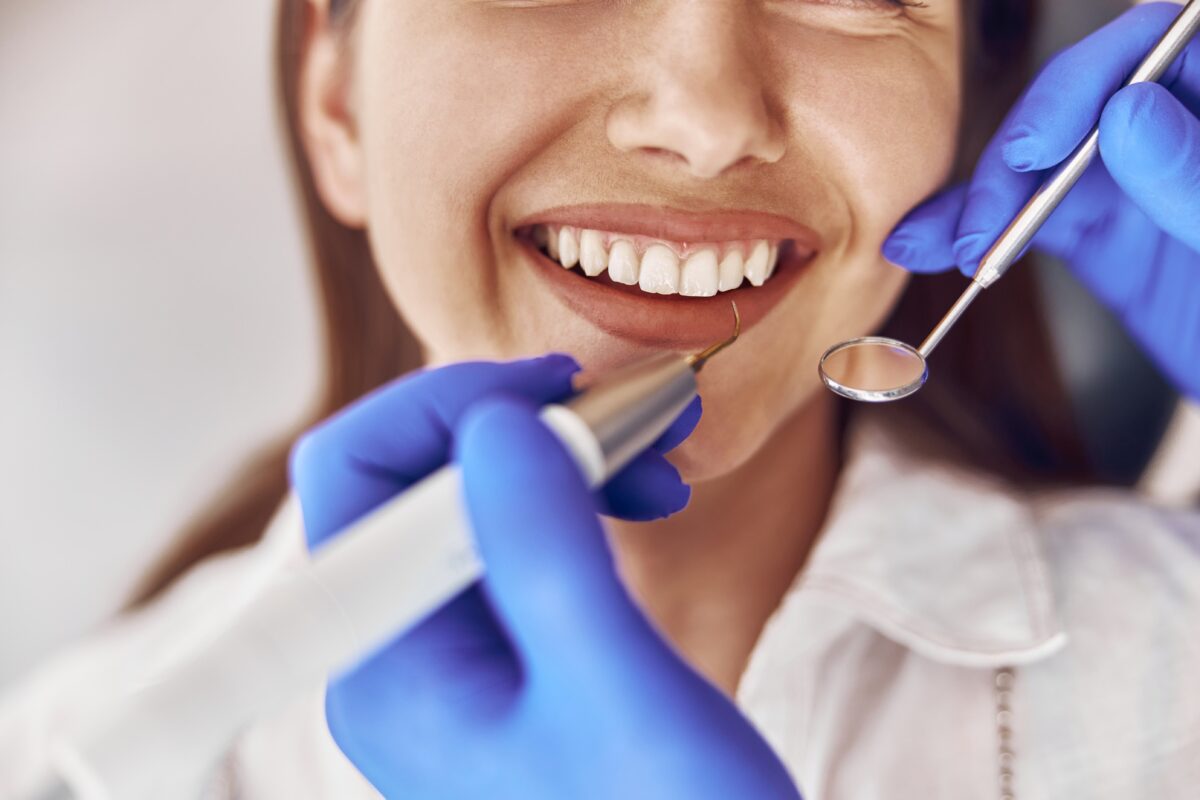
Healthy teeth and gums mean more than a great smile. According to the American Academy for Oral & Systemic Health, poor dental hygiene can lead to serious health issues including cardiovascular disease, diabetes, Alzheimer’s disease, respiratory problems and certain cancers.
The mouth serves as a doorway to the body – harmful bacteria that enters or originates there can spread through the bloodstream. In addition, some health issues can be first detected by examining the mouth.
Cardiovascular disease: Periodontal disease may be linked to artery inflammation. When bacteria from the mouth enters the bloodstream, it can contribute to inflammation of the arteries and possibly blood clots, which can increase one’s risk of stroke and/or heart attack. Poor oral health is also associated with high blood pressure and elevated LDL cholesterol.
Other systemic conditions: Oral bacteria has been implicated in Alzheimer’s and dementia development. Women with periodontal disease are six times more likely to give birth prematurely. There’s also a strong correlation between gum disease and pancreatic, lung and blood cancers. Additionally, bacteria from the mouth can be inhaled, leading to respiratory infections like bronchitis, pneumonia, COPD and lung disease.
In short, preventing gum disease through daily oral care and regular dental visits is essential to maintaining both oral and overall health.

The Rules of Rest
The quality of our sleep matters. Getting a good night’s sleep affects our overall health and impacts every aspect of our daily lives. According to the National Institutes of Health (NIH), approximately 50 to 70 million American have a sleep disorder, and about one in three adults do not regularly get the recommended amount of uninterrupted sleep. Current recommendations suggest adults 18 and older need seven to nine hours of sleep per night. To help achieve your best night’s rest, consider these simple steps toward better sleep.
- Maintain a consistent sleep schedule. Go to bed and wake up at the same time every day, even on weekends.
- Limit caffeine intake later in the day. Avoid caffeine at least six hours before bedtime.
- Create a peaceful environment. Keep your room cool and comfortable with a fan or room-darkening shades.
- Avoid light-emitting screens before bedtime. Put away phones, tablets and laptops at least an hour before bed. Avoid scrolling social media or catching up on work while in bed.
- Stay physically active. Regular exercise promotes better sleep, but avoid vigorous workouts too close to bedtime.
- Quiet your mind. If worries keep you awake, try journaling your thoughts or making a to-do list for the next day to help calm your mind for restful sleep.
Beyond the Gym: Learning to Like Exercise
Don’t like to exercise? You’re not alone. A recent poll of 2,000 Americans who frequently exercise found that 50% of respondents don’t enjoy it. In addition, the Centers for Disease Control and Prevention (CDC) reports that approximately 76% of U.S. adults don’t meet the federal guidelines for physical activity, which recommends at least 150 minutes of moderate or 75 minutes of vigorous aerobic exercise per week, plus muscle strengthening activities twice a week.
So, instead of trudging to the gym, take stock of what you like. Doing things you enjoy can lower stress and increase fitness. Here’s a quick list of fun and engaging activities that can help break up your routine.
- Grab a friend and explore nearby natural areas – like the Redbud Valley Nature Preserve or Turkey Mountain in Tulsa or the trails in Martin Nature Park or Lake Stanley Draper in Oklahoma City.
- Want to try rock climbing? Take a beginner’s course at Climb Tulsa or Threshold Climbing + Fitness + Yoga in OKC. It’s never too late to try something new.
- Get your groove on. Dance is a full body workout that challenges the mind and body. The Tulsa Country Western Dance Association offers lessons for beginners and the OKC Swing Dance Club offers activities for all ages to enjoy.
- Don’t underestimate a neighborhood walk. Simply stepping outside your door can get your heart pumping and lift your mood.
The Power of Small Habits
A habit, in its simplest form, is something we do regularly without much thought. These are tasks we must first perform consciously, but after much repetition, they become automatic – something we do without needing to think about it. Small changes each day that build positive habits can make a big difference in our lives.
The 1% rule, a concept popularized in James Clear’s book Atomic Habits, focuses on progress rather than perfection through manageable daily actions that build momentum. The idea is simple yet powerful: a 1% improvement each day can result in nearly a 37-fold increase over a year.
Consider these micro-habits to improve your physical, mental and emotional health:
- Drink a glass of water upon waking up
- Stretch before bedtime
- Add a vegetable to every meal
- Choose one healthy snack to always keep on hand
- Avoid social media until a certain time of the day
- Start your day with a positive affirmation