
















Home Blog Page 16

Aesthetics: A Subtle Science

The Art of ‘Subtle’ Plastic Surgery


As plastic surgery continues to evolve, there’s been a trend toward more subtle, yet significant, improvements to one’s appearance. Two plastic surgeons share insights on the newest technologies and procedures delivering natural-looking results.

The Rise of Minimally Invasive Treatments


“We have seen a resurgence of minimally invasive, office-based treatments that can help restore a more youthful and natural-looking face,” explains Mark Mims, M.D., a facial plastic and reconstructive surgeon with OU Health in Oklahoma City. 

One common procedure is radiofrequency microneedling, which can significantly improve the texture and quality of the skin. The procedure works for all skin types and delivers noticeable results with only a few days of recovery. 

He says red light therapy has also surged in popularity. Using ‘photobiomodulation,’ this treatment stimulates skin cells to boost collagen and elastin production. Early results are encouraging for improving complexion, texture and fine wrinkles, though long-term studies are ongoing.

The Evolution of Classic Treatments

“In addition to brand new technologies, the tried-and-true formulations have also received ‘glow ups,’” says Mims. “For Botox, we are seeing a much higher percentage of patients coming in their 20s and 30s to prevent the occurrence of wrinkles, rather than treating them once they form. Some of the newer formulations of Botox can last much longer than the standard 3-4 months, allowing patients more time between treatments.”

In addition, hyaluronic acid fillers now offer extended longevity, and some formulations stimulate the body’s natural collagen production, leading to better results with fewer treatments needed over time. 

The Appeal of ‘Low Visibility’ Procedures

Today’s patients are increasingly choosing target adjustments over dramatic transformations.

“Procedures with low downtime and natural results have certainly increased in popularity recently, and for good reason,” explains Mims. “The ability to look refreshed without a month of downtime fits into our active lifestyle much easier than more aggressive procedures.”

Upper and lower blepharoplasty remain the most requested procedures, allowing for a more ‘awake’ appearance with minimal downtime – typically about one week. Endoscopic brow lifts are another popular option, providing subtle changes through hidden incisions and quick recovery. Results are immediate and restore a more youthful appearance to the upper two-thirds of the face. 

Mims adds that improved postoperative recovery protocols now help patients return to their lives quicker than ever. 

When More Dramatic Results Are Desired

For anyone wanting more dramatic results, Mims says facelifts remain the gold standard.

 “Although many treatments can provide subtle improvements, the facelift allows for a much more robust correction, and one that can lead to the longest-lasting results,” he says. 
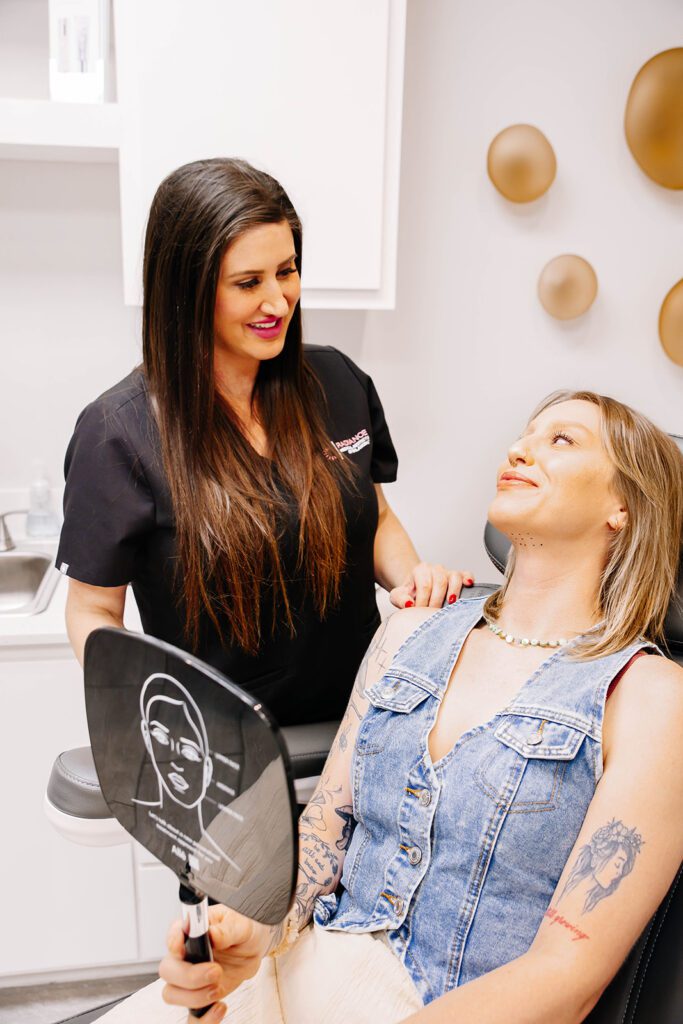
Kacey Swayden, PA-C, with Radiance Medical Aesthetics in Oklahoma City, says regenerative aesthetics are transforming the industry. Photo courtesy Radiance Medical Aesthetics

However, he emphasizes that facelifts are not one-size-fits-all. The approach must be individualized to each patient’s needs and age.

“For patients under 50, a deep plane approach may be more than they need to achieve the natural results they are looking for and a ‘SMAS-only’ lift may be more appropriate,” says Mims. “This technique allows for quicker recovery while bringing youth back to the face and neck. For our patients over 50, the deep plane approach is often the best choice. Despite the longer recovery time, it will yield the best results and truly allow you to turn back the clock.”

Facial plastic surgeon Ivan Wayne, M.D., owner of W Facial Aesthetics in Oklahoma City, sees patients foregoing temporary fixes and following the path of many celebrities who have had their fillers dissolved and opted for a more natural-looking facelift. 

“When it comes to facelifts, significant evolution has occurred over the last five years,” says Wayne. “The current premier surgery is a deep plane facelift, which is an old technique, but using a more modern version that involves very short skin flaps, creating a more vertical lift that looks more natural, avoiding the pulled look. This is often combined with conservative fat grafting, using the patient’s own body fat as a filler to rejuvenate the face. Patients are also getting these facelifts at a much younger age and they have been described as the “forever 35 facelift” because you can stay looking 35 for many years if you start early.”

Wayne also says there’s a lot of interest in newer skin care treatments that contain peptides and growth factors. 

“I have personally seen how effective these are in rejuvenating the skin,” he says.

Choosing the Right Path Forward

Mims says with any facial rejuvenation journey, selecting the right procedure for the right patient is critical. 

“One of the best pieces of advice I can give is to make sure you feel comfortable with your provider,” he says. “There are often multiple approaches to achieve the look you desire and a good relationship helps yield the best results and brings the highest satisfaction.”

A good provider should also be able to perform a detailed analysis of your specific aging pattern and individual desires for rejuvenation, as well as provide reasonable expectations for results and timelines. With the right approach and the right surgeon, facial rejuvenation can deliver the natural, refreshed appearance patients are looking for.

Regenerative Aesthetics Take Center Stage
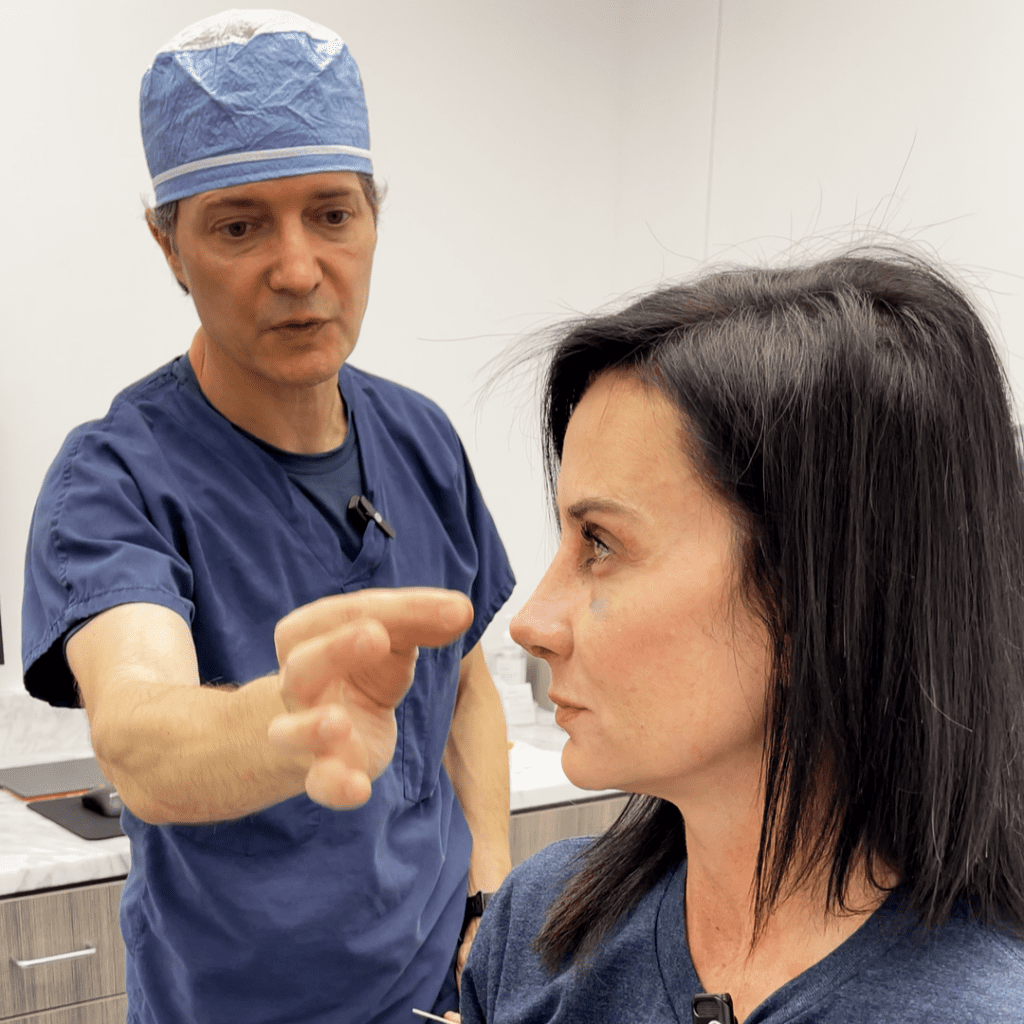
Dr. Ivan Wayne of W Facial Aesthetics says that significant evolution has occurred over the last 5 years in facelift techniques. Photo courtesy W Facial Aesthetics

Harnessing the body’s natural healing abilities, regenerative aesthetics are transforming the skincare and cosmetic treatment industry. 

Kasey L. Swayden, PA-C, owner of Radiance Medical Aesthetics of Oklahoma in Oklahoma City, says regenerative aesthetics have gained momentum because they align with how the body naturally heals and restores itself. 

“Rather than simply adding volume or creating surface-level change, these treatments work by stimulating collagen production, improving cellular turnover, and strengthening the skin’s underlying structure,” Swayden explains. “When we activate the body’s own repair mechanisms, the results tend to look more natural, age more gracefully and improve overall skin quality over time.”

This approach resonates with patients seeking subtle, long-term improvement rather than drastic or artificial-looking transformations. 

“Regenerative treatments support healthier skin, not just younger-looking skin, and that distinction really matters,” she says. “They also allow us to customize care based on each patient’s biology, lifestyle and goals, which leads to better outcomes and higher patient satisfaction.”

And this is just the beginning. Swayden describes regenerative aesthetics as one of the most exciting and rapidly evolving areas in the industry. 

“We’re already seeing more refined technologies, improved delivery methods and better data supporting treatments that enhance tissue quality and skin integrity,” she notes. “As research continues to advance – particularly in stem-cell-adjacent therapies, adipose-derived biologics and bio-stimulatory devices – we’ll gain even more precise ways to improve skin health at a cellular level.”

What encourages her most is the shift toward evidence-based innovation. 

“As providers, we’re becoming more discerning, and patients are more educated,” Swayden observes. “The future of regenerative aesthetics isn’t about trends, it’s about scientifically sound treatments that deliver measurable, sustainable results. I fully expect continued advancements that allow us to treat aging skin earlier, more proactively and with better long-term outcomes.”
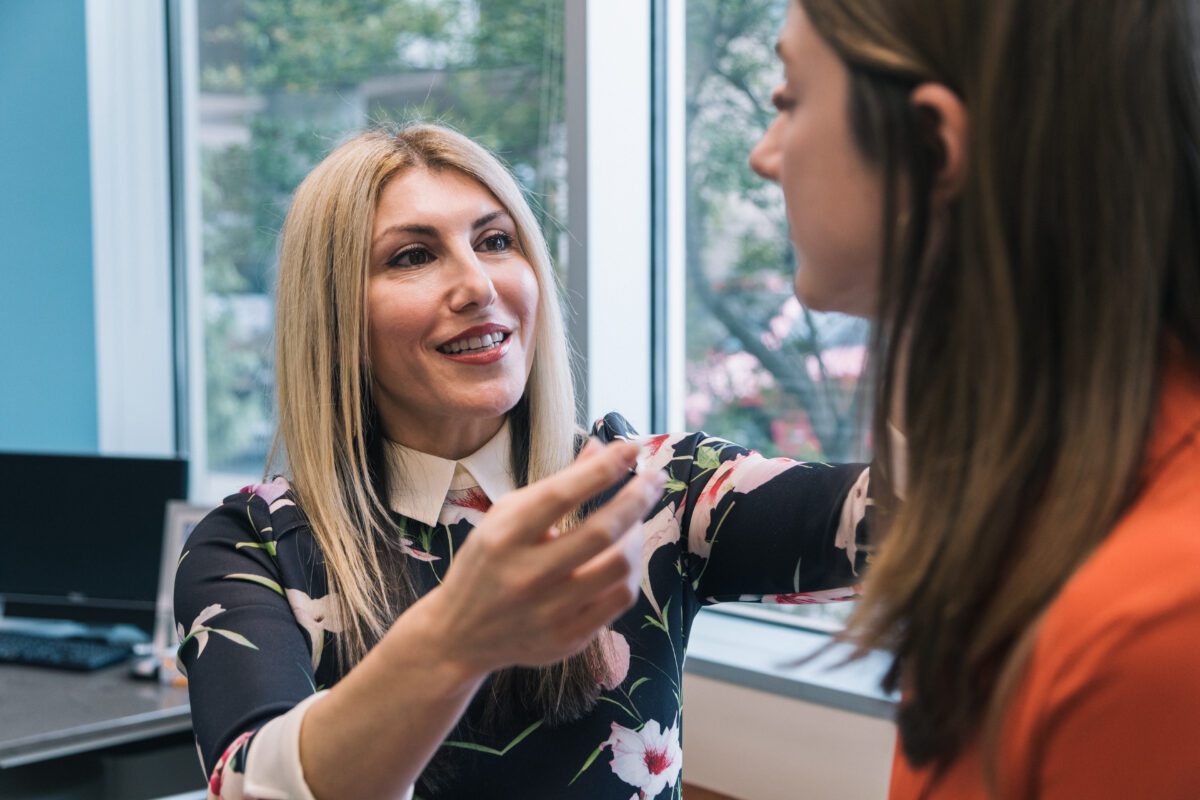
Professionals at OU Health say they’ve seen a resurgence in minimally invasive, office-based treatments to restore a youthful appearance. Photo courtesy OU Health

Ethical Marketing & Transparency

Social media platforms have long been known to promote unrealistic beauty standards through filtered, digitally altered content. In response, skincare professionals are pushing back with transparency: sharing honest, unfiltered before-and-after images and educating clients on what’s truly achievable, both short-term and long-term. 

“Social media has created a culture of instant, filtered perfection, which simply isn’t real or healthy,” says Swayden. “ I make it a point to educate patients on skin biology, aging and the purpose of each treatment. Many regenerative procedures are investments in future skin health, and that means results may unfold over weeks or months and require maintenance to sustain them.”

Clear communication, Swayden emphasizes, is foundational to patient trust. 

“From the very first consultation, I focus on setting realistic expectations by explaining not only what a treatment can and cannot do, but how and when results occur,” she explains. “We’re very transparent about the difference between treatments that offer immediate gratification and those designed to stimulate change gradually over time.”

By prioritizing long-term strategies over quick fixes, her team helps patients reframe aesthetic care as an ongoing journey rather than a one-time event. 

“When patients know what to expect – and why – they feel empowered, confident and far more satisfied with their results,” Swayden says.

Cristie Lehr-Hawkins, M.D., owner of Fig Medical Spa in Tulsa, shares both the positive and negative effects of social media. 

“The good from social media is that it has increased awareness and accessibility to information while opening up important conversations about self-care and aesthetics,” says Lehr-Hawkins. “On the other hand, the negative impacts include misinformation, oversimplified before-and-after narratives and unrealistic expectations. Part of our role is to help educate patients and explain what can be achieved, how long the results will last and why ongoing personalized healthcare is so essential.”

She says no single treatment is a universal fix, and instead, a personalized approach considers many factors including one’s genetics, lifestyle, hormone levels and overall health. 

“These variables are rarely addressed in a social media context and the need for combination therapies and ongoing maintenance is often overlooked,” says Lehr-Hawkins. “At our practice, we prioritize a personalized approach using science-based treatments over trend-driven aesthetics.”

Hair Restoration

Men and women can experience hair loss for a variety of reasons, including genetics, hormonal shifts, stress and medical conditions. To help individuals restore and strengthen their hair, Fig Medical Spa offers hair treatments using the Alma TransEpidermal Delivery (TED) system. 

“The TED hair treatment system is a non-invasive, needle-free option that uses sound waves and air pressure to deliver peptides and nutrients directly to the hair follicles and scalp,” says Lehr-Hawkins. “There’s no downtime or discomfort, and it can greatly reduce hair loss and shedding.”
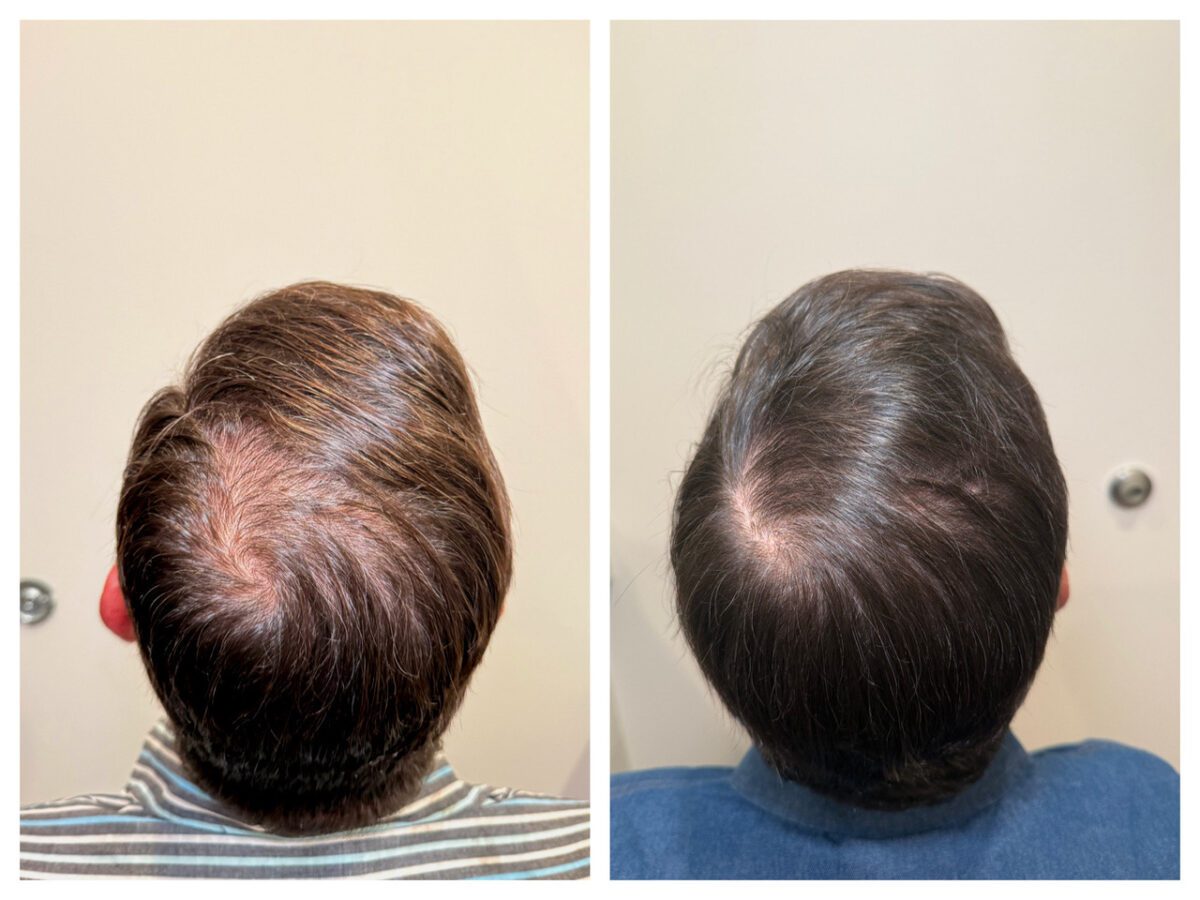
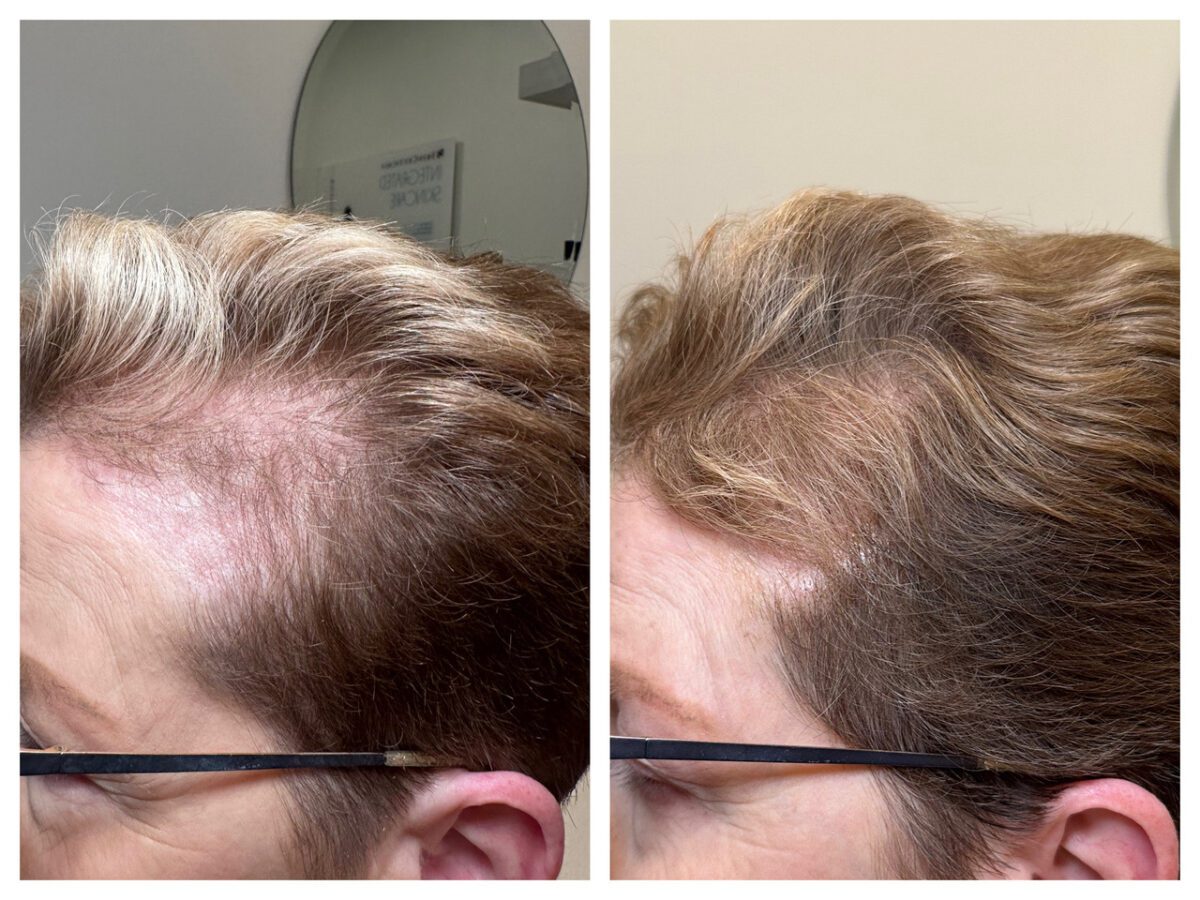
Fig Medical Spa in Tulsa offers the Alma TransEpidermal Delivery (TED) System, ideal for male and female pattern baldness as well as overall scalp health. The top image showcases results after four treatments, and the bottom image after seven. Photos courtesy Fig Medical Spa

While TED remains popular for treating hair loss and thinning – such as male and female pattern baldness – it is increasingly being used by patients with minimal hair loss who want thicker, shinier and healthier hair. 

“A key trend we’re seeing is a growing focus on scalp health as the foundation for long-term hair quality,” says Lehr-Hawkins. “There is a greater interest in preventive measures before significant hair loss occurs.”

Longevity in Aesthetics

As people continue seeking ways to achieve a natural, longer-lasting youthful glow, the field of aesthetics has shifted to include hormone balancing, metabolic testing and peptide protocols to address the underlying physiological factors that impact aging and appearance. 

“There is a clear move away from quick cosmetic fixes toward longevity-focused, regenerative aesthetics,” says Lehr-Hawkins. “Patients are more proactive, informed and interested in addressing the root causes of aging, not just external symptoms.”

With this holistic focus, treatment plans may include hormone testing and balancing, peptide protocols and metabolic and inflammatory optimization, along with external skin care products and non-invasive procedures. 

“With regenerative aesthetics, our goal is to stimulate the body’s own repair mechanisms, not override them, resulting in subtle, natural-looking improvements that build over time,” says Lehr-Hawkins. “By taking a whole-body approach, we integrate hormone health, metabolic health, skincare and lifestyle factors to create a tailored treatment plan. The future of aesthetics is highly personalized – combining internal wellness strategies with advanced, non-invasive treatments to support both internal vitality and external appearance.”
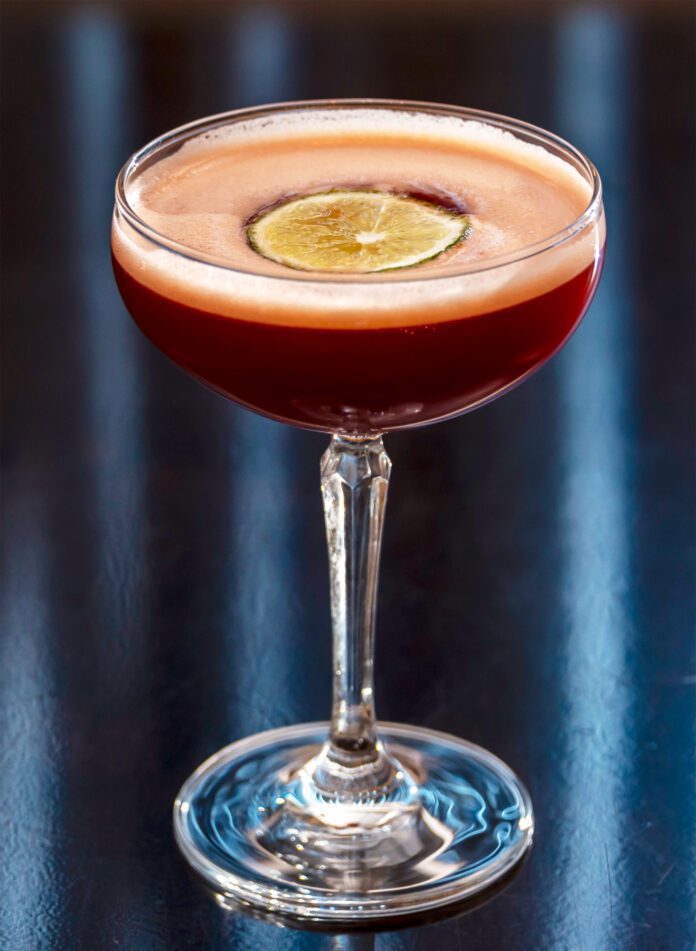
Love at First Sip

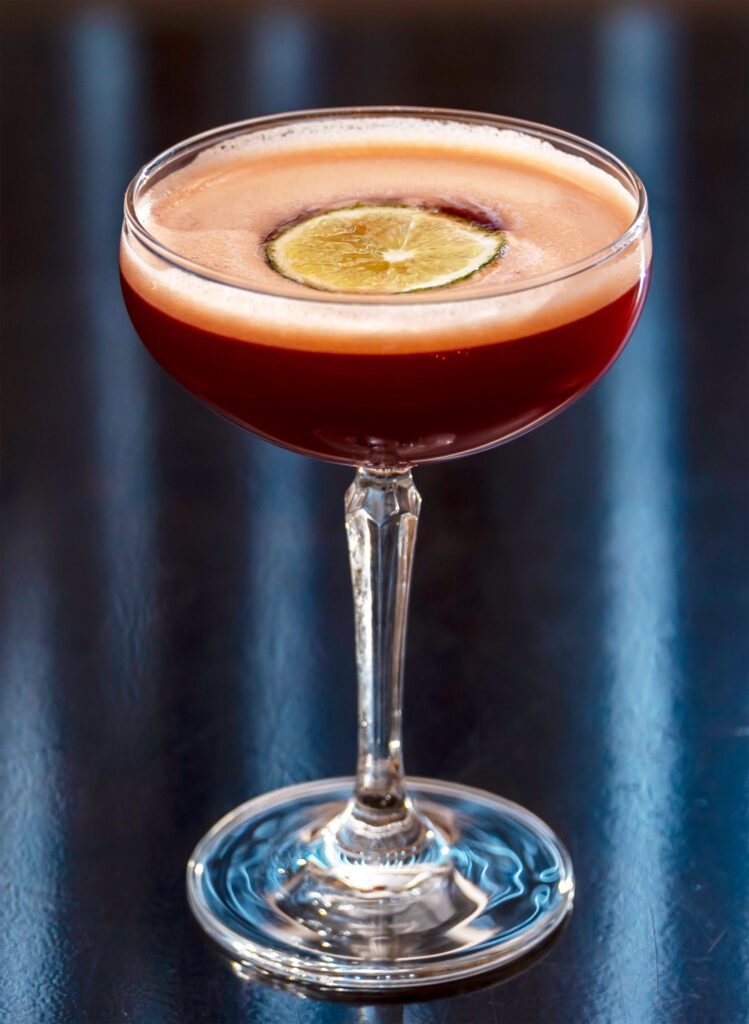
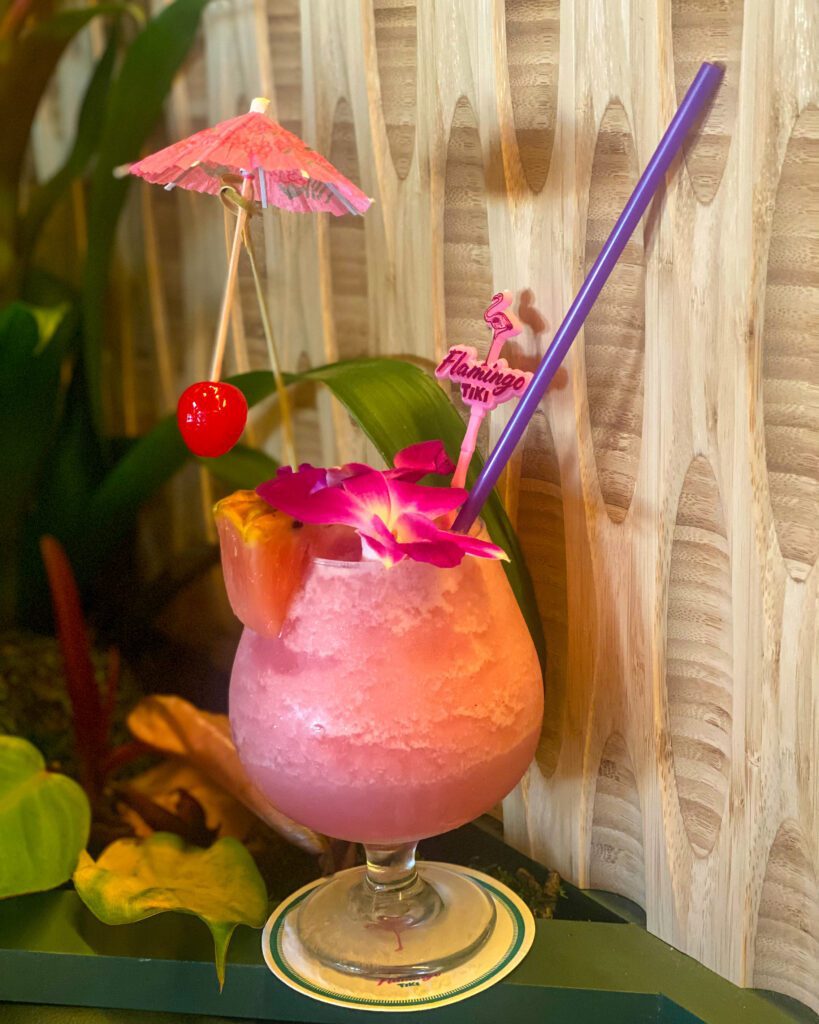
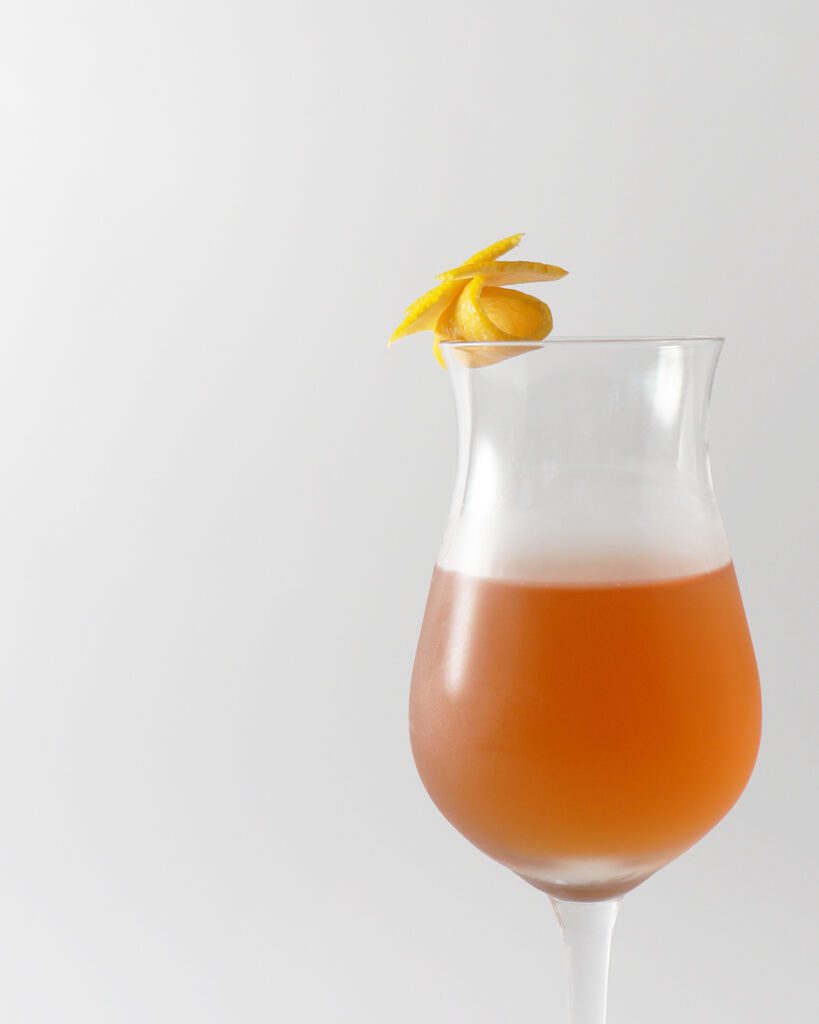
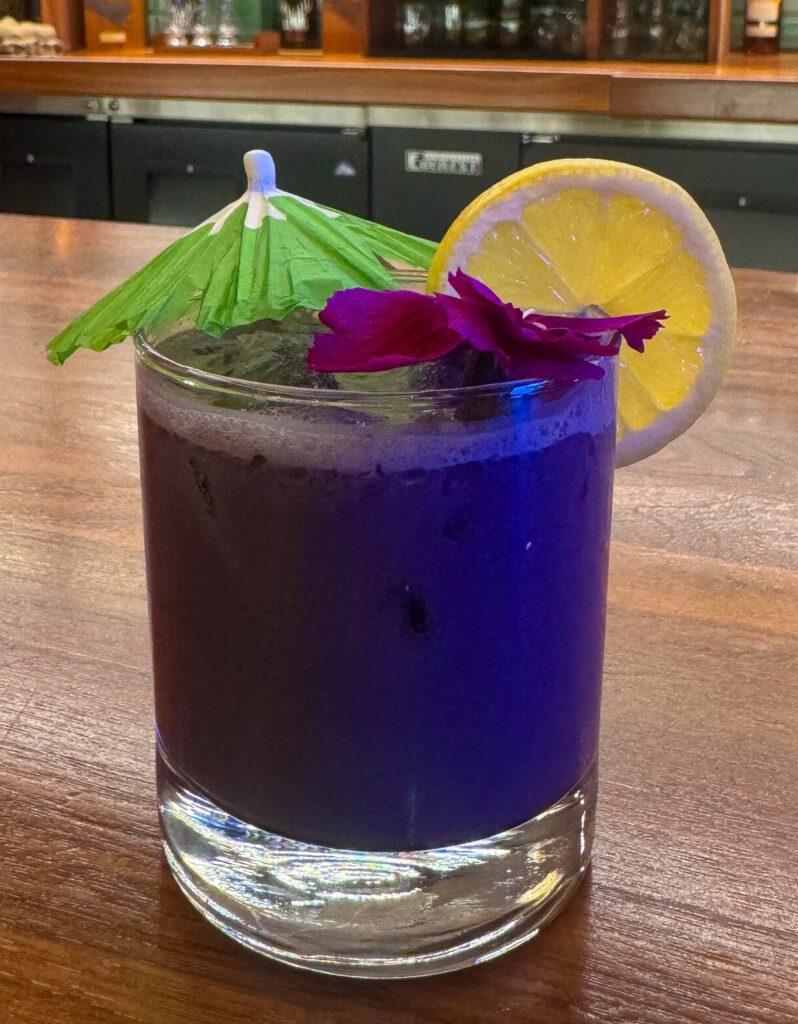
13th Step Summit Club, Tulsa Appleton Estate rum, Cognac, Demerara syrup, lemon, lime, angostura bitters

Cocktail Culture

Whether you love a dark and dingy dive or a classy craft cocktail bar, drinking culture continues to evolve in Oklahoma. We lay out a few trends to watch in 2026. 

Neighborhood bar experiencesWhile a fancy wine bar or sultry speakeasy is always a draw for drinkers, many folks are looking for a Cheers-esque, low-maintenance, welcoming experience in 2026. That’s not to say they aren’t still expecting excellent craft cocktails – they just want them in a no-fuss environment.

Non-alcoholic optionsMany are looking to move away from alcohol entirely, focusing instead on other ways to get a “buzz.” You’ll likely see menus with nootropics, magnesium-infusions, THC cocktails and adaptogens in 2026. (Do I know what all of those mean? Nope!)
Seasonal and local cocktails
The next time you’re out, see how many bars and restaurants are offering seasonal cocktail menus, utilizing local liquors, in-season fruit and ingredients from around region. Support local, baby!

Martini time
We’ve been seeing a martini revival for awhile now, and it only seems to be growing in 2026. Whether you’re gunning for a classic dry gin version or something a bit more whimsical like an chocolate espresso iteration, they’ll be on every menu this year.

Maximalist presentation
Bold, dramatic drinks are taking center stage, with sensory elements like smoke, fire and edible garnishes. In short, bartenders are going all out. 

An amplified Asian influence
Ingredients like yuzu, lychee, shiso, shochu and sake are making broader appearances in Western cocktail programs.

Mindful Drinking 

I know – in a story about all things alcohol, it may be a bit eyeroll-inducing to discuss “mindful drinking.” But hey, moderation is key in most aspects of life! To be a mindful drinker, your habits don’t need to change drastically. Instead, you just need to approach the activity with awareness, intention and presence, rather than operating out of habit or on autopilot. Let’s dive into a few ways to enact mindful drinking:

Set an intention before your first sip.
Ask yourself “Why?” Are you celebrating, socializing or simply “taking the edge off” after a long day? No matter your answer, knowing your “why” can help you moderate.

Check in with yourself.
Pause occasionally to notice physical and mental clues. Ensure you’re hydrated, energized, happy and balancing out your imbibing with hearty food intake. 

Avoid “obligatory” drinking.
If you don’t want to continue drinking at an event or even drink at all, don’t allow societal expectations or pressure to dictate your habits. If you’re worried about crumbling to a friend’s plea, grab a soda water with lime from the bar.

Plan alcohol-free days.
Regular drinking breaks can help you reset your habits and clarify your relationship with alcohol. 

Be aware of your triggers.
Explore the emotional and situational reasons you may be tempted to drink – whether it’s stress, boredom or social anxiety. Is alcohol really serving the need you think it is in that situation?

Bar Etiquette

If you want to keep the bartender on your good side, follow these do’s and don’ts to curate the right vibe. 

Do:

Read the menu.
It saves the bartender time explaining every option to you.

Be ready to order, concisely.
Especially if the barkeep is in the middle of a rush.

Make eye contact.
While it may feel like a staredown, attempting to make eye contact with your bartender lets them know you’re ready to order.

Respect closing time.
You may not be ready to go home, but the bartender is. If the lights are on and chairs are stacked, you’ve already been
lingering too long.

Order one drink at a time.
 There’s no need to batch your drinks unless you’re buying a round. 

Don’t:

Request a “strong drink.”
If you want a double, ask for it – and be prepared to pay extra.

Be too afraid to ask for water.
A bartender would much rather give you a glass of water than a dramatic escort to the door.

Monopolize a bartender’s attention.
You are not their only customer. And hey, even if you are, they may not want to chat for two hours.

Save a seat at an overcrowded bar.
While it may seem like you hit the jackpot by finding open seats at a busy bartop, every minute you hold that seat, you’re taking money away from the bartender. 

Cheers-Worthy Options

If you’re excited to ditch Dry January, order one of these gems at bars in Tulsa and OKC.

Two Cultures, One Chef

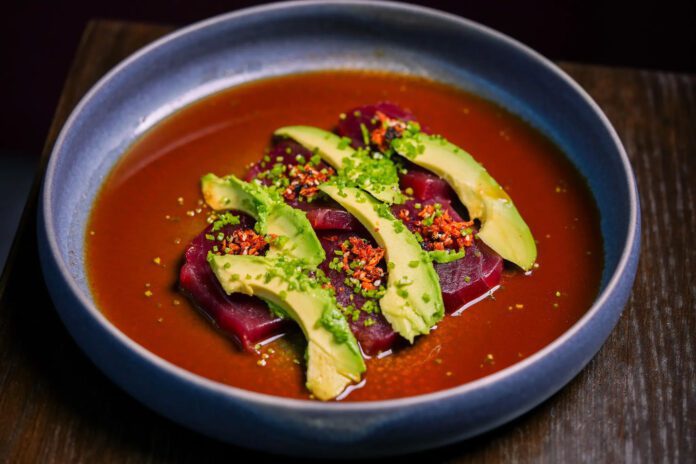
The tuna tataki and garlic ponzu at MAHT includes pan-seared blue fin tuna with a chili crunch avocado mousse. All photos by Danny Vo

I’m not sure how tall chef Kevin Lee is, because he always seems much larger than life, and he’s always in motion. I last ran into him at his new restaurant MAHT, churning through the excited crowds – 5 p.m. on a Tuesday and the place was already packed – telling his friends what, given the hundreds of steakhouses in our region, sets this one apart. 

“It’s exciting,” he gushes. “It’s fun! Just look at the bar!” He gestures at a long bar running the length of the narrow dining room. “It’s the best place to people-watch.” 

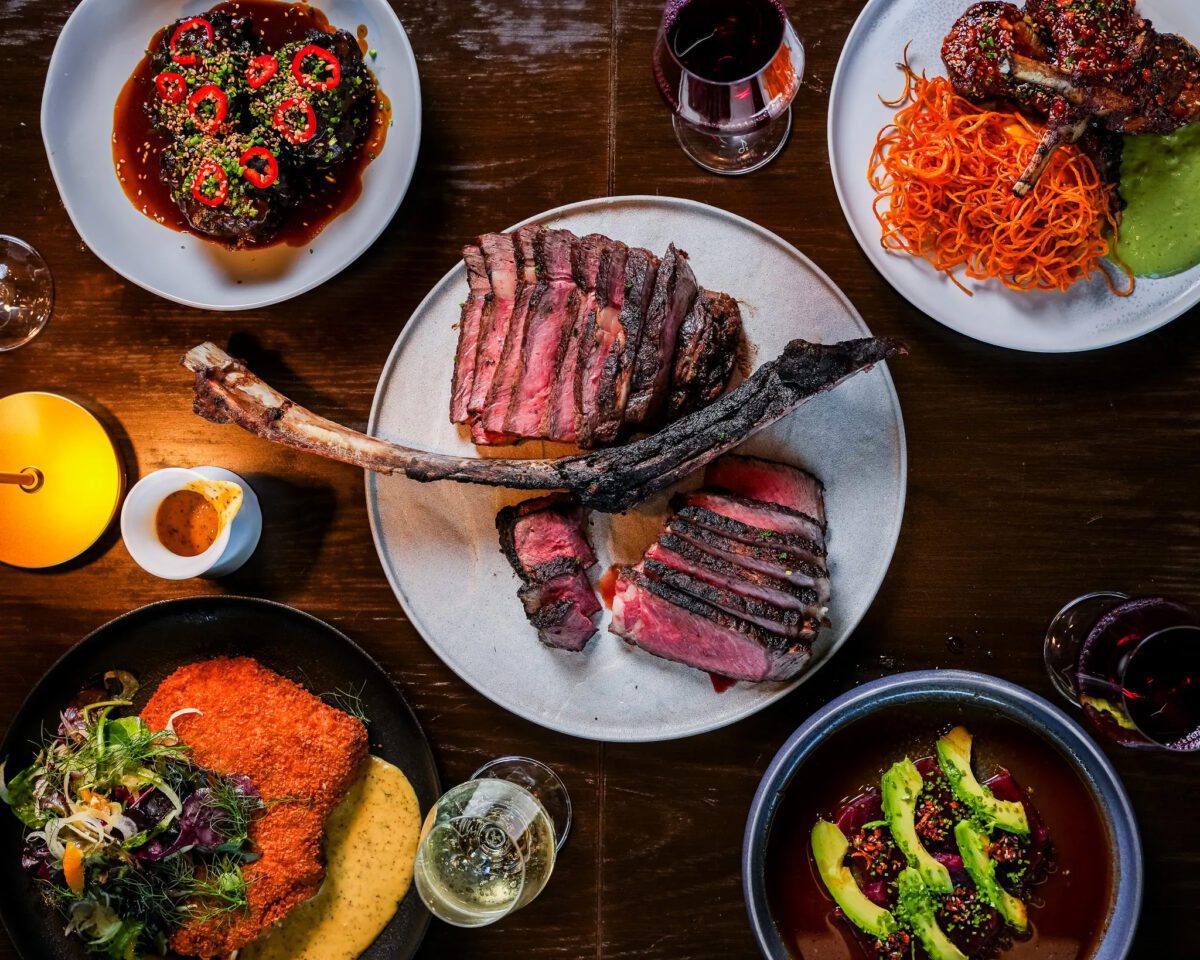
And indeed it is. But what sets this place apart from all the others is the food, which is very exciting, too, full of unexpected surprises such as scallop risotto with a Bearnaise sauce fortified with kimchi. 

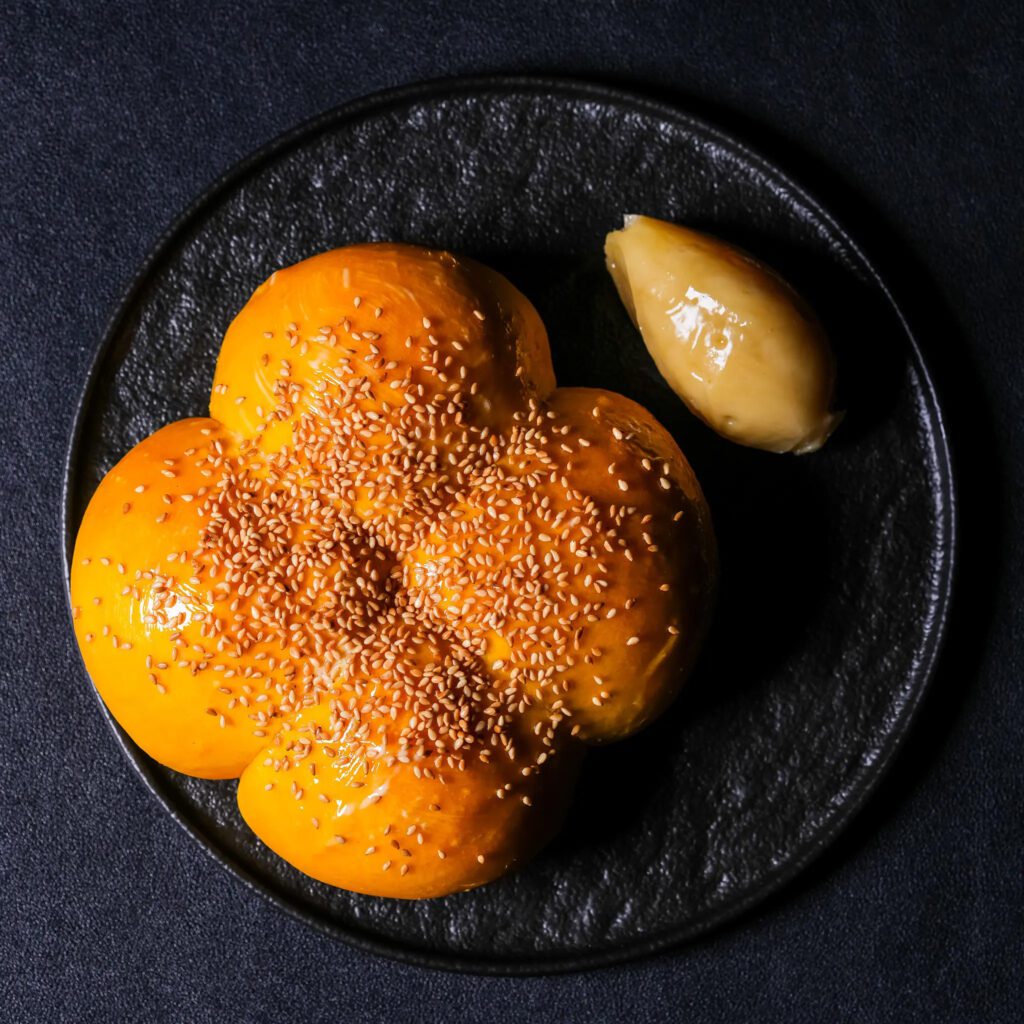
Start your evening at MAHT with the Parker rolls, which come with chili crunch honey butter.

For his entire life, Lee has been bombarded with different food influences. He’s avidly sought them out and learned from them. His earliest childhood memories include beef tartare (he loved it) at home in Oklahoma, and a seafood breakfast in Korea. His grandparents first exposed him to Korean food, and that’s an influence you can see in almost anything he cooks. He never thought of becoming a chef, though; he went to the University of Nevada at Las Vegas to study business. To support himself, he got a job at a local sushi restaurant. He loved it so much, he quit school and never looked back. 

After training for two years under chef Josh Choi (now vice-president for culinary operations at Wynn Las Vegas), he returned home to Oklahoma. He became one of chef Kurt Fleischfresser’s Coach House apprentices, and then found work at Vast Restaurant, starting at the bottom and working his way up to executive chef. Later, he was the head chef at the Jones Assembly. He also was a frequent competitor on many Food Network shows – he was almost a regular on Beat Bobby Flay – terrified at first but, after a few appearances, suavely self-assured. Whenever he competed against a famous chef, he took the opportunity to learn new dishes and techniques. Lee was, it would seem, at the peak of his profession… but he had never had the chance to cook the way he really wanted. 

He got that chance in true Las Vegas gambler style: He put his life savings into building his own restaurant, Birdie’s Steakhouse. His risky gamble turned into a triumph, garnering a James Beard nomination for himself and success for Birdie’s. And now, with his second restaurant, MAHT, he has taken his game to a higher level.

“Birdie’s is,” Lee told me, “Korean food with an American twist. MAHT is a classic American steakhouse with a Korean twist. Now I get to tell my story from both my cultures.”

In many steakhouses, the steak is the indisputable star of the show, and you’d be foolish not to order it. “Is that true here?” I asked Lee, “or are the appetizers and other entrees as good as the steaks?”

“Both!” he replied. And he’s right. 

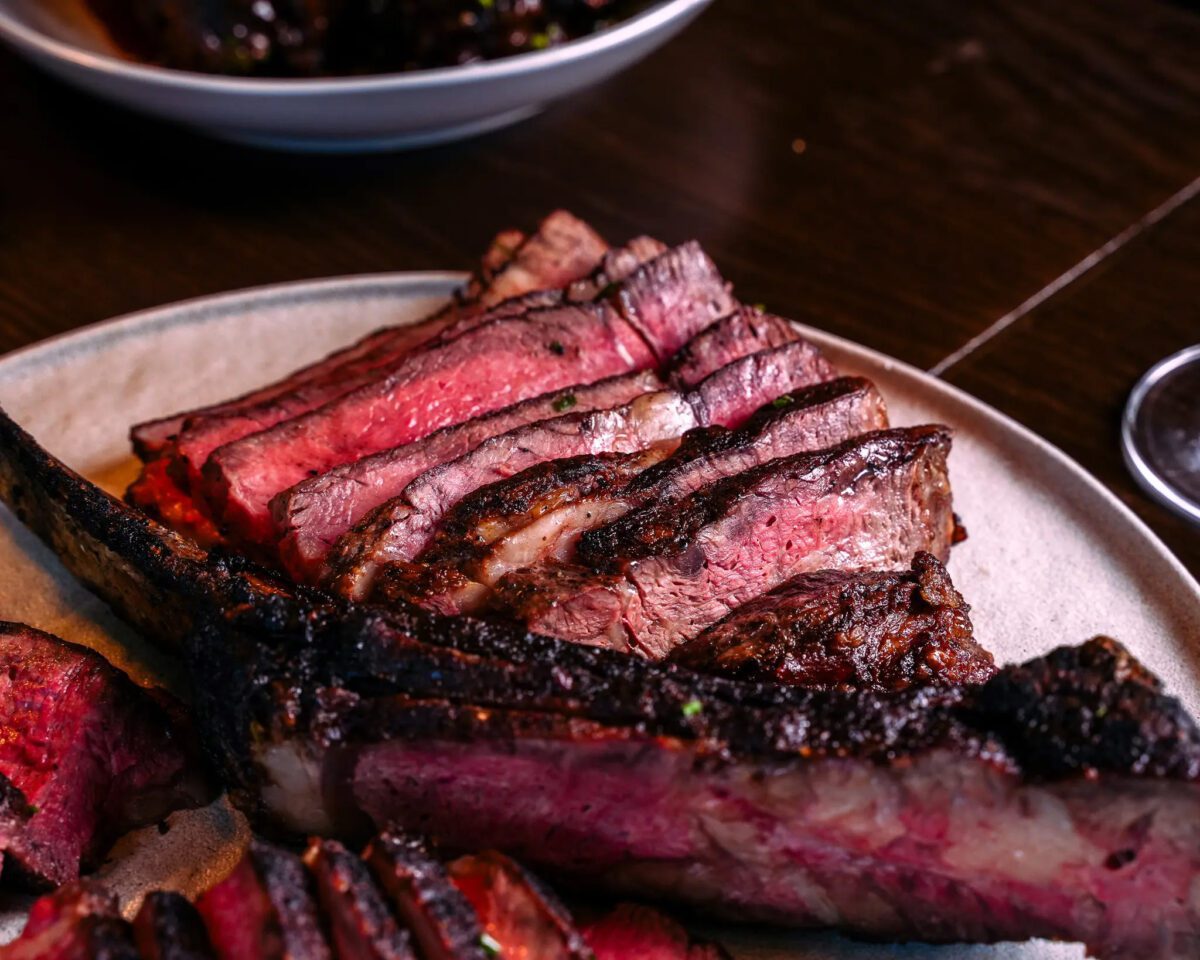
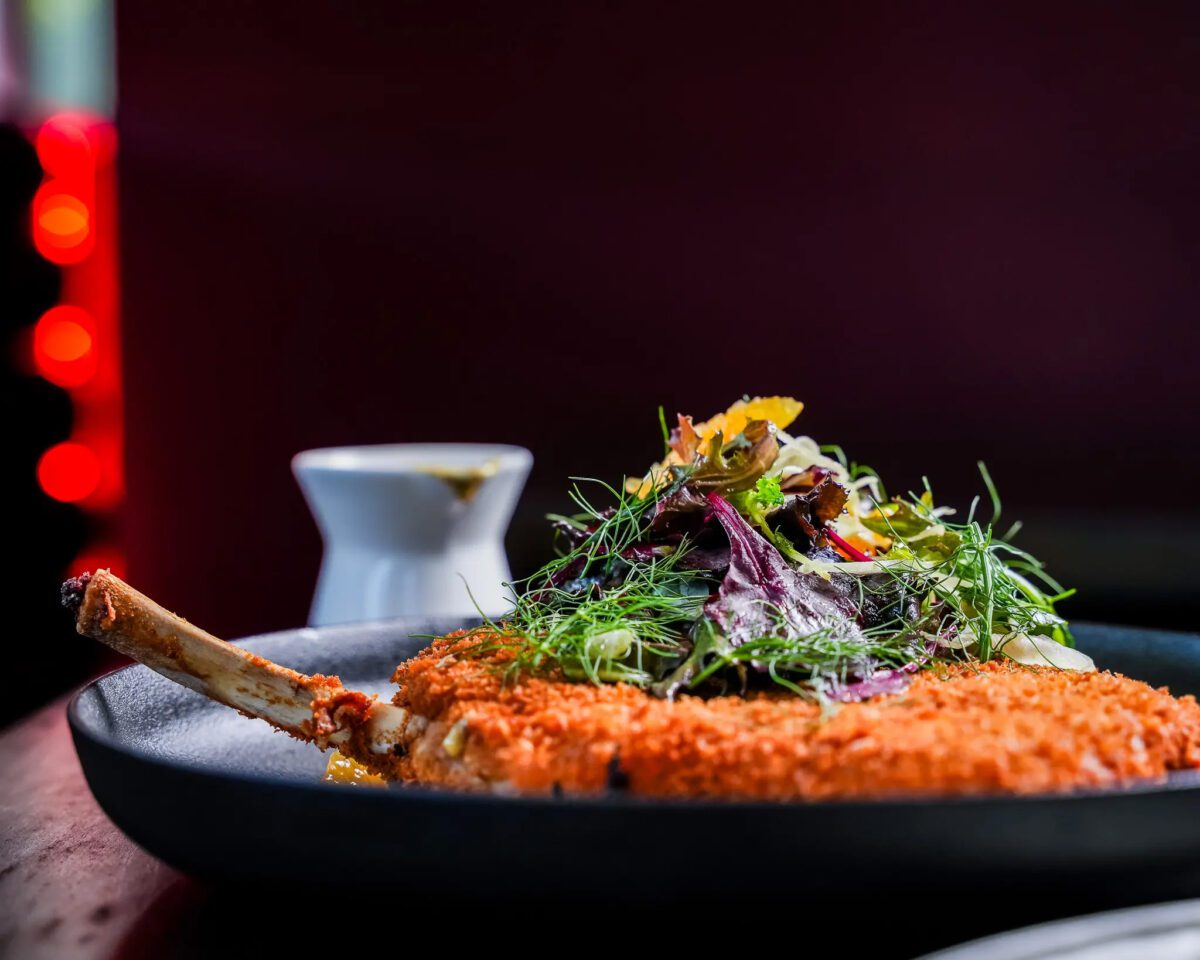
Lee has a way with steaks. It’s all too easy to ruin one, but here (and at Birdie’s), the steaks come firm, juicy and fabulous. But how to choose between that steak and entrees like Gochujiang glazed lamb chops with perilla yogurt sauce? Or soy-braised short rib or soy-marinated cod? Or bluefin tuna tataki with chili crunch avocado mousse? Perhaps the answer is to round up a posse of friends and foodies and try it all. 

“I feel like I’ve come full circle,” Lee says. “My dad owned a Korean steakhouse in Korea. Now I own both a modern American steakhouse and a modern Korean steakhouse. I feel like I’ve done my family proud.” 

Featured photo credit: The tuna tataki and garlic ponzu at MAHT includes pan-seared blue fin tuna with a chili crunch avocado mousse. All photos by Danny Vo 

Local Flavors

Photo courtesy Que Gusto

Que Gusto

Fresh, handmade Ecuadorean food can be found in a nondescript downtown Tulsa location: Que Gusto. Run by a husband and wife team that moved from Ecuador in 2012, Que Gusto offers counter service quickness combined with the hospitality of a sit-down space. 

Open 10 a.m. to 9 p.m. Monday-Saturday, Que Gusto offers a varied menu for any time of day. 

Start your day off right with fried plantains or a yogurt smoothie with tropical fruit purees and natural protein. Other early-morning goodies include yucca bread, patacones (plantain chips), morning oats with blueberries and coconut milk, or a berry parfait with organic Greek yogurt.

Lunch and dinner options abound. The restaurant is perhaps best known for its empanadas – so make sure to try at least one, with options including beef, chicken, pork, lamb, veggie or tomato and cheese. Other must-tries include the slow roasted pork sandwich, the arroz con pollo – Latin-style organic rice with chicken and veggies – as well as choripan, housemade pork sausage on a baguette with diced tomatoes and house-made, organic chimichurri sauce. 

Que Gusto also offers its diners drink and dessert options, including tiramisu, tres leches, sweet plantain cake, house-made juices, organic coffee and a full bar.

Photo courtesy Anton’s Craft Kitchen

Anton’s Craft Kitchen

If you’re on the hunt for American comfort food with a side of dazzling hospitality, look no further than Anton’s Craft Kitchen in OKC. 

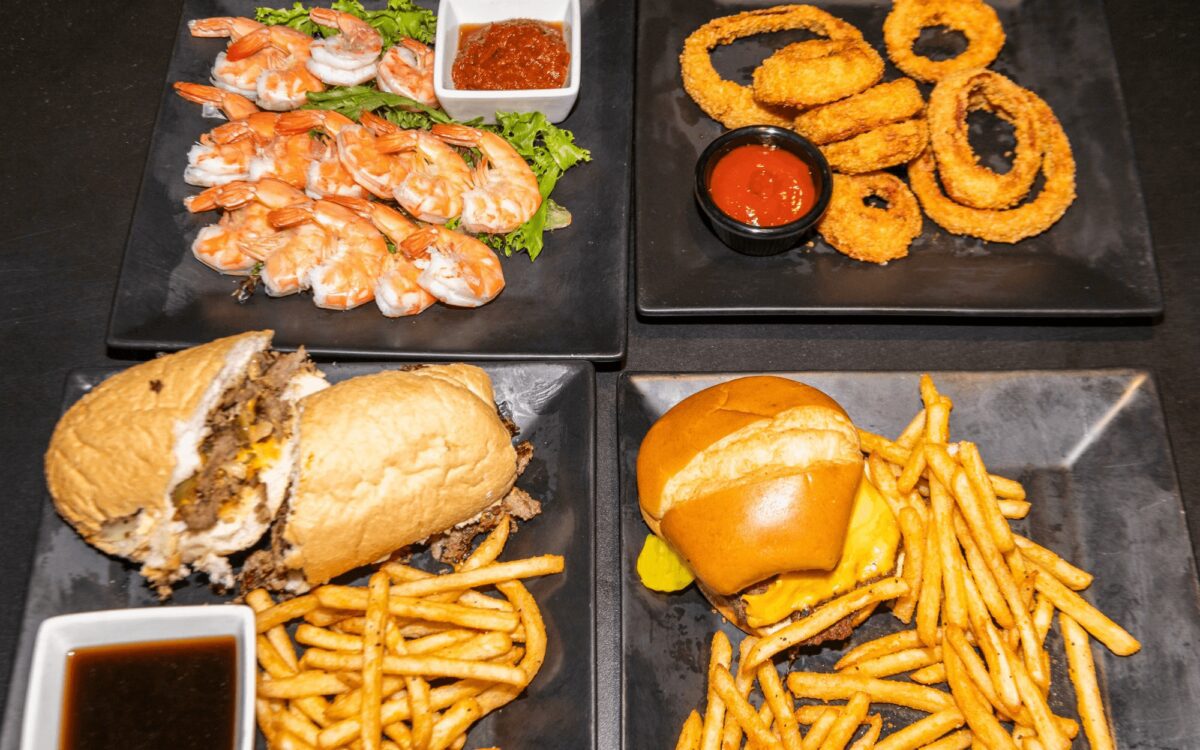
Even the pickiest eater can find something to like at Anton’s, with starters including onion rings, fried mozzarella sticks and spinach dip. 

Burgers are just one of many stars on Anton’s menu, ranging from the bacon cheeseburger to the craft onion burger and Swiss mushroom iteration. If you’re feeling particularly carnivorous, try the 12 oz. ribeye smothered in buttered garlic sauce. Other entrees include the garlic lemon chicken, the shrimp maisa, the chicken Parmesan or the fried catfish.

If you’ve brought the kiddos, fear not – their own menu includes classics like cheese pizza, chicken fingers and spaghetti.

Top off the evening with pecan pie, Chicago-style cheesecake or tiramisu, and wash it all down with craft cocktails or an assortment of classic beers and wines.

Bold Flavors with a Bite

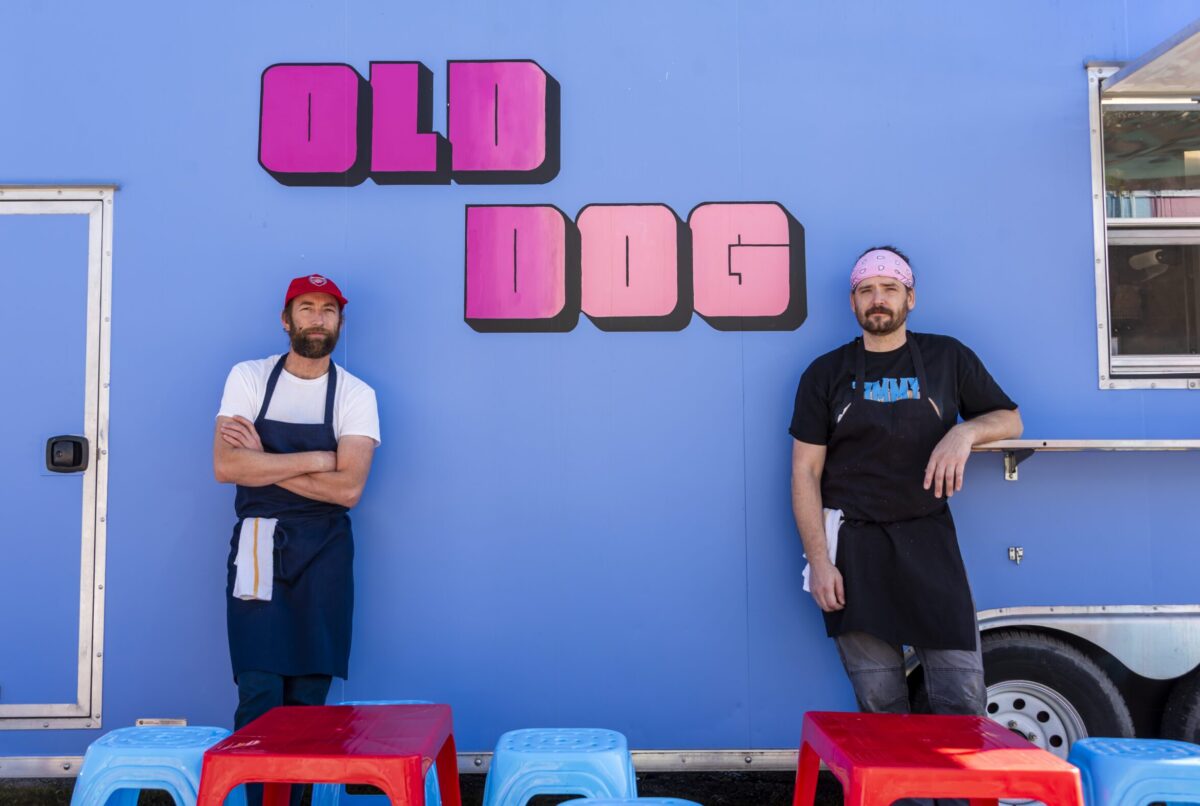
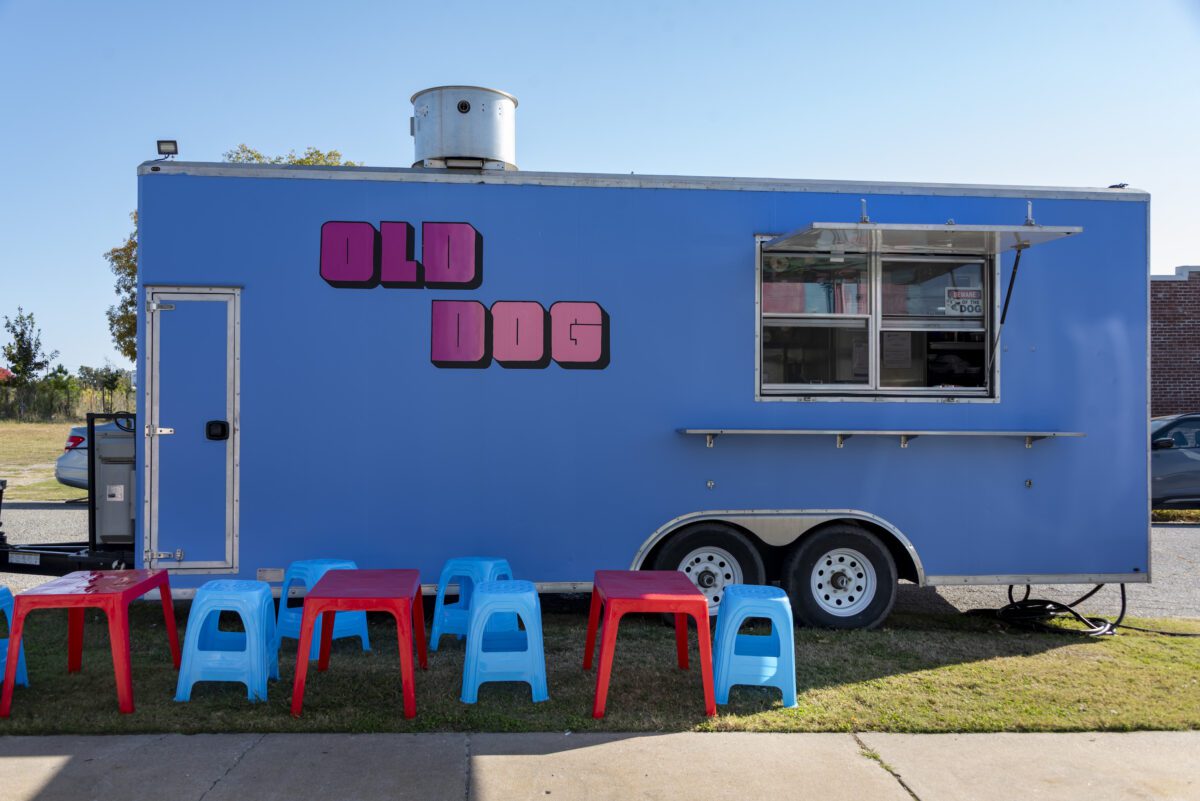
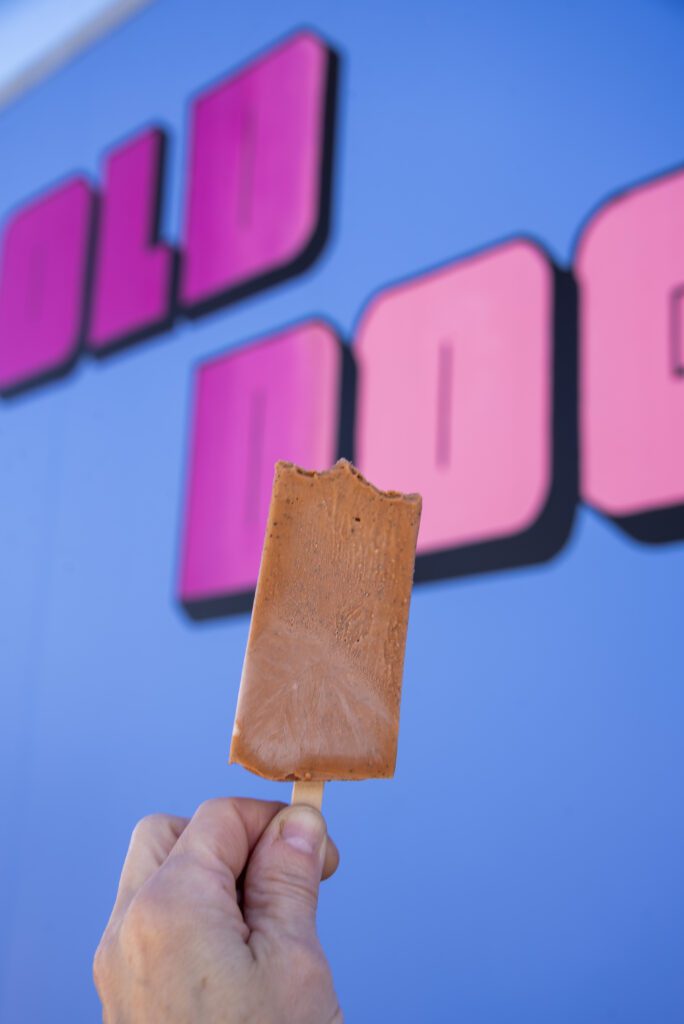
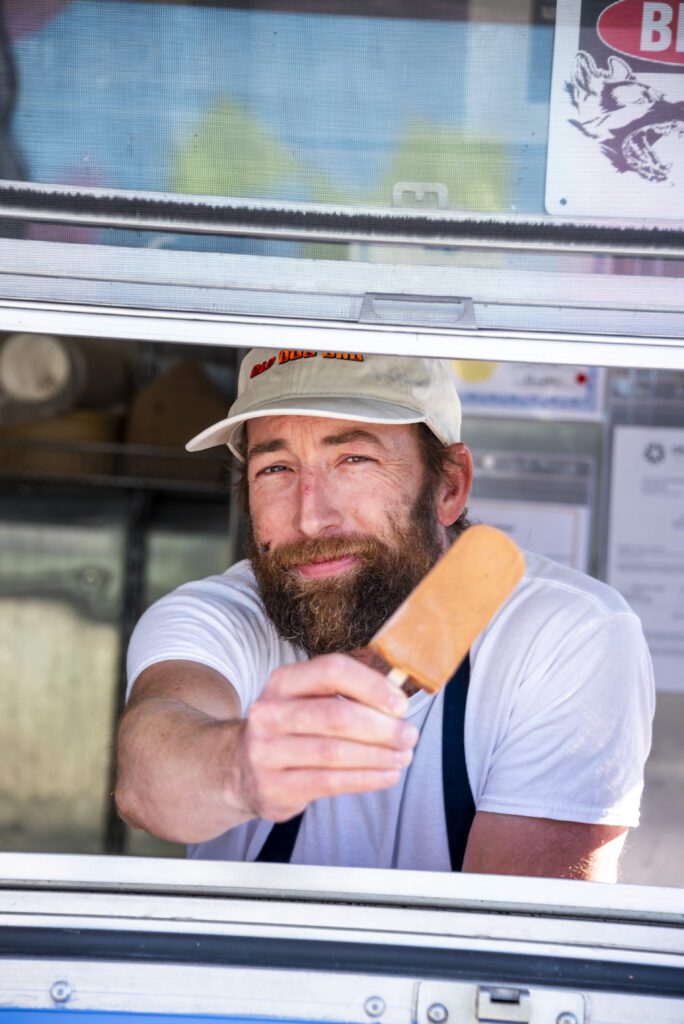
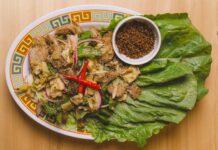
Erik Fabrizius and Garett Lewis team up to offer Thai cuisine at Old Dog, typically parked outside Tulsa’s Heirloom Rustic Ales. Photos by Stephanie Phillips

Erik Fabrizius, whose life was later to revolve around the swirling symphony of spice and flavor that is Thai cuisine, got his first introduction to the world of cooking from his grandmother on her Kansas farm. She’d make dinner for the entire extended family, cooking nonstop for hours, preparing Southern comfort dishes like fried chicken, the best Fabrizius has ever had. Finished, she’d sit down and light up a cigarette. Fabrizius still remembers the look of perfect joy on her face. 

But when Fabrizius was seven, his family moved to Portland. After high school, he worked in restaurants, but he’d never tried Thai food until he got a job at Pok Pok – a local restaurant nationally famous for bringing the bold flavors of northern Thai cuisine to America. Eating there was a life-changing experience. Visits to Thailand with owner Andy Ricker made him fall in love, not only with a cuisine, but a culture. 

For ten years he and his partner (“she was a much better cook,” he says) made Thai food at home. When their relationship ended, Fabrizius moved to Tulsa. He got a job at the James Beard nominated chef’s collective called Et Al. There he met Garett Lewis. Lewis had grown up in Texas (like Fabrizius, his first food memory features his grandma’s home cooking). He kicked around the state, but didn’t find his life’s vocation until he ended up in Tulsa and joined Et Al, too. He did a dinner series called Pickles at the Barbecue, featuring his sophisticated take on Texas cuisine. Then he joined up with Fabrizius, and together they gave a one-day pop-up serving Thai food. People, including some of Tulsa’s most lauded chefs, lined up for hours to taste it. After that, they left Et Al and formed a cooking team called Old Dog. 

Two or three times a week, Old Dog, its kitchen in a very vintage food truck and its dining room inside Heirloom Rustic Ales, offers one or two Thai dishes. Sounds like easy work, doesn’t it? Not quite.

Photos by Stephanie Phillips

“My model is street cooks in Thailand,” says Fabrizius, “who devote their whole lives to preparing one dish. They refine that dish into an art form. And we don’t take short cuts.” 

Let’s say they’re making a Thai gaeng (usually known as curry). A full 48 hours before service, they make the paste. Most Thai restaurants just buy the paste in cans, but the Old Dog chefs get fresh plants and rhizomes, including ginger and galangal, from a local farm. Then they grind it using a mortar and pestle. They let it sit for 24 hours, then make the curry, simmering it for four to eight hours in stock, adding extra flavors such as fresh tamarind juice. This sits another 24 hours, as the resting times amp up the flavor, and then it’s served to the crowd that has eagerly formed around their truck. 

Unlike the Thai street cooks, Old Dog varies the dishes served. 

“We have a natural curiosity and creativity,” Fabrizius says. 

One week it might be khao soi, a glorious noodle soup with Indian spicing brought to Thailand over 100 years ago by Muslim traders from Burma. Another week it’s fried chicken. That’s Lewis’ recipe, and it reminds Fabrizius of his grandma’s dinners. Actually, most of the recipes are Lewis’. 

“Garett is our lead chef,” says Fabrizius. “He’s such a talented chef.”

Lewis had never been outside the U.S. until a few weeks ago. Shortly after this interview, the pair left for Thailand. They traveled around the country, exploring each region’s cuisine, including the Northeast, Isaan, which is Fabrizius’s favorite cuisine. 

“Garett’s food is so good now,” Fabrizius said before they left. “Imagine how magnificent it will be after we get back from Thailand.”

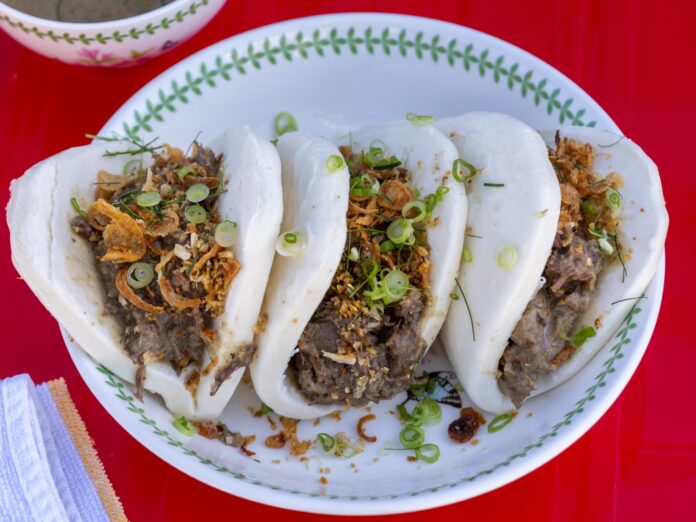
Green Curry Braised Beef Buns 

2 lbs chuck roast 

2 tsp salt

2 cups full fat coconut milk; separated into 1/2 cup and 1 1/2 cup amounts

5oz green curry paste 

Fish sauce to taste 

Frozen steamed buns

Finely chopped makrut lime leaf and fried garlic for garnish 

  • 1 hour up to 24 hours, slice beef and season evenly with salt, store covered in the fridge
  • Preheat oven to 325°f
  • In heavy bottom pan sear beef on 2 sides; set aside in braising pan with liquids 
  • In separate a pot reduce 1/2 cup of coconut milk over medium high heat until bubbles become slightly thick; about 3 mins 
  • Add curry paste to reduced coconut milk and stir continuously for 1-2 mins
  • Add remaining 1 1/2 cups coconut milk, stir and bring to a boil
  • Pour curry mixture over beef and cover
  • Put braise in the oven and lower temperature to 300°f; cook for 1 hour
  • Uncover braise, flip beef and stir, cook uncovered at 275°f for 30 mins to 1 hour or until tender; season with fish sauce to taste 
  • Steam frozen buns per package instructions
  • Fill buns with shredded braised beef and top with garnishes
  • Enjoy!

Tasty Tidbits

Photo courtesy Feruzy’s Kitchen

Feruzy’s Kitchen

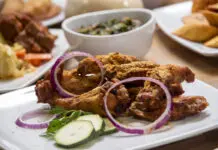
Offering Nigerian, Caribbean and Southern American foods with a twist, Feruzy’s Kitchen is a unique and delicious restaurant located inside Tulsa’s Mother Road Market. The team also offers occasional pop-up events, and menus vary for those. However, you’re always able to snag delicious options including barbecue jerk wings, pork bites, birria jerk quesadillas, stewed pork and oxtails.

Other a la carte dishes range from jollof rice to plantains, puff puffs, and rice and peas. Wash it all down with a Guinness, Kola Champagne, watermelon soda or ginger beer.

Cobalt Bar & Grill 

The newest Brookside staple, Cobalt Bar & Grill, offers classic American comfort food in relaxed digs.

Open at 11 a.m. daily, Cobalt offers brunch and lunch favorites like stuffed French toast, avocado toast, omelets, chicken and waffles, biscuits and gravy, and scramblers – three eggs with brunch potatoes or grits.

Photo courtesy Cobalt Bar & Grill

For those venturing in for lunch or dinner, there are options galore. From chili cheeseburgers to chicken Caesar wraps, chili cheese Frito pie and Philly cheese steaks, Cobalt has cornered the market on sports bar food. There are also plenty of salads for those watching their calorie in-ake, alongside upscale entrees like salmon, sirloin and the bone-in pork chop.

Of course, libations are ample – from craft cocktails to beers and wines.

Photo courtesy Verde Craft Kitchen

Verde Craft Kitchen

A beloved fast-casual spot in downtown Oklahoma City, Verde Craft Kitchen is known for its fresh, flavorful fare and relaxed atmosphere. 

Offering breakfast, brunch and lunch with a menu that blends comfort food with creative culinary choices, Verde presents a versatile menu to satisfy any craving.

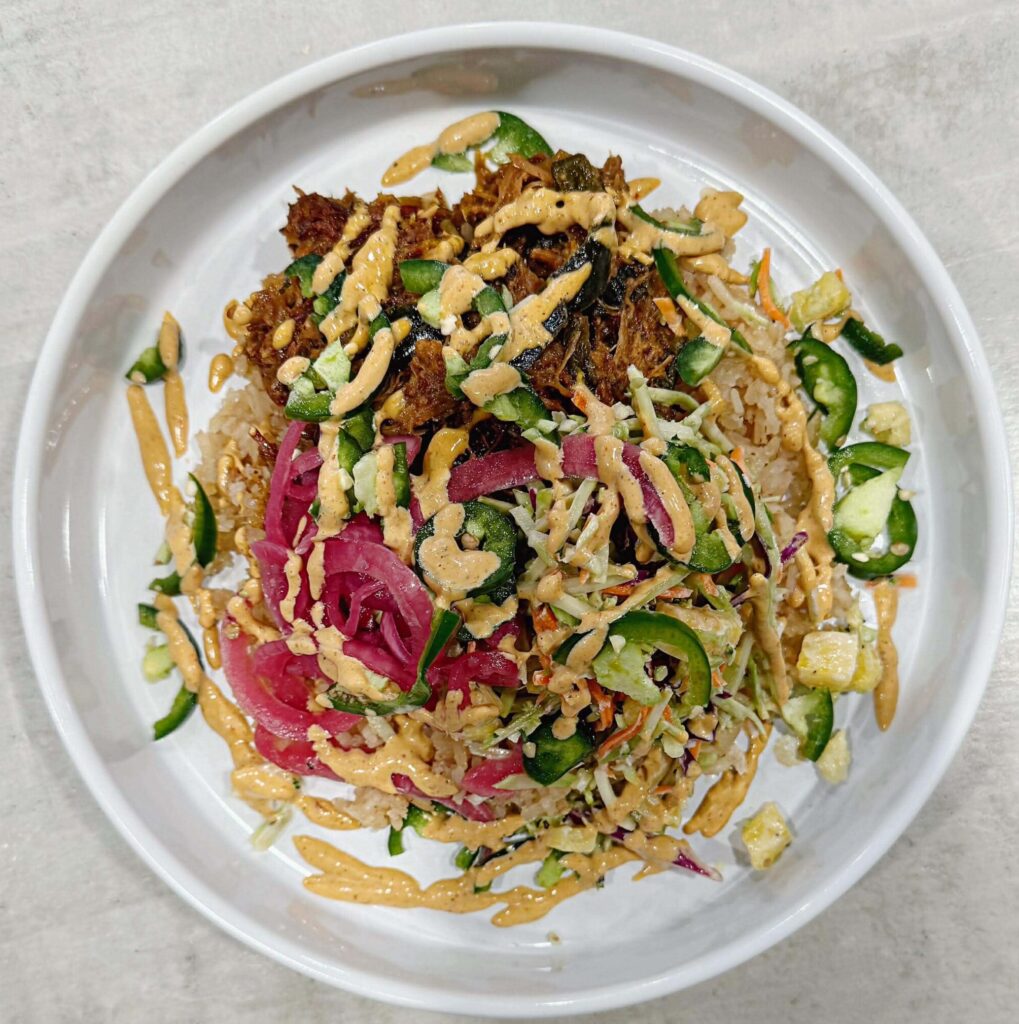
First-time visitors to Verde should explore the varied bowl options. Try the Muay Thai bowl, with coconut rice, braised beef, cucumber, bell pepper and fried egg; or the Bahn Mi Bowl, with roasted chicken, pickled veggies, jalapeno and lime aioli. 

Another highlight? The drunken tots – with braised beef, pico, green onion and bourbon aioli. 

Other options include the verde tacos with bulgogi beef, the Smoak burger with elote and the Meltdown – a sandwich with housemade Focaccia, roasted turkey, pepperoni and mozzarella.

Photo courtesy Ser.

Ser.

Blending modern design with Mexican flair, Ser. is one of OKC’s hottest new restaurants.

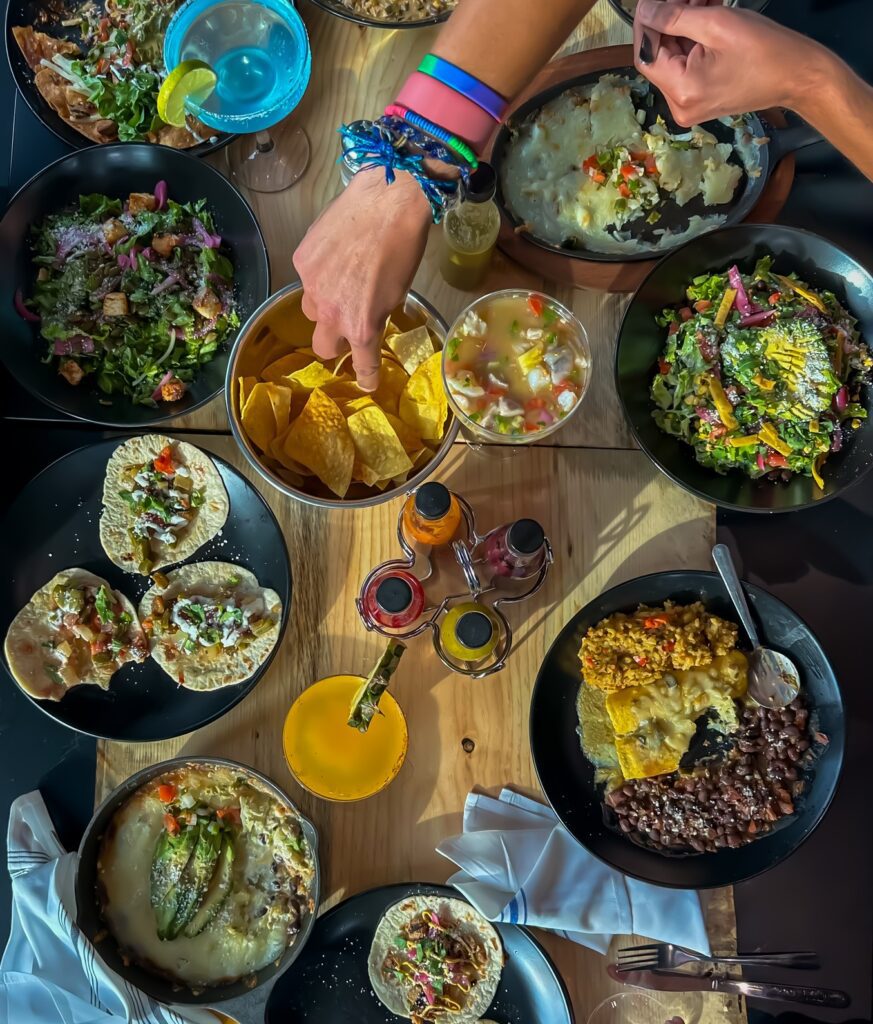
Start with classic apps like queso and guacamole, or venture outside your comfort zone with Mahi-shrimp ceviche, tortas de marisco or cazuelitas – masa cups with pibil, borracho beans and Oaxaca.

Mains run the gamut, from enchiladas to burritos, shrimp diablo, tostadas, nachos and flautas. There’s also an entire menu section dedicated to tacos, with iterations including chicken, beef, fish and lengua – with chutney, jalapeno, blackberry crema, Cotija and cilantro. 

Pair your food with a bevy of craft cocktails and you’ll have an evening to remember.

Winter Classics Take the Stage

Photo by Jeremy Daniel

From symphony and ballet to Broadway hits and family-friendly favorites, February brings a rich lineup of performing arts.

At the PAC, Tulsa Symphony offers IV: Celebrating Black History on Feb. 7 with Kearstin Brown and Jherrand Hardeman as guest conductor. Stick around the venue for Tulsa Ballet’s romantic and tragic Sleeping Beauty on Feb. 12-15, as well as An Evening with C.S. Lewis from Feb. 14 to 15. Fans of rock music and music theatre alike won’t want to miss A Beautiful Noise: The Neil Diamond Musical courtesy Celebrity Attractions from Feb. 17 to 22, and the month concludes at the PAC with Aesop’s Greatest Hits, perfect for kids, running Feb. 23-27.

OKC options are ample for the performing arts. Begin at the Civic Center Music Hall, with three offerings from the OKC Phil – The Fire of Love: Romeo and Juliet on Feb. 14; Musical Moods: Feelings You Can Hear on Feb. 15; and Classical Mystery Tour on Feb. 27-28. Stick around the venue for OKC Broadway’s The Simon & Garfunkel Story on Feb. 11, as well as the classic star-crossed love story Romeo & Juliet, courtesy OKC Ballet, from Feb. 20-22. In Edmond, Armstrong Auditorium also presents three performances this month: Canadian Brass on Feb. 3; the Venice Baroque Orchestra on Feb. 11; and the Three Italian Tenors on Feb. 19. Lastly, venture to Lyric Theatre of Oklahoma from Feb. 11-March 1 for Beehive: The 60s Musical.

If you’re looking to take a short trip to Stillwater, the McKnight Center offers a bevy of goodies this month: Mandy Patinkin in Concert on Feb. 14; Hadestown on Feb. 17-18; and the Orpheus Chamber Orchestra on Feb. 27.

Game On

Photo courtesy Certified Lions FC

There’s something for every sports lover this month.

In Tulsa, cold weather means one thing: Tulsa Oilers hockey. You can catch them at home, the BOK Center, Feb. 1, 5, 13-15 and 28. At Expo Square, you won’t want to miss the Oklahoma Invitational Black Rodeo on Feb. 7, which celebrates the crucial role of Black cowboys in Western history and features professional and youth competitions. Also at the Expo is the Kaizen Invitational, Feb. 14-15, one of the region’s largest annual youth volleyball tournaments. If you want to keep the adrenaline pumping, venture to River Spirit Casino Resort on Feb. 20 for XFN – or Extreme Fight Night – with MMA offerings galore. 

In OKC, basketball continues to entice. The reigning NBA champs, the OKC Thunder, play at the Paycom Center all month long, as well as their G-League affiliate, the OKC Blue. At the OKC Fair Park, you’ll find the Prairie Classic Quarter Horse Show on Feb. 4-8; the Certified Lions FC soccer match on Feb. 13; and the OK State High School Wrestling Championships on Feb. 26-28. And don’t forget to head out to Riversport OKC’s Indoor Rowing Challenge on Feb. 7.

Fun for Everyone

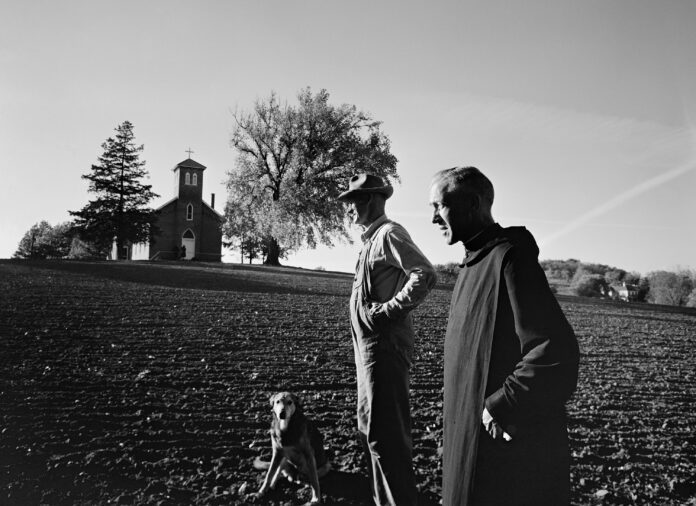
Gordon Roger Alexander Buchanan Parks (American, 1912–2006). Parish Priest (Father Placidus walks in a field of winter wheat with parishioner, Louis Huss), from the series The Monks of a Kansas Abbey Lead a Cloistered Life of Devotion, 1955, printed 2017. Gelatin silver print, 15 1/4 x 21”. Kansas State University, Marianna Kistler Beach Museum of Art, gift of Gordon Parks and The Gordon Parks Foundation, 2017.409. Image courtesy of and copyright by The Gordon Parks Foundation.

No matter what kind of community event you’re searching for this month, Oklahoma has you covered.

In Tulsa, art abounds: try the Champagne & Chocolate Member Showcase, Feb. 6-March 14 at Living Arts of Tulsa; Alicia Kelly: Roughly Right from Feb. 6-March 21 at 108 Contemporary; or a bevy of options at Philbrook: Andy Warhol: Silver Clouds and Marie Watt: Heart in the Sky, both from Feb. 11-June 14; as well as Homeward to the Prairie I Come: Gordon Parks Photographs From the Beach Museum of Art from Feb. 11-June 19. Other options include the Tulsa Boat, Sport & Travel Show on Feb. 2-8 and the 41st Annual Tulsa Women’s Expo, Feb. 21-22, both at Expo Square, as well as Tulsa Town Hall’s speaker Georgia Hunt on Feb. 6 at the PAC. 

In OKC, two exciting exhibitions can be found at the National Cowboy and Western Heritage Museum: Route 66 – From Trails to Truck Stops, Feb. 6-May 4, and The Cowboy: An Immersive Journey, through May 3. Head to the Civic Center Music Hall on Feb. 12 for a speaking event featuring Reed Timmer, well-known storm chaser, or visit the Paycom Center on Feb. 14-15 for monster truck extravaganza Monster Jam. 

Unconventional Valentine’s Viewing

Glenn Powell in How to Make A Killing; photo courtesy of A2

The month of love is upon us. I have a few romantic films for you, along with some action and horror, so strap in for a group of misfit films that will surely make your Valentine’s dates entertaining.

First up, Dracula: A Love Tale. Starring Caleb Landry Jones (Three Billboards Outside Ebbing, Missouri) as the titular Dracula, the story seems to follow the original 1897 novel by Bram Stoker, albeit with a bit more flare and some dramatic license. The trailer has violence, multiple gorgeous costumes, romance and full on war scenes. Christoph Waltz (Inglourious Basterds) co-stars and Luc Besson (Subway) brings his directing and writing style to the proceedings when this releases on Feb. 6. 

For some comedy mixed with your horror, don’t miss Cold Storage. When two employees at a self-storage facility realize a sealed parasitic fungus has begun to spread, they must work together with a government agent to contain it before it takes over the minds of every living creature. Joe Keery (Stranger Things), Georgina Campbell (Barbarian) and Liam Neeson (Taken) all star in what looks to be a fun romp through mind-infected zombie murder with a darkly comedic twist. It hits theaters on Feb. 13.

If you want a pure crime thriller, check out Crime 101. Although the concept of “one last heist” seems a bit overplayed, the trailer still seems to show a good amount of fun banter and action with its stars Chris Hemsworth (Thor), Mark Ruffalo (Zodiac) and Halle Berry (X-Men). The writer/director, Bart Layton, has two previous films that are both uniquely made with documentary elements, particularly American Animals, which blended the real life people it was documenting with dramatized elements in a way I found incredibly fun to watch. This film looks to be a more straightforward approach based on a novella of the same name, so we’ll see if he can keep it interesting when it drops on Feb. 13.

For a bit of black comedy thriller, make sure to see How to Make a Killing. Starring Glen Powell (Top Gun: Maverick) as a disowned son of an obscenely wealthy family, the movie follows his attempts to reclaim his inheritance by any means necessary. The cast includes Margaret Qualley (The Substance), Jessica Henwick (Glass Onion: A Knives Out Mystery) and Topher Grace (BlacKkKlansman), and the trailer promises all the charm Powell can bring along with an enticing dark humor. It releases on Feb. 20. 

Lastly, get your music documentary fix with Man on the Run. The doc focuses on former Beatles member Paul McCartney from his formation of Wings though the 1970s. It looks to have in-depth interviews with McCartney about his time directly after the Beatles broke up and what was going though his mind as he began his next chapter as one of the world’s most prolific songwriters. We can all look on in awe when it comes to Amazon Prime on Feb. 25.