










Home Blog Page 20

Oklahoma After Dark

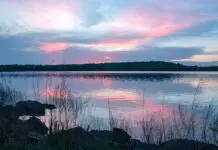
Fall’s ample astronomical events can be viewed at many outdoor locations – including Black Mesa State Park, pictured here. Photo courtesy Oklahoma Tourism & Recreation Department

Stargazing has always been a popular way to spend an evening in Oklahoma – no matter the time of year or location. This fall, there are quite a few astronomical events to look out for, along with plenty of stunning locations to catch them. We offer a helpful location list for your autumnal outdoor adventures. 

Black Mesa State Park

Located in Kenton, this park is perfect for an evening of gazing at the Milky Way and meteor showers. The park has some of the darkest skies in the state, as there are no major nearby towns to pollute the view, and is also home to the Okie-Tex Star Party, happening this year on Sept. 19-27; it’s a community astronomy event featuring speakers, great food and giveaways. 

Robber’s Cave State Park

Located near Wilburton, this is another ideal stargazing spot with extremely dark skies for optimal viewing conditions. If you want to make a weekend out of it, the park also has hiking trails, mountain biking and rock climbing, as well as plenty of space for camping in the Sans Bois Mountains. Fun fact: This was also the hideout for notable outlaws Belle Starr and Jesse James in the late 1800s.

Roman Nose State Park

Located near Watonga, this park is named after highly respected Southern Cheyenne Chief Henry Roman Nose. With elevated plateaus and a location that’s a sizable distance from the lights of OKC, this is another beautiful spot to spend a weekend staring into the skies. The park is also full of strong cultural heritage to soak in, as well as the Cherokee Trading Post & Travel Mart, which has unique Native American clothing, décor and accessories.

Wichita Mountains Wildlife Refuge

Nestled in Lawton, this 59,000 acre land is ideal for a variety of nature-centric activities. Camping on Charon’s Garden Trail is the best way to see the clear night sky, and since no more than ten people are issued a camping permit within a three day period, overcrowding won’t be an issue. At approximately 525 million years old, the mountains are home to a vast array of plants, birds, fish, reptiles and amphibians, all waiting to be in your next Instagram photo … from a distance, of course. 

Ouachita National Forest

Located near Hodgen, this is the oldest national forest in the southern United States and has some truly breathtaking views. Not only will your evening be filled with stars dancing in the sky, the day can be used to take the Talimena Scenic Drive, a national scenic byway that spans 54 miles from Oklahoma into western Arkansas and contains some of the most beautiful autumnal foliage the state has to offer. 

Gloss Mountain State Park

Located in Fairview, this unique park has miles and miles of prairie and native red dirt, a unique setting for your stargazing getaway. Sometimes called the Glass Mountains, the area has high selenite content which can look like shiny glass in the right lighting. Make sure to travel to the top of Cathedral Mountain for some spectacular views and a great photo opportunity of Lone Mountain Peak. 

Main image cutline: Fall’s ample astronomical events can be viewed at many outdoor locations – including Black Mesa State Park, pictured here. Photo courtesy Oklahoma Tourism & Recreation Department

The Perks of Painting Wall Flowers

Oklahoma native Patrick Gordon offers his first-ever retrospective at the Philbrook starting in September. Photo by Bhadri Verduzco

As Shakespeare wrote: “A rose by any other name would smell as sweet.” The same can be said for Tulsa’s own Patrick Gordon. You may know him as Pat, Patrick, or p.s. — or the name may be new to you — but his brilliant, luminous paintings carry a powerful impact and have been favorites in the Tulsa community for more than 40 years. 

Born in Claremore in 1953, Gordon hosted his own art exhibit and sold his first painting for $60 at age twelve. He was barely out of his teens when he began exhibiting at prestigious galleries in New York City. Today, working ten hours a day, every day of the week, Gordon creates beauty in his home studio in Tulsa. While he is anything but a wallflower, the paintings that he has created over the last fifty years will grace the Helmerich Gallery in the Philbrook exhibition Wall Flowers: Patrick Gordon Paintings.

Walk through the exhibition, and you will discover towers of roses, a giant tulip and huge, lush peonies; sensitive portraits; delicate shading that takes your breath away; and knock-out still life paintings full of surprising objects: a feather, chair, marble, or model of the Statue of Liberty. These objects are not simple knickknacks; they fill Gordon’s paintings with symbolic meaning. 

In Gordon’s artwork, beauty is more than a surface layer — it becomes the structure. His paintings are composed with such precise attention to flowers, textiles and ornament that, rather than simply frame the subjects, these lush environments build an emotional architecture around them. A wallpaper backdrop, a saturated bloom, the gentle tilt of a head — all are deliberate gestures of care and presence. Gordon constructs spaces where stillness conveys feeling and where beauty, with such structural resonance, moves beyond the painting to deeply affect the viewer.

Patrick (p.s.) Gordon (American, b. 1953). Hocus Pocus, 1995. Watercolor on paper, 42 1/2 x 43 x 2”. Philbrook Museum of Art, Tulsa, Oklahoma. Bequest of Marylouise Cowan, 2010.9.8. © p.s. gordon

This approach places Gordon in dialogue with traditions of still life and portraiture stretching back to the Dutch Golden Age, where arrangements of flowers, fruit and objects were rich with allegorical meaning. Gordon, like his predecessors, uses this iconographic language to express what cannot always be said outright or is more powerful using a visual language. His portraits and still lifes blur the line between object and subject, body and bouquet, challenging rigid genre hierarchies. In his self-portrait Fried Green Tomatoes (1993), Gordon assembles flowers and objects that have deep personal meaning. While the painting in itself is a masterful watercolor and stunning still life, its power lies in the symbolic meaning of each object. We can appreciate each item as exquisite, but we can never fully grasp the references to memories, beloved family and friends, or other evocative significances that the objects hold for Gordon himself. 

Gordon has created a home studio, which itself is like a still life, and the exhibition will include a portion of his working studio, relocated into the gallery. Not only will visitors be able to explore the creative space in which he works, Gordon will be regularly creating within the exhibition, and visitors can glimpse the artist’s creative process.

Wall Flowers: Patrick Gordon Paintings opens September 24 at Philbrook Museum of Art. Visit philbrook.org for more details.

Tasty Tidbits

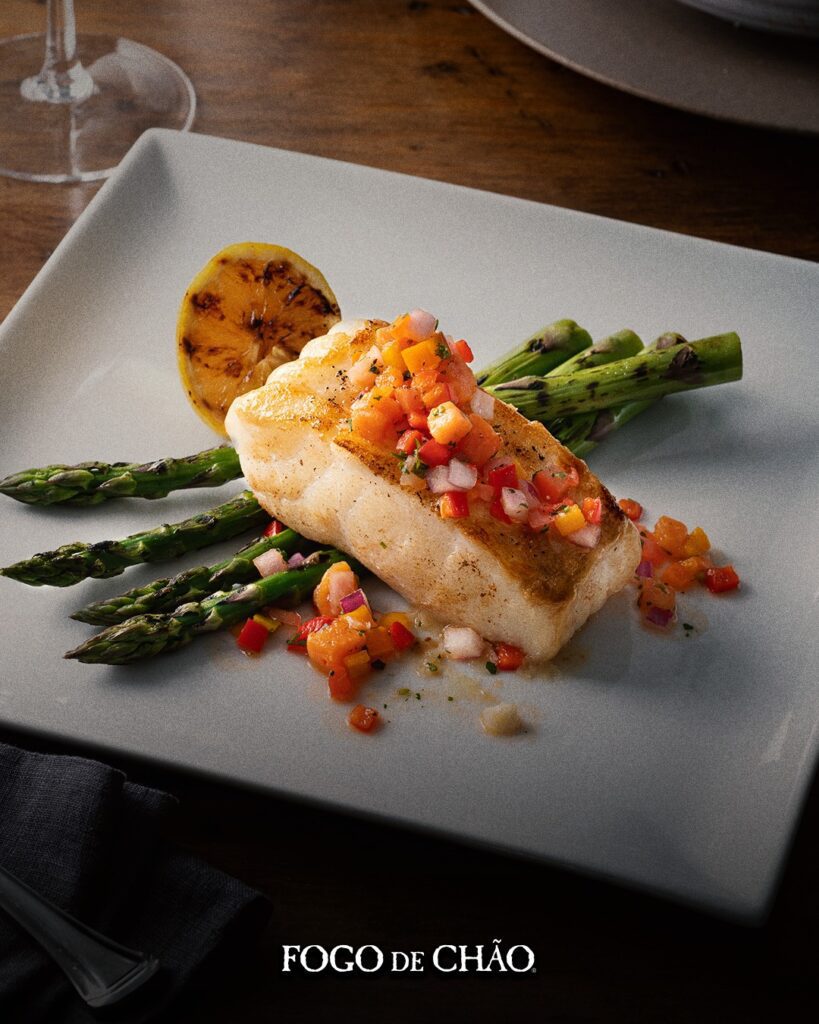
Photo courtesy White River Fish Market

White River Fish Market

Family owned and operated since 1932, White River Fish Market is the place to be in Tulsa for high-quality, delectable seafood. 

Now with two locations — at 17th and Sheridan and in Broken Arrow — White River offers just about any seafood iteration you can think of. Start with cocktail shrimp or fried oysters, then venture over to the ‘fried dinners’ section for catfish, red snapper, soft shell crab or tilapia. You can also try broiled, grilled or smoked options, from Alaskan cod to flounder, rainbow trout and scallops.

Po’boy meals are abundant, as well as salads including the shrimp Caesar and smoked salmon. Stick around for gumbo and beans and rice, and desserts like buttermilk pie and red velvet cake. The best part? You can venture over the market and take some goodies to go. 

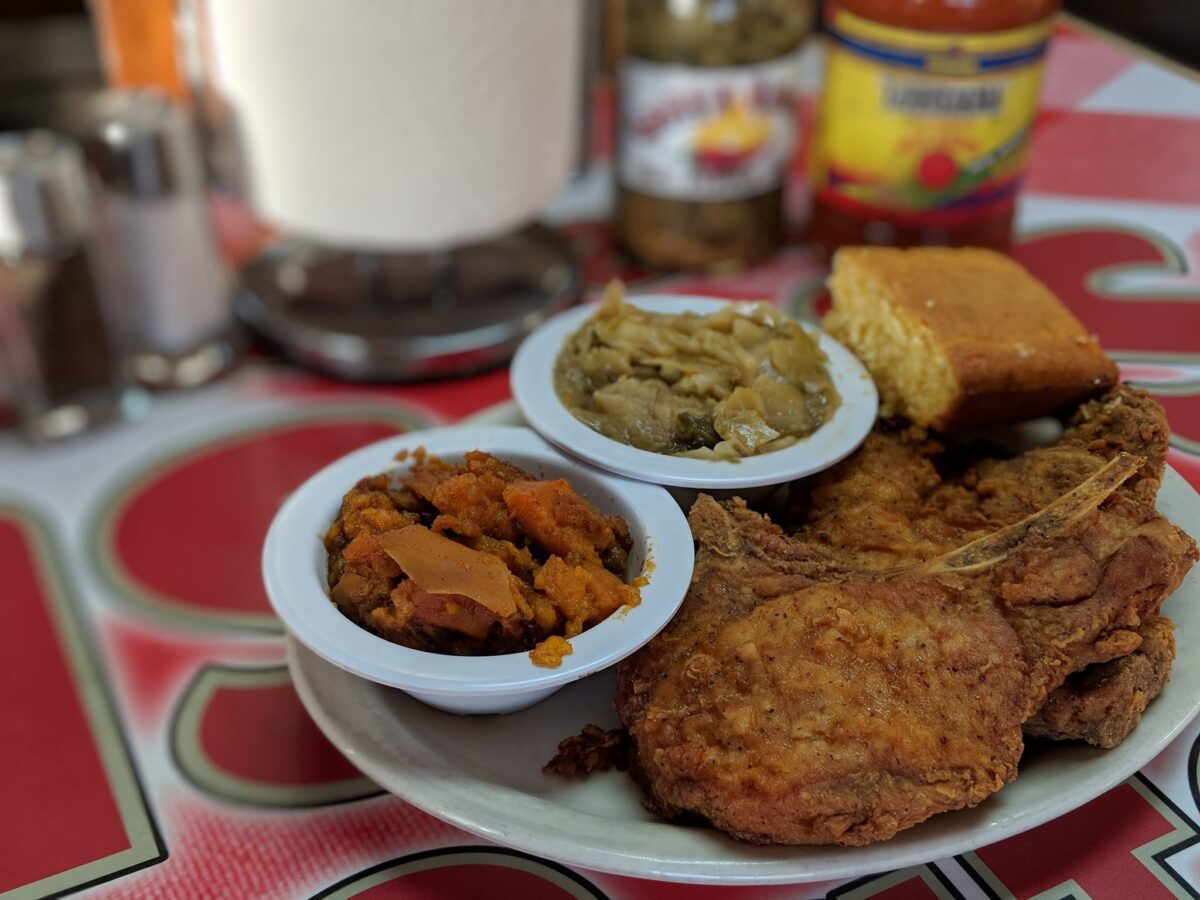
Photo courtesy Granny’s Kitchen

Granny’s Kitchen 

A Stillwater staple that has two additional locations in OKC, Granny’s Kitchen is a down-home comfort food joint perfect for the pickiest of eaters, specializing in breakfast, brunch and lunch.

For the ravenous, try the Cowboy Skillet – complete with two eggs, fried potatoes, bacon or sausage, plus toast, biscuits or pancakes. A popular choice, the Crab Benedict includes an English muffin, imitation crab, spinach and onions topped with Hollandaise sauce. Other goodies range from chicken fried steak and pork ribeye to chicken crepes, three egg omelets, breakfast quesadillas and burgers. No matter what you choose, you’ll leave satisfied. 

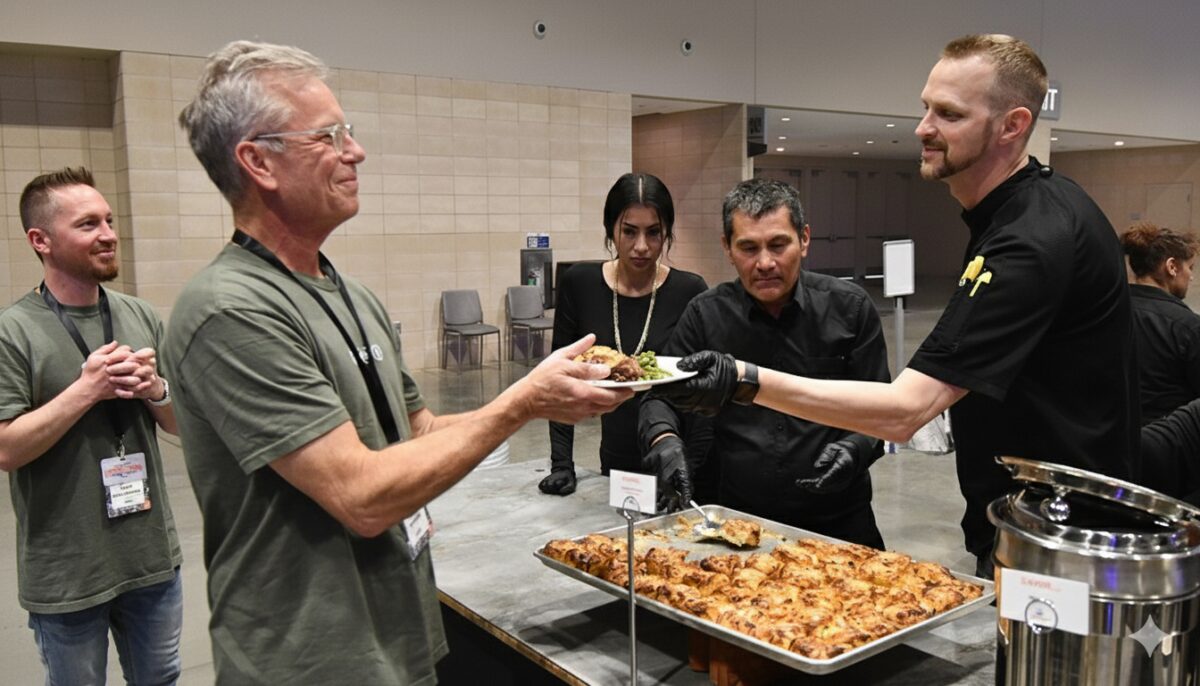
Photo courtesy Dwelling Table Photography

Tucker’s Onion Burgers

An OG restaurant from the ever-popular A Good Egg Dining Group based in OKC, Tucker’s Onion Burgers is Oklahoma’s first premium onion burger restaurant. The star of the show at Tucker’s is, if you can believe it, their burgers – which come with your choice of shredded lettuce, tomato, pickles, grilled jalapenos, ketchup, mayo and mustard. 

Try the single or double onion burger with or without cheese, or the Mother Tucker, which is just over one pound of pure deliciousness. Other options include the Impossible Burger, the all-natural turkey onion burger, the Tucker’s Clucker – a chicken sandwich with special seasoning on a Brioche bun – as well as the One Salad, with red onions, shredded cheddar, diced tomatoes, pinto beans and Fritos. Finish off with a hand-dipped shake or some homemade lemonade.

Bon Broth Bar

Locally sourced, high quality and antibiotic free, Bon Broth Bar is south Tulsa’s go-to for the healthiest of options. Bon Brother proudly offers food and drink with no artificial flavors, dyes, preservatives or sweeteners. 

Photo courtesy Bon Broth

Drinks run the gamut, from espresso shots to mochas, cortados, smoothies and teas. Dishes include sourdough toast, avocado toast, and the roast beef and cheddar sandwich.

If you prefer to build your own experience, try the broth bowl – choose between beef, chicken or veggie broth, then select your meats, grains, micro-grains and sides. Do the same with a salad bowl for a heartier option.

Monarchs on the Move

A monarch lands on a coneflower during its annual migration. Photo by Stefanie Leland courtesy the Oklahoma Monarch Society

Oklahoma plays a key role in monarch butterfly migrations in both spring and fall. The peak of their autumnal migration typically occurs in late September and early October — so you’ll be able to see them in flight soon. 

“Monarch butterflies have been making this incredible migration for thousands of years, a journey that spans up to 3,000 miles across North America,” says Stefanie Leland, director of marketing and communications at the Oklahoma Monarch Society. “Oklahoma is centrally located right in the heart of their migratory pathway, making our state a vital stopover for these butterflies.” 

Janet Horner, a Canadian County Master Gardener and past president, is also a 2018 Certified Monarch Hero, a 2024 Certified Pollinator Steward, and lead for the BlueSTEM Pollinator Garden and Monarch Waystation at Fort Reno. Horner and her husband raise monarchs from eggs in their own garden, and participate in monarch tagging events in Canadian, Kingfisher and Oklahoma counties. 

Horner says during the spring, monarchs fly from “their overwintering sites in Mexico through Oklahoma. The females lay eggs on milkweed. During the fall migration, the super generation of monarchs make the return trip through Oklahoma back to Mexico for the winter. It’s vital to their survival for Oklahomans to provide lots of nectar sources for them. They store fat — nectar — to survive the winter in Mexico.”

Leland continues: “The monarch migration is important to Oklahoma’s ecosystem because monarchs contribute to the pollination of native plants. as they feed on nectar during their journey, supporting biodiversity and healthy plant communities.”

In short, the importance of monarch butterflies can’t be overstated. 

“Monarchs serve as an indicator of ecosystem health, in that declining monarch numbers can signal broader environmental issues with not just monarchs, but our native bees, moths and other insects we rely on for pollinating our crops,” says Leland. “In addition, the native plants that monarchs rely on, such as milkweed and wildflowers, provide critical resources for many other pollinators and wildlife species. Monarchs also serve as an ambassador for other species, drawing attention to the importance of protecting habitats and ecosystems that support a diversity of life across Oklahoma.”

Horner adds that monarchs are a source of food for some birds and insects, and they help in the reproduction of wildflowers, vegetables and fruits.

To help monarchs, Horner stresses the importance of “having lots of fall blooming annuals and perennials like goldenrods, asters, sunflowers, blue mistflower and zinnias.” 

Because monarch populations are declining, Leland says it’s important to help them during their migration. She says to avoid harmful chemicals, including spraying for mosquitoes with toxic chemicals, and adds that monarchs “need milkweed, which is their host plant and the only plant their caterpillars can eat. A great place to find plants they need is found at
okiesformonarchs.org.”

Where to Spot the Monarchs

This fall, Horner says the public may see monarchs mainly along the I-35 corridor. Plus, a variety of parks, gardens and businesses hold monarch-centric fall festivals, including OKC’s Myriad Botanical Gardens, Tulsa’s Monarchs on the Mountains, Yukon’s Molly Spencer Farms, and Claremore’s Will Rogers Park.

Leland adds that fans may spot monarchs “nectaring in gardens, roosting overnight in trees or flying in a strong directional manner. Look for clusters of butterflies in trees, especially during the evening as they settle in for the night.”

Main image cutline: A monarch lands on a coneflower during its annual migration. Photo by Stefanie Leland courtesy the Oklahoma Monarch Society

United by Food and Football

As OSU, tailgating is a weekly event during football season, but homecoming is when things really ramp up. Photo courtesy Oklahoma State University

Football season means it’s time again for tailgating at universities and colleges around the country. Some would say that none do it better than Oklahomans. 

“Tailgating at homecoming football games has always served as the culmination of homecoming week at LU, Oklahoma’s one-and-only-historically Black college and university,” says Kyle Taylor, the department of athletics director at Langston University (LU). “It serves as one of the largest family reunions in Oklahoma, with countless alumni, fans and visitors all stopping in to visit the Marketplace, grabbing something to eat, watching the Marching Pride band and cheering our Lions onto victory.”

Taylor continues: “For tailgating at homecoming, we’re typically at anywhere from 5,000 to 10,000 visitors during that time frame.” 

At Oklahoma State University (OSU), Jesse Martin, senior associate athletic director, says that “tailgating has been a thing at OSU for decades, but it really exploded in the early 2000s, when the football program started to rise under Mike Gundy. Once Boone Pickens Stadium got its facelift, everything leveled up, from the facilities to the fan base. Cowboy fans started showing up earlier, bringing bigger setups and really turning tailgating into a full-day — sometimes all-weekend — event.”

Martin says that homecoming at OSU is “the biggest week of all. We call it ‘America’s Greatest Homecoming,’ and I don’t think that’s an exaggeration. Tens of thousands of alumni and fans come back to take in the campus atmosphere and memories. The Friday night Walkaround is huge, with attendance rivaling the football turnout, and the tailgating the next day is next-level.”

Both Taylor and Martin say that, without a doubt, tailgating is a major deal at their schools. 

“Many tailgate fans have elaborate setups that rival glamorous outdoor events seen on television,” says Taylor.

Martin adds: “A lot of people have had the same tailgating spot for years. It’s like a mini neighborhood every Saturday. Picture this: Rows of orange tents, folding tables covered in food, people tossing cornhole bags. Everyone’s laid back, super friendly, and just excited to be together. Brisket, pulled pork, burgers, cowboy beans — you’ll smell it all, and don’t be surprised if someone invites you over for a plate.”

All in all, tailgating isn’t just about football. 

“It’s about community,” says Martin. “It’s where old friends reconnect, students make memories and total strangers become part of your Cowboy family.

The History of Tailgating

The over-100-year-old tradition dates back to at least the late 19th century with horse-drawn wagons. But tailgating began to take off when Ivy League schools dominated football in the early 20th century and, simultaneously, “motorized buggies” hit the scene. 

By 1906, tailgating started to draw interest, initially with well-heeled fans. But as time progressed, mass production of automobiles, portable grills and plastic coolers added to the allure, with before-the-game, temporary tent cities popping up in stadium parking lots across the nation — making tailgating accessible to everyone. 

Gridiron fans began creating community by sipping their favorite drinks, eating, reconnecting and celebrating hopeful victories on the field. The tailgating concept is now a time-honored tradition for many college and university communities, and often lures alumni back to their alma maters. 

Main image cutline: As OSU, tailgating is a weekly event during football season, but homecoming is when things really ramp up. Photo courtesy Oklahoma State University

Disc Domination

Between its affordability and its accessibility, disc golf continues earning enthusiasts around Oklahoma. Photo courtesy Sooner Disc Gol

Began in the 1960s, disc golf is quite popular in the U.S., with over 7,300 venues to play nationwide. (Consequently, that’s 75% of the world’s total courses!) In Oklahoma itself, disc golf’s avid enthusiasts are spreading the word about this ever-growing activity.

Disc golf is a sport in which players throw a disc at an intended target, aiming to complete a course with the fewest throws – similar to traditional golf. During regulated play, courses are typically 9 or 18 holes. Alongside the fact that it’s just plain fun, there are a bevy of reasons why disc golf continues to gain fans. 

“I would say one of the biggest draws to disc golf is that it is one of the more affordable sports to get into playing,” says Billy Engel, president of the Sooner Disc Golf group. “The majority of the courses are free to play in, and the discs can be very affordable. Buying used discs from people or stores is a great way to start and see what you think.” 

Passionate leaders across the state are doing a stellar job promoting just how entertaining the sport can be. 

“In Oklahoma specifically, it is so popular now because we have a solid bunch of clubs and individuals who are grinding every day to grow disc golf and provide the best events,” says Kyle Young, an administrator of the Tulsa Disc Sports Association. “While continuing to have locals as top priority, we want to host more major events and bring in the rest of the world, and show them that Oklahoma is the top disc golf destination.”

For beginners, the best course of action to start is to buy a used or cheap disc as Engel suggested.

“If you’re just getting into disc golf, all you need are a few discs and a basic understanding of golf,” seconds Young. 

You can easily find courses near you on the PDGA and UDisc websites – pdga.com and udisc.com – to get your journey started, as well as by checking Facebook to find communities to join. 

“The next step would be looking into tournaments, getting into one and seeing what the tournament experience is like,” says Engel.

Like any sport, practice is an important part of improving your skills.

“I would say that putting is one of the most, if not the most, important thing about disc golf,” explains Engel. “I would definitely practice putting and getting confident. Then, I would say being able to control the disc and throw straight shots.”

There are plenty of online resources to teach you the fundamentals, but it all comes down to the time you spend on the field. 

“For the fastest improvement, you just have to practice,” says Young. “That means regular sessions of throwing in a field and putting in a basket. That’s where you learn how discs fly and get dialed in with your bag of discs.”

Plenty of local tournaments are still left in 2025. 

“Some of the bigger notable ones would be the Oklahoma Open in Tulsa in October [24-26] and the Buffalo Run in McAlester,” happening Sept. 20-22, says Engel. The PDGA and DiscGolfScene websites (the latter is discgolfscene.com) are the most reliable places to find information on upcoming tournaments. 

Main image cutline: Between its affordability and its accessibility, disc golf continues earning enthusiasts around Oklahoma. Photo courtesy Sooner Disc Golf

A Different Kind of Desert

Hunger Free Oklahoma’s mission is to solve the hunger issue in-state by finding solutions to ensure all Okies have access to quality nutrition. Photo courtesy Hunger Free Oklahoma

When you picture a desert, it’s usually a hot, dry and desolate place with no water, smack dab in the middle of nowhere. What many don’t know is that there are actually deserts right here in Oklahoma — ones that have buildings and trees and are full of people. They are called food deserts, and like more traditional deserts, people might have to travel for miles and miles before finding sustenance to fulfill their nutritional needs.

The Regional Food Bank of Oklahoma distributes, on average, 50 million pounds of food to its partners each year. Photo courtesy the Regional Food Bank of Oklahoma

According to the Feeding America Network, 745,000 Oklahomans are living with food insecurity. That’s 18% of the state, and many among them are living in food deserts.

“Food deserts are areas where people do not have access to a full array of healthy food and groceries to buy for themselves and their families,” says Chris Bernard, president and CEO for Hunger Free Oklahoma, a state-wide organization dedicated to solving the issue and finding solutions to hunger, ensuring all Oklahomans have access to affordable, nutritious food.

Food deserts, he mentions, aren’t always obvious, because an area may have convenience stores and fast food places nearby. However, these establishments don’t ‘count’ when coming up with criteria for a food desert. A food desert is, in fact, defined by the amount of time or distance that someone is from a grocery store that sells produce and other groceries, adds Austin Prickett, director of communications at the Regional Food Bank of Oklahoma. The entity serves 53 counties in central and western Oklahoma.

The USDA identifies a food desert as a low-income area where a significant portion of residents in an urban area live more than a mile from a supermarket or large grocery store, or more than 10 miles in rural areas.

“Most of north Tulsa is a food desert still,” Bernard says. “Large swaths of west Tulsa, northeast Oklahoma City, though it’s open to grocery stores recently, still has areas that are food deserts based on the USDA’s definition. And most of rural Oklahoma — we have whole counties that are food deserts, but almost every county in western Oklahoma has a food desert in it.”

Access to nutritious food is the key, and organizations like Hunger Free Oklahoma and the Regional Food Bank of Oklahoma are working to establish partnerships that can change the landscape and lead to pathways of self sufficiency for people facing hunger. 

Photo courtesy the Regional Food Bank of Oklahoma

“We have 1,300 partners across our area,” Prickett says. “They could be churches, schools, any organization. We’re looking for partners that can serve as our boots-on-the-ground in their community. We drive the food to our partners and they distribute it to the people who need it. We’re making deliveries every day of the business week.” 

Through those efforts, Regional Food Bank of Oklahoma distributes, on average, 50 million pounds of food each year. 

Hunger Free Oklahoma’s approach, Bernard says, is leveraging the largest resource pool that exists to address hunger: the federal nutrition program. 

“That includes SNAP, WIC, school meals, after-school meals and summer meals,” Bernard says. “We run the Double Up Oklahoma program, which matches SNAP dollars, dollar for dollar, with a benefit that’s only good to go towards fresh produce. I think we’re one of the largest nutrition incentive programs in the country.”

Main image cutline: Hunger Free Oklahoma’s mission is to solve the hunger issue in-state by finding solutions to ensure all Okies have access to quality nutrition. Photo courtesy Hunger Free Oklahoma

Never Lost in the Shuffle

Within the last few years, Tulsan Rania Nasreddine has had an impressive run at poker tournaments across the country – and the world. Photo by Spenser Sembrat/8131 Media

“It’s not mutually exclusive,” shares Rania Nasreddine, “be a girly girl in a great outfit while metaphorically crushing souls at the poker table.” 

A former Tulsa-based attorney turned professional poker player and tech innovator, Nasreddine blends sharp intellect, entrepreneurial vision and a commanding presence, inspiring women to play fiercely, win big and look fabulous while doing it. Known as one of poker’s most fashionable players, Nasreddine’s charisma and strategic brilliance make her a standout in an industry that’s heavily male-dominated.

“You find all kinds at the poker table,” Nasreddine observes. “Billionaires, celebrities, or a 24-year-old risking their last $1,000. Most players hide in hoodies and ballcaps, but I bring my own flair. While many are courteous, the biggest winners can sometimes be the least gracious.” 

Her knack for numbers sparked her poker passion in college and grew during her legal career at Tulsa’s GableGotwals, a law firm specializing in energy, oil and gas, and real estate litigation. 

Her poker journey started gaining momentum with client team-building games alongside her colleagues. 

“My assistant pushed me into local casino tournaments, and that’s where it took off,” she says. Now a mother of two, she balances family life with a selective schedule, competing in elite tournaments in Las Vegas and Europe, peaking during the July summer season. 

In 2024, she secured 16 in-the-money finishes, including placement at five final tables. Her standout results include third place at the EPT Monte Carlo Main Event ($473,639) and fourth place at the EPT Barcelona Main Event ($572,962), achieving rare back-to-back EPT final tables, among other wins.

“Tournaments are really, really hard to win,” she says. “I’m aiming for a World Series of Poker bracelet and a champion’s title, not just a final table.” 

Her 2024 Global Poker Awards nomination for Breakout Player of the Year reflects her meteoric rise.

Outside the world of poker, Nasreddine’s entrepreneurial vision drives Yooze, a patent-pending app launched in 2017 to revolutionize word-of-mouth referrals. Yooze enables service providers – contractors, tutors, consultants – to collect verified recommendations effortlessly, while also addressing fake reviews. 

“Yooze is the best place to get and give trusted referrals,” she says. “Our tool is so simple that if you can’t get referrals, you might need to rethink your craft!” 

Free for users, Yooze is funded by Nasreddine personally to ensure accessibility. The app is enhancing its referral system, with plans to expand into new industries and add features like advanced analytics. Her goal is a global network of trusted professionals. Nasreddine additionally supports charities through poker events.

With elegance and tenacity, Nasreddine redefines poker’s hard-lined image. 

“You can wear a stunning outfit and still outplay everyone,” she asserts. Her Instagram, with nearly 10K followers, showcases tournament triumphs, family moments and her signature style. With Yooze poised for growth and more poker victories ahead, Nasreddine proves that brains, boldness and glamour are the ultimate winning hand.

Relief that Rocks

Oklahoma’s Red Dirt community comes together for the Red Dirt Relief Fund, which recently passed the one million dollar mark in aid efforts. Photo by Greg Bollinger, Press Pause Films

Just how much is the Oklahoma music scene worth to the folks at the Red Dirt Relief Fund? 

The answer: At least a million bucks.

That’s how much the Tulsa-based nonprofit organization has provided in emergency financial assistance to the state’s music-industry pros since 2012, when it all began. 

“I think we started with $10,000,” says Katie Dale, the group’s co-founder and executive director. “And we just gave that away until we needed to raise some more money to help people. It’s kind of wild to think of where we are now.”

Indeed. Where they are, 13 years later,  is 100 times that start-up figure – and counting.  

“At one point, I was like, ‘Do we really want to celebrate the fact, as a milestone, that we’ve spent a million dollars trying to help people who were really struggling? That seems kind of strange,’” she says. “But the flip side of it is that there are enough people — volunteers, artists, board members, venue owners, sponsors — who want to support these efforts at taking care of our music community. And I figure that’s worth celebrating.”

Dale was living in Tulsa and working for Red Bull when, she recalls, “they gave me the assignment to tell a roots-music story that was local to our market. I’m not from Oklahoma; I grew up in Arkansas. But I thought that the story would be the story of Red Dirt music. And that’s how I met John Cooper.”

Cooper, of the long-lived Stillwater band the Red Dirt Rangers, picks up the narrative.

“Katie knew the Red Dirt scene was a really strong singer-songwriter scene, and she said, ‘I want to do a singer-songwriter festival,’” he recalls. “Red Bull would be allowed to film it and use what they shot in their promotions, which they did all around the world. Katie contacted Tim Holland, who runs the entertainment at Eskimo Joe’s [in Stillwater], and said, ‘Hey, I want to do this festival. Who do I talk to?’ And Tim said, ‘You need to talk to John Cooper. He knows everybody.’” 

Cooper chuckles self-effacingly when he says that, but indeed, as a pioneering figure in the Red Dirt scene, Cooper does know virtually everyone involved in that Stillwater-born musical genre, a down-to-earth style that combines elements of rock, country, folk and blues with strong and honest lyrical content. He, Dale and Holland arranged a meeting out at the Farm, a venerable landmark that for years was the epicenter of the Red Dirt movement, and the first Gypsy Cafe event, taking place in a number of Stillwater venues, was born.

“I worked with Coop to put together the lineup that first year, which was pretty much a who’s-who of Red Dirt,” she says. “We had Jimmy LaFave, Evan Felker, Stoney LaRue, Cody Canada, Jason Boland, Tom Skinner — the whole list. Red Bull said that we could take the ticket proceeds and give it to a charity that the musicians respected and supported, and Coop said, ‘Let’s start our own.’ 

“That’s when he told me the story of their helicopter crash, and how MusiCares helped them.” 

In 2004, Cooper and his bandmates, Brad Piccolo and Ben Han, had been involved in a horrendous accident when the helicopter they were riding in clipped some power lines and plunged into the Cimarron River outside of Cushing. The pilot and a passenger died, and all three Rangers sustained life-threatening injuries. 

“The old saying is that when musicians get hurt, their insurance policies are other musicians throwing benefits for ‘em,” Cooper notes with another chuckle. “We got help from all over the country — benefits for us, money coming in, it was amazing. It was humbling. 

“During that period, Dave Sanger, who was the drummer for Asleep at the Wheel, told us about MusiCares, which is a national [musicians’ support] organization that’s run out of NARAS [the National Academy of Recording Arts & Sciences, Inc.] He said, ‘You guys should apply.’ We did, and we got the funding, and we were like, ‘Wow. There’s somebody who can really help.’ Then, when Bob Childers’ trailer caught on fire, in 2006 or 2007, we put on a benefit for him, and I’m standing there with Mike McClure [of the Red Dirt band the Great Divide] and batting around the idea of how we needed something for our own people, some kind of fund.” 

A few years later, the opportunity came along, and Katie Dale got wholeheartedly behind the creation of what would be dubbed the Red Dirt Relief Fund. 

“I had access to a law firm that would help us with a 501(c)3,  and we had the money to start a bank account,” she remembers, “so that’s what we did.”

Red Bull came back the next year to sponsor a second Gypsy Cafe event, and then, explains Dale, “They wanted to tell some different stories. And because I was on the board of the Red Dirt Relief Fund, I said, ‘We’d like to take over this event.’ And they said, ‘Sure.’ 

Since then, Bob Childers’ Gypsy Cafe, named for one of Red Dirt’s godfathers, and Skinnerfest (honoring the late Tom Skinner, another Red Dirt pioneer) have come along in the spring and fall, respectively, to help fill the RDRF coffers. Other major support has come from the likes of the George Kaiser Family Foundation, the Kirkpatrick Foundation, the Albert & Hete Barthelmes Foundation, the Kerr Foundation, and the Mervin Bovaird Foundation — in addition to individual contributions, many made by some of the 900-plus Oklahoma music figures who have themselves been helped by RDRF. 

“If you have a job with a corporation and you get sick, you might get some paid time off,” says Dale. “If you’re a musician and you get sick, or something else bad happens, all the gigs on your calendar are canceled. And that’s not just for the artist. It’s for everyone else associated with that tour or that event. If you wipe out a month’s worth of gigs, rent money is nowhere to be found.

“So that’s where I think we’ve made a big impact, and it’s why when we help people they generally become pretty big supporters — they’re honestly often surprised that we can do what we say we’ll do. It’s within our board’s mission to get funds into someone’s hands within five business days from the time we receive the application and whatever documentation is required. We understand that it’s an emergency. Their phone bill’s due, they need food, they need to pay rent. So they can’t sustain a six-week waiting period.”  

The Red Dirt Relief Fund ­— which, incidentally, is set up to help all music-industry Oklahomans, not just those affiliated with Red Dirt music — has provided financial assistance to people experiencing everything from blown-up vans and burned-down homes to major surgeries and other medical emergencies. Its biggest challenge to date, notes Cooper, was the COVID-19 pandemic, when music professionals in every genre found themselves unable to perform for audiences.

“The music industry stopped,” says Cooper, who’s also a longtime RDRF board member. “We [the Red Dirt Rangers] had a year’s worth of bookings completely fall off, and so did everyone else. So we gave grants to more than 550 people, just gave all we had away. We got rid of everything — and it came storming back. All these different foundations contacted us, asking, ‘What can we do to help?’ 

“Giving all our money away was the biggest thing we ever did to help the fund,” he adds. “But that’s how it works, you know. In this world, you get what you give.” 

To be eligible for RDRF’s emergency assistance, a person has to have worked in the music industry for at least five years and be an Oklahoma resident. For more information, visit reddirtrelieffund.org.

The Pomp of León

Iglesia El Calvario

The enigmatic city of León, Nicaragua, is a bohemian bastion and a university town to boot. Artists, poets and revolutionaries created León’s panache. 

Waking up in León delights the senses and brings promise to a new day, as street washers clean the debris from the prior evening’s crowds. Being a pedestrian-friendly city laid out on an easy grid, one thing you have to do is count the blocks, as there are no street names. A safe city with little to no need for tourist police, León allows you to meander freely past many street food vendors offering enormous chicharrones, enticing stews and exotic fruits. A bit claustrophobic and bustling, the city startles you at first — then grows on you. 

Cathedrals on corners command the attention of all, but the showstopper is the UNESCO site, Cathedral de León, the largest cathedral in Central America. Lion statues “guard” various entrances and appear to salute the center square with their imposing, roaring expressions. Ascend the narrow stairwells to the rooftop for panoramic views where there are only two rules: remove your shoes and don’t climb on the domes. You’ll feel instantly appreciative of this sacred place. The balustrades, domes and bell tower impress, but nothing fascinates as much as the Giants of León; muscular male statues supporting the rafters. Ceremonial gunshots drive flocks of birds perched onto the cathedral rafters into a frenzy as they swoop through the sky in a cyclonic formation.

In the square, you’ll amble past the revolutionary street art and murals.  The toppled statues from the revolution are now displayed in the art museum. Broken pieces are remnants of a bygone era and provoke complex emotions as they lay near a video demonstrating footage of the revolution in action. The heat is intense. When you tire of it, drop into Hotel El Convento, a former convent now boutique hotel. A posh dining room set among Victorian artifacts, antiques and an indoor garden offers delicious cuisine and blessed air conditioning.

After siesta, it’s museum time! Lauded the best contemporary art museum in Central America, Museo de Arte Fundación astounds you with a collection so massive it’s housed in two buildings. Your mind is stimulated by all of the mediums as you view the galleries with birds flying over the indoor gardens. 

When night cools, the food trucks heat up. The array is mesmerizing and reminds you that it’s OK to forego the restaurants for casual simplicity on the go. The street cleaners begin their work as vendors, vagabonds and locals participating in rallies and festivals have added their grit and grime to the streets. The sound of fireworks removes any fatigue and signals a new dawn.

Mornings bring the aroma of the Nicaraguan desayuno (breakfast) and pastries. The short drive to Las Peñitas beach reveals a landscape of volcanoes and farmlands, but you’ll also spot a quaint village market along the way. The peaceful beach town has vibrant murals and villas where you’ll observe fishermen and boats in the cove. Virginal beaches with massive waves startle you with their untouched, natural beauty. Unequipped and serene, you marvel that there are still places in the world that are this authentic. 

Linger through breakfast, lunch, drinks and free parking for a few dollars or cordobas. Boulders clustered together beckon you to climb on them while massive waves crash over the boulders’ crevices creating a waterfall effect. Skilled surfers glide along the rip-roaring waves like nature’s ballet. What Belize and Honduras are to scuba divers, Nicaragua is to surfers!

Return to León for evening strolling through cobblestoned streets of chromatic buildings with ornate doors. More ceremonial gunshots or fireworks fill the night sky saluting the pomp of León.