




























Smart financial planning is a lifelong process, but the most important step is simply getting started, no matter your age. From leveraging the luxury of time in your 20s to protecting wealth and planning a legacy in your 70s, experts outline achievable moves that build stability decade by decade.

People in their 20s and 30s, who are likely far from their peak earning years, might find it difficult to prioritize saving for retirement. But Oklahomans who have devoted their careers to helping people thrive financially during retirement say it’s well worth the discipline involved.
“Young people really have one of the most powerful tools on their side: time,” says Dawnetta Moore, assistant vice president and Mustang branch manager for First Fidelity Bank. “Compounding interest means your money earns interest, and then that interest earns more interest.
Luke Preaus, president of Regent Private Wealth, seconds the advice to get started early, adding that “time in the market is better than timing in the market.”
He continues: “Historically, the United States has not been very good at household savings. If you can save between 15-20% of your gross income, you would be considered a world-class saver. If you can do 10%, that’s a huge win. By investing a small amount consistently in the early years, you start building a habit.”
It’s also never too early to start an emergency fund, says John Kiosterud, senior client adviser and senior vice president with Arvest Wealth Management, and the goal should be a savings account with six months’ worth of income.
“When you get too much, move it to an IRA,” Kiosterud says.
It’s also crucial to take advantage of an employer’s 401(k) match, which Kiosterud emphasized is “free money.”
For people who want to start saving and investing beyond a 401(k), “you want to look at traditional versus Roth individual retirement accounts,” Kiosterud adds. “It depends on when you want to pay taxes.”
Contributions to a Roth IRA are made with after-tax dollars, so there is no immediate tax break, but qualified withdrawals in retirement are tax-free.
With the traditional IRA, contributions may be tax-deductible, but withdrawals in retirement are taxed as ordinary income.
Michael Manghum, vice president of Regent Private Wealth, says that by the time people hit their early 40s, “you might have found yourself in the rat-race wheel, or in the comparison game. It’s a great time of life to pause and figure out where you want to go, what you want your lifestyle to look like in retirement. Before you spend the next 20 years working toward a question mark, do some planning now.”
Some people in their 40s might be reaching an elevated point in their careers, Manghum says, “so it’s an opportunity to turn up the dial a little bit” when it comes to saving and investing.
Many people in their 40s are sending their children off to college, and Kiosterud has some advice: “Avoid the 100% trap of paying for your kids’ college,” he says, which can get in the way of saving for retirement. “I raised two kids and I helped my kids through college,” he says. “But they had to work. Both graduated with no debt.”
Moore mentions that she and her husband realized when they were in their 40s that they were not on track to meet their retirement goals. But, she says, “there’s still plenty of time to adjust course. It’s time to assess, not stress. Small adjustments can make a really big difference later.”
A common rule of thumb, Moore says, is to have two to three times your annual salary saved by age 40, and three to five times your annual salary saved by age 50, although personal situations vary.

“Most 401(k) programs have calculators for you to see if you are on track,” Moore says. “And this is a really good time to meet with your banker to identify any gaps, to see where your goals are and what your risk tolerance is.”
By the time they reach their 50s, “most people are getting out from underneath debt, so cash flow is hopefully becoming more positive for them,” says Preaus. It’s also a good time to take advantage of catch-up contributions.
At age 50, Preaus says, employees can apply an additional $7,500 a year in a catch-up contribution to a 401(k), an extra $1,000 to an IRA and an additional $1,000 annually to a health spending account.
The 50s “are typically the bridge between building wealth and protecting it,” says Moore, who mentions that it’s time to “shift gradually to a more balanced asset mix,” such as bonds, certificates of deposit and diversified mutual funds.
“The 50s are about fine-tuning and protecting what you’ve built,” she concludes.
It’s also a time to evaluate the pros and cons of long-term healthcare insurance.
When it’s time for people in their 60s to consider a retirement funds withdrawal strategy, factors to be considered include when you plan to retire and when you plan to start receiving Social Security, says Manghum. A general rule of thumb, Manghum says, is to withdraw first from taxable accounts, then use investments that were tax-deferred, and finally, make withdrawals from Roth IRAs.
How and where you want to live will also affect personal budgeting once the decision is made to retire, says Moore.
“Retirement becomes real rather than theoretical in your 60s,” she says. “You can reduce expenses, and simplify your life.”
Retirees might find that the home in which they raised their children is no longer needed.
“My husband and I have bought property and we are going to downsize in a few years, and build something more efficient in an area with a little less taxes,” Moore continues. “You can save quite a bit by downsizing.”
Selling a larger home, especially if it’s paid for or nearly so, can also free up funds for retirement. Less property upkeep means more freedom to travel, and to volunteer, too.
While relocating can help retirees cut their overhead and allow them to live closer to family members and healthcare facilities, there are financial and emotional considerations, Moore says.
“Moving costs can be significant,” Moore says. “And there can be an emotional attachment to leaving your family home and establishing in a new community.”

For people in their 70s and beyond, Manghum says he likes to use the “paychecks and playchecks” philosophy.
“Look at your guaranteed forms of income, such as your pensions and Social Security,” he says. “If you add them all up and it covers most of your bills, we would call that a retirement paycheck. If that covers at least 90% of what you need, you have your baseline needs pretty much covered. Now your retirement savings are not as much needed.”
With those additional funds, retirees have the freedom to do things such as invest more aggressively, spend money on travel or set aside gifts for their grandchildren.
If it hasn’t been done already, estate planning should be on the financial agenda of people in their 70s, says Kiosterud.
“Estate planning is essential,” he says. “You want to assure that all your wishes and goals are fulfilled.”
One decision to be made is who to entrust with your power of attorney should you become incapacitated. Another is deciding whether to leave a will, which must be probated, versus a trust which is a way to bypass probate.
“There are a lot of situations where a trust is needed,” Kiosterud says.
Kiosterud says he enjoys working with clients of all ages, but especially enjoys his relationships with long-time clients he has helped meet their retirement goals.
“I could have retired a few years back, but I can’t leave my clients,” he mentions.

2025 was a landmark year for our state. In fact, Oklahoma didn’t just move forward – it surged ahead. Bold, confident and visionary leaders drove that momentum, pushing industries forward, lifting communities up and proving that belief in Oklahoma’s people can take you just about anywhere.
The impact of these honorees, whether in business, sustainability, sports, leadership or education, is unmistakable, and their influence only grows as we enter 2026. These Oklahomans of the Year are doing more than leading the way; they’re setting the standard, and the state is following.
Profiles by Kimberly Burk, Tracy LeGrand and Mary Willa Allen

CEO, Cherokee Nation Businesses
Cherokee Nation Businesses (CNB) thinks of itself as a “forever company,” says CEO Chuck Garrett.
“We really have to thrive in every type of economy,” he says. “To do that, you can’t really rely on just one stream of revenue. The vision is that CNB will build a portfolio of diversified companies that provides a sustainable, durable dividend for the Cherokee Nation forever.”
Garrett described CNB, with more than 11,000 employees, as “a large enterprise with several different business units, but we have one shareholder, and that shareholder is the Cherokee Nation.”
An Oklahoma native, Garrett attended the University of Oklahoma and Harvard Law School with the help of tribal scholarships. CNB, he says, provides a career path for tribal citizens.
“The Nation has invested heavily in education,” he shares. “This pipeline of talent has served the Cherokee Nation well.”
CNB, with more than 45 companies that generated $2.205B in revenue in 2025, has holdings in gaming and hospitality, retail, tourism, television and film, investment management and government contracting. CNB has contributed $1.25 billion to Cherokee Nation in the past 10 years through its 37% shareholder dividend.
“We recently purchased a company focused on cybersecurity for various federal agencies,” Garrett says.
Other recent initiatives include “the acquisition of various cloud-computing solutions that help support some of the federal government agencies,” Garrett says. “And we have made significant investments in private equity funds as limited partners. That’s a new type of investment for us. We measure very carefully our efficiencies and our margins, and we work very diligently to make sure we are running efficient and competitive businesses.”
Garrett joined CNB in 2013 and became CEO in 2019, with a background in law, commercial real estate, gaming and investment banking.
“I have been fortunate to work in many different industries,” he says. “That has certainly influenced my leadership style and my leadership focus. I’ve had a lot of good mentors.”
Garrett said he sees “a CNB in five years that has added portfolio companies in different industries, and we will have doubled the capacity of our funding for the Cherokee Nation.”
– KB

Executive Vice President/General Manager, Oklahoma City Thunder
Sam Presti is intent on building a legacy.
Not for himself, but for the Thunder organization – and Oklahoma at large.
Hired in 2007 as the general manager for the Seattle SuperSonics, Presti became the second-youngest person to ever hold the position within the NBA at 30. Today, he is also the third-longest-tenured head of basketball operations in the league.
But you won’t find Presti bragging about that – or any of his achievements – although many of the Thunder’s greatest successes have hinged upon his methodical roster building and eye for scouting young talent. Presti makes it clear: He is just one part of a well-oiled machine that aims to make Oklahoma better for everyone.
“Professional sports in a small market is truly a team effort,” Presti says. “We couldn’t exist in Oklahoma without support from our sponsors, fans and friends. Our on-court success certainly helps, but our hope is our backing is not entirely transactional. We hope people see us as an additive piece to the community and grander future of the city and state, and that their support for the team is grounded in something deeper.”
The Thunder’s record-breaking 2024-2025 regular season culminated with the franchise’s first-ever NBA finals win. When the team raised the trophy at Paycom Center last June, it was Presti’s vision that helped get them there. Seven months later – with a new Thunder arena in the works poised to boost OKC tourism exponentially – the organization appears stronger than ever. It’s proof that no one, Presti included, is content to rest on their laurels.
“We look at decisions and initiatives on a continuum,” Presti says. “In other words, we are always building, iterating, adapting and hopefully, evolving from our vision for the organization. That vision was established in 2008, and although we have certainly evolved, there is a focus on building a legacy in real time.”
Community engagement is central to the Thunder’s identity, most notably through its charitable arm, Thunder Cares. All Thunder organization members participate in some capacity.
“When we talk about pursuing progress, that is not confined solely to our competitive endeavors, but also our outreach and relationship with our community,” Presti says. “Oklahoma has a beautiful heart, and beautiful intent, and a beautiful future. We always want to work together with our civic leaders and broader Oklahoma community to help recognize that future.”
Many GMs focus solely on franchise improvement: draft strategies, trades, player evaluations. And it goes without saying that Presti excels in the hard skills needed for the job. His understanding of Oklahoma City’s heart, however, is what truly separates him from his peers. Case in point: When any new player comes to the franchise, Presti sees to it that he visits the Oklahoma City National Memorial first thing.
“It’s our belief that to represent something authentically, it is imperative to understand the history and, in this case, our team simply would not be in Oklahoma City if it were not for the response to the bombing in 1995,” Presti says. “The darkest day in state history also revealed the deep powers of humanity and resilience that have long been held in this community for generations.
“The lessons from that event and the response that followed in the years thereafter are so vast, it’s only right that we ensure our people are educated and reminded that what we are doing is representing, win or lose, good years or bad, something much larger than a ball dropping through a basket.”
– MWA
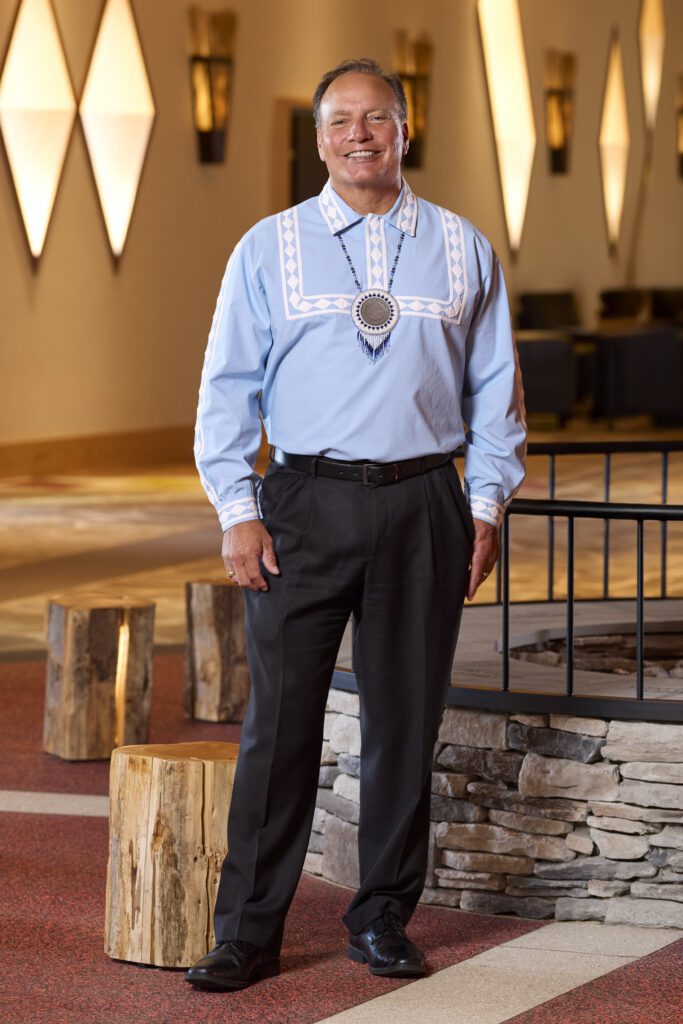
Chief, Choctaw Nation of Oklahoma
The traditional attire worn by Choctaw Chief Gary Batton features a diamond pattern representing the rattlesnake, an animal revered by the tribe.
“It’s just to remind everybody of our culture and our history, and more importantly what it stands for,” Batton says.
The eastern diamondback rattlesnake was a respected animal not only for its lethality and because it gives a warning before it strikes, but also because it helped remove hungry rodents from agricultural fields, tribal historians say.
Batton, 58, is a longtime tribal employee who was schooled early for a lifetime of service.
“We lived in a rural area,” he says. “When we went to town, we asked everybody around us if they needed anything. We picked up things for everybody.”
His mother was fullblood Choctaw, and she met Batton’s non-Native father when he was stationed at Fort Sill.
“My father really pushed my culture more than my mom did,” he says.
Batton was the first in his family to earn a college degree. He went to work for the tribe in 1987, was appointed assistant chief in 2007 and became chief in 2014.
Even now, he still has a heart for rural Oklahoma.
“We have decentralized a lot of our functions to put jobs back into rural areas,” he says. “Indian Child Welfare has 56 social workers located throughout the Choctaw Nation.”
Housing has been a major initiative, with 1,300 homes built in the past five years. Some are offered on lease-purchase contracts to help tribal citizens who had been paying higher rent rates. The tribe also builds affordable rental properties and homes for elders.
“With those three types of housing, we are committed to building 350 per year,” he says.
The Nation has 235,000 citizens and employs 13,500 people, many of whom received college scholarships and vocational training funded by the tribe. As executive director of health, Batton also oversaw construction of the first tribally-funded health facility in the United States. The tribe continues to expand its healthcare offerings, with a recent focus on substance abuse treatment and children traumatized by domestic violence.
“I make it a point twice a month to be out in the community,” Batton says. “I listen to tribal members and take notes. It’s great to get that feedback.”
In addition to the 151 businesses managed by the tribe, the economic development team works to attract private businesses. Eighteen were recruited in the past five years, including Academy Sports, Auto Zone, Braums, Starbucks and Olive Garden.
Batton bases his leadership, he says, on “faith, family and culture. If it wasn’t for God and Jesus I would not be here today. It’s in our history to believe in a Creator.”
Tribal culture is about tradition — but also about looking forward, Batton says.
“Our Choctaw people change, mature and evolve. We always say we are warriors, but warriors fight for the right reason. They don’t fight just to fight.”
– KB
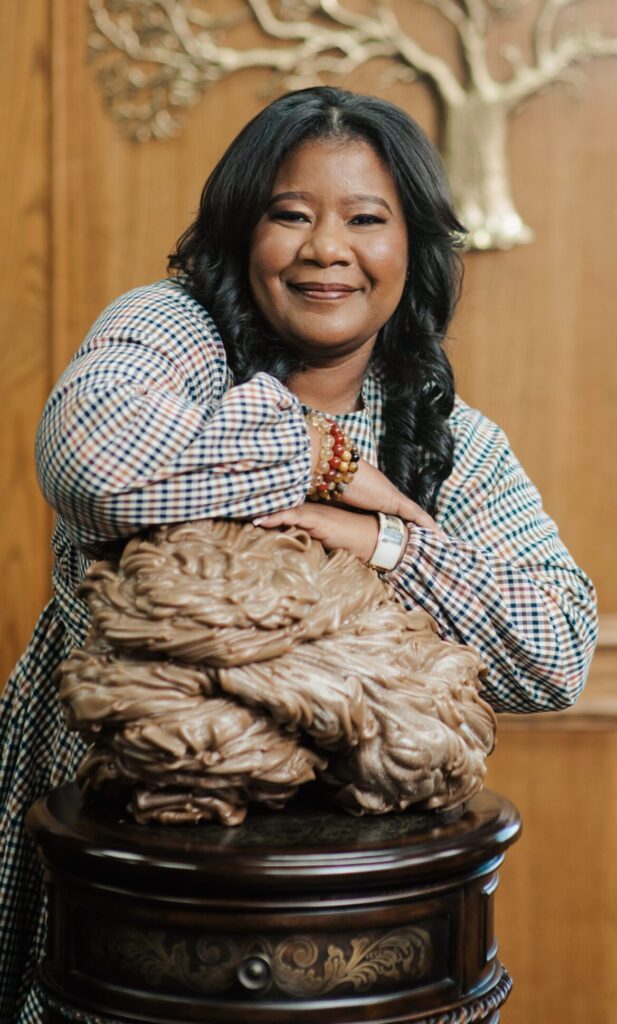
Founder and CEO, Utopia Plastix
Sharina Perry never planned to revolutionize plastics. Growing up Black in late-1980s Oklahoma, Perry first learned what it felt like to be the “other” – police stops in small towns, the weight of judgemental, unfamiliar eyes. Around the same time, she watched her grandfather, a proud landowner, hand her his legal papers and smile: “Come here, little attorney,” he said, because others had tried to take advantage of him. Those moments taught her that disadvantage usually comes from lack of access, not lack of effort and certainly not lack of worth.
“I made a promise to God,” she says. “If He helped me navigate the barriers, I’d hold the door open and make sure there were seats prepared for others who looked like me.”
That promise became Utopia Plastix. With no formal training in chemistry or engineering, Perry taught herself about the industry by reading more than 600 papers, praying in her kitchen and refusing to fear the unknown. What began as a search for plant-based health products pivoted when plastic-straw bans hit the news. One disastrous homemade straw – collapsing the moment she sipped – unlocked the breakthrough: a tough, fully plant-based material that outperforms plastic and biodegrades harmlessly. Experts later told her, “if you’d been a trained chemist, you never would have seen it.” Her perceived flaw as an outsider became her advantage.
Utopia’s patented polymers are grown on American farmland, pulling carbon from the air four to five times faster than trees. Her client farmers, many minority landowners, earn far more per acre than with traditional crops and plant with a guaranteed buyer. The result? No market risk, a higher income and the pride of feeding a closed-loop system that turns harvests into everything from cutlery to packaging.
Perry leads the way humbly. She’s the first to roll up her sleeves, and insists faith, integrity and tough questions always stay at the table.
“Sustainability without justice is just new exclusion,” she says.
So every contract, every acre, every job is intentionally steered toward equity. When people ask why game-changing green tech is coming out of Oklahoma instead of Silicon Valley, Perry smiles.
“I never looked the part—no chemistry Ph.D., no coastal pedigree,” she says. “But when you’re aligned with purpose and walking with God, you don’t need permission to change the world.”
Her hope is simple: That one day Utopia is a household name, carried forward by her children and theirs, and that every person who hears her story – especially the little Black girl in a small town – understands the gifts inside her are enough. Barriers bend, boxes break and the future can be built anywhere by anyone willing to stay true to themselves. – TL
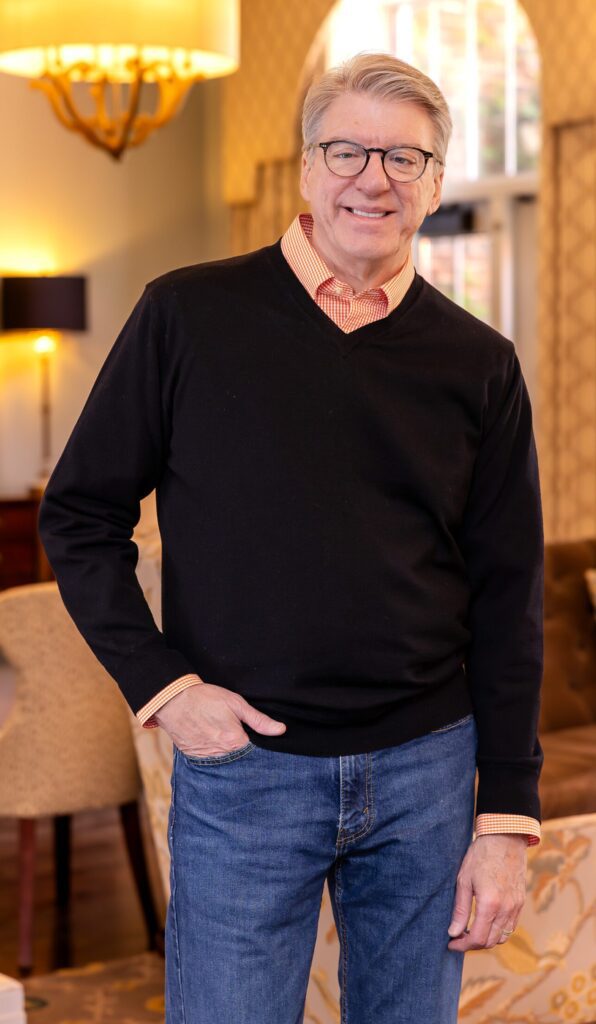
President, Oklahoma State University
Since assuming the presidency of Oklahoma State University as its 20th leader last April, Jim Hess, Ed.D., has made one message clear: “Students are the reason we’re here.”
A decades-long educator and leader, Hess brings a rare blend of frontline teaching experience and proven administrative vision to his leadership.
“Every major decision we make starts with one question: What is best for our students?” says Hess. That question now fuels two overarching priorities: expanding access so every qualified Oklahoma student who wants to can attain an OSU degree, and transforming the student experience into one that feels undoubtedly like home. Expanded scholarships, enhanced academic advising and mental health investments top his agenda.
Demonstrating that commitment is Cowboys Care, the university-wide mental health initiative launched last fall by First Cowgirl Angela Hess. Knowing that his wife struggled with anxiety since childhood, Hess recognized the need for proactive support on campus.
“We know students cannot perform academically if they are not mentally well,” Hess says. “Cowboys Care was born out of a need to wrap our arms around students before crisis hits. Asking for help shouldn’t be an act of courage; it should be part of campus life.”
The initiative’s ambassador program places hundreds of trained faculty, staff, resident advisors and peers throughout dorms, classrooms and student organizations, ensuring help is always just a hallway away.
Hess’s career is marked by building what communities actually need: increased enrollment for working adults at OSU-Tulsa, filling rural physician shortages through the Center for Health Sciences, and orchestrating the complex acquisition of OSU Medical Center. Those experiences continue to inform his vision: “Where are the needs greatest, and how can OSU help?” Even small gestures reveal the professor still at his core. He surrendered the presidential parking space to students, asking, “If they’re paying to park, why shouldn’t I?”
For Hess, leading a university remains fundamentally about people.
“The greatest moral calling a person can accept,” he says, “is to change another human being’s life – to encourage them, support them and say, ‘I believe in you. Whatever your dream is, you can achieve it, and I’ll help you get there.’” – TL

The strain of daily life, a busy work schedule, caring for kids and other surprise stressors can leave us feeling overwhelmed, immobilized and completely burned out.
Sarah McClanahan, D.O., a psychiatrist and the executive director of behavioral health at Laureate Psychiatric Clinic and Hospital in Tulsa, shares that one of the most effective ways to prevent stress from becoming overwhelming is maintaining consistent routines and prioritizing self-care.
“Our brains thrive on structure, and routines provide a sense of stability when life feels chaotic,” says McClanahan. “Sleep is often the first thing to suffer when we’re stressed, yet it’s one of the most important factors in keeping our bodies and minds functioning well.”
She recommends going to bed and waking up at the same time each day to regulate internal rhythms and keep stress levels manageable. Equally important is carving out time for self-care, whether it’s crafting, taking a bubble bath, exercising or enjoying a quiet moment.
“These activities help us stay grounded and prevent stress from escalating into something more serious, like an anxiety disorder,” says McClanahan. “Stress is a normal part of life, but if it begins to interfere with your ability to do everyday tasks, that’s a sign to reach out to a therapist or doctor for support.”

And when life feels maxed out from busy schedules or the monotony of your day-to-day, McClanahan emphasizes the importance of intentional scheduling and boundary-setting.
“Too often, we pack our calendars so full that we forget to include time for ourselves,” she says. “Making self-care a non-negotiable part of your schedule helps restore energy and perspective. Equally powerful is learning to say ‘no.’ Boundaries protect your time, your energy and your mental health. It isn’t always easy, but it’s a vital skill for reducing stress and avoiding burnout.”
When you choose a meal, what matters most? Taste? Convenience? Calorie count? From a health perspective, food is meant to sustain our daily activity. But what if you ate primarily for energy instead of pleasure? How would that change your choices?
To explore these questions, we call upon nutritional expert Jenny Witherspoon, MS, RD, CSO, LD, director of clinical nutrition and integrative services at OU Health Stephenson Cancer Center in OKC. She notes that whether people prioritize pleasure or count calories and carbs, both approaches often miss what matters most: nutrient content.
“Unless someone is an athlete, it’s rare for people to think about how their food choices can impact their energy levels,” Witherspoon says. “Food choices are made for various reasons – to achieve a certain physique, meet sports-related weight goals, respond to a health diagnosis, find comfort during stressful times, or simply due to convenience or work schedules. In some cases, food choices are influenced by scarcity.”

Viewing food as fuel encourages a goal-oriented mindset, she explains, but balance is essential.
“The pros include optimizing performance, providing clarity in making food decisions and aligning eating habits with performance goals,” Witherspoon says. “However, the cons arise when this mindset goes too far, leading to an all-or-nothing mentality, which can contribute to disordered eating, neglecting the social aspect of sharing a meal and oversimplifying what the body needs for optimal health and performance.”
She recommends starting with a balanced plate of fruits, veggies and lean proteins, though individual needs vary on healthy conditions, goals and activity levels. For intense activities like marathon training or long hikes, focus on replenishing glycogen stores through carbohydrates while ensuring adequate protein and hydration.
“Consulting with a Registered Dietitian Nutritionist on goal setting, lifestyle changes and sports nutrition is key,” she says. “They possess extensive knowledge of anatomy, physiology and chronic diseases, and can create a personalized care plan tailored to your current health state, goals and resources.”
Healthy teeth and gums mean more than a great smile. According to the American Academy for Oral & Systemic Health, poor dental hygiene can lead to serious health issues including cardiovascular disease, diabetes, Alzheimer’s disease, respiratory problems and certain cancers.
The mouth serves as a doorway to the body – harmful bacteria that enters or originates there can spread through the bloodstream. In addition, some health issues can be first detected by examining the mouth.
Cardiovascular disease: Periodontal disease may be linked to artery inflammation. When bacteria from the mouth enters the bloodstream, it can contribute to inflammation of the arteries and possibly blood clots, which can increase one’s risk of stroke and/or heart attack. Poor oral health is also associated with high blood pressure and elevated LDL cholesterol.
Other systemic conditions: Oral bacteria has been implicated in Alzheimer’s and dementia development. Women with periodontal disease are six times more likely to give birth prematurely. There’s also a strong correlation between gum disease and pancreatic, lung and blood cancers. Additionally, bacteria from the mouth can be inhaled, leading to respiratory infections like bronchitis, pneumonia, COPD and lung disease.
In short, preventing gum disease through daily oral care and regular dental visits is essential to maintaining both oral and overall health.

The quality of our sleep matters. Getting a good night’s sleep affects our overall health and impacts every aspect of our daily lives. According to the National Institutes of Health (NIH), approximately 50 to 70 million American have a sleep disorder, and about one in three adults do not regularly get the recommended amount of uninterrupted sleep. Current recommendations suggest adults 18 and older need seven to nine hours of sleep per night. To help achieve your best night’s rest, consider these simple steps toward better sleep.
Don’t like to exercise? You’re not alone. A recent poll of 2,000 Americans who frequently exercise found that 50% of respondents don’t enjoy it. In addition, the Centers for Disease Control and Prevention (CDC) reports that approximately 76% of U.S. adults don’t meet the federal guidelines for physical activity, which recommends at least 150 minutes of moderate or 75 minutes of vigorous aerobic exercise per week, plus muscle strengthening activities twice a week.
So, instead of trudging to the gym, take stock of what you like. Doing things you enjoy can lower stress and increase fitness. Here’s a quick list of fun and engaging activities that can help break up your routine.
A habit, in its simplest form, is something we do regularly without much thought. These are tasks we must first perform consciously, but after much repetition, they become automatic – something we do without needing to think about it. Small changes each day that build positive habits can make a big difference in our lives.
The 1% rule, a concept popularized in James Clear’s book Atomic Habits, focuses on progress rather than perfection through manageable daily actions that build momentum. The idea is simple yet powerful: a 1% improvement each day can result in nearly a 37-fold increase over a year.
Consider these micro-habits to improve your physical, mental and emotional health:
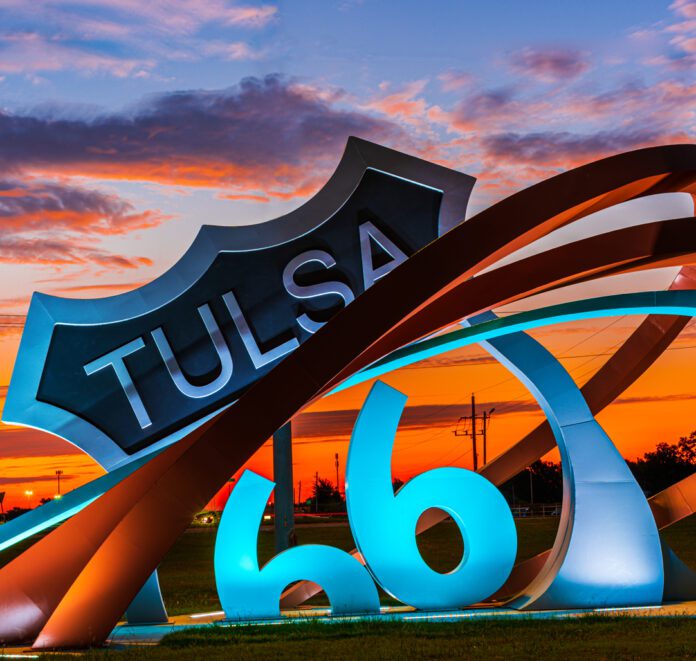
From once-in-a-century Route 66 celebrations to athletic championships and long-awaited infrastructure upgrades, 2026 is shaping up to be a landmark year for the Sooner State. We explore the biggest events, new developments and everyday experiences that will help keep the post-holiday slump at bay.
This year marks the centennial for U.S. Route 66, which will bring new experiences to communities across Oklahoma. In the years leading up to the 100th anniversary, state officials have partnered with the Route 66 Centennial Commission to kick off a series of events and activities to commemorate the special occasion at both the state and national levels.
“We’ve got the inner city of Chicago, the cornfields of Illinois, the Missouri Ozarks and the Native American heritage in Oklahoma – all the way through New Mexico to the West Coast,” says Rod Reid, who serves as the chair of the Route 66 Centennial. “There’s so many experiences for people to enjoy and see how Route 66 made our country what it is.”
Alongside, plenty of Oklahoma’s most beloved events return – meaning more fun for everyone.

2026 SEC Championship
March 21
For the first time ever, the Southeastern Conference for competitive collegiate athletics will host this year’s SEC Gymnastics Championship at Tulsa’s BOK Center.
Philbrook Wine Experience
April 24-26
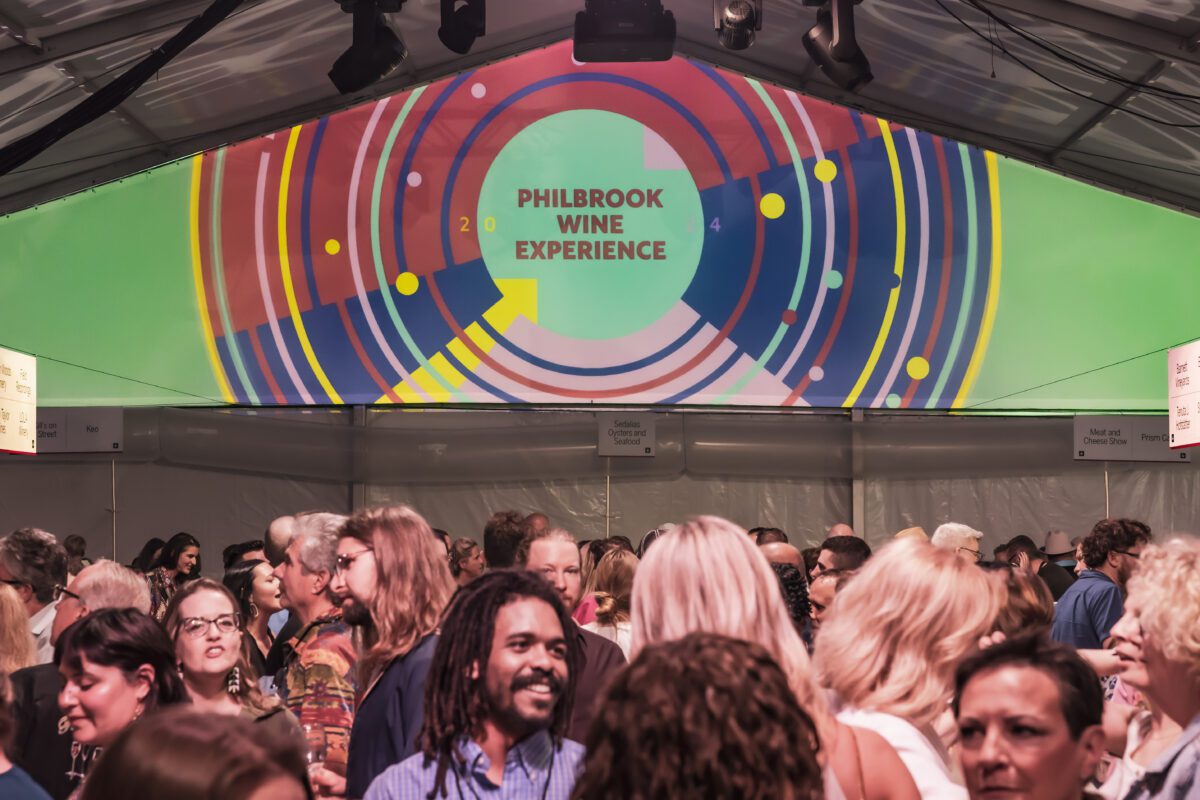
Dubbed the Best Wine Festival in the country by USA Today, the Philbrook Wine Experience returns April 24-26 with 50 internationally renowned vintners, alongside regional restaurants and a high-end auction to benefit Philbrook. Since the event’s inception in 1992, donors have raised over $27 million to benefit the families and children of Tulsa through programming at Philbrook Museum of Art.
Route 66 Capital Cruise
May 30

Thousands of classic and vintage cars will complete a 5.5-mile cruise along the historic Mother Road in an attempt to set the world record for the world’s largest car parade.
2026 USA Gymnastics Championships
June 22–27
USA Gymnastics will return to the BOK Center for its 2026 championship, which is expected to draw nearly 2,000 athletes from across the country.
Route 66 Road Fest
June 27-28
Presented by AAA, the Route 66 Road Fest will take place at the SageNet Center at the Expo Square and will feature an interactive historical exhibit, a classic car show and a plethora of family-friendly activities.
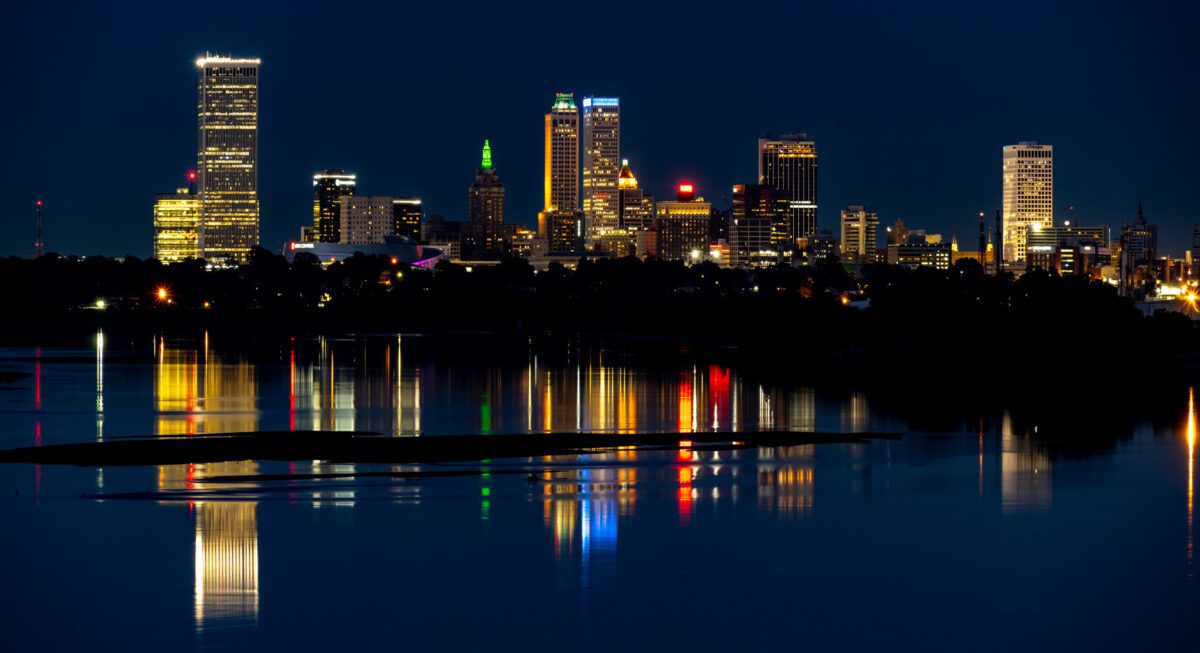
Route 66 Tulsa Birthday Bash & Veteran’s Day Parade
Nov. 11
Planned in conjunction with Tulsa’s annual Veteran’s Day Parade, a mix of live entertainment and musical performances will take place at various locations throughout downtown Tulsa and eventually culminate in a concert at the Cain’s Ballroom.

2026 NCAA March Madness
March 19, 21
For two nights, basketball enthusiasts will get the chance to see the first and second rounds of the NCAA Men’s Division I Basketball Championship at the Paycom Center.
Paul Reed: A Retrospective at Oklahoma City Museum of Art
Through April 12
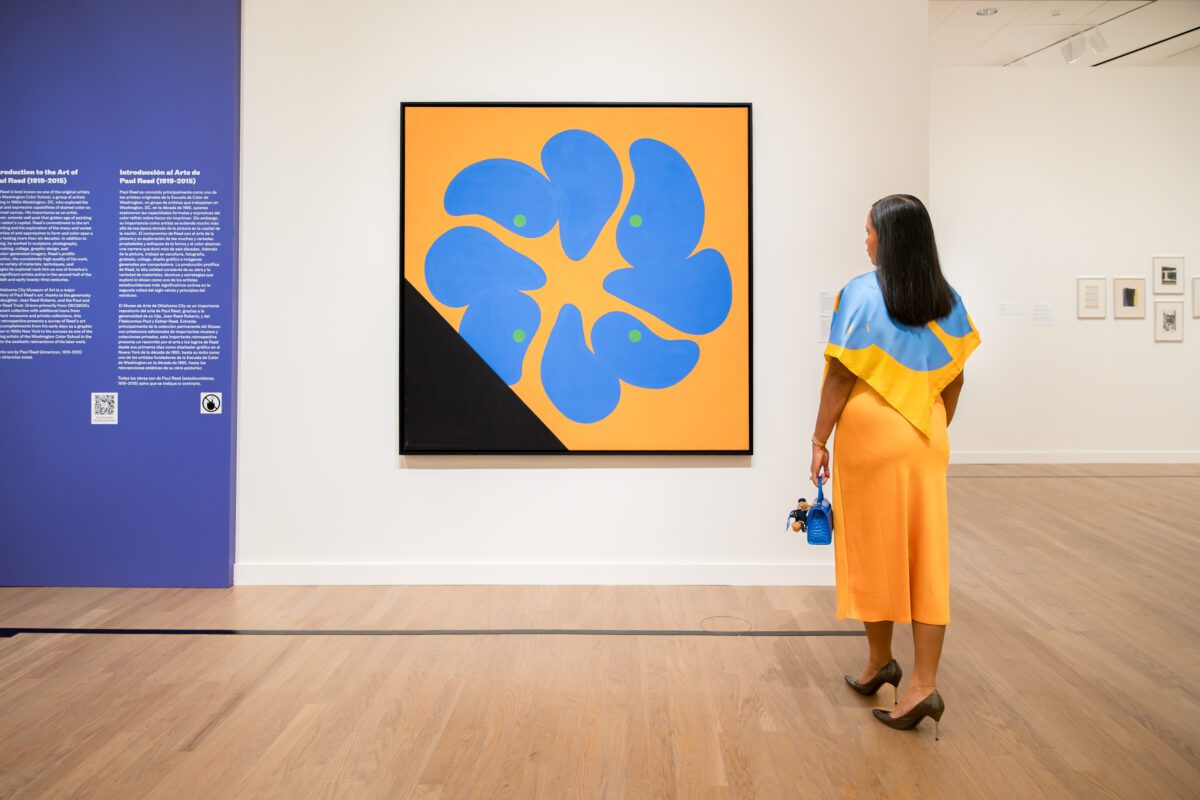
This artist retrospective consists of over one hundred paintings, sculptures and works on paper from the prolific Paul Reed. The checklist is drawn primarily from OKCMOA’s permanent collection with additional loans from museum and private collections. On Jan. 18, March 1 and April 1, you can also enjoy public guided tours of the exhibition.
Festival of the Arts
April 23–26
As a long-standing rite of spring, hundreds of artists will bring their best works and performances to Oklahoma City’s Bicentennial Park for the 60th annual Festival of the Arts.
Route 66 “Kickin’ It” Centennial Birthday Bash
May 30
A city-wide birthday bash for Route 66’s 100-year anniversary will take place in Scissortail Park and the Myriad Botanical Gardens, blending classic Americana nostalgia with modern-day festivities.
2026 ICF Canoe Slalom World Championships
July 20–25
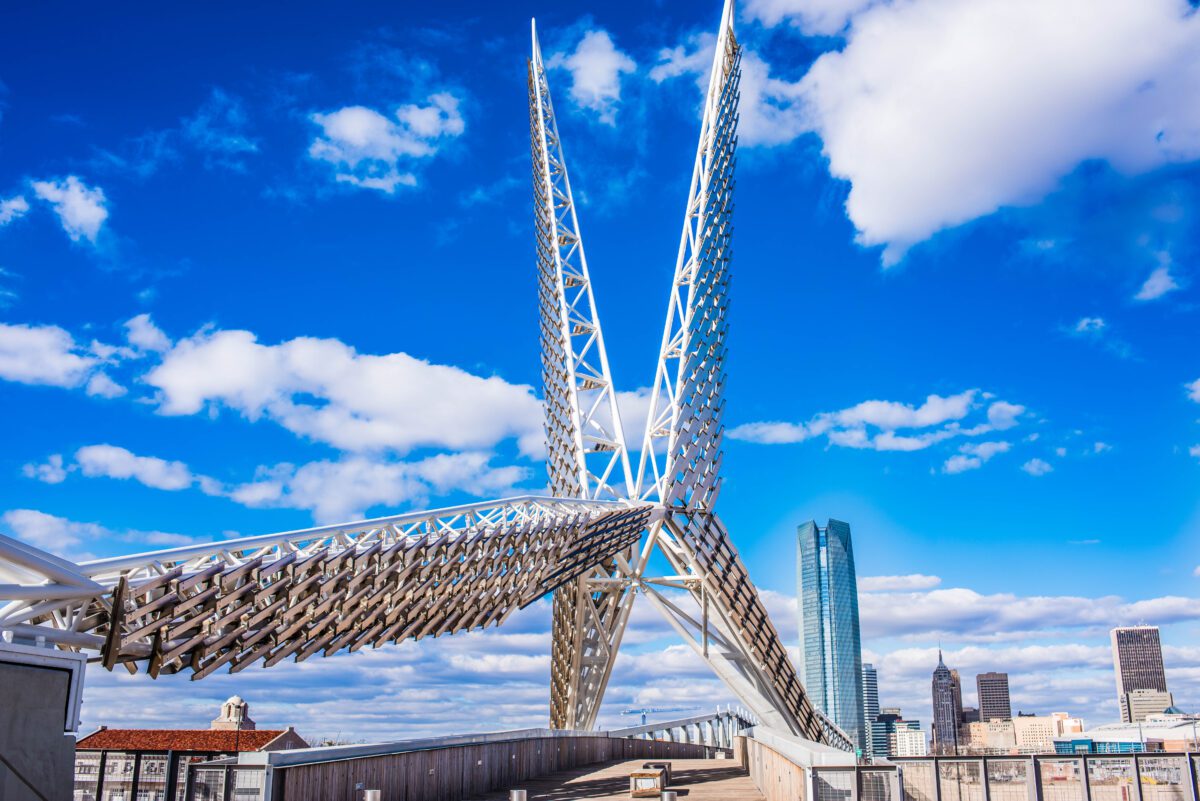
The International Canoe Federation has selected RIVERSPORT in Oklahoma City as the destination for its world championships, marking the first time for the event to be held in North America in over a decade.
Cities across the state anticipate an increase in tourism in connection with the Route 66 centennial.
“It’s a tremendous opportunity for our state,” says Mike Neal, president and CEO at the Tulsa Chamber of Commerce. “People from across the country and international travelers from around the globe will come to tour our community and celebrate the centennial of the Mother Road.”
To capitalize on the historic event, state and city leaders have invested millions of dollars into infrastructure and recreation. From improved roadways to art installations, here’s a rundown of some of the projects that will help strengthen Oklahoma’s unique identity and enhance the quality of living.
Kicks 66 Installation
Created by local artist Cameron Eagle, a 35-foot-tall neon installation of a boot, dubbed “Kicks 66,” will pay tribute to the Route 66 Centennial. The installation, which features lyrics from American songwriter Bobby Troup, will be completed this summer and on display in front of Oklahoma City’s National Cowboy and Western Heritage Museum.
Oklahoma City Animal Shelter
A new, two-story animal shelter will open in 2026, drastically increasing the city’s capacity to shelter and deliver critical treatment to animals in need. As a MAPS 4 project, the city broke ground for the construction last February, which will feature an expanded veterinary, lab and kennel facilities.
“It’s been much anticipated,” says David Todd, MAPS 4 Program Manager. “It’s going to offer about two and half times what they [the Animal Welfare Center] have right now in space.”
U.S.S. Oklahoma City Submarine Memorial

In 2024, the Oklahoma City Council unanimously approved funding for the construction of a memorial for the USS Oklahoma City (SSN-723) submarine in Wiley Post Park. Slated for completion this year, the memorial will include the submarine’s sail, two dive planes, interpretative components and a flag plaza.

2025 GO Bond Package
Oklahoma City voters approved the passage of a $2.7 billion general obligation bond in October of last year. The bond package will fund over 547 projects locally, with the majority focused on improving the city’s roadways and public infrastructure, including library and learning centers, parks and recreation, and emergency-response services.
“It’s massive,” says Zac Craig, president of Visit Oklahoma City, in reference to the bond. “A lot of it is the brass tacks of what’s needed to run a city of our size and that is ever-growing.”
Air Traffic Control Complex
Construction of a 257-foot traffic control tower at the Tulsa International Airport will be completed this fall, helping elevate the safety, efficiency and reliability of air traffic control services. In addition to the new tower, the Tulsa International Airport will also roll out direct flights to San Diego, Cancun, Minneapolis, and Seattle in 2026.
“Tulsa’s airport is such a gem already,” says Jonathan Huskey, senior director of communications at Tulsa Regional Tourism. “Adding more direct and international flights and improving the infrastructure of the airport itself with a new control tower is super exciting. It means there’s a lot of good things on the horizon for the airport and Tulsa as a whole.”
Renovations at Woodward Park
One of Tulsa’s oldest and beloved green spaces, Woodward Park has been undergoing major renovations since last June. The $6.7 million project, which will be completed later this year, includes reconstructing the park’s ponds, improving its native landscaping and expanding its irrigation and stormwater systems.
Gilcrease Museum
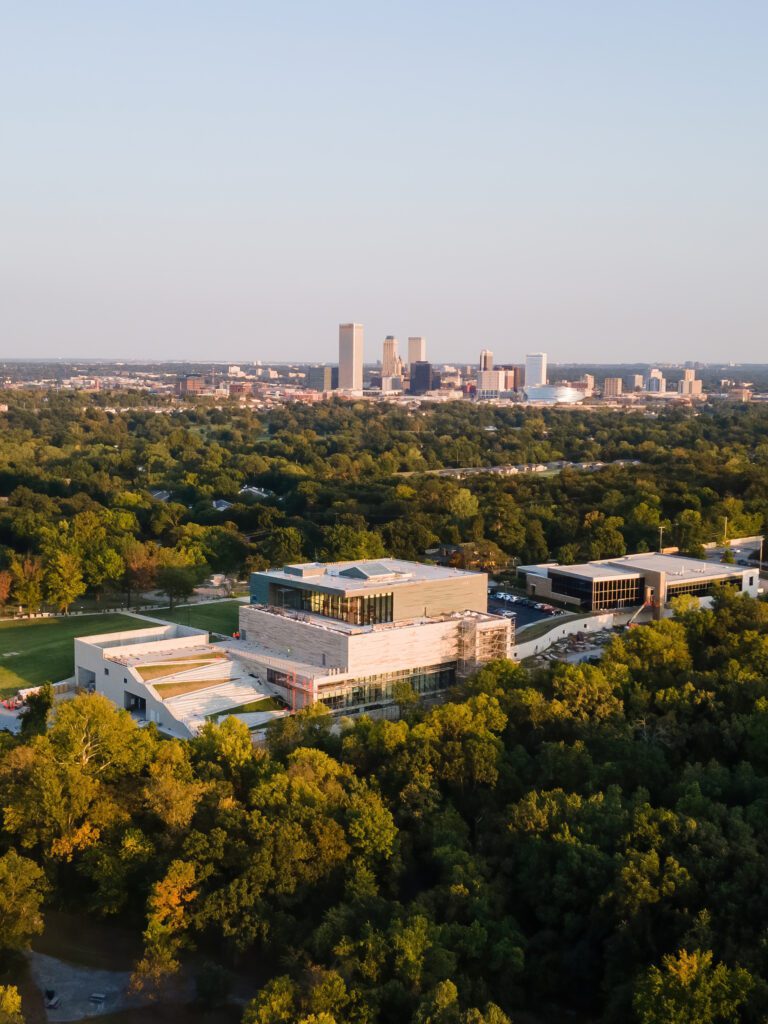
Gilcrease closed to the public in 2021 to build a new facility on the same site as the original museum. The $157 million project is nearing completion, with the installation of its collections beginning later this year.
“So much of the collection that people know and love will be here,” says Brian Lee Whisenhunt, the museum’s executive director. “But the way that we are sharing those objects is a little different. What we’re really doing aligns with Mr. Gilcrease’s original vision for his collection, which is to tell the story of the Americas.”
Although the museum won’t officially re-open until 2027, visitors can catch a glimpse of the new facility through its “UnCrease” program, which will enable nearly 50 artists to use the new museum as a space for performances, workshops and community events.
“I’m excited to see what we can bring to Tulsa and what is represented from all these ideas… and I know these will become subsequent programs and collaborations in the future after we open,” says Whisenhunt.

Even after the holiday season winds down, there’s an abundance of entertainment and recreation for Oklahomans to enjoy during the cold winter months. Check out some of the following activities to beat the winter blues this year:
“The January and February days are kind of dark and dreary, but we have some fantastic indoor amenities,” shares Huskey. “No matter the season, no matter what you happen to be in the mood of doing, you can find something to do to bring some spark to your life.”
Main image cutline: Tulsa’s Route 66 signage; photo courtesy Visit Tulsa

From cinematic photography to a focus on A+ entertainment, weddings in 2026 are all about creating unforgettable moments while staying mindful of costs. Couples are investing in what matters most: guest experiences, strong fashion statements and meaningful details, while trimming unnecessary extras. Our guide also includes tips for handling Oklahoma’s unpredictable weather, curbing post-wedding blues and learning proper etiquette for every role in the celebration.

What’s hot, what’s not? What’s classic, what’s cringey? It changes by the hour … but here are some trends we think might stick around this year.
Editorial photography: Documentary and editorial-style photography remain a popular choice for couples in 2026. Think less posed, more ‘in the moment,’ emotional and atmospheric snapshots.
A courthouse wedding experience: Many couples are choosing to get legally married in a more low-key manner – still dressed to the nines, of course. Social media posts of said event then garner even more traction and buzz for those couples still planning a larger party for guests.
Live ceremony music: While reception bands are as hot as ever, more folks are choosing live music for the ceremony, too. Think dreamy string quartets playing romantic versions of your favorite hits.
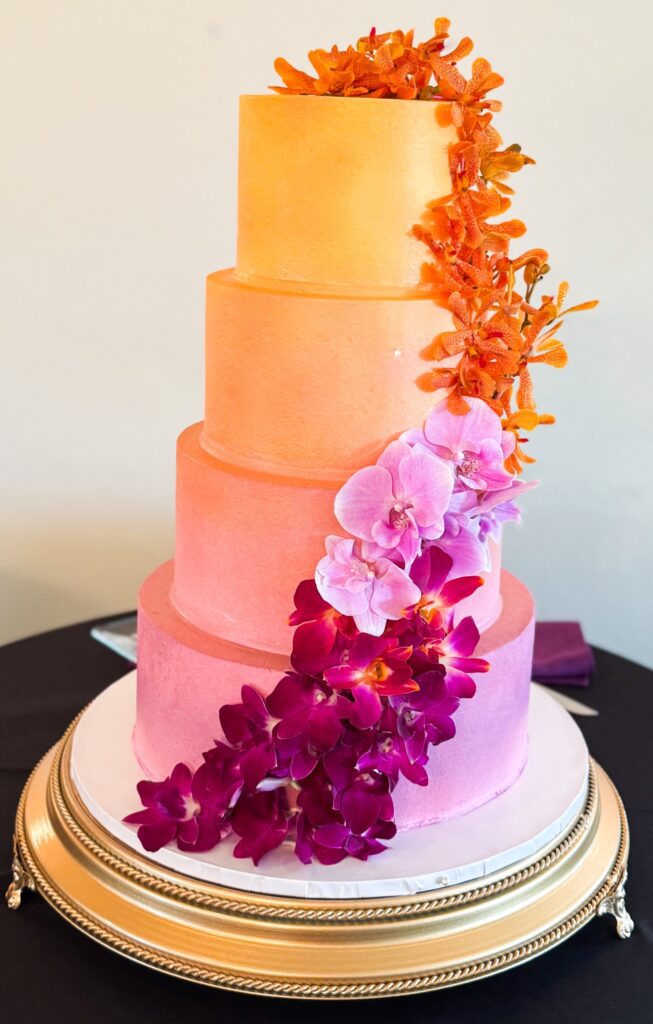
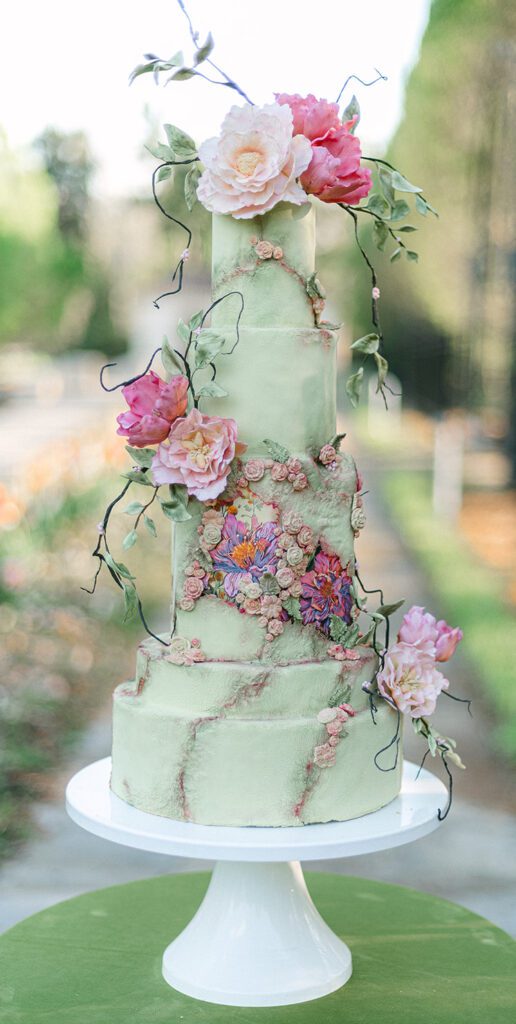
All color, all the time: While there’s something to be said about keeping things sleek and muted, couples today are going all out with color – bold florals, painted cakes, colored veils and bright suit jackets – you name it!
A hyper-local focus: Think native flowers, goodie bags with local swag and utilizing Oklahoma-produced spirits at the bar.

Weddings are expensive, no matter where you are, how big your guest list is, or how much budgeting you do. However, in 2026, many are splurging on some must-have elements, while saving money and DIYing on others. We explore just a few of the options.
Splurging on:
Weather-Proofing Your Oklahoma Wedding
I’ll save you the long-winded (wind – get it?) spiel on how unpredictable Oklahoma weather is and just get down to brass tacks: You need to have contingency plans and preparations in place to deal with it. Consider:

After spending months, or even years, planning your “biggest party ever,” it may hit you harder than you thought when everything is said and done. Instead of wallowing in the sadness, try one of the following:
Space out your wedding from your honeymoon. Taking a week or more between the events will keep your anticipation high – and give you a chance to rest up.
In a society that loves to say “you don’t owe anybody anything,” you do, in fact, owe people proper behavior – especially at weddings. While the most heinous offenders of behavioral issues are often the wedding guests, we offer suggestions for everyone involved in the big day to ensure you’re minding your Ps and Qs:
Do’s:
Don’ts:
Do’s:
Don’ts:

Do’s:
Don’ts:
Do’s:
Don’ts:

All photos courtesy the designer unless otherwise marked




























All photos courtesy the respective bakery unless otherwise marked








All photos courtesy the respective florist unless otherwise marked







The wind-swept tip of the rugged southwestern coast of Ireland has long been a haunt of the wealthy. Now, many of the stately Victorian-era mansions are fine hotels, ripe for honeymooning.
Our home base is Tralee, Kerry County’s largest town (pop. 26,000) and Barrow House bed and breakfast, a 300-year-old Georgian manor built right on Barrow Harbor. Grab the binocs and look for seals and mallards out in the water. Then hit the nearby links followed by seafood chowder and a pint of Guinness at a cozy Irish pub.
But enjoying luxurious digs and breathtaking seascapes is just part of the county of Kerry’s appeal.

Killarney National Park is criss-crossed with a remarkable array of hiking and bike trails leading up mountains and past tall waterfalls. Rent a bike or take a “jaunting car,” a dreamy horse-drawn carriage.
A medieval village is displayed at the Tralee County Museum, in the same park as the romantic Rose of Tralee Rose Garden.
Shop for Aran sweaters, crystal and Irish linen.
Welcome to a land of stunning island beaches, ancient ruins and great cheese. An autonomous region of Italy, Sardinia is the second-largest island in the Mediterranean (Sicily is No. 1).
In the capital city of Cagliari, the 100-year-old Palazzo Tirso Mgallery welcomes honeymooners with a rooftop terrace, spa and gourmet restaurant. The boutique hotel’s luxury suites come with vistas of the Mediterranean Sea and a portside historical district specializing in high-end shopping and quaint cafes.
From here, it’s an easy walk to one of the island’s best beaches, Cagliari’s five-mile-long Poetto beach. A more secluded choice would be the beaches of Oasi of Biderosa. Soft, white sand, shallow, emerald water, and five intriguing coves.
Bronze-era defensive stone towers at Su Nuraxi di Barumini are actually truncated cones, unique to Sardinia.
You’ll find bargains on finely-crafted filigree jewelry, cork products and pecorino sardo, an excellent cheese made from sheep’s milk.

Hawaii hits your senses all at once from the first breath. The air is filled with the intoxicating fragrances of gardenia, jasmine and plumeria.
And once you get to Kawela Bay on the north side of Oahu, the sights include calm blue waters, sea turtles, lush green hills (home to splendid hiking trails) and a wonderful crescent-shaped beach.
It’s also close to Turtle Bay Resort, now the Ritz-Carlton O’ahu Turtle Bay, where the top-of-the-line restaurant, Alaia, will get your taste buds dancing with locally-inspired dishes, heavy on greens and seafood.
Out on the bay, kayak or paddleboard the smooth, clear water, snorkel suspended above beautiful coral reefs, learn how to surf and then go horseback riding. The resort is on Kawela Bay, hemmed by Hanaka’llio beach, a park, a wildlife refuge and the sound of the surf.
There’s a large multi-trunked banyan tree down by the beach that you might recognize from Lost or Pirates of the Caribbean. Aerial roots everywhere and a huge sprawling canopy.
If your sweetie wants to go to Mackinac Island for the fast food, chain motels and used car lots, forget it. None of that stuff is there. Cars aren’t even allowed. Folks get around the island in vintage horse-drawn carriages and on bicycles.
It’s been that way since late in the 19th century when carriage owners complained the automobiles were scaring their horses. And it’s worked out great. The island (pronounced MACK-in-awe) runs on different time, more relaxed and a bit old-fashioned. Good buys include ornaments, fudge and stoneware.

Go in season, May through October, and stay at the renowned Grand Hotel, the 138-year-old grand dame of Mackinac Island, famous for her distinctively themed suites, broad, wrap-around front porch and evening dance music with a live orchestra.
From the Grand, the downtown shops, restaurants and Fort Mackinac are accessible via a short walk around the 18-hole golf course and past the Secret Garden with its mysterious hidden entrance.

Off the eastern coast of Africa is a stunning island filled with thundering waterfalls, alabaster beaches and endless fields of sugar cane. The nation of Mauritius is a decidedly Creole country residing in the Indian Ocean, 700 miles east of Madagascar.
Bustling markets (spices, silk and Mauritian rum), 18th century architecture and a deepwater port tells us we are in the island’s capital, Port Louis, on the northwest coast. Occupiers over the centuries have included the Dutch, French and British and each left their mark. Independence came in 1968.
Thirty miles south is Le Morne and one of the nicest beaches on the island. White sand complimented by tall, billowing casuarina trees. Above the shore, Le Morne Brabant stands guard – the massive basalt monolith juts 1,800 feet into the sky.
Watch for sea turtles, dolphins and an unexpected underwater waterfall as you snorkel, sea kayak and kitesurf above the coral. Stay at the St. Regis Le Morne Resort, a former sugar baron’s plantation house and now a sumptuous hotel sporting five restaurants.
Month after month, we present a colorful kaleidoscope of the people, places and culture that make Oklahoma such a fascinating place.
© Oklahoma Magazine