Photo courtesy The Dinner Detective True Crime Murder Mystery Dinner Show
Get away from the sweltering weather with some on the stage performances.
The Tulsa PAC is a hotbed of the performing arts. Begin the month with the most popular and sought after big band of all time – the Glenn Miller Orchestra – on June 6. Then, stick around for World Stage Theatre’s rendition of Half Time, an incredible true story of ten determined, 60+ year-old dreamers who audition to dance at half time for a major basketball team, running June 6-8 and 13-15; as well as Celebrity Attractions’ Wicked, running through June 15, and Lysistrata, a bold re-imagining of Aristophanes’ infamous sexual satire, running June 19-22. Other Tulsa performances you can’t miss include Tulsa Youth Opera’s The Hobbit, June 7-8 at the University of Tulsa Lorton Performance Center, as well as Tulsa Symphony’s performance with Andrea Bocelli on June 15 at the BOK Center.
For classic performance fare in OKC, look no further than the Paseo Indoor Theatre for Oklahoma Shakespeare’s The Merry Wives of Windsor – Shakespeare’s beloved situational comedy – from June 5-15. Then, head to the Civic Center Music Hall for Lyric Theatre of Oklahoma’s Joseph and the Amazing Technicolor Dreamcoat, June 17-21, alongside Painted Sky Opera’s Overture: An Evening of Operatic Gems, June 27-29. Fans of comedy and interactive experiences can pivot to Norman’s Riverwind Casino on June 6 for Jay Leno, as well as the Skirvin Hilton Hotel for the Dinner Detective Comedy Mystery Dinner Show, June 7, 21 and 27.
Photo courtesy The Dinner Detective True Crime Murder Mystery Dinner Show
No matter your sporting interest, Oklahoma has an event for you this June.
In Tulsa, fans of wrestling should venture to BOK Center on June 2 for WWE Monday Night Raw, or the River Spirit Casino Resort on June 20 for Extreme Fight Night 401. Equine enthusiasts won’t want to miss two events at Expo Square: the Pinto World Championship Show, June 9-21, and the Tulsa Holiday Summer Circuit, June 26-29. You can also catch several Tulsa Drillers’ baseball games at ONEOK Stadium, June 3-8 and 17-22, as well as Tulsa Oilers football games at BOK Center, June 14 and 28.
Speaking of baseball, the OKC Comets play at Chickasaw Bricktown Ballpark on June 3-8 and 17-22, and you can catch the tail-end of the NCAA Women’s College Softball World Series through June 6 at Devon Park. Horse lovers in OKC have plenty of options, too: the OQHA Redbud Spectacular Horse Show through June 8; the 2025 National Reining Horse Association Derby on June 11-22; and the 2025 National and Youth World Appaloosa Horse Show on June 26-July 3, all at the OKC Fairgrounds. You’ll also be able to kick off the Fourth of July a little early with the Stars and Stripes Regatta event on June 28 in the Boathouse District.
Community events run the gamut in Oklahoma this month.
In Tulsa, venture downtown on June 6 for the First Friday Art Crawl, or head to Expo Square that same weekend for the exciting Mecum car auction. Stick around the venue for the Route 66 Road Fest – a one-of-a-kind celebration that walks you through the history, attractions, characters and fun of the Mother Road – running June 21-22. Fans of Tulsa’s architectural secrets should take the Tulsa Foundation for Architecture Tour on June 7 in downtown Tulsa, and other goodies include the Tulsa Juneteenth Festival, June 18-21 in the Historic Greenwood District, as well as Florigami in the Garden exhibition, running through Sept. 21 at Tulsa Botanic Garden.
OKC’s community events calendar is jam-packed this month. Start out supporting women at the Miss Oklahoma/Miss Oklahoma Teen pageant, June 4-7 at Rose State College’s Performing Arts Center. Then, take the whole family out to Myriad Botanical Gardens for the Spark Summer Movie Series, with kid-friendly screenings on June 4, 11, 18 and 25. If you’re looking for a unique way to celebrate dad, visit the Father’s Day Cruise on the Oklahoma River on June 15, or venture to downtown Tulsa for the deadCenter Film Festival, running through the 15th as well. Other exciting offerings include Juneteenth on the East, June 20th at N.E. 23rd St.; LibertyFest, June 26-July 4 in Edmond; and the OKC Pride Alliance Festival and Parade, June 27-29 at Scissortail Park.
From the World of John Wick: Ballerina; photo courtesy Lionsgate Films, all rights reserved.
June is here and brings with it more big films to spend your time with. Will they all be good? Perhaps. You’ll have to hit the theater and find out for yourselves!
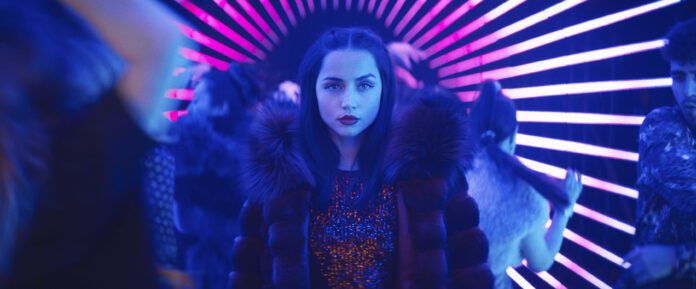
Coming out the gate shooting, we have From the World of John Wick: Ballerina. Taking place between John Wick: Chapter 3 – Parabellum and John Wick: Chapter 4 (I mean, wow, these titles are too long), this film follows Eve Macarro (Ana de Armas, Knives Out), an assassin who begins her training to exact revenge for her father’s death. Several actors from the John Wick franchise will make appearances, including Anjelica Huston (The Addams Family), The Wire’s Lance Reddick (in his final and posthumous performance), and Keanu Reeves. De Armas is no stranger to action, having turned in a scene-stealing role in the James Bond film No Time to Die, so I imagine this will have her pulling some excellent stunts. The world of John Wick has likely expanded a bit too far, but this should still be an adrenaline-pumping time when it lands in theaters on June 6.
If you’re looking for a violent animated film, check out Predator: Killer of Killers. Directed by Dan Trachtenberg (Prey), the film appears to take place in three distinct timelines – one with Vikings, one with Samurai, and one during World War II. Each of them involves the Predator sneaking around and, presumably, having a lengthy and bloody battle with the poor souls of each era. The trailer shows off some slick and unique looking animation punctuated with stomach-turning brutality. It’s nice to see animation made for adults and hopefully this one will be a fun time. It hits Hulu on June 6.
For a romantic comedy, don’t miss Materialists. Written and directed by Celine Song, whose directorial debut was the critically acclaimed Past Lives, this film follows a matchmaker played by Dakota Johnson (Fifty Shades of Grey) whose business runs into trouble when she finds herself in the middle of a love triangle. Chris Evans (Avengers: Endgame) and Pedro Pascal (The Last of Us) also star in what looks to be another wonderful and emotional film for Song. It releases on June 13.
If you’re searching for a sequel eighteen years in the making, look no further than 28 Years Later. Following 28 Days Later and 28 Weeks Later, this new entry will also contain a fresh set of characters dealing with the fallout of a virus that caused infected people to become erratic and violent. Starring Jodi Comer (Killing Eve), Aaron Taylor-Johnson (Nosferatu) and Ralph Fiennes (Conclave), the movie boasts a masterclass in trailer etiquette: clips presented out of context with nothing given away. Hopefully this long-awaited sequel can live up to the hype when it releases on June 20.
Lastly, don’t miss the racing film F1. Starring Brad Pitt as a man coming out of retirement to mentor an up-and-coming racing prodigy, the film looks to have some beautiful cinematography and tightly wound racing scenes to make anyone’s blood start pumping. Joseph Kosinski directs, and if his action scenes from Top Gun: Maverick are any indication, we should be in for a high-octane racing story. It release June 27.
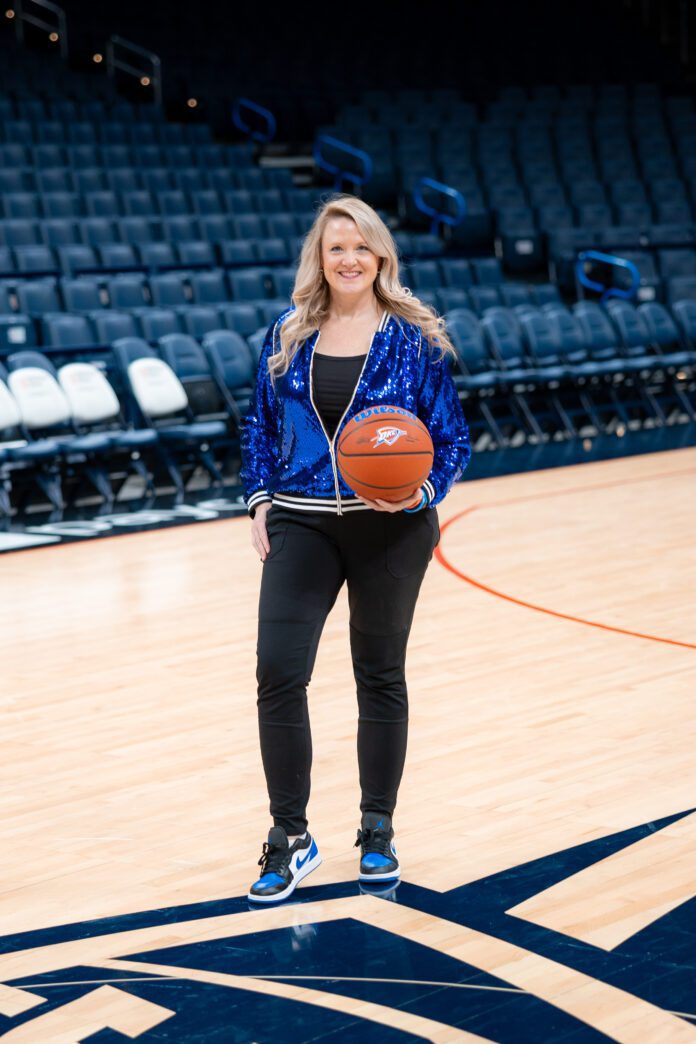
Starting with the Oklahoma City Thunder in 2017, Erin Oldfield is the organization’s vice president of community engagement and the executive director of the Thunder Community Foundation. Leading her team in executing extensive community outreach efforts, Oldfield handles everything from sponsored programs to player engagement, the Thunder Fellows afterschool program, and enrichment programs addressing learning gaps for Oklahoma youth. We caught up with Oldfield and got her thoughts on …
… her initial interest in working for the Thunder.
I have worked for non-profit organizations my entire career, and when I saw the opening at the Thunder, I jumped at the chance to work for a world class organization that truly embraces and emphasizes the importance of making a positive impact within the community.
… what has surprised her the most about the job.
I was blown away when I learned about the sheer scale of coordination required for a Thunder game night. The level of teamwork is mind boggling. It really hit me that what the fans see on the court is just the tip of the iceberg compared to the logistics going on behind the scenes.
… her main responsibilities.
I take a lot of pride in the Thunder’s community initiatives that impact thousands of Oklahomans every year. My day-to-day responsibilities revolve around fostering meaningful connections between the team and our community. However, there really isn’t a “typical day.” One minute I might be strategizing with my team on upcoming community projects or meeting with local leaders to strengthen collaborations, and the next, I’m in a grocery store with a Thunder player taking a family on a shopping spree.
… the Thunder Community Foundation.
The mission of the Thunder Community Foundation is to positively impact youth in the communities where they live and play. Since 2009, the foundation has provided financial resources to renovate spaces for nonprofits that serve youth. These renovated spaces expand opportunities for academic enrichment such as reading, STEM, creative arts and other essential services in underserved areas. In addition, the Thunder Community Foundation has installed or refurbished 31 basketball courts in 17 counties across Oklahoma.
… how everyday Oklahomans can get involved with the Foundation.
Fans can get involved with the Thunder Community Foundation through various initiatives including bidding on in-game and online auctions, purchasing raffle tickets and supporting our general fund. Our work is made possible thanks to the support of generous fans, community and corporate partners.
… goals.
I am currently in the process of creating a new strategic plan. It’s important for us to take the time to investigate our current plan of action so we can maximize impact through an awareness of our community’s changing needs. We are intentionally building upon the strong foundation of the Thunder’s community engagement platform to create an even more robust impact moving forward.
… the Thunder’s excellent season.
Winning is fun! We are a basketball team, so of course we want to win games, but it’s bigger than that. We often say that we can’t control what happens on the court, but we can provide the highest level of entertainment experience for our fans, drive economic impact and inspire moments that resonate far beyond the court.
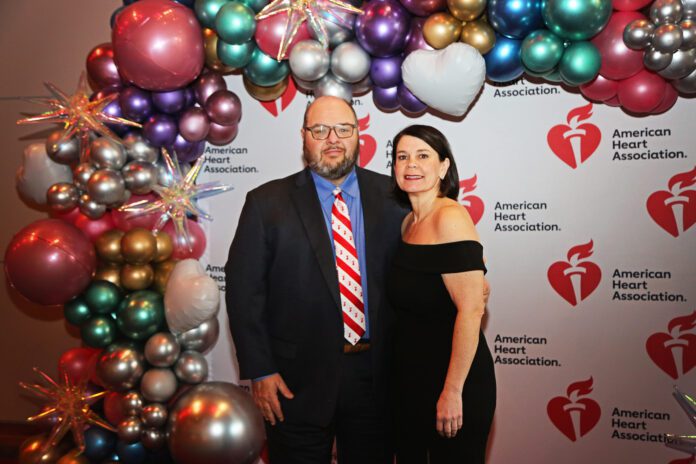
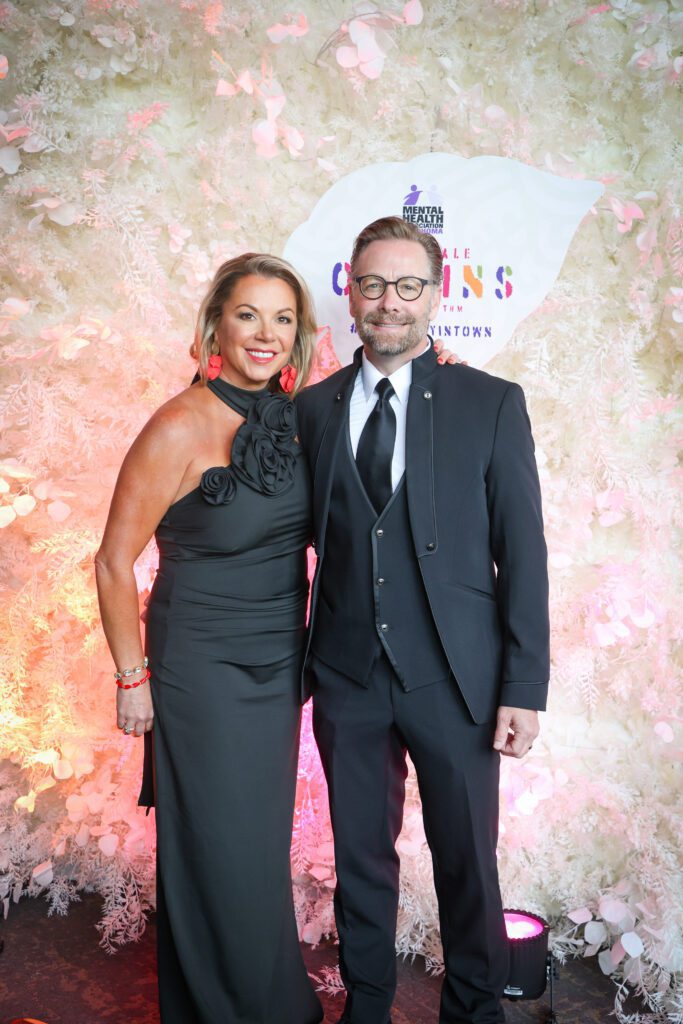
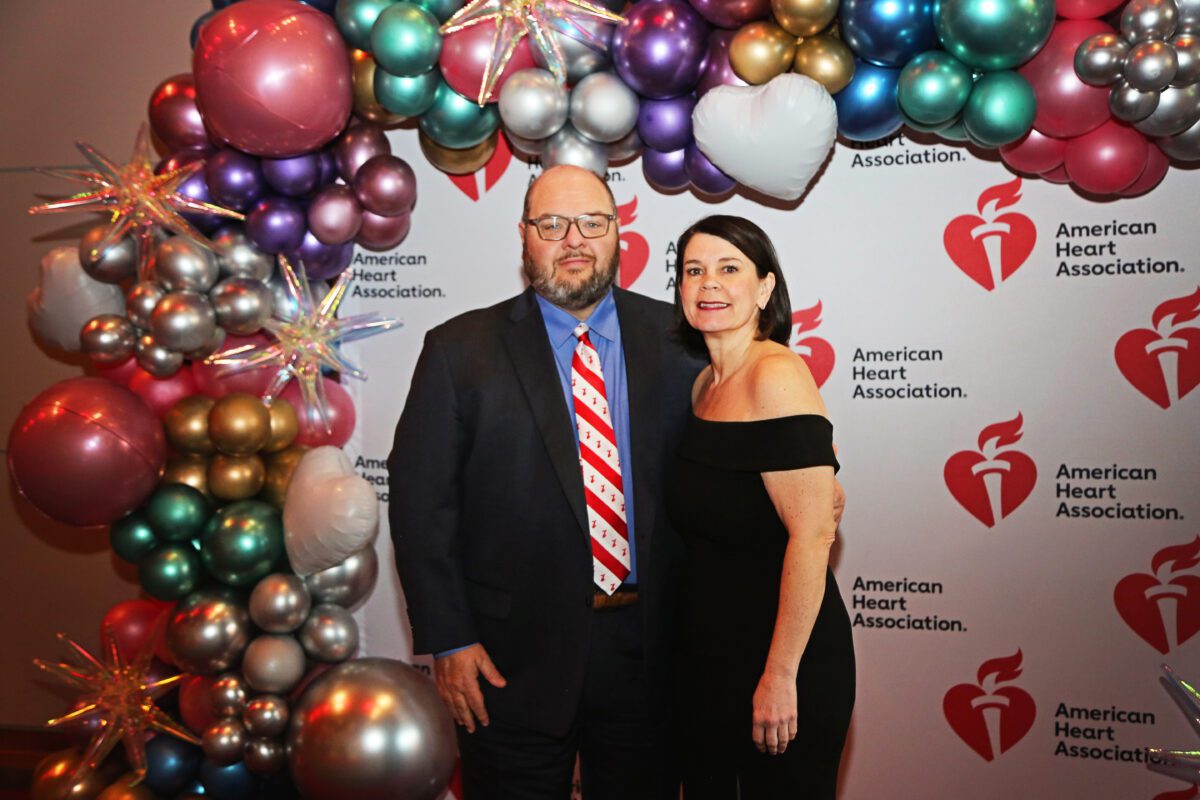
Drs. Matthew & Cyndi Wilkett; Tulsa Heart Ball, American Heart Association
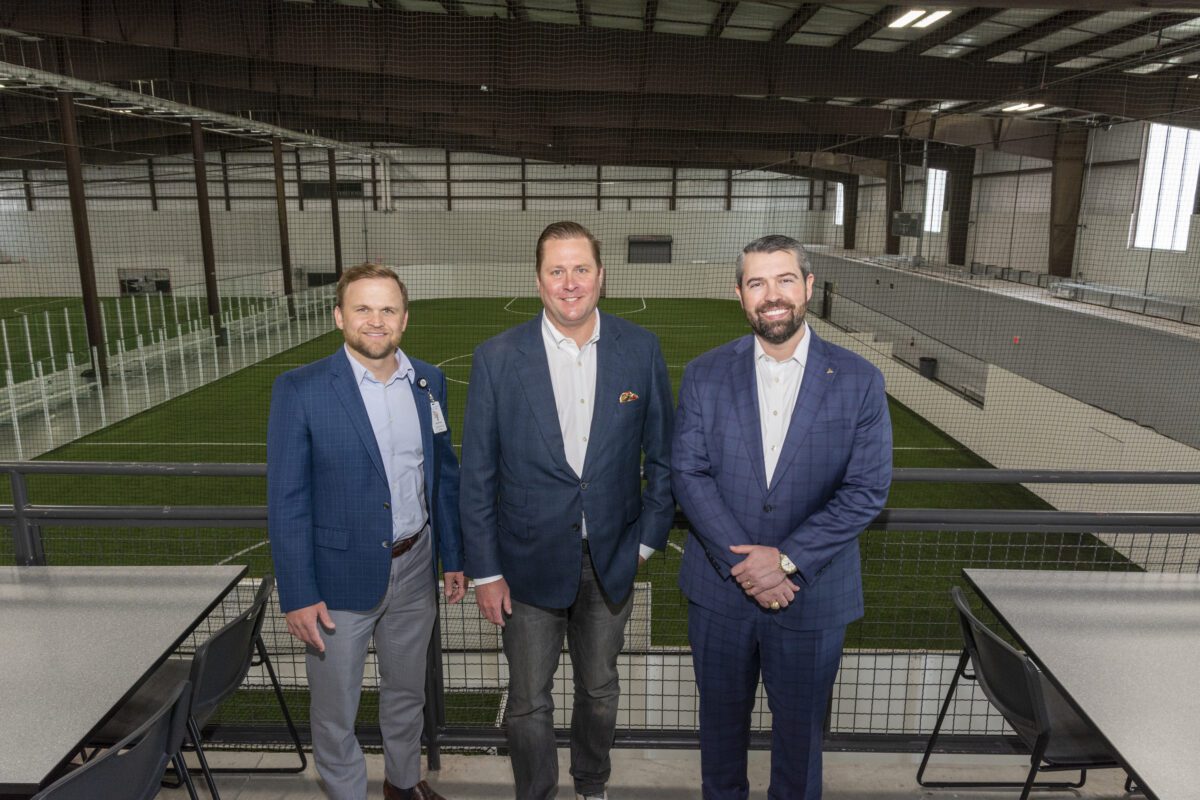
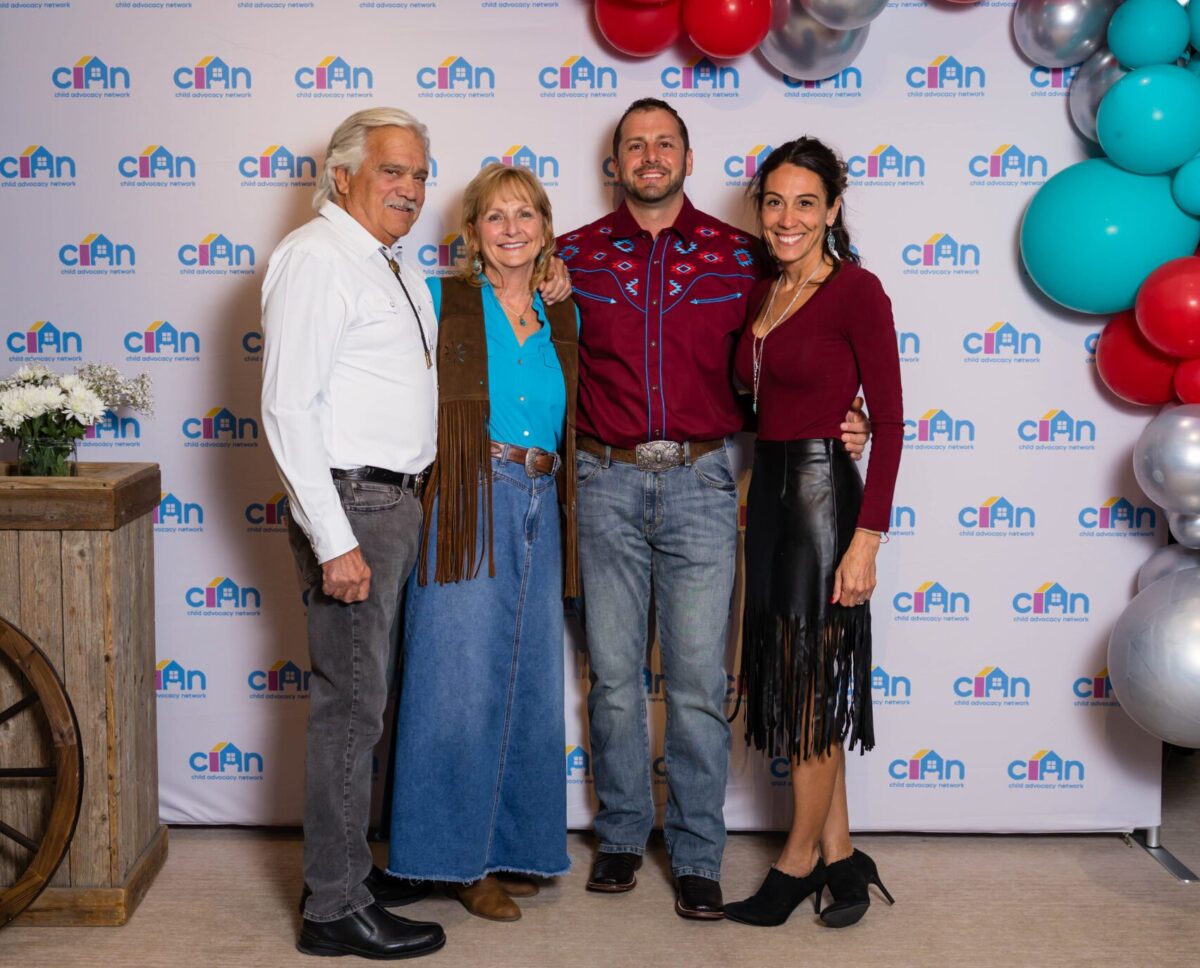
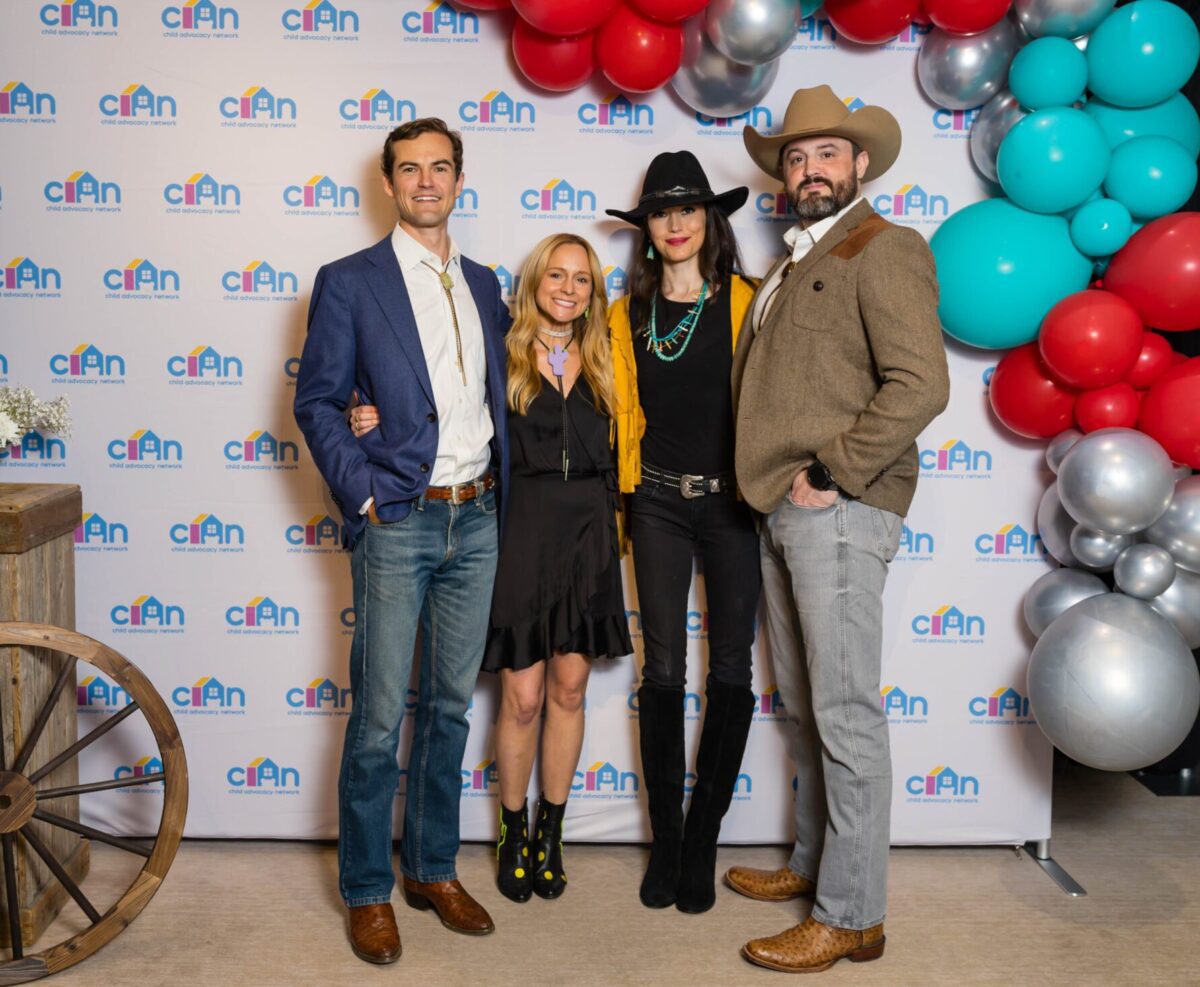
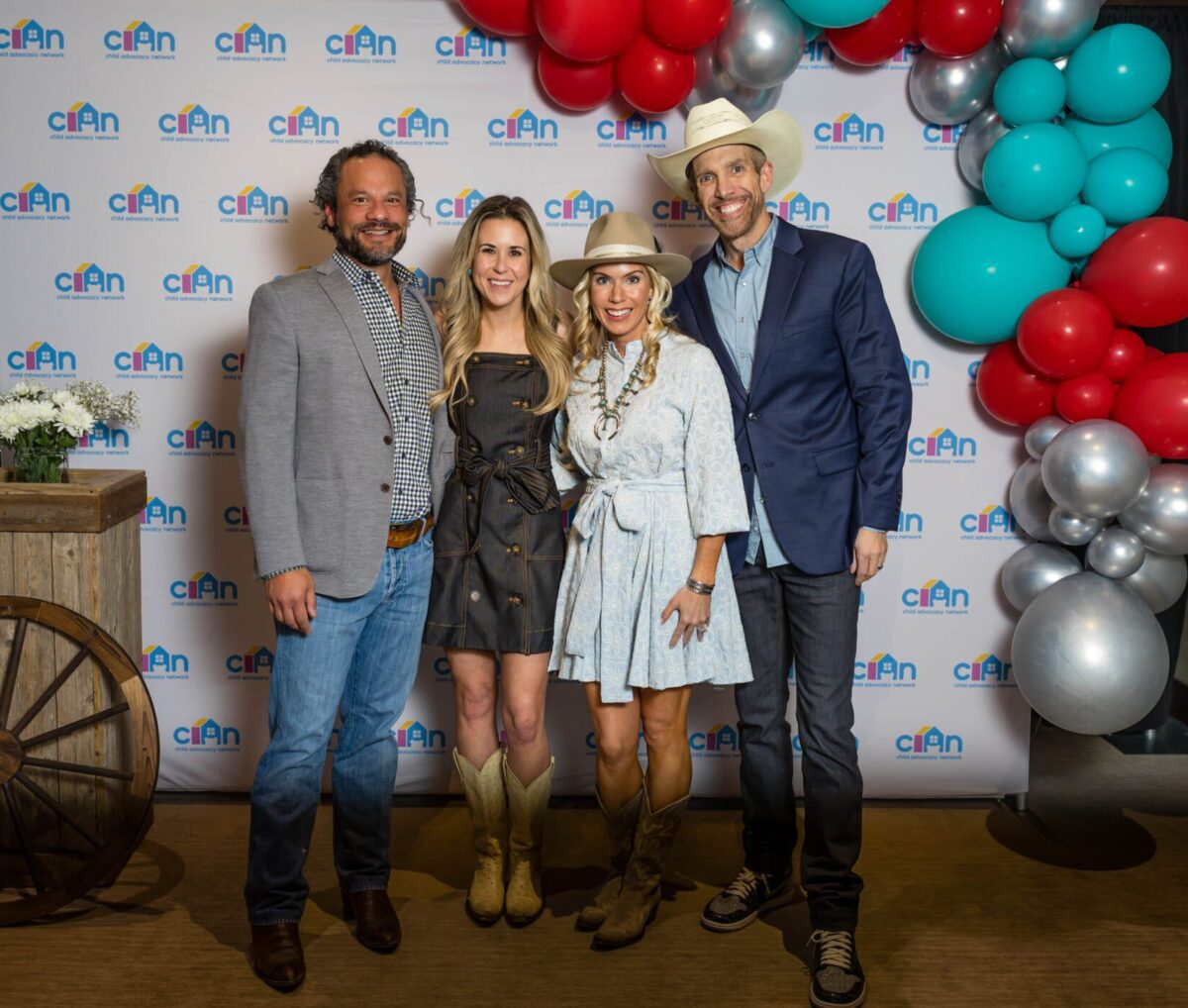
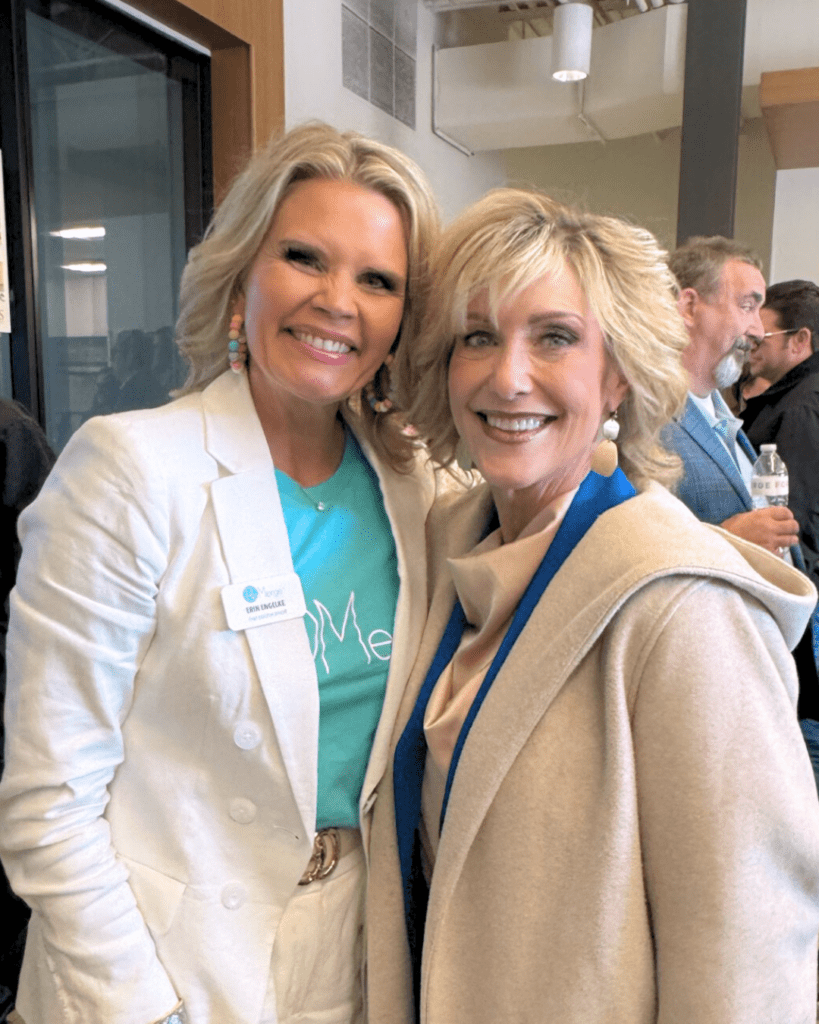
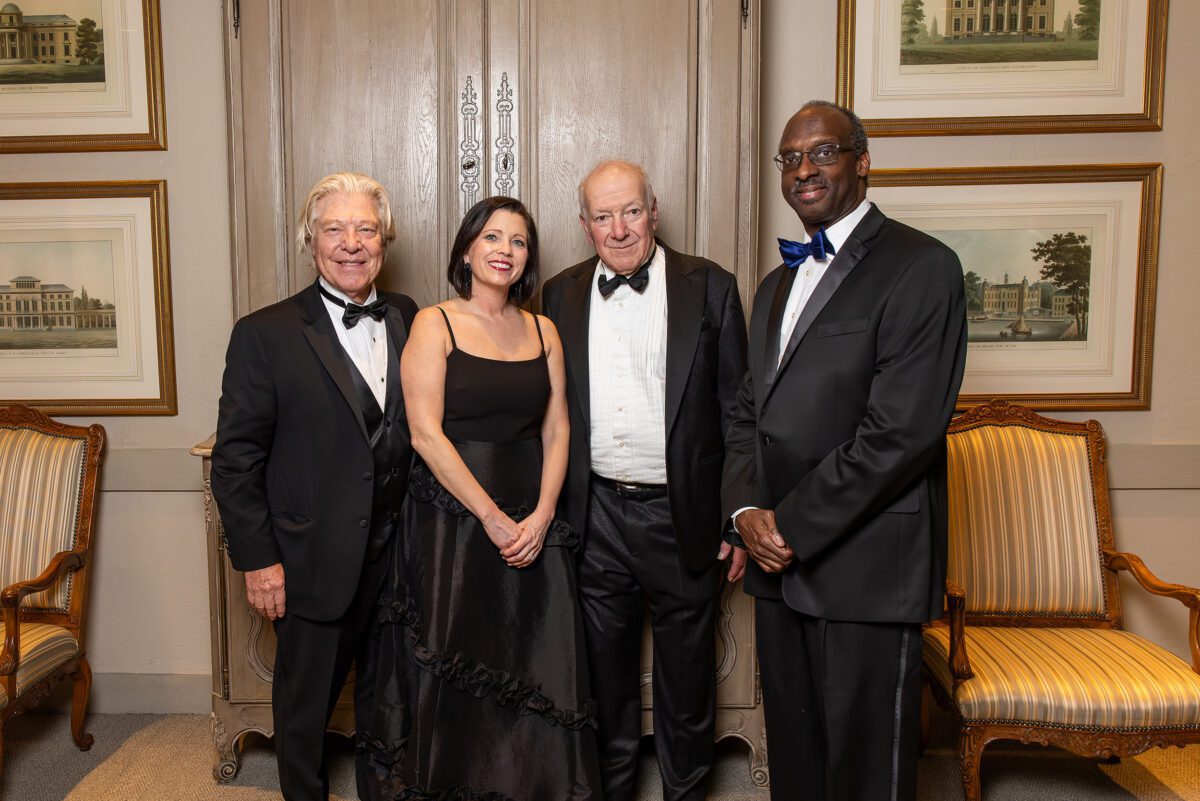
David Haws, J.W. Craft, Bo Beaudry; Ascension St. John SportsPlex renaming event, Ascension St. John, TulsaRebecca & Tom Bennett III; Carnivale, Mental Health Association Oklahoma, TulsaMayor Monroe Nichols, Carrie Blumert, Mark Davis; Carnivale, Mental Health Association Oklahoma, TulsaMike & Cindy Rudolph, Kyle & Jen Rudolph; Candyball, Child Advocacy Network, TulsaThomas & Tanner Hull, Temple Hull, Heath Glover; Candyball, Child Advocacy Network, TulsaAnthony Gorospe, Kelsey Payton, Laura & Todd Bryant; Candyball, Child Advocacy Network, TulsaDrs. Matthew & Cyndi Wilkett; Tulsa Heart Ball, American Heart AssociationJames Hulsey, Katie Michelsen; Sarah Chang Returns concert, OKC PhilSunny Cearley, Adam Brooks; Fairytale Ball, Oklahoma Children’s Theatre, OKCPryce & Paige Fischer; Hock E Aye Vi Edgar Heap of Birds: HONOR SONG opening, Oklahoma Contemporary, OKC Erin Engelke, Stacy McNeiland; ReMerge groundbreaking ceremony, CARE Center, OKCClark Brewster, Dawn Moody, Lee Levinson, Oren R. Griffin; 2025 Law Gala, University of Tulsa
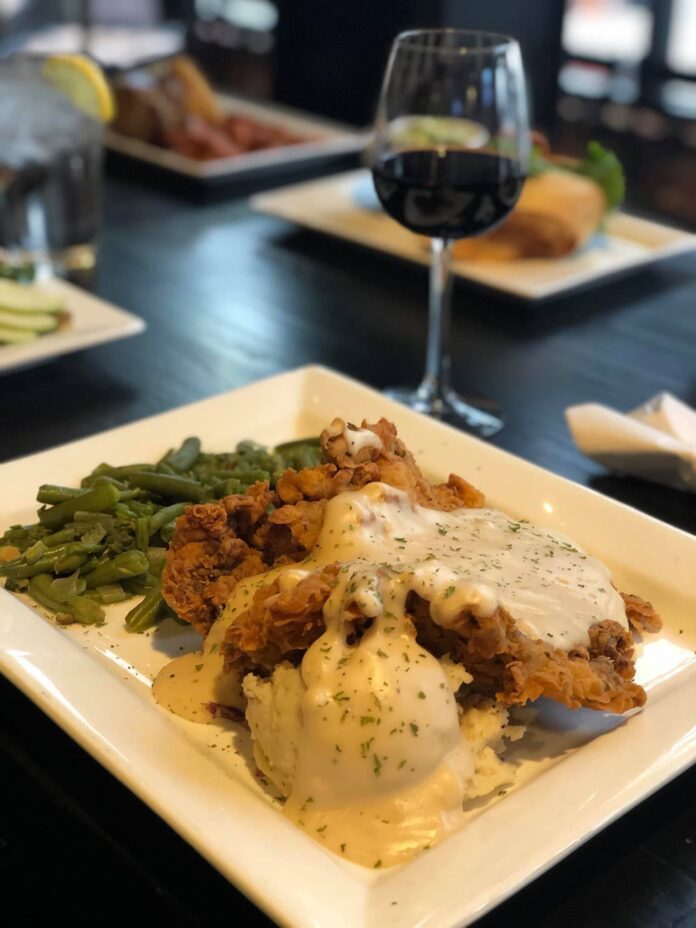
The Chowhouse has been a downtown Tulsa staple since 2004. Family-owned and led by fourth generation restaurateurs, the Chowhouse is the place to be for comfort food done right.
Appetizers range from classics, like fried green tomatoes and cheese fries, to downright funky, like ‘pucker chips,’ a.k.a fried pickles, and ‘Great Balls of Fire,’ a.k.a. calf fries with buffalo hot sauce.
Entrees are a dream – try Mom’s Meatloaf, replete with onion rings, mashed potatoes and green beans, or Pop’s Pot Roast with glazed carrots and mashed potatoes. Other must-tries include the fried catfish, chicken and waffles, Southwest burger and PBT sandwich with pimento cheese, jalapeno bacon, fried green tomatoes and lettuce. Cocktails, beer, wine and dessert are also available – and delicious.
L’Arc Pâtisserie
Photo courtesy L’Arc Pâtisserie
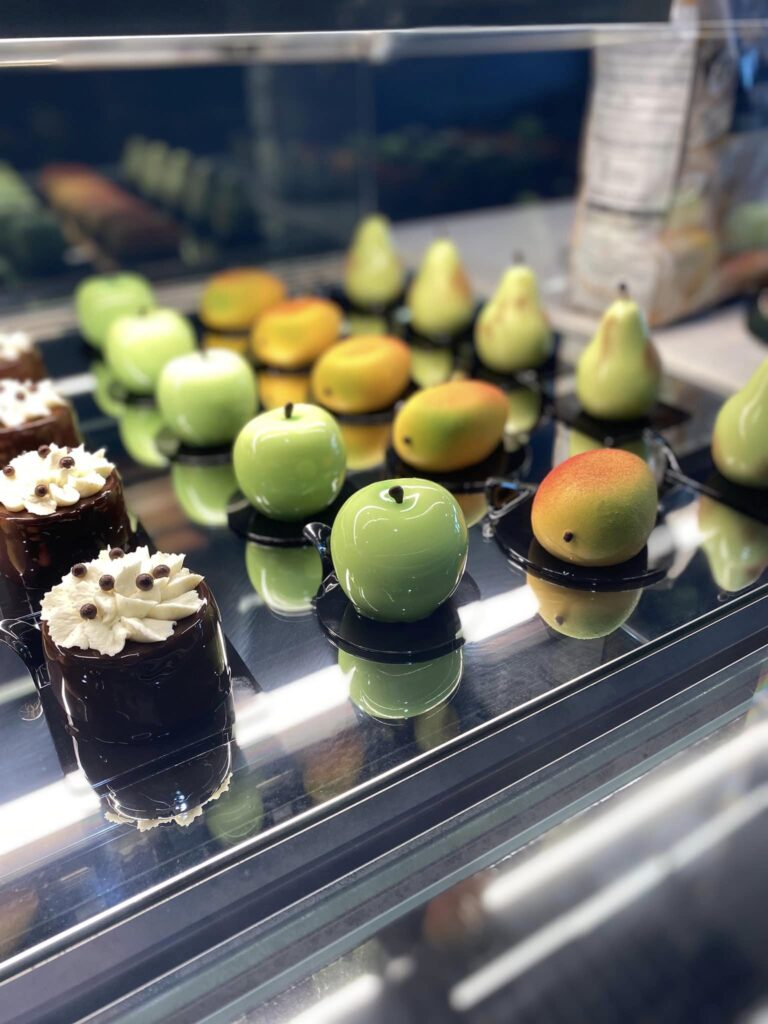
Find modern French desserts in a warm and welcoming environment at OKC’s L’Arc Pâtisserie in the Village. Described as a boutique dessert shop “where tradition meets innovation in the world of French desserts,” L’Arc is unlike anything you’ve seen before.
Some desserts are almost too pretty to eat. Try the ‘Basil Inspiration’ with lime sponge cake, basil ganache and strawberry compote, or the ‘Russian Tale,’ with chocolate sponge cake, dark chocolate mousse, mango cream and raspberry coulis. Other must-tries include the ‘Cloud Petite,’ with cream cheese mousse, mango purée, berry coulis and sablé cookie, as well as the ‘Pistachio Heaven,’ with pistachio ganache cream, cherry compote, pineapple cream and almond sponge cake. You can also enjoy entire (beautifully designed) cakes, plus scones, tartes, coffees and teas.
The Oklahoma Conservation Commission (OCC) aims to conserve, protect and restore Oklahoma’s natural resources, working in collaboration with the conservation districts and other partners on behalf of the citizens of Oklahoma. The OCC is a non-regulatory agency dedicated to voluntary, locally led conservation initiatives, says Justine Anderson, the commission’s public information manager.
“Through a common-sense approach, the OCC focuses on protecting Oklahoma’s natural resources, like habitats, air, soil and water resources,” she says.
An average day at OCC varies significantly depending on the employee, she says.
“Many of our employees interact with landowners every day to help address their conservation concerns,” Anderson says. “We want the public to view us as a resource for helping them bring conservation to their land, no matter how big or small. You’ll often catch us at various events throughout the state, educating people about the different impacts you can make on our state’s resources.”
The OCC supports our state’s 84 conservation districts in the ever-increasing demand for responsible care of Oklahoma’s natural resources.
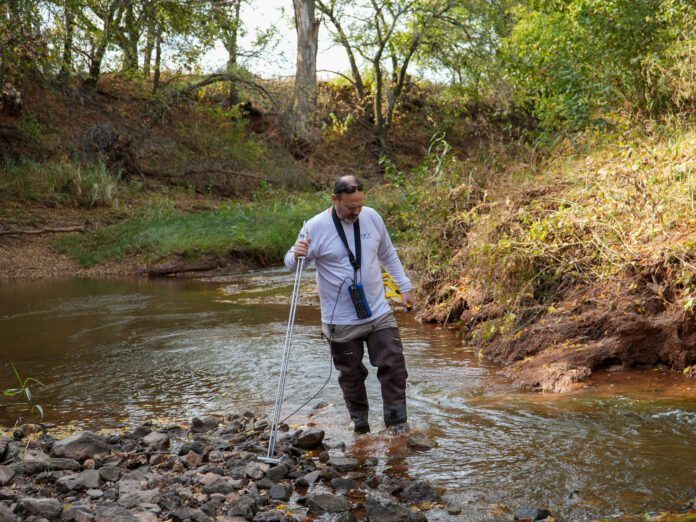
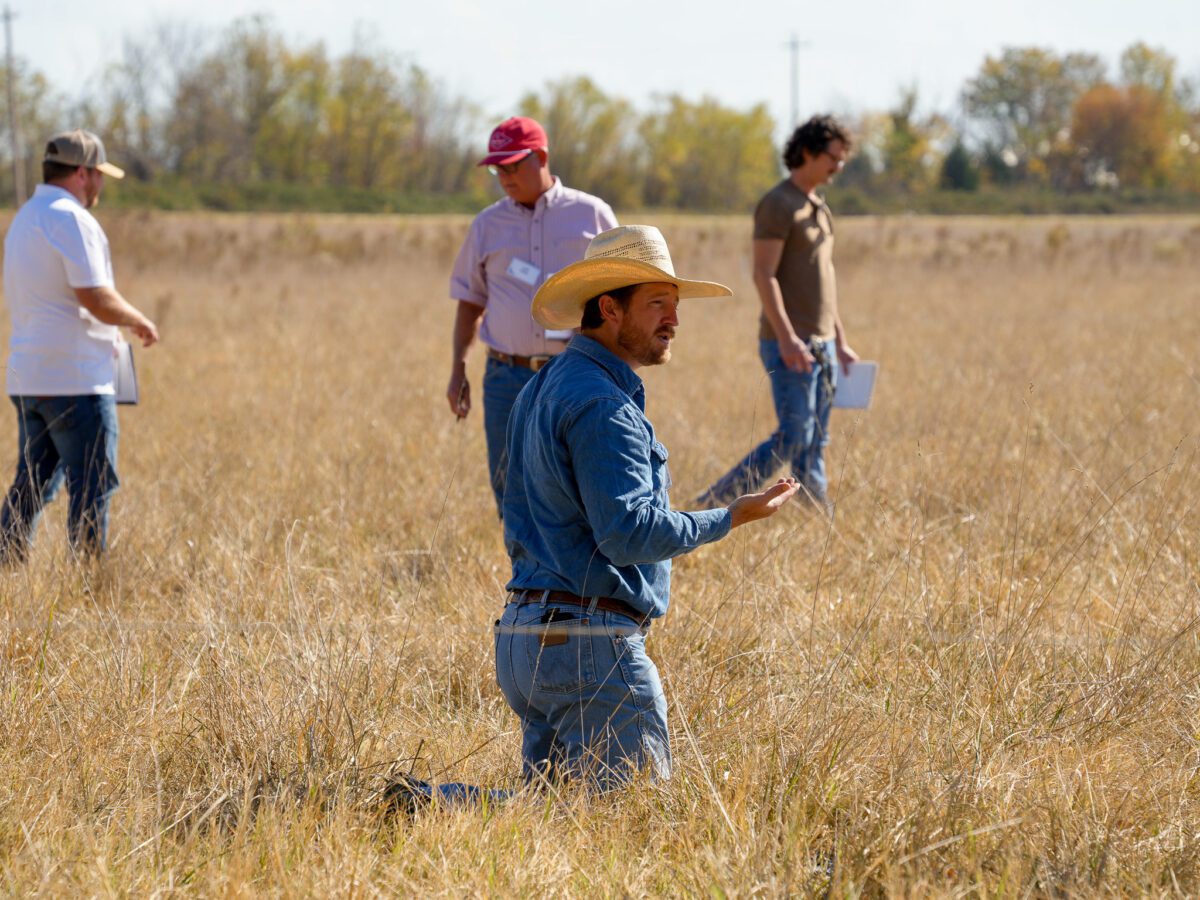
Main image cutline: OCC Water Quality staff performs various tests on a stream to determine water quality. Above photo: OCC staff help lead courses in grazing management through a partnership with the Noble Research Institute. Photos courtesy OCC
“Conservation districts are the primary local unit of government responsible for the conservation of renewable natural resources in Oklahoma,” says Anderson. “In close collaboration with local landowners, local government units and other agencies, they help provide resources and technical and financial assistance for things like controlling and preventing soil erosion, preventing impairments of dams and reservoirs to prevent damage from flooding, preserving and promoting native vegetation, and more.”
She continues: “The Oklahoma Conservation Commission is filled with people who are passionate about conserving the natural resources of Oklahoma.”
These people range from researchers and practitioners to implementers and advocates, who are passionate about providing technical and financial assistance, accurate data and engaging educational experiences – all with the common goal to conserve the renewable natural resources of our state and help fill the conservation advocacy pipeline.
“They do so through things like educating landowners about sustainable farming best practices, like no-till farming, and identifying, prioritizing and managing waters in Oklahoma impacted by non-point source pollution, such as sediment, nutrients and animal waste,” says Anderson. “And also by providing and implementing cost-share programs for landowners who install conservation structures, engage in conservation practices or best management practices on their land; assisting landowners with concerns about invasive species; or developing conservation and nutrient management plans that address resource concerns of Oklahoma landowners.”
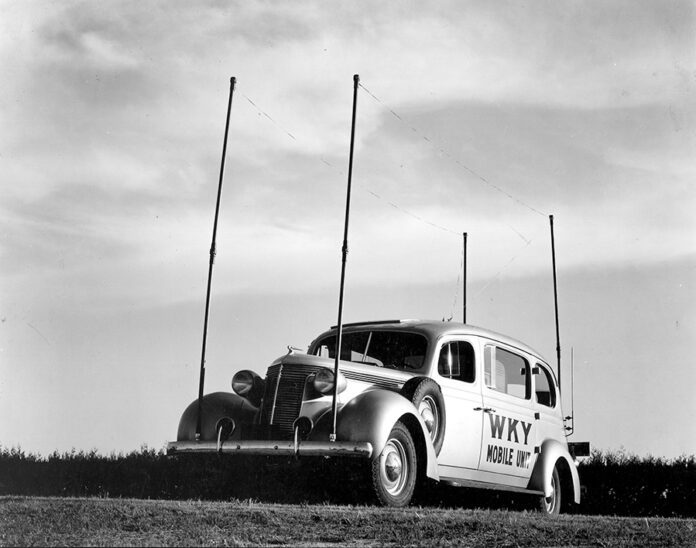
WKY, based in OKC, was the eleventh broadcast station in the United States and the first to be licensed for regular programming west of the Mississippi. Photos courtesy the Oklahoma Historical Society
The communications revolution set in place by the advent of radio transformed the world. Many in Oklahoma were at the forefront of these changes, even as the state itself was coming into its own at the beginning of the 20th century.
WKY radio, which crackled to life in Oklahoma City as experimental station 5XT in April of 1921, was one of those forerunners. The Department of Commerce granted their license, and in March 1922, the station would receive the call letters it still claims today.
“The granting of the license gave the station the distinction of being the eleventh broadcast station in the United States and the first to be licensed for regular programming west of the Mississippi,” writes Donald K. Tolman in his article for The Chronicles of Oklahoma, Through the Ether: The Birth of Radio in Central Oklahoma.
Earl C. Hull and his business partner, H.S. Richards, started WKY in the garage of Hull’s home with just 20 watts of power. Hull gained experience with radio technology during his military service in World War I. He came home to Oklahoma, started the Oklahoma Radio Shop with Richards, and hooked up a voice transmitter in his garage to broadcast weather, live music performances from local talent, sports scores, news and recorded music from a Victrola.
Radio-like transmissions began connecting people over long distances as far back as 1891. All public radio use was stopped during WWI so that the transmissions could be utilized for military purposes. But after the war, people like Hull and Richards were ready to use radio for entertainment and to share information with far-away audiences.
The WKY radio station later moved from Hull’s garage into its first business location in the Huckins Hotel in downtown OKC. Edward K. Gaylord purchased it in 1928, and the station hit the big time with increased wattage and other enhancements as the years went on.
“The viability of the new medium was evident, as the station made a profit during the early years of the Great Depression,” writes Bill Moore in the article on WKY in The Encyclopedia of Oklahoma History and Culture. “As a result, Gaylord added more up-to-date technology again in 1936, making the broadcasting facility one of the nation’s most sophisticated.”
WKY moved to its current location on Northwest 64th Street in Oklahoma City in the early 2000s and today broadcasts daily as The Sports Animal. Safe to say the history of this long-lived radio station is as varied and interesting as the history of radio itself.
WKY, based in OKC, was the eleventh broadcast station in the United States and the first to be licensed for regular programming west of the Mississippi. Photos courtesy the Oklahoma Historical Society
A Famous Connection
According to an article by Bill Moore for the Encyclopedia of Oklahoma History and Culture, a household name in the news spent time on WKY early in his career.
Walter Cronkite, despite his inexperience, was hired to give play-by-play commentary on University of Oklahoma football games in October 1937.
“When he called that first ‘live’ game between OU and the University of Tulsa, the results were less than desirable, but he improved,” writes Moore. “He finished the season, soon moved to Kansas City, covered World War II as a war correspondent, and later anchored the CBS evening news on television.”
Above and facing page: OKC-based designer Nicole Moan began her career creating decorative tiles and wall sculptures, but has since become known for her wearable art. Above photo courtesy Nicole Moan; facing page photo by S.E. Detweiler.
Fashion design is art, and Dante Biss-Grayson and Nicole Moan are fashion designers because, well, art would not leave them alone.
“I didn’t grow up wanting to do fashion,” says Biss-Grayson, who is a member of the Osage Nation and spent part of his childhood with his grandparents in Pawhuska. “I grew up wanting to be an artist.”
Moan’s parents were artists, and when she was 11, she started sewing her own clothes. She knew she had a creative spark, but she also sought stability.
“I went to school for automotive and engineering, because I was afraid of not being able to make ends meet.” But art, Moan says, “came back and just bit me. I can’t get away from it.”
Both artists give the world beautiful things to see and wear – and both create with philanthropic missions in mind.
Biss-Grayson attended the Institute of American Indian Arts in Santa Fe, where his mother was a student, as well as the Gerrit Rietveld Academy in Holland. He spent 12 years with the U.S. Air Force and as a Department of Defense contractor, and after multiple deployments, recognized in himself the symptoms of post-traumatic stress disorder.
He turned to art, but not just to heal himself. He wanted to help fellow veterans, and the Missing and Murdered Indigenous Women (MMIW) epidemic was heavy on his heart. Military veterans have a high suicide rate, and homicide is among the top five causes of death among young Native women.
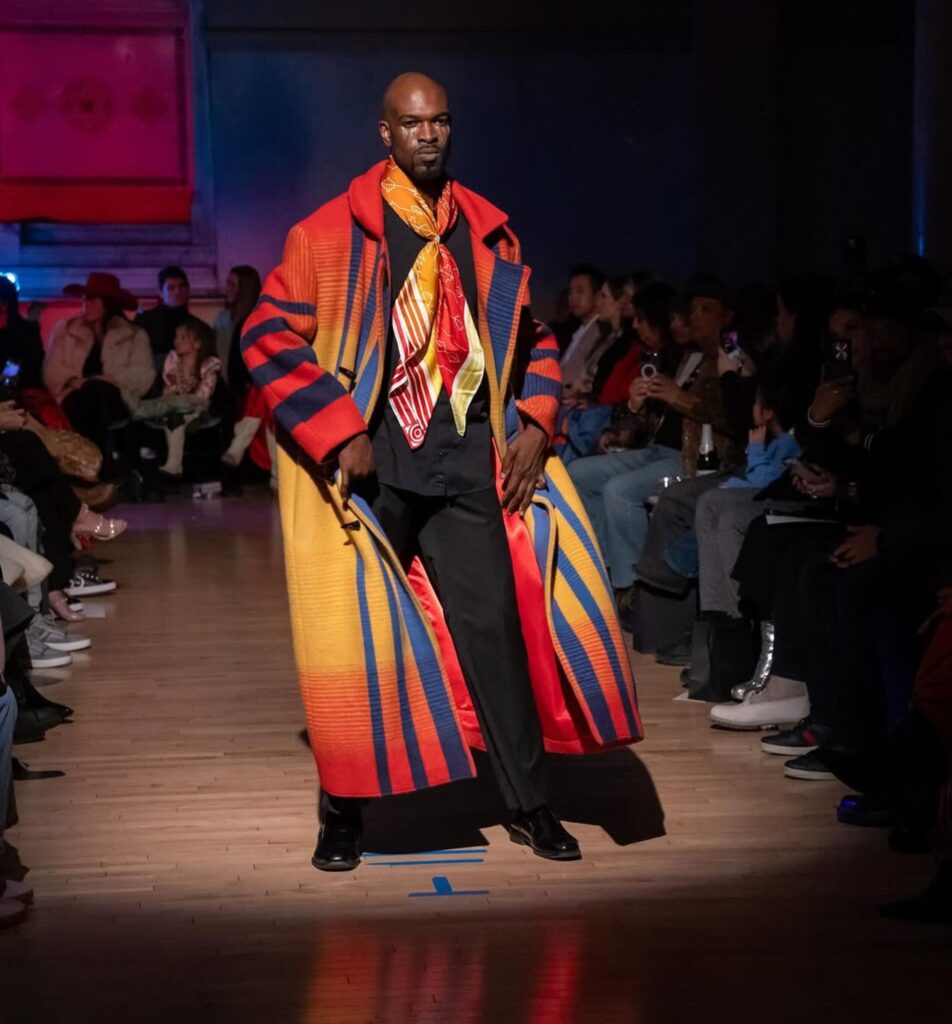
Dante Biss-Grayson, who spent much of his childhood in Pawhuska, created the Sky-Eagle Collection to help fellow veterans and raise awareness for the Missing and Murdered Indigenous Women (MMIW) epidemic. Photo by Tyler Simnick courtesy Dante Biss-Grayson
He and his wife, Yanti, created the Sky-Eagle Collection, and his first piece was a skirt printed with the red hand that is the symbol of the MMIW movement.
“The red hand symbolizes the connection between the physical world and the spiritual world,” according to the MMIW website. “Native Americans believe that the dead can see red, so by wearing red, we invoke the help of our ancestors and spiritual guides.”
Moan, based in OKC, studied art at Oklahoma City Community College. Her first pieces were decorative tiles and wall sculptures, but she’s since become known for her wearable art.
“I made my first ceramic corset in 2000,” she says. “I was making custom tile, and we needed something to wear to an event. When you are a poor artist, you learn how to make ends meet.”
When she showed up wearing her first creation, “we definitely had everybody talking to us,” she recalls. “I still have the first ones, they are hung up on my wall. They are kind of barbaric looking,” she adds with a laugh.
Ceramic corsets had been around for a while, but Moan says she was the first to make a wearable version. She’s since branched out to design matching skirts and headpieces, along with jewelry and handbags.
Biss-Grayson started with ribbon skirts, including sponsoring a project to design and manufacture 400 skirts to donate to battered women’s shelters on reservations.
“Ribbon skirts are good medicine,” he says. “But they have evolved, and there are contemporary ones that I’m designing, and I design couture ribbon dresses.”
The Sky-Eagle Collection now includes dresses, scarves, neckties, track suits and men’s ranch shirts, in vivid colors with Native-inspired motifs. Biss-Grayson’s designs have been seen on the red carpet at the Cannes Film Festival and on Oscar night, and twice at New York Fashion Week.
“We’ve evolved from a brand to an actual fashion house,” Biss-Grayson says of the business based in Taos, N.M. “We do business consultation, brand development, media marketing. We produce fashion shows.”
Biss-Grayson’s rise has been part of a renaissance in Indigenous fashion.
“Native fashion shows are popping up all over the place,” he says. “Our motto is ‘Native fashion is for everybody, for all ages and sizes.’”
OKC-based designer Nicole Moan began her career creating decorative tiles and wall sculptures, but has since become known for her wearable art. Main image photo courtesy Nicole Moan; above photo by S.E. Detweiler.
After he does a show that includes those outside the “usual” model body type, Biss-Grayson says, “a lot of people message me and thank me for opening up the runway for everybody. I think everybody should have a chance to look good and feel good.”
Moan has exhibited at fashion weeks in Dallas, Kansas City and Los Angeles. Every day she works, preparing for the next festival or fashion show. This was her first year to be chosen for the Oklahoma City Festival of the Arts.
In the midst of all that industry, Moan finds contentment. She lives in a house filled with plants that she has owned since she was 19. Her studio, powered by solar energy, is on her property, as is a garden and lots of animals. She walks five miles every morning and evening, often stopping to greet her neighbors and their pets. She recently acquired a loom and plans to start making her own fabric from found items.
And she finds the time to share her skills. When friends give up sewing, they donate their fabric to her, and sometimes even their sewing machines. She teaches others how to sew, then gives them a machine. She does the same thing with kilns – thermally insulated ovens most often used for pottery and ceramics.
“We have to work as a community, right?” she asks.
Biss-Grayson continues to paint, with an exhibition of his expressionist landscapes planned for November at the Taos Art Museum. His newest fashion creations include trench coats and high heels, and he recently designed neckties for employees of the Osage casinos.