Drone technology innovation is happening right here in Oklahoma, thanks in part to OSU's Cowboy Innovations Accelerator. Photo courtesy OSU's Oklahoma Aerospace Institute for Research and Education
Agricultural technology is growing in rural Oklahoma.
Amarie Bartel is the Oklahoma Farm Bureau (OKFB) Rural Economic Development Coordinator, and says the OKFB program Oklahoma Grassroots Rural & Ag Business Accelerators puts OKFB on the front lines of the rural and agricultural innovation space.
In three years, OKFB has supported 42 rural Oklahoma startup companies in 36 unique communities, creating over 129 rural jobs, and raising over $20 million in capital by way of grants, loans or investments to support their companies.
Daniel Will is the executive director of Cowboy Technologies, Oklahoma State University’s venture investment arm, and the Cowboy Innovations Accelerator. He leads technology commercialization programs and early-stage venture investment for OSU-affiliated innovations. Will says OSU has long been part of technology-based startup companies headquartered in Stillwater.
“Many of these spinout, startup companies serve the production agriculture industry to include Oklahoma, while others reach into many other industry sectors with large potential for export sales of technology-based products and services, along with quality job creation.”
As examples, Will says Weaver Labs is a water technology startup addressing the global PFAS contamination crisis with Fluor-Mop technology specifically designed to remove ‘forever chemicals’ like PFAS from water. Plasma Bionics is a low-temperature medical device sterilization startup which, through Air Plasma Sterilization, can convert natural air to multiple reactive oxygen and nitrogen species that rapidly destroy microorganisms on instrument surfaces. Initially for the veterinarian segment, Plasma Bionics operates without harmful chemical consumables required and produces no byproducts.
Bartel says American Prime Sustainable Solutions of Noble blends satellite imagery, data analytics and autonomous drones, offering farmers predictive decision making on row-crop operations.
OKFB aligns with OSU, specifically the Robert M. Kerr Food and Agricultural Products Center Extension and the New Product Development Center, to assist in research, development and refinement of their product of service through mentorship, thus enabling research institutions to help startups accelerate their progress and getting technology into farmer’s hands most efficiently and economically.
Will adds that OSU is an R1 research institution with very high research activity, ranking at the top in the U.S., and leading to high-value innovations that solve today’s problems and address today’s growth opportunities.
OSU is also strong in animal health and production agriculture segments, which benefit Oklahoma’s farmers and ranchers directly.
“Disseminating this capability entails connecting industry with OSU’s research and development talent and acumen, helping solve problems and create opportunities needed today,” says Will.
This facilitates experiential, real-world student learning within programs that create graduate competencies, and protects and commercializes intellectual property that is created through research/development projects and programs. This all happens while generating sustainable, competitive business models that lead to economic prosperity.
Keeping Oklahomans Rural
Bartel says 96% of farm families derive part of their income from off-farm sources, showing they are diverse in their needs and interests. So, when agricultural technology companies create off-farm jobs, they diversify farm-family employment opportunities.
“OKFB believes that off-farm jobs, by way of rural and ag agricultural communities, are key in keeping farm families on the farm,” says Bartel.
Will says in our globally-connected world, by integrating ag-tech into farming and agribusiness, younger generations can build high-skill, technology-driven careers, and stay rooted in their communities.
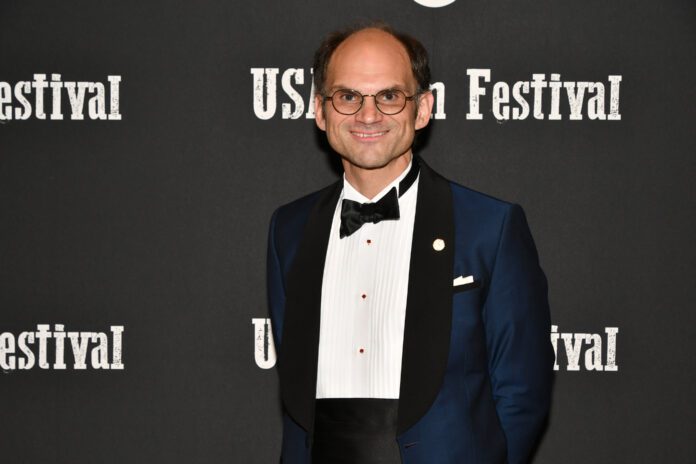
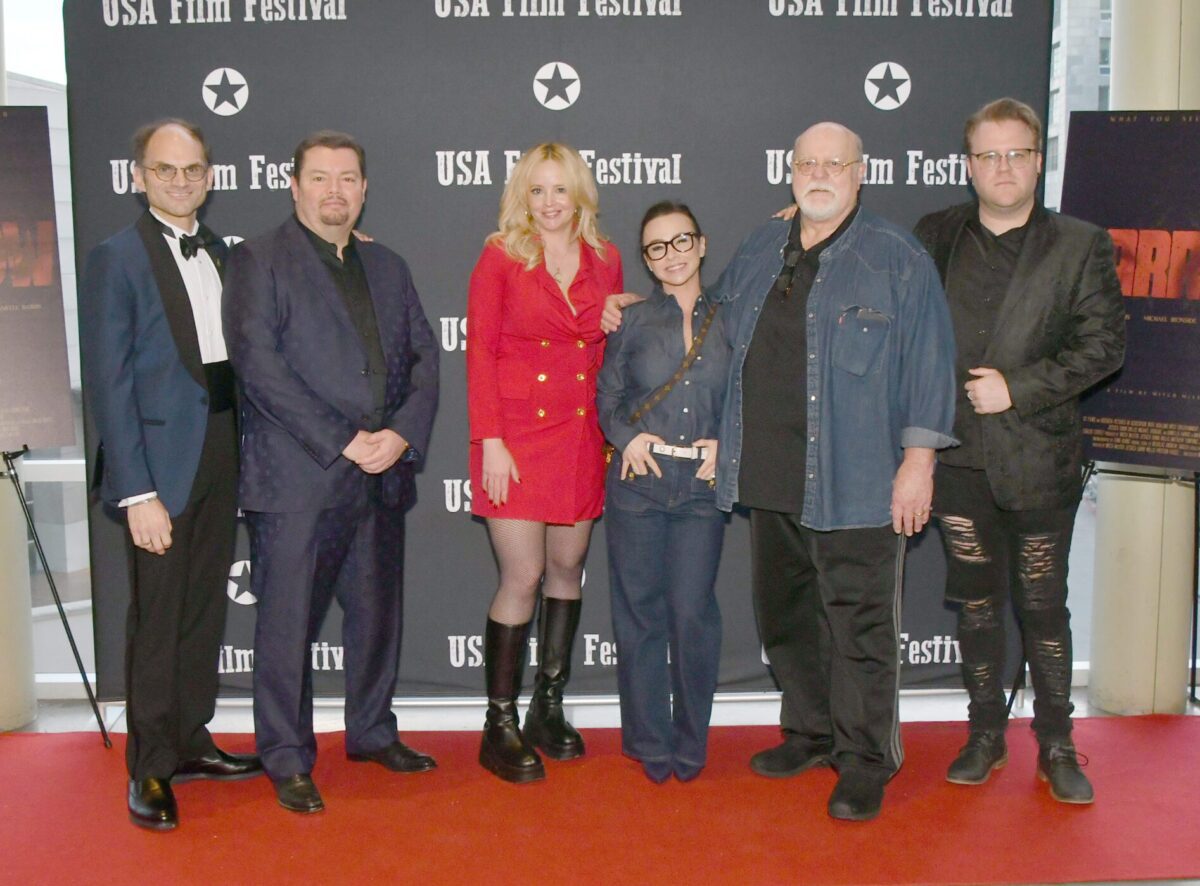
Preston Fassel, co-scripter of the horror film Marrow, helped shape the screenplay for the psychological thriller which debuted at the USA Film Festival. It draws inspiration from his Oklahoma roots.
Photos courtesy Preston Fassel
As a nearly lifelong horror-film fan – I saw my first scary movie when I was four years old – I’ve always been pleased when I discover Oklahoma connections to the genre. I suppose you could start with one of the greats of classic horror cinema, Lon Chaney Jr., who was born in Oklahoma City and went on to become the only actor ever to play all four of the major Universal Pictures monsters of the 1930s and ’40s – the wolfman, Dracula, the mummy and Frankenstein’s monster. In a couple of those features, he was supported by leading ladies Martha O’Driscoll (a Tulsa native) and Louise Allbritton (from Oklahoma City).
Other Okie actors have made their horror-movie mark in the intervening decades, including Tulsa’s Heather Langenkamp, the classic “final girl” in 1984’s A Nightmare on Elm Street; Holdenville’s Clu Gulager, whose long Hollywood career included such scary pictures as A Nightmare on Elm Street 2 and Return of the Living Dead (both released in 1985); and Shawnee’s Bill Boyce, star of the 1963 cult film The Slime People. (Another Shawnee native got one of his first big roles in a slasher film called Cutting Class (1989) and later starred in Interview with a Vampire (1994). That would be Brad Pitt.)
Our state is also known for horror films that were made within its borders, especially during and after the direct-to-home-video boom ignited by the Tulsa-based distributor VCI, which started a revolution in 1985 with a modest little shot-on-video chiller called Blood Cult. Intended to bypass theaters completely in favor of VHS rentals, it was a huge success, opening up the floodgates for such direct-to-video features as The Ripper, Revenge, Terror at Tenkiller, Blood Lake and Mutilations, all Oklahoma productions. After the turn of the century, Tulsa-based filmmakers Darla Enlow and Dana Pike and their Next Monkey Productions got into the act with Toe Tags, Branded, and The Stitcher, while Oscar-winning producer Gray Frederickson oversaw his own horror pictures in and around his Oklahoma City birthplace, including Soul’s Midnight and Fingerprints (both released in 2006). More recently, entries in the Children of the Corn and Hellraiser franchises wrapped shooting in our state.
I could give lots more examples, but I want to get to the subjects of this month’s column, a couple of current Okie filmmakers affiliated with brand-new horror movies: Preston Fassel and Cory Kirk. Tulsa native Fassel, last heard from in this space as the co-author of the horror/psychology-themed book Necessary Death, is the co-scripter of Marrow, a tale about a true-crime vlogger haunted by an evil presence. Cushing’s Kirk, whose resume includes a featured role in 2025’s The Private Eye (with Eric Roberts and Matt Rife), is the lead actor and co-producer of Baggok, playing a troubled and ultimately murderous young man who takes on the persona of a chicken. (Hence the title, which refers to a chicken’s clucking.)
Although these films both fit squarely in the horror genre, and they’re both compelling pieces of work that I recommend to fans of the genre, they’re different in several ways. Marrow was shot at a lake house in Hochatown, near Broken Bow, and features a couple of actors familiar to horror aficionados, Danielle Harris (of the Halloween franchise) and Michael Ironside (Scanners, Total Recall and American Nightmare, among many other pictures). It’s got a glossy look that conveys the sterile beauty surrounding the lead character, amplifying the emptiness in her life. The California-shot Baggok, on the other hand, projects an aura that’s as gritty and hardscrabble – and often as dreamlike – as its subject matter. The film revolves around Kirk’s psychologically unstable character, and he’s excellent in the picture – even though it’s taken more than half a decade to get it into the can.
“I’ve called it the bane of my existence for the past six years,” says Kirk, who’s also one of Baggok’s producers. “This was a passion project for me and my producing colleagues, Jack Cook and Rosalinda Books Cook, made with love and our close friends. Whenever we could all coordinate a day off, we’d make it happen. We ate baloney sandwiches and did it on a shoestring budget with a skeleton crew.”
Don’t get the idea they were a bunch of amateurs running around L.A. with a camera, though. Kirk and the Cooks have all worked in the industry for years, with Kirk logging significant time as a background actor, or extra, for nearly all of the 2010s.
“I was on every cop show,” he says. “But my agent told me, ‘Cory, this town is small, and even though background acting pays the bills and you’re working every day on different studio lots, you’ve got to pivot.’ So my first part with a line was on an Amazon TV series, The Last Tycoon, with Matt Bomer and Kelsey Grammer.”
He began getting more non-extra work, including a splashy part in the YouTube documentary series Mind Field, and in the aforementioned Private Eye, which was directed by Jack Cook, his friend and Baggok co-producer. All of that activity among its creators forced Baggok onto the back burner for a while, as Kirk noted earlier.
Baggok is based on a book, The Perfectionist Hairstylist, written by the third member of its producing trio, Rosalinda Books, who was also a Private Eye co-scripter and directed and acted in Baggok. Kirk describes her novel as “real creepy,” a feeling he hopes they got into the picture. (And, for my money, they did.)
Like Cory Kirk, Preston Fassel put a bit of his own life into Marrow. He was brought onto the project after the film’s producers asked for a rewrite of the script submitted by director Mitch McLeod. McLeod, who knew Fassel, had read his horror novel Our Lady of the Inferno and figured he would be the right man for the job.
“It was great, because Mitch really had the ABC narrative structure of the story,” says Fassel. “I didn’t change anything that actually affected the narrative, but I came in and developed the relationship between Jamie [the vlogger, played by Jessica Dawn Willis] and Danielle [her hard-driving aunt, played by Harris]. In developing Jamie’s backstory, I added in a couple of other elements that were very personal to me. I turned it back over to Mitch, he showed it to the producers, and the financing was secured. Then Jessica, who was going to play Jamie, did her own final pass on the script. So it was really a collaborative effort among the three of us.”
The “personal” elements he notes involved his work with the Broken Arrow Police Department while he was still in high school. Assigned to the evidence room, Fassel did such a bang-up job that, in 2004, he received the President’s Volunteer Service Award.
“Of course, I didn’t get involved with that to help create a serial-killer script,” he says with a laugh, “but there’s a speech Jamie gives to two police officers where she says, ‘I come from a generation that grew up on Silence of the Lambs, and we all thought we were going to be Clarice Starling.’ I’ve said that so many times in interviews. There are things that Jamie says in the movie that were pulled from my own life.
“This really was so inspired by my growing up in Oklahoma,” he adds. “In a lot of ways, I took the opportunity to turn it into a sort of autobiographical love letter to my adolescence. It’s the kind of movie I would have rented from Warehouse Market in Broken Arrow back in the day.”
Marrow, which Fassel calls “gritty yet socially conscious horror,” debuted at the USA Film Festival in February, the same month it was offered for sale at the European Film Market in Berlin, Germany. Look for both Marrow and Baggok to become available to viewers in one form or another later this year.
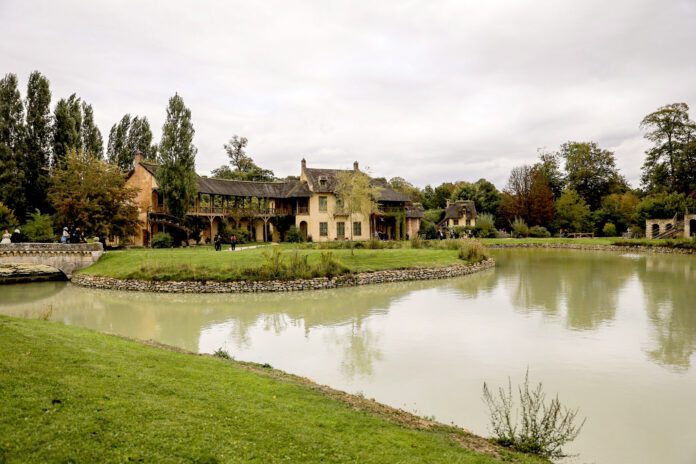
Visitors explore the restored village retreat that once served as Marie Antoinette’s private countryside sanctuary.
Before there were “she-sheds,” Marie Antoinette had the ultimate girl getaway: the Petit Trianon and an adjacent hamlet. This sanctuary was a recreated village paradise where France’s queen introduced her children to pastoral life, nature and simplicity while also entertaining her friends as a respite from palace life. Nowadays, we call it wellness or self care.
This hamlet had it all; a working farm, vegetable crops and fresh eggs in the countryside with a man-made lake. Also on site was a fisherman’s cottage, a guard house and the Marlborough Tower. They say it takes a village to raise a child … and apparently also to relax a queen.
Petit Trianon is, well, petite indeed; a miniature version of a grander manor and a mere fraction of space compared to the Palace of Versailles. Reportedly, there was a billiard house, a wooden gallery, a boudoir and a barn which served as an occasional ballroom. There were vineyards, orchards and twelve cottages: five for the Queen and seven for agriculture. The hamlet experienced a restoration ordered by Napoleon circa 1810-1812 and a second one in the 1930’s to save it from ruin. This restoration was especially sentimental, since Napoleon married Marie-Louise of Austria, a descendant of Marie Antoinette. During the nineteenth century, the farm vanished but was reconstructed in 2006.
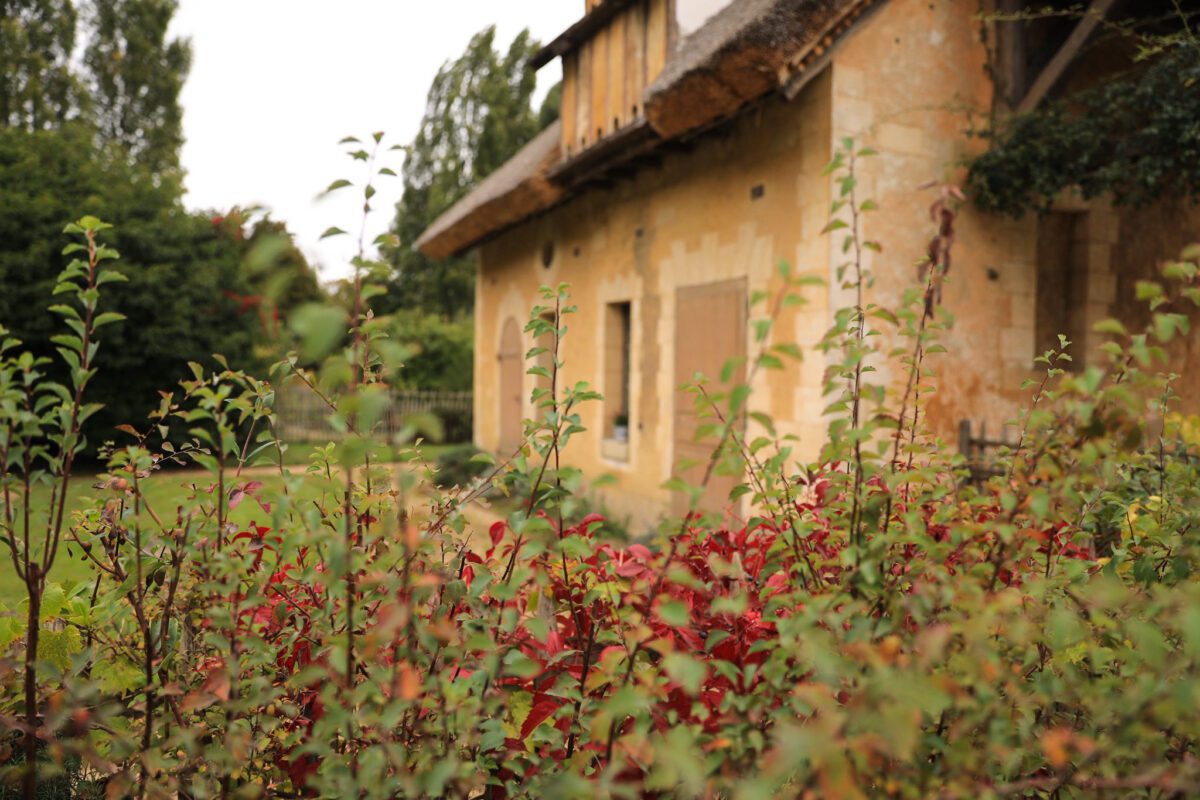
Visitors explore the restored village retreat that once served as Marie Antoinette’s private countryside sanctuary.The Petit Trianon complex reflects a rare glimpse into the private life of France’s last queen.Twelve cottages, some for the queen, others for agriculture, anchored daily life in the recreated village that is still teeming with flora. Photos by Gina Michalopulos Kingsley
All the courtly enjoyment of this bucolic life is thanks to the architect, Richard Mique, whose design was inspired by Norman and Flemish style. A trend in art called naturalism contributed to the French aristocrats emulating the simplicity with a countrified wardrobe, like the adaptation of wearing muslin dresses and sun hats. The blandishment of this hamlet lifestyle caused rumors of the aristocrats enacting a sense of “cosplay” of being shepherds and shepherdesses while still enjoying their social rank. The sylvan charisma of thatched roof architecture and timbered facades was a vast contrast and escape from the Court of Versailles.
The hamlet is ensconced in the country, quite a distance from the Palace of Versailles and requiring a bumpy carriage ride on cobbled paths. Even today, tourists reach it by a rickety carriage ride giving tourists an authentic experience of historic times.
The distance of Versailles from Paris is significant and involves an approximate hour commute. When you arrive to Versailles and walk the grounds, you are surrounded by a wreath-like view of hilly trees in the landscape. It’s easy to see how the royals were literally unaware of local life back in Paris. After all, Versailles was chosen by King Louis XIV to be a royal dwelling purposely removed from Paris. They were distanced from it physically and mentally, perhaps. The latter surely led to their eventual demise.
While the Palace of Versailles is ostentatious, there are many impressive palaces worldwide. However, the uniqueness of the Queen’s Hamlet made more of an impression on this travel writer. The purpose behind it, the ethereal quality of its ambiance, and the vicarious understanding of the royals’ wellness retreat is a rare experience to witness.
Strolling through it, you hear visitors remark, “this is a dream job for a gardener,” and conversations regarding this ensue with the gardening staff.
Massive pumpkins and gourds next to florals, vines and wildflowers romantically lead one around the hamlet towards the farm animal pens. What a symbolism that even royals living in a palace think the grass is always greener somewhere … and in this case, it’s not in the neighbor’s yard but in the Queen’s Hamlet. After all, Marie Antoinette experienced sitting on royal thrones to gliding in a vessel on her hamlet’s lake, seeking the simple pleasures in life.
A sudden bout with dizziness can make you feel unsteady and like the world is spinning around you. Balance-related conditions are among the most common health complaints among people over the age of 40, with vertigo being one of the most common symptoms.
“Vertigo is a term to describe the sensation of movement when there is no actual movement,” says Timothy Bushyhead, D.O., a family medicine physician at Ascension St. John.
Vertigo is categorized into two types: central vertigo involves a dysfunction in the central nervous system while peripheral vertigo involves a problem with the inner ear or vestibular nerve.
“If vertigo occurs only when you move, it is most likely linked to the ear,” says Bushyhead. “If vertigo is constant, even when sitting still, it is less likely to be related to the ear.”
Peripheral vertigo accounts for approximately 80% of all vertigo cases, according to the American Medical Association (AMA). Its most common forms are Benign Paroxysmal Positional Vertigo (BPPV), vestibular neuritis and Meniere’s disease. Triggers can include inflammation or infection, a mechanical issue within the semicircular canals or fluid buildup, though the exact cause often remains uncertain.
Diagnosing vertigo typically begins with your primary care physician and may expand to include a cardiology evaluation, physical therapy and advanced diagnostics by an audiologist or ear, nose and throat (ENT) physician.
“Primary care providers often start with a focused physical exam of the heart, ears, nose, throat and review of blood pressure and pulse,” says Bushyhead. “If compelling, they also perform the Dix-Hallpike maneuver. This involves changing the position of the torso and head while monitoring the eyes for signs of abnormal movement and/or reproduction of the vertigo symptoms.”
Anne E. Hogan, Ph.D., CCC-A, is an audiologist at Ascension St. John ENT. She says vertigo patients typically receive a hearing test and a video nystagmography (VNG), and for positional vertigo like BPPV, the treatment is often quick and simple. After triggering the dizziness with a Dix-Hallpike maneuver, the patient then moves slowly through a series of positions, the Epley maneuver, to remove the debris (otoconia) from the semicircular canal.
“It’s similar to moving snow in a snow globe,” says Hogan, adding that patients can often perform this on their own if symptoms return.
When permanent vestibular damage has occurred, Vestibular Rehabilitation Therapy (VRT) is used – a longer process rooted in exercises developed by Drs. Cawthorne and Cooksey in Britain over 80 years ago.
“The exercises incorporate eye and head movements of increasing difficulty to help recalibrate the brain after a vestibular injury,” says Hogan. Examples of these exercises begin with staring at a fixed point while slowly moving the head up, down and side to side while seated, and progress to tracking a moving target while simultaneously moving the head in the opposite direction, while walking or standing on an uneven surface. For safety, Hogan cautions patients to not attempt this while home alone.
Bushyhead says primary care providers often prescribe medications to help manage symptoms and improve one’s quality of life, but these do not consistently resolve the issue or treat the underlying cause. Instead, if symptoms persist or worsen, it’s a collaboration with audiology, ENT and physical therapy that is far more successful than any single approach.
“Ultimately, it is important to remember the basics when ill, regardless of diagnosis: stay well hydrated, keep a record of your symptoms when presenting to any provider and the health you carry into illness is always your best predictor of outcome,” he says.
Tucked into the scenic hills of northeast Oklahoma, Natural Falls State Park features a stunning 77-foot waterfall, shaded hiking trails and unique overnight stays, offering visitors a peaceful escape into nature. Photo by Lori Duckworth/Oklahoma Tourism
Stilwell, Oklahoma, sits in the picturesque foothills of the Ozark Mountains in the northeastern corner of the state, offering a delightful mix of small-town charm, rich history and abundant outdoor recreation. This welcoming community makes an ideal destination for a weekend escape or a lifelong home, with convenient access to Tahlequah, Siloam Springs, Arkansas and the Tulsa metro via the Turner Turnpike.
Stilwell and Adair County hold profound historical significance as the official endpoint of the Trail of Tears, commemorated today at the Stilwell City Cemetery. The area now thrives with diverse housing options, business-friendly policies and a notably low cost of living. Outdoor enthusiasts enjoy water sports, camping, hunting and fishing, while the region also attracts medical manufacturing and aims to become one of the top 20 healthcare destinations in the world, according to city officials.
“Supporting small businesses and industry partnerships are essential in maintaining and enhancing professional relationships, tracking growth for strategic planning, future development and attracting and retaining new business,” says Shelldon Miggletto, former director of Economic Development for both the City of Stilwell and the Stilwell Utility Authority.
History buffs will appreciate the Adair County Historical Museum and Train Depot, housed in the historic Kansas City Southern Railway Depot. The museum is filled with county memorabilia and serves as a starting point for tours of nearby historic sites or simply exploring local artifacts.
No visit to Stilwell is complete without celebrating its iconic strawberries, proudly displayed on the city water tower. The Stilwell Strawberry Festival, a beloved tradition since 1948, draws thousands each year. Organized by the Stilwell Kiwanis, it takes place this year on May 9, with festivities spanning Division Street and along First, Second, Third and Olive streets, with a parade, vehicle show, local vendors and more.
The Stilwell Farmers Market runs from mid-June through mid-September, expanding annually with over 30 vendors and food trucks every Tuesday evening. Shoppers enjoy fresh produce, local honey, baked goods and lemonade stands run by junior entrepreneurs. The market is organized by the Blue River Wranglers 4-H Club.
For relaxation and adventure, Adair Park spans 25 acres with camping sites (including RV spots), a fishing pond, playground, picnic shelters and comfort stations with showers.
Just a short drive away, Natural Falls State Park stands out as a must-visit locale.
“Tucked into the scenic hills of northeast Oklahoma, Natural Falls State Park is a hidden gem where a stunning 77-foot waterfall cascades into a crystal-clear pool below,” says park manager Sierra Coon. “The park is surrounded by lush forest, shaded hiking trails and an abundance of native vegetation. Natural Falls State Park offers a peaceful escape for outdoor lovers and families alike. The park provides the opportunity to explore the overlooks, enjoy a picnic or simply soak in the sound of falling water. Whether you are looking for unique stays like yurts and backcountry camping or more traditional sites like tent and RV, Natural Falls State Park is a must. Disconnect from the phone and plug into nature at Natural Falls State Park.”
Whether you’re drawn by history, festivals, nature or the promise of a peaceful lifestyle, Stilwell invites you to discover its enduring appeal and vibrant community spirit.
Main image cutline:Tucked into the scenic hills of northeast Oklahoma, Natural Falls State Park features a stunning 77-foot waterfall, shaded hiking trails and unique overnight stays, offering visitors a peaceful escape into nature. Photo by Lori Duckworth/Oklahoma Tourism
The wind really does come sweepin’ down the plain in Oklahoma – mostly because of our state’s placement in the U.S.
“Wind is air moving from higher pressure to lower pressure areas, like air rushing out of a punctured tire,” says Gary McManus, the state climatologist for the Oklahoma Climatological Survey. “Stronger pressure difference causes stronger wind.
“Oklahoma sits in the Southern Plains just east of the Rocky Mountains, and that geography plays a major role,” says McManus. “The prevailing westerly winds that flow across the Rockies help create a semi-permanent area of lower pressure on the eastern side of the mountains, known as a lee trough. This feature frequently sets up across High Plains, including the Oklahoma and Texas Panhandles. When the lee trough combines with high-pressure systems over the Rockies or northern Plains, it creates a persistent pressure gradient across Oklahoma. That pressure difference is what drives many of our windy days.”
Oklahoma’s relatively flat terrain allows stronger winds aloft to mix down to the surface, especially during the daytime when the atmosphere is well-mixed. So, winds can maintain higher speeds near the ground.
McManus says Oklahoma sits in a unique part of the country where large-scale atmospheric features intersect. These include jet streams, which he says are “narrow bands of strong winds several miles above the ground.” He mentions that these cause a number of conditions that increase wind speeds at the surface.
“Drylines are surface boundaries that separate warm, moist air from the Gulf and hot, dry air from the desert Southwest and Mexican Plateau, commonly setting up in western Oklahoma during spring,” McManus says.
Drylines can lead to gusty winds even outside of thunderstorms, and McManus warns that their presence can signal critical wildfire danger.
“Oklahoma’s geography amplifies these effects,” says McManus. “To the west, the Rockies help generate lee troughs and low-pressure systems as air flows eastward over the terrain. To the south, the Gulf provides a steady source of moisture transported northward by the low-level jet. To the north, colder continental air masses frequently move southward.”
So, Oklahoma sits at the crossroads of these contrasting air masses and dynamic atmospheric features. That collision of temperature, moisture and pressure differences is a primary reason Oklahoma experiences frequent wind, active storm systems and highly variable weather.
“These differences in Oklahoma’s wind speeds also drive the enhanced wildfire conditions across western Oklahoma, despite having less vegetation to burn than eastern Oklahoma, along with other factors such as higher aridity and lower humidity,” he says.
Which is Windier?
“On average, Oklahoma becomes windier as you move west,” says McManus. “Western Oklahoma sits at higher elevations on the High Plans, has fewer trees and less surface roughness, which means there is less friction to slow wind near the ground. Eastern Oklahoma’s greater tree cover and more varied terrain tend to reduce average wind speeds, although some ridge tops and elevated areas there can still be locally windy.”
Air mass characteristics are another factor, with drier air common in western Oklahoma allowing for deeper daytime atmospheric mixing. That transports higher-momentum air from aloft down to the surface, increasing wind speeds, especially during the afternoon.
“Data from the Oklahoma Mesonet shows that western Oklahoma experiences prevailing average annual wind speeds two-to-three times greater than eastern Oklahoma, averaging wind gusts over 10 mph greater in western Oklahoma,” says McManus.
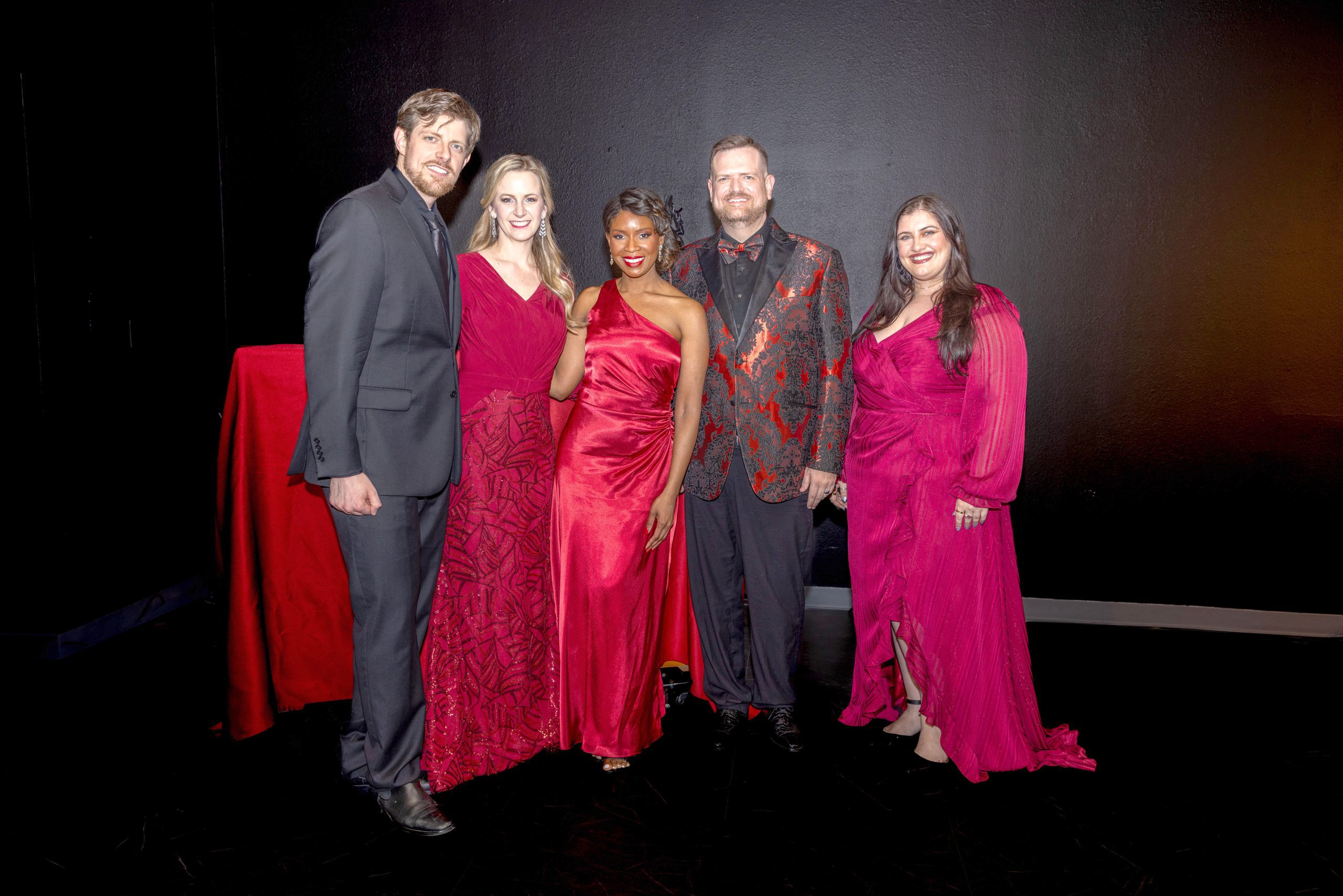
Sam Briggs, Lydia Gray, Stephanie Washington, Aaron Beck, Maddie Breedlove; "Voices After Dark" recital, Tulsa Opera
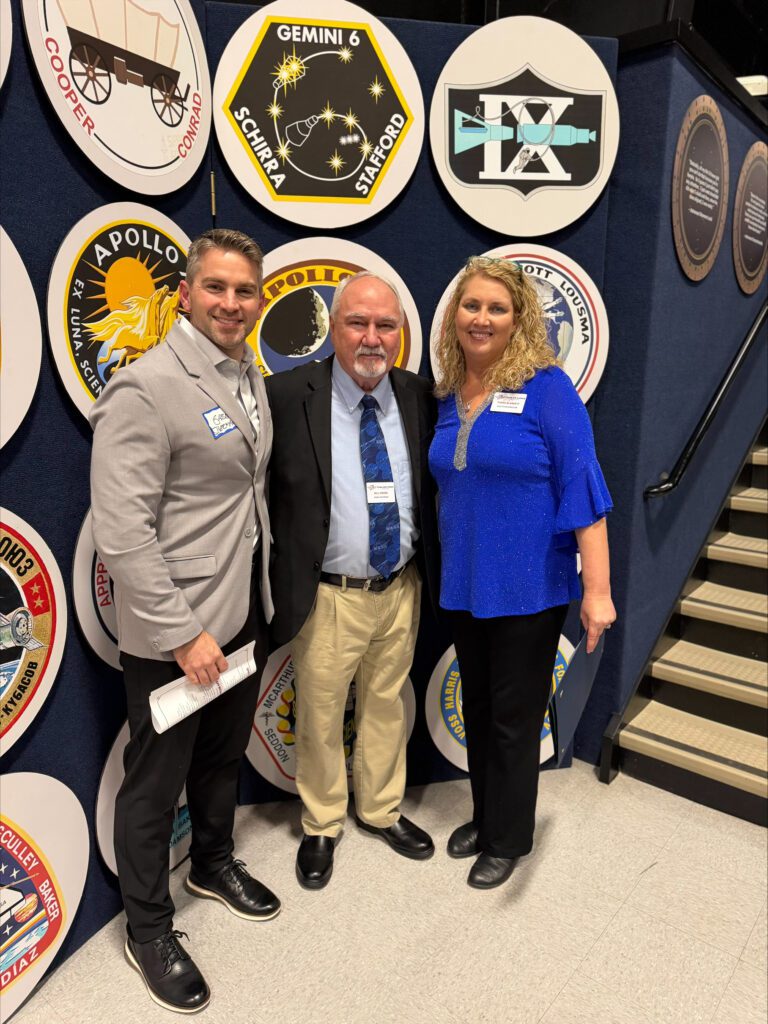
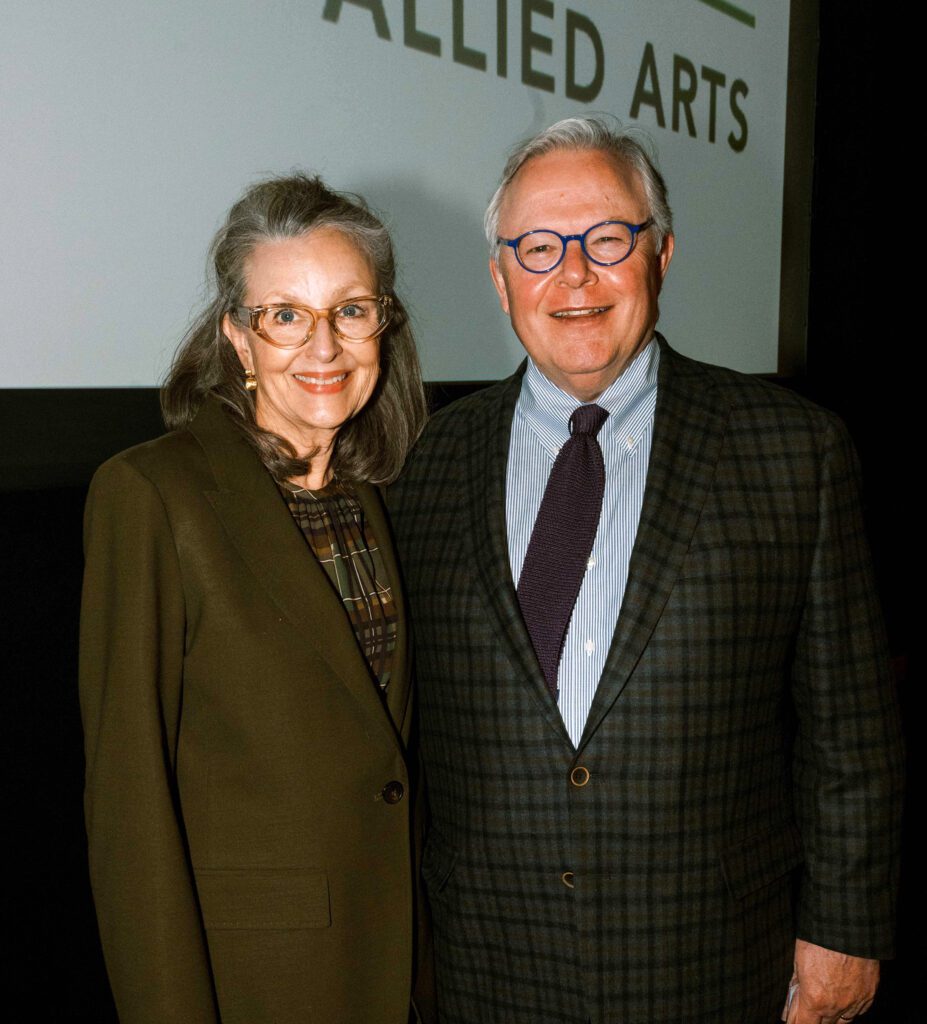
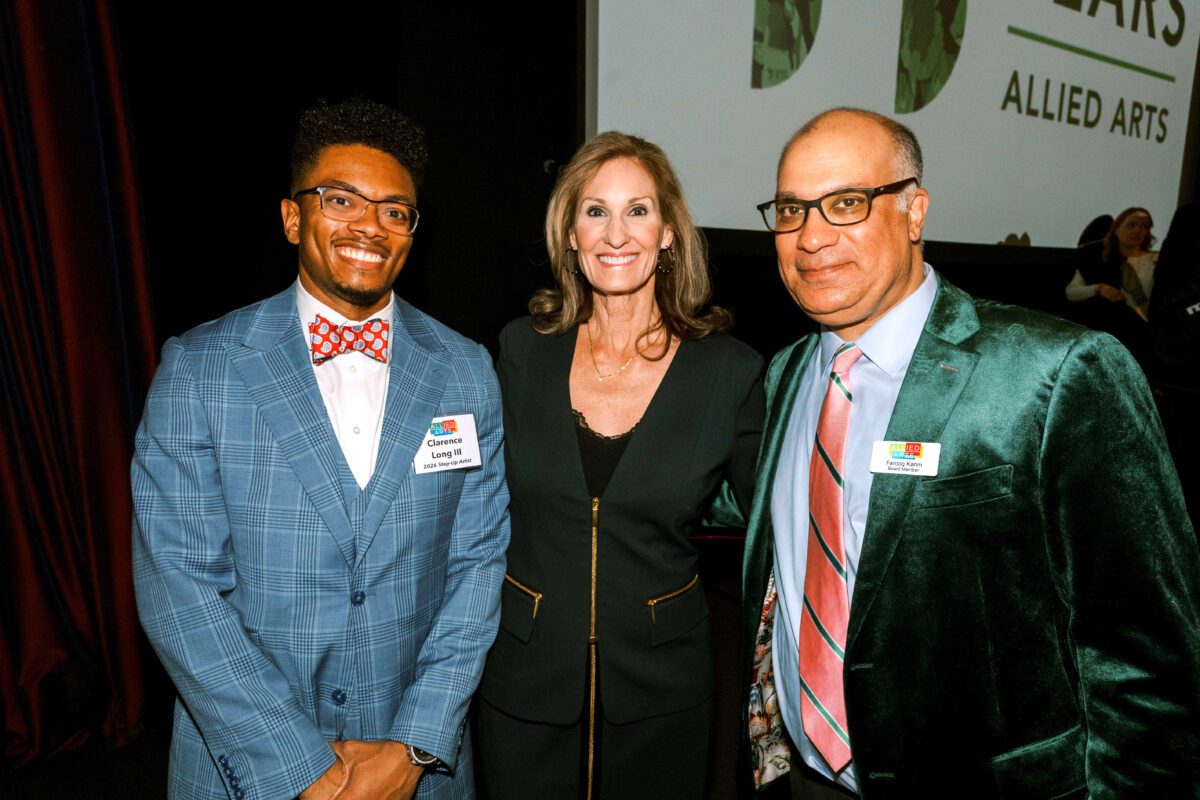
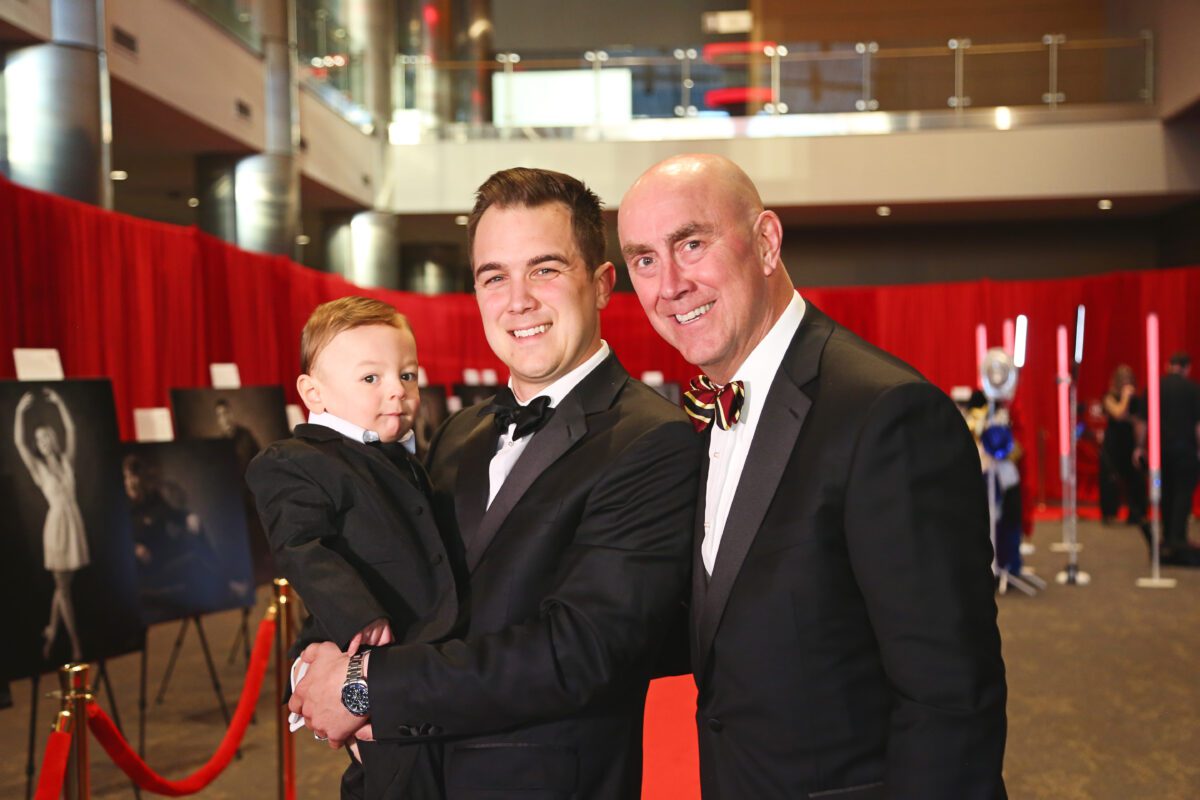
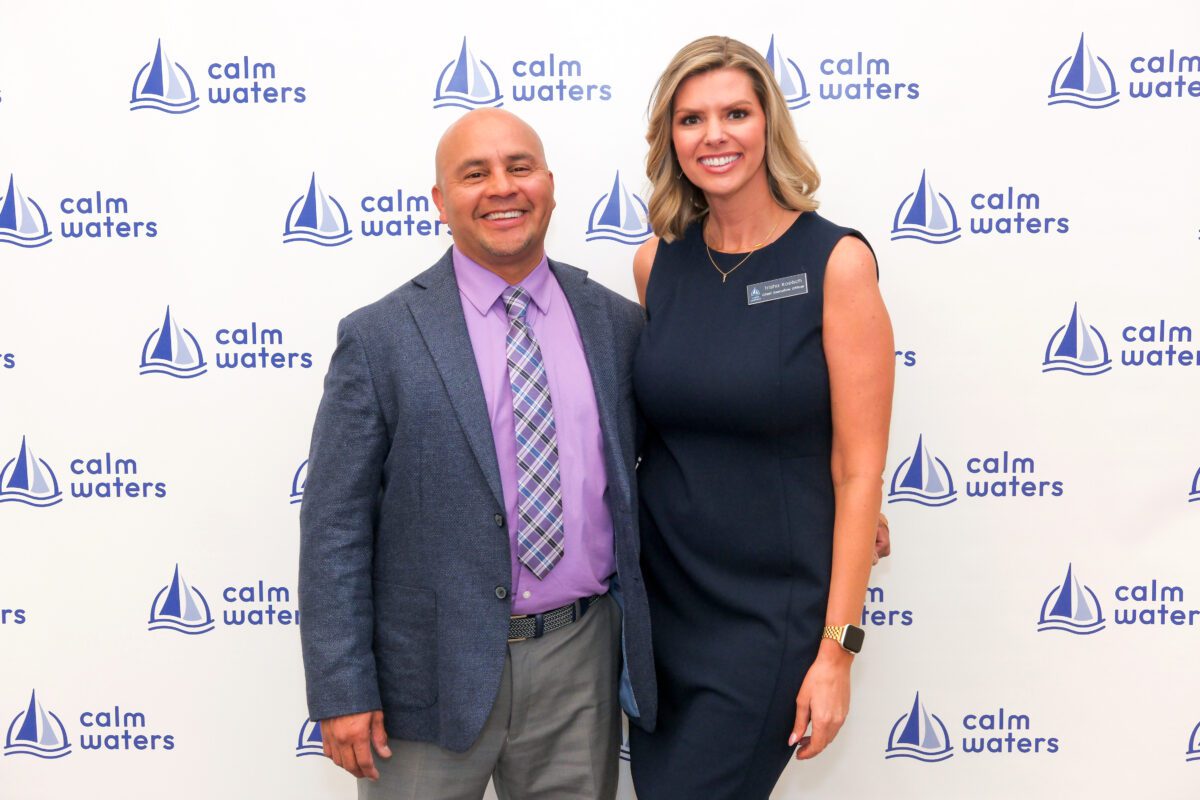
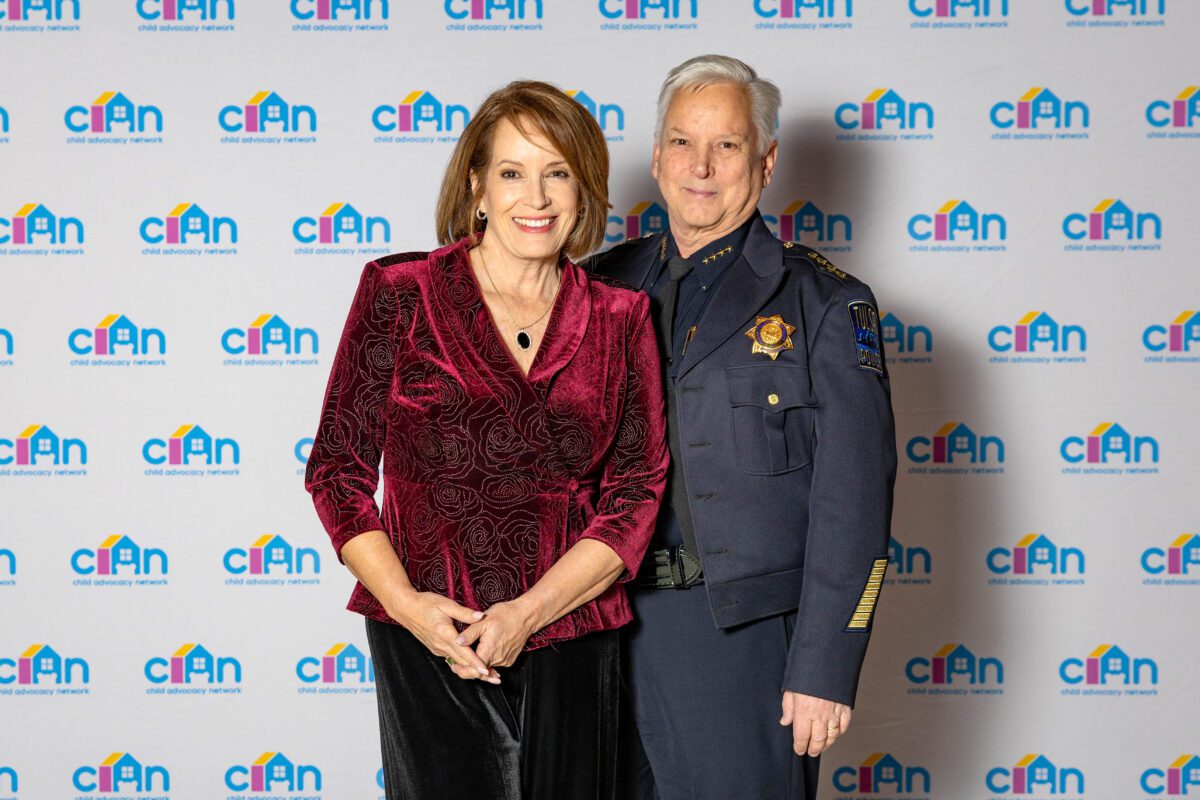
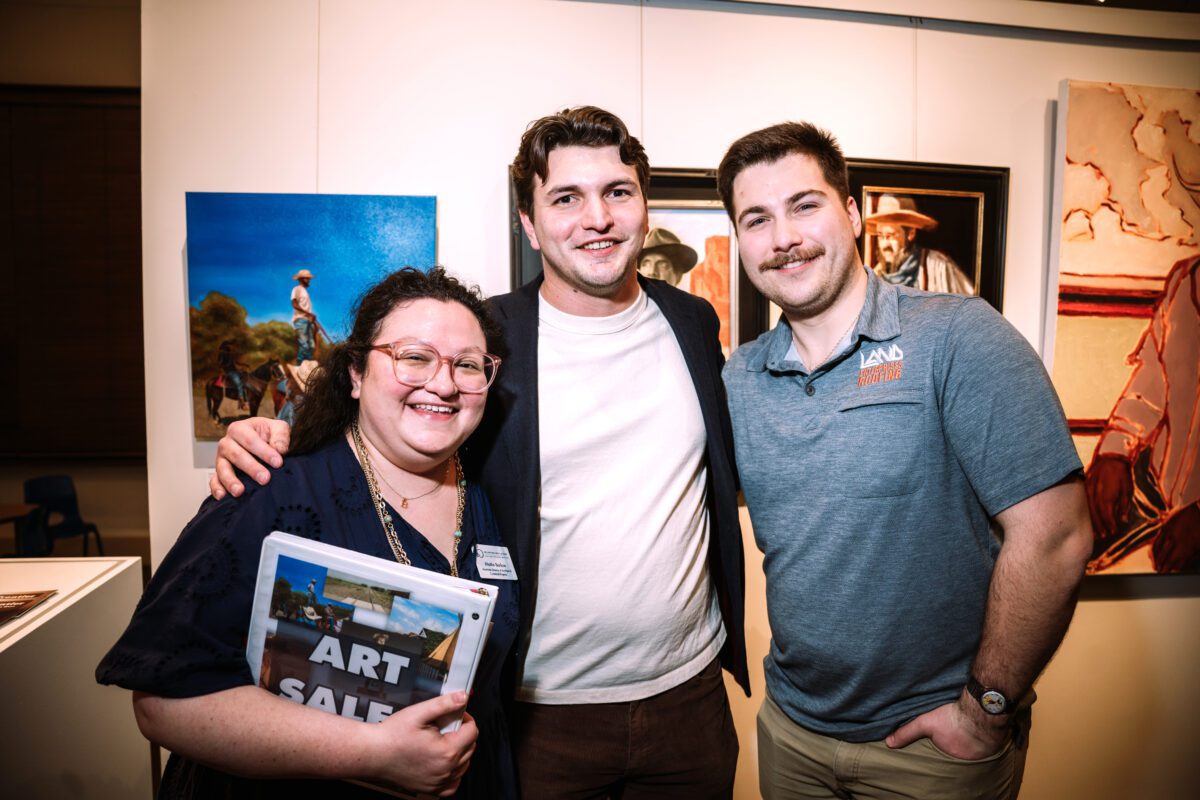
Gabe Sherman, Bill Moore, Tonya Blansett; “Beyond Boundaries: Tulsa and the Space Race” ribbon cutting. Tulsa Air and Space MuseumLeslie & Cliff Hudson; Kickoff Event, Allied Arts, OKCClarence Long III, Susan Davis Jordan, Farooq Karim; Kickoff Event, Allied Arts, OKC Parker, David & Jono Helmerich; Tulsa Heart Ball, American Heart AssociationEddie Rivera, Trisha Koelsch; Charlotte Lankard Giving Society Luncheon, Calm Waters Center for Children and Families, OKCKaren & Dennis Larsen; Candyball: The Love Boat, Child Advocacy Network, TulsaMattie Barlow, Marcus Leonard, JD Fedler; “Framing the Frontier” exhibit reception, Oklahoma Hall of Fame, OKCElizabeth Crossno, Mary Ann Williams, Loretta Haren, Kim Overgaard; Dinosaur Expedition experience sneak preview, OKC Zoo Bill Thomas, Anja Rogers, Bob Thomas; Collective Conference, Senior Star, TulsaReilly Dampeer, Tarah Green, Lynsey Davis; Tenacious Together, Tenaciously Teal, OKCRalph Weilding, Randolph Read, Matt Joseph, Gina Alusi; “Kaleidoscope” opening at WOMPA, Tulsa Artists CoalitionSam Briggs, Lydia Gray, Stephanie Washington, Aaron Beck, Maddie Breedlove; “Voices After Dark” recital, Tulsa Opera
Success in 2026 requires more than a polished résumé. It demands adaptability, vision, kindness and a genuine commitment to something larger than oneself. The professionals honored here understand that idea and live by it – climbing the ladder of success while helping others climb right alongside them.
Visionary, generous and relentlessly motivated, these leaders are molding Oklahoma’s future in real time.
Oklahoma Magazine presents the 40 Under 40 Class of 2026.
All photos courtesy the respective honoree/company
Logan Lewis, 32
Tulsa
Political Consultant & State Director of Government Relations, Cherokee Nation Businesses
Logan Lewis’ days are spent reviewing and analyzing policy and legislation “that could positively or negatively impact the Cherokee Nation and its businesses,” he says. “This role allows me to serve my tribe while collaborating with partners across Oklahoma to help make our state the best it can be through thoughtful engagement and strong, trusted relationships.” Collaborating with a vast range of people – from legislators to agency leaders, attorneys and department heads – is what Lewis most enjoys about his job. “The wide array of perspectives I encounter has enhanced my appreciation for relationships and has taught me to leave conversations with a better understanding of where others are coming from and what they’re advocating for.” As a new father, Lewis is especially proud to work on policies and initiatives that he “truly believes can make Oklahoma a better place to grow up and raise a family.” In his spare time, Lewis volunteers with Big Brothers Big Sisters, the Crosstown Learning Center and the Oklahoma Center for Nonprofits. After work, you’ll find him cycling with the group Team Topeca or “at home chasing babies around the house with my bride,” he says. “We love spending as much time together as possible outdoors as a family and making memories whenever and wherever we can.”
Tell us a fun tidbit about yourself.
Many of the opportunities I have had, the confidence I carry and the belief I have in myself stem from someone very special to me: my older sister. She has been a constant presence in my life and one of the strongest examples of leadership I have known.
Nash McQuarters, 37
Tulsa
New Student Orientation Coordinator, Tulsa Community College
At TCC, Nash McQuarters is often the first friendly face folks see as they start their college journey. “I serve approximately 3,000 new students each year,” he says. “I lead the planning and implementation of 18–20 summer orientation programs designed to help students feel confident, prepared and connected before their first semester begins.” He also develops programming that introduces students to academic expectations, financial aid processes, campus resources and other important components of collegiate life. “I enjoy the opportunity to help students recognize the value of higher education beyond just earning a degree. College teaches open-mindedness, resilience, problem-solving and the ability to navigate diverse perspectives.” McQuarters, who has helped with various orientation efforts since high school, has won a variety of awards for his innovative programming, but says his student staff is what makes him the proudest. “I get instant gratification when I receive compliments about them from other staff or guests,” he says. Outside work, McQuarters spends time volunteering in the performing arts, “whether it be on stage, backstage or going back to my high school to help with their productions,” he says. “I believe performing arts are important, fun and a great way to entertain, relieve stress or inspire change.”
Tell us a fun tidbit about yourself.
I was honored as the regional 2025 Outstanding Orientation, Transition and Retention professional through NODA.
Ana Garcia, 37
Oklahoma City
Nurse Practitioner, INTEGRIS Health
As a nurse practitioner, Ana Garcia’s job seems simple on paper: Provide comprehensive primary care. However, her role encompasses much more than that. “I love empowering my patients to make informed decisions by helping them navigate the complex healthcare system,” she says. Being that guide has a personal component for her. “As an adolescent, I was exposed to healthcare disparities in my community. I yearned to fill a void of Spanish speaking medical professionals in our state. Practicing medicine under the nursing model allows me to treat the patient as a whole, not as a number. I chose my profession in primary care to serve as a gateway to healthcare, and to help guide patients to proper preventative and specialty care,” she says. Outside work, Garcia has served in various leadership roles at the Association of Oklahoma Nurse Practitioners, including as its president, and is currently on the Board of Regents at Oklahoma City Community College, which she calls “one of her most rewarding experiences. It has been an absolute privilege to be part of this era of the college transformation.” You’ll often find Garcia after-hours managing one of her children’s soccer teams, playing tennis or finding creative ways to celebrate those around her.
If you won a ‘Superlative Award,’ it would be “Most likely to…”
Start a foundation to help other first generations access higher education.
Eric Atkinson, 39
Bixby
Chief Financial Officer, Oklahoma State University Medical Center Executive Director of Finance, Saint Francis Health System
At OSU Medical Center, Eric Atkinson sets and guides the overall financial direction of the institution – overseeing accuracy, compliance and efficiency across all financial functions. “I truly love working as part of a healthcare system,” he says. “While I am not involved in direct patient care, all aspects of my job impact the overall patient experience.” Atkinson, who is also the Executive Director of Finance with Saint Francis, has an MBA in accounting and is also a CPA. He says his profession chose him. “I was an undeclared major in college, completing my general education courses, when my accounting professor pulled me aside, told me I had a knack for accounting, and offered to be my advisor if I was interested in pursuing an accounting degree,” he says. “I was adamant I did not want to be a CPA.” However, with some strategic guidance and natural talent, Atkinson realized he was, in fact, on the right career path. “I’ve asked God to guide my steps at every turn, leading me to where I am.” Outside work, Atkinson sits on the board of Emergency Infant Services, and can often be found at his children’s sporting events or playing pickleball with his wife. The family also has a travel trailer and are “constantly finding new hiking adventures or spending weekends at Grand Lake.”
If you weren’t in your current profession, what would you be doing?
I would like to think I would be a coach. I truly enjoy seeing the people around me grow, and I love sports.
Evoto
Cortlyn Birdsell, 31
Tulsa
Licensed Interior Designer, Ethos Architects
Leaving spaces better than she found them is what Cortlyn Birdsell loves most about her job as an interior designer at Ethos. In fact, she knew she wanted to go down this career path by the age of ten. “I was into space planning and was constantly rearranging my bedroom furniture to see which way would function best,” she says. “In eighth grade, I set my goal to study interior design and intentionally shaped my academic path from that point on to focus on design-related coursework.” Today, Birdsell has contributed to more than 50 built projects across Oklahoma, “working on education, healthcare, corporate workplaces, nonprofit facilities, government projects and civic spaces,” involved throughout the design process from early planning to construction. Outside Ethos, Birdsell is involved with the International Interior Design Association Tulsa City Center Campus and was recognized as the IIDA Tulsa City Center Volunteer of the Year. She is active in her church alongside her husband, has three children, and homeschools her oldest part-time while maintaining a 30-hour work week. Additionally, Birdsell is “passionate about all things homesteading, gardening and sustainable living,” and raises goats and chickens. “I often incubate chickens myself and find stress relief in hands-on projects at home,” she says.
What’s the best advice you’ve ever received or given?
Just love. Love others. Love what you do. Love where you are. Show love in how you speak. And do so with intention.
Jarett Geissler, 28
Shawnee
People Experience and Engagement Resources Specialist, Tinker Federal Credit Union
Jarett Geissler’s job, he says, is about creating environments where people enjoy coming to work. As the People Experience and Engagement Resources Specialist at Tinker Federal, Geissler’s day-to-day work consists of “running a mentorship program, an initiative that disseminates our strategic plan across the organization, and being a liaison for several employee resource groups, among many other responsibilities. For me, it’s engaging and connecting with those I work with in a genuine way that makes it enjoyable to be there.” A people person by nature, Geissler says the most rewarding aspect of his job is making a real, tangible impact in peoples’ lives “that is bigger than just their 8-5 at work. It is so rewarding getting to facilitate conversations with those who both share and differ in opinions but can genuinely come together and care for each other in the workplace. These are conversations that can carry far beyond that moment, impacts that they carry with them in their lives, and I find that extremely rewarding.” Geissler spends his off-hours volunteering with the Homeless Alliance, the Special Olympics and the Down Syndrome Association of Central Oklahoma, all while working on his masters degree in Human Relations at OU. You will often find him at home with his partner and pets.
If you won a ‘Superlative Award,’ it would be “Most likely to…”
Have a Red Bull in hand.
Chris Ray, D.D.S., 35
Tulsa
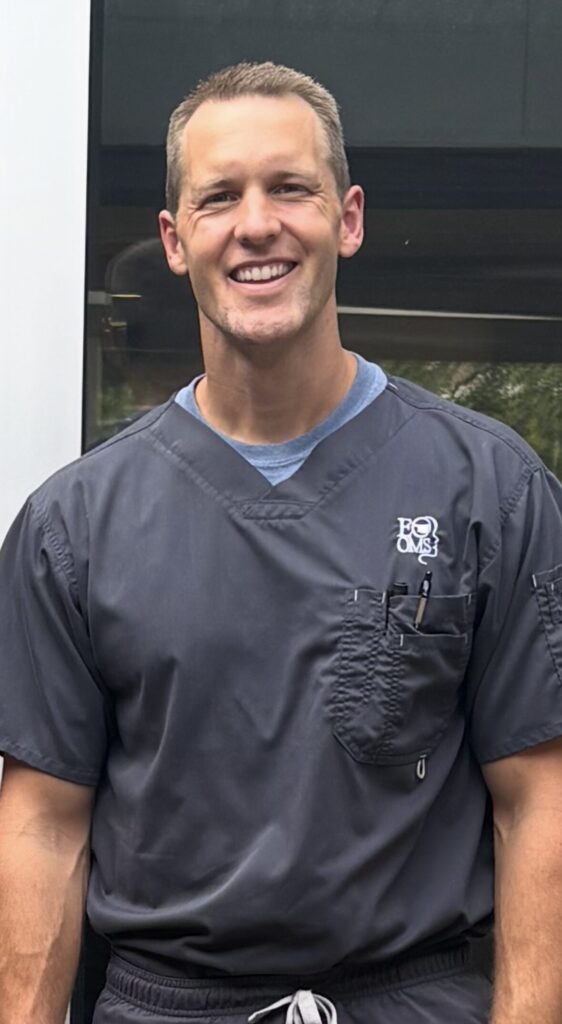
Oral and Maxillofacial Surgeon, Eastern Oklahoma Oral and Maxillofacial Surgery
Chris Ray says that since his father was a dentist, he garnered an interest in the profession early on. “During dental school, I was drawn to head and neck anatomy didactically and surgery clinically. This interest led to the pursuit of additional training through residency at Virginia Commonwealth University, where I learned the scope of practice in which I now participate,” he says. As an oral and maxillofacial surgeon, Ray’s days consist of the removal of wisdom teeth, the placement of dental implants, as well as reconstructive surgery. He says the best parts of his job revolve around his co-workers. “The five other surgeons in my partnership are phenomenal men, and it is a privilege to work with them. Our staff are wonderful, feeling more like family than coworkers.” Additionally, he says he’s proudest of the way he “gets to love, serve and provide for our staff and our patients with excellence.” The secret to Ray’s success, he believes, is resilience. “Failure is an inevitable part of life, and we are defined not by what happens to us, but what we do in response,” he says. Outside the office, Ray volunteers with various dental organizations and leads continuing education classes to providers in his field. You’ll most often find him “spending time with my wife and three kids, preferably outside.”
What’s something you hope to be known for 10 years from now?
Loving my wife and raising my kids to follow Jesus.
Parker Dooly, 34
Tulsa
Senior Vice President & Oklahoma Corporate Banking Director, BOK Financial
Leading BOK Financial’s Corporate Banking teams in Oklahoma, Parker Dooly helps to “build relationships with businesses across our footprint to deeply understand their goals and objectives, in order to deliver tailored and strategic financial solutions to help them meet and exceed those goals and objectives,” he says. “My role specifically includes developing and executing strategy within the market, leading and developing our team, helping to manage complex credit relationships, driving business development, and serving as a key advisor on the full suite of the bank’s solutions.” For Dooly, there’s a lot to love about the job. “First, I love the opportunity to be at an Oklahoma-based bank that is focused on helping Oklahoma-based businesses grow and succeed. Second, I enjoy the community focus that we have as bankers in this market,” he says. “Third, I love the variety of our work. Finally, I love the relational aspect of my job – I appreciate the opportunity to build deep and meaningful relationships.” Dooly volunteers with the YMCA of Greater OKC, the OKC Police Foundation, the Advisory Board for the JCPenney Leadership Program at OU’s Price College of Business and his church. Otherwise, you’ll find him “chasing around three young kids or tinkering on something around the house or in the woodshop.”
If you won a ‘Superlative Award,’ it would be “Most likely to…”
Bring calm to chaos.
Kaley Green Lehew, 29
Durant
Assistant General Manager, Choctaw Casino & Resort Durant
In her day-to-day at Choctaw Casino and Resort, Kaley Green Lehew oversees “resort marketing, entertainment, spa and retail operations. My role blends big-picture strategy with on-the-ground execution, from developing industry-leading promotions to creating experiences that drive visitation, revenue and brand growth.” Working at a major resort means that no two days ever really look the same. “One day I’m building a strategic plan, and the next hour I’m walking the resort preparing for a major event. I get to combine creativity with measurable impact, and there’s nothing better than seeing something go from an idea or even just a dream to reality.” Continuously drawn to environments where energy, hospitality and strategy intersect, Lewhew loves the challenges of “helping elevate my tribe and the Choctaw brand in a competitive space. It’s a profession where relationships, creativity and results all matter.” Outside the resort, Lehew’s passion for her tribe can be seen in her support of various initiatives that benefit the Nation, whether they’re local education programs or community development efforts. Lehew also enjoys spending time with her husband and family, decorating her home, traveling, hiking and exploring new cities.
What’s the best advice you’ve ever received?
“Focus on what you can control and make it excellent.” There will always be things outside of your control, but those aren’t the things that deserve your energy. That mindset has helped me stay steady in high-pressure environments.
Hayden M. Lewellen, 27
Oklahoma City
Forensic, Valuation and Litigation Support Senior Manager, HoganTaylor
Working at the intersection of finance, strategy and real-world decision making, Hayden Lewellen helps business owners, attorneys and executives make sense of complex financial situations. “My work focuses on business valuation, forensic accounting and litigation support—often in high-stakes moments like transactions, disputes or major strategic decisions. At its core, my job is to bring clarity and credibility to financial information when it matters most.” Answering intricate financial questions and helping his clients navigate uncertainty, Lewellen says that “being trusted in moments that truly matter” is what makes him proudest. “Clients often come to me when they’re facing uncertainty, conflict or major decisions that affect their livelihoods and families. Knowing that my work helps bring clarity, fairness and confidence to those situations is deeply meaningful.” Outside work, Lewellen volunteers with the Innovation Board for Children’s Health Foundation. He can often be found with his family or friends, “chasing my kids around, trying to improve my very average golf game, or checking out a local brewery. We like staying active, being outside, and exploring Oklahoma City as we go. Nothing fancy – just spending time with good people and enjoying where we live.”
If you won a ‘Superlative Award,’ it would be “Most likely to…”
Over-engineer an Excel spreadsheet.
Courtney Neal, 39
Glenpool
Private Banking Officer & Vice President, Mabrey Bank
When making plans for a future career, Courtney Neal says she was searching for a role “where I could provide an elevated level of customer service, with room to grow professionally. A family member suggested I explore lending. I started at Mabrey as an assistant with no banking knowledge, but from the moment I walked into the bank, I felt at home. Every day, I learn something new and am challenged.” Neal’s main responsibility is providing concierge banking services to high-net-worth individuals. “I love building relationships with our clients. It is a part of our culture at Mabrey and matches my personal philosophy. Every individual is different, and I love finding solutions to their financial needs.” Neal, set to graduate from the Oklahoma Bankers Association Emerging Leaders Academy this year, has a full plate outside work. “My four children have spent a combined 14 years playing youth sports, and I have been the official ‘team mom’ for the majority of them,” she says. She’s been sat on the boards for Glenpool Youth Baseball, Football and Cheer, and now sits on the Glenpool School Board of Education, and volunteers with the Demand Project and Invest in Girls. You’ll often find her in the backyard with her kids or planting in her flower beds.
What’s the ‘secret’ to your success?
Always fail forward. Every failure is an opportunity to learn, to grow and to move in a different direction.
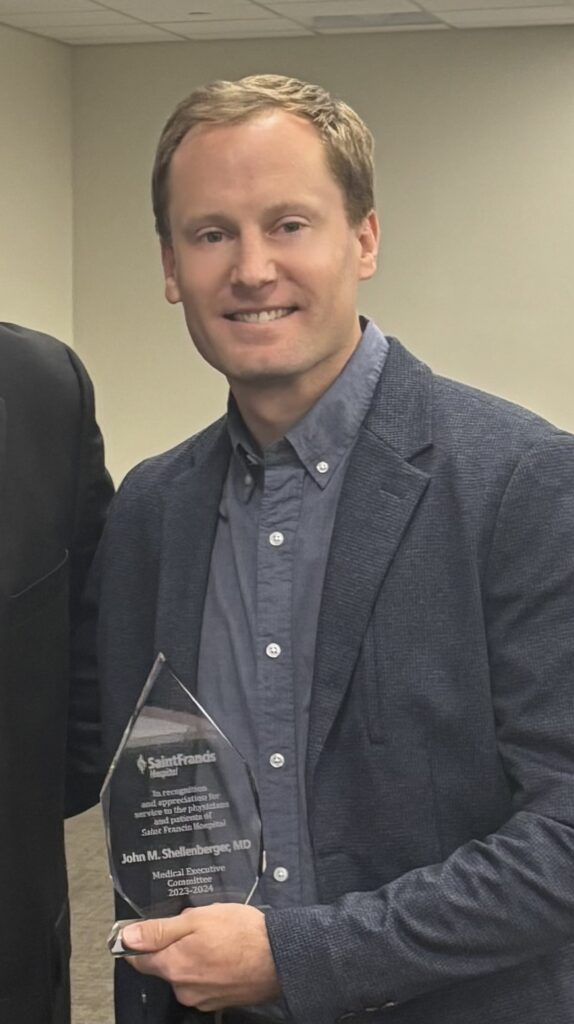
John Marc Shellenberger, M.D., F.A.C.S., 39
Tulsa
Trauma Surgeon & Associate Trauma Medical Director, Saint Francis Hospital
Teamwork and purpose are what surgeon John Marc Shellenberger loves most about his job. “Trauma care is fast-paced and high stakes, but it brings together prehospital providers, nurses, physicians, ancillary staff and many others to help patients on what is often the worst day of their lives. Being part of that coordinated effort is incredibly meaningful.” Day to day, Shellenberger takes care of “critically injured patients or patients requiring emergency surgery from the moment they arrive to the hospital through surgery, if needed, and post-operative care and recovery,” he says. “I also help lead trauma system quality improvement, research initiatives and education for prehospital providers, residents and hospital teams across Oklahoma.” Helping to improve the trauma care systems in which he works is a major priority for Shellenberger, “whether through education, research or protocol development – because those improvements help far more patients than any single operation ever could.” Outside work, Shellenberger volunteers with a variety of groups focusing on EMS education and improving access to high-quality trauma care. He can often be found with his children or mountain biking. “The endurance, focus and occasional crashes have surprising parallels to trauma surgery – although I try not to combine the two,” he says.
What are you looking forward to?
Continuing to improve trauma care access, mentoring younger clinicians and seeing how evolving technology and research transform patient outcomes.
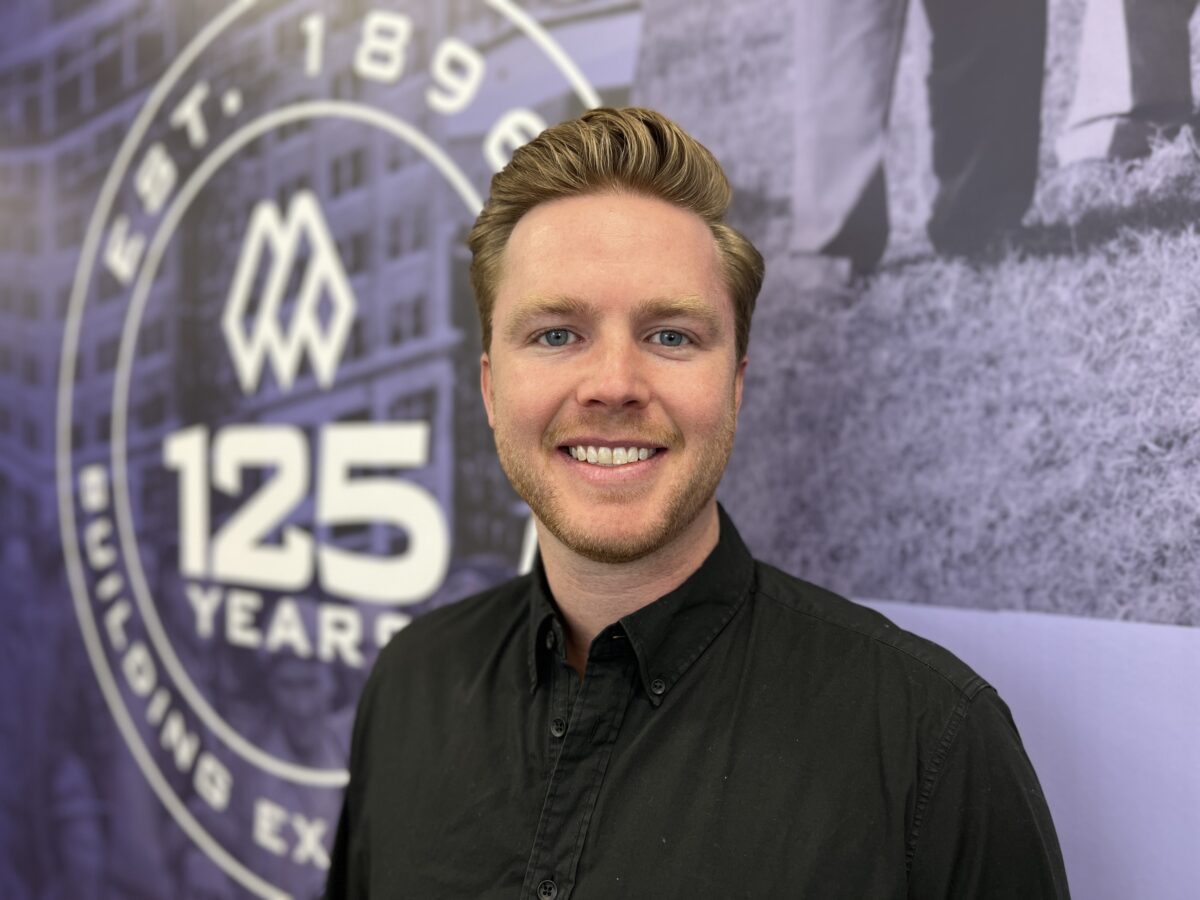
Coleman Fite, 34
Tulsa
Project Manager, Manhattan Construction Company
As a construction project manager who is currently leading delivery of a hyperscale data center, Coleman Fite says that it’s “rewarding to build something that will serve millions of people. Projects like this are transforming Oklahoma into a key hub for advanced technology and infrastructure, and it’s exciting to contribute to our region in this way.” Fite is onsite – responsible for planning, budgeting and safely executing complicated construction work. “The projects are exciting and complex, but it’s the people I get to work alongside every day that make the job rewarding,” he says. “Construction is a team effort, and I’m fortunate to be surrounded by experts in various fields who take pride in what we build together.” A person who’s “always been curious about how things go together and how they work,” construction was a perfect fit for Fite. “I don’t think I would change my profession for anything,” he says. “However, if I was unable to perform my current role, I would live in the mountains and teach snowboarding during the day and groom the ski slopes at night.” Fite, an avid golfer, also leads Manhattan’s charity goal tournament benefitting the Tulsa Area United Way. Outside work, Fite can be found with his wife and two children, “spending time in the backyard or on the boat at the lake.”
Tell us a fun tidbit about yourself.
I kayaked to work for a year. During my early career, I lived on a houseboat in downtown Seattle. At that time, I was building the Seattle Opera, which was at the opposite end of the lake from the houseboat.
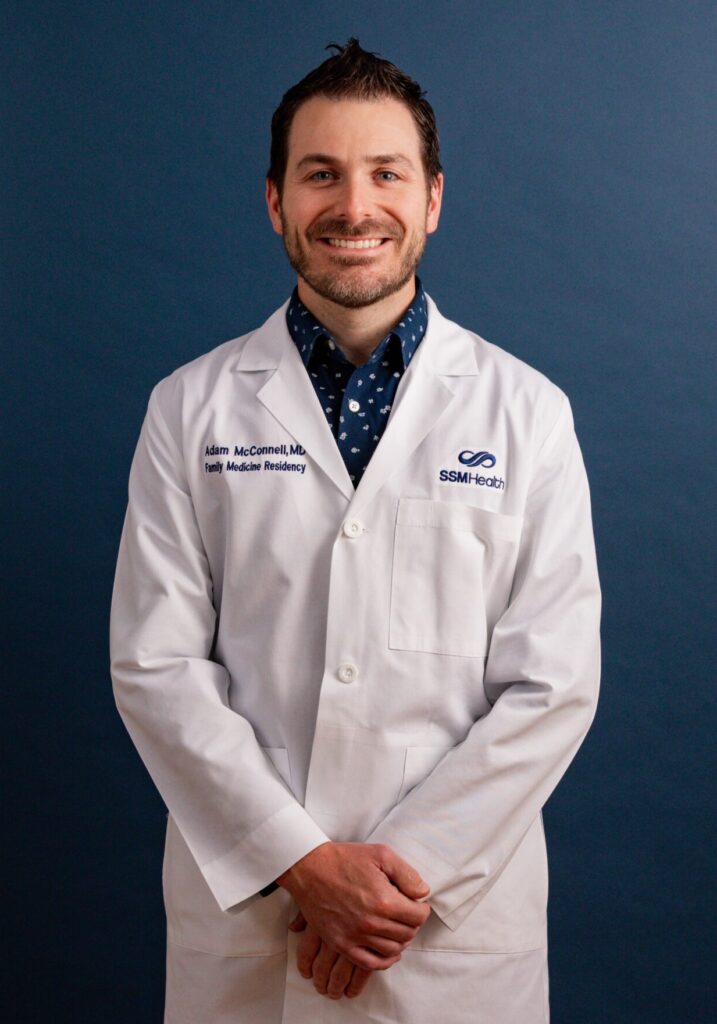
Adam McConnell, M.D., 39
Oklahoma City
Medical Director, SSM Health Family Medicine Residency
At work, Adam McConnell “wears many hats across clinical care, education and leadership,” he says. He is a family medicine clinician, as well as a faculty member/mentor in the family medicine residency program, and the medical director of a clinic with 27 residents and 10 faculty members. “What I love most about my job is caring for our patients, especially those who are underserved.” A rewarding profession by nature, McConnell says one facet that makes him the proudest is “seeing my patients make lifestyle changes that improve – and sometimes even reverse – chronic disease. Watching patients take ownership of their health and seeing the impact of their hard work is incredibly rewarding.” McConnell, who also has his MBA in hospital administration, began volunteering in high school at free clinics and continues today. He also serves as an attending physician for CHAP Clinic, “a student-run diagnose-and-treat clinic providing foot care and dermatologic services at an emergency shelter for individuals experiencing homelessness,” and is a board member for the Oklahoma County Medical Society. In his off-time, you’ll find McConnell riding bikes with his kids, running or homebrewing as a member of the Red Earth Brewers Club.
What are you looking forward to?
The Thunder championship repeat!
Maria Sandoval, 35
Tulsa
Operations and Community Outreach Coordinator, Tulsa Higher Education Consortium
An educator who has moved into operations and community outreach, Maria Sandoval tackles a lot in her day-to-day – from financial reporting to event planning, attending outreach events and running social media and communications. “I love how impactful our organization is in removing barriers for students to navigate the higher education system, as well as connecting our higher education members to each other and aiding in collaborations that ultimately lead to student success here in Tulsa,” she says. “Helping with daily operations of the THEC really fills that part of me, that desires real systemic change and impact.” Sandoval chose to be an educator because of that desire – and because she believes that “education is a key to upward mobility and improves quality of life. I also believe that instilling and nurturing curiosity and a love of learning is what makes a person able to think critically and be innovative.” What makes Sandoval proudest is her team. “I work with some of the most exceptional, determined, hard working people who are aligned with our mission towards student success.” Outside work, Sandoval enjoys spending time with friends and family and also facilitates a baby book club at a local elementary school.
Tell us a fun tidbit about yourself.
I am an aspiring poet/writer. I have submitted my first poem in a creative writing contest through Tulsa City-County Library.
Hunter Erwin, 29
Bixby
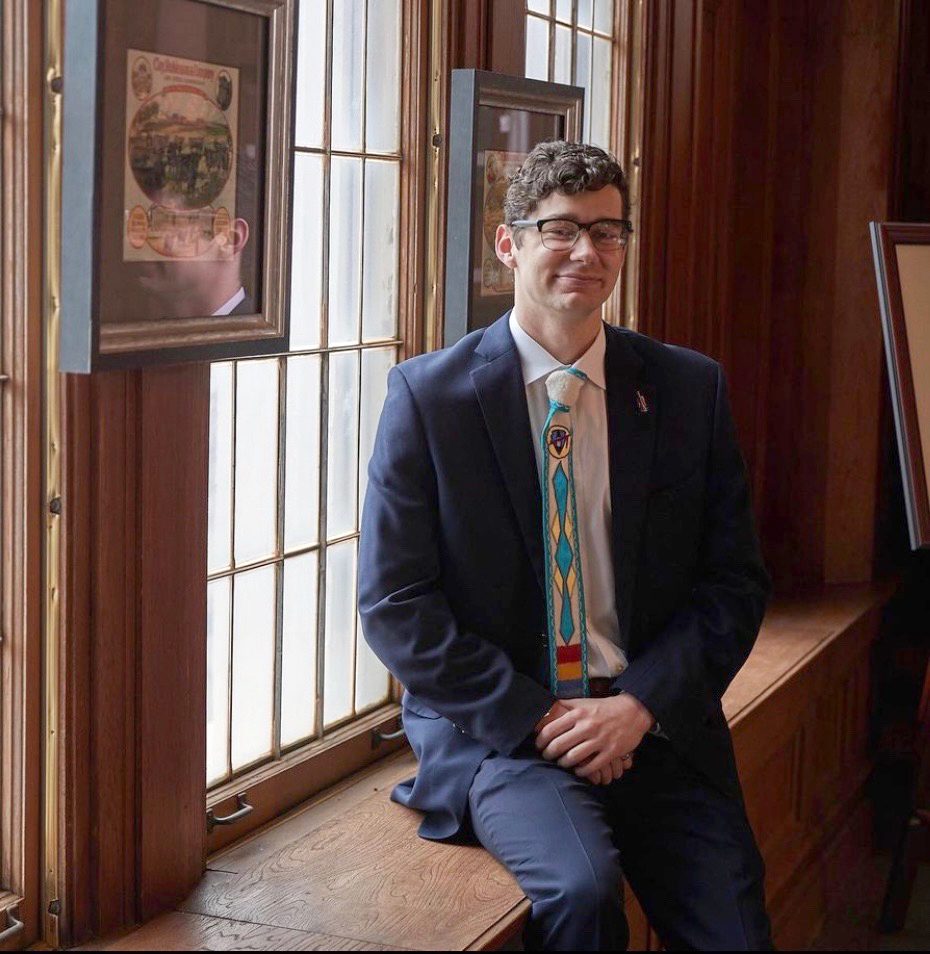
Government Relations Manager, Muscogee (Creek) Nation
Leading government affairs and intergovernmental engagement for the Muscogee Creek Nation, Hunter Erwin handles everything from “legislative and policy tracking to relationship building with external partners and coordinating an advocacy strategy that advances the priorities of the Nation for the betterment of MCN citizens.” At the core of Erwin’s mission is that last bit: making life better for others. “Good advocacy work can translate directly into quality-of-life enhancements and improve outcomes for communities,” he says. “This is why I love the strategic nature of the work and the ability to engage meaningfully with policy, decisionmakers and community stakeholders.” In his spare time, Erwin volunteers with Scouting America. “My time with them has helped shad an ethos for community improvement, volunteerism and leadership development,” he says. An accomplished artist, you’ll often find Erwin in his studio when he’s not working, volunteering or spending time with his wife. “While I primarily do leatherworking – think bags, small goods, professional folios – I often find myself bouncing between it, mixed media pieces and the occasional woodworking project as I prepare for my next art show or market.”
Tell us a fun tidbit about yourself.
Every day I get to come home to three Corgi mixes that keep my and my wife’s hands full.
Feather Smith, 36
Tahlequah
Ethnobiology Manager, Cherokee Nation
Feather Smith has a job you may not know much about: she’s the manager of the Ethnobiology Department within the Cherokee Nation Natural Resources Office. Ethnobiology, she explains, “is the study of how people interact with their environment. The department oversees the Cherokee Nation Heirloom Garden and Native Plant Site and manages the Cherokee Nation Seed Bank. These programs work together to safeguard heirloom crops and native plants with deep cultural, nutritional and medicinal importance to the Cherokee people.” Smith’s favorite part of the job? Serving her tribe while having a hand in “preserving and promoting Cherokee history and culture.” As a child, Smith loved the outdoors and animals and assumed she’d go into zoology. After attending NSU, she found an interest in fish and wildlife biology, and later applied for a job as a cultural biologist at the Cherokee Nation and began her focus on plants – with excellent mentors guiding the way. “Pat Gwin began this program in 2005 and also hired me for the role I hold now. Pat often says without the Cherokee, there would be no Cherokee plants, but without those Cherokee plants, there would be no Cherokees.” Smith sits on the board of the American Indian Resource Center and also enjoys basket weaving, twining and making moccasins, occasionally teaching others the art forms.
What’s something you hope to be known for 10 years from now?
I hope to be known as a person keeper of traditional knowledge, especially in regards to arts and plants.
Phillip Gunderson, 35
The Village
Project Manager, Flintco
Playing with LEGOs as a child was Phillip Gunderson’s introduction into his future career as a project manager with Flintco. “As a kid I always wanted to build and design, so I went to Oklahoma State with the dream of receiving an architectural design degree,” he says, although he realized quickly that he wanted a more boots-on-the-ground position. When he found out there was a degree in construction management, his career was set. His day-to-day consists of working with his team to ensure each project is built safely, on time, within the allocated budget and to a high-quality standard. “What I love most about my job is being able to build really cool projects that have a positive impact on the people, cities and communities that we build them for,” he says. One of Gunderson’s most cherished accomplishments at Flintco was teaming up with the nonprofit Fika to build a bridge in Rwanda, Africa. “To put into words what that trip meant to me is hard to describe. I gained such appreciation and love for not only my team members that went on the trip with me, but for the community that we worked with to build the bridge.” Outside the office, Gunderson volunteers with Habitat for Humanity, Goodwill, Allied Arts and the United Way. Otherwise, you’ll often find him “spending time with my girls” – his wife and two daughters.
What’s the ‘secret’ to your success?
Honesty, hard work and a willingness to always learn and help others.
Allie Guthridge, 36
Tulsa
Architectural Design Technician & Studio Leader, JCJ Architecture
At JCJ Architecture, Allie Guthridge designs and coordinates spaces that are functional, safe and aesthetically pleasing “to meet the needs of the client and facilitate their intent with engineers and contractors,” she says. Overseeing projects from concept to construction, Guthridge loves “witnessing and taking part in the realization of a client’s vision and working with professionals across all disciplines to hammer out the details,” she says. “As a studio leader, my reward is seeing those around me excel and meet their personal and professional goals.” Growing up with an architect father, Guthridge learned early both the challenges and rewards of her profession. “Over time, my passion has only grown stronger, and I cannot imagine pursuing a path that offers the same combination of continuous challenge and personal fulfillment.” Guthridge says her weeknights are “reserved for dog walks along riverside, meal prepping and winding down. And if not, you can find me at the local trivia spots with friends, flexing random knowledge. Weekends I am in the garden and spending as much time outdoors as possible, taking road trips and spending time with family.” Guthridge also enjoys leisurely drives to Colorado, and is looking forward to the “completion of our Colorado mountain cabin – fingers crossed for winter 2026!”
Tell us a fun tidbit about yourself.
I am a competitive board game enthusiast and have a bad habit of turning game night into serious business.
Zak Walbergh, 36
McLoud
Senior Project Manager, Manhattan Construction Company
Directly overseeing and managing an array of commercial construction projects, Zak Walbergh’s responsibilities range from field operations to finances, design, project ownership coordination and relationship management. “It’s an honor to lead teams through complex projects with tight schedule timelines,” he says. “A unique perspective of construction is the physical representation of your work. Through the construction process, you can see the structure and site come to life. Additionally, it provides a time stamp in your carrier you can always revisit.” A Marine veteran, Walbergh says that the construction industry allowed the best fit for him when transitioning out of the military. “There is a ton of translatability between the military and the construction industry: punctuality, discipline and resilience are fruitful skill sets.” Outside the office, Walbergh volunteers his time with organizations that support transitioning combat veterans like himself. “I genuinely believe in providing structure, support, mentorship and guidance for service members adapting to life outside of the military,” he says. Otherwise, you’ll find Walbergh with his family, participating in martial arts, weight lifting, fishing, hunting and boating.
If you won a ‘Superlative Award,’ it would be “Most likely to…”
Become a forerunner in veteran transition.
Trent Riley, 36
Oklahoma City
Executive Director, Oklahoma Contemporary Arts Center
At Oklahoma Contemporary Arts Center, Trent Riley handles a lot of day-to-day logistics. “I lead the organization’s artistic vision, financial sustainability, community partnerships and team culture,” he says. “My role involves working closely with artists, staff, board members, donors and community leaders to ensure the arts center delivers meaningful, accessible contemporary art experiences.” At the core of his mission, however, is “creating opportunities for people to encounter art in ways that surprise, challenge and inspire them. Seeing students, families and first-time visitors connect with art is incredibly rewarding.” Creating those opportunities also means working on accessibility – and Riley says he’s most proud of “expanding access to the arts through free admission, educational outreach and ambitious exhibitions that position Oklahoma on a national stage.” In his off-hours, Riley serves as a board member for the Oklahoma Arts Institute Foundation and Upward Transitions, which works to prevent and end homelessness in Oklahoma City. “This work has deepened my perspective, strengthened my sense of responsibility and continually reminds me of the resilience and dignity of the people these organizations serve.” Riley enjoys running, spending time with his family and cheering on the OKC Thunder.
What’s the best advice you’ve ever received?
Check your ego at the door and focus on the mission.
Caleb Lundry, 35
Arcadia
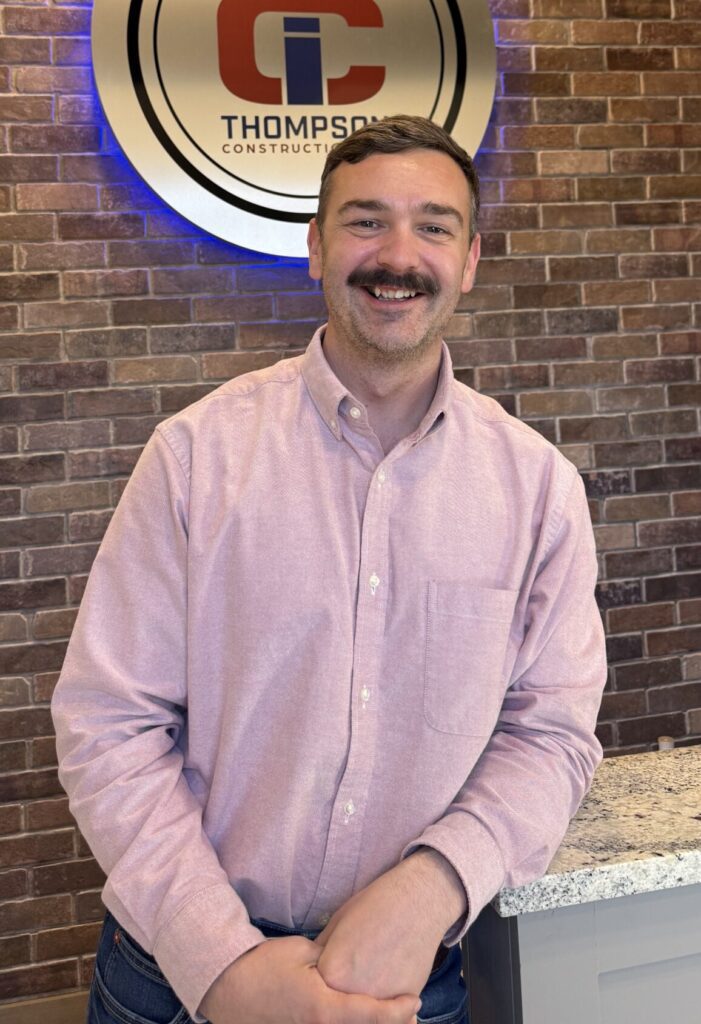
Oklahoma City Division Manager, Thompson Construction
During a transformative college internship, Caleb Lundry knew he had found his future career. “I had the opportunity to intern in the construction field, working hands-on in roles ranging from concrete placement to equipment operation and utility installation,” he says. “Seeing how each component contributes to a larger, functioning system drew me in. The ability to build something impactful is what solidified my decision to pursue construction as my profession.” Now, he serves as the Division Manager at Thompson Construction, leading business development efforts and actively pursuing new project opportunities in the local market. “I manage and support project teams through pre-construction and construction while focusing on the growth and development of the office.” What Lundry enjoys most about his job is both his ability to help others and the variety in his day-to-day. “That constant change keeps work engaging and pushes me to learn and grow,” he says. In his spare time, you’ll find Lundry volunteering for causes “centered around community growth and creating opportunities for others,” as well as reading and “driving down the road with my wife and daughter in our ’93 Oldsmobile Cutlass Supreme.”
If you won a ‘Superlative Award,’ it would be “Most likely to…”
Obtain a speeding ticket for driving too slow.
Bryce Callies, 37
Midwest City
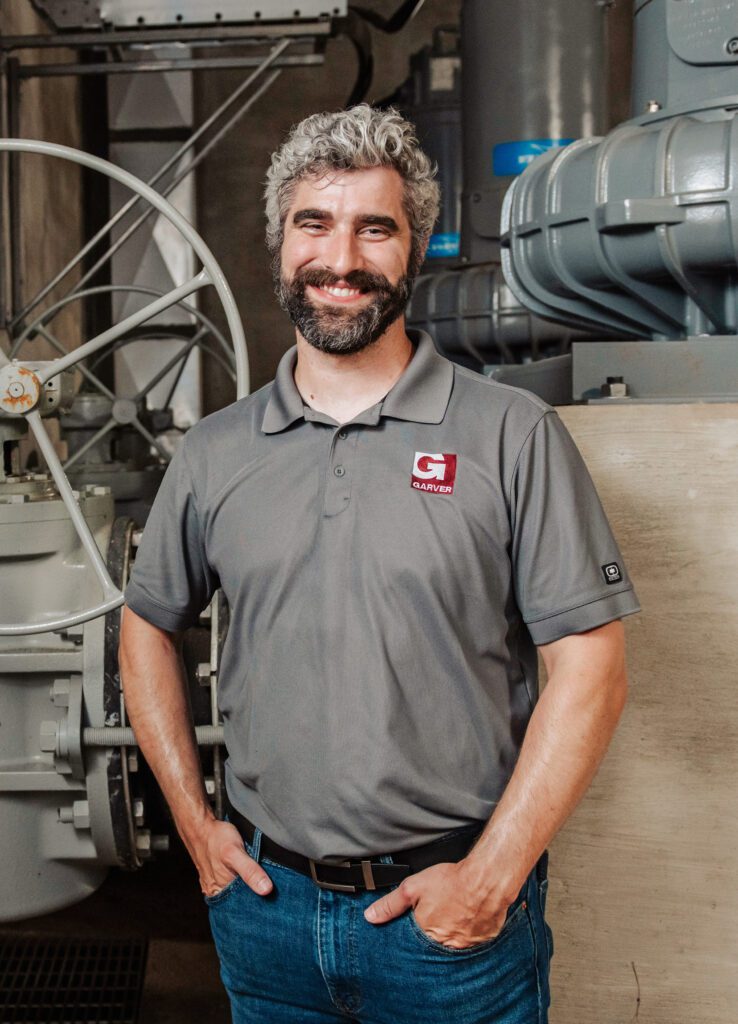
Oklahoma Water Resources Team Leader, Garver
“Clean water is essential to a thriving community,” says Bryce Callies. “It’s a health and environmental necessity, and I believe we have a duty to be a steward of our planet and its people.” Callies lives out this duty every day at Garver as a Water Resources Team Lead. “I am tasked with leading groundwater, water supply, stormwater, water treatment and linear projects for public entities across Oklahoma. I lead a team of five water engineering experts, coordinating with teams across the country on a portfolio that now exceeds $15 million,” he says. He also chairs the Government Relations Committee for the Oklahoma Water Environment Association (OWEA) and the Water and Environment Committee for the Oklahoma Chapter of the American Council of Civil Engineering Companies (ACEC). What he loves most about his job is the “problem-solving behind it all and the creativity in working to find solutions for Oklahoma’s infrastructure challenges. Sometimes that creativity even leads to stronger solutions than originally planned, which is incredibly gratifying.” Outside work, Callies volunteers at local clean-up events through OWEA and ACEC, enjoys karaoke and can often be found with his family in the great outdoors.
What’s your favorite stress reliever?
The best stress relief is checking off the task that’s giving the stress!
Matthew Moore, 38
Tulsa
National TV Host, The Money Block on BizTV Network/Moore Media
As an unconventional and hands-on learner, Matthew Moore found a career pathway that suited his unique skillset – and he’s now helping people around the nation learn about an important topic. “I host and produce The Money Block, a weekly TV show syndicated to 82 cities across the U.S. on BizTV Network,” he says. “It focuses on the latest ideas and developments in Bitcoin, helping newcomers navigate and prepare for a future shaped by digital assets. I love creating high-quality education and entertainment for people new to digital assets, helping them navigate a space that’s transforming the global economy. It’s also an honor to share the platform with legends like Dave Ramsey, Tim Draper and Bob “Sully” Sullivan.” While educating others on financial topics is his passion, Moore’s proudest accomplishment to date is helping draft some of Oklahoma’s first pro-cryptocurrency legislation in 2019 and “playing a key role in passing two pro-Bitcoin bills in 2024, making Oklahoma the first state to codify rights to transact, self-custody and mine Bitcoin.” Outside work, Moore has served as the president of the Tulsa Christian Businessmen since 2021, is a published author, and enjoys spending time at the gym and with his friends and family.
What’s something you hope to be known for 10 years from now?
Being a true catalyst for cultural and monetary change across the United States.
Carson Ball, 27
Tulsa
Self Governance Manager, Muscogee (Creek) Nation
Within his work at the Muscogee (Creek) Nation, Carson Ball “oversees the administration of federal and tribal programs under the nation’s self-governance compact and federal funding agreements,” he says. “I coordinate between tribal leadership, federal agencies and program staff to ensure compliance, funding management and successful delivery of services to our community.” What Ball enjoys most about his job is its immediate impact. “I love that my work directly supports tribal sovereignty and strengthens the Muscogee (Creek) Nation’s ability to govern themselves,” he shares. “Supporting tribal programs to enhance operational effectiveness and witnessing the positive impact on the tribal citizens and surrounding communities makes the work meaningful and rewarding.” Ball, a Fullbright scholar with a master’s degree in political science from the University of British Columbia, is also a filmmaker with a “deep passion for storytelling, driven by a love for bringing powerful, meaningful stories to life through the art of cinema.” Outside work, you’ll find Ball volunteering for independent film projects, at the movie theater, in a vinyl store or participating in his hidden passion: cooking.
Why did you choose your profession?
I chose this profession because I am passionate about tribal self-determination and empowering Tribal Nations to exercise their inherent rights.
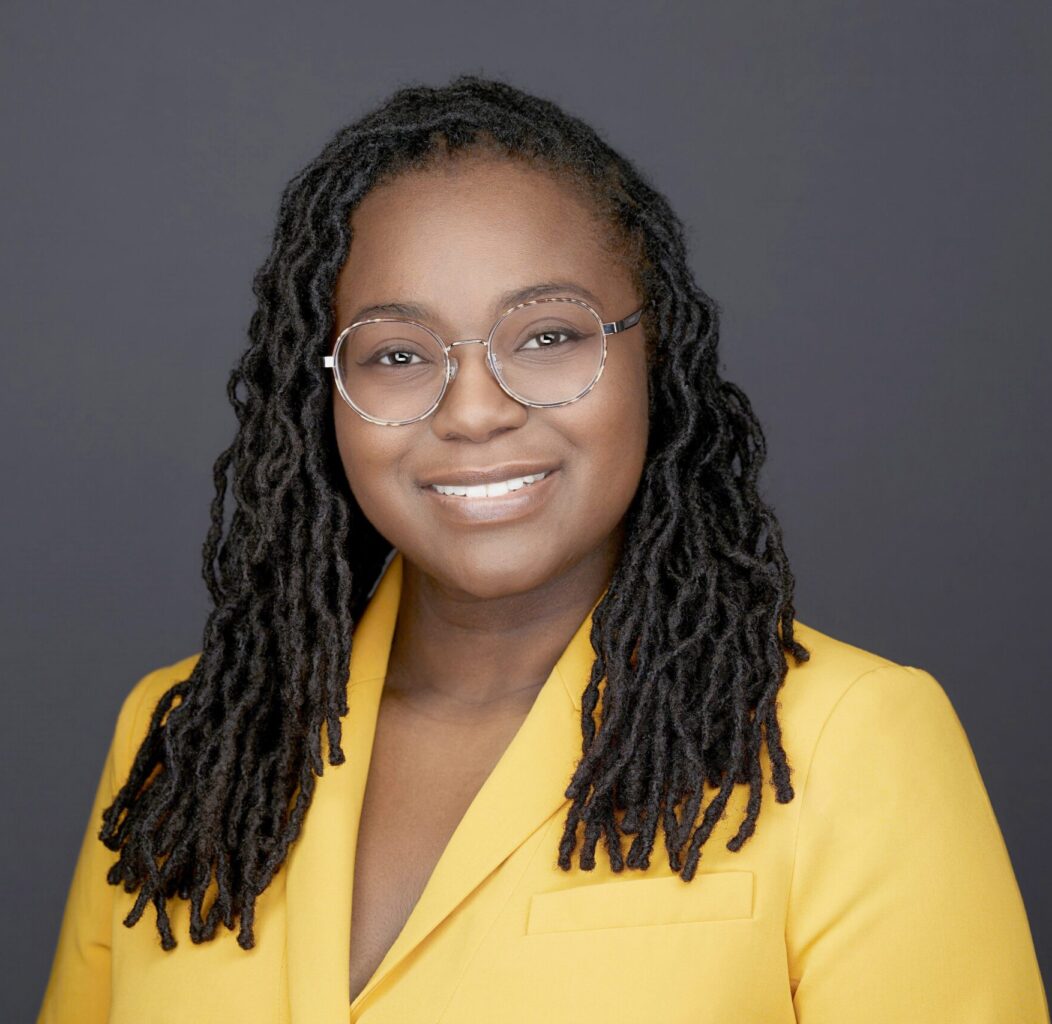
Janel Pasley, DHSc, 37
Tulsa
Program Officer, Health Equity Initiative, Ascension St. John; Founder, For LITE Solutions
Janel Pasley, DHSc, says her career has been shaped by one consistent through line: building systems and relationships that allow communities to thrive, particularly where health, equity and opportunity meet. In her role with Ascension St. John, she “designs and stewards programs and investments that address the conditions making people sick long before they reach a hospital,” she says. “Alongside that, I founded For LITE Solutions, a collaborative consultancy supporting social impact leaders through capacity building, strategic planning and leadership development.” What she loves most about her work is “being trusted inside other people’s visions.” Pasley says the health equity route wasn’t something she chose – she simply recognized the need for advocacy early. “Long before I had language for it, I was paying attention to why some communities carried more burden than others, why brilliance in certain zip codes went unseen and under-resourced,” she says. “My love for science gave me permission to be relentlessly curious about those questions. It also gave me the discipline to follow them somewhere honest.” Outside the office, Pasley volunteers with the Social Determinants of Health Committee, Gaining Ground, Saint Simeon’s Senior Community and the Metriarch Steering Committee. She also enjoys writing and photography.
What is the best advice you have ever received?
The best advice I ever received came from a leader inside my dissertation research. She said it plainly: it is your job to bring your sister in front of you, not just beside you.
Kathryn Holloway, 35
Owasso
Registered Interior Designer & Senior Associate and Director –Landlord, Inventure
As a commercial interior designer, Kathryn Holloway balances many responsibilities – project management, consultant coordination, client management and team collaboration, to name a few. “I love the business development aspect and building client relationships,” she says. “Interfacing with people is such a big part of the job. It is always fulfilling being able to build trust with our clients and industry partners, with the goal of being recommended to others.” What makes her the proudest about her job is securing those repeat clients. “It makes a lasting impact when you invest in other people and they turn around and do the same for you,” she says. “Every project that walks in the door is a new opportunity to develop a relationship that can carry forward beyond the profession.” Outside the office, Holloway can be found volunteering within her church and at Care Portal, or spending time with her husband and children. “In the spring through the summer months you can find us outside enjoying time in the garden,” she says. “We enjoy educating our children in the process of growing food in our own backyard.” She also enjoys creating anything homemade – “whether it is baking with sourdough, making our own version of Gatorade, cough syrup, all the way down to lotion and deodorant!”
If you weren’t in your current profession, what would you be doing?
I would be a stay at home mom. I can never get enough time with my kids! I have two young children and one on the way, and I treasure the time and investment it takes to be a parent.
Kristan El-Khaled, 37
Yukon
Vice President & Trust Officer, Arvest Bank
Trust officer Kristan El-Khaled is responsible for “safeguarding trust assets and ensuring they are managed according to the terms of the trust document, while following current state and federal laws,” she says. “I love building relationships with my clients and future generations and helping them ensure their legacy is carried out the way they intended. I love that each relationship is different! I am always learning something new and getting to share my knowledge with clients and beneficiaries.” When El-Khaled got into finance, she wasn’t sure what a trust officer did, but got recruited into the sector due to her work ethic and professional attributes. “I tend to be highly detailed, resourceful, selfless, hardworking and go above and beyond for my clients,” she says, “all of which have helped make me a better trust officer.” Outside work, El-Khaled mentors youth through Positive Tomorrows and is a board member of Calm Waters Center for Children and Families. You’ll often find her at the soccer field with her daughters, on the golf course with her friends, or participating in her hidden talent: drawing. “I took many art classes in high school and really enjoyed drawing all sorts of things. I have always enjoyed art and creating, and now I get to share that passion with my daughters.”
If you won a ‘Superlative Award,’ it would be “Most likely to…”?
Know the answer.
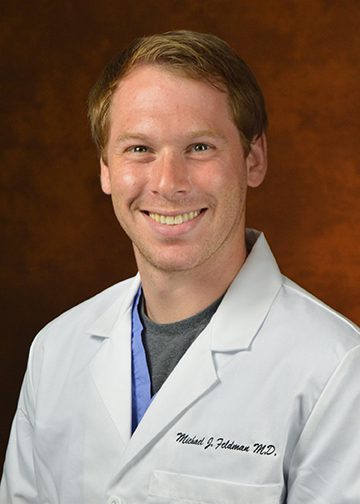
Michael Feldman, M.D., 38
Oklahoma City
Pediatric Neurosurgeon, Director of Vascular Pediatric Neurosurgery & Director of Medical Student Education in Neurosurgery, Oklahoma Children’s OU Health
Michael Feldman, M.D., always knew he wanted to work with his hands. “My dad was a scientist, and I remember going into the lab with him and wanting to learn about the science and the experiments he was doing to improve health,” he says. After spending time as a medic in the Middle East, Feldman knew his calling was as a physician. At OU Health, Feldman treats complex brain and vascular diseases in children – from “operating on newborns with spina bifida to removing tangled, ruptured blood vessels from the brain of a teenager.” He also teaches med students about neurosurgery and helms a variety of research projects. “I love being able to help children. I know that sounds cliché, but it is incredibly rewarding to bring a skillset to Oklahoma that previously required families to leave the state to receive care,” he says. “I also greatly enjoy forming relationships with the children I care for and with the parents who trust me to take care of their kids.” Outside the operating room, Feldman is involved in volunteer work focused on improving access to healthcare for children and advancing prevention of neurologic disease, as well as work with the Oklahoma Humane Society. When he’s not spending time with friends, Feldman is on the mission to eat at every restaurant in OKC and to find the tastiest Vietnamese coffee in town.
Tell us a fun tidbit.
I once hiked to Mount Everest Base Camp, and as incredible as that trip was, I’ve never been that miserable in my life. I’d take getting stuck in a tornado over being that cold again.
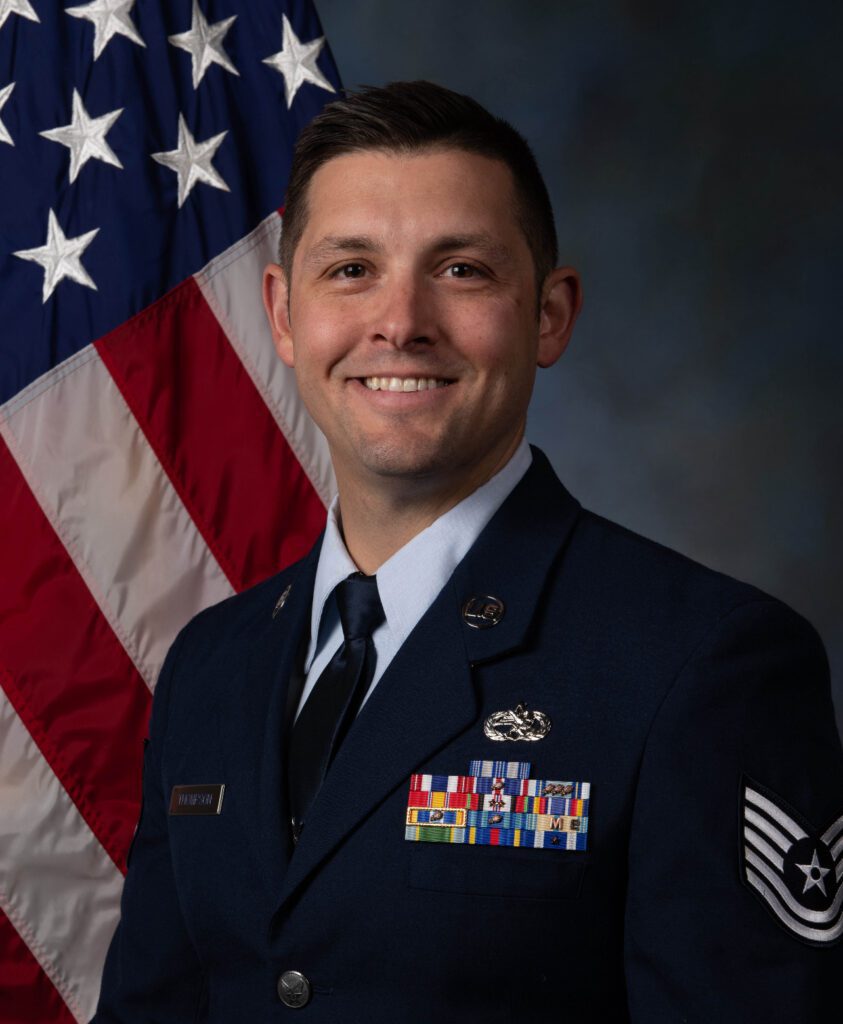
Tyler Thompson, 38
Tulsa
Director of Building Operations/Facilities Management, Oklahoma State University Tulsa/ Center for Health Sciences Tyler Thompson oversees “the facilities, engineering systems, maintenance teams and capital projects that keep [the OSU Tulsa/CHS] campus operating safely and efficiently,” he says. “Our buildings support education, research and patient care, so my job is to ensure everything from HVAC and utilities to major infrastructure projects runs reliably so faculty, staff, students and healthcare professionals can focus on their work.” Thompson is also a First Lieutenant in the Oklahoma Air National Guard and has twice been deployed to Afghanistan. “Both roles challenge me in different ways and give me the opportunity to lead great teams while serving something bigger than myself,” he says. Thompson says that what makes him the proudest of his work is his team. “Facilities work requires talented technicians, maintenance staff and operators who take pride in what they do,” he says. “Seeing people grow in their careers and knowing our team keeps multiple complex campuses running 24/7 is incredibly rewarding.” Off the clock, Thompson is working towards his MBA at OSU, volunteers with his church and can most often be found with his wife and three kids. “If we’re not at a ballgame, dance competition or church event, we’re probably outside, camping, remodeling our house or planning the next family adventure.”
What’s the best advice you’ve ever received?
Focus on serving others rather than chasing titles or recognition. When you invest in people and do the right thing consistently, opportunities tend to follow.
Whitney Randall, 39
Edmond
Director of Small Business and Entrepreneurial Engagement, Citizens Bank of Edmond
Supporting entrepreneurs and seeing their ideas come to life is what it’s all about for Whitney Randall at Citizens Bank of Edmond. Overseeing the strategy and services for small businesses and entrepreneurs – including lending, treasury services and community engagement programs – Randall also leads teams that support business growth through specialized loan programs, financial products and entrepreneurial initiatives. “What makes me proudest in my role is the meaningful connections I build with business owners and the opportunity to truly help them move forward,” she says. “Being able to support people at pivotal moments in their journey is deeply rewarding. The constantly evolving nature of the role keeps me engaged, challenged and deeply fulfilled.” Off the clock, Randall serves as the president-elect of the Rotary Club of Edmond and sits on the board of EARC, which assists adults with intellectual disabilities. You’ll often find her on the sidelines of her children’s sports games, working out, unwinding at the lake or enjoying sporting events at OSU – where she was once a cheerleader. “That spirit definitely carried over into motherhood … I’m proudly the loudest mom cheering on the sidelines of my kids’ games.”
What’s the best advice you’ve ever received?
Treat others the way you want to be treated. I try to live by that every day, and it’s shaped the way I show up for my colleagues, clients and community.
Rachel Smith-Streck, 36
Oklahoma City
Director of Strategy & Partner, TAP Architecture
At the core of her role at TAP Architecture, Rachel Smith-Streck serves as “a connector and coordinator, bringing the right people together, keeping priorities moving forward and, at times, herding the cats to ensure TAP remains strategic, competitive and community-focused.” In other words, she positions the firm for the right work and for long-term success. “Much of our work supports communities, partnering with non-profits, schools, local governments and businesses that are trying to create something better for the people they serve. The work is often complex, with many stakeholders, tight budget and big expectations, but that’s also what makes it meaningful,” she says. Outside the office, Smith-Streck believes strongly in “staying informed, engaging civically and showing up to have a voice for yourself and your neighbors,” evidenced in her board memberships with the Capitol-Medical Center Improvement and Zoning Commission Citizens’ Advisory Committee, and the Historic Preservation and Landmark Board of Review. Smith-Streck enjoys spending time with her husband and her dog, Perry Lamar. “Getting a big hug from my dog is probably the best stress reliever there is,” she says.
Tell us a fun tidbit.
My dog Perry has his own driving goggles, or what we call ‘doggles.’ He loves riding in the car with his head out the window, so naturally he needed proper goggles. It’s become a bit of a thing around our neighborhood.
Courtney Alberry, DNP, APRN, FNP-c, 37
Oklahoma City Pediatric Neurology Advanced Practice Provider, Oklahoma Children’s OU Health It was through her own journey seeking medical answers for her child that led Courtney Alberry into healthcare. “While we encountered extraordinary clinicians, we also experienced moments when caregiver concerns were dismissed,” she says. “That experience inspired me to pursue a career where listening to families would always be central to care.” Now, Alberry is an advanced practice provider in pediatric neurology, caring for children with complex conditions. “My work focuses on coordinating multidisciplinary care, helping families navigate complicated diagnoses and ensuring that children and their caregivers feel supported, informed and empowered throughout their medical journey.” Her work is deeply personal to her. “As the parent of a child with complex neurological needs, I understand firsthand the uncertainty and advocacy that often accompany these diagnoses,” she says. Outside the office, Alberry continues to advocate for children affected by rare diseases, volunteering with the Children’s Tumor Foundation, the National Organization for Rare Disorders and the American Epilepsy Society. You’ll often find her with her husband and daughter, attending local theatre productions and art shows, or taking creative classes like dance or painting.
If you won a ‘Superlative Award,’ it would be “Most likely to…”
Have a themed costume prepared for any occasion.
Jackie DuPont, 38
Tulsa
Executive Director, Coretz Family Foundation
Leading the Coretz Family Foundation, Jackie DuPont spearheads the grant-making and strategy across education, criminal justice reform and economic opportunity. At its core, DuPont says, CFF is working through collaboration to solve some of Tulsa’s most complex problems, “so my work is about providing organizations the time, space, resources and technical assistance they need to develop and implement groundbreaking, sustainable initiatives,” she says. “One morning I might be sitting across from an organization doing transformational work with young people, and by the afternoon I’m thinking strategically about systems-level change for complex issues like homelessness, healthcare and education. But what drives me most is that I get to be a true partner, not just a funder.” As the mom of three girls, DuPont says the philanthropic causes closest to her heart revolve around educational access and women’s rights. She serves on the Women’s Commission for the City of Tulsa, “where I get to advocate for policies and systems that create a more equitable Tulsa for women and girls,” she says, and she also volunteers for her children’s PTA groups and with the Tulsa Area United Way. In the interim, you’ll find DuPont running on the river trails, at the Gathering Place or with her kids at Discovery Lab.
Tell us a fun tidbit about yourself.
I’m a triplet! Growing up with a brother and sister the exact same age as me meant our house was never quiet, never boring and never short on opinions.
Jessica Mugg, 38
Coweta Director of Business Development & Government Affairs, Oklahoma Manufacturing Alliance Bringing people together is what Jessica Mugg loves most about her work with the Oklahoma Manufacturing Alliance, where her role centers on “connecting manufacturers with the resources, partnerships and policies that help them grow,” she says. What makes her proudest is the real impact her work has on Oklahomans. “When a company finds the right resource, adopts a new technology, secures support to grow, decides to move to Oklahoma or makes a connection that strengthens their business, you can see the ripple effect it creates for their employees, families and communities,” she says. In her off-time, Mugg volunteers for nonprofits that support veterans, as well as with the Oklahoma Family Network as a support parent helping families navigate the early stages of a child’s hearing loss diagnosis. Both causes are close to her heart, as she is a military spouse and has a child with cochlear implants. “Being able to walk alongside other parents – sharing our experiences, helping them find resources, and reminding them that their child’s future is full of endless possibilities – has been one of the most meaningful ways I can give back,” she says. On the weekends, you’ll often find Mugg with her family, reading a book or enjoying live music.
Tell us a fun tidbit about yourself.
I read – a lot. On average, I go through about 100 books a year.
Bailey Perkins Wright, 36
Oklahoma City
Senior Community Investor – Central Region, Boeing Global Engagement Bailey Perkins Wright spends her days at Boeing leading social impact strategies and managing a philanthropic portfolio of over $3 million across Oklahoma, Colorado and Nebraska. She also works diligently to strengthen existing partnerships and cultivate new ones – whether they’re with small agencies or major companies. “I love supporting local, nonprofit partners that develop futures in STEM, serve veterans and military families and improve the communities where our teammates live and work,” she says. Outside the office, Perkins Wright volunteers with the Sigma Sigma Omega Chapter of Alpha Kappa Alpha Sorority, Inc. and Downtown Rotary Club 29 of Oklahoma City, as well as sits on the boards of the Potts Family Foundation and Leadership OKC. She also teaches American Government at a local community college and serves as an inspector for elections in Oklahoma County. “I’m passionate about ensuring Oklahoma voters have positive experiences at the polls, and that my students leave the course empowered to engage in their government – as well as media literate.” A new mom, Perkins Wright can often be found at home with her family, and also enjoys live music and karaoke.
What are you looking forward to?
This new journey in being a “boy mom.” I can’t wait to see who he becomes and the memories we’ll make, as he has made our family complete.
Gabriel Sierra, 38
Tulsa
Director of Growth & Partnerships, Techvera
While waiting tables to pay his way through college, Gabriel Sierra found his calling. “I met the founder of a small tech startup – a connection that eventually led me to join the company as employee number ten, and scale that business to more than 400 employees, expanding across state lines and into other countries,” he says. “Being part of that early growth confirmed I was exactly where I wanted to be. Tech gave me a way to combine relationship-building, operational thinking and curiosity, just on a much bigger stage.” At Techvera, Sierra helps build and grow partnerships in the IT, AI and MSP (Managed Service Provider) space, “connecting the right technology, vendors and people so our clients get real outcomes, not just tools.” Sierra recently relocated to Tulsa from NYC to help expand Techvera. “I’m proud of the path to Tulsa, moving cities, taking risks and building something meaningful with people I respect,” he says. “Whether it’s tech or hospitality, I’m wired to build, connect with people and create things people genuinely enjoy being part of.” Sierra also operates his own business, Tiny Pines Glamping, in Honduras, which “works with local and international groups to support things like clean water, internet connectivity for local schools and basic services for families nearby.”
What’s the best advice you’ve ever received?
“No one is coming to save you, build it yourself.” Growing up in an immigrant family, that mindset stuck with me early and shaped how I approach work and life.
Angela Surratt, DHA, 35
Tulsa
Workforce Development Manager, Ascension St. John
Angela Surratt loves her job, she says, because she builds futures. “As a workforce development manager, I design and implement programs that create real career pathways, strengthen the healthcare workforce, and connect schools, communities and hospital leaders in meaningful ways,” she says. “My work is strategic, impactful and future-focused, allowing me to shape systems rather than just operate within them. It aligns with who I am: a builder, a connector, a resource magnet and someone who finds purpose in creating stability, opportunity and long-term growth for others.” While Surratt once dreamed of being a physician, she realized that her greatest contribution “would not be at the bedside, but on the business and systems side of healthcare. Instead of impacting one patient at a time, I now have the opportunity to strengthen the infrastructure that supports thousands.” Surratt volunteers her time with the American Heart Association, the Alpha Kappa Alpha Sorority, Inc., the South Tulsa Community House Board, Empower-Ed, the Phoenix Rising Foundation and the Alumni Association Board of Directors at TU. On the weekends, you’ll find her at church, with her family and friends, reading or capturing moments through photography.
Tell us a fun tidbit about yourself.
I have a CDL [Commercial Driver’s License] and have driven medical buses for both OSU and OU medical schools.
Laura Merriman, Ph.D, 38
Oklahoma City
Water Resources Manager, Burns & McDonnell
Engineer Laura Merriman grew up right here in Oklahoma – “where storms were just a part of life,” she says. “I always thought weather and storm chasing were fascinating. I chose engineering because it allows me to turn that curiosity into solutions that help protect and strengthen the communities I care about.” Her day-to-day consists of designing storm water and flood protection systems that help power plants, substations and large industrial sites stay operational during severe weather. “I love solving complex challenges that make communities more resilient, and I’m especially proud to do this work in my home state while mentoring young engineers and creating meaningful career opportunities in Oklahoma,” she says. Merriman says the best advice she’s been given – and now gives to others – is to “not to let imposter syndrome win,” she says. “It’s easy to question yourself, especially as a woman in STEM, but I remind myself and my team to never sell ourselves short.” Outside the office, Merriman sits on the board for the Biosystems and Agricultural Engineering Department at Oklahoma State University. You’ll often find her gardening, upcycling furniture, going for drives, reading or spending time with friends.
What’s the ‘secret’ to your success?
I’m always willing to raise my hand and say, “Sure, why not?” I’ve tried to stay open to different paths and opportunities, even when they weren’t part of my original plan. Those zig zags in my career have opened doors I never knew were possible and shaped me in ways a straight line never could.
Ahmed Elghandakly, 38
Yukon Chief Financial & Operating Officer, T&T Industrial At the heart of Ahmed Elghandakly’s job, he says it’s all about “building systems and teams that allow our company to grow while maintaining the craftsmanship and integrity our industry depends on,” he says. As CFO and COO, Elghandakly wears many hats: he oversees both financial strategy and operational execution, involving everything from “long-term planning, capital allocation and risk management to supporting our project teams and ensuring we continue to scale responsibly. I was drawn to the intersection of business, operations and problem-solving.” While his job is incredibly technical, Elghandakly says the best part about it is “connecting with people, building relationships, working through challenges together and sharing in the wins. There’s something incredibly rewarding about facing adversity as a team and coming out stronger on the other side. That process creates a real bond, and over time, those relationships become the foundation for trust, growth and long-term success.” Outside the office, Elghandakly spends time volunteering with the Future Craftsmen of America and the Regional Food Bank of Oklahoma. You’ll often find him outside – playing tennis, scuba diving, traveling or hiking.
What’s the ‘secret’ to your success – if you believe there is one?
Consistency. Success rarely comes from one big moment, it comes from showing up every day, doing the work and continuously improving.
Rich finishes, custom cabinetry and modern fixtures define this stylish kitchen renovation by Austin Edgar. Photo courtesy Austin Edgar
From stylish and functional kitchen upgrades to storm-ready construction, remodeling a home in Oklahoma comes with a plethora of exciting possibilities and practical considerations. Designers, architects and builders say today’s homeowners are embracing bold trends and custom features while sagely navigating costs, timelines and the occasional surprise.
Popular Renovations in Oklahoma
If you’re thinking of changing your kitchen cabinets, consider the many shades of green, says Tulsa builder Austin Edgar, owner of Austin Lee Company.
Custom details and intentional finishes are key to a polished remodel, says Tulsa builder Austin Edgar. Photo courtesy Austin Edgar
“The greens have really blown up to the point that I went with that in my cabinetry,” in the house he is building for himself, Edgar says.
Other kitchen trends include work station sinks, typically made from stainless steel, that include built-in features such as cutting boards, strainers and knife holders. Rich colors of quartz are popular for countertops, Edgar says, and brushed brass and gold have made a big comeback for drawer pulls, lighting and plumbing fixtures.
“It’s a much more classy look than the brass of the 1990s,” Edgar says.
Outdoor kitchens remain in demand, and the latest thing in outdoor living is the combination pool and spa known as a ‘spool.’
“They are compact, often heated, jetted small pools, usually about 8 feet wide by about 12 feet long,” Edgar says. “And they are coming out with jets to create swimming currents. So you can swim in a very small pool.”
Tulsa architect Richard Winn of TWO Architecture says the emphasis on outdoor living spaces that began during the COVID-19 pandemic is still going strong.
“People are wanting to enjoy their homes more and spend more time in them,” Winn says. “They are really wanting a place where they can entertain, sit out and watch TV and listen to music. And they are wanting it to be screened in if possible, so they don’t have to fight the mosquitoes.”
Tulsa interior designer Tracy Huntington of Huntington Interior Design says “sustainability and wellness-focused design continue to grow in popularity and add lasting value when done thoughtfully.”
Sustainability goes beyond eco-friendly materials, she says.
“Energy-efficient windows, better insulation, natural materials and low-VOC finishes improve how a home performs and often lower long-term costs,” she says. “Wellness design focuses on creating spaces that support daily well-being through natural light, improved air quality and spa-inspired bathrooms that feel like a retreat.”
Thoughtful design and quality craftsmanship come together in this inviting living space. Photo courtesy Austin Edgar
The Cost of Custom
With custom home features, “you can really show your personality,” says Edgar. “You get to truly personalize your home.” But one drawback, Edgar says, is you can get decision fatigue.
“To some people, the amount of selections that have to be made can be a daunting task. With high-end custom homes it’s just the finishes and figuring it all out,” he says.
Custom remodels can also take longer.
“Millwork and trim carpenters can spend months in there,” Edgar adds.
But a remodel that includes custom work can be very rewarding for the homeowner and the builders and designers.
“When you finally solve all the issues to get the highest-end look, where every single finish looks intentional, with the cleanest lines, that’s what I love,” Edgar says.
Winn says people who hire an architect usually have some custom work in mind for their remodels. He cites midcentury modern homes as an example of where custom work can really shine.
“Those homes typically had 8-foot ceilings,” Winn says. “We can raise the ceiling, change the roofline, just give the home a new appearance.”
But custom work can be expensive, he acknowledges.
“We will sometimes do a conceptual plan for clients with an anticipated budget, and some have said they can’t afford it,” he says.
However, custom work is similar to any remodeling project when it comes to return on investment, Winn says.
“I think everyone’s expectation is that they are going to get some return on their investment for a remodel,” Winn says. “But a full return is a long shot. So they will just have to enjoy it for a few years and let it gain equity.”
A Timeline Reality Check
Delays are common in renovations, even with careful planning, says Huntington.
“One of the most frequent causes is hidden issues uncovered during demolition, such as outdated wiring, plumbing problems, water damage or structural repairs that must be addressed before work can continue,” Huntington says. “Material lead times can also shift unexpectedly, particularly for custom cabinetry, specialty tile, windows or natural stone. In addition, coordinating multiple trades, weather conditions and permitting or inspection timelines can impact the schedule.”
Spa-inspired bathrooms like this one reflect the growing demand for wellness-focused spaces that combine beauty with comfort. Photo courtesy Austin Edgar
Supply chain fluctuations and backorders can occasionally affect product availability, too, Huntington says.
“While these challenges do arise, thoughtful planning and clear communication between the client, contractor and designer help manage expectations and keep projects moving forward as smoothly as possible,” she adds.
The timeline for a kitchen or bath remodel is typically 30 to 90 days, says Edgar. Adding on to an existing home can stretch the construction period to six months, and a full-gut remodel can last anywhere from 15 months to two years – sometimes longer than a new build.
“I strongly recommend, if possible, to not live in the house during remodeling,” Edgar says. “But if you go in that direction, it’s going to be a wonderful exercise in patience. People with hammers at 7 a.m. can drive you crazy.”
Winn says that “if you hire a good remodeling contractor, the contractor is going to outline a feasible schedule.”
With a renovation project, he says, “you are paying somebody to tear your house apart before you start putting it back together,” so that adds to the timeline to begin with. And the other thing, Winn says, “is the unforeseen.”
“We’ve done many a project, especially in older Tulsa, where we found decay from termite damage, or plumbing issues, things you don’t see until you open up the walls,” he says.
The best time to commence a building or remodeling project “is in the very early fall and after the major rains in the spring,” Edgar says. “Anything to avoid pouring concrete in extreme temperatures.”
Remodeling in Tornado Alley
Safe rooms are always a good idea in Tornado Alley, says Edgar, and his company installs a lot of post-construction inserts that fit in a garage or closet and are F-5 rated. But when it comes to the weather, it’s also essential that buildings are a match for heavy rain.
“You need a roof that drains well, and gutters that have lines to the street,” Edgar says.
When installing a roof that will hold up to severe weather, “metal is better than comp,” Edgar says. “Wood shake shingles will get you in trouble.”
While not every renovation includes a dedicated safe room, “clients often prioritize upgrades that improve durability, such as reinforced roofs, impact-resistant windows and stronger structural elements,” says Huntington.
“Safe rooms are more common in larger renovations or new construction, especially when floor plans are being reconfigured or square footage added,” she adds. “When integrated thoughtfully, they can double as a closet, storage room or bathroom so they feel like a natural part of the home.”
This speakeasy-style renovation by Tracy Huntington blends vintage inspiration with modern design for a unique entertaining space. Photo by Sarah Baker Photos
Renovation Contracts: What Should Be In Writing?
To negotiate a good contract for a home remodel, “you need to fully understand change orders and if any fees or penalties are associated with that,” says Edgar.
“You need to understand payment terms and make sure that works with turnaround,” he adds.
Builders need to present a contract “that is fair to both sides,” says Winn. “The homeowner doesn’t want to see one that’s favored toward the contractor.”
A well-written renovation contract should clearly outline the full scope of work, including materials, finishes, specifications and who is responsible for each aspect of the project, says Huntington.
“It should also define the anticipated project timeline, payment schedule and how selections or allowances will be handled,” she says. “Equally important is documenting the process for change orders, since adjustments often occur once construction begins.”
Huntington says the contract should address procedures for communication, approvals and how unforeseen conditions such as structural or mechanical issues discovered during demolition will be managed.
“Taking the time to put these details in writing establishes clear expectations, creates transparency and helps protect both the homeowner and the project team throughout the renovation process,” she says.
Featured photo credit: Rich finishes, custom cabinetry and modern fixtures define this stylish kitchen renovation by Austin Edgar. Photo courtesy Austin Edgar
At Pizzeria Gusto, you’ll find savory pies with hand-stretched dough, San Marzano tomatoes and house-made sausage. Photos by Hannah Hudson
One bright and lovely November morning, Kathryn Mathis arrived at her restaurant, Pizzeria Gusto, to light the Beast. That’s the name she’s affectionately given the three ton pizza oven, handmade in Naples, Italy, by a master craftsman named Stefano Ferrara. (“Ferrara is the Ferrari of pizza ovens,” Mathis shares.) The fire must be fed every day and carefully maintained, like a live organism.
“The Beast,” a three-ton oven handcrafted in Naples by Stefano Ferrara, anchors the kitchen at Pizzeria Gusto.
Seven hours later, just as dinner service was beginning, a somewhat jaded food writer from New York City strolled in. Mathis, moving with grace and sureness, took a pound of dough, carefully pounded it, shaped it, added mozzarella cheese and San Marzano tomatoes, and put it in the Beast. Then came the careful minutes of shifting the pizza from the warm spot in the oven to the cooler spot, then raising it toward the domed top.
Kathryn Mathis (left) and co-owner Marina Rabinovich bring global technique and Oklahoma warmth to Pizzeria Gusto.
“Making pizza is like dancing,” Mathis says, “and just working the oven – knowing when and where to feed wood, controlling the airflow – is a dance in itself. During the rush, we’re working like a beautifully oiled machine.”
The critic looked, tasted and was amazed; he was transported back in time, to old pizza shops in New York, to a visit with his parents to an outdoor pizzeria in a village just outside Naples.
“You must be from New York!” he declared.
“No,” Mathis replied, “I’m from Guymon, Oklahoma.”
The windswept high plains of the Oklahoma panhandle are not where you’d expect a master pizzaiola to hail from. But “my mom was a good cook,” Mathis recalls, “and as a kid I was always in the kitchen, stirring a pot.”
While at college, she took a job as a server. They needed a prep cook too; she tried it and was hooked.
For four years, she did French fine dining at Montrachet in OKC, then came a decade in Austin. She returned to OKC, but there was something she missed.
“Why,” she asked, “isn’t there a place where I can grab a really great taco and go?” Thus followed Big Truck Tacos, which she still runs.
“I stop there every day for a tortilla and beans,” she says. “We ran out of food at 3:00 p.m. on the first day,” she recalls, and it’s been like that ever since.
How can you top something like that? The answer is Pizzeria Gusto. She and her business partner Marina Rabinovich “wanted it to be your neighborhood place,” says Mathis. “We’re kid-friendly and community driven. Building a community around food is very important to me. When you think about being with friends, you want to be somewhere warm and inviting.”
Families, date-night couples and visitors from afar fill the dining room of Pizzeria Gusto.
There are wonderfully creative drinks, lots of small plates on the menu and one or two entrees, like grilled short rib. But the focus is on the pizza. The dough takes five days to make, although Mathis doesn’t fastidiously follow Neapolitan recipes. She’s creative, and she has discovered that “the flavor profile is more interesting” if only a tiny amount of yeast (2 ounces for 55 pounds of flour) is mixed with the flour, but that way requires three days of fermentation. This produces a glorious crust, the stuff of legend, charred where it should be, and pleasantly chewy. Yes, the crust is the glory, but lots of toppings are available. The sausages are made by hand.
Mathis still marvels at all the happy people who fill her restaurant. Italians visiting horse shows in the city, couples seeking a romantic evening, people stopping for a quick lunch, or even birthday parties for 11 year olds.
“It doesn’t matter who you are or where you’re from,” Mathis says. “All sit down to our tables and eat.”
Main image cutline:At Pizzeria Gusto, you’ll find savory pies with hand-stretched dough, San Marzano tomatoes and house-made sausage. Photos by Hannah Hudson