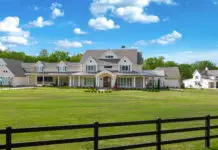
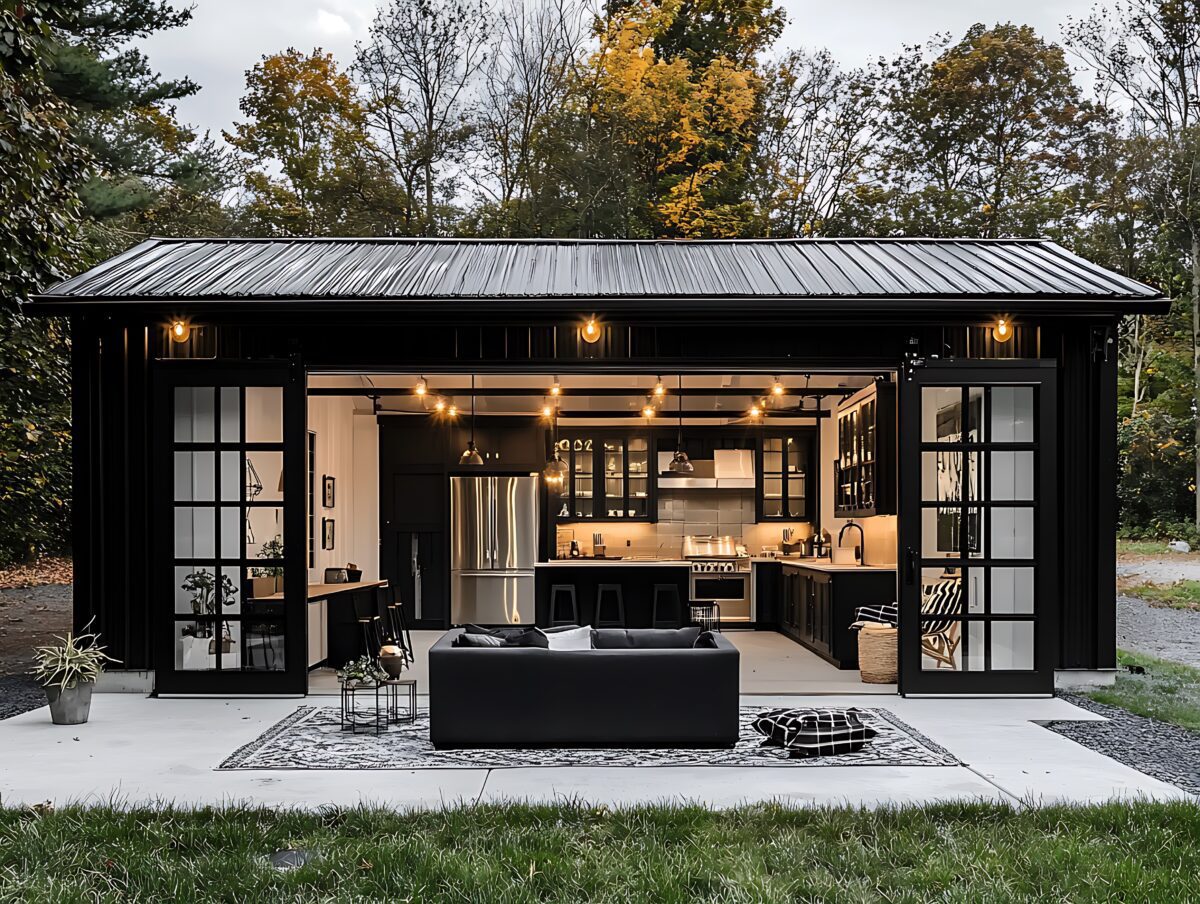
Affordability is a major draw of barndominiums – with price per square foot averaging around $140 as opposed to a traditional home, which runs around $200.
Barndominiums — barndos for short — have emerged as a popular choice for home construction, particularly in rural and country settings, due to their unique combination of flexibility, cost-effectiveness and aesthetic appeal. These structures blend the rustic charm of a barn with the elegance of a modern home and offer several key advantages that set them apart from traditional homes.
One of the primary barndo attractions is their design flexibility.
“The exterior walls and the truss system will carry the load of the roof, allowing for zero need for load-bearing interior walls,” says Jake Warren, an estimator at Polar Bear Jack’s Home Services and Okie Barndominiums, both based in Broken Arrow.
This structural feature enables homeowners to craft creative and customized floor plans, including hidden rooms and pantries, without the constraints of traditional load-bearing walls. Warren notes that this flexibility is a significant draw for clients seeking to build their dream homes affordably, with turnkey barndominiums starting at $140 per square foot compared to $200 per square foot for most traditional homes.
Cost savings are another critical factor driving the barndo popularity. Warren says his company’s hybrid barndominium model, which combines traditional home construction techniques with barndominium elements, reduces costs through in-house trade work and established vendor relationships.
“We have cost savings throughout the entire build process,” says Warren, though he acknowledges challenges such as the expense of utilities in rural areas, including wells, septic systems and propane tanks.
Energy efficiency is also a compelling advantage.
“Having the perfect combination of insulation, a load-calculated HVAC design and high-efficiency windows and doors can save a homeowner many future dollars,” says Warren. This efficiency, combined with the durability of steel structures, which resist pests, fire, mold and weather better than wood, makes barndos a low-maintenance option.
Ryan Martinez, president and CEO of the Oklahoma Home Builders Association, says that as we continue to see the increased cost of traditional homes “due to rising costs of raw materials, labor shortages and overregulation, many Americans — and Oklahomans — will be more creative with the places in which they live.”
Zoning and financing are manageable aspects of barndominium construction. Warren notes that code requirements vary by location, but barndominiums can be financed and insured like any other home, with some insurance companies offering discounts due to the use of metal roofing.
However, Martinez warns that financing can be more tedious, with lenders potentially requiring larger down payments or higher interest rates due to the niche nature of these structures, which can impact resale value.
Current barndo market trends include a shift towards luxury designs and a response to the broader housing policy crisis. Warren mentions a $1 million, two-story barndominium project that exemplifies the growing demand for upscale versions, while Martinez observes that “as homes become less and less attainable for young people and the middle class, barndos, tiny homes and prefabs will continue to grow in popularity.”
This trend is particularly impacting rural development in Oklahoma, where land is being sought after for barndominium builds, reflecting a desire for the barn aesthetic with modern amenities.
Barndominiums offer a compelling alternative to traditional homes, driven by their design flexibility, cost savings, energy efficiency and appeal to rural lifestyles. As the housing market evolves, these structures are likely to play an increasingly significant role in addressing affordability and creativity in home building.
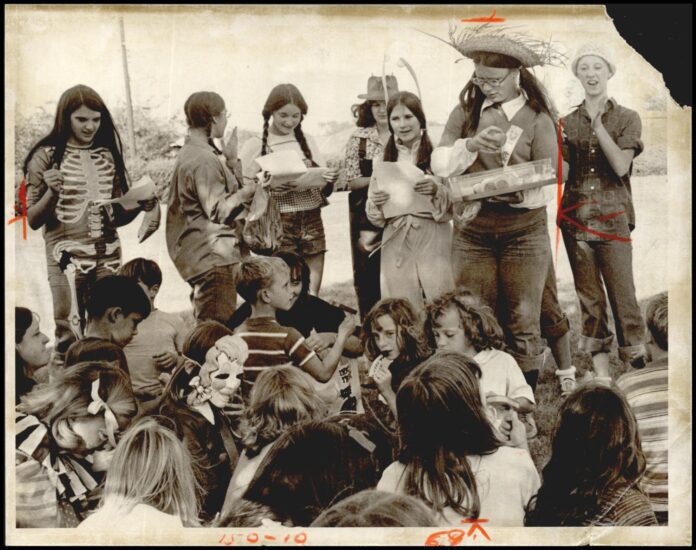
Students at Del City High School celebrate Halloween festivities in 1973. Photo by Roger Artman courtesy the Oklahoma Historical Society
Halloween is a celebration of the spooky and scary, which is fitting for a holiday whose origins are shrouded in mystery. The beginnings of Halloween are uncertain indeed, which can contribute to the fun around this trick-and-treat filled celebration.
The history of the holiday can be traced fairly confidently back through the eighth century, when Pope Gregory III moved the religious holiday All Saints Day from May to November. The reasons for this move are heavily debated, and we may never know Pope Gregory’s motives, but what we do know is that All Saints Day was also known as All Hallows Day, making Oct. 31 All Hallows Eve. Over time, this title was shortened to Halloween.
One possible reason for the calendar move was the earlier Celtic celebration of Samhain (pronounced: SAH-win), which meant the end of summer and was celebrated on Nov. 1. The Celts, an agrarian society, tied their calendar closely to the changing of the seasons and the Earth’s rotation around the sun. Samhain marked the midpoint between the September equinox and the December solstice.
The beginnings of this celebration and its details are hazy. Still, Celtic society generally regarded Samhain as a time when the veil between the natural world and the spiritual world was thin. The lore was that this allowed for spiritual encounters of all kinds.
As the holiday moved forward in time, it was primarily celebrated in rural areas. By the beginning of the 20th century, however, the party had moved to cities as well and had taken on a darker, more destructive flavor. Young people would roam, performing tricks unless mollified by candy and treats. City dwellers began to formalize the celebrations in the ’20s and ’30s to reduce the level of mayhem. By the ’50s, movies began depicting the holiday in a more light-hearted way, and schools started to get in on the fun.
So, while it’s true that much of Halloween’s history is a mystery, it wouldn’t be as fun any other way.
Halloween Rituals & Customs
Halloween has several long-practiced rituals and customs, but they have changed over time to what we know today.
Pumpkin carving: This fun tradition has deep roots, but pumpkins were not involved in the holiday initially. During Samhain, people would carve root vegetables such as turnips, radishes and sweet potatoes and add a candle. The idea of cutting a vegetable and putting a light inside represented life — and was considered beneficial for the harvest.
Costumes: Donning costumes during Halloween also traces its origins to the celebration of Samhain, although motivations were different. People would use costumes to hide from spirits who were said to be out and about during this time of the year.
Trick or treating: The practice of going door to door to ask for candy has perhaps changed the most from its original incarnation. During Samhain, people would go about performing pranks because they could be blamed on spirits. Treats and snacks were then offered to spirits in an attempt to curb these practices. Young people later capitalized on this custom to go door to door, threatening pranks unless treats were offered. Thankfully, in the modern era, the practice has shifted its focus from destructive tricks to cute children in costumes requesting candy from willing participants.
A couple of months ago, I wrote in this space about the Bluegrass & Chili Festival, one of Oklahoma’s longest-lived annual musical events. In that column, director Dell Davis explained how she’d had to move the festival from Pryor to Tahlequah for 2025 because of a date conflict with the Mayes County Fair.
Since its 1979 origin, the Bluegrass & Chili Festival has been staged in only five northeastern Oklahoma cities: Tulsa, Claremore, Wagoner, Pryor and, this year, Tahlequah. Pryor only had it for a single appearance, in 2024. That was enough, however, for local leaders and others to see what a free live-music presentation could do for their city.
“Last year, we got presented with the idea, we set it all up, and of course we were working with Dell, who is fabulous,” says Zac Doyle, Pryor’s mayor. “We collaborated with our Main Street [Program], our Chamber [of Commerce], our Economic Development Agency and we went all in. We had about three months to put it together, we put it together, and it was a total success.
“We made sure our businesses downtown knew that this was for them, that they’d have some revenues, and at the end of the day every one of them had record sales. Every vendor that we had out here on the street said it was the best day they’d ever had. We had some of the artists, their agents, reach back to us and offer to help; they said from an artist’s perspective the venue in Pryor was top-notch.”
It brought out a top-notch crowd, too, with an estimated 10,000 showing up for the weekend festivities. So, when the Bluegrass & Chili Festival left for Tahlequah, the townspeople who’d worked with Davis decided to begin their own annual bluegrass event. And so was born the Pryor Creek Bluegrass and BBQ Festival, set for Oct. 17 and 18 in downtown Pryor.
Photo by C. Coffey Photography
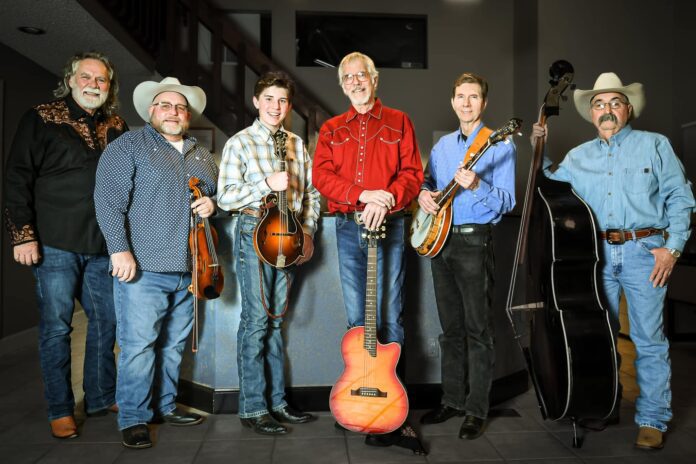
Set for Oct. 17-18, the inaugural Pryor Creek Bluegrass and BBQ Festival aims to broaden the bluegrass genre and offer ample family-oriented entertainment. Photos courtesy Brett Binghamunless otherwise marked
“You know,” Doyle says, “Pryor is notorious for its music festivals. We’ve got Rocklahoma and Born & Raised, and collectively, those two alone will bring about 100,000 people into our town. So now we’re rolling with the bluegrass, with the idea of the free family-friendly music and atmosphere. We’ve had nothing but tremendous support from sponsors and the community.”
In addition to switching the spotlighted food to barbecue – “Who doesn’t love barbecue in October?” asks Doyle rhetorically – this event also “broadens the ‘bluegrass’ definition a little bit.” That’s according to Brett Bingham, who worked with the famed Oklahoma-based booking agent Ray Bingham to line up the talent for the inaugural Pryor Creek Bluegrass and BBQ Festival.
“They [the organizers] reached out to Ray Bingham Productions, asking for help with the entertainment, and Ray and I have worked tirelessly to secure the best possible lineup for the festival,” says Brett Bingham, himself a veteran booking agent and manager, who’s also Ray’s nephew. (And, in the interest of full disclosure, I should say that Brett has written two books with me, Twentieth-Century Honky-Tonk, about the Cain’s Ballroom, and Thanks – Thanks A Lot, the as-told-to biography of country-music legend Billy Parker.)
“The event last year was wildly successful in Pryor,” he adds, “and it was a total joint effort.
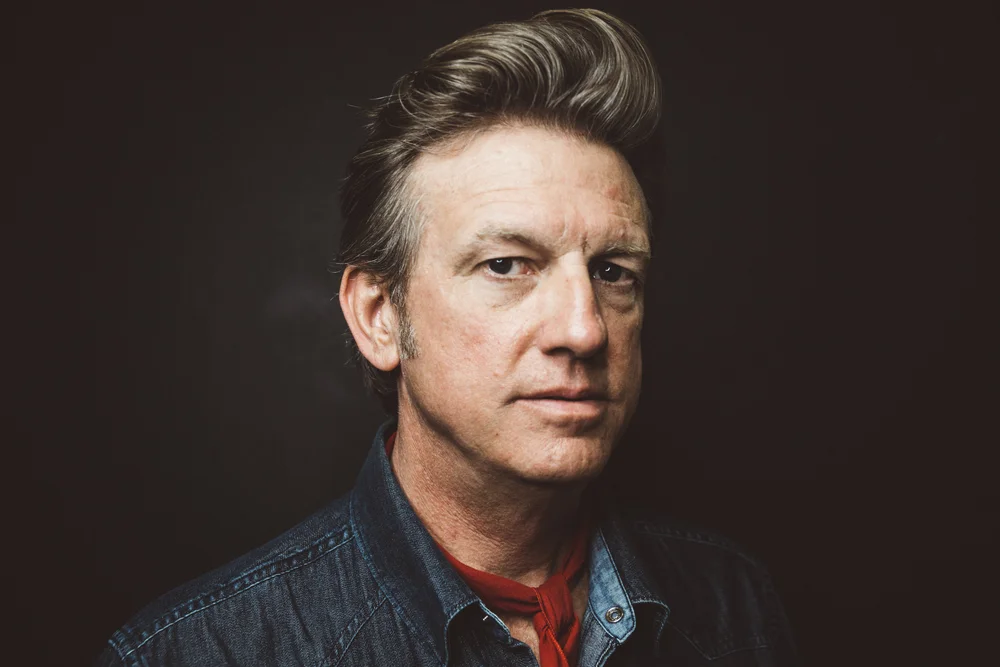
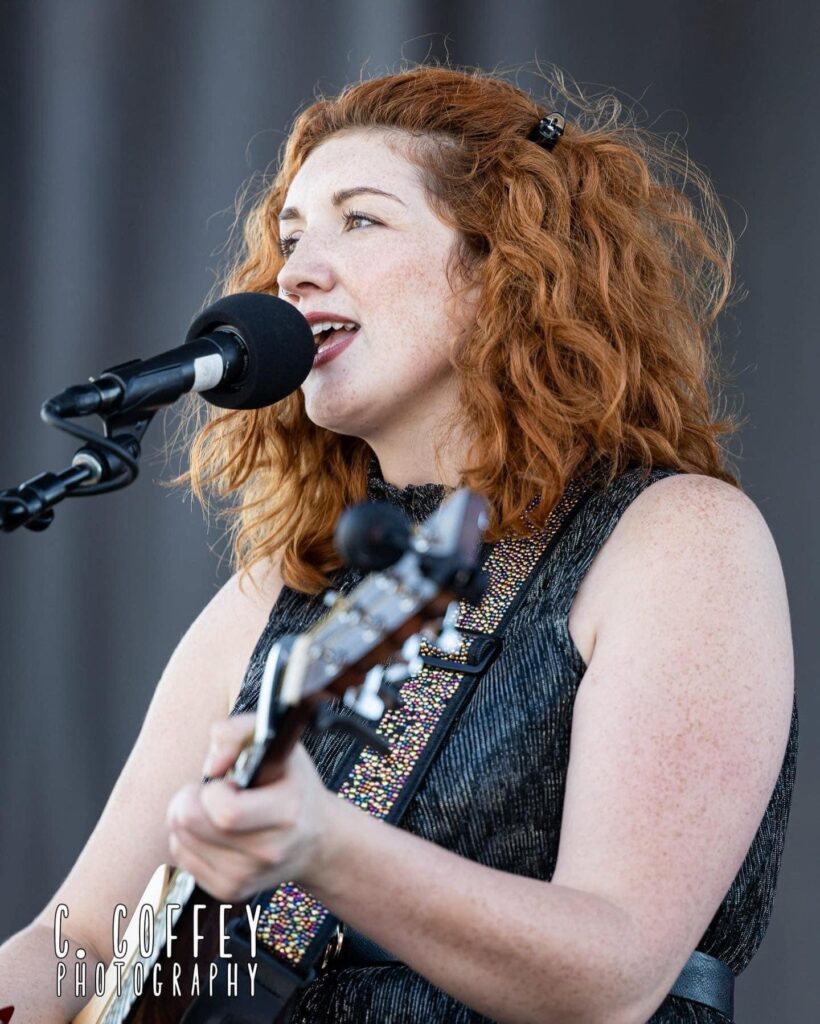
We’re going to try to do something similar, but we’re going to stretch the boundaries a little bit. I don’t want to alienate people who are bluegrass fans. They’re going to see [bluegrass stars] like Ralph Stanley II, One-Eyed Jack and the Cox Family. We’ve got some strong bluegrass acts. We also have people like an up-and-comer from Ada, Emily Rhyne, who was a contestant on The Voice. She’s a little more country-leaning, but she’s somewhat traditional, too.”
“We’re not as stringent on the qualifications for bluegrass,” notes Doyle. “I think we’re pretty flexible on the definition of what it is. The main thing is that we’re looking for something close to that genre that’s family-friendly and free.”
A six-person Pryor-based group called Lightly Salted is set to begin the Pryor Creek Bluegrass and Barbecue Festival at 5 p.m. Friday. The band members’ Facebook page calls them a “rock and soul cover band,” adding that the group plans to offer “familiar Americana tunes” at the Pryor Creek fest.
Also on the Friday bill are well-known bluegrass acts the Rick Faris Band and the Cox Family.
“The Cox Family is a pretty renowned bluegrass band. Among many other things, they were involved in the [2000 film] O Brother, Where Art Thou? And Rick Faris was the 2022 International Bluegrass Music Association’s New Artist of the Year. He’s got [the Oklahoma-based mandolinist and guitarist] Henry Byron Burgess as part of his band.”
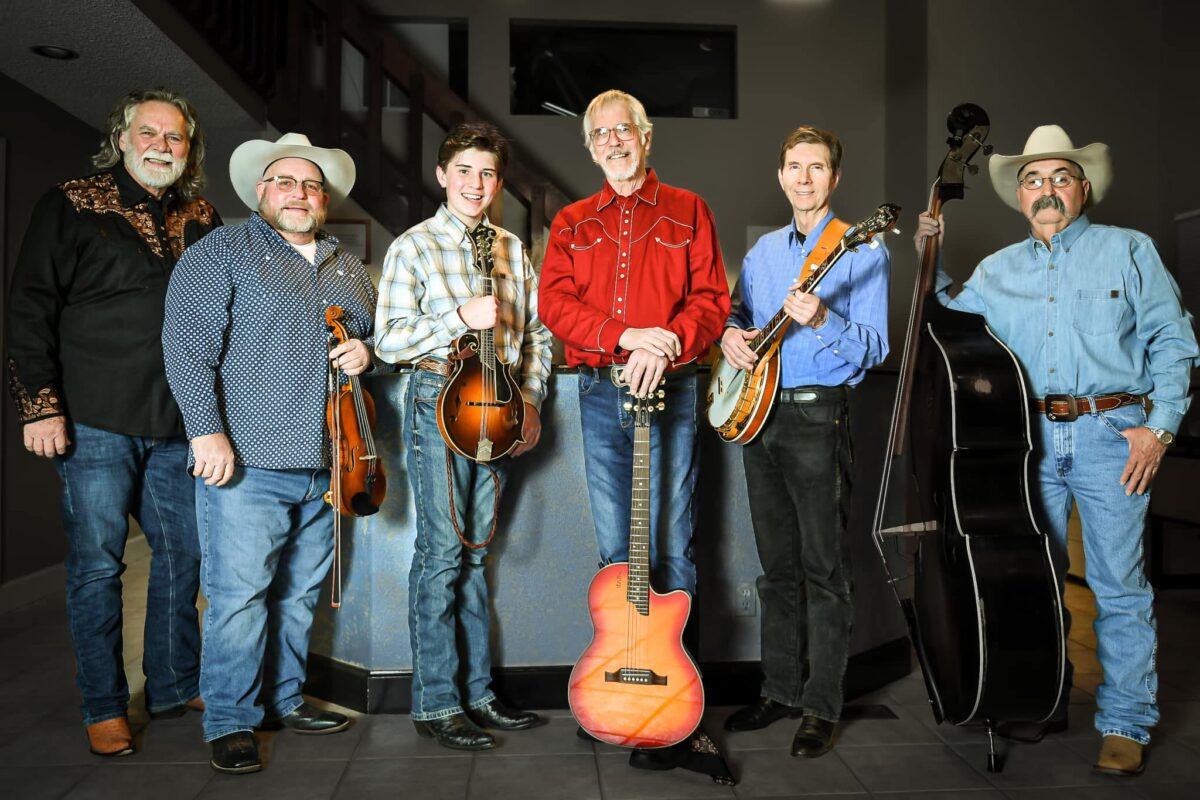
Saturday, the festival is set to kick off at noon with SpringStreet, touted on YouTube and elsewhere as “Oklahoma’s longest-running bluegrass band.” Then, the aforementioned Emily Rhyne, followed by Chuck Mead and the Stalwarts.
“This is where we highlight a group that isn’t necessarily bluegrass but, as Zac said, is family-friendly,” explains Bingham. “Chuck clearly isn’t bluegrass; he was with BR5-49, and he and his band will add a little hillbilly edge to the shenanigans.
“Then we’ll bring on One-Eyed Jack, which was [Guthrie-based fiddle virtuoso] Byron Berline’s band. When Byron passed [in 2021], they continued on as One-Eyed Jack. They’ve got the family’s blessing, and they have all of Byron’s arrangements. So in a sense, it’ll be a tribute to Byron. They’re keeping his legacy alive. And, of course, Byron was such a big bluegrass name.”
The next act, Bingham notes, may not be as recognizable as some of the others. Listeners to SiriusXM’s Outlaw Country channel, however, will likely know Jim Lauderdale from The Buddy and Jim Show, which Lauderdale does with fellow performer and songwriter Buddy Miller. A longtime recording artist and producer as well as a songwriter, he wrote and produced, among many other discs, two with bluegrass legend Ralph Stanley. George Strait has recorded 14 of his compositions, and the likes of Vince Gill, Patty Loveless, the Chicks, and Elvis Costello have also cut his songs.
“He’s one of those artists whose music people have heard,” Bingham says, “whether they know it or not. He’ll have his whole band, the Game Changers, with him.”
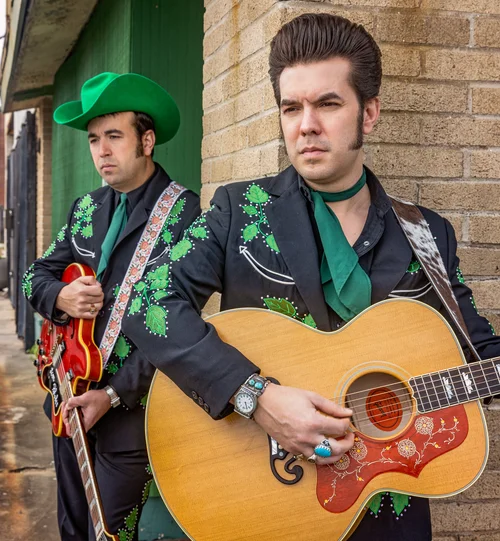
The Pryor Creek Bluegrass and Barbecue Festival is scheduled to end with Ralph Stanley II, Stanley’s son, and his Clinch Mountain Boys, followed by the Malpass Brothers.
“We’ll be occasionally straying a little bit from the traditional during the day, but we come right back to it with Ralph Stanley II,” Bingham says. “And then, the Malpass Brothers are coming in all the way from North Carolina, where they’ll be playing a bluegrass festival two days before. They toured with Merle Haggard in the later years of Merle’s life, they’ve got a show on RFD-TV, and they’re pretty traditional. They wear suits and tell jokes and do harmonies in the style of the Louvin Brothers; they’re one of the most traditional roots acts out there.
“We’re kind of touching a lot of different bases,” he concludes. “We’ll see what works, and how it’s perceived. I’d love to see it turn into a little more of an Americana event, and spotlight some of those types of artists. So we’ll see what happens. I thought Zac said it well: keep it family-friendly, and free.”
Views in La Paz stun – including those of the snow cap of Illimani peak.
Okay, let’s see. Bolivia is landlocked, there’s not a beach in sight, daytime highs rarely hit 70 and the city of La Paz really is in the clouds. It’s twice the elevation of Denver and hillier than San Francisco — so why would anybody want to go there?
Three things: the food, the people and the magnificent Andes.
And because La Paz is not burdened by overtourism, you can experience the city of peace on your own terms, far from the madding crowd.
La Paz sits at 12,000 feet on a massive plateau in the Andes called the altiplano. Snow-capped peaks reaching 21,000 feet stand guard. Forty-five miles away, Lake Titicaca, the largest freshwater lake in South America, sports 41 islands. Many of them are populated, such as Isla del Sol, home of stunning Inca ruins.
Early inhabitants of La Paz included the Tiwanaku, innovative irrigationists, and later the clever Incas, who gave us advances in metallurgy, road and bridge construction and a way to freeze-dry meat and potatoes using frigid nighttime mountain air.
In the 16th century, Spanish conquistadors from Peru rode in and took over, which lasted until 1825 when Bolivia finally declared its independence. The Spanish influence in Bolivian culture remains strong but the continuing impact of the 36 recognized Indigenous groups is also inescapable.
Step aboard the world’s highest and longest urban cable car system, Mi Teleferico, to see it all: towering Andes highlighted by triple-peaked Illimani, the canyon below filled with the Choqueyapu River and the sprawling city of two million. Mi Teleferico is mass transit on a grand scale — eleven lines carry 200,000 riders every day in and between La Paz and El Alto, a city of a million higher up the plateau. Most are commuters.
North Yungas RoadA panoramic cityscape of La PazA Cholita walking down Jaen StreetThe Mi Teleferico urban cable car system
On the streets downtown, vendors sell legendary saltenas: crispy pastry shells filled with savory meats, potatoes and spices, much like an empanada. The silpancho sold by many restaurants is a generous beef or chicken cutlet on a bed of rice and topped with a fried egg. Be bold and order sopa de pirañas -— piranha soup — fresh caught in the Miranda and Paraguay rivers.
While downtown, stroll over to historic Plaza Murillo, a public square named after Pedro Domingo Murillo, a revered revolutionary hanged by conquistadors on that very spot in 1810. Now, the open square is filled with pigeons, busts and statues, surrounded by La Paz Cathedral, the National Congress and the Presidential Palace.
Witch doctors, called yatiri, sell items associated with the Aymaran culture at the Witches’ Market, near the city’s center. This is where you’ll find your herbs and folk remedies, as well as potions, talismans and dried frogs. Inexpensive handcrafts range from trendy jewelry to knitwear.
The Coca Museum is an easy walk from the Witches’ Market. It celebrates the storied past and current culture of the Andean coca plant and its nefarious derivative, cocaine.
For authentic Bolivian flavor, walk the narrow Calle Jaen, a delightful cobblestone street with its own kind of charm — colorful Colonial architecture, lively markets and notable museums await.
While you’re out and about, look for traditional Bolivian women called Cholitas dressed in billowing skirts, long braided hair and tiny bowler hats. Cholita wrestling events on Sundays are very popular, more theater than combat.
For years, the only way to La Paz through the Andes from the Amazon rainforest was via the Yungas Road, aka “the Death Road.” The unpaved, narrow roadway (less than ten feet wide in places) is cut into the side of the canyon 2,000 feet above the valley. A new, safer road has been built but still, the 40-mile Death Road eerily attracts thousands annually, primarily thrill-seeking bicyclists.
Stay at the Stannum Boutique Hotel and Spa near Plaza Murillo. An art gallery is on site, the Bar Ignis is on the 12th floor, and spa services include happy feet reflexology.
Maybe it’s something salty, sweet or spicy, but there are times when we crave certain food flavors. Why? And why is it often an unhealthy choice? Lexi Wallace, a registered dietitian and diabetes educator with Saint Francis Health System in Tulsa, helps shed light on these common urges.
To begin, she explains why food cravings can occur when we’re not really hungry and why we often turn to foods high in sugar or fat.
“Such foods activate dopamine signaling in the brain’s reward system, including the nucleus accumbens, which drives motivation; the amygdala, which links foods with emotional memory; and the orbitofrontal cortex, which assigns reward value to foods and guides decision-making,” says Wallace. “From an evolutionary standpoint, this made a lot of sense for our ancestors, who had to hunt and gather their food. Today, although food is abundant, our brains still respond the same way to calorically dense foods.”
Wallace says once our brains associate pleasure with certain foods, repeated exposure strengthens these reward pathways.
“Over time, environmental cues, such as seeing or smelling the food or even situations or places associated with the food, can trigger a craving response, sometimes more strongly than eating the food itself,” she says.
In addition, she says while it’s commonly believed that nutrient deficiencies can cause cravings, the evidence for this is mostly anecdotal.
“For example, during pregnancy, when nutrient needs are higher, many women experience intense cravings for one or more specific foods,” says Wallace. “So, one might reason that the food of interest is high in some nutrient(s) that may be otherwise lacking in the diet. However, if this were the case, then we would crave more nutrient-dense foods like broccoli or salmon instead of ice cream or chips! Instead, it is more likely that pregnancy cravings are driven by dramatic shifts in hormones, particularly estrogen and progesterone.”
For many, deciding to diet or restrict foods causes them to suddenly crave those foods. In fact, Wallace says several studies show people report increased cravings while dieting or following a restrictive eating plan, especially in the initial stages.
“On the other hand, some research suggests following a low-calorie diet for a longer period of time – 12 to 20 weeks – can actually reduce food cravings, likely by deconditioning the habit of responding to cravings,” she says, while adding the caveat that more research is needed to determine whether restrictive diets are sustainable and effective at reducing food cravings long-term.
“Finally, negative emotions can cause cravings for some people, partly due to increases in cortisol (the stress hormone) and partly as a conditioned response to these emotions,” says Wallace. “When we eat ice cream because we feel sad, it activates the brain’s pleasure and reward centers, which is naturally more rewarding than feeling sad. So, the next time we feel sad, the brain remembers that ice cream makes us feel better – at least temporarily – which can trigger a craving.”
Mindfully Responding to Cravings
• Eat regular meals with a balance of protein, carbs and fats. You’re more likely to experience cravings when you’re hungry, so stay nourished.
• Get curious. The next time you crave something outside of your regular mealtimes, ask yourself if you’re really hungry. If not driven by hunger, then ask yourself how you’re feeling or what you need.
• Shift how you think about food and cravings. Deeming a food as ‘bad’ or something you ‘shouldn’t’ have turns that food into a ‘forbidden fruit,’ making it even more desirable.
• Eat the food you’re craving! Indulging a food craving isn’t necessarily a problem unless it becomes habitual or excessive.
• If you still find yourself triggered by a particular craving, consider adding a small amount of that food to your lunch for at least a week or two and see if this helps quiet the craving.
Claremore, hometown of Will Rogers, also offers outdoor recreation via the RSU Nature Reserve. Photo courtesy RSU Nature Reserve
Along the iconic Route 66 in northeastern Oklahoma, the city of Claremore offers visitors a unique blend of culture, history and small-town charm. With its rich Native American heritage, famous hometown heroes and lively festivals, Claremore is a timeless destination that welcomes you with open arms — and with stories to tell.
At the heart of Claremore’s identity is the Will Rogers Memorial Museum, a stunning tribute to Oklahoma’s favorite son. Rogers, a humorist, actor and social commentator, rose to fame in the early 20th century for his sharp wit and heartfelt observations of American life. The museum is the final resting place of Rogers and most of his family, and houses a vast collection of memorabilia, including original manuscripts, photographs and personal belongings.
“We live in a world right now where people like to divide us. Will [Rogers] was a connector, the perfect example of how one person can connect many. When we teach children, we explain that Will was a nice person who used his kindness more than his God-given talents to rope and tell jokes,” says Bart Taylor, the museum’s creative curator and interpreter.
Visitors can watch vintage film clips, explore exhibits on his life and legacy, and participate in activities, such as “Overnight at the Museum” on Oct. 17, or the annual “Trick-or-Treat at the Museum” on Oct. 30.
On Oct. 25-26, Claremore pulses with energy as it hosts the Route 66 Pecan and Music Festival. This family-friendly event transforms the city’s downtown into a bustling hub of activity, with rows of artisan vendors, a car show and, of course, plenty of pecan-inspired treats. Festivalgoers can enjoy live music from regional acts throughout the day and into the evening. The event also includes a carnival, kids’ activities and a petting zoo, making it a perfect fall outing for visitors of all ages.
“It’s the kind of event you can bring the whole family to and nobody’s bored,” says Morgan Williams, manager of The Nut House, a platinum sponsor of the festival. “A festival this big doesn’t happen without neighbors volunteering their time, and local businesses stepping up to help make it all possible. It’s a chance for smaller local vendors to show off what they offer, and for hometown bands to get heard.”
Claremore is also a gateway to Cherokee Nation history. Named after Osage Chief Clermont, the city lies within a region once home to Cherokee settlements following their forced relocation along the Trail of Tears. The Claremore Indian Hospital and nearby tribal landmarks continue to serve as reminders of this important legacy.
For those who enjoy outdoor adventures, Claremore Lake offers walking trails, fishing spots and picnic areas surrounded by the changing colors of autumn. The nearby Rogers State University campus brings a renewed sense of energy and public art to the cityscape, along with the RSU Nature Reserve, perfect for a quiet fall hike.
From the laughter echoing through the Will Rogers Memorial Museum to the festive sounds of October’s pecan-packed celebration, Claremore is a city that knows how to preserve its past while embracing the present. It’s more than a stop on historic Route 66 — it’s a story waiting to be experienced.
Main image cutline: Claremore, hometown of Will Rogers, also offers outdoor recreation via the RSU Nature Reserve. Photo courtesy RSU Nature Reserve
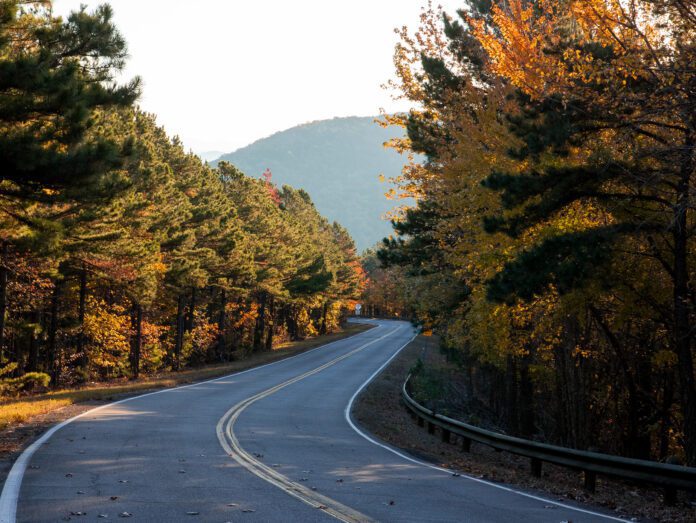
The Talimena Scenic Byway is a must-visit for fans of fall foliage. Photo by Lori Duckworth/Oklahoma Tourism
With the weather finally cooling down, Oklahoma is one of the best places to be for fall hikes and stunning fall foliage views. If you’re looking for your next outing, these places are a great place to start.
Beavers Bend State Park
Located near Broken Bow, this park has some towering trees that will truly be a sight to behold when autumn hits. Hiking, biking, boating and fishing are all available, along with an 18-hole golf course to top off a weekend excursion. The Lookout Mountain Trail or the Skyline Trails are some of the best outings the park has to offer.
Talimena National Scenic Byway
Located in Talihina, this 54-mile route is known for its beautiful foliage sights. Combined with the hiking trails, this is one of the best spots for nature views in the entire state. There are twenty-two vista stops along the drive for you to take in the sights and some one-of-a-kind photos, as well as the Horse Thief Spring Trail and the Ouachita Trail, which moves into Arkansas, too.
Wichita Mountains Wildlife Refuge
Located near Cache, this refuge not only has stunning hiking trails, rocking climbing and fishing, but it also boasts some of the best wildlife viewing in the area. Over 60,000 acres house free range buffalo, cattle, prairie dogs, beavers, river otters, Rocky Mountain elk, deer and swaths of birds. Elk Mountain Trail and Charon’s Garden Trail are some of the top choices for your hiking journeys.
Robber’s Cave State Park
Located in Wilburton, this park is home to great trails as well as historical facts for those looking for a fun look into the past. Walk through the Mountain Trail or the Rough Canyon Trail and perhaps catch a glimpse at where former outlaws like Jesse James used to hide out before the law caught up to them.
Roman Nose State Park
Located in Watonga and named after a Cheyenne chief, this location has unique canyon views to take in during sunset hours. On top of fishing and golfing, there is the Mesa Loop Trail and the Lake Loop trail to really round out your fall foliage views.
Heavener Runestone Park
Nestled in Heavener, this park is home to a unique history coupled with the annual Heavener Runestone Viking Festival. The main trail leads directly to the runestone, which was discovered by a Choctaw hunting party in the 1830s and you’ll get some great views from the Poteau Mountains.
Lake Murray State Park
Found in Ardmore, this is Oklahoma’s first and largest state park with 12,500 acres of land to explore. Along with a great mix of water views and forested areas, the park has ATV campgrounds for those wanting to get in some driving views, too. Buckhorn Trail and Anadarche Trail are also must-see walks.
Chickasaw National Recreation Area
Located in Sulphur, this spot has gorgeous waterfalls, lovely springs and a striking selection of foliage for all your photo opportunities. Don’t miss the Bromide Hill, Trail or the Veterans Lake Trail for even more beautiful sights.
Main image cutline: The Talimena Scenic Byway is a must-visit for fans of fall foliage. Photo by Lori Duckworth/Oklahoma Tourism
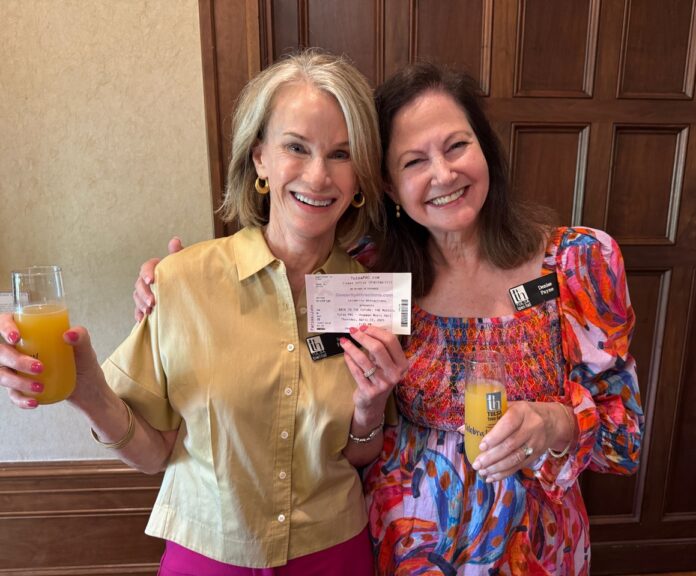
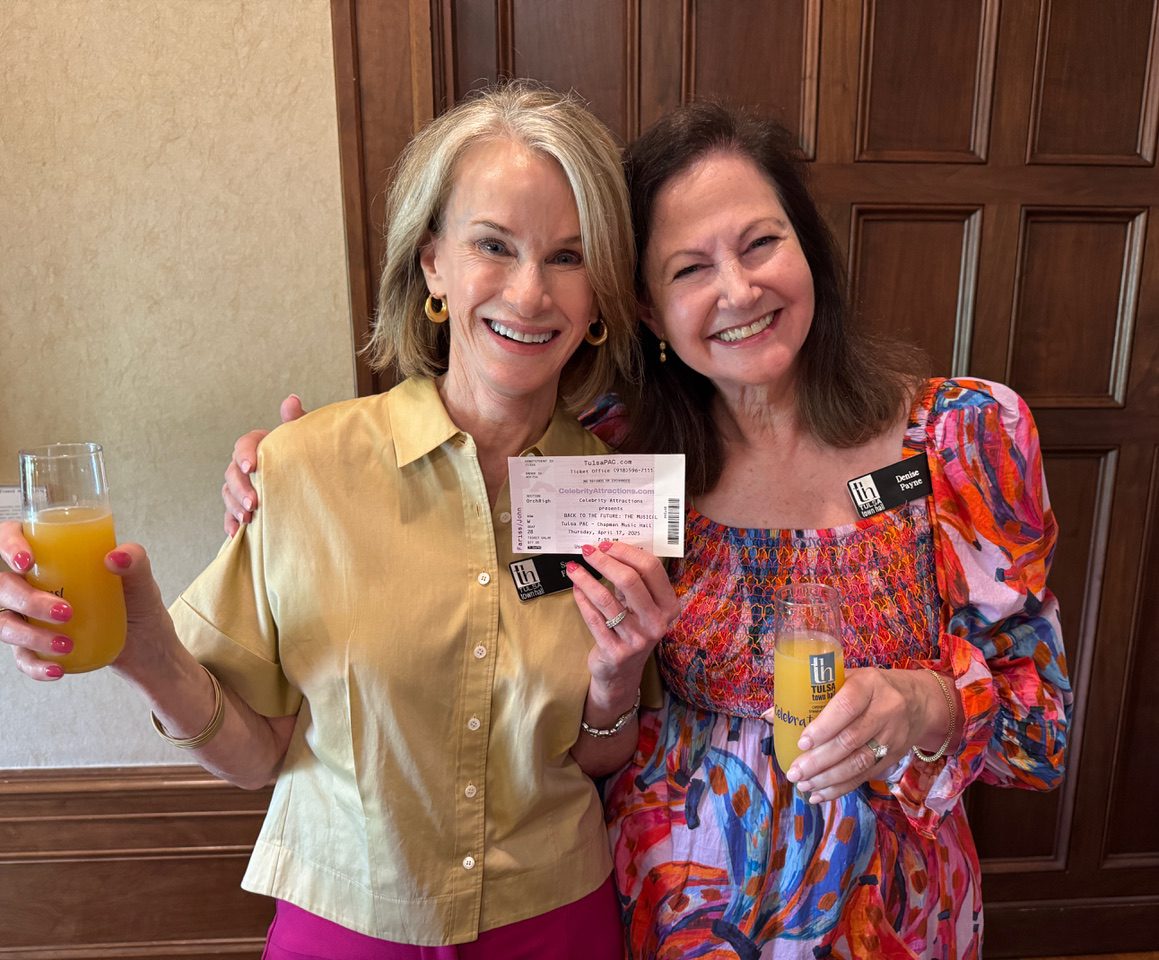
Sara Farris, Denise Payne; Member meeting, Tulsa Town Hall
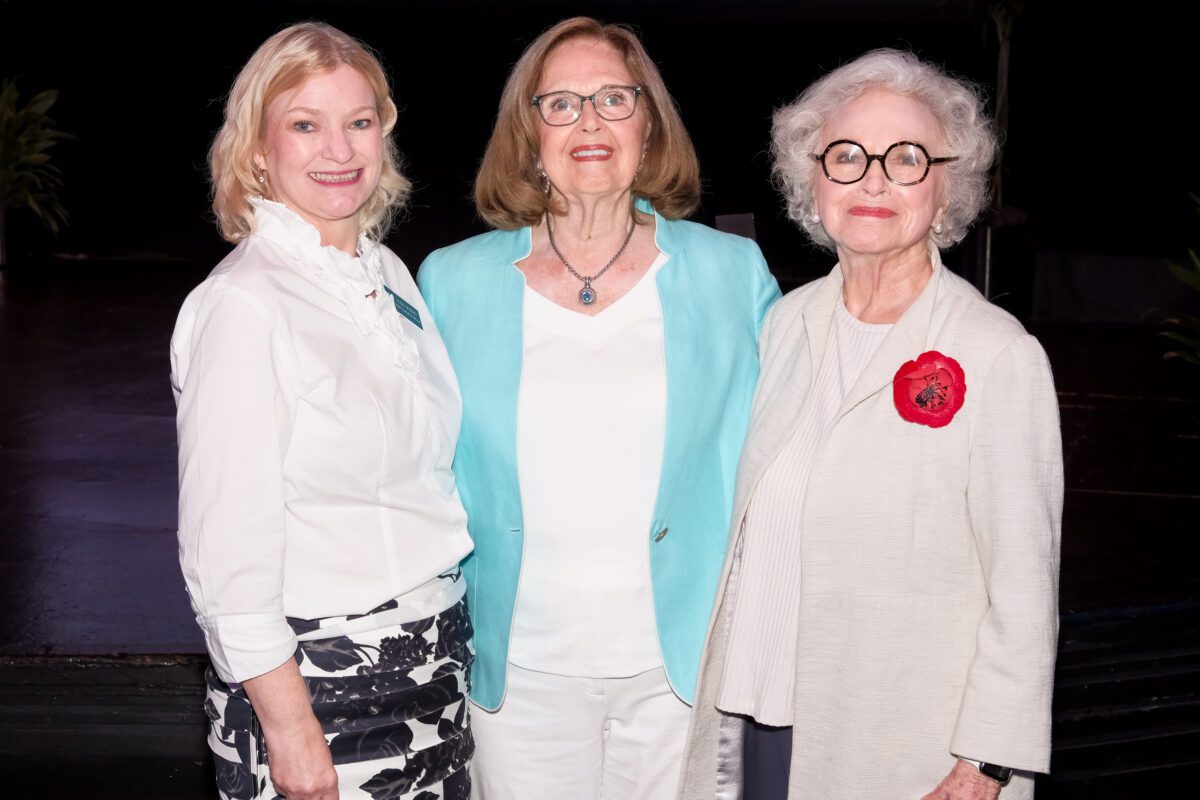
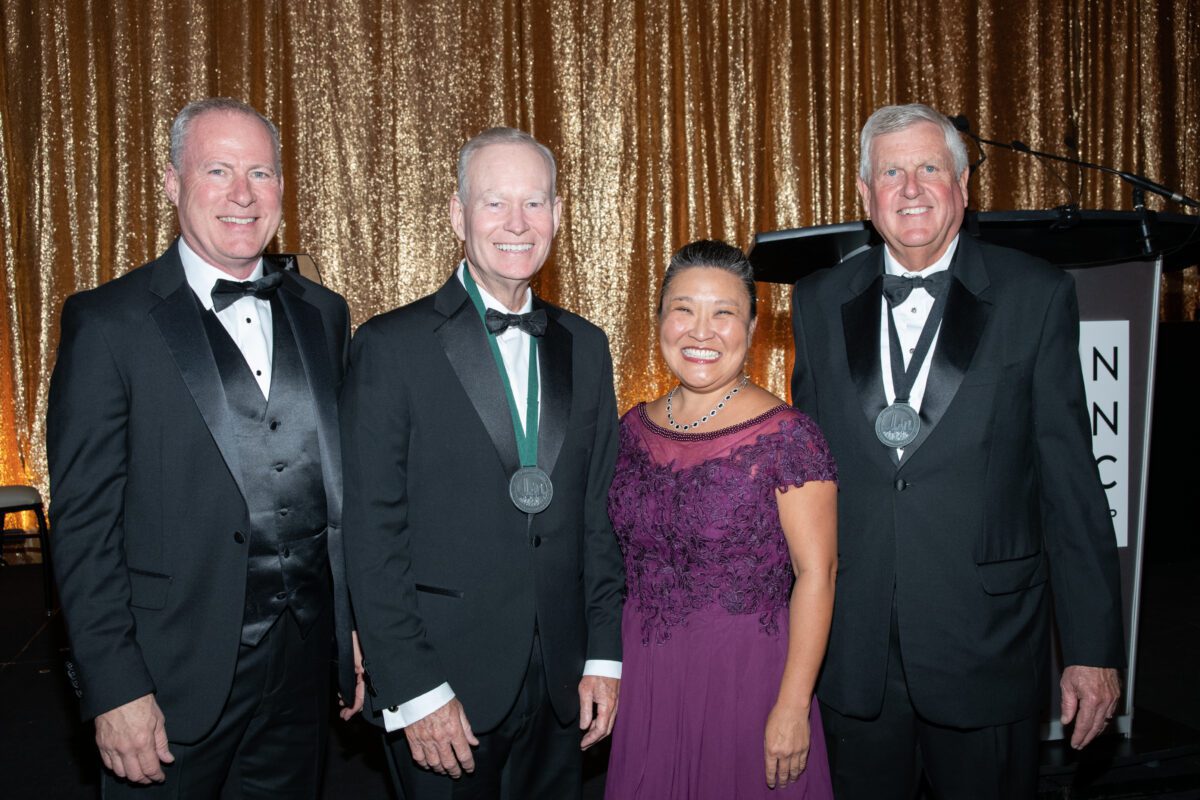
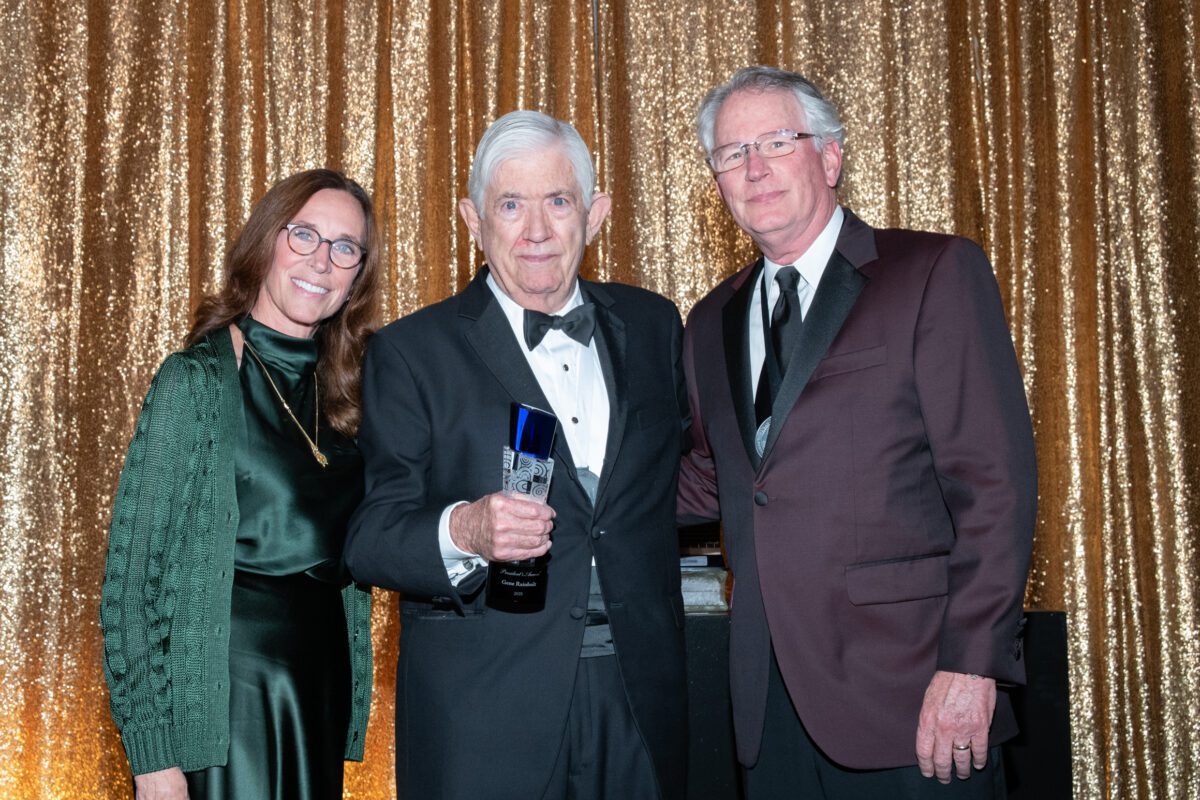
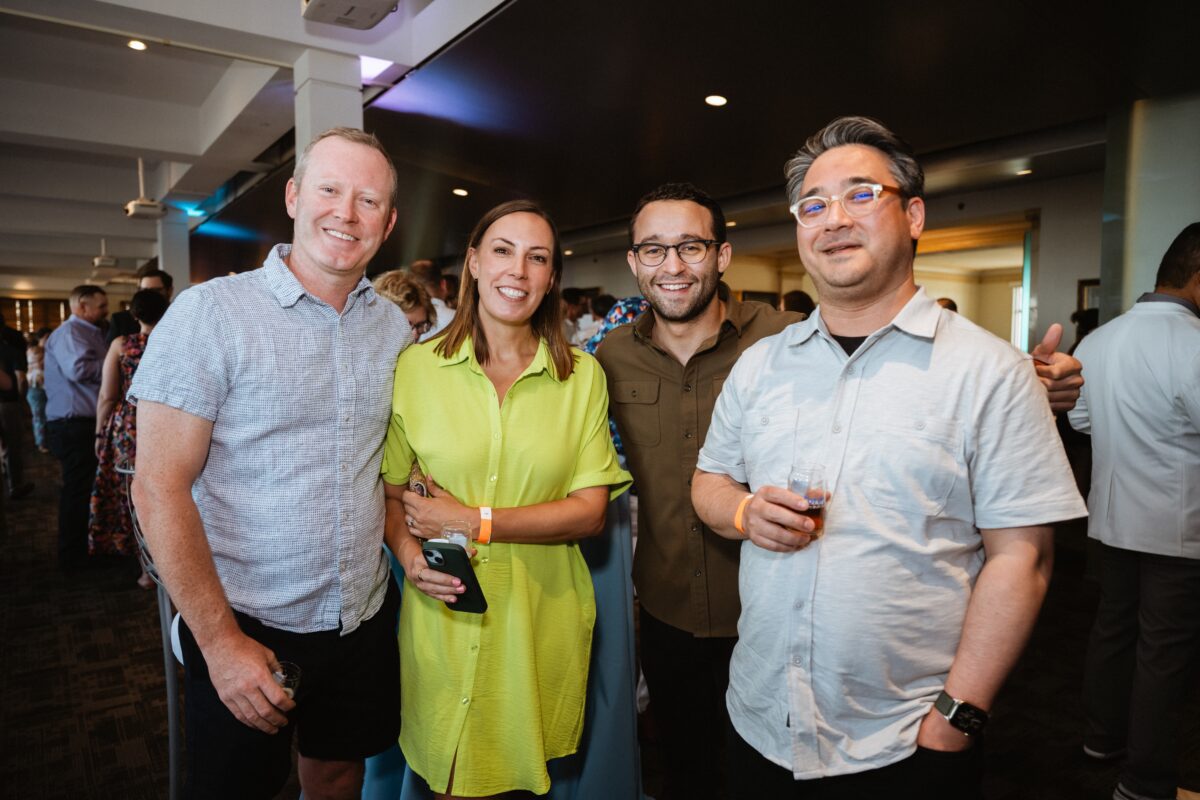
Linda Maisch, Judy Mee, Charlotte Lankard; Ripples of Hope, Calm Waters Center for Children and Families, OKCCraig Freeman, Mick Cornett, Jennifer Nakayama, Jim Couch; Dean A. McGee Awards, Downtown OKC PartnershipLeslie Rainbolt Forbes, Frank Hill, David Rainbolt; Dean A. McGee Awards, Downtown OKC PartnershipBrandi Bowers, Erin Engelke, Ashleigh Gibson; Work the Runway Fashion Show, Goodwill Central Oklahoma, OKCWalt Hendrickson, Nikki Nice, Margi Preston; Festival of Hope, HeartLine, OKCCasey & Marek Cornett, Zach Segall, Aaron Cahill; 11th Annual Oklahoma Born & Brewed, Oklahoma Hall of Fame, OKCAlie Meyer, Mary Lujan; Care Packs and Cocktails, Tenaciously Teal, OKCRuth Inman, Mindy Walker, Allison Richey, Lacy Brumley; Ringmaster’s Golf and Gala, Tulsa State Fair Night of Champions and Scholarship Fund, TulsaSara Farris, Denise Payne; Member meeting, Tulsa Town Hall
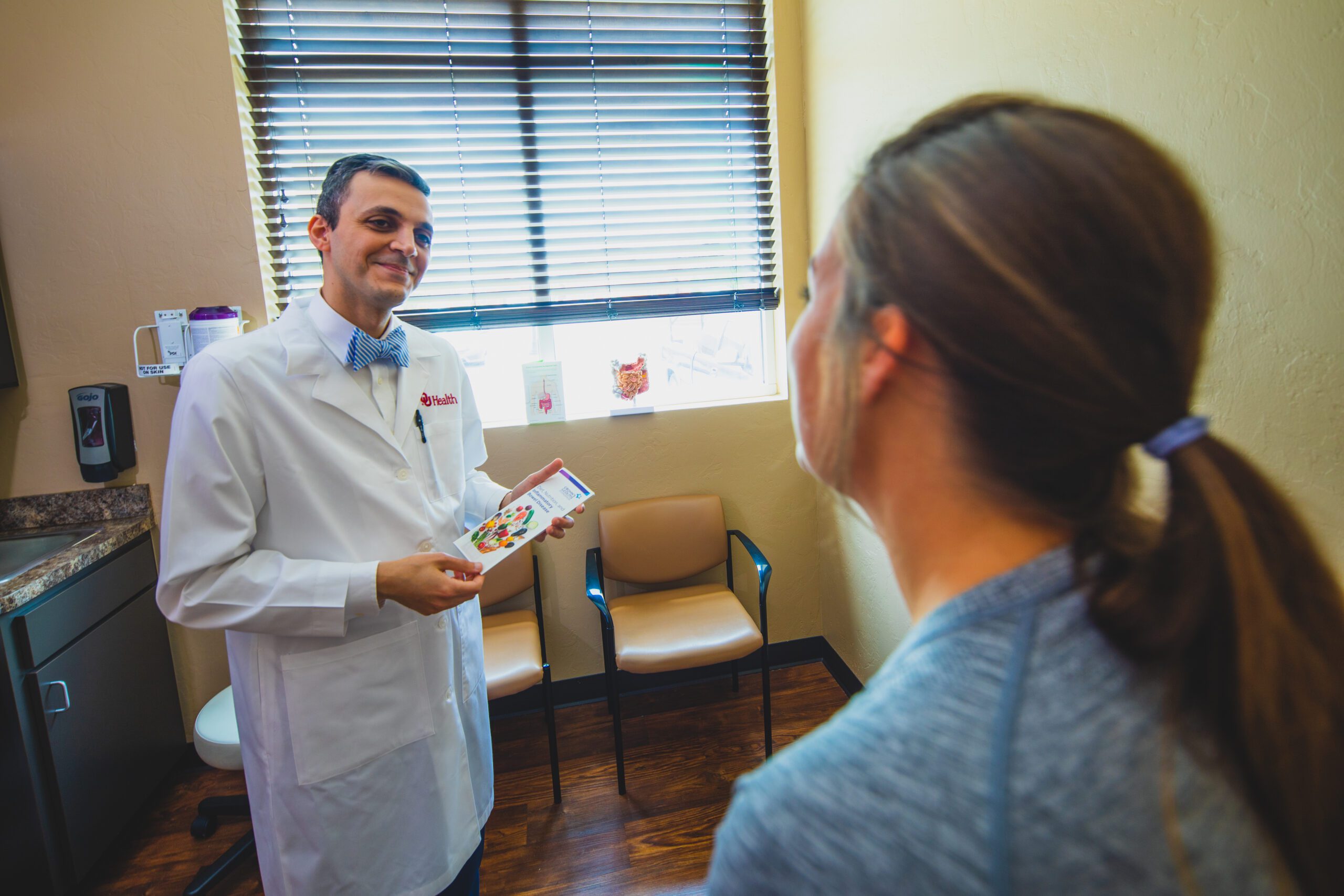
Gastroenterologist George Salem, M.D., with OU Health (above) says persistent abdominal pain, unexplained weight loss and difficulty swallowing are ‘red flag’ symptoms that warrant an immediate trip to your doctor. Photo courtesy OU Health
The Brain
Alzheimer’s vs. Normal Aging
According to the Alzheimer’s Association, it’s estimated that more than 7 million Americans are living with Alzheimer’s disease and as the U.S. population aged 65 and older continues to grow, so will the number of individuals affected by Alzheimer’s or other forms of dementia. It’s not surprising then that nearly 4 in 5 Americans would want to know if they had Alzheimer’s before symptoms occurred and/or before symptoms interfered with daily activities.
To help discern whether you or a loved one is experiencing signs of Alzheimer’s and dementia, the Alzheimer’s Association offers the following list of 10 early signs and symptoms.
1. Memory loss that disrupts daily life. While it’s typical to occasionally forget names and appointments, an early warning sign can be forgetting recently learned information, increasingly relying on memory aids, and/or asking the same questions over and over.
2. Difficulty completing familiar tasks. Doing day-to-day activities becomes harder, such as organizing a grocery list or driving to a familiar location.
3. Confusion with time or place. Individuals may lose track of dates, seasons and/or the passage of time.
4. Trouble understanding visual images and spatial relationships. One may experience vision changes as well as problems with judging distance and/or determining colors or contrasts.
5. New problems with words – in speaking or writing. Following or joining a conversation may be difficult and/or one may struggle with vocabulary and naming familiar objects.
6. Misplacing things and losing the ability to retrace steps. One may easily lose things or accuse others of stealing.
7. Poor judgment. One may start making poor decisions with finances or paying less attention to grooming habits.
8. Withdrawal from work or social activities. Due to the hardship in participating in daily activities, individuals may withdraw from hobbies and/or social events.
9. Changes in mood and personality, such as being unusually confused, suspicious, depressed, fearful and/or anxious.
10. Challenges in planning or solving problems. Keeping track of monthly bills or following familiar recipes becomes difficult and time-consuming.
Cognitive Fitness
Saint Francis Health System cardiologist Sarah Anne Shaw-Dressler says regularly checking a person’s blood pressure, cholesterol, A1C hemoglobin and body mass index are essential in maintaining a healthy heart. Photo courtesy Saint Francis Health System
The brain is a complex organ and possesses the remarkable trait of neuroplasticity — the ability to reorganize and rewire neural connections. With neuroplasticity, we’re able to continue to learn new things and embrace new challenges throughout our lives. To help keep your brain physically fit, consider the following tips.
• Challenge your brain. Remain a lifelong learner — try a new hobby, take an interesting class and engage in new experiences.
• Exercise regularly. Regular physical activity has been proven to help boost memory and thinking skills.
• Eat a healthy diet. A Mediterranean diet or other similar food plans have been associated with lowering the risk of cognitive decline.
• Get good quality sleep. Quality sleep helps both our mental and physical health, as well as supports positive cognitive performance.
• Maintain a healthy weight, blood pressure and manage and/or prevent diabetes. Doing what you can to avoid chronic illnesses and stay physically fit is beneficial to your brain’s overall health.
The Eyes
Glaucoma’s Threat
Glaucoma is a disease that damages the eye’s optic nerve and is most commonly caused by a buildup of extra fluid that increases the pressure inside the eye. According to the American Academy of Ophthalmology, glaucoma is a leading cause of blindness for people over 60 years old — but with early treatment, reduced vision and/or blindness can be prevented.
Steven R. Sarkisian, Jr., M.D., an ophthalmologist and founder and CEO of Oklahoma Eye Surgeons in Oklahoma City, says Minimally Invasive Glaucoma Surgery (MIGS) is a newer approach that helps lower eye pressure with far less disruption than traditional glaucoma surgeries.
“Because it uses very small incisions and delicate techniques, the risk of complications is lower, and the eye heals more naturally,” says Sarkisian. “MIGS can be done on its own or at the same time as cataract surgery, giving us flexibility to match our patients’ needs.”
He says one of the biggest advantages of MIGS is a shortened recovery time.
“Most patients have much less discomfort and get back to normal activities within days to a couple of weeks,” says Sarkisian. “This is much faster and easier than the longer recovery times often needed with older glaucoma surgeries.”
He shares that most patients are open to trying MIGS.
“The idea of lowering eye pressure with a safer, gentler surgery and potentially using fewer drops afterwards makes sense to people who are tired of daily medications or worried about vision loss,” says Sarkisian. “When I talk to someone who is a candidate for MIGS, I explain that it’s a safe and effective option that can protect their vision while allowing for a faster recovery and less disruption to daily life. I also reassure them that if MIGS alone isn’t enough over time, we still have other options available. This flexibility helps patients feel confident knowing they’re not ‘using up’ their future choices by starting with MIGS.”
The Ears
Preventing Hearing Loss
Whether it’s the roar from a music concert, sporting event or the mower while doing yard work, everyone is exposed to loud noises on occasion. And while most of us know that loud noise can be harmful to our ears, we may not always consider its long-term impact — known as noise-induced hearing loss (NIHL).
Jeremy Foon, M.D., an otolaryngologist with Eastern Oklahoma Ear, Nose & Throat, Inc. in Tulsa, says repeated loud noise exposure is a preventable and irreversible cause of hearing loss.
Noise-induced hearing loss can occur from concerts, using firearms or even operating a lawnmower, says Jeremy Foon, M.D., from Eastern Oklahoma ENT. Photo courtesy Eastern Oklahoma ENT
“There are three parts to the ear — the outer ear (ear canal), the middle ear (space behind the ear drum) and the inner ear (the cochlea),” he says. “The cochlea is where sound is processed and sent as an electrical signal to the brain. Loud noise exposure causes damage to the inner structures of the cochlea.”
Foon says common risks for NIHL outside of a work environment include repeated noises, prolonged noises and short-term intermittent noises.
“Some of the most common causes for recreational loud noise exposure are loud music at concerts, listening to loud music in the car or with earbuds, shooting firearms, and the use of power tools,” says Foon. “Not using earbuds or earmuffs is a huge factor, especially in predictably loud situations like shooting firearms or operating a lawnmower.”
As essential tools to help prevent NIHL, Foon says earmuffs and properly fitted earbuds can be worn together for better protection. For intense intermittent noises (i.e. firearms), he always recommends wearing both.
“I want to stress that NIHL is preventable,” says Foon. “A good place to start is to turn down the volume a little on the TV or while listening to music. Once we get NIHL, it will never improve — so take every step you can to avoid this common issue. Otherwise, you risk needing hearing aids at a young age or developing deafness.”
The Heart
Four Numbers that Affect the Heart
When it comes to heart health, several factors and relating numbers are essential to regularly check and monitor. From blood pressure and cholesterol to A1C levels and body mass index (BMI), cardiologist Sarah Anne Shaw-Dressler, D.O., with Saint Francis Health System in Tulsa, shares why these numbers are important.
“Regularly checking blood pressure, cholesterol, hemoglobin A1C, and BMI is essential for early identification and management of cardiovascular, metabolic and renal risk,” says Shaw-Dressler. “The American Heart Association (AHA) and the Endocrine Society both emphasize that these measurements are foundational for screening metabolic risk factors, which are major contributors to atherosclerotic cardiovascular disease (ASCVD), type 2 diabetes mellitus (T2DM) and chronic kidney disease (CKD).”
Blood Pressure & Cholesterol
While blood pressure tests measure the pressure against the artery walls as the heart pumps, cholesterol tests — also known as a lipid panel — measure the amount of cholesterol and fats in the blood.
“Elevated blood pressure and cholesterol are asymptomatic but strongly associated with an increased risk of myocardial infarction, stroke and other vascular complications,” says Shaw-Dressler. “The Endocrine Society recommends screening all adults aged 40–75 for these risk factors at least every three years and more frequently in those with established risk or prediabetes. The AHA recommends annual blood pressure and BMI assessment, with more frequent monitoring for those with risk factors or established disease.”
Gastroenterologist George Salem, M.D., with OU Health (above) says persistent abdominal pain, unexplained weight loss and difficulty swallowing are ‘red flag’ symptoms that warrant an immediate trip to your doctor. Photo courtesy OU Health
A1C Testing
She says a key marker for diagnosing and monitoring diabetes and prediabetes is a hemoglobin A1C test—a measurement of the amount of sugar in the blood. With regular assessments, individuals can seek early intervention and help prevent or delay the onset of diabetes.
“The American Diabetes Association (ADA) recommends at least annual A1C testing in those with prediabetes or diabetes,” she says.
BMI
Shaw-Dressler says that while imperfect, BMI is a practical measure for identifying if one’s overweight or obese, which are central drivers of metabolic and cardiovascular risk. Tracking BMI along with waist circumference helps identify potential risk factors and guide preventive strategies.
“In summary, regular monitoring of these parameters enables risk stratification, early diagnosis and targeted intervention — which are critical for reducing the burden of ASCVD, T2DM, and related complications, as recommended by the AHA, the Endocrine Society, and the ADA,” says Shaw-Dressler.
Younger People & Heart Attacks
As heart disease remains the leading cause of the death in the United States, there has been another alarming trend — more young people are experiencing heart attacks, or in medical terms, acute myocardial infarctions (AMI).
“Recent data demonstrate that both the incidence and the proportion of AMI occurring in adults under 55 years have increased or plateaued in the United States and other developed countries, with the most pronounced rise observed in young women,” says Shaw-Dressler. “This trend contrasts with the declining rates of AMI in older adults.”
Unfortunately, she says risk factors — such as smoking, obesity, hypertension, diabetes, dyslipidemia and substance abuse — have increased among young adults with AMI.
“Notably, young patients often present with a distinct risk profile, including a higher prevalence of non-atherosclerotic etiologies (e.g., spontaneous coronary artery dissection, drug-induced vasospasm), and a greater impact of psychosocial and socioeconomic factors,” says Shaw-Dressler. “These differences are particularly relevant in young women, who have seen the largest relative increase in AMI incidence.”
In addition, she says symptoms in women can be atypical — including but not limited to chest pain, upper back pain, neck/jaw pain, epigastric pain, nausea/vomiting, shortness of breath and shortness of breath on exertion.
For individuals in this younger demographic, Shaw-Dressler emphasizes the need for aggressive risk factor modification and targeted prevention strategies.
“The literature highlights the importance of early identification and management of cardiovascular risk factors in this population to mitigate the rising burden of premature cardiovascular disease,” she says.
The Joints
Robotic-Assisted Surgery
In the field of orthopedics, robotic-assisted surgery has greatly impacted procedures — offering greater accuracy, less complications and reduced recovery times.
Yogesh Mittal, M.D., an orthopedic surgeon with The Orthopaedic Center in Tulsa, explains the many benefits of robotic technology involving knee and hip replacement surgery.
“Most people recover faster because there is less soft tissue damage and the implants are placed more accurately and better balanced than traditional surgeries,” he says.
Robotic technology provides a 3D virtual model of the patient’s joint for customized positioning of the implant and supports bone conservation by removing the minimal amount of bone needed. In addition, regarding hip replacement surgery, Mittal says robotics support a decreased risk of future dislocation and more accurate leg length recreation—which he says is the number one mistake involving non-robotic hip replacements.
Mittal notes that while most of the procedures are outpatient, he prefers to keep patients overnight, if they desire, for additional support during recovery.
“Typically, patients are in an older population, so I want to ensure they are able to walk well with therapy before discharged,” he says.
As technology continues to advance, Mittal says artificial intelligence (AI) will also play a role in increasing benefits.
“We will have an algorithm out soon that will automatically place the implants accurately,” he says. “We are collecting all the robotic data and using machine learning (ML) to advance the technology, and will be able to make the incisions needed in surgery autonomously — by the push of a button.”
Mittal, who has completed more robotic surgeries than anyone else globally, says the developing software and hardware—the robotic arm materials—continues to improve.
“We have only scratched the surface and technology is advancing and rapidly improving patient outcomes,” he says. “In my opinion, we get so much information about the hip and knee before and during surgery, that it makes no sense to do the surgery without robotic technology.”
As well, Mittal touts the effectiveness and growth in regenerative medicine.
“Regenerative medicine has been an area of interest for years. Advances have brought forth opportunities to use micro-fat derived from adipose tissue, bone marrow derived from mesenchymal stem cells, exosomes which are micro-vesicles from ethically sourced placenta, and platelet rich plasma,” he shares.
“All of these modalities have their benefits and have been successful in treating varying ailments including arthritis, bursitis and tendinitis in well-selected patients. This area of medicine will continue to advance over the course of the next few years.”
Robotic-assisted surgery helps in recovery time, precision and effectiveness, says orthopedic surgeon Yogesh Mittal, M.D. Photo courtesy the Orthopaedic Center
The Stomach
Digestion Red Flags
George Salem, M.D., is an inflammatory bowel disease gastroenterologist with OU Health in Edmond. He says while everyone experiences an occasional upset stomach or a short-lived digestive issue, there are certain symptoms you should never ignore.
“Especially if they persist beyond a week, recur frequently and/or are accompanied by other concerning signs — known as red flags,” says Salem.
These ‘red flag’ symptoms include:
› Persistent abdominal pain or cramping
› Unexplained weight loss
› Ongoing diarrhea or constipation
› Blood in the stool — including black, tarry stools
› Night-time symptoms such as waking up in the middle of the night because ofabdominal pain or bowel movement
› Difficulty or pain with swallowing
› Persistent nausea and vomiting, or vomiting blood (which may resemble coffee grounds)
› Jaundice, or yellowing of the skin and eyes
“When people think about digestive health,they often focus on the stomach or colon,” he says. “In reality, the gastrointestinal tract is an intricate, continuous system that starts at the mouth and ends at the rectum. It includes the mouth, esophagus, stomach, small intestine, large intestine (colon), rectum and anus. Each part has a unique role — whether it’s breaking down food, absorbing nutrients or eliminating waste.”
Helpful Tips for a Healthy Digestive System
› Eat a balanced, fiber-rich diet with fruits, vegetables, whole grains and legumes.
› Stay hydrated — water is essential for smooth digestion.
› Limit ultra-processed and high-sugar foods that can disrupt gut balance.
› Add extra-virgin olive oil to your daily meals.
› Consider following a healthy diet regimen.
› Incorporate natural probiotic and prebiotic foods to your daily regimen, such as yogurt, kefir, bananas and certain vegetables to nurture healthy gut bacteria.
› Exercise regularly to keep the intestines moving.
› Manage stress, which can have a major impact on digestion.
› Avoid excessive alcohol and stop smoking.
› Keep up with recommended screenings.
“Colonoscopies save lives by detecting problems early,” says Salem. “Colonoscopies are safe and painless when performed by board-certified, fellowship-trained providers. [In addition], upper endoscopies in certain patient populations can prevent progression of certain pre-cancerous conditions of the esophagus and stomac
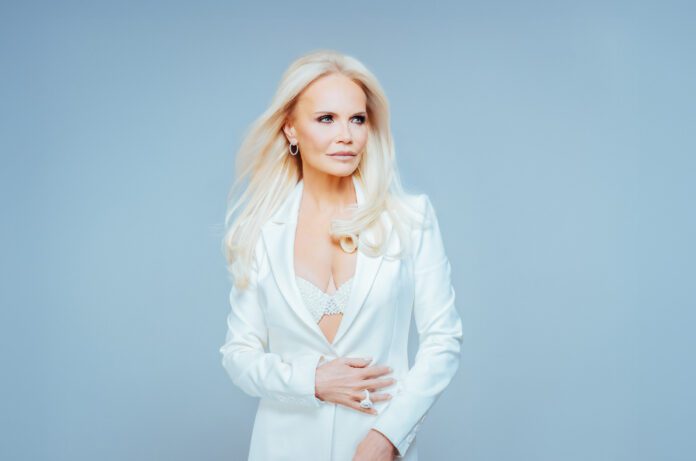
Oklahoman Kristin Chenoweth – an Emmy and Tony Award winner – is best known for projects ranging from Wicked to Pushing Daisies and The West Wing. Photo by Tony Matula, MA2LA
Broken Arrow native Kristin Chenoweth says Jackie Siegel, subject of the new Broadway musical The Queen of Versailles, is “maybe the role I’ve been waiting to play my whole life.”
“The character of Jackie is a complicated, wildly different and outrageous character,” she shares. “At the core of her, Jackie is someone who has the shared desires of building a better life for herself and her family – and that’s very relatable.”
The show opens Nov. 9 at the St. James Theatre in New York. The score was written by Stephen Schwartz, known for hit musicals like Pippin, Godspell and, perhaps most notably, Wicked, in which Chenoweth originated the role of Glinda the Good.
The music in Versailles is especially suited to her voice, Chenoweth says, because longtime collaborator Schwartz “wrote it for me.”
The new musical is based on a documentary by filmmaker Lauren Greenfield about Jackie, who rose from a computer engineer to Mrs. Florida to a billionaire – along with her husband David, the founder of Westgate Resorts, who was known as “The Timeshare King.” David is played by F. Murray Abraham, the stage and film actor who first came to prominence for his Oscar-winning performance as Antonio Salieri in Amadeus.
In Chenoweth’s newest Broadway production, The Queen of Versailles, she portrays real-life billionaire Jackie Siegel, who set out to build the world’s largest private home in America (coming in around $100 million) right before the 2008 recession. All photos by Matthew Murphy
Jackie set out to build the largest private home in America — a $100 million house in Orlando inspired by the Palace of Versailles. But with the Great Recession of 2008 looming, Jackie and David’s dreams began to crumble, along with their lifestyle. The musical explores the true cost of fame, fortune and family.
“I think we can see ourselves in her,” says Chenoweth, who has won both Emmy and Tony Awards for her stage, film, television and voiceover roles.
“She’s someone that seems very easy to judge, since she puts her life out there on social media and in reality television, but truly, who are we to say how we would behave with a million dollars or more? Who are we to say how we would deal with real loss in our life? Just because you have a ton of money doesn’t mean life is easy.”
Playing Jackie, she says, is challenging her in new and exciting ways.
“I’ve spent a lot of time playing really fun characters and I’ve had a lot of variation of characters –for example, Sally Born, a cartoon, Glinda from Oz, and Jackie; this is a real person with complicated feelings and actions. As an actor, you still want to be challenged, no matter how old you get. I knew this would be the more challenging role than any other offers I’ve had in a while. It’s a whole different ball game when the person you’re playing is still alive.”
Chenoweth says that as she came to know Jackie the person, “I did grow to love her. She’d give you the shirt off her back if you needed it. She does a lot of very important charity work that is currently changing the world as we speak. I think we show a little bit of that in the show as well. But make no mistake, we show the good, the bad and the ugly in the show. We have to, because it’s authentic.”
Chenoweth believes that it’s her responsibility to “step into her shoes, find her energy and play that so I can be true to who she is at her core,” she says. “I’m also the type of performer and actress who’s going to make her my own. I’m never going to be a cookie cutter actor who fits into a lot of categories. I’m unique – and I’ve embraced the qualities that make me different.”
Fortunate to star alongside a number of leading men, Chenoweth says “Murray is no exception. He is a delight every day that I walk into the rehearsal studio; he takes care of me, and I can tell truly loves me. I love him too. I know he is making me better in the role because he is just so good. He’s not only someone I admire, but I am proud to call my friend.”
To say Chenoweth has an “accomplished” career on the stage, the screen and the page would be an understatement.
In 2015, Chenoweth received a star on the Hollywood Walk of Fame. In 2009, she received an Emmy Award for Best Supporting Actress in a Comedy Series for her role in Pushing Daisies. In 1999, she won a Tony Award for You’re A Good Man, Charlie Brown and she was nominated for her role in Wicked in 2004. She was also nominated for two Emmy Awards and a People’s Choice Award for her role on Glee.
Her candid chronicle of her life so far, A Little Bit Wicked, debuted in 2009 on the New York Times hardcover nonfiction bestseller list.
Chenoweth has performed to sold-out audiences across the world, including performances at Carnegie Hall and Royal Albert Hall.
The Art of Elegance, her album of American songbook classics, debuted at No. 1 on Billboard’s jazz charts, and No. 1 on Amazon’s vocal pop chart. In 2018, she performed with the Tabernacle Choir and Orchestra at Temple Square in their annual Christmas concert in Salt Lake City, which was later televised on PBS.
Notable television roles include appearances in The West Wing, Disney’s Descendants and The Muppets. In film, Chenoweth voiced the role of Gabi in the animated film Rio 2 and Fifi, Snoopy’s beloved French poodle, in The Peanuts Movie.
When the first Wicked film adaptation was released in November 2024, fans were delighted to see cameo appearances by both Chenoweth and her co-star from the original Broadway cast, Idina Menzel. They appeared as Wiz-o-Mania Superstars during the “One Short Day” number.
“I heard from the producers and the director that they wanted Idina and I to do it,” Chenoweth says. “I was apprehensive at first – because I didn’t really view it as ‘my turn’ anymore. After some convincing, I came to understand that the audiences would appreciate it. It was nice to reunite with Idina.”
Chenoweth partners with the Broken Arrow Performing Arts Center Foundation to host the Kristin Chenoweth Broadway Bootcamp each summer. “We started KCBBC because there was nothing else like it in the state,” she says. “I certainly didn’t have anything like that growing up.” Photo by Kim Vento
With a master’s degree in operatic performance from Oklahoma City University, Chenoweth is a member of the Oklahoma Hall of Fame and the Oklahoma Music Hall of Fame. She is well-known for taking pride in her Oklahoma roots.
“For me, it was never a question whether I would support my home state or not,” she says. “The second I go back home to Oklahoma, I am reminded of my roots – and that makes me strong. I’ve always felt like if I forgot my roots, I would lose the compass of where home is. Now I realize, not everyone had a great upbringing like me, and some people want to forget where they came from. But for me personally, Oklahoma is who I am.”
She also hails from a state where voters are known to be influenced by their Christian beliefs and simultaneously, entertainers are expected to be vocal about their political ideologies.
“It’s funny, I grew up in a time where you could be politically whoever you were and separately be the artist that you want to be. It didn’t always have to go together,” Chenoweth says. “I long for those days – I long for the days where it doesn’t matter how I vote. I suppose in the world we live in today, you have to be black or white, there is no gray.”
But artists, Chenoweth says, “often live in the area of gray.”
Oklahomans Jay Krottinger (left) and Ryan Tanner (right) helm Tanninger Entertainment, a producer on The Queen of Versailles, as well as other award-winning shows like The Outsiders and Come From Away. Photo by Brittney Ashton Photo
Chenoweth’s charitable endeavors include a partnership with the Broken Arrow Performing Arts Center Foundation. Ten years ago, she launched the Kristin Chenoweth Broadway Bootcamp, providing young Broadway hopefuls with the opportunity to take classes, perform and learn from mentors in the industry – including herself.
“We started KCBBC because there was nothing else like it in the state. I certainly didn’t have anything like that growing up,” Chenoweth says.
“I wanted to solidify what my legacy would be and change the lives of children and open up opportunities for kids who want to do what I do. We have a two-week intensive training program in the summer. I bring in wonderful faculty to teach. It’s important for my campers to learn from people who have actually done it on Broadway.”
Chenoweth says she is “seeing the fruits of my labor – meaning a lot of my campers are going on and making their own path in this industry and are becoming a big success. And that was the whole goal. I actually take mentoring very seriously.”
She had wonderful mentors in her younger days, Chenoweth says, “and I see how important they were in my journey. All I want to do is create a safe space for these kids to be able to create.”
More Oklahoma Ties
Alongside a leading lady with Oklahoma ties, many Oklahomans are operating behind the scenes as producers of The Queen of Versailles – most notably, Tanninger Entertainment. Founded by Jay Krottinger, Ryan Jude Tanner and Patricia Chernicky, Tanninger Entertainment is a Broadway production company with global box office sales of over $700 million.
Broadway and West End producing credits alongside The Queen of Versailles include The Outsiders, The Sign in Sidney Brustein’s Window, Come From Away, Oklahoma! and Waitress. In addition to producing, Tanninger Entertainment manages two global entertainment investment funds, with holdings in productions such as Hamilton, MJ, Evita, Beetlejuice and Much Ado About Nothing.
Featured photo credit: Oklahoman Kristin Chenoweth – an Emmy and Tony Award winner – is best known for projects ranging from Wicked to Pushing Daisies and The West Wing. Photo by Tony Matula, MA2LA