



















Home Blog Page 50

Rapid Recall

Are you fascinated by fun facts? Got a talent for sport statistics? Have a mind full of music and movie knowledge or a brain that fixates on science and history? Then create a team and make your way to the nearest trivia event in your community. Turns out, you’ll find plenty of options in the Oklahoma City and Tulsa metros.    

Trivia enthusiasts in both communities say the pastime is a way to have fun with friends and family, support local bars and restaurants, and test their knowledge on a variety of subjects.

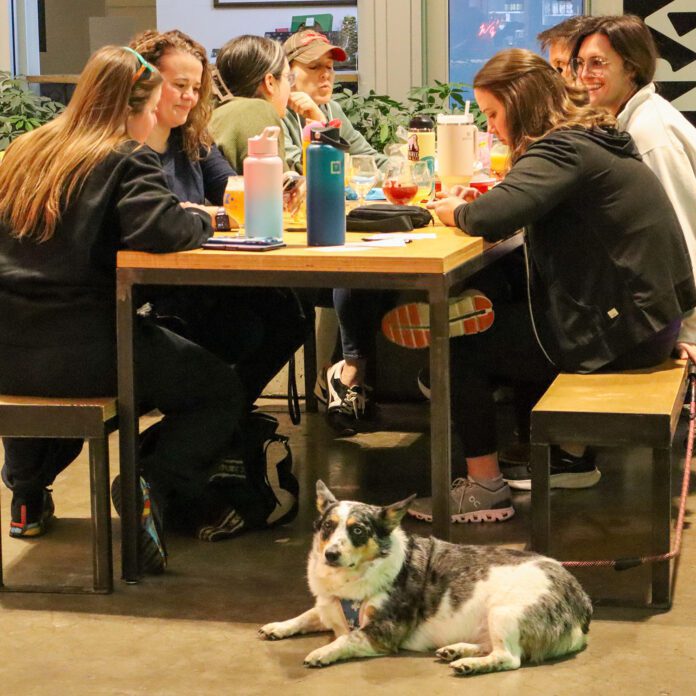
The Tuesday trivia nights at Shuffles Board Game Cafe in Tulsa draw a large group of players, says owner Eric Fransen.

“We love trivia; we’re all about games,” says Fransen, whose café features a large selection of games to try, alongside food and drink.

Fransen works with the trivia business Questionable Company to host the weekly event. Questions posed to the audience cover topics such as science, geography, entertainment and general trivia.

Tulsan Francine Adams plays at Shuffles with her team weekly, and loves the atmosphere and the assortment of queries.

“There are questions for everybody – but they make sure that some of them are challenging for people that play on a regular basis,” she says.

Adams and her team, known as the Slayaz, have been playing trivia for seven years. They range in ages and backgrounds and have become close friends over the years. Part of the fun of trivia nights, she says, is to blend together the interests and knowledge of other players. Adams encourages any interested to give it a go. And, sure, sometimes a wrong answer happens, but that shouldn’t stop you from playing. 

Wade Pierce of Oklahoma City is a longtime trivia fan who now gets the opportunity to host and write questions for trivia nights around town. Pierce is the owner of BanjoBug Trivia, a company that is hired by bars and restaurants to host events. 

Pierce says he enjoys writing questions, and that you have to have “a blend of questions that’s appealing to a large group of people.”

He also believes the host plays a key role in trivia. 

“It has to be someone that’s energetic,” he says. “The questions have to be good – but the host has to be fun and silly, too.”

Another perk of a trivia night is the potential for prizes. In some cases, winning teams can go home with a gift card from that particular bar or restaurant. And for teams who excel in the game, there’s the chance to compete on a higher level, like the Oklahoma Trivia Premier League.

Teams can earn points when they play trivia at a BanjoBug trivia night. At the end of the season, top teams play in the finals where they compete for cash and prizes.

Aside from tangible rewards, trivia also offers other benefits, enthusiasts say.

Playing games to boost knowledge “helps in keeping a young, more pliable brain,” says Fransen. Adams agrees. 

“With trivia, you get people who still want to learn more,” she says. 

Pierce mentions that trivia is also a great way to get friends together and give each member a chance to shine in their favorite subject areas. Having players on a team who are different ages is also helpful. 

“The teams that do really well have a really good variety of interests – but also a really good variety of ages,” Pierce says.

Trivia for You

Ready to challenge yourself with trivia? Here’s a quick quiz (with answers below):
1. What is James Bond’s code name? 

2. Who is considered the “Father of Relativity?” 

3. What do you call a group of flamingos? 

4. Relative to the internet, what does “URL” stand for? 

5. According to The Guinness Book of World Records, what’s the best-selling book of all time? 

Wade Pierce is the owner of BanjoBug Trivia, a company based in Oklahoma City that is hired by bars and restaurants to host games. Photos courtesy Wade Pierce

Answers: 007; Albert Einstein; a flamboyance; uniform resource locator; the Bible
A River Running Through

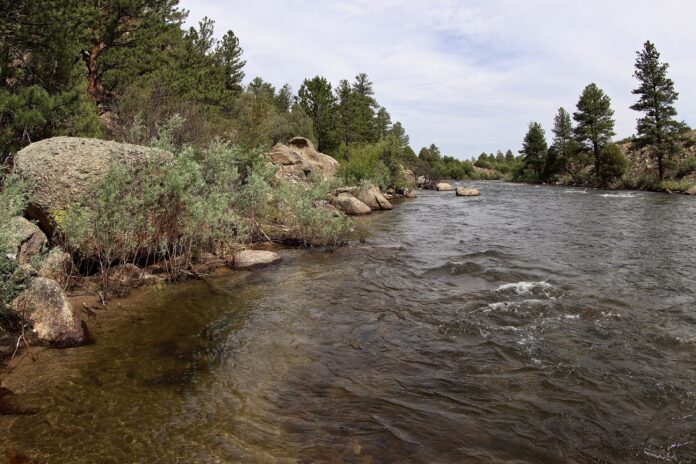
Did you know Oklahoma is totally encompassed within two large drainage basins? These are the Red River and the Arkansas River. The two bodies of water, as well as their many tributaries, flow into Oklahoma from all six of our neighboring states; however, all surface water leaves Oklahoma by way of the Red, Arkansas and Little Rivers, as well as Lee Creek. Most rivers and tributaries flow generally to the east and southeast across the state. Oklahoma has approximately 78,603 miles of river; we break down the details of some of the state’s most notable of these.

Arkansas River

The Arkansas River is a major tributary of the Mississippi River. It flows to the east and southeast as it traverses the U.S. states of Oklahoma, Colorado, Kansas and Arkansas. The river’s source basin lies in Colorado, specifically the Arkansas River Valley. 

The headwaters derive from the snowpack in the Sawatch and Mosquito mountain ranges. It flows east into Kansas and finally through Oklahoma and Arkansas, where it meets the Mississippi River. Three major cities are situated along the banks of this river that drains nearly 160,500 square miles of land: Wichita, Kan.; Tulsa, and Little Rock, Ark.

At 1,469 miles, it is the sixth-longest river in the United States, the second-longest tributary in the Mississippi–Missouri system, and the 45th-longest river in the world.

Red River

The Red River is the second-largest river basin in the southern Great Plains. It rises in two branches in the Texas Panhandle and flows east, where it serves as the border between the states of Texas and Oklahoma. 

It forms a short border between Texas and Arkansas before entering Arkansas, and forms much of the eastern border of Miller County, Ark., turning south near Fulton and flowing into Louisiana, where it feeds the Atchafalaya River. 

The total length of the river is 1,360 miles, with a mean flow of over 57,000 cubic feet per second at the mouth.

Washita River

The Washita River forms in eastern Roberts County, Texas, near the town of Miami in the Texas panhandle. The river crosses Hemphill County, Texas, and enters Oklahoma in Roger Mills County. It cuts through the Oklahoma counties of Roger Mills, Custer, Washita, Caddo, Grady, Garvin, Murray, Carter and Johnston before emptying into Lake Texoma, which is the modern border between Bryan County and Marshall County.

The river bisects the heart of the Anadarko Basin, the fifth-largest natural gas formation area in the United States. When the river reaches the Arbuckle Mountains, it drops 30 feet per mile as it cuts through Big Canyon, a limestone gorge 300 feet deep.

The Washita’s river bed is made up of unstable mud and sand, and its banks are composed of steeply incised and erosive red earth. This makes it one of the most silt-laden streams in North America.

Salt Fork Red River

The Salt Fork Red River is a sandy-braided stream about 193 miles long, heading on the Llano Estacado of west Texas about 1.8 miles north of Claude of Armstrong County, Texas, flowing east across the Texas Panhandle and western Oklahoma to join the Red River about 13 miles south of Altus in Jackson County. 

The Salt Fork Red River rises in northern Armstrong County, Texas, just to the south of Carson County. It flows southeast across Donley and Collingsworth County, crossing into Oklahoma at the 100th meridian. It then flows through Harmon County and Greer County, turning south near Mangum, and flows through central Jackson County, to its confluence with the Red River.

Reaching the Summit 

Oklahoma is home to a plethora of beautiful landscapes. Black Mesa, an area of land that covers Colorado, New Mexico and Oklahoma, is one of the best places to take in the natural sights of the Sooner State. 

“Black Mesa provides guests with some of the best stargazing in the state,” says Chase Horn, the communications director for the Oklahoma Tourism and Recreation Department. “The dark skies bring hundreds of visitors to the park every year for the annual Okie-Tex Star Party, and it’s the perfect spot for astrology enthusiasts to view the Perseid meteor shower.”

The short grass prairie has abundant wildlife including mountain lions, butterflies and Texas horned lizards. 

In fact, says Horn, “Black Mesa State Park is also the only place in Oklahoma where you can find bighorn sheep.”

In centuries past, the area was home to the Plains Indians, including Anasazi, Kiowa, Comanche, Cheyenne and Arapaho tribes. Evidence of Indian habitation dating back thousands of years has been found in caves around Kenton. 

The area was also home to outlaws during the early 20th century, such as William Coe and Black Jack Ketchum. The Panhandle, then a no man’s land with very little law enforcement, saw an influx of criminal activity until it was eventually settled by miners and farmers. 

As for the present day, the mesa still has plenty for travelers. 

Today, Black Mesa State Park offers stunning high-altitude views and outdoor recreation. Photos by Lori Duckworth/Oklahoma Tourism

“When visiting Black Mesa State Park, guests have the opportunity to hike the 8.4 mile round trip to the state’s highest point,” says Horn. “The park has 25 RV sites and 25 campsites, so guests can stay overnight and take advantage of some of the darkest skies on publicly accessible land in the country. 

“The park has taken steps to minimize light pollution, like putting up shielded lights, to make sure stargazers have an amazing view,” he says. 

Along with the beautiful views and other wildlife, there are also plenty of birds for those looking to catch a glimpse of golden eagles, scaled quail, black-gilled magpies and pinyon jays. Prehistoric-centered activities exist as well. 

“There are dinosaur footprints on private land next to the park that guests are allowed to visit,” says Horn. These tracks were discovered in the 1980s and due to erosion, only a third of them still remain today. 

Although the mesa itself has been around for quite some time, the park isn’t nearly that old. 

“Black Mesa became a state park in 1959 and gets its name from the layer of black lava rock that coated the mesa years ago,” says Horn. “If you hike to the highest point, you can see this volcanic field in the distance including Sierra Grande, an ancient shield volcano, and Mount Capulin, a cinder cone volcano,” Horn says. Both volcanoes are extinct but offer stunning views from the highest point in Oklahoma. 

Loving Fido and Felix 

Our feline and canine companions do more than provide fellowship. In fact, multiple studies show that pets help lower stress, combat loneliness and provide a sense of purpose. The most common ways of acquiring said pets are through adoption agencies and reputable breeders. 

The SPCA – Society for the Prevention of Cruelty to Animals – almost always has animals to adopt, and the process isn’t overly complicated. 

“People can either apply online, or they can just stop into our shelter or at one of our many adoption events in the community,” says Mindy Tiner, CEO of the SPCA’s Tulsa branch. “At that point, we just have a conversation. We will discuss the animal they’re interested in, their lifestyle and expectations for this new member of the family, and try to make the best connection possible. Other than cruelty situations, there isn’t really anything that will automatically make us deny an adoption. Once a match is made, we go over medical records and any other information we have on the animal, and they get to head home. We do follow up at regular intervals to see how things are going and offer assistance if needed.”

While adopting an animal is an exciting time, it requires plenty of dedication. 

“If you want to open your heart and home to a dog or cat, we want to do what we can to make that happen,” says Miner. “We offer many resources – from access to affordable veterinary care to temporary assistance with essentials such as food and supplies to help facilitate those relationships.”

Whether adopting from a shelter or purchasing from a breeder, there are things to consider. 

Whether adopting or purchasing an animal, always be sure to ask the breeder or rescuer relevant questions about health and socialization. Photos courtesy Tulsa SPCA

“When you adopt, you are saving two lives,” says Miner. “You’re saving the animal you adopt, but you are also making it possible for us to bring another animal into our program in their spot. Additionally, with adoption, you know you aren’t unintentionally contributing to pet overpopulation. When you purchase an animal from a responsible breeder, you do know more about the animal’s lineage. This can sometimes help you avoid medical or behavioral issues.”

Tiffany Epperly of Edmond Doodles is a vetted breeder and offers advice on how to proceed once you’ve chosen the specific breed of dog or cat you want to adopt or purchase.

“The next step is to research reputable breeders or rescue organizations that specialize in that breed,” she says. “It’s important to gather as much information as possible about the breeder or rescuer, including their reputation, breeding practices, and the health and temperament of their animals. Most reputable breeders have a website and social media presence to give families a window into their program. Some join the Better Business Bureau or go through the process of getting certified through reputable breeding organizations.”

When visiting a breeder or rescue, be sure to come prepared, advises Epperly. Have relevant questions and requests ready – which include asking to see the parents if possible, how the animals have been socialized, what kind of conditions have they been exposed to, and what health tests and vaccines have been given.

There are some red flags to be aware of, Tiner says, including lack of transparency, poor living conditions, or not offering any health guarantees.  Over-breeding may be occurring if the breeder has multiple litters of different breeds available at the same time.

“One important aspect to consider is the ongoing support and resources the breeder provides to their puppy families,” says Epperly. “At Edmond Doodles, we answer any questions families may have, offer training tips and provide guidance throughout the puppy’s life.”

When it comes to adopting a new furry family member, “don’t be so focused on how an animal looks that you miss out on making a connection with the perfect new addition to your family,” says Miner. “Also, while we want everyone to have a great experience, bringing a new animal into your life can sometimes be challenging – don’t give up too quickly! If it just isn’t a fit, there is no shame in that – but this furry friend is going to love you forever and unconditionally, we hope you will do the same.”

Creating Community

Oklahoma City Community Foundation

In 2022, nearly 60,000 Oklahomans were unemployed, according to the U.S. Department of Labor Statistics. Yet, there were 36,000 more job postings than people searching for work, according to the State Chamber Research Foundation. That didn’t add up, so the Oklahoma City Community Foundation (OCCF) decided to dig in and solve the problem.

“We found Oklahoma is experiencing mass shortages in areas like nursing, truck driving, early education and software development – all of which require months, if not years of training and education,” says Trisha Finnegan, OCCF’s president and CEO. 

In response, the foundation, in collaboration with other local organizations, developed a Workforce Development Scholarship Program which has now awarded just over $400,000 in grants for training opportunities for individuals, which is raising wages and filling critical gaps for local employers, Finnegan says.

Since 1969, the OCCF has been helping individuals, families and organizations make the greatest impact on the most pressing needs facing the community, with workforce and education being top priorities.

“I don’t believe there’s any other resource in a community that brings people together to contribute and create change more than a community foundation,” Finnegan says. “The Oklahoma City Community Foundation has worked to bring people together from across the community who want to invest in this place and the people who live here.” 

The foundation serves people and organizations in central Oklahoma and beyond, and OCCF is the largest independent provider of scholarships in the state. This past year, the foundation awarded more than $4.5 million to more than 1,000 students, Finnegan adds. 

“We love being part of this growing community, working with public and private partners to move OKC forward,” Finnegan says. “OCCF is proud to be a place where individuals, families and organizations come together to improve the quality of life for our community.”

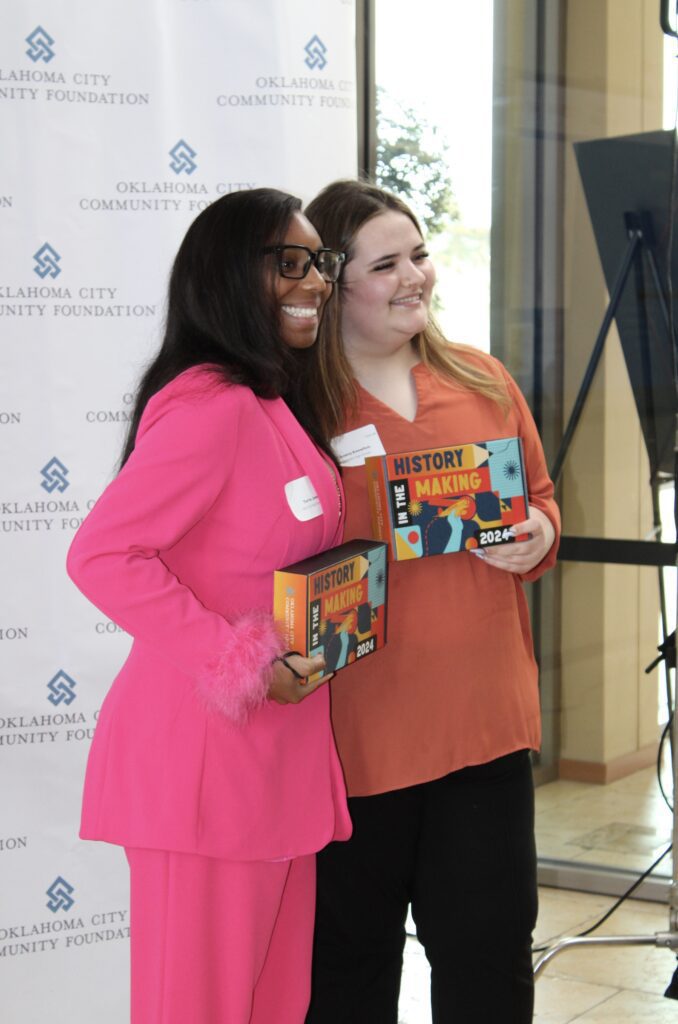
OCCF scholarship recipients pose at Oklahoma City Community Foundation’s annual scholarship luncheon. Photo courtesy OCCF

George Kaiser Family Foundation

Creating equal opportunity for the children of Tulsa and the surrounding area is at the heart of everything local businessman George B. Kaiser stands for in life. His Tulsa-based charitable organization, the George Kaiser Family Foundation (GKFF), is dedicated to breaking the cycle of poverty and providing the greatest opportunity for everyone to succeed through investments in early childhood development and education; community wellbeing and justice; civic enhancement; and social services. 

“Since we began our work in 1999, GKFF has been guided by a commitment to making Tulsa a place where every person and family can flourish, no matter their background,” says executive director Ken Levit. 

A key GKFF initiative, the Birth through Eight Strategy for Tulsa (BEST), targets families with young children, intervening in some of the most formative years with the hope of breaking the cycle of intergenerational poverty. The strategy aims to ensure families have the tools to increase the percentage of children: born healthy, on a positive development trajectory by age three, ready to enter kindergarten and achieving success by third grade.

Through collaborations with public and private partners and community-based organizations, GKFF pursues efforts that create lasting, positive change in nearly every aspect of a Tulsan’s life, Levit says. 

“From support at birth to fostering economic opportunity through education, job training, entrepreneurship and vibrant public spaces, our approach is comprehensive and community-focused,” he says. “By working with local partners to adapt proven national programs and using evidence-based practices, GKFF tackles our community’s most pressing challenges through initiatives which work to reverse the generational cycle of poverty, especially for very young children and their families, and create long-term opportunities that empower communities, foster sustainable economic growth and ensure lasting social impact.”

The George Kaiser Family Foundation is aimed at breaking cycles of poverty and provides job training, education and entrepreneurial opportunities. Photos by Shane Bevel

An Oklahoma Reading List 

Check out our list of books set in Oklahoma or by Oklahoma authors. There’s a wide range of suggestions, whether you like fiction, nonfiction, poetry or young adult novels. And you just might learn a thing or two about this great state.

The Outsiders 

By S.E. Hinton

1967

Set in Tulsa and written by Tulsa-born author S.E. Hinton, The Outsiders changed the landscape of young adult fiction. Readers can learn more about being a teenager in 1960s Tulsa from the realistic story of Ponyboy Curtis and his struggle to find his place in a society that largely rejects him.

Where the Red Fern Grows

By Wilson Rawls

1961

The nature imagery and simple but beautiful storytelling in this classic will ring familiar to anyone who has experienced rural northeastern Oklahoma. Oklahoma author Wilson Rawls draws on his experiences in this story of a boy and his two pups roaming the Ozark Hills in the early part of the 20th century.

Killers of the Flower Moon: The Osage Murders and the Birth of the FBI

By David Grann

2017

This nonfiction work brings to light what the Osage Nation’s people knew as the Reign of Terror. This work by New
York Times
bestselling author David Grann should be on every Oklahoman’s book list. (The 2023 Martin Scorsese film of the same name can be a bonus treat after finishing the book!)

The Innocent Man: Murder and Injustice in a Small Town 

By John Grisham

2006

In this prolific novelist’s first nonfiction work, readers learn about a small-town Oklahoma murder and the following investigation. A local Ada baseball player, and major league wash-out, is put on death row, … but is he really guilty? 

Ready Player One

By Ernest Cline

2011

This futuristic thriller is set in Oklahoma City, but the real action takes place in a virtual utopia called OASIS. The main character is avoiding his unpleasant reality by escaping it entirely. But when his attempts to solve virtual puzzles lead him into a much darker, and more real, element he finds his virtual world may not be all he had hoped. 

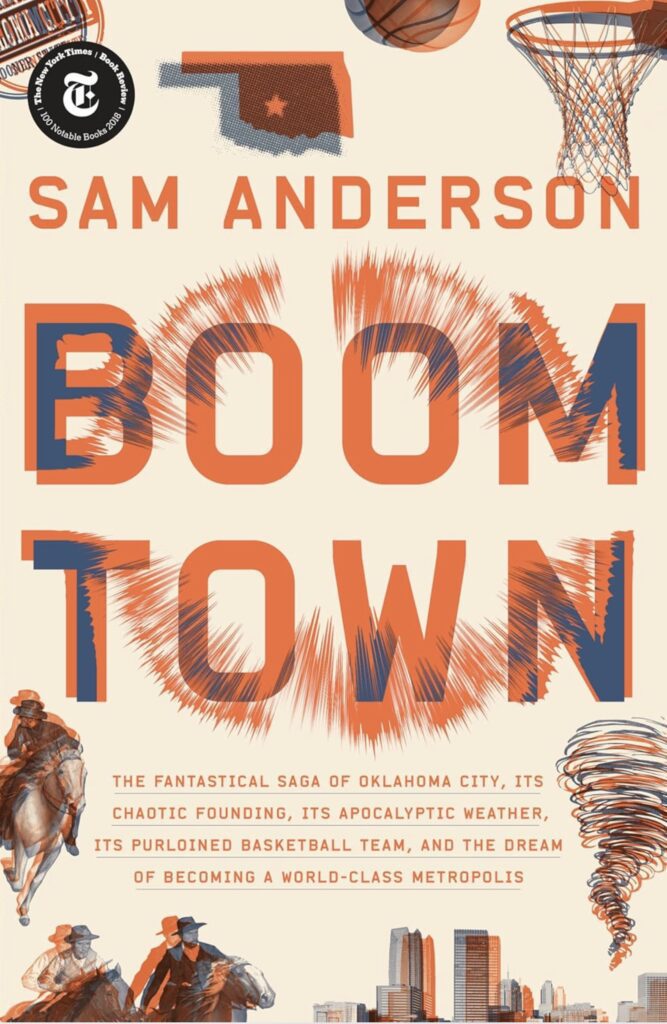
Boom Town: The Fantastical Saga of Oklahoma City, Its Chaotic Founding, Its Apocalyptic Weather, Its Purloined Basketball Team, and the Dream of Becoming a World-class Metropolis

By Sam Anderson

2018

For the nonfiction lovers, this exciting history of Oklahoma City tells the whole story about our fascinating capital.

Paradise

By Toni Morrison

1997

Toni Morrison, recipient for the Nobel Prize for Literature, writes beautiful, if difficult, epic prose about a fictional all-Black town in Oklahoma where a brutal crime occurs early one morning in 1976.

Grapes of Wrath 

By John Steinbeck

1939

This classic is a staple of every Oklahoma book list. Steinbeck’s compelling depiction of the Great Depression is illustrated through the Joad family who must leave their Oklahoma farm to head to California for redemption.

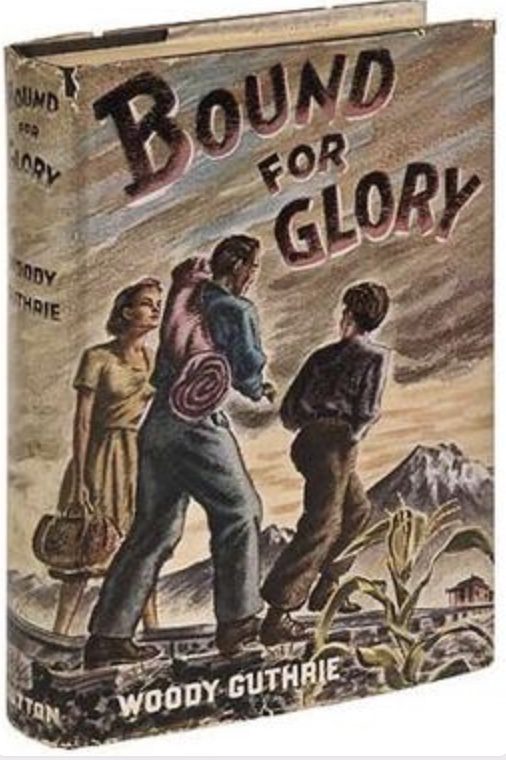
Bound for Glory

By Woody Guthrie

1943

This autobiography by one of Oklahoma’s favorite sons also gives a good depiction of the Great Depression era. Get insight into Guthrie’s personality and discover what made him a legend in his own time and since.

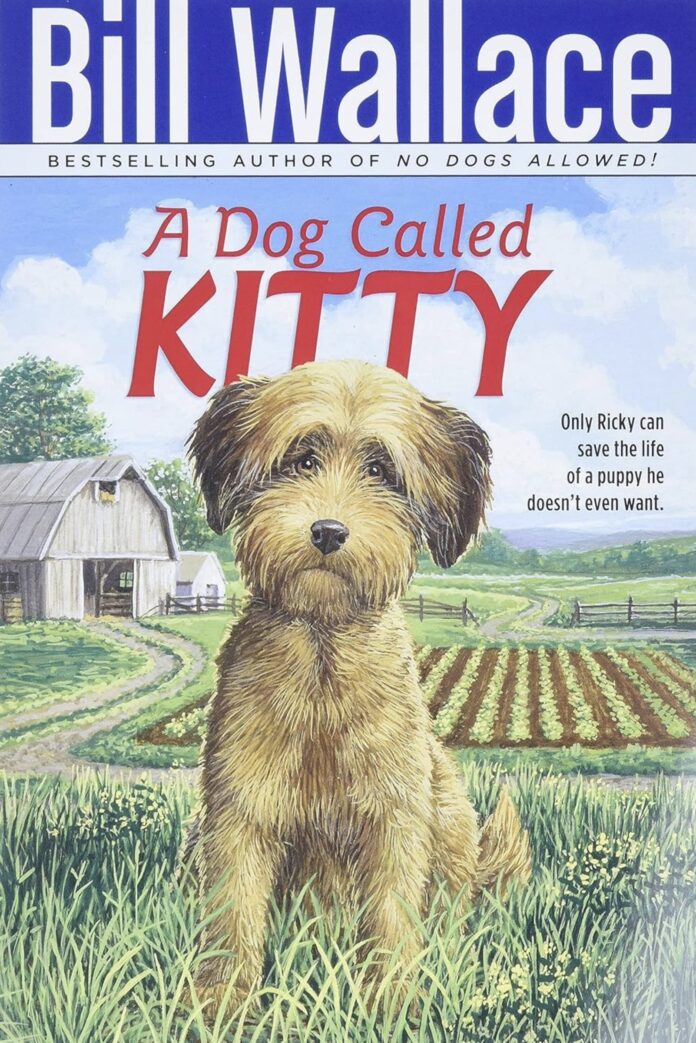
A Dog Called Kitty

By Bill Wallace

1992

Bill Wallace was born and raised in Oklahoma and became a teacher and principal at the same school he had attended as a child. He became an author when the stories he made up for his students were a big hit with the children. A Dog Called Kitty is about a boy who must overcome his fear of dogs to help rescue a special pup.

All photos courtesy their respective authors/publishers

Writing New Relationships

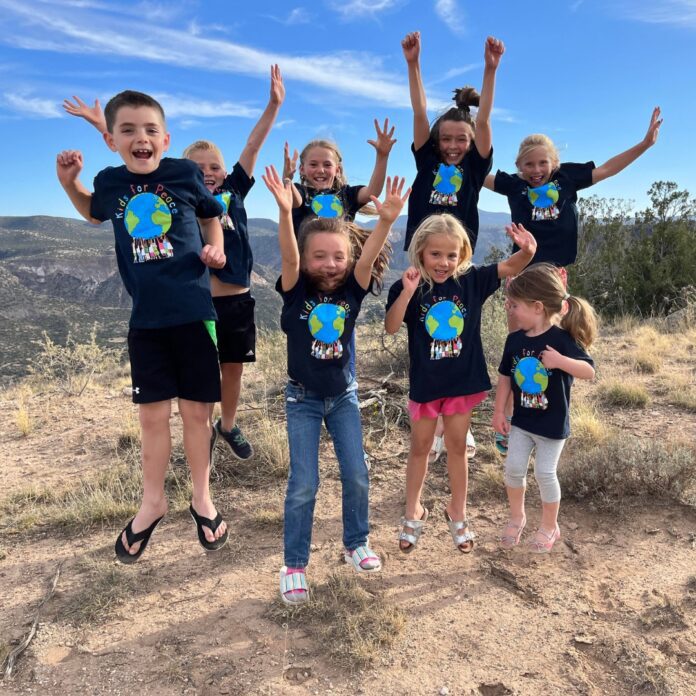
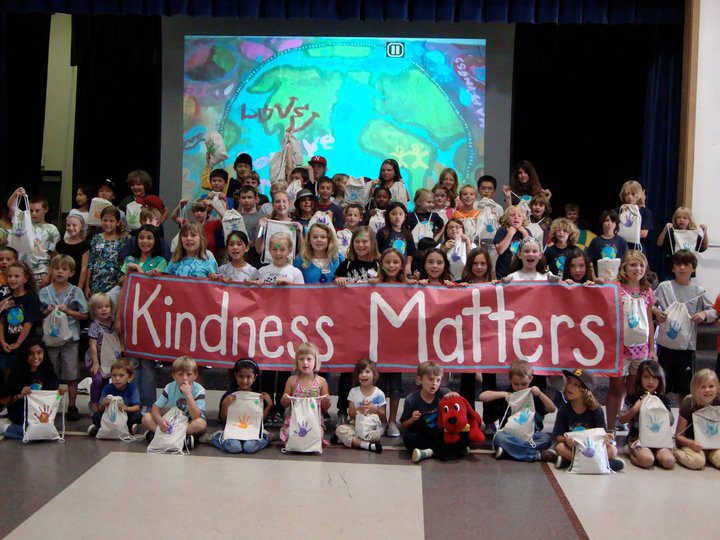
The Peaceful Pen Pals Project is helmed by Kids for Peace, which aims to create a global community of kind, compassionate and empowered young people who are uplifting the world through love and action. All photos courtesy Kids for Peace

The idea of pen pals has been around for generations. In the past, people exchanged letters using snail mail, either with those who lived in other parts of their cities, other states, across the nation, or even around the world. Pen pals sometimes exchanged small gifts, trinkets and newspaper clippings from their hometowns, and postage stamps on the envelopes provided other prizes to treasure. 

In the process, the “pals” learned about those who lived in other areas, and the culture and ideas that were unique to them. When writing their letters, they practiced grammar skills, spelling and vocabulary, and boosted cognitive abilities, while having fun, positive and educational experiences – and uplifting one another’s self-esteem.

The Peaceful Pen Pals Project is helmed by Kids for Peace, which aims to create a global community of kind, compassionate and empowered young people who are uplifting the world through love and action. All photos courtesy Kids for Peace

AutismOklahoma’s pen pal project emerged during the height of the COVID-19 pandemic, when much-needed scheduled structure was disrupted. The nonprofit’s program remains popular and is directed towards children with autism, their siblings and their parents, as well as adults with autism.

“Autism can be isolating,” says Stacey Weddington, AutismOklahoma’s community impact director. “People with autism thrive on structure and the support that is built into their day at school, job, or wherever that may be. Everything on the schedule was removed during COVID. So, we developed our BLAST program – Building Life Along The Spectrum Together – which is our pen pal program. This became a way to keep people engaged with other people. We replaced schedules with connecting to others, to reduce the feeling of isolation.”

AutismOklahoma is one of Life.Church’s (LC) mission partners. Pen pal program participants complete a questionnaire that provides information about their favorite topics of conversation, general interests and more. Then LC members sign up for their pen pal based on those common interests.  

 “LC vets all of their volunteer leaders, and all LC pen pals sign AutismOklahoma’s volunteer release and codes of conduct,” says Weddington.

Their program has forged relationships, introduced people to AutismOklahoma, and helped them engage with monthly programs that benefit the autism community. For information and to sign up, those interested may go to autismoklahoma.org.

The Peaceful Pen Pals Project has launched over 400 chapters in over 25 countries. The one-on-one pen pals project connects youth with matches that are close in age and in gender, and the nonprofit’s class-to-class option connects student classrooms to each other.

According to their website, kidsforpeaceglobal.org, “we are building a global community of kind, compassionate and empowered young people who are uplifting the world through love and action. Our vision is a safe and peaceful world where all people respect and care for each other and our planet.  Kids for Peace serves as a model and inspiration for creating this reality with children leading the way, not only for today, but for generations to come.”

Pen Pal Safety

Pen pal relationships may be a bit different these days due to internet communication and other high-tech complications. But pen pal organizations often exist to allow the pen pal experience, but with guidelines and boundaries that address the array of safety issues. If you don’t want to go the ‘stranger’ route, possible good options for finding pen pals include extended family or friends who live out of state, or connecting children to pen pals through teachers.

Due to the internet and complicated ‘stranger danger’ issues, pen pal safety precautions are more serious than they were for previous generations. There are risks to consider, and responsible adults should be proactive to keep minors safe. The following are a few suggestions: 

• Parents, teachers or other adults in charge should monitor all pen pal communications. All unacceptable messages should immediately be given to an adult. Additionally, pen pals should never arrange to meet one another barring unique circumstances. 

• Before beginning, research the pen pal to ensure the person is who he or she claims to be. This may mean checking social media accounts, searching for someone’s information online, or asking for references from the pen pal club or organization. A club or organization may be a good way to create a legitimate pen pal experience to begin with. 

• Establish rules for pen pal communication. This may include how often and what type of communications are exchanged, as well as what information will be exchanged. Examples of information not to share may include one’s full name, address, phone number, information about family and friends, computer and internet passwords, and school information. Youth should fully understand what constitutes personal information, and the safety issues involved. Establishing a P.O. Box, creating a pseudonym or only revealing your first name are excellent ways to avoid oversharing. 

• Pen pals should never respond to any messages that make them uncomfortable.

• Be cautious of pen pals who are significantly older. 

• It’s unwise to exchange any personal or family photographs.

The Heartbeat of Music

Photos courtesy Good Life Music & Media Lessons

Learning to play an instrument is, arguably, one of the most rewarding hobbies to take part in. Studying and perfecting a new skill over time, especially one that produces music, is a popular pastime for a reason. Drums, often considered the backbone of music, require a completely different skill set to something like the guitar or piano. 

“Drumming is a great combination of both mental and physical performance,” says Scott Rouse, owner of Tulsa Drum Lessons. 

Although the skill for drumming is partly innate, Rouse believes anyone can learn to play. 

“Establishing the necessary coordination and listening skill to be a ‘musical’ drummer takes a lot of repetition,” he says. “This is where an inherent sense of timing and coordination could help, though the discipline of regular practice and playing remains more important. Ultimately, the skills needed to play drums are similar to learning any instrument; patience and persistence.” 

Lessons are another obvious key element for learning to play drums. Plenty of people are self-taught or use online videos, but there’s often a ceiling with that method – which is when in-person lessons come into play. 

“Working with a teacher versus online tutorials is good for accountability and making sure that you’re not establishing bad habits,” says Rouse. Fundamentals and making sure injuries aren’t going to occur are especially important. 

Good Life Music & Media Lessons in Tulsa offers an array of instruction, from music to animation, game design and coding. Photos courtesy Good Life Music & Media Lessons

“Like any instrument, the goal is independence between two hands,” says Jim Korakis, owner of Good Life Music & Media Lessons in Tulsa. “For the drum set, coordination is required between both hands and both feet, and then between hands and feet separately.” 

Rouse agrees, and says he prefers his lessons be tailored to the individual. 

“My goal as a teacher is to bring out my students’ personality on the instrument. That means the path of learning will always be unique,” he says. “While I focus on fundamentals and building a strong foundation, I always want my lessons to reinforce my students’ love of music first. I will also work to teach them skills to be part of the music, as a performer, on a deeper level. Playing to music, especially with other live musicians, is really where the magic is.” 

Imagining a tune without a certain instrument makes it feel incomplete in a way that seems glaring. This is often most noticeable with the drums. 

“When music requires drums, I think the drums often set the tone and can really make the piece,” says Rouse. “Look at the way most recording studios, when tracking traditional bands, start with the drums. This is the foundation. Rhythm is movement. Music can be lifted by this movement and drummers are the cohesive element of the band leading that movement,” he continues. 

Korakis agrees wholeheartedly. 

“Drums are the heartbeat of music,” he says. “At his Skywalker Sound studio, the great George Lucas has a saying: ‘Sound and music are 50% of the cinematic experience.’ Drums and rhythm play a massive part in that.” 

For a Winter Sojourn

OKC Parks offers a variety of guided hikes for outdoor enthusiasts and beginners alike. Photos courtesy OKC Parks

January might not seem like the most conducive time to get into the great outdoors, but here in Oklahoma, this month can provide plenty of mild weather days to off-set the chill. And many of us find ourselves looking for opportunities to stay active and get some sunshine to chase away the winter doldrums. 

So, taking the chance to explore some of our state’s wilderness areas on a pleasant hike can be just the ticket. But there are some things to keep in mind, including preparations that hikers should take, before they set off on that winter journey.

While walking in the woods doesn’t require an expensive trip to the outdoor store, a few essentials are needed for a safe and comfortable hike. Footwear tops the list for the potential hiker. William Hagenbuck, III, who serves as head naturalist and park manager for the OKC Parks Natural Resources Division, emphasizes the importance of hiking shoes or boots that provide necessary traction and minimize the risk of injury. Slip-on style shoes should be avoided, he says.

A hiker’s backpack should include water, sunscreen at any time of year, insect repellant, and a first aid kit. Staying hydrated should also be a concern regardless of the temperature.

“Water and electrolyte-based drinks will replenish lost fluids and minimize the risk of muscle cramps and heat-related illness,” says Hagenbuck. “Hiking during the cold also requires proper hydration.” 

OKC Parks offers a variety of guided hikes for outdoor enthusiasts and beginners alike. Photos courtesy OKC Parks

He recommends wearing layers when hiking this time of year, as the body tends to warm up from physical exertion. And, he says, don’t forget gloves and some insulated headwear. 

It is also essential to familiarize yourself with the area before starting your hike. Hagenbuck reminds hikers to always be aware of forecasted weather conditions and never to hike in inclement weather. Because hiking locations can be in remote areas, another suggestion Hagenbuck has for the hiker’s backpack is a paper or downloaded map in case you run into an area with no cell coverage.

Going with friends is one way to stay safe and make your hikes more enjoyable. If you are looking to connect with others who want to explore Oklahoma’s trails, Hagenbuck recommends online options, Facebook, Meetup or AllTrails, and checking your local library, community center, or coffee shop for posted flyers on hiking groups. Interested parties can also contact the local parks department, where staff may offer guided hikes and information on community organizations around hiking enthusiasts.

Where To Hike in OK

If you’re ready to try hiking and simply looking for a place to go, Hagenbuck has several recommendations to fit a hiker’s interests and abilities.

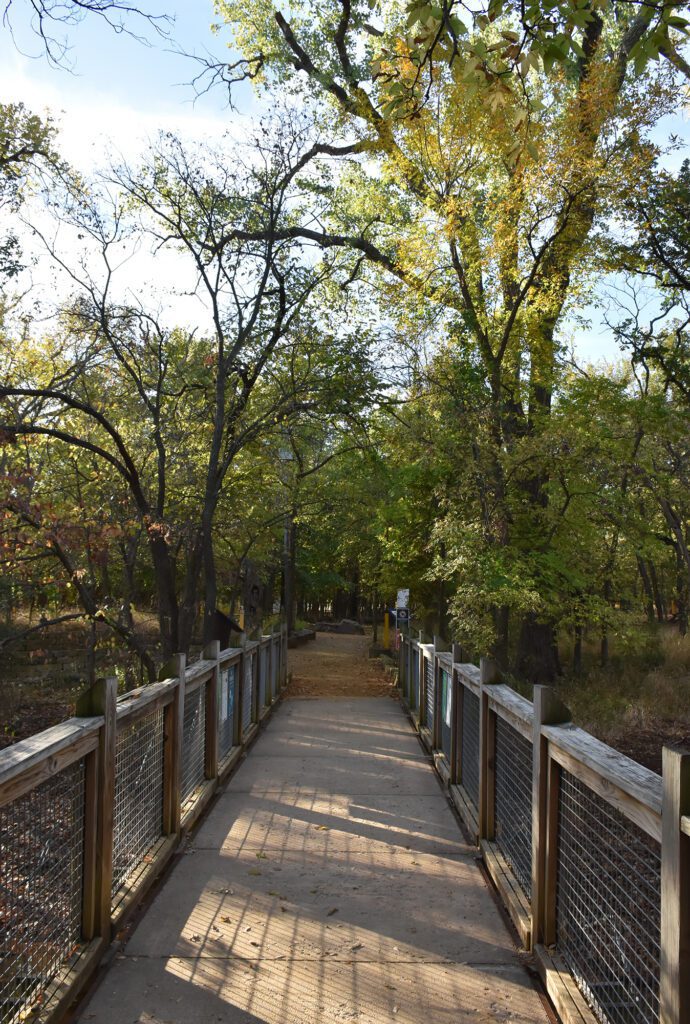
“Urban locations, such as Martin Park Nature Center in Oklahoma City or Oxley Nature Center in Tulsa, are great for youth and families looking for beginner-level hiking,” he says. “The Wichita Mountains Wildlife Refuge in Lawton is a favorite among hikers, along with trails located within Oklahoma State Parks sites across the state, and the Chickasaw National
Recreation Area in Sulphur.” 

Efforts Worth a Dam

Photos courtesy GRDA

In Oklahoma, dams are not only crucial for managing water resources, but they also play a vital role in keeping residents safe and powering the state. 

With over 4,700 dams, the state of Oklahoma has the fifth most dams of any state in the United States. These structures serve multiple purposes, including flood control – preventing damage to communities in low-lying areas – water supply for agricultural needs, and electricity generation. Among these thousands, four dams, Denison, Eufaula, Fort Gibson and Pensacola, are hydroelectric power producers, helping to generate renewable energy.

These functions are managed by various state and federal agencies, including the Oklahoma Water Resources Board (OWRB) and the Grand River Dam Authority (GRDA).

Non-Electric Dams

The OWRB is tasked with overseeing the safety of Oklahoma’s dams, primarily handling the non-hydroelectric structures.

“The OWRB regulates jurisdictional-sized, non-federal dams in Oklahoma, overseeing over 4,660 dams owned by both public and private entities,” says Julie Cunningham, the board’s executive director. “The purpose of the program is to ensure these dams are constructed and maintained in a way that will prevent a dam failure and harm to downstream lives and property.”

Employees of the OWRB conduct regular inspections, assess dam conditions and develop emergency action plans. Their work also involves coordinating with local governments and other agencies to address any safety concerns. 

“Typical maintenance activities include routine inspections, monitoring water levels to prevent overtopping, clearing debris from spillways, repairing any cracks or surface damage on concrete structures, operating and testing gates and valves, and managing unwanted vegetation,” says Yohanes Sugeng, OWRB’s chief engineer. “These tasks help maintain the dam’s safety, functionality and long-term performance.”

Staff members are skilled in engineering, hydrology and water resource management, using their expertise to ensure dams continue to protect Oklahomans from the risks of flooding and infrastructure damage.

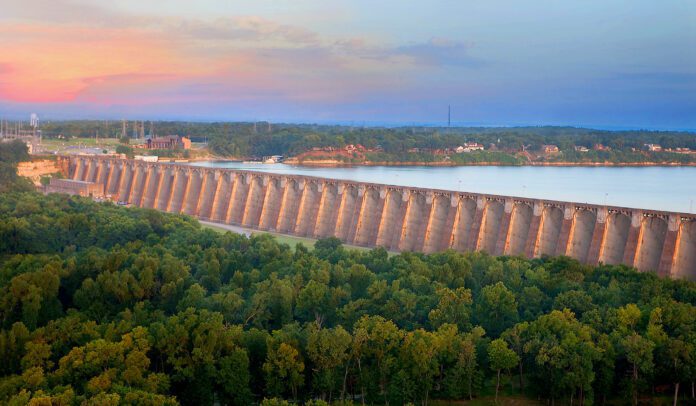
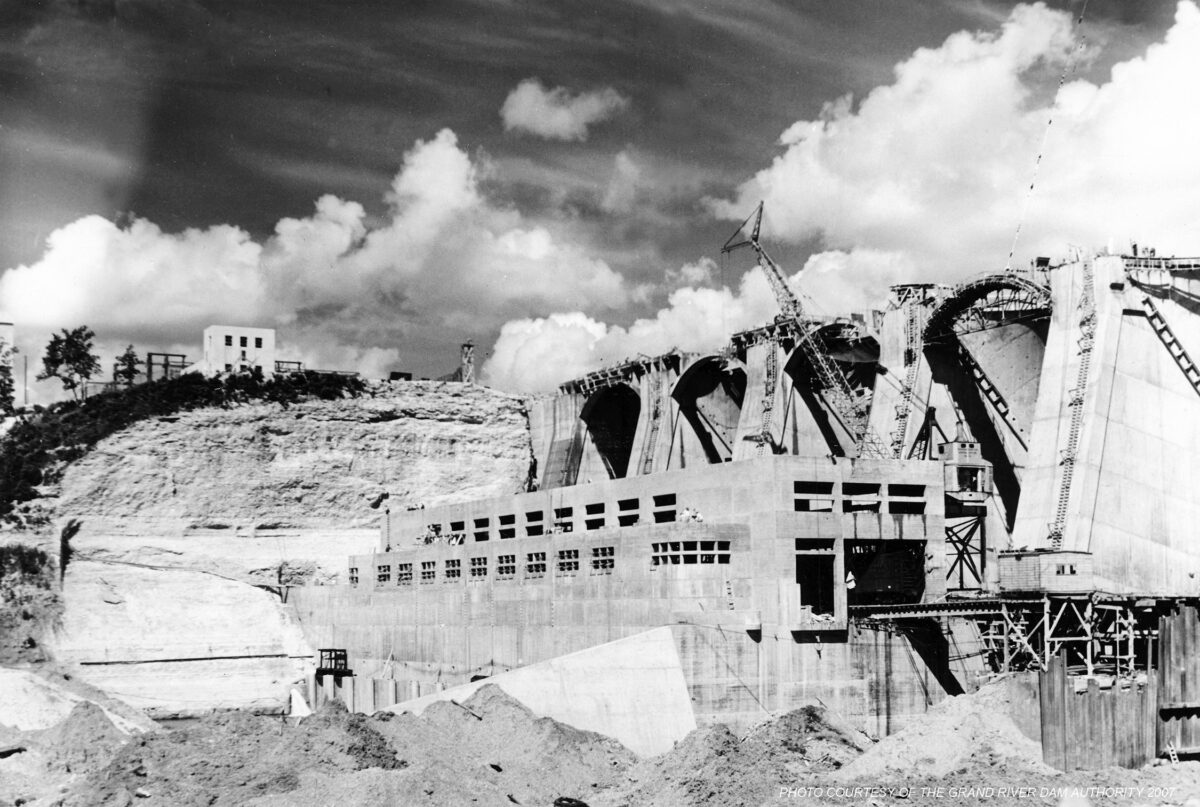
Oklahoma is home to four hydroelectic dams, including the Pesacola. Contructed in 1940 (above), this dam creates Grand Lake (main image. Photos courtesy GRDA

Hydroelectric Dams

Conversely, the management and operation of the state’s hydroelectric dams fall under the purview of the GRDA and the U.S. Army Corps of Engineers (USACE). The GRDA, a state agency, is responsible for operating the hydroelectric plants at Denison, Eufaula, Fort Gibson and Pensacola, the last of which was Oklahoma’s first hydroelectricity facility built in 1940. 

These dams produce electricity and regulate water flow along the Grand River system, benefiting local ecosystems, recreational areas and municipal water supplies. Employees at the GRDA monitor the dams’ electrical output, maintain the machinery, and ensure that the hydroelectric plants are operating efficiently and safely.

“When rains of significant magnitude affect northeastern Oklahoma, GRDA works closely with the USACE to control the heavy flows of water along the Grand River system,” says Justin Alberty, GRDA’s communications director. “The Corps orders release rates that are consistent with downstream conditions and projected river crests. All the lakes along the Grand River, in the Arkansas River system, are operated to minimize downstream flooding, including Grand Lake O’ the Cherokees. When water levels exceed or are anticipated to exceed 745 feet on Grand Lake, the Corps of Engineers takes control and determines how much water is released through the floodgates. Once [the water level] drops to 745 feet, the GRDA once again assumes control over releases.”

Day-to-day operations at the GRDA include managing the release of water to meet power generation needs while balancing flood control and environmental considerations. Engineers, technicians and water resource specialists work together to ensure the dams operate smoothly, providing power to thousands of Oklahomans while maintaining the integrity of the state’s water resources.