In a time of global unrest and uncertainty, perhaps no educational endeavor is more relevant than one where students represent different countries and come together to solve world problems. That’s exactly what Model United Nations (MUN), a competitive collegiate program, is all about: an exercise in global empathy.
“Model United Nations is just the absolute perfect [way] to cultivate empathy,” says Helen Fullerton, a 2024 graduate of Oklahoma State University and former participant. “It completely allows you to shift your mindset away from what you know – what we’re raised in – and see the world from a different perspective.”
MUN is a simulation of the United Nations where students take on the roles of diplomats representing different countries, says Cheryl Van Den Handel, Ph.D., associate professor of political science and MUN faculty adviser at Northwestern State University.
“The goal is to debate and negotiate solutions to world issues,” she says. “So they deal with things like climate change, humanitarian disasters, migration flows, refugees, internally displaced persons, drought and the environment, starvation, war and other kinds of conflicts.”
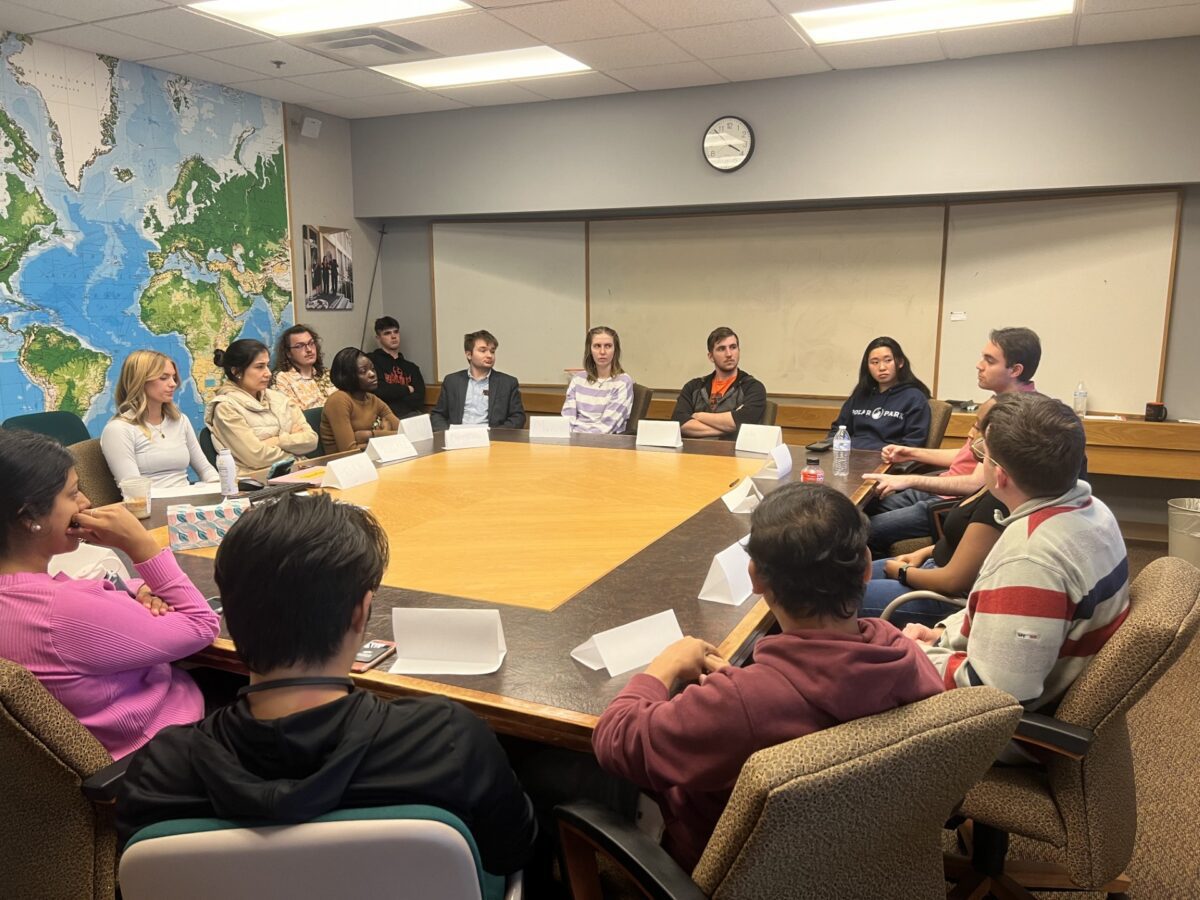
Participants attend conferences, where they go head to head with students from other schools. They research the country they are representing and take part in a general assembly, as well as economic, social and security council committees.
“They become delegates of that country,” Van Den Handel says. “So they have to put aside their own positions on issues, which can sometimes be difficult, and become a diplomat on those issues for that country.”
Students write position papers that demonstrate their position on different topics, give speeches, debate and negotiate with delegates from other countries – all while staying in character and working toward solutions.
Prior to each conference, participants get to choose three countries they would like to represent. But sometimes they end up advocating for a country with issues that are completely unknown to them.
Alongside learning about global conflicts, Model United Nations programs help students gain insight into different countries, their governments and their policies. Photos courtesy OSU MUN
“You may absolutely disagree with most of their policies and how they would actually vote,” Fullerton says. “But that allows you to take a deep dive in and see where they’re coming from and really understand how different countries across the world feel and how they’re experiencing global policy.”
While students work diligently to critically assess what is going on in the world and how to come up with solutions, they don’t always succeed.
“They find out just how difficult it is to achieve any kind of consensus among a group of people,” Van Den Handel says. “Everyone has their their own issues and their own positions that they bring to the table. And you know, the more people you have – MUN is 203 countries – the more difficult it is to to develop any kind of consensus.”
In addition to attending conferences, colleges and universities with MUN programs work to cultivate a sense of global awareness for everyone on campus.
“At Oklahoma State, we’re making sure there’s a space to discuss some of the more touchy global issues that, sometimes, people have seen a lot about in the media but don’t have a full awareness and understanding of,” Fullerton says. “We might have a guest speaker or, for instance, when the Palestinian Hamas conflict began, we had what we called a ‘think tank’ where students could come together and discuss what was going on and make sure that we’re getting all of our facts straight, and just see it from a non-biased and educational perspective.”
Mike Pahsetopah, of Sapulpa, is a cultural educator, language consultant and renowned Fancy Dancer who performs dances and traditional storytelling for a variety of audiences.
Photo courtesy Mike Pahsetopah
Stories captivate us, whether it’s sharing legends and limericks, tall tales and true accounts, or folklore and fancy dances. Stories unite, delight, educate and inspire.
“Whether fiction or nonfiction, printed or imparted, stories help us find meaning and transmit customs, culture, knowledge and morals,” says Kimberly Roblin, director of communications with Oklahoma Humanities.
Preserving and promoting Oklahoman’s stories helps guide the work of Roblin and other supporters in the state. The efforts include grant projects that fund research or events, oral interviews to capture the experiences of residents, and native dances and storytelling to educate audiences about tribal customs and traditions.
Different Ways to Share
Roblin says the programs offered by Oklahoma Humanities and grants awarded by the nonprofit organization are rooted in stories.
The organization is the state partner for the National Endowment for the Humanities and annually awards federal grants to cultural organizations at the local level, such as tribal nations, county historical societies, museums and libraries. Another effort is “Museum on Main Street,” a collaboration with the Smithsonian Institution that sends traveling exhibitions to communities.
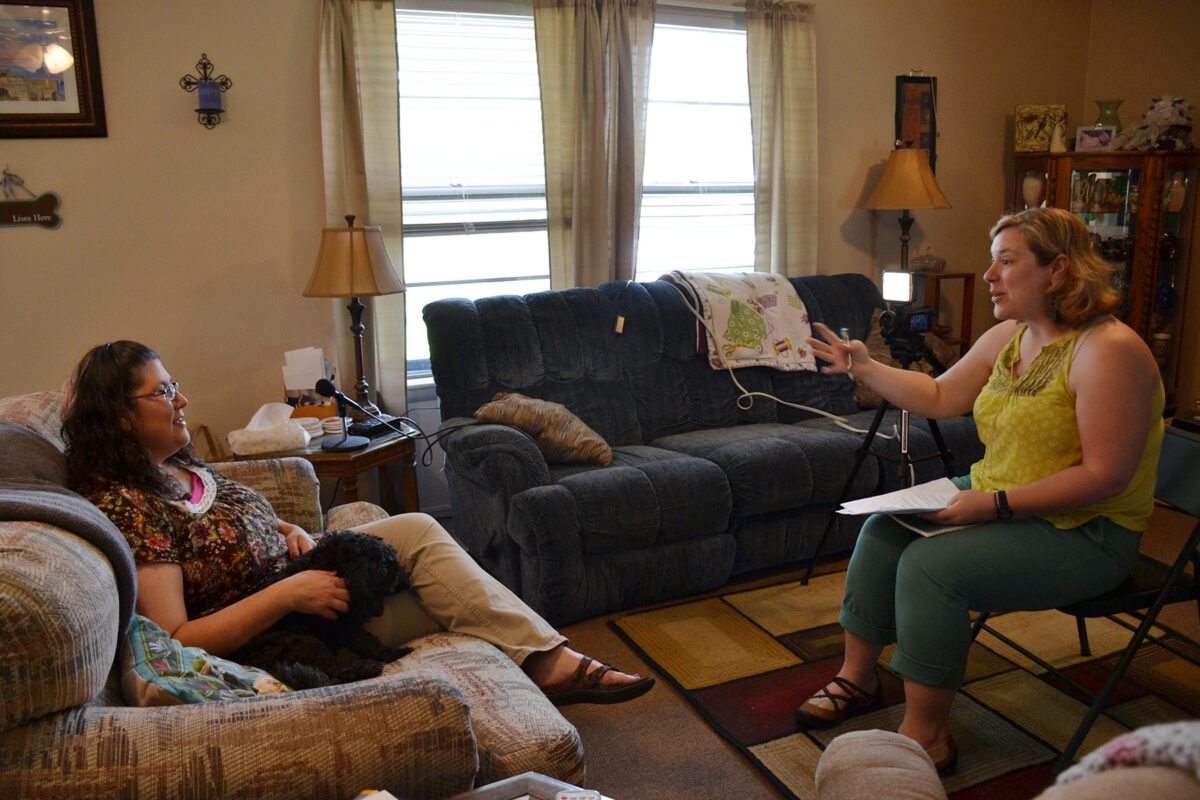
Sarah Milligan has the opportunity to listen to numerous stories through her work with Oklahoma State University’s Oklahoma Oral History Research Program.
“We interview people around the state about the history and culture of Oklahoma and OSU,” says Milligan, a professor and head of the program at the OSU library. “It’s a way to capture these experiences and these places and people for the future.”
Listening to the stories of others creates connections between tellers and listeners, she says.
Storytelling also can be shared in other forms. Sapulpa’s Mike Pahsetopah, for example, is a cultural educator, language consultant and a renowned Fancy Dancer.
“I enjoy telling a variety of intertribal stories, as well as my tribal stories,” says Pahsetopah, who is Osage-Cherokee and Muscogee Creek-Yuchi.
Pahsetopah has learned more about this art form from native storytellers through the years, including how tribes have used dance and instruments to share their culture. He says that sharing stories and dances with audiences is a way to educate others about legacies, traditions and history.
Sarah Milligan has the opportunity to listen to stories, experiences and accounts of individuals in the state through her work with Oklahoma State University’s Oklahoma Oral History Research Program. Photo courtesy Oklahoma State University
Taking Time to Listen
Inspired to support storytelling in your community or even in your own family? Milligan and Roblin have ideas on how to get started.
The Oklahoma Oral History Research Program’s website (library.okstate.edu/oralhistory) features a video on how to start your own oral history project. Milligan says a key when it comes to talking with others about their experiences is to make time to ask questions and be “intentional to listen when people are willing to talk to you,” she says.
Roblin encourages individuals to “think about the stories that have resonated with you, where you heard them, and consider how you might be able to more directly support them. Maybe it was a local museum or library, a nonprofit, in a magazine or on the air. By becoming a member, subscribing, donating money or time as a volunteer, or even just sharing the work they do with family and friends, not only do you help the story survive, but you also become a part of it.”
Sharing State Stories
Is there a giant octopus lurking in an Oklahoma lake? How did the state help contribute to the Chicken Dance craze? You can get insight into these unique bits of folklore by tuning into the “How Curious” podcast on station KGOU. The podcast is a way of spotlighting “lesser known aspects of Oklahoma people, places and events,” says host Rachel Hopkin. “It’s really fun to track down stories that are not so well known and really should be known.” To check out the podcast, visit kgou.org/podcast/how-curious.
Main image cutline: Mike Pahsetopah, of Sapulpa, is a cultural educator, language consultant and renowned Fancy Dancer who performs dances and traditional storytelling for a variety of audiences. Photo courtesy Mike Pahsetopah
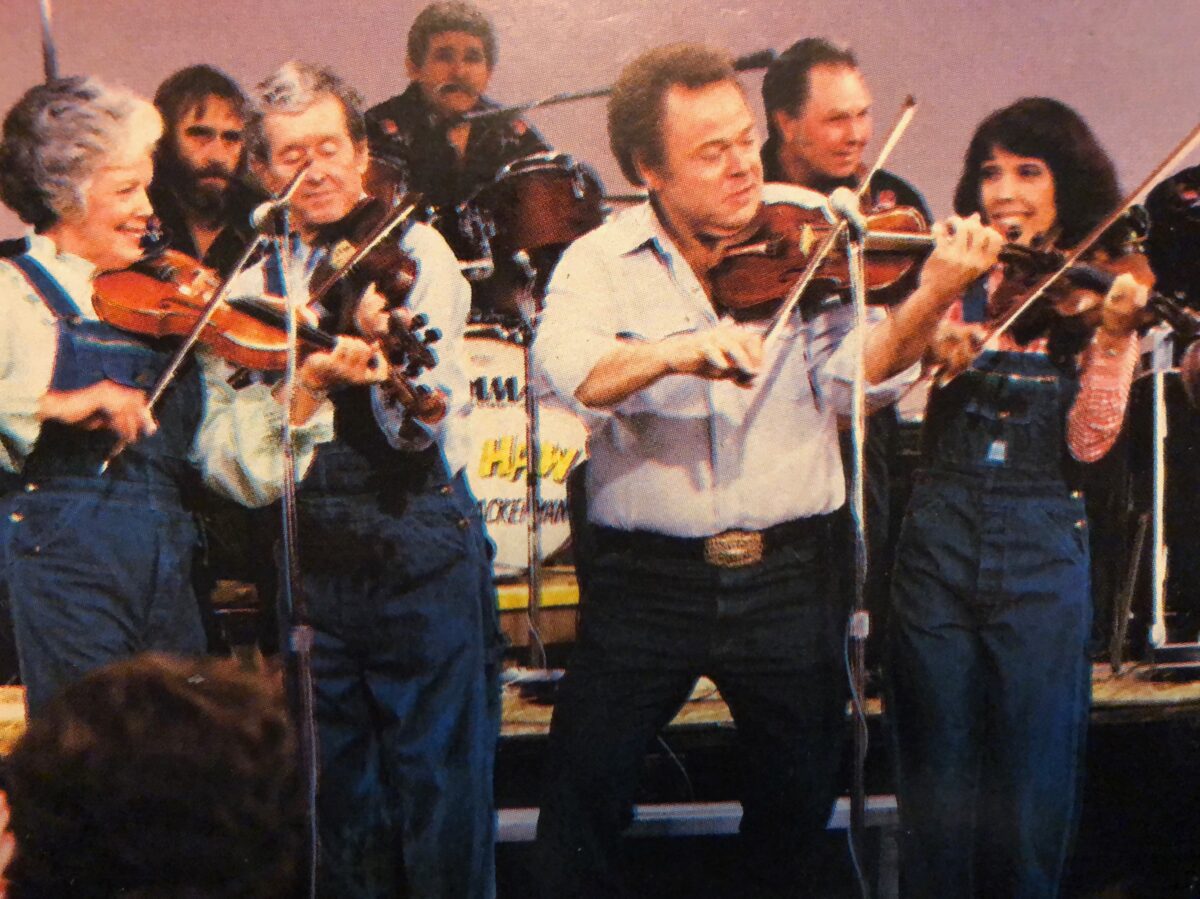
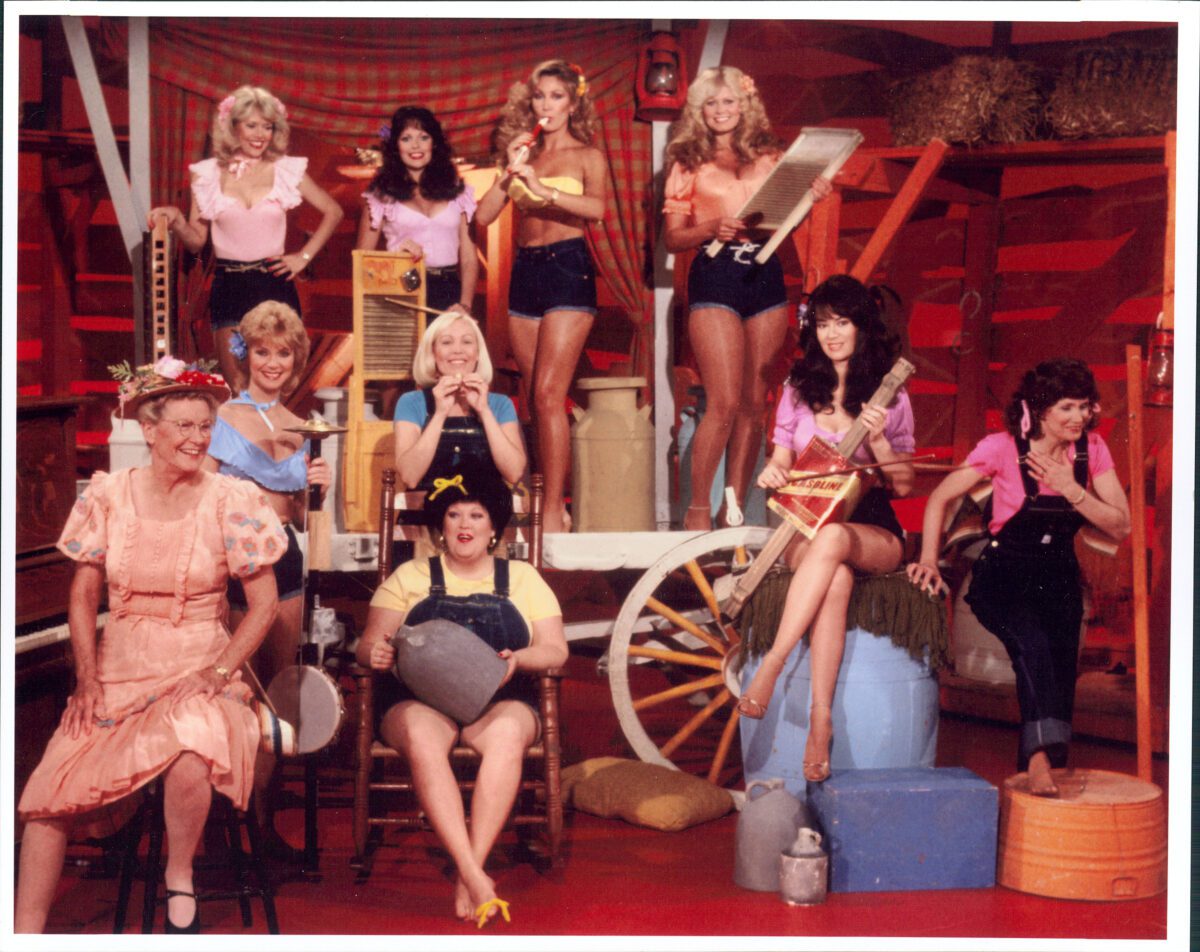
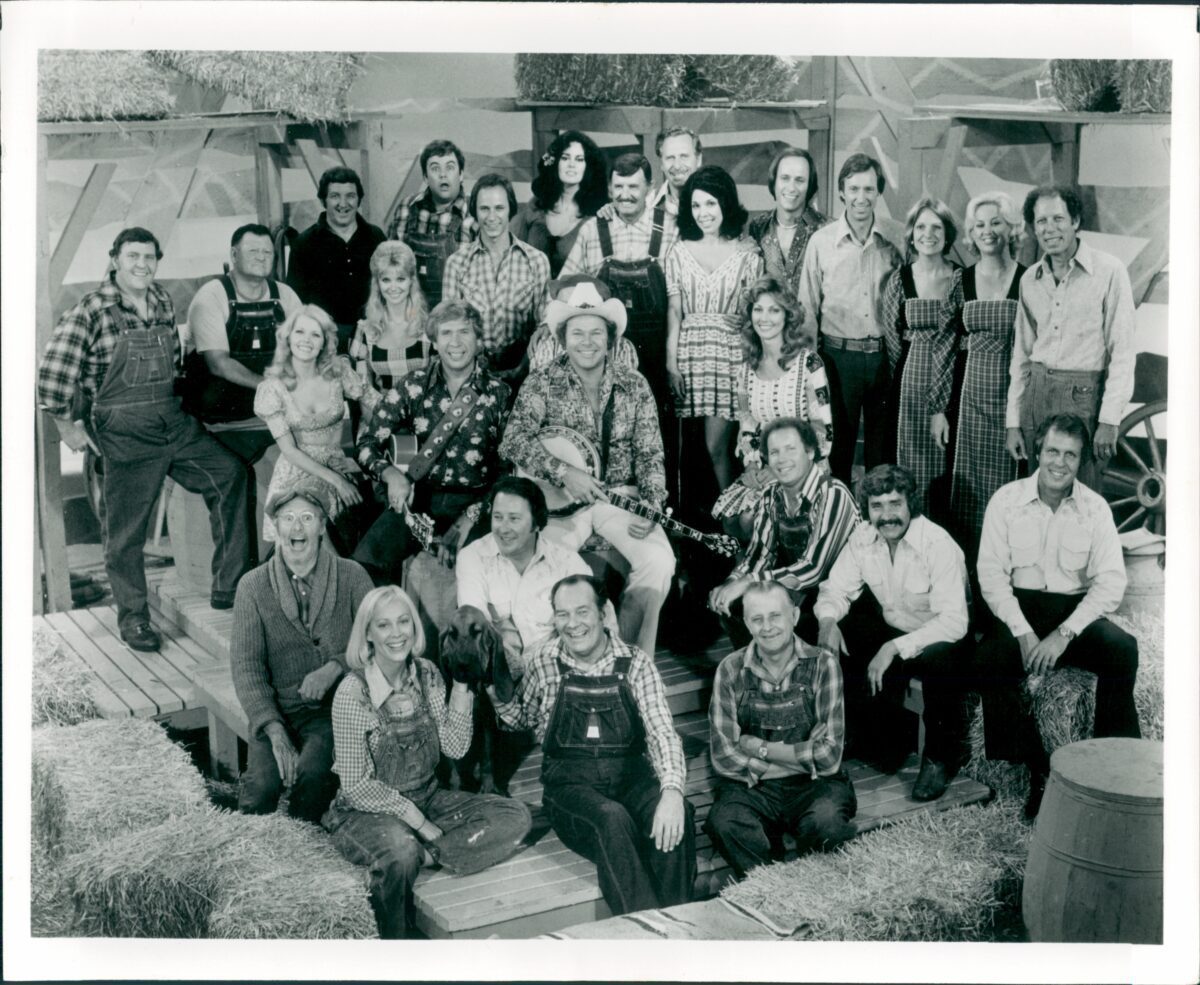
Kornfield Friends, a country music outfit founded by Jana Jae, is composed of former members of the long-running Hee Haw TV show. Photos courtesy the John Wooley Collection
As northeastern Oklahoma resident Jana Jae recalls it, the whole thing began back in early 2017. That’s when she and several other alumni of the long-running Hee Haw TV show gathered for a meal in a Nashville restaurant, following a memorial celebration for the program’s recently deceased producer, Sam Lovullo.
“There was a house band, and they asked me, ‘Where’s your fiddle?’” she says. “Well, it was packed up, in the bottom of my trunk, so I said, ‘Oh, it’s all put away.’
“A little more time went by, and then Misty Rowe said, ‘Well, Jana, if you’ll go get your fiddle, I’ll dance.’”
Jae laughs. “Long story short, that’s what happened. I went out and got my fiddle, we went up there with the band, Misty danced, and we brought the house down. Then, as we were eating our dinner, I said, ‘You know, this is so much fun. I have a bus. We ought to take this show on the road.’”
It didn’t happen immediately. In fact, it didn’t happen for a year or so. But, notes Jae, during that stretch, she was busy “asking people about it,” getting a booking agent, and forming a company, Kornfield Friends LLC.
“I lost about $19,000 getting things going,” she says, “because we took my bus, and I also bought plane tickets for the band when we played a couple of casino dates up in the northwest, which was too far for the bus. I was paying for all sorts of things until I woke up and realized this was going to run me into bankruptcy!”
Still, she persevered, putting together a quartet of well-known former Hee Haw cast members that included actress-entertainer Rowe, multi-instrumentalist Buck Trent, and comedian-singer Lulu Roman, backed by Jae’s band.
“At the time, I thought, ‘This is kind of like the Oak Ridge Boys – four of us, and we’re a unit,’” she recalls. “We were so darned good, and we just had so much fun. We had lots of bookings going then, multi-multi-thousands of dollars worth of signed contracts for 2020.”
Then, like so many other things across the country, it was all, she notes, “wiped out” by the pandemic.
It’s taken nearly four years for her to relaunch the project, with a Jan. 25 show set for the Grove Performing Arts Center, and there’ve been some changes in the interim.
Trent passed away last year, and Roman is no longer able to travel. However, says Jae, “Misty and I are going pretty strong,” and she’s been able to add three other acts to the show. One, Irlene Mandrell, actually did some dates with the pre-COVID Kornfield Friends; her Hee Haw stint began after she’d co-starred on the NBC-TV show Barbara Mandrell & the Mandrell Sisters, along with her sisters, Barbara and Louise. Like Misty Rowe, Mandrell was one of the “Hee Haw Honeys,” a group of highly attractive women dressed in scanty backwoods-style clothing who enlivened both the music and comedy portions of the show.
Then there’s Rex Allen Jr., a country-music hitmaker of the ’70s and ’80s, when Hee Haw was at its peak. During the show’s run, he was a guest performer on several episodes.
“I knew he’d been on Hee Haw; he was part of the 50-year celebration we did in Nashville [in 2019] with the Kornfield Friends,” Jae says. “I knew him, and I thought, well, ‘I’ll just ask him.’ He said yes and was real tickled to do it. He’s a great guy and he’s got a great voice, too. [Country-music impresario] Jim Halsey told me he’s got the best voice in the business.”
Completing the roster is Buddy Alan Owens, who scored his own hit country singles in the ’60s and ’70s. More important, as far as Hee Haw goes, is his pedigree. He’s the son of Buck Owens, who co-hosted the program with Roy Clark for most of its long run.
“I called Buddy, because he had just been with us at the National Fiddler Hall of Fame [in Tulsa] to induct [Buck Owens’ longtime band member] Don Rich,” says Jae. “He was so gracious and so good there, and he did four or five songs really well. I knew he was probably way too busy, but I asked him to join us and he said yes immediately. He was happy to do it and excited to do it.”
Jae, who was briefly married to Buck Owens in the ‘70s, was a featured member of his band, the Buckaroos. She estimates that she did five seasons of Hee Haw.
“It was, I guess, 26 shows a year, so you can figure that up,” she says. “It was a wonderful, wonderful experience that brought me to a new career pinnacle. Everyone who was on Hee Haw had a career advancement.
“It really was a phenomenal show. It brought families to the TV screen. People would tell me, ‘Oh, yeah, I watch you every Saturday night.’ Then, a few years went by, and it was, ‘Oh, yeah, my folks watched you every Saturday night.’ Now, it’s ‘My grandparents watched you every Saturday night.’”
She laughs again, but there’s plenty of truth in that observation. Hee Haw, which ran from 1969 through 1993 and is still around in reruns, was one of the early syndicated-show successes. Dropped by CBS after a couple of years, it went into syndication and ended up running for a quarter of a century, which means that at least three generations of viewers were exposed to its combination of cornpone wit, fast-moving blackout-style sketches and lots of country music, all unfolding in a mythical setting known as Kornfield Kounty. There were singalongs, jokes told by cast members and guests rising up out of a cornfield, and the famed “pickin’ and grinnin’” segments featuring Clark and Owens.
“It was a mix of humor and good music and jokes and silliness and fun and laughing – I mean, what could be sillier than some of those singalongs, like ‘I’ve searched the world over and thought I’d found true love; you met another and pfft you were gone.’” She chuckles. “In fact, that’s what everybody wants – those old singalongs. So we do those in the show. We do pickin’ and grinnin’. We pop out of the cornfield with jokes. It’s really just a fun show filled with good music.”
The five principals will be joined at the Grove performance by a four-man band, all from Oklahoma: drummer Steve Short and bassist Richard Sharp (who are also members of Oklahoma Swing, the band profiled in my November column); keyboardist Richard Kennedy, a former linchpin of Roy Clark’s band; and longtime Tulsa guitarist Pat Savage. According to Jae, “They’re all top-notch guys, and they know the show.”
With this new beginning, she adds, “We all want to carry on the Hee Haw spirit. It’s the spirit of fun, the spirit of a family get-together, and having Buddy there is nice, because it’s kind of like a blessing from Buck. When we started off last time, we had Roy’s wife and sister-in-law come out and give us their blessing, and that was really special. The country music industry is an extended family, but that’s especially true of Hee Haw. All of us in the cast had such a great time, and we still feel like we’re family.”
Kornfield Friends, a country music outfit founded by Jana Jae, is composed of former members of the long-running Hee Haw TV show. Photos courtesy the John Wooley Collection
Volcano boarding occurs when a person literally slides down the side of a volcano. Reportedly, this activity is only offered in Nicaragua and Guatemala. Photos courtesy Gina Kingsley
“Icould never do that!”That was my initial reaction to seeing a particular photo of a daring activity in an international travel book. Years passed and I revisited this lingering idea.
Within the “ring of fire” of volcanoes and earthquakes, Nicaragua hosts a thrilling way to interact with its youngest active volcano: volcano boarding. Reportedly, this activity, also called sliding, only occurs in Nicaragua and Guatemala. Located at Cerro Negro, meaning “black hill,” the basaltic cinder cone I ‘boarded’ last erupted in 1999.
Among vibrant mountains and farmlands, the jungle ride there built much anticipation. The drive through canopied, tree-lined pathways on volcanic ash roads was serene. A fallen tree from the previous night’s storm caused a short detour, granting more time for appreciating the views.
The check-in process involved receiving my gear: a sled and a backpack of protective outfiting and accessories, including goggles, a balaclava and gloves with grips. A sherpa guide carried this load for me for $5. The $35 excursion included the transport, hike, descent, snack and tour information. A mid-ankle hiking boot for better traction is recommended for this approximately one hour sojourn up the gravely pumice. Adrenaline propelled me through the ascent while I enjoyed the landscape views.
Volcano boarding occurs when a person literally slides down the side of a volcano. Reportedly, this activity is only offered in Nicaragua and Guatemala. Photos courtesy Gina Kingsley
Sure-footed steps of a mountain goat helped me avoid any slipping or “human avalanching.” The narrow path atop the crater’s edge was intimidating, but also euphoric as a kaleidoscope of butterflies greeted me. It was surreal to encounter butterflies at the crux of a volcano – and it’s said that they represent our deceased loved ones. I took a moment to honor that idea and found it inspiring as I persevered. At the top, I discovered natural phenomena nearby like a hot stone radiating heat from magma below.
Only having a small reserve of nerve left in me, I anxiously wanted to begin the slide. Donning the protective gear, I felt the balaclava, which covered my nose and mouth, was stifling but necessary in order to keep flying ash from harming me. I controlled the speed by leaning backward or forward, adjusting the slack of the board’s rope and braking with my feet.
If the mythological Sisyphus taught me anything, it was personified in this moment. “What goes up must come down.” I hiked up the volcano resolutely, carrying the intense emotions of losing parents, a son’s wedding, and the challenges of aging. But then I rolled those emotional boulders down with the exhilaration of feeling young and brave again for three minutes at several miles per hour.
The epiphany: Life’s a silent volcano of eruptions, and it’s the rich minerals that blanket the earth in the aftermath that can be so healing. A big percentage of people panic and don’t complete the slide (they have to be transported down in extreme measures). Some call the camaraderie of this activity “trauma bonding” and daredevils hoping to break records end up breaking bones.
It’s never too late to be adventurous – but if this excursion is too intense for you, at least take the drive out there and watch others do it. The contagious joy of this unusual activity will delight you.
Interacting with nature this way mirrored some of life’s lessons:
• Focus. Don’t look down or back.
• Dig in your heels and brake when needed. This resolve orients you.
• Find your pace. Ascend, push, descend, relax.
• Set boundaries and don protective gear.
• Detours: Find the beauty in them.
• Celebrate where you are in life. Challenge your fears and reach the finish line.
So … the next time you feel like saying you can’t do something, say instead, “I haven’t done that, yet!”
From ties to JFK and Bonnie and Clyde to sweeping panoramic vistas, Poteau is brimming with history, mystery and opportunity.
Although it’s a relatively small city with a population of around 8,520, Poteau is a great day-trip destination with plenty to see and do. For starters, Poteau is home to Carl Albert State College, Kiamichi Technology Center and the Skatepark Off Broadway. To the nature lovers: Poteau has you covered. Taking a stroll through the Kiamichi Mountains is a top choice, and the LeFlore County municipality also affords residents and visitors alike a stunning view of the Ouachita National Forest from Cavanal Hill, dubbed “the world’s highest hill” at just one foot shy of mountain designation. Outdoor enthusiasts can also enjoy the glorious vistas of the Talimena National Scenic Byway.
LeFlore County Historical Society director David Deaton advises a visit the LeFlore County Museum located at Hotel Lowrey, with its 28 rooms of artifacts ranging from military antiquities to relics from the Choctaw tribe. The museum also houses curios from the Heavener Runestone and Spiro Mounds, alongside an informative – and surprisingly captivating – barbed wire collection.
And as for Poteau’s aforementioned ties to JFK?
“John F. Kennedy came to Poteau in 1962,” says Deaton, “The museum houses the very podium at which he made a speech when he dedicated a highway.”
For Deaton, one of the most interesting things about Poteau is another interesting relation to some of the most famous criminals in history.
“In the late 1920s, Bonnie and Clyde robbed the Poteau Bank in downtown Poteau,” he says. “That building is still standing, and though you cannot go in, there is a sign on the window of the building which tells the story of the Bonnie and Clyde robbery. This site is also on the walking tour.”
The Hotel Lowrey building is listed on the National Register of Historic Places and “was built in 1922 as an immigration office, converted to a hotel in 1932 and was in operation as a hotel until 1968,” Deaton continues. “The museum has a Robert S. Kerr room, a honeymoon suite and a pioneer room.”
It’s always a good time to visit Poteau, but Deaton mentions that the annual Poteau Balloonfest in October is typically peak tourist season. He says that whatever the season, however, indulging in a walk exploring Poteau to take in the sights, including statues of Black Angus Bulls in “honor the legacy of Robert S. Kerr and his huge Black Angus cattle ranch,” is a great idea. For a guided tour, the Downtown Dewey District hosts a walking tour to visit all the unique buildings in downtown.
For dining options Deaton says, “a must-visit is Warehouse Willy’s, which sits in the heart of downtown Poteau and is right across the street from the LeFlore County Museum.”
Ever wondered if you just have too much stuff? Or, on the flip side, maybe too much space?
If either of those thoughts have crept into your mind, you’re probably right. But there are ways you can work through it and experts who can help. According to Sharyn Willard, owner of Mature Transitions of Tulsa, the issue is common, and the solution isn’t as tough as you may think.
“Downsizing is the process of simplifying one’s living situation, often by moving to a smaller, more manageable space,” she says. “People choose to downsize for a variety of reasons: it may be to reduce upkeep, eliminate excess belongings, cut costs or make a fresh start in a new location. For many, downsizing is a natural step as they transition into a new phase of life, such as retirement.”
The act of downsizing comes with its struggles, says Willard.
“Many people feel a strong connection to their possessions, especially if they hold sentimental value or are tied to memories – especially if they remind them of someone that has passed away,” she says. “They don’t want their belongings to end up in a dumpster. Another challenge is the overwhelming feeling that can arise when faced with the volume of items to sort through.”
Downsizing offers numerous benefits, from financial savings and less home maintenance to a simplified, more intentional way of living.
“Downsizing can also offer an opportunity to live closer to family, access better amenities, or enjoy a fresh space tailored to one’s current lifestyle, says Willard. “Once the downsizing process is in force, or completed, there will be a sense of stress relief.”
Willard suggests putting a positive spin on downsizing: viewing it as “an opportunity rather than a loss,” she says.
Downsizing specialist Anna Novak with Home Transition Pros says that the most common thing she hears from clients is that they “just don’t know where to start. I help clients prioritize the belongings they currently need and use on a daily basis, preserve the possessions that matter the most to them, and let go of the rest.”
Novak adds that downsizers often struggle with decision fatigue and not knowing where to find qualified services to help with selling, donating or managing the logistics of a move.
“Many of my clients are downsizing the family home and need to let go of 80% or more of their belongings,” she says. “My clients are usually so relieved when they are settled into their new space, and they often say they wished they had done it sooner. A large home and lots of accumulated possessions eventually turn into a burden for people, and they are happy to move on from the physical and emotional work of maintaining the family home.”
Older couples are not the only happy recipients of downsizing help, says Novak.
“Adult children also appreciate having a trusted professional handle the day-to-day details,” she says. “Many are busy with their own jobs or families or live far away, so having someone manage the transition allows them to reclaim their role as a supporter rather than a taskmaster.”
Neonatal intensive care units (NICU) care for the tiniest patient population – newborn babies who are born prematurely or with other serious medical complications.
“Some of the most difficult decisions regarding life and death are made in the NICU,” says Craig Anderson, D.O., a neonatologist with Ascension St. John Medical Center in Tulsa.
Anderson explains that while there are heroic celebrations for families and staff when a once medically critical newborn is able to go home, there are also times of overwhelming emotion with a dying child and grieving family.
“Some newborns are delivered at the threshold of viability and in spite of all the technology and interventions, some cannot be saved,” he says. “There is also a population of newborns born with unsurvivable anomalies, lethal genetic disorders, and morbidities due to maternal complications that also cannot survive. We have a palliative care team to address these situations and assist the parents in the grieving process.”
To manage the healthcare of such small patients who are unable to communicate verbally, Anderson says they “rely on invasive and non-invasive monitoring as well as laboratory results and physical assessments to determine and treat the clinical diagnosis.”
He also shares that the NICU staff are always ready for an emergent case with a team of neonatologists, neonatal nurse practitioners, registered nurses and registered respiratory therapists on standby to attend high risk deliveries.
“These complex and critical deliveries are not always planned nor anticipated, so highly skilled caregivers are ready to intervene at any time 24 hours a day,” he says. “Many of these complicated deliveries lead to critical newborns requiring continuous care and monitoring in the NICU. Procedures performed on these tiny and often critical newborns require intense precision and accuracy.”
According to Anderson, more than 75% of all admissions to the NICU are for newborns with respiratory distress, and while there’s many health issues newborns can face, he says some of the most common conditions are as follows.
“Transient tachypnea of the newborn (TTN) is more common in near term babies born to mothers who were not in natural labor but rather induced or delivered for another serious medical condition,” he says. “The fetal lungs are naturally full of fluid and the clearance of this fluid after birth is compromised leading to respiratory distress. This naturally resolves in two to five days. Respiratory distress syndrome (RDS), also known as hyaline membrane disease (HMD), is commonly seen in babies born premature – less than 37 weeks – due to the deficiency of a natural substance produced in the human lung called surfactant. Fortunately, there are prenatal and postnatal interventions that can successfully prevent and treat this common disorder.”
In addition, he says there are a group of congenital anomalies that compromise a newborn’s breathing.
“Cysts, solid masses, displaced intestinal contents, cardiac and abnormal airway disorders make up a long list of possible abnormalities that may occur,” says Anderson. “Fortunately, prenatal ultrasounds can diagnose the majority of these abnormalities and provide the neonatal team with information necessary to provide the proper intervention after birth for the best possible outcome. Pediatric surgery is often required for many of these airway and lung abnormalities and therefore we have a surgical team on call 24 hours a day to assist in the care.”
He also notes that while having a wealth of medical information readily available online can be beneficial for family members, it can also cause difficulties if the information is incomplete or misunderstood. It’s important to know that neonatologists and neonatal nurse practitioners obtain years of medical training to be experts within their field and all team members are working together to provide each patient with excellent care.
When beginning a new exercise routine, you may have specific goals in mind. Maybe it’s to lose weight, build strength or improve your overall health. Stillman Brown, an outpatient physical therapist with Ascension St. John in Tulsa, says all exercise is good exercise, but depending on your goals, certain activities are better for the outcomes you desire.
Strength, Balance & Endurance
“If you’re looking to increase your strength, then resistive training – with weights or just your bodyweight – is most efficient,” he says. “If you’re looking to increase your ability to walk, run, bike or swim longer, then cardiovascular training is the place to start. If you want to improve your balance, then balance-specific training is ideal.”
However, if you’re concerned about your balance, Brown says the best thing to do is see a physical therapist.
“We are specially trained to evaluate and help people improve their balance,” he says. “Balance arises from three different systems in your body: your vision, inner ear and the sensory nerves in your feet, and if there’s a deficit in any of those it can impair your balance overall.”
He adds the caution that if you’re one to try the trending balance exercises found on TicTok or YoutTube – then be sure to be safe.
“Always practice balance with your hands hovering over something stable, like a countertop or the back of a sofa,” he says.
Brown also shares how cardio and strength training go hand-in-hand. He says being stronger helps your cardiovascular performance and being in better cardiovascular shape improves your ability to strength train – and strength and cardiovascular capacity both contribute to good balance.
“The foundation of a strong body is a strong core, but if you’re not already in the fitness or healthcare industry, there’s a lot of confusion about what the ‘core’ is,” he says. “Most people assume the ‘core’ is just your abdominals, but it’s much more than that. Simply put, imagine your body is a barrel. The sides of the barrel are wrapped in muscles – your abdominals, obliques and back extensors – and those need to be strong in order to support your trunk, hips and extremities when you get out of bed in the morning, walk to your car, lift something and so on.”
And he’s quick to point out that strengthening your core doesn’t just mean working toward a six pack for the pool.
“A physical therapist, athletic trainer or even a Google search for ‘deep core exercises’ can help you strengthen the deep, stabilizing muscles you need to prevent back and hip pain for the long haul,” he says.
When you’re wanting to improve your endurance in any activity, whether it’s cardiovascular or muscular, Brown says you simply have to do more of it consistently.
“That said, any time you increase your amount of exercise, be sure to listen to your body,” he says. “Soreness after a workout is okay. Pushing through pain to increase your endurance is never a good idea. A sudden increase in training volume, whether it’s the number of miles you walk every week or the amount of weight you’re lifting, can lead to overuse injuries. Increase bit by bit and don’t forget to take time to rest and recover.”
Flexibility
“Flexibility is an important part of fitness, particularly as we age,” says Brown. “With each decade of life, the soft tissues in our bodies gets stiffer and more rigid, and remaining flexible becomes important to maintain upright posture, good breathing and the ability to move, reach and do things.”
He says he’s not a big fan of static stretching – such as bending to touch your toes for 30 seconds – unless there’s a specific issue needing addressed.
“To maintain flexibility, I want people to do dynamic, gentle movements that bring them to the limit of their tissue length,” he says. “Things like yoga, elliptical, fitness classes or aquatics are perfect.”
Weight Loss
“I tell my patients every day: weight loss is about what you eat,” he says. “To burn off a typical 200-calorie donut, you would need to walk briskly for 45 minutes, jog for 25 minutes or bicycle hard for 20 minutes. Imagine that! Exercise can absolutely help you work out, but diet is the single most important factor.”
Brown says if you have any questions or concerns about reaching your physical goals, never hesitate to visit a physical therapist.
“Most people don’t realize you can refer yourself to a physical therapist without an order from your doctor and get treatment for up to 30 days,” he says. “We are always here to evaluate, advise and treat people to help them reach their physical potential.”
Mental Health: What We Know
Mental Illness
While more Americans struggle with mental illness than ever, more people are also seeking help.
The National Alliance on Mental Illness reports an estimated one in five U.S. adults experience mental illness. Britta Ostermeyer, M.D., MBA, chief of psychiatry at OU Health in Oklahoma City, says this concerning statistic is actually nearing one in four.
“The numbers are alarming, because mental illness can have wide-ranging impacts on an individuals’ quality of life, relationships and overall well-being,” she says. “Additionally, the prevalence of mental health issues is expected to rise in the future, with more people likely to experience symptoms at an earlier age. Early intervention and increased access to mental health care will be essential in addressing this growing concern.”
Noting another distressing statistic, Ostermeyer says that U.S. suicide rates have increased nationwide by approximately 30% over the past two decades. Along with the urgent need for better early detection of mental health issues and improved access to mental health services, she says an equally important need is to reduce the stigma surrounding mental illness.
“Today, nearly every family is touched by mental health challenges, regardless of background or socioeconomic status,” says Ostermeyer. “Mental health conditions affect people from all walks of life, and we need to normalize these conversations. We need to talk about mental illness like we talk about diabetes and heart disease.”
She says depression and anxiety, in particular, have increased.
“The complexities and uncertainties of today’s world have made life especially challenging for youth,” she says. “We had to make it through the isolating and traumatic experience of the COVID-19 pandemic, along with ongoing global issues like war, climate change and economic instability. These challenges are contributing to the rise in mental health struggles among young people.”
Good News: Progress & Research
Despite the increase in mental health issues, some good news is that more people are seeking mental health services, and there is greater openness about discussing mental illness, especially among younger generations.
“We’ve also made significant progress in the treatment of mental health and psychiatric disorders,” Ostermeyer says . “There are now more medications available of various types than ever before in history. In addition to traditional medications, there are several innovative treatment options: treatment with Ketamine nasal spray or infusions, treatment utilizing electromagnetic waves using Transcranial Magnetic Stimulation (TMS), and in very selective cases, the gold standard of psychiatric treatment, which is Electroconvulsive Therapy (ECT) – only utilized as a last resort for certain severe conditions and safely performed in a hospital setting with an anesthesiologist, who puts the patient to sleep. In addition, we have different types of psychotherapies that are very helpful when added to biological treatments of medications or Ketamine and interventional psychiatric treatments, like TMS or ECT.” The Frontiers of Addiction
Ostermeyer adds that significant advancements have also been made in understanding and treating addiction.
“Addictions or substance abuse disorders are biological brain disorders, and there are several new treatments utilizing medications with conjunctive counseling to help manage cravings and facilitate abstinence from the drug the person is addicted to,” she says. “At OU Health, we have the CARES Clinic, which specializes in the treatment of addiction, offering a comprehensive approach to recovery.”
Set to open at the end of 2026, construction has begun on the OU Health Behavioral Health Center, which will provide critical mental health support for youth and families in Oklahoma.
“We are grateful to our Oklahoma legislators for making this important development possible,” says Ostermeyer. “It will bring much-needed care, hope, and healing to the community.”
If you or a loved one are suffering from mental health issues, she encourages you to take advantage of available mental health services.
“The stigma surrounding mental illness has decreased significantly, and insurance now covers many mental health treatments,” she says. “Providers are more committed than ever to helping individuals, and there is now a wide range of effective medications and treatment options available as mainstream therapies. It’s important to seek help when needed – there are resources and support systems in place to assist everyone on their journey to better mental health.”
The Importance of Dental Health
If you always brush your teeth on-the-go then you may not be meeting the recommendations by the American Dental Association (ADA). The ADA recommends brushing your teeth twice daily with fluoride toothpaste for two minutes. To reach the two-minute mark, they say divide your mouth into four quadrants – top left, top right, bottom left, bottom right – and spend 30 seconds brushing each area. Flossing is also essential to your daily routine to remove the hard to reach plaque that builds up between teeth – which is the primary cause of gingivitis.
Maintaining good oral health can have long-term effects on your physical health. The Oral Health Foundation reports that bacteria from gum disease can enter the bloodstream and produce a protein which causes the blood to thicken, potentially resulting in an increased risk of heart attack.
In addition, having healthy teeth and gums can reduce one’s risk of certain cancers and dementia. According to the Oral Health Foundation, recent research shows that women between the ages of 54 and 86 with a history of gum disease were 14% more likely to develop cancer and individuals with healthy gums are 70 percent less likely to develop Alzheimer’s disease than those who’ve suffered from gum disease for a long period of time.
The Importance of Hydration
Staying hydrated has become a trending topic with the variety of products available claiming to rapidly increase one’s hydration. Liquid I.V., for example, which comes in single-serve packets, boasts to contain three times the amount of electrolytes than the leading sports drink, and offer faster hydration than water alone. However, there’s much debate over the need for these additional water-enhancing products.
Approximately 60 to 70% of our body weight is water and it’s a critical component of our physical health, as it helps regulate body temperature, aids in digestion, protects body organs and tissues and promotes good kidney function. While there are exceptions based upon your age, body weight and environment, the general recommendations for fluid intake is nine cups of fluid a day for women and 13 cups of fluid for men. Healthier options when taking in fluid is to choose water or other low-calorie beverages. Many popular sports drinks, sodas and coffees contain an excess of sugar and can be high in calories. In addition, the general consensus of experts regarding the need for additional electrolytes depends upon your activity level.
Water should be fine to hydrate before, during and after low-to-moderate intensity activities lasting less than an hour. However, for high-intensity activities that extend beyond an hour, consider grabbing your favorite electrolyte-enhanced beverage to stay hydrated.
Sleep: How to Master the Art
Struggling with poor sleep can have a dramatic effect on one’s health. According to the National Institutes of Health, sleep deficiency is linked to many chronic health problems such as heart disease, kidney disease, high blood pressure, diabetes, stroke, obesity and depression. In addition, the Centers for Disease Control reports that approximately one-third of U.S. adults don’t get enough sleep – with experts recommending between seven and nine hours a night for adults.
To help you achieve a better night’s sleep, the National Sleep Foundation offers the following tips:
Go to sleep and wake up at the same time every day, including weekends.
Create a relaxing bedtime routine, such as listening to calming music, reading a book or taking a warm bath.
Make sure your bedroom is cool. Your body temperature naturally decreases to initiate sleep. A bedroom temperature between 60 and 67 degrees Fahrenheit helps promote sleep.
Make sure your bedroom is quiet – turn off noisy distractions and/or silence unwanted noise with earplugs or ‘white noise.’
Make sure your bedroom is dark.
Sleep on a mattress and pillows that are comfortable and supportive.
Finish eating meals 2 to 3 hours before bedtime.
Exercise regularly.
Limit the amount of caffeinated products you consume in the afternoon.
Alcohol and nicotine in your body can disrupt sleep and can cause nighttime waking. For optimal sleep, skip them close to bedtime or altogether.
To ensure any effort succeeds, a leader must emerge to pioneer the way. Someone intelligent and driven, but also kind, charismatic and trustworthy. Oklahoma has a multitude of such leaders – people who are passionate about our state and those within it. They are transforming Oklahoma through their work, whether it’s in healthcare, government leadership, law, education, tribal affairs or community development. We shine a spotlight on eight of these innovators, those who truly deserve the title of Oklahoman of the Year.
By Kimberly Burk, Gretchen Eichenberg & Tracy LeGrand
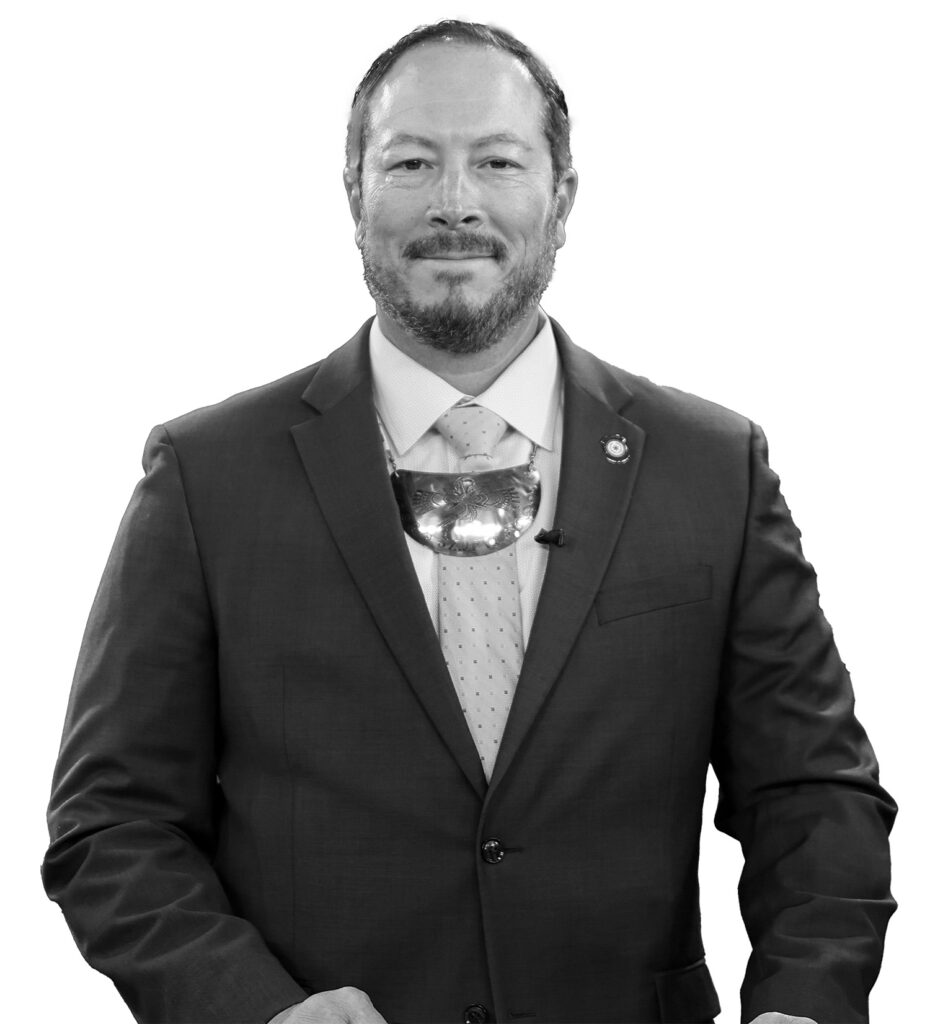
Bryan Warner
Photo courtesy the Cherokee Nation
Deputy Principal Chief, Cherokee Nation
The Cherokee Nation’s new $18 million residential drug treatment facility is scheduled to open in late 2025. But if Deputy Chief Bryan Warner has his way, it will not open until it’s properly staffed.
The 17,000-square-foot space, currently under construction in Tahlequah, will fulfill its mission only if the right people are running it, Warner says, and the tribe has created a $5 million endowment to get people certified in behavioral health and substance abuse disorders.
“I’m a very human-centered individual,” Warner says. “I care about what happens to the individual.”
Modern facilities are great, Warner says, and multi-million dollar projects are going up across the reservation. But to fight substance abuse and mental health disorders, he says, “we need to make sure we are building state-of-the-art people. We want to spend less time treating diseases and more time building dreams.”
When decisions are made about the wellbeing of tribal citizens, Warner says, “we take principles to the boardroom.” Warner is guided by his oath of office. He first became deputy chief in 2019 and was re-elected in 2023. When he took that oath, Warner swore that he would “do everything within his power to promote the culture, heritage and traditions of the Cherokee Nation.” And all of that, he says, has its roots in preserving the Cherokee language.
“It is the heart and soul of who we are as a people,” he says. “Losing the language would lose a vital part of our history.”
In a nation with more than 468,000 citizens, only about 1,500 first-language speakers remain. The tribe’s investment in language-learning programs and facilities is sweeping. For children, there’s an elementary immersion school, with ground recently broken on a middle school. And adults are paid to spend two years in a program where they study the language, all day, every day.
Warner, a native of Sallisaw, is a former science teacher for whom all facets of education are a priority. Nearly 7,000 Cherokee citizens are studying with the help of undergraduate scholarships, and childhood development centers are being built or refurbished across eastern Oklahoma.
When it comes to serving the needs of the Cherokee citizens, Warner and Principal Chief Chuck Hoskin Jr. answer their telephones, Warner says.
“The citizens can access their chiefs and tribal councilors pretty easily,” says Warner, “and they do it daily.”
One result of those calls was a realization that cancer is a significant burden for the Nation, Warner says, which led to a partnership with the University of Oklahoma’s Stephenson Cancer Center. Tribal investment will bolster the center’s research efforts and allow for expansion into eastern Oklahoma.
Warner mentions one of his proudest achievements is getting to know Hoskin when the Principal Chief was secretary of state, and learning just how well the two work together. Warner says they have made great strides in language revitalization.
“We have to save our language,” he says. “But better than that, we have to use it. I am extremely proud of those efforts.”
– KB
Photo courtesy OU Health
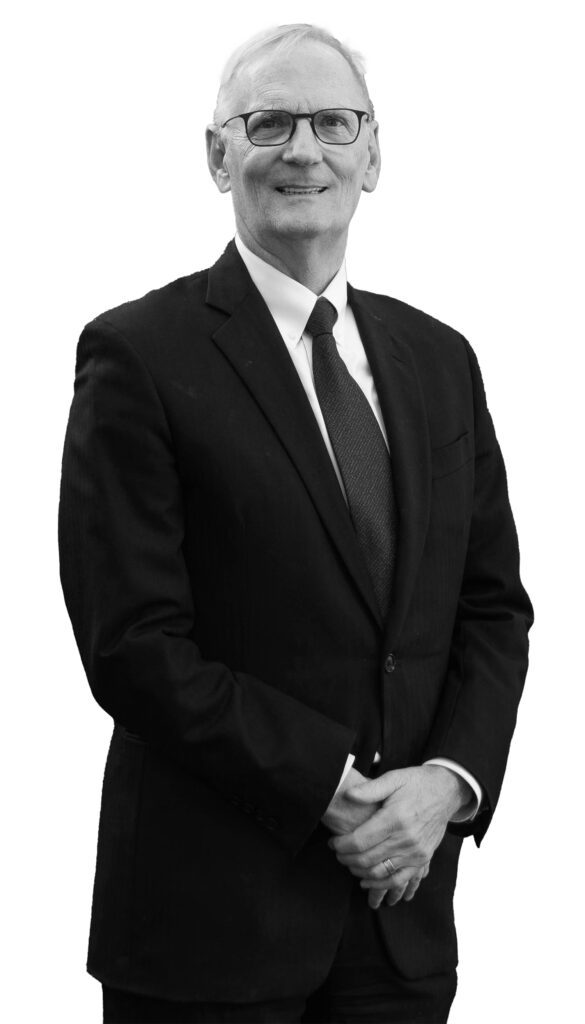
Richard Lofgren
President and Chief Executive Officer, OU Health
Richard P. Lofgren, MD, MPH, FACP, has been a physician, a researcher, a medical school faculty member and a health system administrator, but he’s always had the same goal.
“To build a better healthcare system,” he says. “We have a healthcare delivery system that’s incredibly clumsy.”
He aims to fix that. In 2022, Lofgren became the inaugural president and chief executive officer of OU Health, a unified academic health system of hospitals, clinics and centers of excellence.
“It’s one of the responsibilities of our academic health system to work on those issues,” he continues. “How can we make our care more accessible? When you are sick, you don’t want to focus on bureaucracy.”
Lofgren says he wants OU Health to be the destination of choice for people who have complex, life-altering problems. Improved healthcare delivery “is a significant need in our state,” he says. “We rank near the bottom in nearly every healthcare measure.”
Lifesaving and life-altering services need to be available to everyone in the state, regardless of geography and finances, he believes.
“The backbone of care in our state is delivered by our rural and regional hospitals,” he says. “Any care that can occur locally should occur locally.”
To make those goals a reality, Lofgren needs the right people. One of his proudest achievements so far is “assembling what I think is an outstanding leadership team. This is probably the most effective team I’ve had the opportunity to work with.”
Cancer care has always been a target area at OU Health.
“Our goal is to eliminate the scourge of cancer, and the best place to do that is with early detection and prevention,” he says. “We are doing mobile screening for lung cancer. We are looking at the northeastern part of Oklahoma, where almost none of the population participates in cutting-edge clinical trials. We need clinical trials.”
Another area of pride, Lofgren says, is “what we’ve been able to do in terms of our cultural transformation: how we work and how we treat people.” In 2024, OU Health was named one of the nation’s top 150 places to work by Beckers, a healthcare publication.
“We focus on each team member’s career path,” he says. “When you come to OU Health, we want you to know there is a career for you here.”
Looking ahead, Lofgren says the future of healthcare will be helped by artificial intelligence and a continued understanding of the human genome.
“I’m fairly confident that healthcare will be much more customized to the individual needs of the patients. We are starting to see that in cancer, where we see actual genetic defects of cancer cells,” he mentions.
However, in the midst of all the technology upgrades, Lofgren has a message for his trainees.
“I remind them that technology is really cool,” he says, “but healthcare is still a very human endeavor.”
– KB
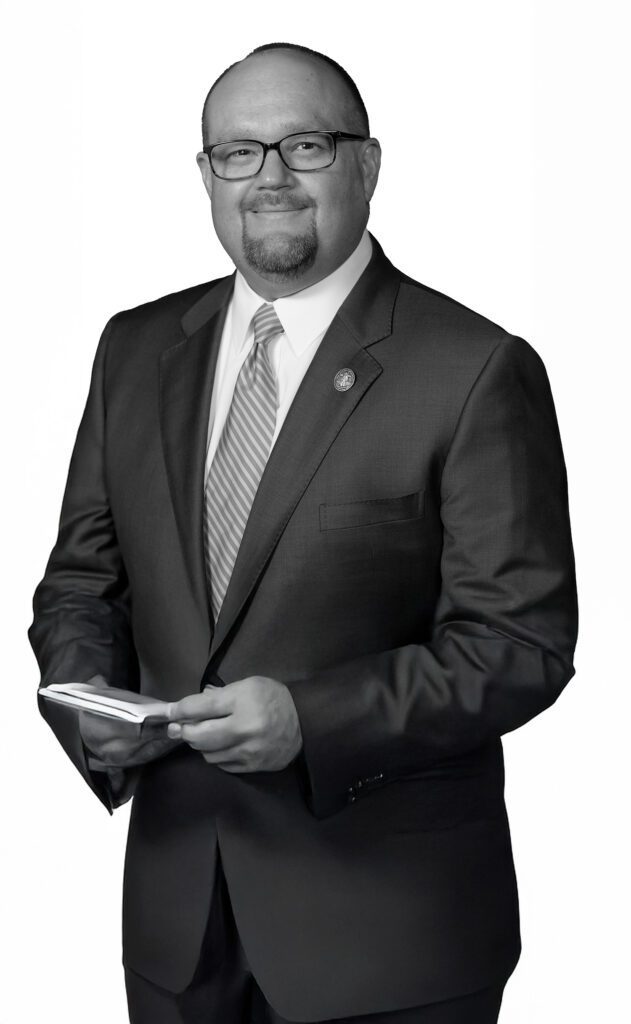
Chris Anoatubby
Photo courtesy the Chickasaw Nation
Lieutenant Governor, Chickasaw Nation
The path to success is built on teamwork and small, deliberate steps toward economic development and diversification. That’s the philosophy of Chris Anoatubby, Lieutenant Governor of the Chickasaw Nation, who has served the tribe and advocated for its people for 30 years.
“I have been fortunate enough to witness firsthand how ideas can become reality,” Anoatubby says. “Chickasaw Nation Governor Bill Anoatubby first took office in 1987 with a plan to move toward financial independence, which could lead to self-funding of programs and services, and we could expand and improve them for the benefit of the Chickasaw people.”
A pharmacist by profession, Anoatubby takes a strong stance on healthcare and education. During his tenure thus far, Anoatubby has seen great strides in these sectors; the tribe opened the Chickasaw Nation Medical Center and Chickasaw Cultural Center in 2010, and last year, the Nation invested $32+ million in higher education grants and scholarships.
“We have partnerships with several state colleges and universities which aid us in offering resources and opportunities for Chickasaw students to connect with our culture and ensure our students are on a path to educational and personal success,” he says.
Last year, $422,648 was allocated to 49 public schools to serve the needs of Johnson-O’Malley eligible students. This federally funded program provides supplemental educational assistance to Native American students attending public schools. The tribe’s Child Care Assistance program also served more than 732 families, providing childcare to 1,393 children.
Increasing access to quality healthcare for the Chickasaw people is one of Anoatubby’s top priorities.
“Our mission is to enhance the overall quality of life of the Chickasaw people,” he says. “We have been able to directly define the scope of our care, as well, and look at strategies that include preventative and holistic healthcare.”
Efforts in that industry have been rewarded; in November, the Chickasaw Nation Department of Health earned the Malcolm Baldrige Award for Quality and Performance Excellence.
Continuing on the current trajectory to greater sustainability, as well as maintaining and building relationships, are Anoatubby’s areas of focus for the future.
“Through continued investments in diverse and innovative business strategies, as well as infrastructure and resources, we will continue to expand and enhance the programs and services we are able to offer the Chickasaw people,” Anoatubby says. “We will continue to look for opportunities to work together with other organizations throughout our communities.”
Anoatubby’s plan? Persist in building upon the wins and continuing to invest in the people he serves. He’s quick to share the credit for this year’s many successes.
“All those small steps that accumulate in a journey have been carried out by people who believed in what we were doing and had the knowledge and skill to move those ideas forward,” he says. “I am proud to be a part of that.”
– GE
Photo courtesy TPS
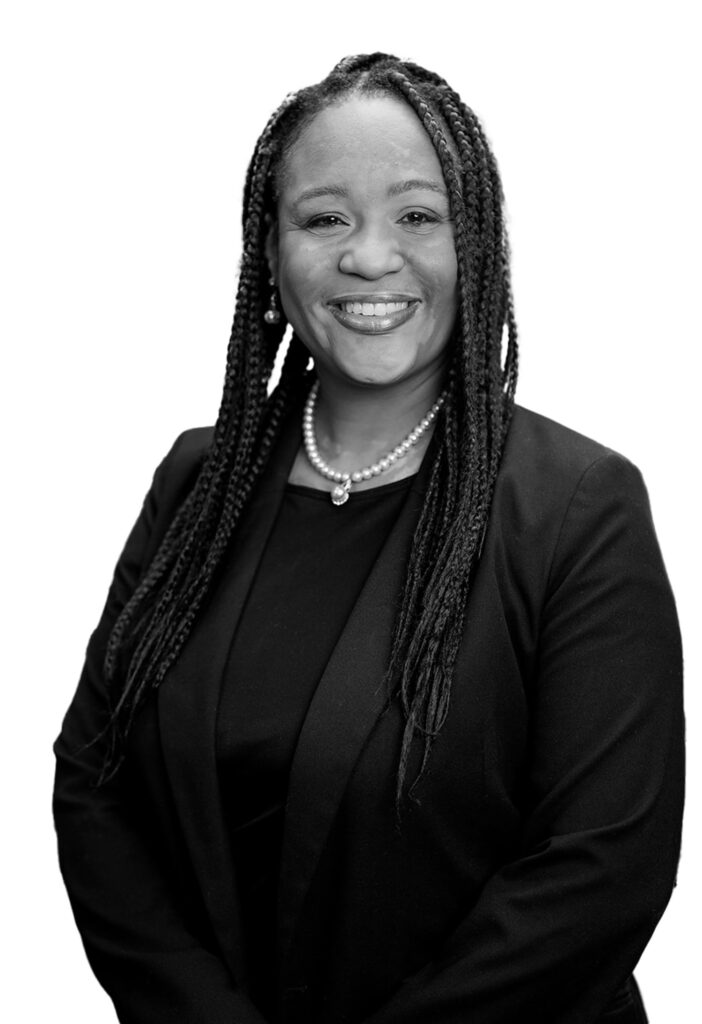
Ebony Johnson
Superintendent, Tulsa Public Schools
Dec. 11, 2024, marked a major milestone for Ebony Johnson, Ed.D.: the one-year anniversary of her appointment as superintendent of Tulsa Public Schools. Her loved ones helped make it the perfect day.
“I went home after work and dinner was already fixed, and that was a great thing,” she says. “I was able to relax and just enjoy my family.”
Johnson laughs easily, and there’s joy in her voice when she talks about big life moments. The personal and the professional are often closely linked; with a son about to graduate college and a daughter finishing up high school, Johnson’s goals as a parent are in sync with her goals for the district: overcome barriers to academic achievement and graduate students who are ready to continue their studies and launch careers.
Mental health, she says, is one barrier. Johnson has seen an escalation in need since launching her career as a TPS classroom teacher in 1999. Adverse childhood experiences interrupt learning, “and traumatic experiences show up at anyone’s doorstep, not just our economically disadvantaged students,” she says. “We are a district that understands that for academic excellence, we have to take care of the whole child.”
TPS has a three-tier system for helping such students: provide a safe and caring classroom, offer specialized support in areas such as coping skills and decision-making, and connect to community mental health counselors when needed.
Another issue Johnson and her team have zeroed in on absenteeism.
“We partnered with the mayor’s office for the Attend to Win campaign,” she says. “We put out surveys asking families to tell us how we can do better.”
One roadblock TPS and the city has worked to address is simply getting students to school safely. Kids have missed class after encountering stray dogs or being afraid to cross hazardous streets to get to the bus stop, she mentions. Attendance this year is 2% better than last year, and 8% better than two years ago.
Peering into the future, Johnson has a goal for TPS “to be considered an exemplary district in the nation. We want to stand out among other urban districts.” Her wish is also for a district with outstanding student performance and high graduation rates, and one that will serve all populations of students “in the most optimal way.” Goals for 2025 include a high rate of completion of college financial aid applications and earlier completion of the Oklahoma’s Promise application – as soon as freshman year.
Teachers, Johnson says, also need nurturing.
“There are 42,000 teachers in the state of Oklahoma, and each and every one deserves a quality work experience where they can be proud of the lives they are changing every day in the classroom,” she says. “We have monthly round-tables, where we ask them what we can do to help.”
– KB
Jeanette Mendez
Photo courtesy OSU
Provost and Senior Vice President, Oklahoma State University
Oklahoma State University provost and senior vice president Jeanette Mendez, Ph.D., has her finger on the pulse of what makes a college degree accessible for Oklahomans, and for students from around the country. Why? She is a first generation college graduate herself.
“I really do believe it’s my identity,” Mendez says of this designation. “It helps me remember what so many of our students are going through.”
About 30% of students at OSU are first gen college students, Mendez adds.
“I feel deeply about our land grant mission and providing an education to all and providing that access and affordability,” Mendez says. “I think it’s because I benefited from that myself. If I didn’t have the programs, if I didn’t have the scholarships, if I didn’t have the mentors, I certainly wouldn’t be where I am today.”
To that end, Mendez has worked with administrators and regents to keep costs in check and also identify funding where it benefits student programs.
“We put out a pretty ambitious strategy when president [Kayse] Shrum came into office,” she says. “We want to keep our costs low within the Big 12; we don’t want our students to accumulate a ton of debt. So we set some benchmarks of where we’d like to be, and we haven’t had tuition increases over the last few years.”
But Mendez acknowledges that keeping costs down indefinitely is a challenge.
“We have leaned into a lot of fundraising, expanding our scholarship opportunities, requesting certain programs from the legislature as well,” Mendez says. “It’s kind of a team effort. It’s taking all of us to get there. We’ve had really good partners with our foundation, our donors and with the legislature so that we can prioritize access and affordability.”
Another partnership Mendez values is that with K-12 schools, exposing students to how a college education can help them achieve success and personal fulfillment.
“We’re trying to put workers into the workforce and build the economy,” she says, “by showing kids and showing parents the kind of opportunities that exist after high school. Engineering is a great example. Women in STEM is something that we’re passionate about. We’re really trying to show students that there are no boundaries. There is a path for you.”
Retention and graduation rates are current areas of focus, Mendez says, and she’s attacking that with an overhaul of the university’s advising system to help students turn their passions into professions.
“There’s this sense of belonging and cohesiveness and that everyone really wants everyone to succeed,” she says. “And it just feels like home.”
– GE
Photo courtesy Matt Pinnell
Matt Pinnell
Lieutenant Governor of Oklahoma
As Oklahoma prepares to commemorate the 100th anniversary of the Mother Road in 2026, Lieutenant Governor Matt Pinnell is leading the Route 66 Centennial Commission to shine a light on a state he truly loves – and spends each day celebrating.
Pinnell, dubbed Oklahoma’s ‘chief marketer,’ is also well-known for his passion in regard to increasing in-state tourism. In a partnership with the Oklahoma Departments of Commerce and Tourism and Recreation, Pinnell helped to curate the Live in OK campaign. Efforts included an updated website, liveinokla.com, with the friendly suggestion to ‘live the flyover life’ and ‘see why Oklahoma makes sense.’
“The point that I make when I’m speaking to groups or promoting the state is how blessed Oklahoma is in natural tourism advantages,” he says. “Because if we can get them to the state to see, we sell well, and we can lean into our history, as that is the front door to economic development.
2023 was the best on record to date for economic impact in tourism, he says. He attributes it in part to the film, television and music industries in the state and plans to increase the entertainment industry rebate that currently attracts big time productions.
“Our goal is to not just sustain but continue to up our game and attract even more visitors to the state next year,” he says.
Alongside tourism efforts, Pinnell, who is the president of the State Senate, is equally dedicated to those already living here. In 2024, the Oklahoma legislature invested funds into the Department of Career and Technology Education; Pinnell says this allows career tech centers “to provide more openings for working adults, and kids to get certificates to address the skills gap we have in this country. This means Oklahoma can leapfrog other states because our career tech system is better. We have this infrastructure across the state, most locally funded, which is a unique advantage.”
When looking ahead, Oklahoma will continue to grow in terms of workforce development and tourism, Pinnell says. The sky is, quite literally, the limit.
“Oklahoma will continue to further establish itself as an aerospace state,” says Pinnell. “Aerospace is one of the state’s fastest growing industries, along with defense industry contract work. This brings high paying jobs for our kids and grandkids right here inside the state.”
As chairman of the Route 66 Centennial Commission, Pinnell oversees all planning and committees, which includes the distribution of community grants to revitalize main streets along Route 66, alongside spiffing up roadside attractions and creating new ones, too.
“It’s not about just blowing out candles on a birthday cake; it is a celebration of revitalizing the 400-plus miles of Route 66 road in Oklahoma and in all the work we’re doing between now and the celebration,” he says.
To see what’s already been planned and what’s in the works for the centennial celebration, visit route66-centennial.com.
– TL
Photo courtesy Lauren Von
Lauren Von
Founder and CEO, Quintessa Marketing
Empowering people to succeed and cultivating an environment of opportunity is what fuels the work of Lauren Von, founder and CEO of Quintessa Marketing based in OKC.
“You have to wake up every day and know that you’re doing something that has more impact than just for you and your family,” Von says. “When you know your purpose is for something so much greater than you, it motivates you and pushes you forward.”
That’s how she took her company – a retainer service for personal injury attorneys and law firms – from one representative in a 350-square-foot office to 175 employees who fill two and a half floors of a building in just eight years. While working for another company in the same industry, Von realized that leads were not converting to cases – and she knew why.
“They were paying [their reps] minimum wage,” Von says. “It didn’t make sense to me to pay someone minimum wage to handle a possible $1,000,000 case. I thought if I could pay my reps more and incentivize them to sign the right types of leads, they would be able to make more money and sign more cases.”
She was right. And as her profits climbed, Von says she felt led to bring others along the journey through “irrational generosity,” a phrase she heard at church.
One who wants to talk the talk and walk the walk, Von now donates 50% of her company’s profits annually to help others achieve success. Through this Give 50 initiative, Von is currently partnering with the OU Foundation to help first generation college students attend the Price School of Business. She has pledged $6 million over the next five years.
“Sometimes students need an extra $2,000 a year to help them get through,” she says. “I didn’t get to finish my degree, so knowing I can help someone else prevent that … it’s really exciting.”
Von has also committed $1 million to Infant Crisis Services, an organization that provides essentials like formula and diapers to struggling Oklahomans.
“To me, it’s just amazing that we get to do this,” Von says. “A lot of people want to leave the world a better place when they pass away, but I want to see it be a better place as we’re building and growing now.”
Von, who also speaks professionally on the topic of personal empowerment, encourages people to work hard and find their purpose.
“When you can tie it to that purpose,” she says, “you’re unstoppable.”
– GE
Photo courtesy the George Kaiser Family Foundation
Jeff Stava
Chief Program Officer, George Kaiser Family Foundation
Jeff Stava has an unwavering drive to help create and operate world-class public spaces including Gathering Place, Guthrie Green, The Bob Dylan Center and the Woody Guthrie Center. The Tulsa native’s passion for downtown revitalization, economic development and neighborhood improvement projects is, after all, homegrown.
“Rooted in the mission of equal opportunity for all children, our civic efforts in place-making, arts, beautification, economic development and talent recruitment aim to build a city that offers accessible opportunities for every Tulsan,” says Stava, whose other leadership titles include chief operating officer for Tulsa Community Foundation and executive director of Gathering Place. “By creating spaces and initiatives that unite and inspire, we strive to enrich the community’s cultural vibrancy and ensure a sustainable, flourishing future for generations to come.
“From welcoming over 10 million visitors to the Gathering Place since its opening to hosting a combined 30,000 annual visitors at the Bob Dylan Center and the Woody Guthrie Center, I’m proud of our team’s contributions to Tulsa’s growth as a thriving cultural destination.”
While Stava was thrilled at Gathering Place’s designation as USA Today’s Best City Park of 2024, the work isn’t over on Riverside Drive. Major updates to the beautification projects include Williams Crossing Bridge, the new 1,400-foot pedestrian and biking bridge connecting Gathering Place, the Tulsa River Parks trails and west Tulsa neighborhoods, Stava says.
The New York Times recently recognized Tulsa as one of the top U.S. cities for its design-forward civic infrastructure, spotlighting the crossing as a symbol of the city’s innovative spirit. Continued improvements are afoot, and in early 2025, Gathering Place will complete its final riverfront element – Lakeview Lawn and Rocky Point Overlook.
“Together with Williams Crossing and the new river amenities, Tulsa is poised to offer a dynamic, rich riverfront experience for the first time in its history,” Stava says. “The City’s investment in the Zink Dam and recreational water flume further enhances the riverfront experience, allowing Tulsans to fully engage with the river like never before. Activities such as kayaking and paddle-boating in Zink Lake, combined with walking and biking access along the pedestrian bridge, have made the area a vibrant destination for recreation and community connection.”
Looking ahead a few decades, Stava foresees ongoing civic leadership from GKFF and the continuation of the mission to enhance northeastern Oklahoma.
“We are investing in a vibrant and inclusive Tulsa – one that boasts a thriving arts scene, inviting public spaces, new businesses and diverse talent,” he says. “These efforts will uplift the local economy, creating a more prosperous future for Tulsa’s children and families. By continuing to invest in initiatives that empower all Tulsans, we can ensure a stronger future for everyone.”