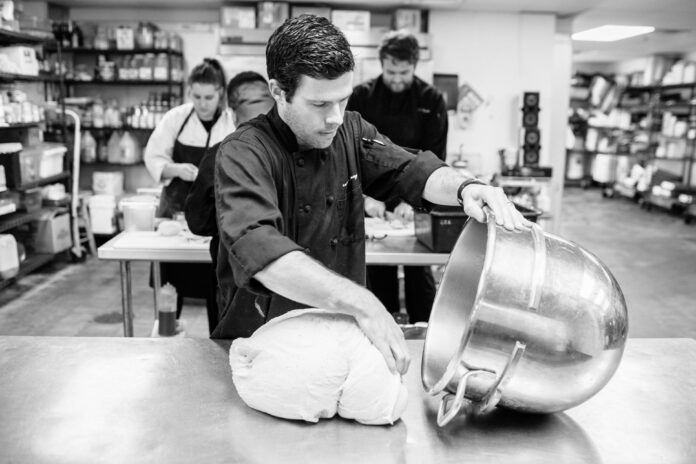
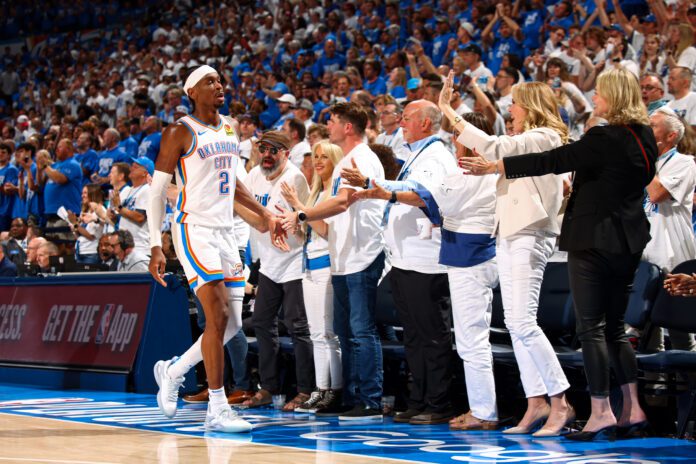
Mike Clark says that while cooking for the OKC Thunder basketball players, he’s learned more about how “nutrition can help expand the longevity of the career.” Photos courtesy A Good Egg Dining Group
You have to move quickly if you want to catch Mike Clark for a chat. He’s busy, after all. The New Orleans native is often found creating innovative dishes and entire menus as chef de cuisine at the Drake, one of OKC’s most popular seafood restaurants, helmed by A Good Egg Dining Group. That, and he’s also the head chef for the OKC Thunder thanks in part to their partnership with A Good Egg.
Like many talented chefs, Clark says great food – and great cooking – have been part of his life from the beginning.
“Both of my folks were really big influences on the cooking part of my life,” Clark shares. “They’re not professional chefs, but they always cooked a lot, and we ate out in New Orleans for over thirty years as a big part of our family life to experience different cultures and foods.”
Clark was working in Austin, Texas, when his wife got a job at Chesapeake Energy, now Expand Energy Corp, in 2012.
“I didn’t know about the state and just applied and started at Republic, then Cheevers Catering, then eventually became chef at the Drake,” he says. “And now I’m with the Thunder.”
Cooking for world-class NBA athletes is a balance of creativity and taste, with an emphasis on nutrition, Clark says.
“It’s been fascinating to focus so much on the nutritional side of cooking,” he shares. “It’s all about what certain foods do for your body, and at what times, such as in recovery, in mitigating injury. There’s so much to sports nutrition and it’s really cool to learn – not to mention just being around these superstar athletes and watching them grow. It’s a cool moment to realize that nutrition can help extend the longevity of the career of an athlete by eating right.”
Clark, an ambitious man, says there will always be new goals to reach. 2025, he says, is all about “taking on more responsibility by networking with other chefs in the NBA,” he says. “We’re working on a sort of chef’s summit so that we can continue to share experiences, optimize and help each other grow programs across the league.”
Back at the Drake, Clark is on a mission to help landlocked Oklahoma diners appreciate seafood.
“It’s all about incorporating ingredients that are familiar to them in the dish,” he says. “For example, you can utilize tomatoes in a chutney. Being familiar is what drives most people to try something new like seafood.”
The Drake, an OKC culinary staple, has plenty of gems on the menu.
“I like all the fresh fish options as it’s just fun to work with,” Clark says. “Fresh fish can work with any type of cuisine and it’s a worldwide resource.”
Unlike many chefs who hang up the apron when they get home, Clark enjoys cooking for his family.
“In cold weather, the go-to dish I really like is a curry, whether Thai or Indian,” he says. “It has the warmth and the spices and the flavor. I just made that the other night!”
Photo by Matthew Murphy and Evan Zimmerman courtesy Celebrity Attractions
If your New Year’s resolution is to get more involved in the arts in Oklahoma, we have you covered.
In Tulsa, support local by visiting Theatre Tulsa’s Oliver! at the PAC, running Jan. 10-16. Stick around the venue for Wagner’s Tristan and Isoldes, courtesy Tulsa Symphony, on Jan. 11. One of the world’s most beloved musicals, Les Misérables, returns to Tulsa courtesy Celebrity Attractions from Jan. 21-26; you won’t want to miss this enthralling story of broken dreams, unrequited love, passion, sacrifice and redemption at the PAC. And the PAC Trust brings Time for Three – a Grammy- and Emmy-winning violin/bass ensemble – on Jan. 27. If Tulsans haven’t gotten their fill, head to the TCC Van Trease PACE on Jan. 25 for Signature Symphony’s Pictures Reimagined, which offers aerial flyers and dancers courtesy Perpetual Motion Dance alongside the local musicians you know and love.
At the Civic Center Music Hall, OKC Phil is staying busy with three performances in January. First is Dichter Plays Grieg on Jan. 11, with Gerard Schwarz as guest conductor with Misha Dichter on piano. Then comes Music of the Knights on Jan. 24-25, which highlights the works of Sirs Andrew Lloyd Webber, Elton John and Paul McCartney. Lastly, and perfect for the whole family, is As Heard on TV on Jan. 26; the orchestra will play some iconic tunes from television, movies and video games. At Armstrong Auditorium in Edmond, performances include Celtic Throne II – a collaboration between Armstrong Dance and Herbert W. Armstrong College – on Jan. 12 and 19, as well as Boston Brass and Imani Winds on Jan. 28.
Around the state, visit Broadway in Bartlesville’s Pretty Woman the Musical, Jan. 6 at the Bartlesville Community Center; and the Chicago Symphony Orchestra, Jan. 23-24 at Stillwater’s McKnight Center for the Performing Arts.
If you’re feeling a bit bummed about the end of the holidays, fear not – community events abound.
In Tulsa, bundle up to enjoy the First Friday Art Crawl, Jan. 3 downtown. New exhibitions, live music, snacks and a cash bar help that festive feeling stick around a little longer. Similar events can be found in OKC’s Paseo District, also on Jan. 3, as well as the Norman Arts District on Jan. 10. Also in Tulsa, enjoy the Go Short, Go Long, Go Very Long race, with options for 5K, 10K, 25K and 50K runs. The event, which takes place Jan. 18, is looped through the Tulsa River Parks system. Venture to N. Detroit Ave. and John Hope Franklin Blvd. downtown to enjoy the Tulsa Martin Luther King Jr. Parade on Jan. 20, or head to Expo Square for the Tulsa Boat, Sport & Travel Show, Jan. 27-Feb. 2.
OKC has a smattering of varied community events this month. Start with the Arcadia Lake Eagle Watch, happening Jan. 3-5. The OKC Fairgrounds has several gatherings to enjoy: the National Pigeon Association Grand National Show, Jan. 15-18; the OKC Gem, Jewelry & Bead Show, Jan. 17-19; and the Oklahoma Home & Garden Show, also Jan. 17-19. And remember, Downtown in December – with ice skating, holiday events, free Bricktown ferry rides and more – runs through Feb. 2.
Around the state, head to the KNID Agrifest, Jan. 10-11 at Enid’s Chisholm Trail Expo Center, or the HERPS Exotic Reptile & Pet Show, Jan. 11-12 at Shawnee’s Heart of Oklahoma Expo Center. Fans of traditional bluegrass music and gospel won’t want to miss the Western Hills Winter Bluegrass Festival, Jan. 16-18 at the Lodge at Sequoyah State Park in Wagoner. Or for a sharp left turn – literally – visit the Stephens County Fairgrounds in Duncan for the Duncan Monster Truck Wars on Jan. 18.
Basketball – both collegiate and professional – rules the January calendar. TU plays at home, Tulsa’s Reynolds Center, throughout the month, with games on Jan. 1, 11, 21, 26 and 29 for men and Jan. 4, 8, 15 and 25 for women. The Sooners have games at Norman’s Lloyd Noble Center on Jan. 2, 12, 16 and 26 for women and Jan. 8, 15 and 18 for men. Lastly, the Cowgirls play at the Gallagher-Iba Arena in Stillwater on Jan. 4, 11, 22 and 29; Cowboys play Jan. 7, 18 and 21. Professional basketball remains a hot ticket item at OKC’s Paycom Center, with OKC Thunder games Jan. 2-3, 5, 16, 19 and 22-23, and OKC Blue games Jan. 2, 4, 13, 14, 27 and 30.
In Tulsa, sporting enthusiasts won’t want to miss the All-Star Team Roping finals, Jan. 4-5 at Expo Square. Stick around the venue for the Chili Bowl – one of the nation’s biggest motorsports events – on Jan. 8-18. You can also venture over to the BOK Center for Tulsa Oilers’ hockey matches Jan. 10-12, 14, 17-19 and 31, as well as the Professional Bullriders Jan. 24-25. In OKC, don’t miss the ESPN Gymnastics Invitational, Jan. 10-11 at the Paycom Center, as well as the Time Travel Half-Marathon, Jan. 26 starting at 1120 S. Western Ave.
Other events include the Claremore’s Championship Rodeo, Jan. 4 at the Claremore Expo Center, as well the International Finals Rodeo, Jan. 16-19, and the Kicker AMA Arenacross and Freestyle Motocross Show, Jan. 24, both at Guthrie’s Lazy E Arena.
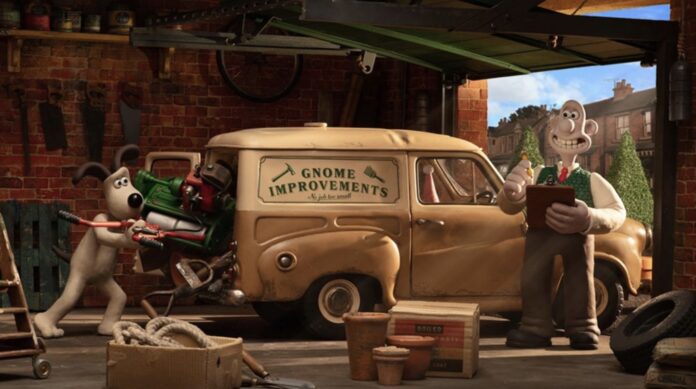
Wallace & Gromit: Vengeance Most Fowl, photo courtesy Aardman
Oh no, it’s January! Generally a month dedicated to quitting recently started New Year’s resolutions, January also serves as a dumping ground for garbage films destined to hopefully make a quick profit before disappearing from the public eye. From the rubble I’ve gathered a few that might rise above, but only time will tell!
First up is one of the only safe bets on the list – Wallace & Gromit: Vengeance Most Fowl. A stop motion animated comedy within the greater Wallace and Gromit series, the film finds Wallace in trouble after his invention, the “smart gnome,” develops an evil mind of its own. Running at a beautifully brisk 79 minutes and already brimming with positive reviews, it’s a perfect way to spend an evening with the family at home when it releases to Netflix on Jan. 3.
If you want action, look no further than Levon’s Trade. Based on the 2014 novel of the same name by Chuck Dixon, the story revolves around Levon Cade (Jason Statham), an ex-Black Ops agent who now leads a peaceful life with his daughter. Things, of course, do not continue down that road when someone in his life goes missing. The plot will likely be full of clichés as the “one last job” style thriller moves through the story beats, and director David Ayer (Suicide Squad) is no stranger to these types of films. It will, presumably, have fun action sequences with a high body count. It’s also co-written by Sylvester Stallone, and although I’m unsure if that’s a plus or a negative, it’s likely to be a fun time-waster when it releases on Jan. 17.
For another easy win with the kids, check out Paddington in Peru. Based on the stories of Paddington Bear and the third installment in the film series, this story sees Paddington return to, you guessed it, Peru, to visit his Aunt Lucy. A wild and thrilling adventure awaits him, along with a cast that includes Hugh Bonneville (Downton Abbey), Emily Mortimer (The Newsroom), Olivia Coleman (The Favourite), Antonio Banderas (The Legend of Zorro) and Ben Whishaw (My Brother Tom) as the voice of Paddington. The film released in early November in the UK and received high praise, so it should be a good choice for a family outing when it opens in the U.S. on Jan. 17.
For a bizarre psychological thriller, don’t miss Companion. The teaser trailer seems to indicate a romantic relationship gone extremely awry, coupled with some violent imagery – stabbings, bloody faces, a woman handcuffed to a chair at dinner, a hand on fire, and an off-putting smile from Jack Quaid (The Boys). The film also stars Sophie Thatcher (Yellowjackets) and Rupert Friend (Homeland). It looks to be an extremely weird time when it releases on Jan. 31.
That’s mostly it for this dreary month, so I’d recommend catching up on the 2024 list of films you never got around to watching. Maybe look into the Oscar buzz and binge the ones you missed! Or just watch Dune: Part Two again, because that movie is excellent.
Main image credit: Wallace & Gromit: Vengeance Most Fowl, photo courtesy Aardman
Photo courtesy Goodwill Industries of Central Oklahoma
President and CEO of Goodwill Central Oklahoma, Will Lufburrow boasts over 15 years of experience in the nonprofit industry. Before taking the OKC helm in July 2024, Lufburrow served as chief operating officer at Goodwill South Texas.
Lufburrow, who is known for fostering a culture of innovation and driving sustainable business practices, brings a rounded knowledge of retail donation operations and complex market dynamics to the role. We caught up with Lufburrow and got his thoughts on …
… what drew him to the nonprofit sector.
Goodwill has been somewhat of a “family” calling for three generations. Both my father and grandfather served as president and CEO for Goodwill Houston, so it was a natural fit to continue that legacy in Oklahoma City. I spent a brief period in the private sector in 2018 but quickly found out that I wanted to return to the Goodwill community and continue the mission of changing lives through the power of work.
… fostering innovation and sustainable business practices.
The beauty of the social enterprise model that Goodwill operates is that it allows us the opportunity to address problems at the source with a multitude of approaches. I support a “yes, and” atmosphere in our offices. No idea is too out of the box, and its up to leadership to not stop what could be the solution to a problem by saying “that will never work,” but instead we must encourage open dialogue by saying “yes, and” to the idea.
Not every idea or plan becomes obtainable, but we can’t stop them before they are allowed to grow into an action plan. As more public needs begin to pull at the nonprofit community, we must take any available approach to accomplish our respective missions to see the change we desire.
… what makes him proudest about Goodwill.
I am a firm believer in Goodwill’s mission to provide job training and placement opportunities for anyone with a barrier to employment. The positive impact a job can make in someone’s life is insurmountable, with that job being the difference between personal growth and independence or desperation. As I often tell my team, I didn’t pursue a career in Goodwill because of my passion for thrift retail, but instead to see our communities transformed. I believe Goodwill can offer a much-needed solution to many of the challenges so many people are facing daily. Our goal is to see our clients gain employment and grow in their career journey, giving dignity and freedom back to many folks who may have thought these things were out of reach.
… his goals.
It is my belief that Goodwill Central Oklahoma should and can be one of the premier service organizations in the central Oklahoma territory. From an increased focus to continue to grow and improve our retail operations, to creating even more of a significant impact in Oklahoma City and surrounding areas, I believe this Goodwill is prime to achieve that status. We have a wealth of opportunities for our mission advancement as well as our retail growth. We opened our store in Weatherford in July that not only provides a great shopping experience for the local community, but also houses a career center for individuals seeking our services. This month we also cut the ribbon on our brand-new mobile services unit, which will allow us to take our services on the road to many of the rural communities surrounding Oklahoma City.
… what people should know about Goodwill.
Goodwill is much more than just our stores. We provide job training and job placement opportunities to those who may be experiencing barriers to employment. When you shop at a Goodwill store, 90 cents of every dollar go to advancing our mission of changing lives through the power of work.
… how to get involved.
We’re always looking for ways to get the community involved. From donation drives, event sponsorships and volunteers, to local experts giving us their insight into a specific market, we need the support of our community to continue advancing our mission.
… where to find him outside work.
My family and I recently got settled into Edmond and have loved it. I am a father of three elementary school aged kids, so it’s a safe bet that you’ll find me at soccer, baseball or cheerleading. My wife Terrell and I have loved the art and food scene here in Edmond and OKC, so we have taken every opportunity to explore some of the great restaurants and venues Central Oklahoma has to offer. But more importantly, where there’s good coffee, it’s a guarantee you will find my wife and I there at some point.
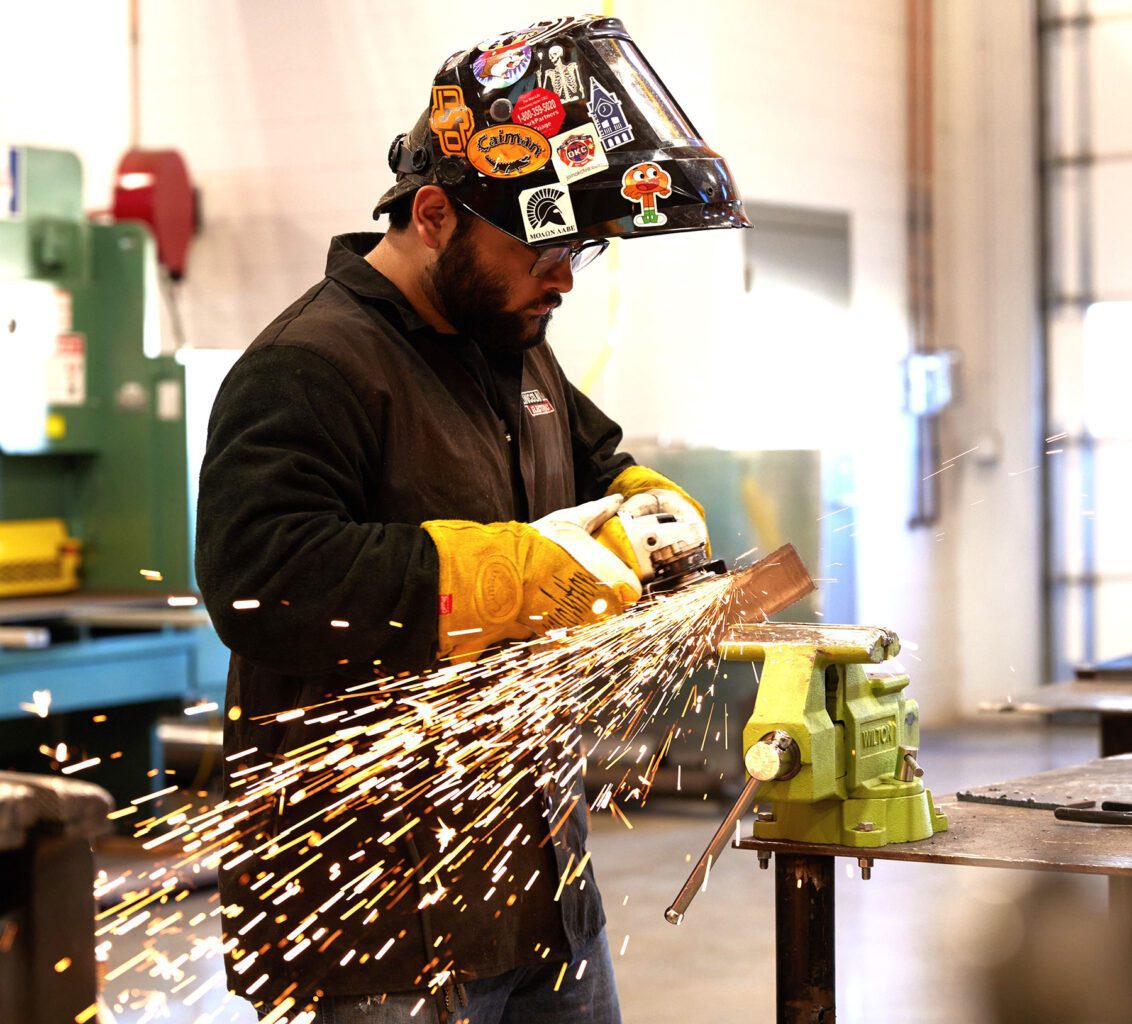
A welding career opened up a world of opportunities for Chris Schuler.
Schuler attended the Central Tech welding program in Drumright, and his career has included becoming a pipe welder, business owner and consultant. He has also worked as an instructor, regional director of training and now campus president at the Tulsa Welding School.
Schuler shares these experiences with his students to show the many paths that a career in the trades can take them.
“I know how the skill trades have helped me,” he says. “There’s so much opportunity out there.”
And students are seeking out jobs in the trades at high levels.
Schuler and Michelle Keylon, superintendent of Francis Tuttle Technology Center in Oklahoma City, say they are seeing significant interest among students, who are enrolling in programs centered around welding, the automotive industry, manufacturing and carpentry.
“We’re always going to have a need for this kind of trained workforce,” Keylon says.
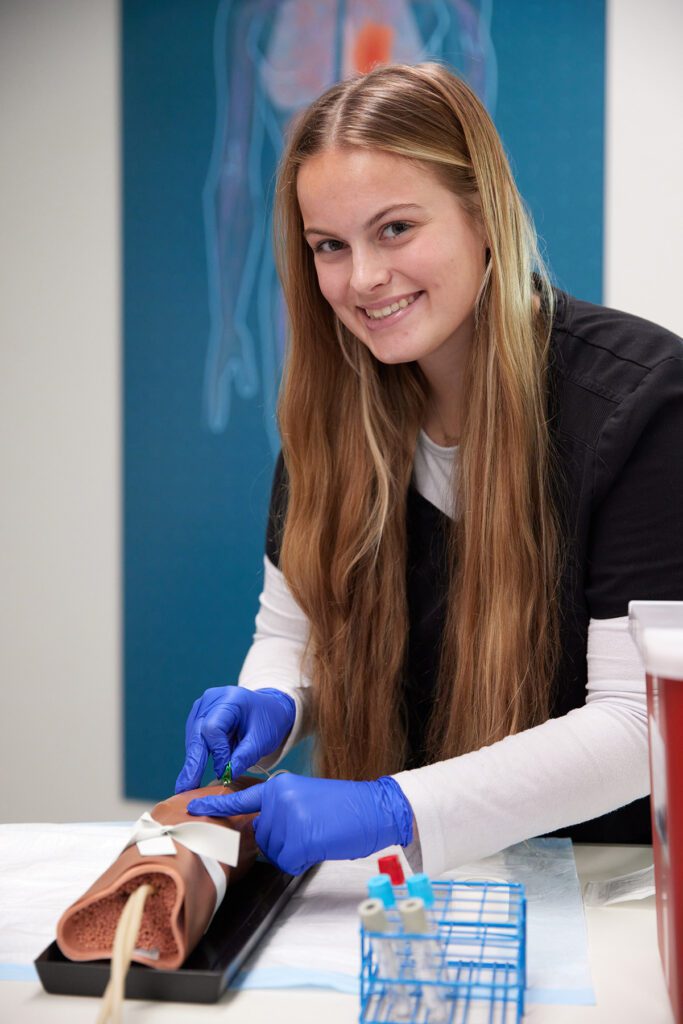
Francis Tuttle offers programs in trades fields including advanced manufacturing, automotives, cosmetology, culinary arts, cybersecurity, programming and software development, practical nursing and pre-nursing programs. The center serves both high schoolers and adults, helping prepare students for continued education at colleges and universities, entering the workforce, career changes or additional training needs, Keylon says.
Programs at Francis Tuttle Technology Center include practical nursing and pre-nursing programs, welding, 3D animation and more. Photos courtesy Francis Tuttle
At the Tulsa Welding School, students can enroll in programs outside of welding, including refrigeration technologies, heating, ventilation and air conditioning, and electrical programs. The school also offers an associate’s degree of occupational studies in welding technology.
Schuler says the enrollment includes a mix of students just out of high school or adults looking to increase their training or make a career switch. He believes the interest in trade jobs stems from the fact that there are always jobs available there. For example, there are steel and welding fabrication shops in Tulsa that need trained employees now. In addition, plumbers and electricians are always necessary, he says.
As more people retire from positions in the trades fields, new employees will be needed. Schuler and Keylon say that along with programs to train students, there are also initiatives to help them become job ready, such as with interviewing skills and networking.
Schuler says the Tulsa school works closely with employers about training needs and brings employers onsite to meet students and show them the training in place. He says the school also hires instructors with diverse skill sets and experience to help prepare students for jobs and tasks they’ll see in the workforce.
Students at Francis Tuttle have opportunities for instruction in personal leadership, interpersonal skills, problem-solving skills, creating a resume or participating in mock job interviews, Keylon says.
“We absolutely try to make sure that the students are very well-rounded in their knowledge and experience before they leave,” she says. “Our goal is to really have them both work and life ready by the time they complete our programs.”
Billy Vega is a student in the welding program at Francis Tuttle, and says he appreciates the knowledge he’s gaining from instructors – and the opportunities to practice the craft. Vega got interested in welding after working on farms and ranches and getting some experience on smaller projects.
“I wanted to take it to a further level and learn a little more, get more comfortable and get certified in it,” Vega says. His career plans include becoming a pipeline welder and having his own welding truck one day.
“I think [welding is] something different than going to college,” he says. “It’s more hands-on.”
Downtown in December is OKC’s holiday extravaganza, with ice skating, community events, festive treats and more.
Photo courtesy the Downtown OKC Partnership
The season of gathering and giving is here — and Oklahomans have myriad opportunities to celebrate and give back.
Decking the Halls
Bundle up and head to our major metros for two winter wonderlands that bring a bit of the North Pole to Oklahoma.
More than 600,000 twinkling lights will illuminate Oklahoma City as Downtown in December dazzles community members with ice skating, festive food, shopping, entertainment and more.
Tulsa’s Family and Children’s Services operates a Santa Shop annually that provides no-cost gifts for children, teens and adults.
Photo courtesy Family and Children’s Services
“Downtown Oklahoma City is the place to celebrate the holidays,” says Phi Nguyen, CEO of the Downtown OKC Partnership. “Downtown in December presented by Devon promises to delight locals and visitors with more than 30 festive events and attractions.”
The annual tree lighting in Bricktown is followed by Lights On Broadway in Automobile Alley on Dec. 7 and Dec. 14. Merry Midtown began on Nov. 30 – Small Business Saturday – and runs through Christmas Day, offering promotions and special holiday decor.
The Saints Santa Run takes off Dec. 7 from the SSM Health St. Anthony Hospital campus with a competitive 5K and one-mile Kids’ Dash; costumes are encouraged.
Alongside spreading holiday cheer, keeping things affordable is important to Downtown in December’s organizers.
“We believe in maintaining a downtown for everyone,” Nguyen says. “Many of our events are offered to the community free or at a low cost through generous sponsorships and partnerships of corporations and businesses.”
Nguyen continues: “Whether it’s getting your annual pet photo with Santa at Merry Midtown’s Santa Paws Photo Op or strolling down Broadway Avenue to enjoy the holiday light displays in Automobile Alley, we are proud to offer accessible opportunities to experience downtown during the holiday season.”
For a schedule of events and more information, visit downtownindecember.com.
In Tulsa, the 17th annual Arvest Winterfest presented with Ascension St. John has two new attractions to get Tulsans into the spirit: An exhilarating 60-foot ice slide and festively decorated igloos that can be rented for gathering with family and friends.
On weekends throughout the month of December, enjoy free entertainment outside the BOK Center, hop on the Winterfest Express Train and get a photo taken with Santa. Additionally, a special ‘Breakfast With Santa’ event is set for Saturday, Dec. 21 and includes a warm meal, face-painting, inflatables and, of course, a chance to share last minute wishes with Saint Nick. You can also enjoy the ice rink outside the BOK Center, plus festive carriage rides, through Jan. 6.
For a schedule of events and to purchase tickets, visit tulsawinterfest.com.
City Rescue Mission, based in OKC, helps those experiencing homelessness. The nonprofit currently assists 350 people each night, many of whom are children. Photo courtesy City Rescue Mission
Spreading the Cheer
Amid the joy of the holiday season, many Oklahomans struggle just to make ends meet, even more to provide toys and gifts for their families.
In Tulsa, Family and Children’s Services (FCS) works with people in crisis, supporting them through the compassionate care of caseworkers and a slew of comprehensive programs.
“Family and Children’s Services has seen a combined 19% increase in the number of clients that we serve since last year in both our children programs and our adult programs,” says Tom A. Taylor, chief development officer with FCS. “Most of our client needs are basic needs versus what most people think of as traditional for holiday gifts.”
Those looking for holiday cheer in abundance can visit downtown Tulsa for Arvest Winterfest.
Photo by Phil Clarkin
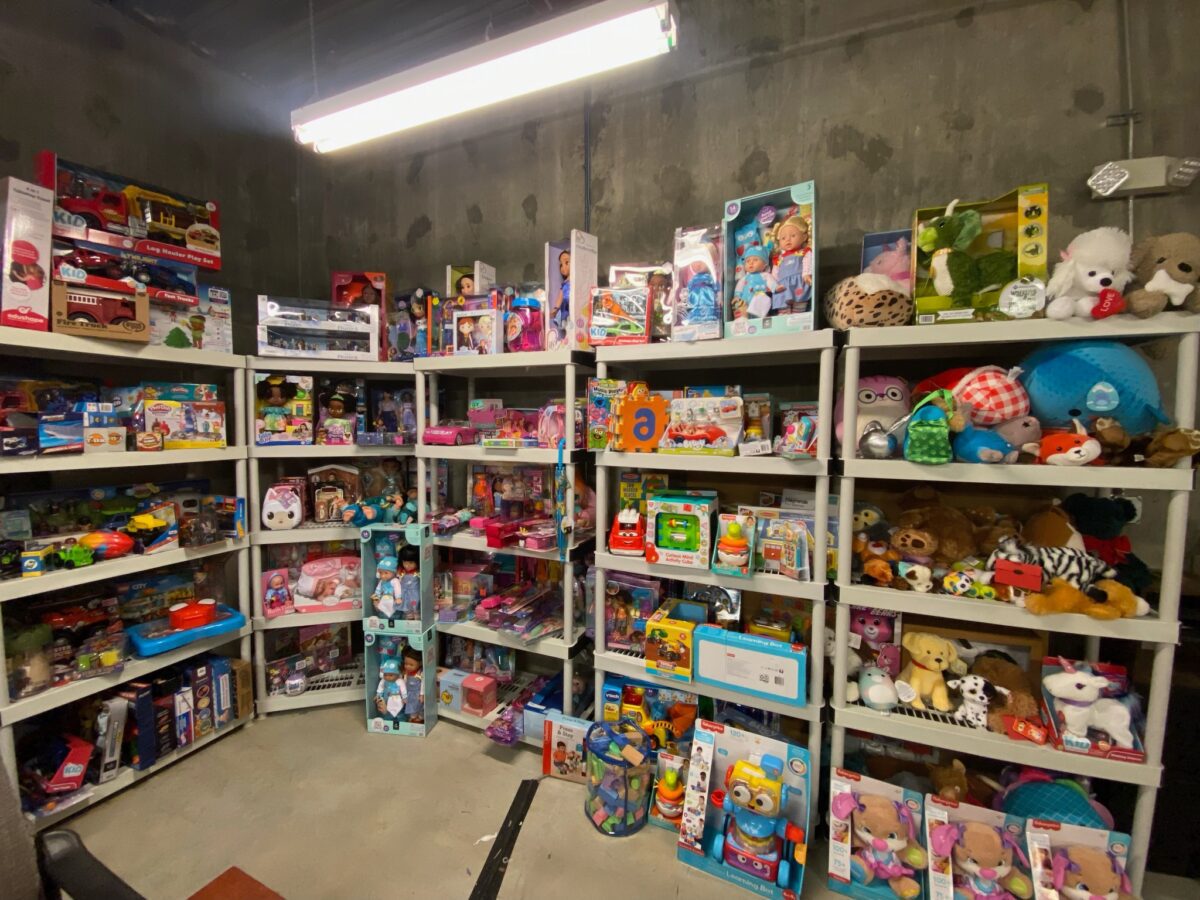
FCS operates a Santa Shop that is stocked with gifts for children, teens and adults. Caseworkers can shop for their families and, hopefully, bring a smile to the faces of people who are experiencing a difficult time.
Donations of toys, books and games for kids of all ages; gifts for teens; clothing, coats, pajamas and HUGS (hats, underwear, gloves and socks); small household items and toiletries; and grocery gift cards can be dropped off through Dec. 11 at the FCS Lapidus Children’s Center at 650 S. Peoria Ave. in Tulsa.
“We rely heavily on the generous support from the community in helping us meet our client’s needs during the holiday season, as well as year-round,” Taylor says.
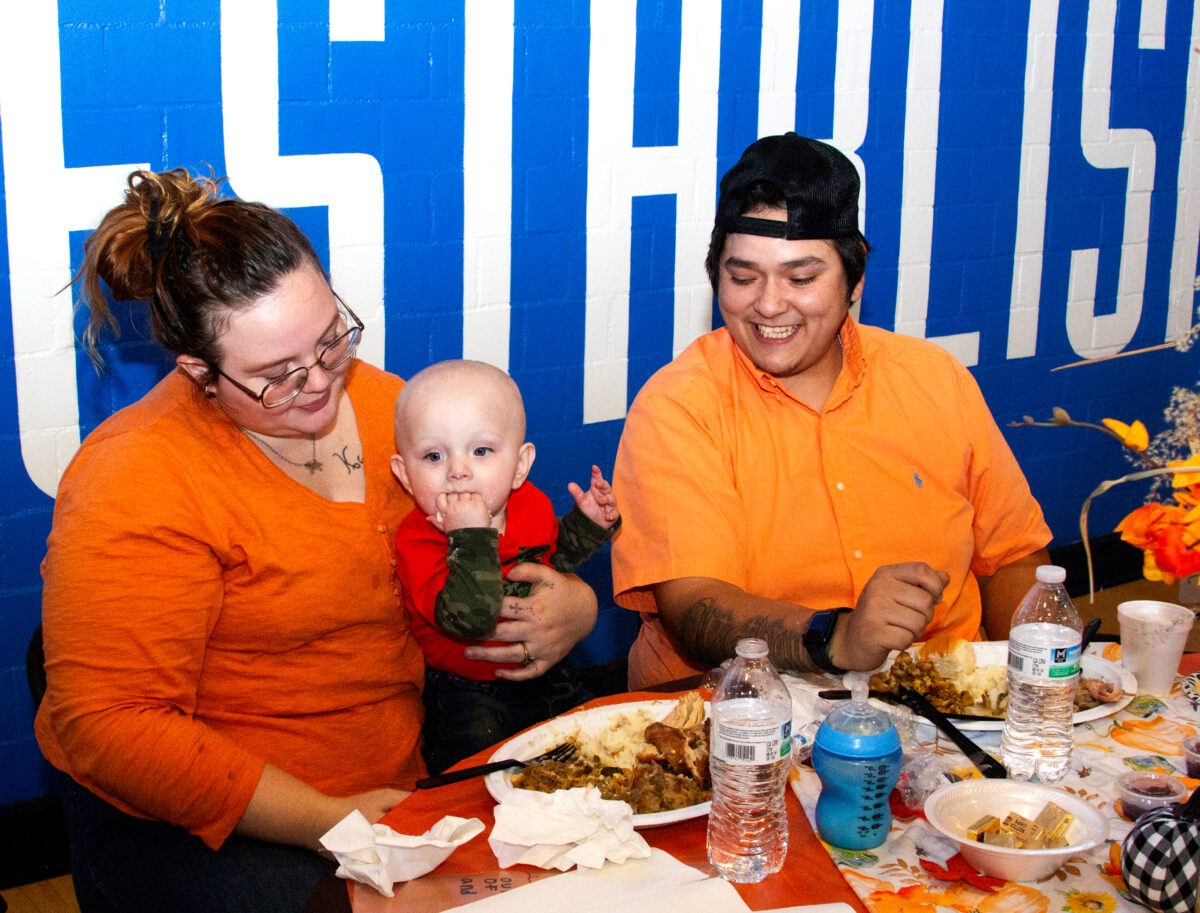
In Oklahoma City, more families than ever are facing homelessness, and City Rescue Mission (CRM) acts as a place of refuge.
“It’s not just single individuals anymore,” says Erin Goodin, president and CEO of CRM. “Entire families are struggling to find stable housing because of rising costs, job insecurity and unexpected life events. Many of the families coming to City Rescue Mission are parents with young kids, often facing homelessness for the first time.”
Currently, CRM serves around 350 people each night, including more than 50 families, 120+ children and 200 single adults, Goodin says.
CRM’s ‘Wish Workshop’ offers parents of children experiencing homelessness an opportunity to shop at no charge for their kids. The greatest need is toys for kids of all ages, as well as stocking stuffers of personal items like toiletries, socks and underwear. The Wish Workshop opens Dec. 16, so organizers are looking for donations beginning Dec. 1 all the way to Christmas Eve.
Photo courtesy the Downtown OKC Partnership
As winter weather arrives, the need for warming agents also increases.
“Cold nights make it dangerous for anyone without a warm place to stay, and as temperatures drop, more families and individuals will look for somewhere safe,” Goodin says. “For parents with kids, the stakes are even higher; they need a place where their children can be warm and secure through the freezing months.”
Donations of coats and winter clothing are accepted all year long and can be dropped off at 800 W. California Ave. in OKC.
“A simple donation to City Rescue Mission can truly change lives,” Goodin says. “We couldn’t do this work without the support of people who care and want to make a difference.”
Photos by Dan’niel McKnight courtesy American Firearm Training
Firearms safety is paramount for responsible gun ownership. To ensure it, individuals must adopt specific practices in handling, storing and using firearms, as well as obtain training and continuing education from certified professionals.
Safe Storage
Proper storage is important in preventing unauthorized access and accidents. Firearms should always be stored unloaded in a secure location, such as a locked safe or cabinet. It’s advisable to use a gun lock for additional security.
Ammunition should be stored separately, and both firearms and ammunition should be kept out of reach of children and unauthorized users.
Handling Firearms Safely
When it comes to handling a firearm, most experts point to what they call the four golden rules:
1. Always treat the gun as if it’s loaded;
2. Point the firearm in a safe direction;
3. Keep your finger off the trigger until you are ready to fire;
4. Identify the target and what is around it.
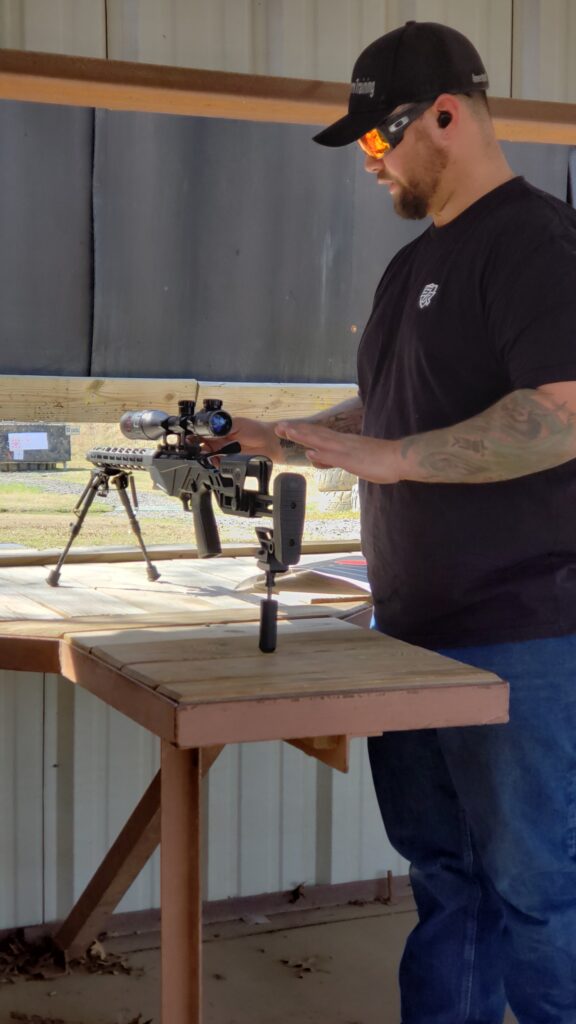
“Anytime you’re going to handle a firearm, you have to check it for yourself and make sure it’s unloaded,” says Dan’niel McKnight, owner and lead instructor for American Firearm Training in Broken Arrow. “If a person doesn’t properly know how to do that, I recommend they never touch [the firearm]. Keep it in the box or a safe and have someone help them.”
These fundamental rules underscore the importance of maintaining a safety first mindset. In addition, when transporting a firearm, use a case to prevent accidental discharge, and always ensure the gun is unloaded.
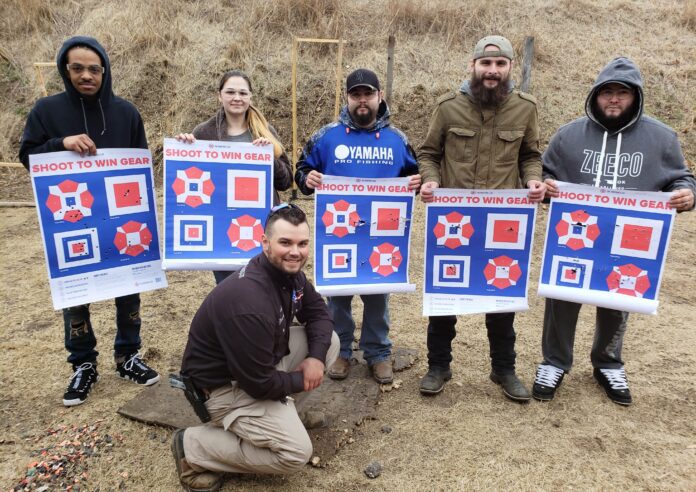
At American Firearm Training in Broken Arrow, gun owners and those interested in gun safety can take educational courses with hands-on training.
Photos by Dan’niel McKnight courtesy American Firearm Training
Education is Key
Instructors can provide essential safety information, such as the importance of firearm maintenance and understanding how different types of guns operate.
“Get professional training,” McKnight urges. “A lot of people in Oklahoma have been raised around guns and are under the impression that they don’t need training, but everyone needs training – at every level.”
Educational sessions should include practical exercises on safe handling and the use of safety mechanisms. Awareness of the legal responsibilities of gun ownership, including laws pertaining to concealed carry licenses and transport are also critical.
“Training is not a one day, eight-hour class,” says Matthew Moulton, co-owner of OKC Tactical, a firearms academy in Yukon. “When our clients train with us, they do it for an hour a week and for months at a time. So they get a lot of repetitions and a lot of real world scenario training. It’s not just about shooting the pistol. It’s about how to maneuver the pistol, understanding how it works, and keeping it functioning properly [to] keep yourself effective and safe.”
Behaviors to Avoid
Certain behaviors can significantly increase the risk of accidents.
“When it comes to pointing the firearm in a safe direction, I try to get my students to visualize something like a lightsaber,” McKnight says. “So I tell them, ‘Every time you handle a firearm, in your mind you need to pretend and visualize that long lightsaber coming out the end of the gun.’ This is especially important for handguns because they are so short and easy to point in the wrong direction.”
Never engage in horseplay around a firearm. Do not use alcohol or drugs before or while handling guns. Additionally, avoid altering or bypassing safety features on firearms, which can lead to dangerous situations.
Responsible firearm ownership involves a commitment to safety through proper storage, careful handling and ongoing education. By adhering to these guidelines and fostering a culture of safety, gun owners can ensure their own protection and that of others.
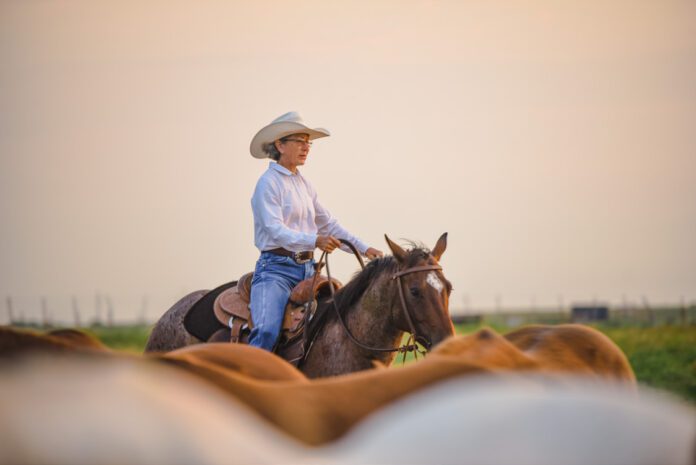
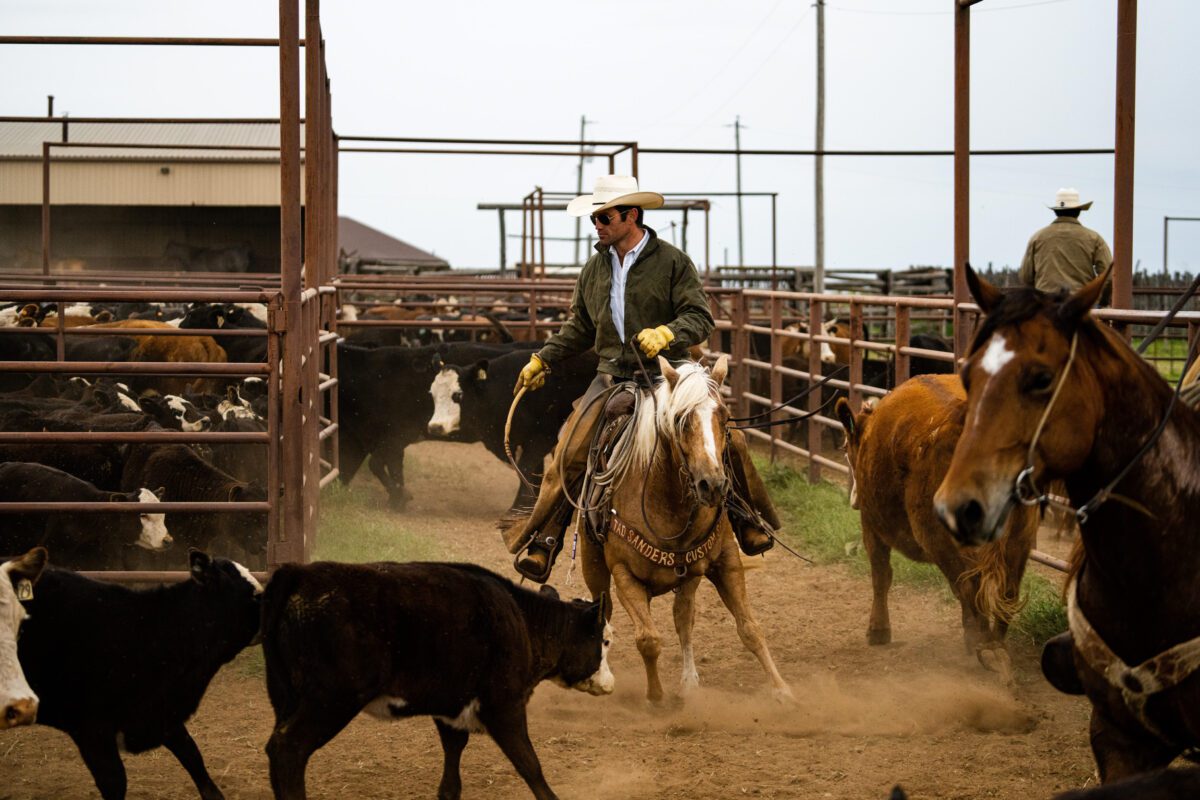
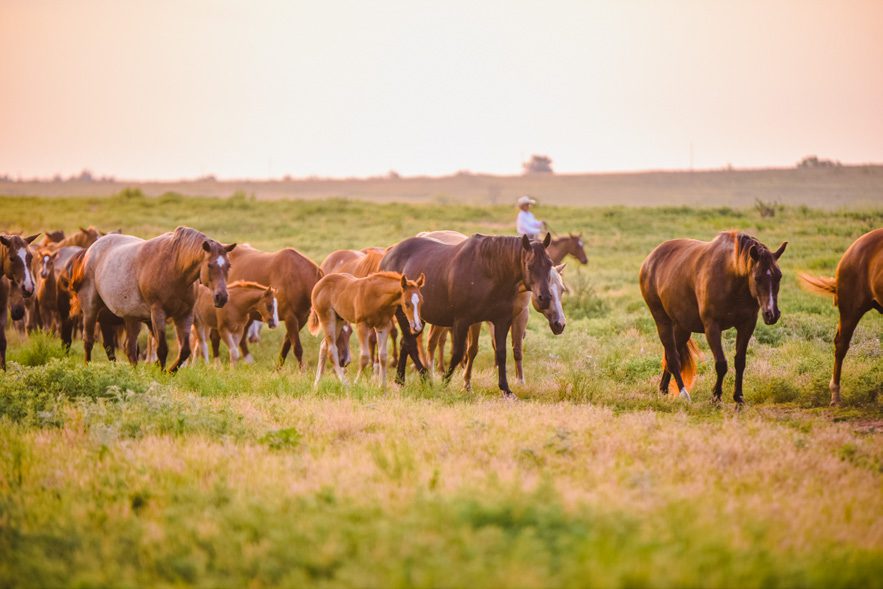
At the Stuart Ranch in Waurika, horses are bred to be “versatile, athletic ... and capable of doing their jobs,” says manager Terry Stuart Forst.
Photos courtesy the Stuart Ranch
Of the fifty states, Oklahoma ranks No. 2 for the economic impact/gross domestic product of the horse industry – sitting at 0.64% with 252,700 horses, right behind Kentucky.
Within the sector, horse breeding – a science-focused effort on producing genetically superior horses – requires a large financial investment with, typically, a strong ROI. Foals are raised for racing, competition, riding and other business endeavors.
Oklahoma’s oldest ranch under continuous family ownership, 7S Ranch or the Stuart Ranch, was founded in 1868 in Caddo, Choctaw Nation, Indian Territory. Now located in Waurika, the ranch is managed by its fifth generation of family leadership, Terry Stuart Forst, who assumed the role from her father in 1992.
“I think to start in the horse business, you go to work for someone you respect and want to train under,” says Stuart Forst. “This is a business full of hard work, long hours and dedication.”
An acclaimed 2007 Oklahoma Cattleman of the Year, Stuart Forst runs the 7S Quarter Horse Breeding Program, and has produced winning horses in many disciplines. The equine program produces and raises 30+ foals every year.
At the Stuart Ranch in Waurika, horses are bred to be “versatile, athletic … and capable of doing their jobs,” says manager Terry Stuart Forst.
Photos courtesy the Stuart Ranch
With an eye on the future, Stuart Forst and her sons have diversified and expanded the 7S Ranch for maximum longevity.
“Horses are raised in Oklahoma for ranch work, for show purposes in many disciplines, and for racing. Some are also raised for pulling feed wagons and other equipment,” she says. “Our horses primarily are used for ranch and show purposes. Our outfit uses horses everyday in ranch work, but those same horses have won numerous awards in the show pen.”
Oklahoma State University in Stillwater has a prestigious equine breeding and foaling program, with a state-of-the-art equine teaching facility.
A January 2020 OSU white paper, excerpted from the American Youth Council’s Horse Industry Handbook, says a successful horse breeder is “able to select superior horses for mating, and manages the environmental effects, such as nutrition, healthcare, training and injuries, to maximize the horse’s genetic potential. Since breeding for quality horses is not a simple matter, breeders must understand basic genetic principles and their applications to the horse business.”
Within the industry, it is understood that the most important aspects of a good breeding program target genetics and pedigree. They involve selecting outstanding breeding stock, with identification of individual records, pedigree records and progeny (offspring) information. In order to get desired physical characteristics and temperament, breeders consider an array of traits, characteristics and lineage.
“Our goal is to raise a versatile, athletic horse that is capable of doing his job,” Stuart Forst says. “Our broodmare band is generational, with sixth and seventh generations competing today in several disciplines.”
The OSU white paper says that breeder progress depends on four things: “consistent goal, heritability, selection intensity and generation interval. The plan should be to produce three to four foals out of each mare and then replace the mare with her best filly.”
Breeding requirements include maintaining the appropriate facilities and having the right people on hand. Those include facilities for mating and foaling with spacious turnout areas, safe breeding stalls and proper veterinary care. Also, breeders need to be aware of market demands and potential returns on investment.