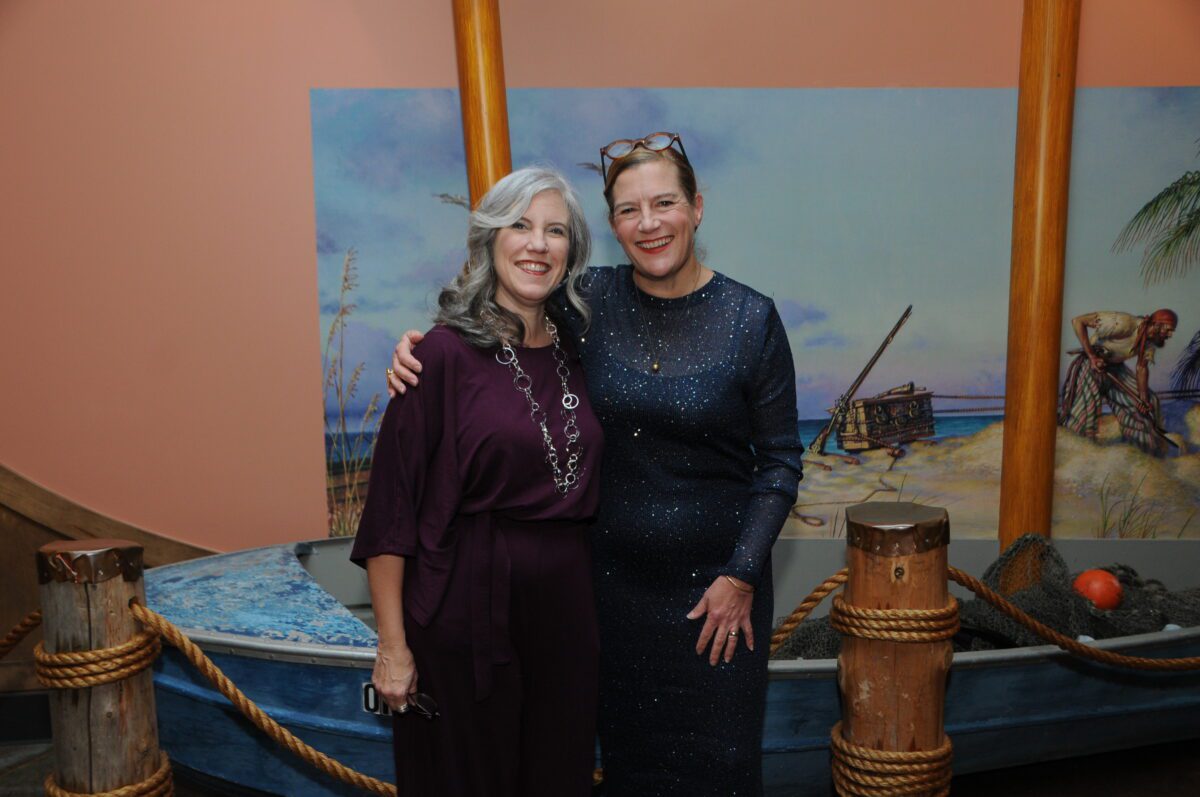
Artist Jeanie Gooden, who lives between Tulsa and Mexico, recently released a new book. You can also find some of her works – like the one behind her in this photo – at Tulsa's M. A. Doran Gallery. Photos by Stephanie Phillips
Finding beauty in the details of ordinary things: that is the theme of Tulsa artist Jeanie Gooden’s new book Findings: Translations, released in November.
“I love the small things,” Gooden says. “I love to encourage people to look around them. Somebody might be looking at a waterfall and I might be looking at a rock in the other direction because I like the pattern on it. I’m very attuned to details.”
Gooden has been living and working between Tulsa and the colonial city of San Miguel de Allende, Guanajuato, Mexico, for the past 20 years. She says it’s the vibrant people, music, colors, food and culture – but also the earthy, even gritty imperfection – that have made the Mexican city a place of inspiration for her work.
“I love the vibrancy of Mexico,” Gooden says, “and the simple things about it. It’s a very innovative country, but juxtaposed to that is the very simple, basic idea that everything’s useful. Take care of it. Patch it up. Use it again. Mexico is so rich in the old ways of re-purposing and salvaging. That’s what you’ll see in my work, examples of these inspirations.”
Old mops leaning against a wall and rusted trash cans sitting in an alley are transferred by Gooden’s hand to canvases in art galleries. Patches of metal, stitching and layering canvases and textiles are all things that influenced the artist, but her often large scale mixed media works actually started stateside.
“Years ago, I sold a painting called Torn to a designer in Tulsa,” Gooden says. “It fell off the wall at a party in her home and tore the canvas. I was already living down here [in Mexico] at the time, and I started remembering markets and how they sometimes crudely sew things together. So I just pulled [the painting] together with a bunch of cotton thread and stitched it up, and I’ve never stopped stitching.”
Gooden says the piece even became an analogy for healing and repair.
“There’s always some reason for the things I do,” she says.
Delving into new forms of art requires a bravery that Gooden says she tries to embody and impart to others.
“As long as you’re fearful, you’re going to stay safe in anything,” Gooden says. “I happen to be a painter. But you’ve got to be willing to fail in art or anything. I think you have to be willing for it to be rotten. You can’t get good at anything unless you are bad at it first. I’ve taken a lot of risks in my life, so I guess that’s just the way I look at things.”
While her 240-page book of full color images and photographs reflects her own creative process, Gooden says she hopes to inspire others to find their passion.
“Look around you,” she says. “Your inspiration is waiting just beside you. It’s the simplest message in the world. I just happen to have a visual story that unfolded over 20 something years that makes it easier to see. You may cook or make music or you may be a computer programmer – but you’re making connections no matter what.”
Commercial airports are a part of people’s lives on a regular basis. One of the fastest ways to travel, these hubs of transport are also generally crowded and overbooked. Smaller airports, as well as the luxury of flying private, are alternative for those looking for something a bit more upscale – and convenient.
“Private airports offer exclusive amenities and a more personalized experience,” says Darrah Callen, regional vice president for Jet Linx, a private flight membership/aircraft rental company. “Our members gain access to our private terminals and executive lounges, allowing for a relaxed and seamless transition from ground to air – without the crowds and long lines of commercial terminals,” she says.
When flying private, everything is tailored to the customer, with heightened security, quick boarding, ground transportation, restaurant and hotel reversions, and even preferred snacks and beverages at the ready, says Callen.
“We know our clients by name and their travel patterns,” she says.
If, instead, you already own an aircraft and are looking for an easier way to fly without the hassle of big airlines, Sundance Airport in Oklahoma City is a go-to, hidden gem destination. While not considered private, Sundance is categorized as general aviation, meaning it does not cater to the general population with commercial flights.
Jet Linx, which provides a private flight membership as well as aircraft rentals, has offices around the U.S., including in Tulsa. Photo courtesy Jet Linx
“Sundance is an anomaly in terms of general aviation airports; it is the only public-use airport in Oklahoma that is not funded by taxpayer dollars,” says CEO Jerry Hunter. “It is owned by a single individual and makes its money by selling aircraft fuel, renting hangars, renting a fleet of small aircraft to individuals and students, and from its flight school,” he says. The airport also provides maintenance, a weather information system and no security checks for those flying.
“In general aviation, there’s no TSA,” says Hunter. “No security. No delays before takeoffs. No long lines.”
The only public-use airport in Oklahoma not funded by taxpayer dollars, Sundance offers hangar rentals, aircraft fueling and a flight academy. Photo courtesy Sundance Airport
Gaining access to these places requires different things. For Jet Linx, the only thing you need is the financial means to become a member.
“Owning a jet is not necessary,” says Callen. “As a Jet Linx Jet Card member, you enjoy exclusive access to private airports and our Members-only terminals across the country, as well as 5,000 domestic airports.”
As for Sundance, the ownership of any aircraft is enough to gain you access.
“Whether you own a small propeller aircraft or a large corporate family jet, it doesn’t matter,” says Hunter. “You can rent hangar space for your aircraft and keep it at Sundance. Even if you’re based at a different airport, you can land, refuel and continue your journey,” he says.
Sundance also offers a flight academy.
“There are also active chapters of EAA [the Experimental Aircraft Association], offering airplane rides for kids, and CAP [Civil Air Patrol],” says Hunter.
Alesund, a port city in Norway, offers stunning Art Nouveau architecture, along with stunning views and fresh seafood.
Millennia ago, huge glaciers carved deep, narrow ruts into the wild Atlantic coast of Norway, leaving behind placid, U-shaped fjords hemmed by steep cliffs. Right in the middle of all this natural splendor is Alesund, a port city of 44,000, exquisitely located on seven islands near the mouth of the 68-mile-long Stor Fjord.
The town is actually an archipelago, so it is not so much on the ocean as it is in the ocean, with docks, canals, bridges and buildings constructed right along the water – not unlike a certain city in Italy.
After a devastating fire in 1904, Alesund was rebuilt using native stone in the popular architectural style of the time, Art Nouveau, with towers, arches and elaborate ornamentation. In the dense central core, more than 300 Art Nouveau structures were erected by artisans between 1904 and 1907 using grand urban plans following the Viennese model.
Town park statues pay tribute to two notable men: German Kaiser Wilhelm II, who stepped in to assist after the 1904 fire, and a Viking named Gange-Rolf, also known as Rollo, founder of Normandy and forefather of William the Conqueror.
Alesund is definitely walkable – in fact, the Art Nouveau district is best seen up close and on foot. This way, you’re also free to slip into a glass art gallery or one of the little shops that sell wool sweaters, liquorice and troll figurines.
It’s great fun to sea kayak down the Brosundet canal through the center of Alesund for special views of this stylish city. Then head right out into the tranquil inner harbor and nearby fjords, like the fairytale-like Geiranger with its abundant waterfalls and wildlife or the less-visited but equally charming Hjorund.
When your restaurant is sitting right on top of the water, you know the seafood is fresh, and when you’re in Alesund, that means cod, crab, Norwegian lobster and crayfish. Complement it with farikal, a local dish made of boiled mutton, potatoes and cabbage. Drink like a Norwegian and add a glass of aquavit, the country’s national spirit, made from potatoes and flavored with caraway or dill.
Art Nouveau is so predominant in Alesund, the national Art Nouveau Center is located there in the spired Swan Pharmacy building (built in 1907). The KUBE art museum is in an adjacent bank. The big fire is chronicled along with the resulting birth and development of the city’s trademark art and architecture.
Just outside Alesund, down by the swim beach, is one of the largest saltwater aquariums in Scandinavia. The Atlantic Sea-Park (Atlanterhavsparken) was founded in 1951 and is full of playful seals, otters and Humboldt penguins. The daily feedings featuring divers in the water are a big hit.
Hikers and skiers will be glad to know the Sunnmore Alps are right outside of town with some peaks stretching 5,600 feet straight up from the fjords. Just for fun, head to the town park and take the 418 stone steps to Mount Aksla, Alesund’s very own town mountain. Up top, there’s a restaurant and some impressive big sky views of the islands and the Alps.
Book early and you can overnight out at the end of the jetty in Norway’s oldest lighthouse, the Molja, whose automated beacons still warn mariners approaching the harbor. Inside, there’s a two-story suite with a custom-fitted circular bed. Breakfast is delivered the next morning, courtesy the nearby Hotel Brosundet.
Several airlines fly into Alesund and there’s a ferry that comes in from Geiranger, a picturesque town at the head of the Geiranger fjord. The 90-minute boat ride offers hard-to-catch angles and unique perspectives of these sublime rock-bound bodies of water.
Millions of Americans live with the pain and discomfort associated with arthritis. According to the Arthritis Foundation, there are more than 100 different types of the disease; the most common form of arthritis is osteoarthritis (OA), alongside rheumatoid arthritis (RA), which is the most common form of autoimmune arthritis.
Mary Beth Humphrey, M.D., Ph.D., is a rheumatologist with OU Health as well as a rheumatology professor and associate dean for research at the University of Oklahoma College of Medicine in OKC.
“The Centers for Disease Control and Prevention (CDC) estimates that 32.5 million U.S. adults have osteoarthritis,” says Humphrey. “Although men and women get osteoarthritis, 62% of women will develop it. Osteoarthritis may begin in the forties but peaks between ages 55 and 64.”
She explains that osteoarthritis is a condition of joint damage that occurs as we age or after joint injuries such as anterior cruciate ligament (ACL) tears.
“The most common joints in which osteoarthritis occurs are the knees, hips and fingers,” she says. “Knee osteoarthritis is often associated with pain in the joint that is worse with activities like walking or running, climbing stairs, or getting out of a chair or car after sitting a long time.”
She says x-rays are needed to diagnose osteoarthritis and treatment plans may include physical therapy and medications such as acetaminophen, non steroidal anti-inflammatories like ibuprofen or naproxen, diclofenac gel, capsaicin cream and duloxetine.
“Weight loss is effective for knee and hip osteoarthritis and may prevent the need for total joint replacement,” says Humphrey. “At this time, we do not have therapies that stop the progression of osteoarthritis.”
In contrast, Humphrey says rheumatoid arthritis is an autoimmune disease where the immune system attacks the joints of the body.
“It often causes pain, stiffness and swelling of the hands, wrists, elbows, shoulders, knees, hips, ankles, feet and sometimes the neck,” she says. “It is frequently seen in many joints on both sides of the body, whereas osteoarthritis is often one side, such as one knee. Rheumatoid arthritis can also cause eye inflammation and lung disease, and osteoarthritis does not cause these problems. Rheumatoid arthritis pain is usually worse with inactivity and improves or loosens up after some activity—and it may be associated with autoantibodies like the rheumatoid factor or the anti-CCP antibody.”
She says rheumatoid arthritis is treated with immunosuppressive medications that are tailored to each patient’s condition.
“By controlling the inflammation, successful treatment will prevent disabling arthritis and joint deformities,” says Humphrey. “Rheumatoid arthritis affects about 1.5 million Americans…and women are two to three times more likely than men to get rheumatoid arthritis—which can occur in children or into old age, but it usually starts between 30 and 60 years of age. A family history of rheumatoid arthritis, smoking, obesity and poor dental hygiene increase the risk of rheumatoid arthritis—and similar to osteoarthritis, Native Americans have the highest risk of rheumatoid arthritis.”
Unfortunately, Humphrey says there are no sure ways to prevent osteoarthritis or rheumatoid arthritis.
“Both occur as a combination of age, inherited risk and environmental triggers,” she says. “Exercise and maintaining ideal body weight can lower the risk of both conditions.”
How Osteoporosis Differs
While individuals with osteoporosis may experience joint pain, it’s important to recognize the difference between osteoporosis and osteoarthritis.
“Osteoporosis is the thinning of the bones that leads to increased risk of fractures,” says Humphrey. “The spine, hip and wrist are most sensitive to osteoporosis and have the highest risk of fractures. At the time of menopause, typically 45 to 55 years old, women rapidly develop osteoporosis – this is the most common cause of osteoporosis. Men may also develop osteoporosis, but usually not until their 70s.”
She says other causes of osteoporosis include the use of prednisone or other glucocorticoids, excessive alcohol intake, smoking, low body weight, and other conditions like diabetes, thyroid disease, inflammatory bowel disease, rheumatoid arthritis and chronic liver or renal failure.
“We can help prevent osteoporosis by taking adequate vitamin D and dietary calcium, regular weight-bearing exercise and modifying other factors like stopping smoking or decreasing alcohol consumption,” says Humphrey.
Pawhuska’s Ben Johnson Museum is named after the famed western actor and champion rodeo performer. Photo courtesy the Ben Johnson Museum
A person could be excused for thinking that in a town of just under 3,000, most days will produce little to talk about, much less chronicle. But in the case of the north-central Oklahoma town of Pawhuska, they couldn’t be more wrong.
Pawhuska, county seat of Osage County and the longtime location of the Osage Nation tribal headquarters, features a bevy of activity year-round. In between, several static attractions bring in visitors, too – not to mention that just last year, Pawhuska’s downtown became an outdoor movie set for a major motion picture.
Traffic into Pawhuska picked up over the last decade or so with the increasing popularity of the Pioneer Woman Mercantile, owned by television cooking show personality Ree Drummond and her husband, Ladd, and described by its website as “a destination restaurant, bakery and store.”
“Things have changed over the past ten years, that’s for sure,” says Mike McCartney, manager of the Pawhuska Chamber of Commerce, who says a downtown construction project currently underway is proving to be only a minor hindrance.
“We’re still open for business,” he says.
The downtown Streetscape construction project is a joint effort by several government entities.
“It’s kind of got things a little torn up,” McCartney says, “but things will be fine, and really nice, when it’s finished.”
Completion is expected by next spring, says Carol Jones, assistant city manager.
The Pioneer Woman Mercantile, found in Pawhuska, offers food, drink and wares created by Oklahoma native Ree Drummond. Photo courtesy the Pioneer Woman Mercantile
The construction might make things a bit confusing as the Christmas holidays approach, but McCartney says it shouldn’t interfere completely with the annual transformation of downtown into what he described as “kind of like a little Hallmark Christmas.”
The annual downtown Christmas Parade of Lights is set for 5:30 p.m. Dec. 7. Meanwhile, the community is looking ahead to the Ben Johnson Steer Roping event in June at the Osage County fairgrounds south of town.
“We’ve just had a lot of stuff going over the past few years,” McCartney says. “We’ve become a destination, to say the least.”
Not hurting that destination status was the western crime epic Killers of the Flower Moon, directed by Martin Scorsese and released in 2023. The film, set in Osage County, ushered in a bevy of production crews and actors to Pawhuska. And curiosity tourism spawned by the movie is ongoing, McCartney says.
Adding to Pawhuska’s draw are two noteworthy museums – the Osage Nation Museum that features art, artifacts and other tribal lore, and the Ben Johnson Cowboy Museum, dedicated to Oklahoma’s western heritage.
The latter museum is the namesake of a Pawhuska native who became a famed western actor and champion rodeo performer, while the former, according to its website, is the oldest tribally-governed museum in the U.S., opened in 1938.
Pawhuska lies at the entrance to the 39,650-acre Joseph H. Williams Tallgrass Prairie Preserve, operated by the Nature Conservancy and proclaimed by its website as “the largest protected piece of tallgrass prairie left on earth.” Now only 4% of its original size, the fully-functioning ecosystem nevertheless holds more than 700 plants, 300 birds and 80 mammals, plus a herd of about 2,500 free-ranging bison.
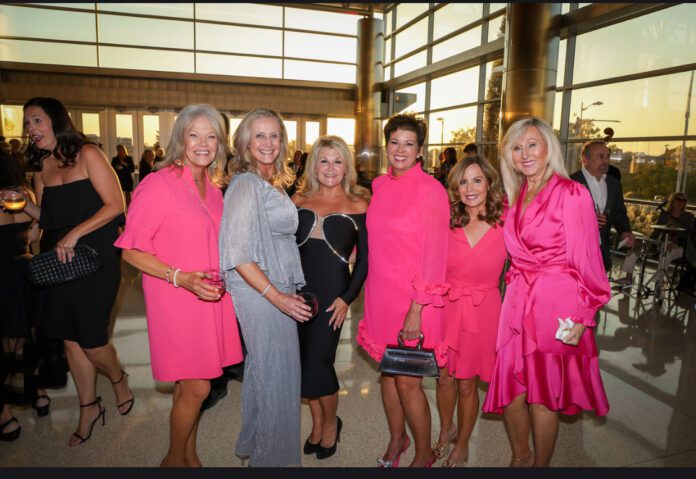
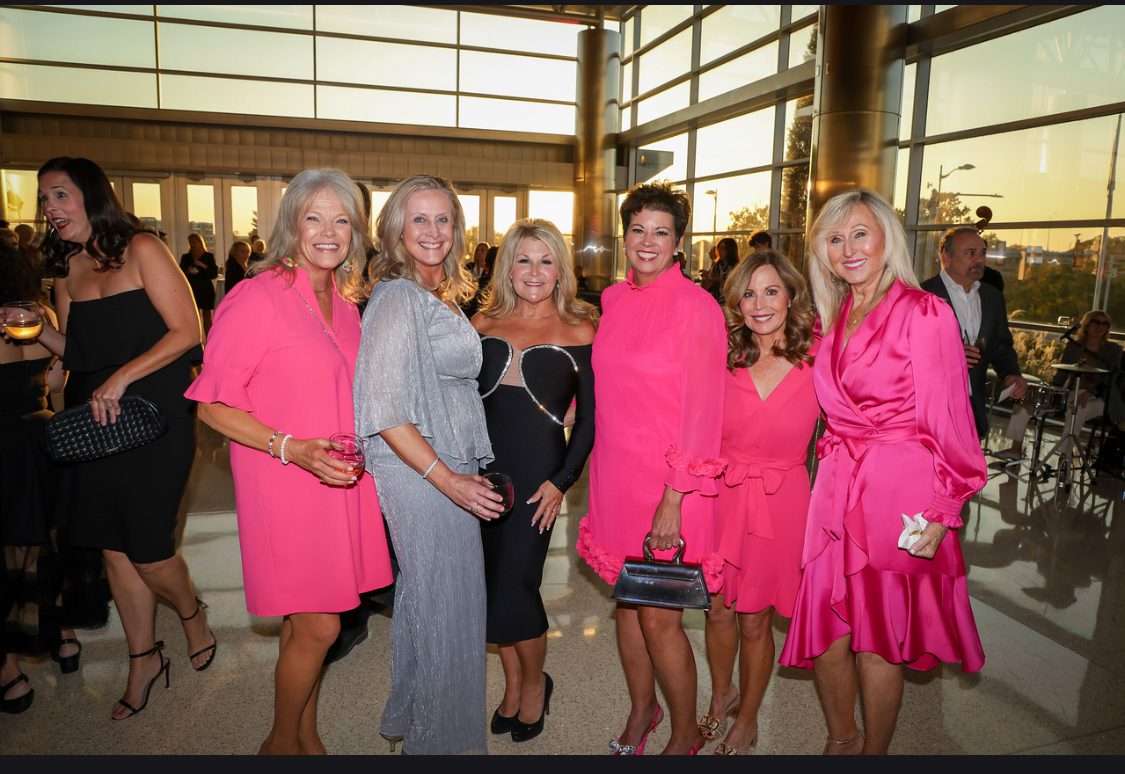
Faith Bewley, Kara Swyden, Allison Meyer, Glenda Bullock, Laura Bailey, Janis Taylor; Pink Ribbon, Oklahoma Project Woman, Tulsa
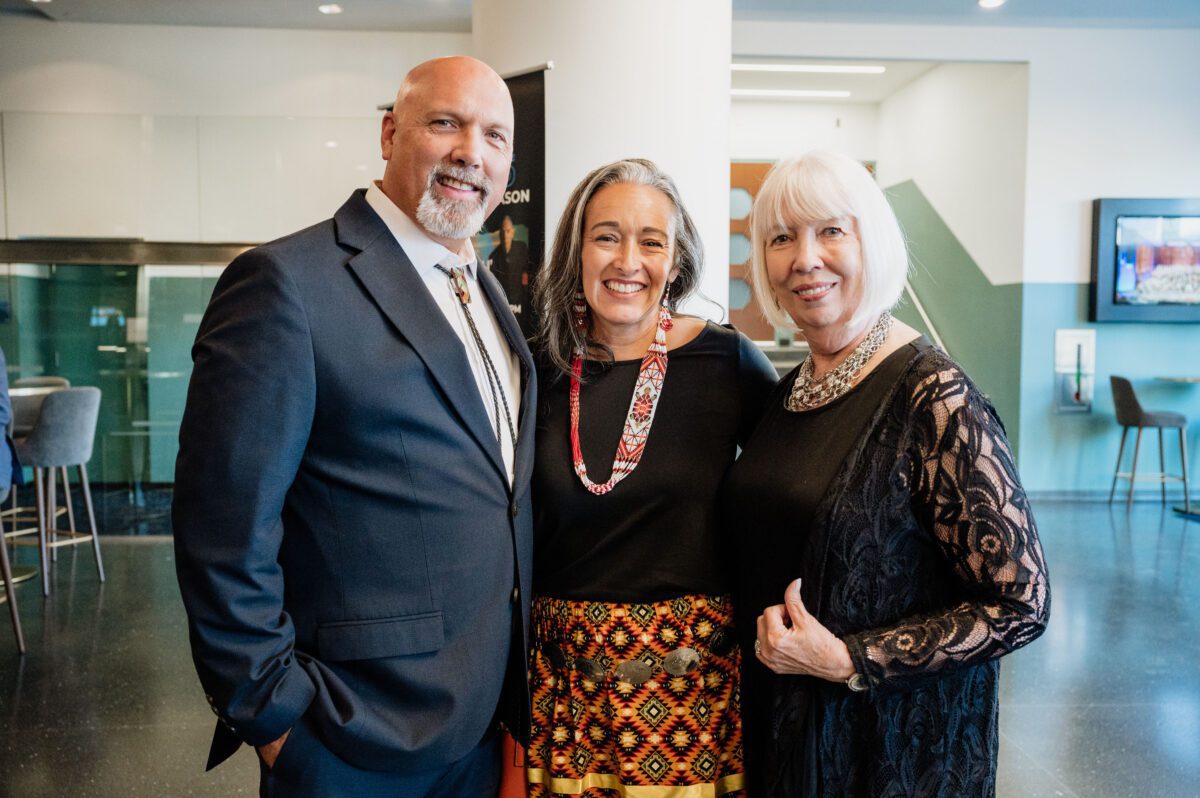
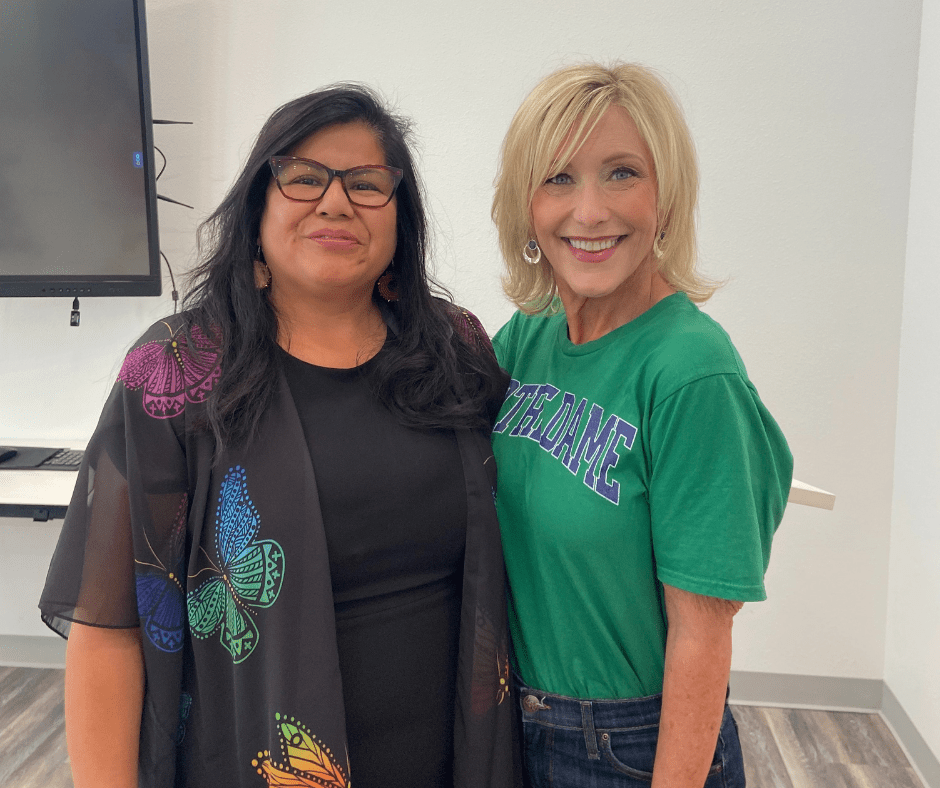
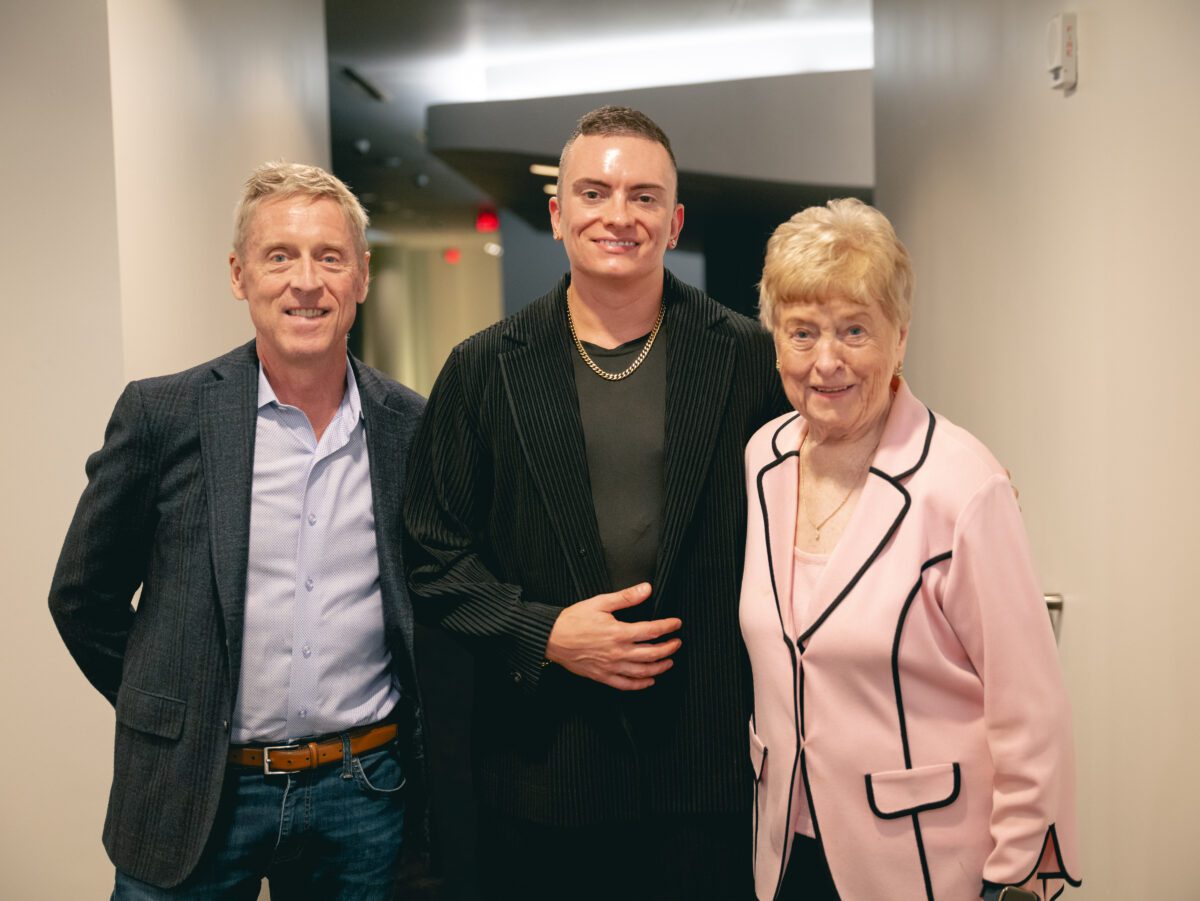
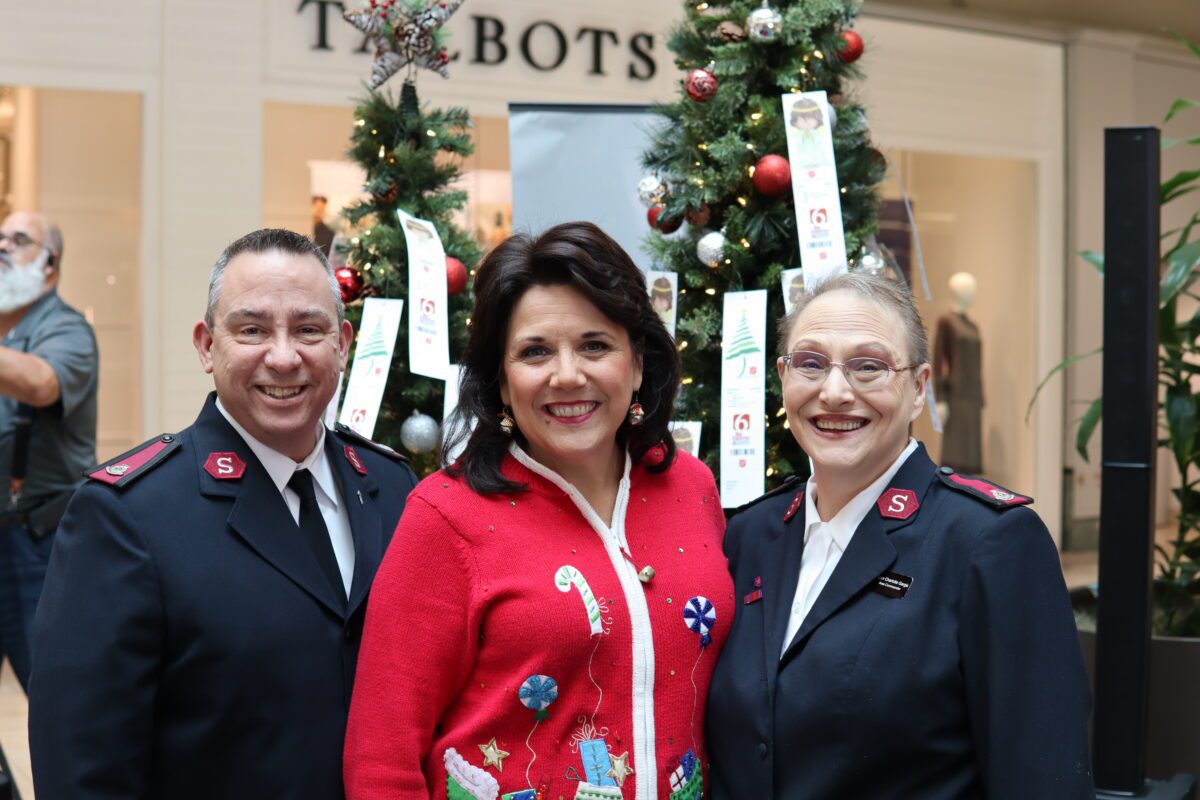
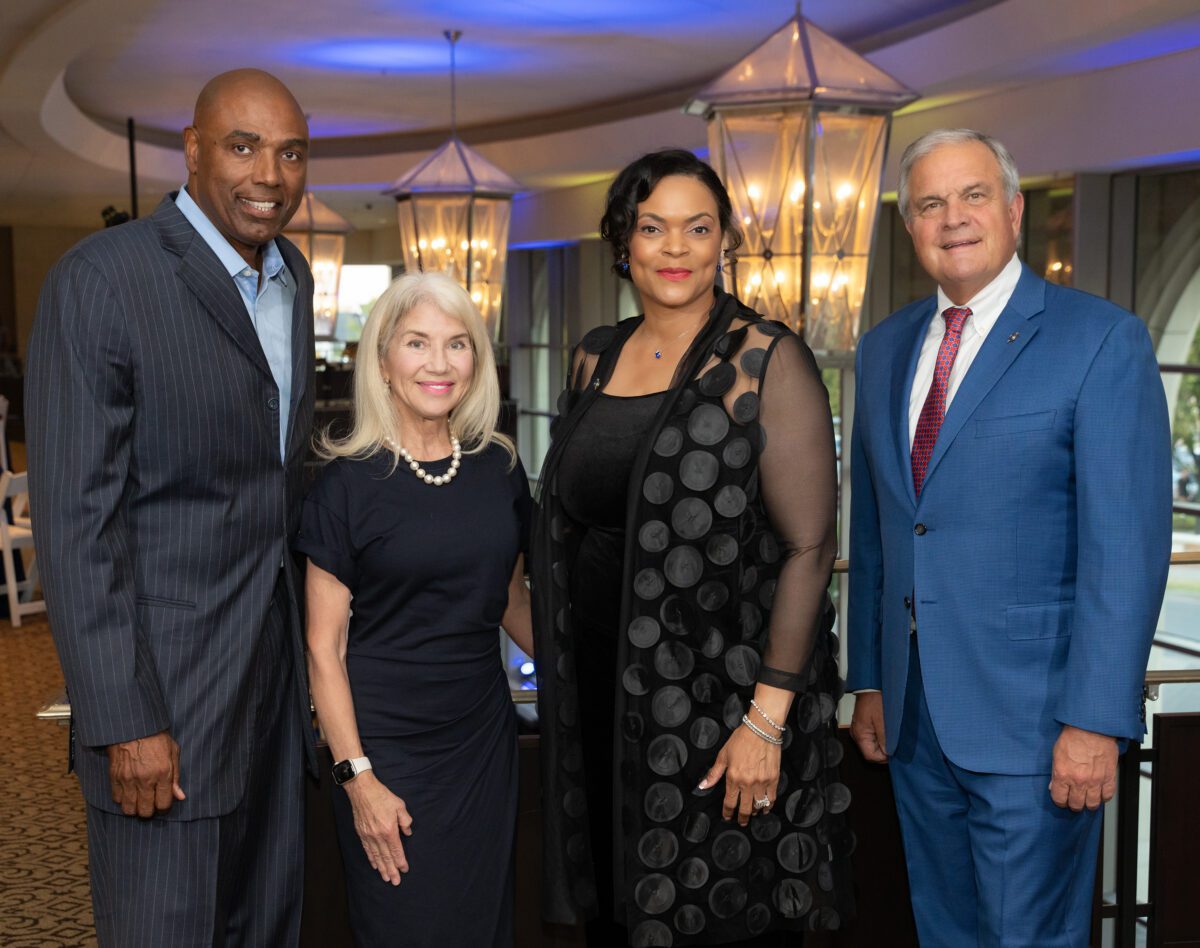
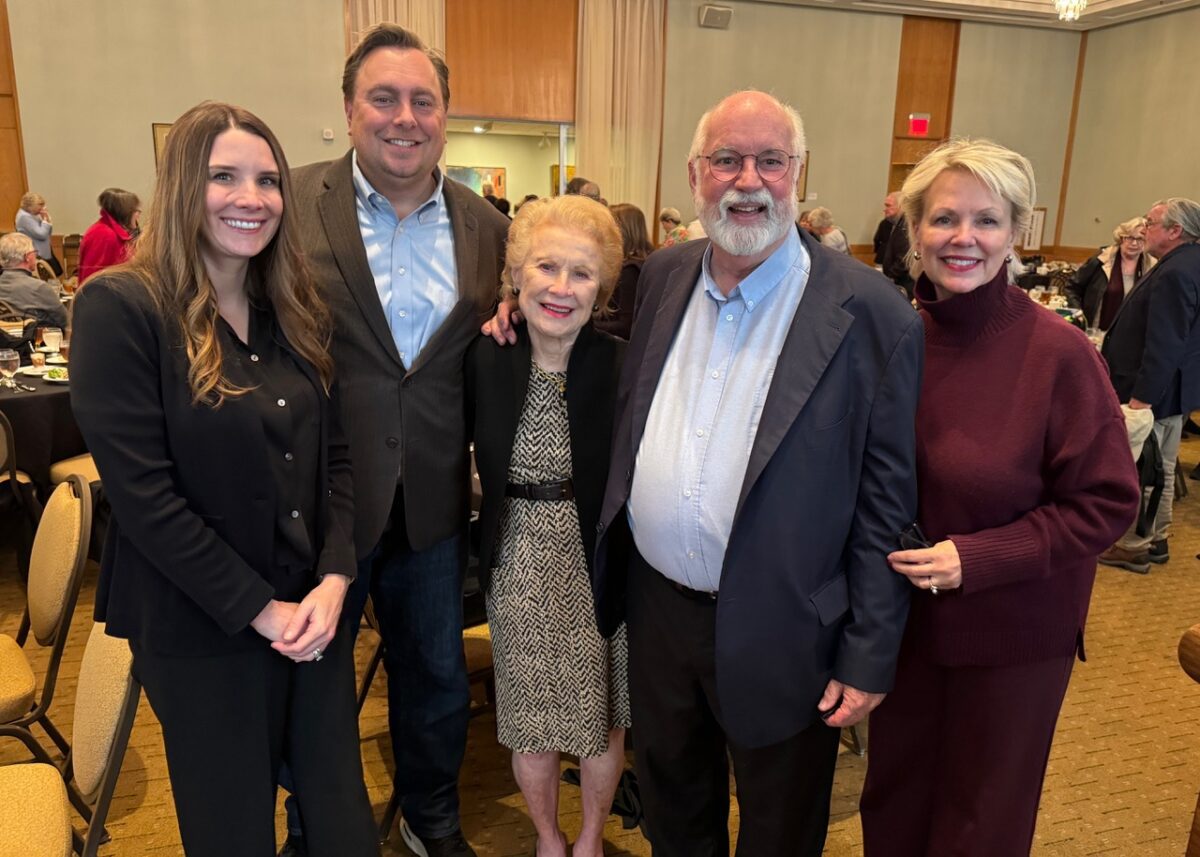
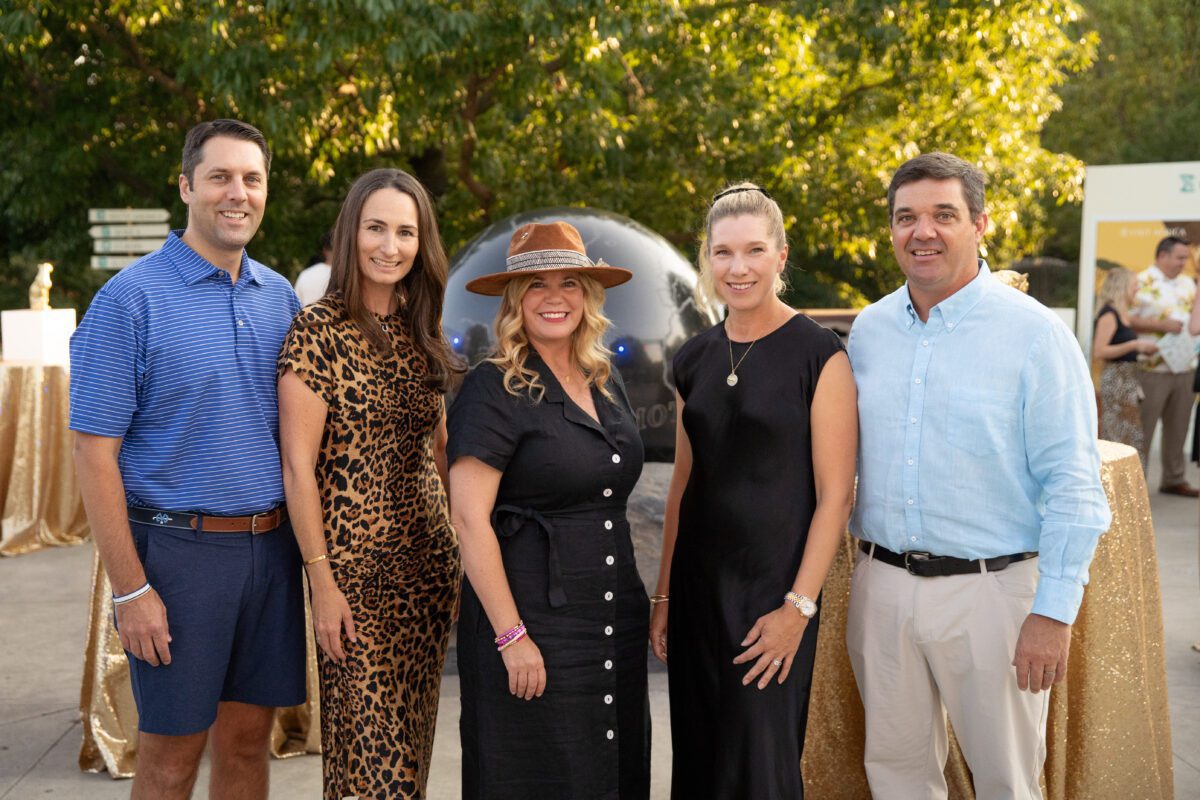
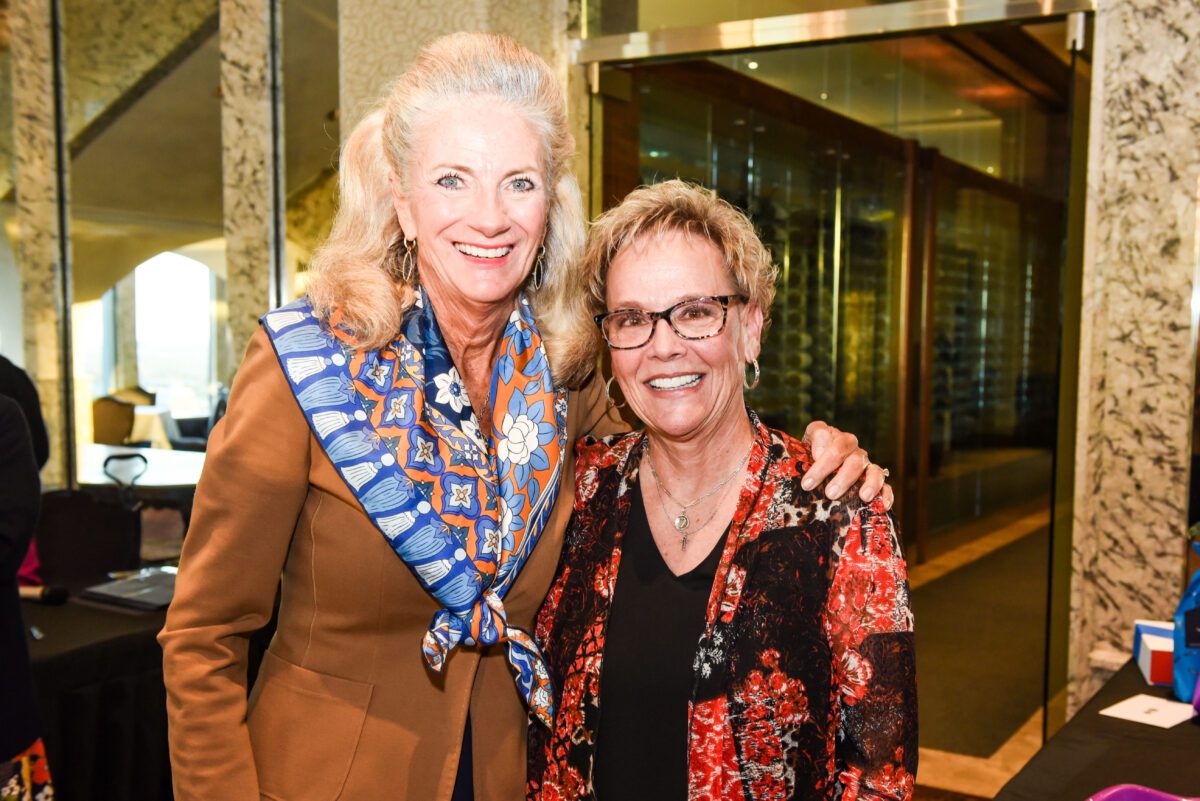
Larry & Shana Tate Darter, Dianne Darter; Shell Shaker Opera premiere, Canterbury Voices, OKCKara Pasqua, Stacy McNeiland; Meeting with National Native Children’s Trauma Center, CARE Center, OKCBecky Lowe, Tawni Herd; Kaleidoscope Ball, Emergency Infant Services, TulsaRick Salmeron, Cameron Carpenter, Lois Salmeron; The Organ Symphony premiere, OKC PhilharmonicSpencer Bowen, Laura Sheriff, James Arnold; Members’ meeting, Oklahoma Center for Nonprofits, OKCFaith Bewley, Kara Swyden, Allison Meyer, Glenda Bullock, Laura Bailey, Janis Taylor; Pink Ribbon, Oklahoma Project Woman, TulsaMajor Carlyle, LeAnne Taylor, Major Charlotte; Angel Tree Kick-Off, Salvation Army Tulsa Area CommandPaul Pressey, Sue Ann Arnall, Kimberly Johnson, Stuart Price; Distinguished Alumni Induction Ceremony, The University of TulsaLaura Raphael, Sophie Blackall; Books to Treasure presentation, Tulsa Library Trust/The Anne & Henry Zarrow Foundation, Tulsa Lindsey & Jordan Helmerich, Peggy Helmerich, Fr. Greg Boyle, Leanne Helmerich; Father Greg Boyle speaking event, Tulsa Town HallChris Sighinolfi, Devon Chatley, Lindsay Hutchison, Barb Stanley, Patrick Bardsley; WALTZ World Tour, Tulsa ZooMarnie Taylor, Jan Peery; Retirement party, YWCA, OKC
Covenant Living at Inverness in Tulsa offers independent living options, as well as skilled nursing and memory care. Photo courtesy CLI
Caring for a friend or family member as they age is a labor of love, and it is essential to have quality information to make the best decisions possible. Many would argue that nothing is more important than the decision about where to live. As a person ages, there are many options for living arrangements, and it is important to know the difference between things like independent living, assisted living, skilled nursing care and hospice.
“Independent living works best for seniors who are self-sufficient in daily tasks but may want to transition out of home ownership,” says Gary Frias, the executive director at Cedarhurst of Woodland Hills, which provides independent living options for seniors in the Tulsa area. This option includes relief from concerns such as home and lawn maintenance, as well as meal planning. Frias also mentions that many seniors enjoy the convenience of having various bills for services consolidated into a single monthly expense.
The independent living space offers many variations at Covenant Living at Inverness (CLI), a senior living community in the Tulsa area.
“Independent living residents choose from sixteen different floor plans of apartments, cottages and garden homes,” says Jacob Will, the community’s executive director.
Another important aspect of independent living is the availability of activities and opportunities for social interaction. Cedarhurst offers seniors access to amenities such as a heated saltwater pool, screenings in the private movie theater, a beauty shop and serene outdoor spaces. CLI offers a campus with walking trails, fishing ponds, a pickleball and tennis court, a dog park and garden areas.
“Independent living is ideal for seniors who feel that their current home environment doesn’t provide enough ease, community or resources for their active lifestyle,” says Frias. “From housekeeping to dining plans, we ensure convenience is woven into every day so residents can focus on what they love in a vibrant, engaging and socially connected environment.”
A senior living community with an assisted living component can be an excellent option for those needing some help with daily routines. In an assisted living situation, there are still many options for living arrangements, amount of care given, and access to activities and social interactions.
According to the National Institute on Aging (NIA), assisted living accommodations serve those who need some help with daily living, but not as much as a nursing home would provide. Some services that may be provided include up to three meals per day, assistance with personal care, help with remembering and taking medications, laundry and housekeeping services, round-the-clock supervision and security, and social and recreational activities.
Photo courtesy Cedarhurst at Woodland Hills
At CLI, the Red Bud Court offers this type of assistance to residents.
“Red Bud Court is staffed 24 hours a day with certified caregivers prepared to assist with medication management, bathing and more,” says Will. Residents can take advantage of three meals per day, too.
Nursing homes, also known as skilled nursing accommodations, focus more on medical care than assisted living and provide 24-hour supervision and help with activities, according to the NIA. Residents may need this level of care on a short-term basis or for an extended stay. For those recovering from an injury or illness, rehabilitation services, including physical, occupational and speech therapy, are available.
For patients who need this type of assistance, Heather Hall at CLI provides intensive care, 24 hours a day in private rooms.
Another term that is often used when planning for end-of-life care is hospice. This option has been more often utilized in recent years and can be a very comforting service for those with serious illnesses – and their loved ones. This care option can be used in a variety of settings, including a hospital, nursing home, hospice center or even at home.
According to the NIA, “hospice care focuses on the care, comfort and quality of
life of a person with a serious illness who is approaching the end of life. At some point, it may not be possible to cure a serious illness, or a patient may choose not to undergo certain treatments. Hospice is designed for this situation.”
There are many decisions to make as a loved one ages. The choice of living arrangements and type of care needed is essential and can change as time passes. There are many options available, as well as many avenues to get high-quality information about those options, including a trusted physician, a local area agency on aging, and the NIA. Gather information from these trusted sources and spend time discussing their preferences with the senior family member to make the best decision.
What is Memory Care?
Memory care assisted living is another living option that has gained popularity in recent years. These communities offer unique resources and accommodations for those with memory loss. CLI offers this type of care in its Red Bud Circle community. According to Will, residents are enrolled in SAIDO Learning, a daily cognitive therapy program that includes training from CLI staff members from across its campus, independent living residents and community volunteers.
Today, in an oversaturated market, it takes a lot for a business to stand out from its competitors. Sure, you’ve got flexible PTO packages and ample snacks in the break room – but for many, that just doesn’t cut it.
Truly great companies are taking a holistic approach to business. Alongside embodying their mission statements in day-to-day operations, they cultivate a healthy and positive work culture, grant time off to employees for philanthropic endeavors and strive for true work/life balance – all while rewarding innovation and creating a better world for future generations.
The businesses listed in the next few pages do all of the above and more – truly earning their places in Oklahoma Magazine’s 2024 Great Companies to Work For feature.
Listing by Tracy LeGrand and Mary Willa Allen
Profiles by Kimberly Burk
All photos courtesy their respective companies
Employees & Community First
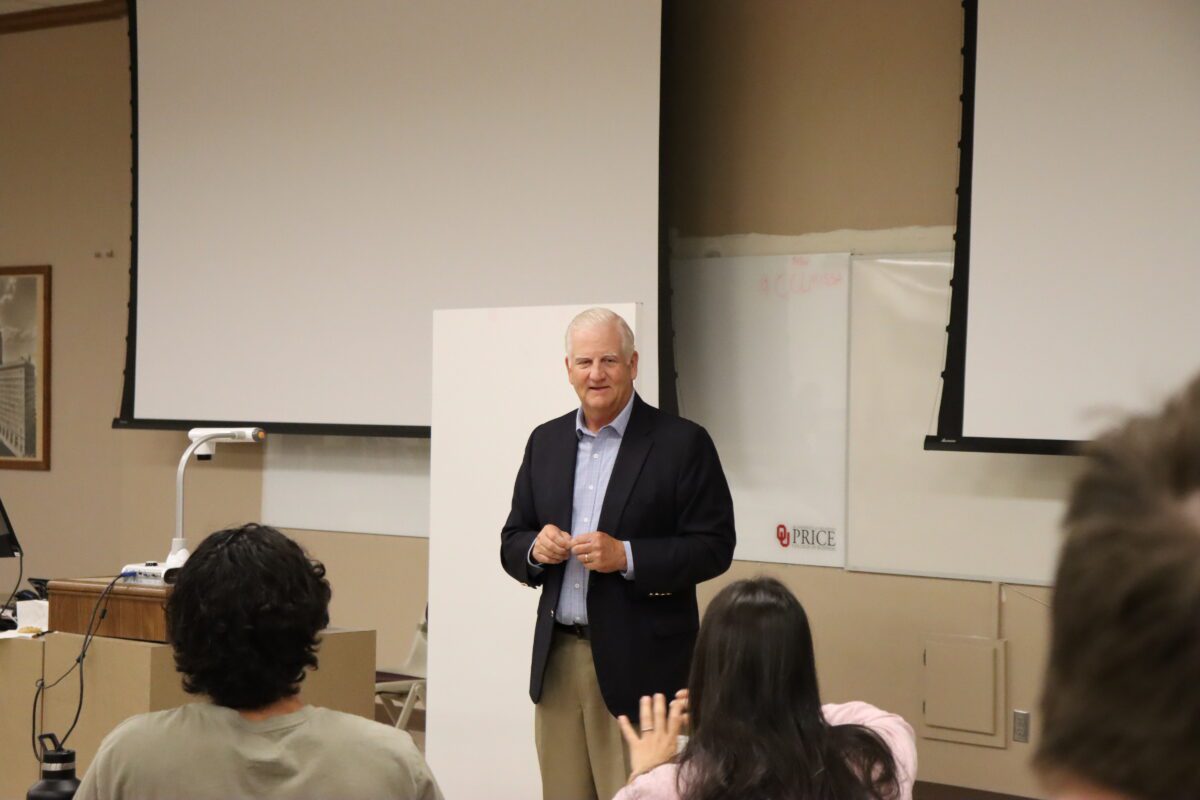
As president of the largest privately owned arts and crafts retailer in the world, Steve Green of Hobby Lobby still ensures his employees enjoy true work/life balance.
Hobby Lobby shoppers are usually on a fun outing, says company president Steve Green, so the company stocks its inventory accordingly.
Steve Green, who became Hobby Lobby’s president in 2004, has worked to grow the brand to over 1,000 store locations in the U.S.
Photo courtesy Hobby Lobby
“Shopping at Hobby Lobby is not a chore, like going to the grocery store,” he says. “This is about things people enjoy, their hobbies and their crafts. We continue to try to find and provide the products they love, to do their crafts and decorate their homes.”
That’s one thing that keeps him excited about his job. Another is the continued growth of what is already the largest privately owned arts and crafts retailer in the world. Hobby Lobby has stores in all the contiguous 48 states, and opens about 30 new locations every year, Green says. The company envisions expanding to as many as 1,500 stores.
And that goal isn’t far off. Hobby Lobby opened its 1,000th location this year on Staten Island, and recently signed a lease in Manhattan.
“We are excited about our first store in Manhattan,” confirms Green. “It’s a different environment, living in high-rise apartments. It will be interesting to see the product mix that they buy there.”
Green’s parents, David and Barbara, founded Hobby Lobby in 1972. Green says he knew by the time he finished high school, when there were just five Hobby Lobby locations, that he wanted to join the family business. Today, David continues on as CEO, and Green’s two siblings – Darsee and Mart – also hold leadership positions.
Hobby Lobby is known for its generous pay. In 2009, it was one of the first retailers to establish a nationwide minimum hourly wage well above the federal minimum, and has raised that amount thirteen times over the last fifteen years. As of October, the minimum full-time hourly wage was bumped to $19.25.
“We know that we are only as good as our employees, so as we have been able to increase our own internal minimum wage, it’s been exciting to be able to do that,” Green says, who mentions there is also a cost of living increase to wages annually. “We love doing that for our employees.”
Among Hobby Lobby’s 46,000 employees are many who have been with the company 30 or more years, Green mentions, including a couple of people who have logged half a century with the business. The retailer is closed on Sundays, and managers frequently mention that the schedule is a morale-booster, Green says.
“We are only open 66 hours a week,” he continues. “Many employees are attracted to the fact that they can spend time with their families on Sunday, and go to church.”
Alongside opening that 1,000th store, milestones during Green’s tenure as president have included expanding the Oklahoma City warehouse space to 13 million square feet. It’s still the company’s only warehouse, and the state’s central U.S. location has served the company well since its humble beginnings.
“Every store will get a truck every week from Oklahoma City,” he says, and most delivery trucks are company-owned. “We have team drivers for those long hauls. We provide nice rigs for them. The drivers are a key part of the whole system.”
Looking ahead, “there is always the opportunity to be bigger and better,” says Green. “There’s a certain amount of excitement, to keep up with the trends and what the customer is looking for. That’s always fun, as is the continual opportunity to grow.”
Green says carving out time for his six children and eight grandchildren helps him achieve that work/life balance.
“They all live in Oklahoma,” he mentions. “We love taking trips and doing things together.”
The Beauty of Giving Back
Lee Symcox leads First Fidelity Bank with a focus on community enrichment and an eye on the future.
To put it simply, Lee Symcox is crazy about his job as CEO of First Fidelity Bank. His clients and his employees bring him joy, and he admits to work/life balance being a challenge, “because my personality is one to be driven,” he says.
But after more than 50 years in the banking business, personal time is becoming increasingly more important to him, he says – “particularly now that I have grandchildren.”
One granddaughter, he mentions, recently had a role in a school production of Frozen. The entire family attended, and afterward, went out to dinner together. The memory brings a smile to his face. Symcox, it seems, has a fulfilling life both in and out of the office.
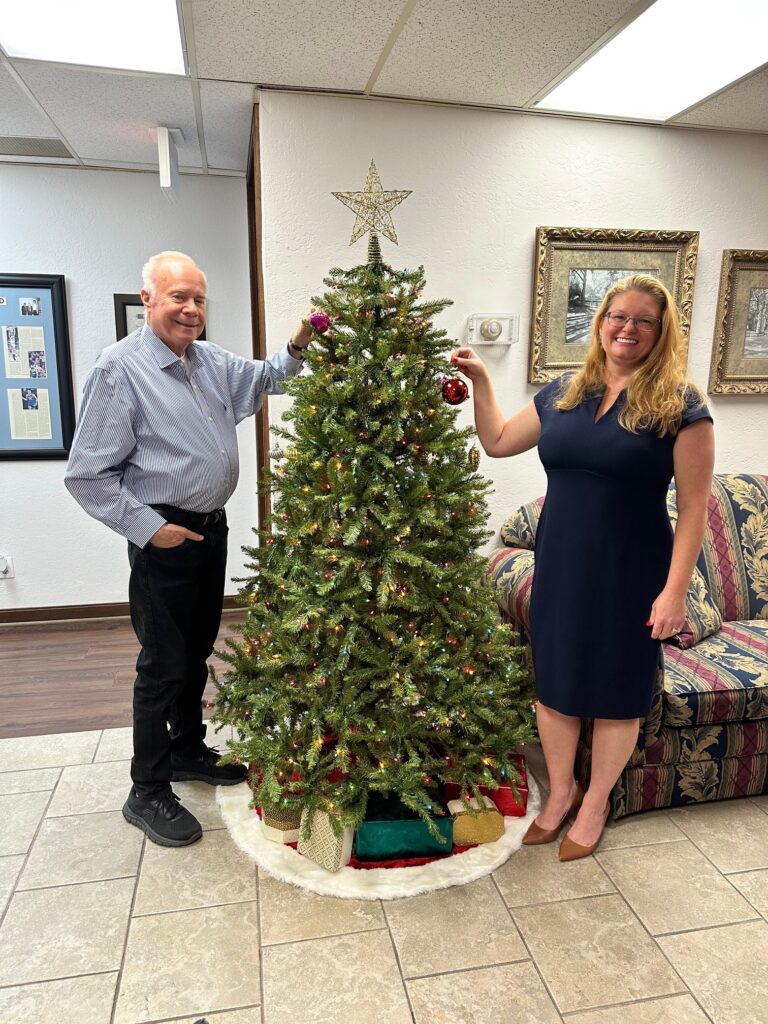
Lee Symcox, CEO of OKC-based First Fidelity Bank, has been in the finance business for over 50 years. Photo courtesy First Fidelity Bank
“It is very rewarding being a community banker,” he says. “You have a chance to help local people and businesses pursue and realize their dreams. It is fulfilling to see how much our employees care about our clients; they make me proud every day. I regularly hear from our clients about how our staff goes above and beyond to help people.”
First Fidelity Bank, headquartered in Oklahoma City, has branches in Oklahoma, Arizona and Colorado, with nearly 400 employees across the three states. The bank has been recognized by a variety of publications as a top place to work in Oklahoma, Symcox says, and this year was recognized as the No. 1 Best Place to Work in Arizona by AZCentral.
While the accolades are lovely, the proof is in the employee retention.
“We have many colleagues that have been with FFB for ten, 20, 30 or more years, and they are all leaders within the organization,” Symcox says. “Over half of our colleagues have been with the bank for more than five years.”
As for his role in that corporate success?
“I seek to be a servant leader, showing empathy, humility and focusing on encouraging others to grow and be successful,” says Symcox. “I also try to be collaborative and involve everyone in the process – which also allows them to grow.”
Symcox says he encourages others to “think outside of the box and try new things. It is OK to fail if you are trying new things.”
But what’s most important, he says, is leading by example.
“Even though I am CEO, I let our colleagues know that I don’t expect anything from them that I don’t expect of myself,” he says.
An important cornerstone of company culture at FFB is an emphasis on community service.
“FFB sponsors over 6,600 youth soccer players in the OKC metro area, investing in their futures and strengthening communities by promoting teamwork, personal growth and healthy lifestyles,” says Symcox. “We encourage all of our colleagues to participate in various nonprofits by giving them paid time off for volunteer work.”
When Symcox thinks about important company milestones, what comes to mind most prominently are times when the bank dealt with challenges head-on – while also helping the community.
“During the oil bust of the 1980s, our bank was the only bank in Norman that did not fail or require recapitalization,” he says. “This was important, because during that tumultuous time, people needed a safe, stable bank, and we were able to provide that.”
And during the COVID-19 pandemic, “FFB participated in the PPP [Paycheck Protection Program] to provide emergency funding to help businesses survive. We immediately set up a web page for applications and were able to process 3,105 loans totaling $273 million,” Symcox says. “And we accepted applications from anyone, anywhere. Most banks limited it to their customers only. Our staff literally worked in shifts for 24 hours a day to process those applications.”
Looking to the future, Symcox says, is exciting – and FFB has always been on the frontiers of banking technology.
“We were one of the first [banks] to offer services such as electronic statements and mobile deposit,” says Symcox. “My son, John, serves as our chief innovation officer, and his primary function is to be looking at new and innovative ways to do things. We are utilizing automation and robotics to streamline manual processes. AI is also on the road map.”
Developing People
One of Paycom’s first ten employees, chief operating officer Randy Peck helps his staff reach new heights.
Oklahoma City-based Paycom has grown to serve more than 36,000 clients since its founding in 1998, and witnessing that trajectory has been “nothing short of enjoyable and exciting,” says chief operating officer Randy Peck. “Being one of the first ten employees, I’ve seen this organization’s innovation and exponential growth firsthand.”
Paycom has simplified businesses – and the lives of their employees – with human resources and payroll technology that allows direct access to data. The nationally recognized company has more than 7,000 employees in locations across the United States, with a secondary operations facility in Grapevine, Texas.
Enjoying his work, says Peck, “comes down to believing in the impact of what we are doing here. If you think about it, efficient HR and payroll technology directly connects to people’s livelihoods – ensuring checks are error-free and paying people on time to meet their wants and needs. That matters.”
Peck’s career journey at Paycom has taken him through many different teams, from operations to client service, product management and sales.
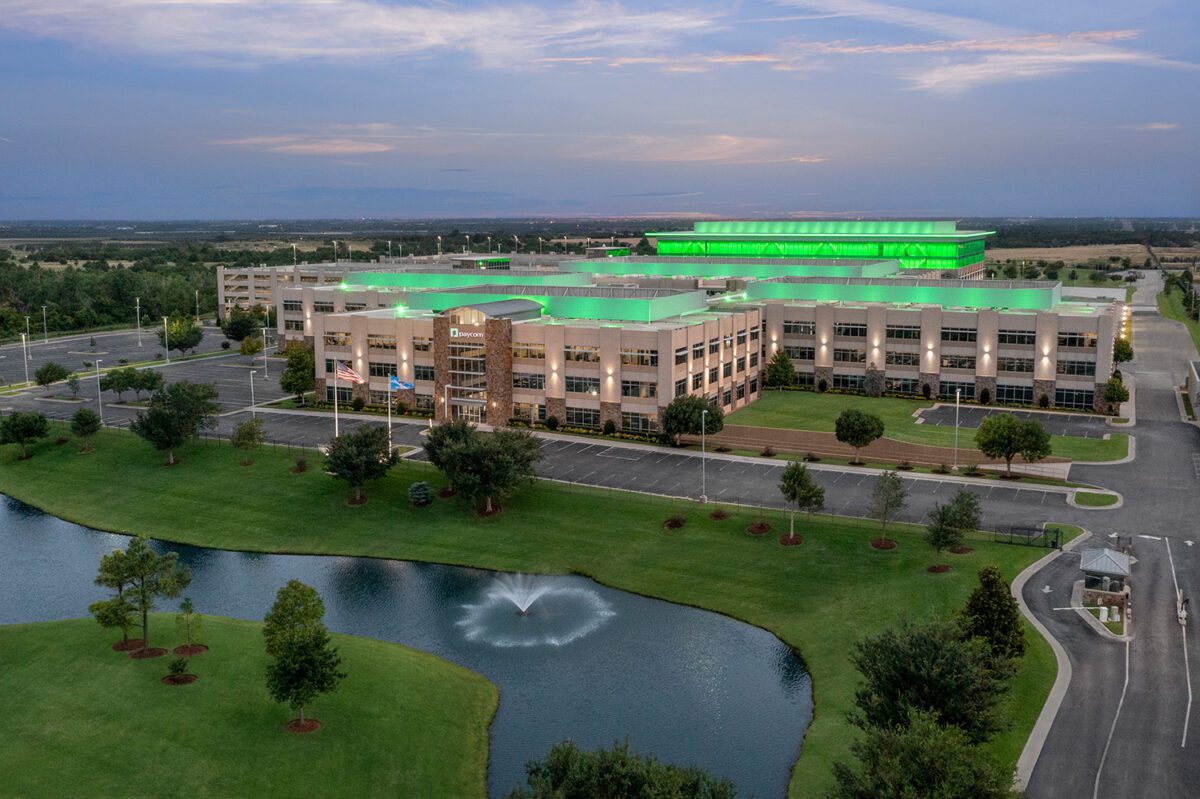
Paycom, led in part by COO Randy Peck, offers best-in-class HR and payroll technology.
Photos courtesy Paycom
“Each role I’ve held and each team I’ve worked with influenced my leadership perspective and understanding of our mission, potential and people,” he says. “We continue to set the standard in our industry because of our award-winning client service, automation and our focus on helping clients achieve full return on investment with our products. Every department I’ve worked with pushes us toward those achievements.”
There’s always something new to get excited about at Paycom, Peck says.
“Time-off requests featuring GONE is a game-changer for business leaders and employees,” he mentions. “GONE manages employee time-off requests with software that includes automated decision-making, solving for a myriad of business needs and situations, reducing administrative burdens and giving employees peace of mind.”
Paycom products and features work seamlessly together in a single database, Peck says.
“With the rise of automation across industries, our products – which have incorporated automation since the beginning – are that much more transformational, as we’ve seen with GONE. For instance, GONE automates decision-making based on guidelines employers set. That approved time-off submission seamlessly flows to other HR functions like payroll, scheduling and accruals, which are part of the Paycom system.”
Paycom gives generously to communities and causes that impact employees, and makes it easy for team members to plug in and give back.
“Our employee giving program and company dollar-for-dollar match initiative offer employees a chance each month to opt in to contributing to a wide range of nonprofits that help with hunger, literacy, veterans and mental health, to name a few causes,” says Peck. “Paycom then matches the contribution. We also have employee resource groups that drive volunteerism, involvement and support for various causes.”
Servant leadership is how Peck most succinctly describes his style.
“My faith, too, has influenced the way I lead: ‘Do unto others’ is a very applicable part of my leadership strategy,” he says. “‘We serve’ has been a part of Paycom’s ethos from the beginning, and it’s a value I believe in personally and professionally.”
Another element of leadership Peck values is seeking, providing and implementing feedback.
“I love to give and receive feedback – it is integral to innovation, and at Paycom, we’re all about innovating,” he says. “We create ample opportunities for our teams to share with and learn from one another.”
To help make Paycom a great place to work, “we focus on developing people,” Peck says. “We offer opportunities that help people expand their skills, ideas and capabilities, which keeps people engaged and our product and solutions top notch.
“We promote from within often, and many have seen first-hand how their careers can grow to new heights with the right support system.”
Driven by Innovation
President and CEO Pierce Norton understands the intrinsic value of each and every employee of ONEOK.
ONEOK president and CEO Pierce Norton has always believed that field workers are the foundation of the Tulsa-based energy provider.
“I had the privilege of meeting a ONEOK employee, Jose, in Weatherford, Texas, who wears a hard hat with the bold words ‘I LOVE YOU DADDY’ written across the brim. I had never seen anything like it in my 43 years in the oil and gas industry,” he shares. “That moment struck me deeply – it was a powerful reminder of how much it matters that we perform our work safely and return home to our families and loved ones every day.”
Norton, who started his career in the field, is motivated by everyone on the ONEOK team.
“Seeing the dedication and positivity of the men and women who show up every day, no matter the challenges, motivates me to give my best,” he says. “If you want a career with real impact, there is no better place to work than the oil and gas industry. Our work is essential – it keeps people warm, powers their homes as well as businesses, and makes everyday life possible.”
Milestones during his time leading ONEOK include “continuing to expand and extend our base assets while concurrently announcing three strategic acquisitions – Magellan, EnLink and Medallion. It’s an incredibly exciting period for ONEOK, especially as we’ve seen significant consolidation across the industry,” Norton says.
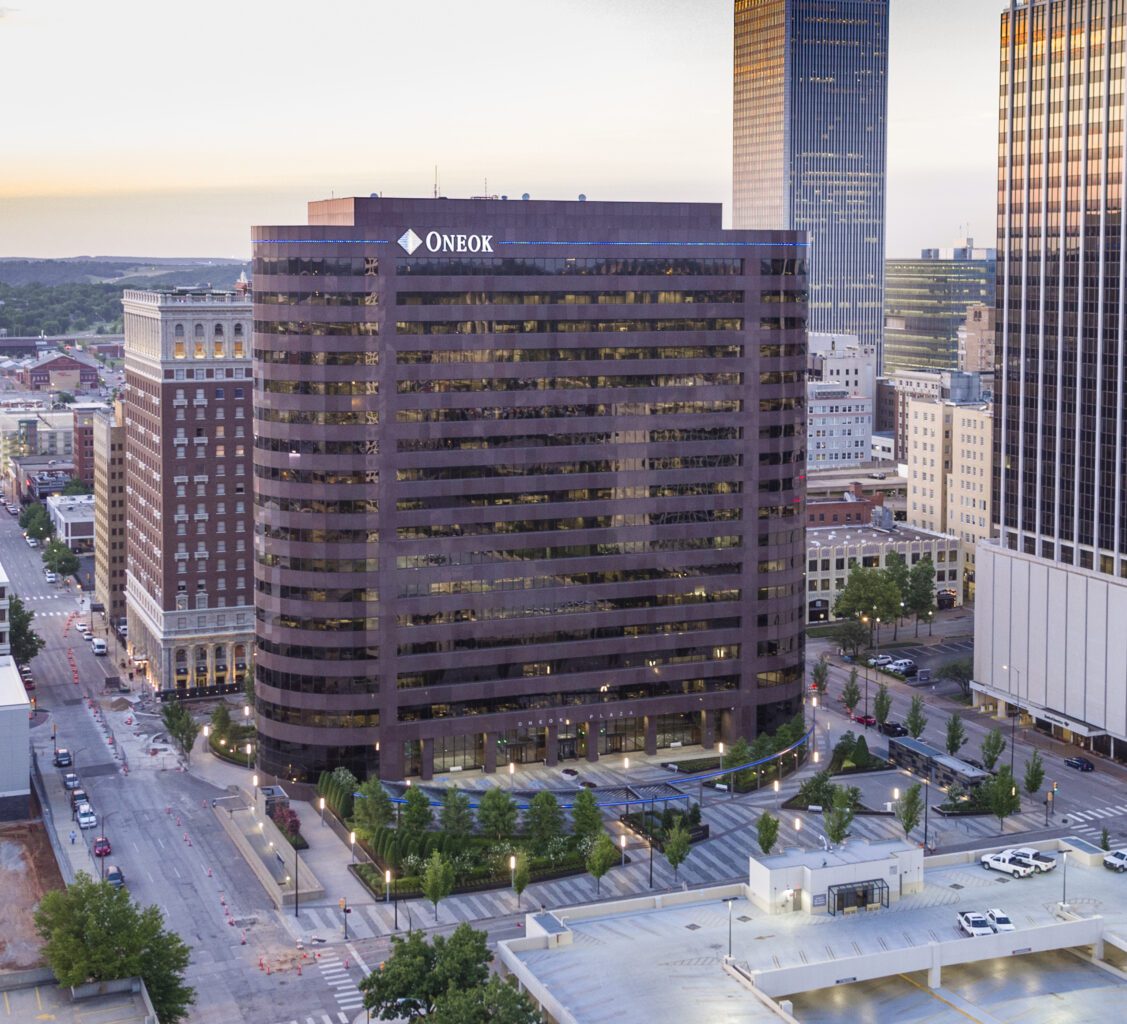
ONEOK, led by Pierce Norton, recently acquired Magellan, EnLink and Medallion, helping the company to become stronger and more diversified. Photos courtesy ONEOK
The acquisitions have bolstered the company’s position in the Permian, which is the leading hydrocarbon basin in the United States, he says.
“As a result, today’s ONEOK is stronger, more diversified, and better positioned to deliver even greater value moving forward.”
But, Norton says, “what’s important for people to understand is that our acquisition strategy has never been about simply getting larger. We take a very intentional and disciplined approach to these opportunities, always focused on how we can best position the company to generate long-term value.”
ONEOK’s Core Value of Service, says Norton, is central to its culture.
“Our community investments programs support nearly 300 communities where employees live and work. In 2023 alone, ONEOK contributed $9.6 million in combined ONEOK Foundation and corporate contributions to charitable organizations and initiatives, with nearly $7.5 million right here in Oklahoma,” he shares. “Nearly 20% of our corporate giving in 2023 was dedicated to supporting childhood development, literacy and STEM initiatives.”
ONEOK offers a robust volunteer program, Volunteers With Energy, which provides employees with community engagement opportunities. Last year, 977 employees spent 13,577 hours volunteering within communities across the company’s footprint.
“Culture can be our greatest strength – or our greatest weakness. It’s up to us to ensure it strengthens us, and that starts with cultivating trust, fostering collaboration, and creating an environment where every individual feels valued and empowered to contribute,” says Norton. “This is a key priority for me and our leadership team. These principles guide my approach to leadership and are the cornerstones of how we make ONEOK not just a great place to work, but a company capable of long-term success and positive impact.”
Norton says the future of ONEOK is bright.
“This is an exciting and transformative moment in the energy industry,” he continues, “with rapid changes driven by technological advancements and shifting market dynamics driving a changing future in the energy sector. ONEOK is uniquely positioned to play a leading role in this transformation, driven by our innovative spirit and dedicated focus on safe, reliable, and environmentally responsible operations.”
2024 Great Companies to Work For Listing
Accounting
Eide Bailly LLP Statewide
Serving major industry sectors including manufacturing, distribution/logistics, private equity, healthcare and government, Eide Bailly LLP has provided expertise in tax, advisory and assurance, outsourced and managed services, wealth management and digital services since 1917.
HOGANTAYLOR, OKC AND TULSA
HoganTaylor OKC and Tulsa
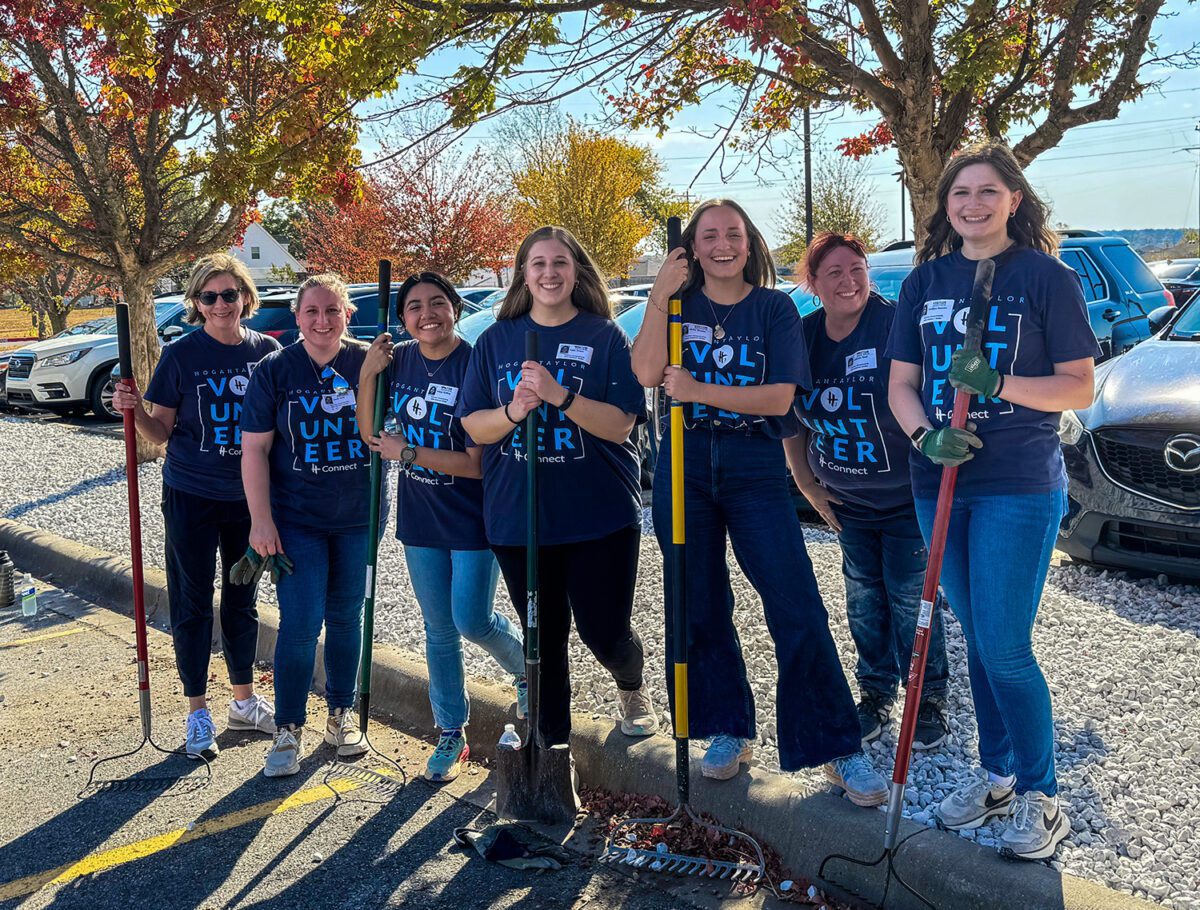
With more than 350 personnel in four locations, HoganTaylor offers services including assurance, accounting, wealth management, employee benefits plans and technology, helping businesses move forward with confidence. The firm, which offers personal attention and commitment to client success, was recently ranked No. 82 on INSIDE Public Accounting’s Top 100 List.
Aerospace/Aviation
Boeing Co. OKC
A multinational entity, Boeing Co. services and manufactures defense products, commercial airplanes and space systems as a U.S. exporter with more than 170,000 employees across 65 countries. Boeing also provides 90% of the worldwide dedicated freighter capacity and harbors almost half of the world’s fleet of commercial jetliners.
Omni Air International Tulsa
Founded in 1993, Omni Air International serves as a strategic capacity partner and offers customized charter programs, with services ranging from aircraft management to airline start-up and development. Over the last three decades, Omni has built a reputation of safety, reliability and flexibility.
Private Jets, Inc. Bethany
FAA-approved Private Jets, Inc. provides charter flight services for private and business travelers. Chartered aircraft include a selection of top-of-the-line jets, and additional 24-hour services include arrangements for in-flight catering, ground transportation and lodging. A constantly expanding fleet includes light, mid, super mid and heavy jets.
Sundance Airport OKC
Sundance Airport boasts a 5,001-foot concrete runway, terminal facility, tie-down facility and nearly 200 hangars. A public-use airport that is not funded by taxpayer dollars, Sundance sells aircraft fuel, rents hangars and aircraft, and has its own flight academy. The airport also hosts fly-ins and other specialty events.
Tulsa International Airport Tulsa
Tulsa International Airport connects Oklahoma to the world with direct flights to Chicago, St. Louis, New York, Washington D.C. and, in 2025, Nashville. The airport, which will soon receive FAA funding to replace its air traffic control tower, aims to provide a safe, efficient, self-supporting airport system for Tulsans.
Will Rogers World Airport OKC
Serving the OKC metro and beyond, Will Rogers World Airport offers multiple direct flights to locations including Atlanta, Denver and Miami. The airport, which serves millions of passengers annually, will be part of a five-year airport construction plan that includes over $300 million in funds from the Oklahoma Department of Aerospace and Aeronautics.
Architecture (Commercial)
1Architecture Tulsa
1Architecture is a full-service architectural design firm, with a portfolio that includes the Eufaula Indian Health Center, projects at Hard Rock Hotel & Casino, the Cherokee National Capitol Building and Gilcrease Museum. Founded in 2005, 1Architecture is a proudly Native-owned and woman-owned small business.
FSB ARCHITECTS + ENGINEERS, OKC AND TULSA
FSB Architects + Engineers OKC and Tulsa
Honored five times by AIA Central Oklahoma as Firm of the Year, FSB Architects + Engineers offers an array of architectural services including master planning; mechanical, electrical and structural engineering; interior design; construction; fire protection; and administration. The firm, founded in 1945, serves the civic, federal, Native American and education sectors, among others.
KKT Architects, Inc. Tulsa
A full-service architecture, interiors and engineering firm, KKT serves the civic, education, healthcare, historical renovation and multi-family housing sectors, among others. With core values that include character, creativity, collaboration and community, KKT touts projects including the Tulsa City-County Library on Brookside, Blue Sky Bank and the Saint Francis Cancer Center.
Prime Architects Norman
Founded in 2013, Prime Architects specializes in commercial and government architectural services. A CVE verified Service-Disabled Veteran-Owned small business, Prime has developed a track record of dependability and believes collaboration between the business and the client is key to success.
SCOTT & MARY VROOMAN; TRIARCH, TULSA
Rand Elliott Architects OKC
Founded in 1976 and having amassed nearly 400 awards for architectural excellence to date, Rand Elliott Architects is driven by a passion for light and fine craftsmanship. The firm offers professional services in architecture, historic preservation, lighting design, master planning and sustainability.
TriArch Tulsa
Founded in 2004, TriArch is a Native American-owned architectural firm with projects in the commercial, residential, tribal, educational, religious and wellness sectors. A client-focused firm, TriArch exists to facilitate the growth of a person’s character and experiences through the spaces they occupy.
Banking, Finance and Investing
Ameriprise Financial Statewide
A longstanding leader in its field, Ameriprise Financial offers wealth management services alongside estate planning, retirement planning, asset management and more. The goal at Ameriprise is to help every client reach their unique financial goals, with a 130+ year history, experienced advisors, digital tools and comprehensive financial advice.
Arvest Statewide
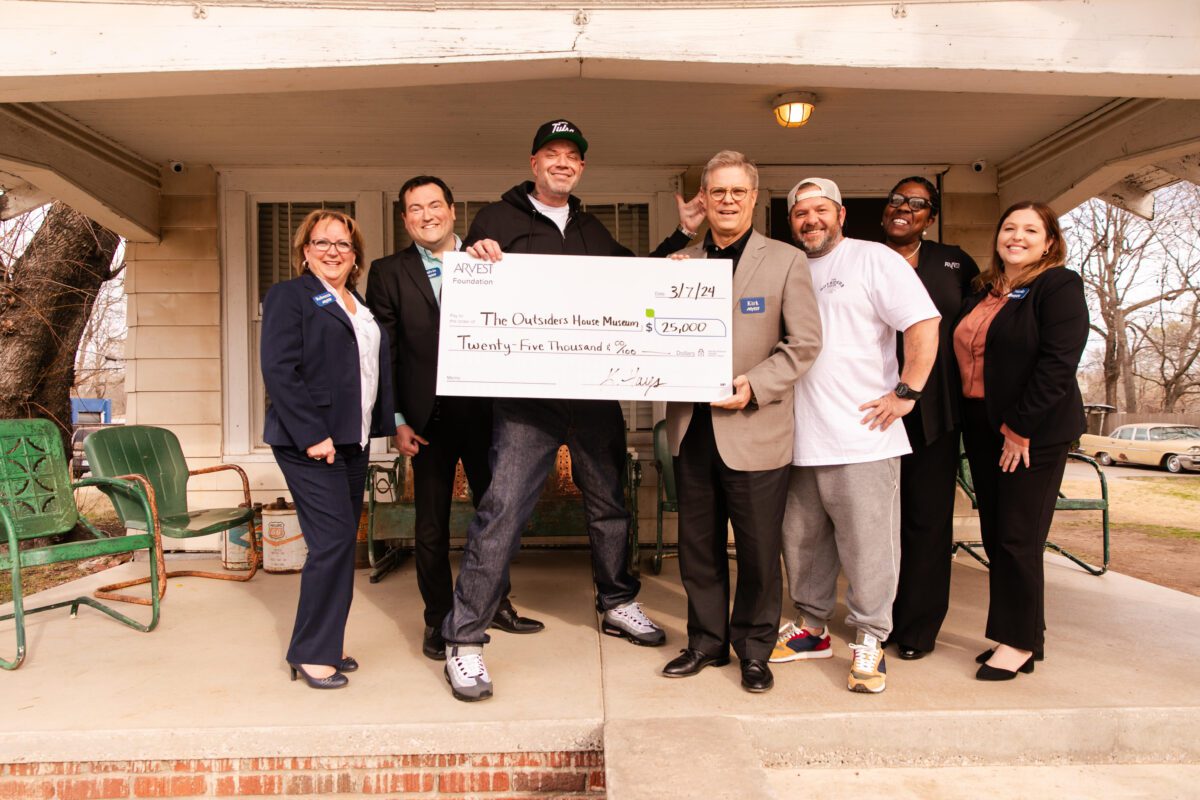
A community-focused bank offering mortgages, banking services, wealth management and more, Arvest has served Oklahoma, Arkansas, Kansas and Missouri for over 60 years. Alongside its business offerings, Arvest performs extensive public outreach – including the Million Meals campaign, benefiting 85 food partners and providing 2.6 million meals to neighbors in need.
ARVEST, STATEWIDE
Bank of America Statewide
For wealth management, credit cards, checking and savings accounts, mortgages, small business loans and investment services, about 68 million people turn to Bank of America – making it one of the largest financial institutions on Earth. The bank is committed to growing the economy while creating value for the business, its clients and the communities it serves.
BOK Financial Tulsa
With roots in Tulsa going back to the early 1900s, BOK Financial has grown into a banking behemoth, offering customers an array of banking, loans and wealth management services. Despite its size, BOK presents its clients with relationships, not transactions – helping to balance technology and human connection and make finances easy for all.
Charles Schwab OKC, Norman and Tulsa
A full-service brokerage firm, Charles Schwab is a trusted resource for investments, wealth management and trading with transparent pricing and lost costs. Recent industry accolades include being named as U.S. News & World Report’s Best Investing Platform Overall in the 2024 U.S. News Money Awards.
Commerce Bank Statewide
With myriad brick and mortar locations along with digital banking, Commerce Bank offers personal and business financial services as well as credit cards, loans, mortgages and more. For more than 160 years, Commerce Bank has operated with a singular mission: help all customers plan for the big stuff as well as navigate life’s financial surprises.
Fidelity Investments Statewide
Recent accolades for Fidelity Investments include a No. 1 rating by Stockbrokers.com and the designation as the Best Online Broker for Beginning Investors by NerdWallet. Serving more than 3,700 advisory firms, the company boasts 8.2 million brokerage accounts and $100+ billion new net assets averaged over the last 7 years.
First Fidelity Bank Statewide
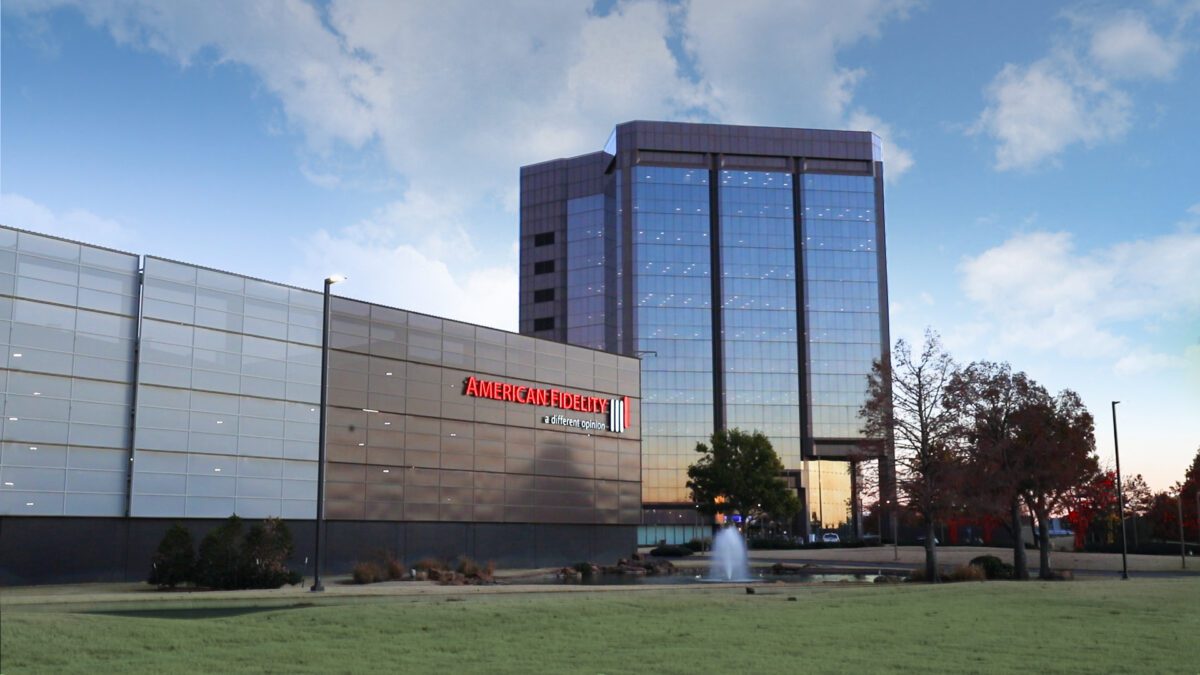
First Fidelity Bank has served communities in Oklahoma, Arizona and Colorado since 1920 by offering personal, business and commercial banking services as well as wealth management. The award-winning institution operates with values that include financial responsibility, curating a caring place to work and fostering lasting client relationships.
First 1 Oklahoma Bank Statewide
As a locally owned community institution with over $1 billion in growth over 13 years and more than 10,000 customers, First Oklahoma Bank is committed to providing the best possible customer service. Passionate about convenience and client success, the bank offers multiple locations in Tulsa, Jenks, Glencoe and OKC.
JPMorgan Chase Statewide
Among the largest financial institutions in the world, JPMorgan Chase serves individuals as well as corporations in over 100 global markets. Founded over two centuries ago, the company was recently recognized as the Fifth Most Admired Company in the World by FORTUNE.
Merrill Statewide
When it comes to investing and wealth/financial management, Merrill – a Bank of America company – offers tailored advice from 14,000 financial advisors nationwide. Merrill aims to help each client make more informed financial decisions with personal tools, tracking and access to the most up-to-date information.
MidFirst Bank Statewide
Began in 1954 when banker W.R. Johnston purchased a 50% share in Midland Mortgage Company, MidFirst Bank has grown to become the largest privately owned bank in the country with assets totaling around $37.9 billion. Committed to client success, MidFirst Bank’s return on equity has earned it a place among the top 5% of its peers.
Morgan Stanley Statewide
A leader in financial services for nearly a century, Morgan Stanley offers assistance in personal and family banking, business banking, wealth management, investment banking and more. The global financial services firm now operates in more than 40 countries with over 80,000 employees.
REGENT BANK, STATEWIDE
Regent Bank Statewide
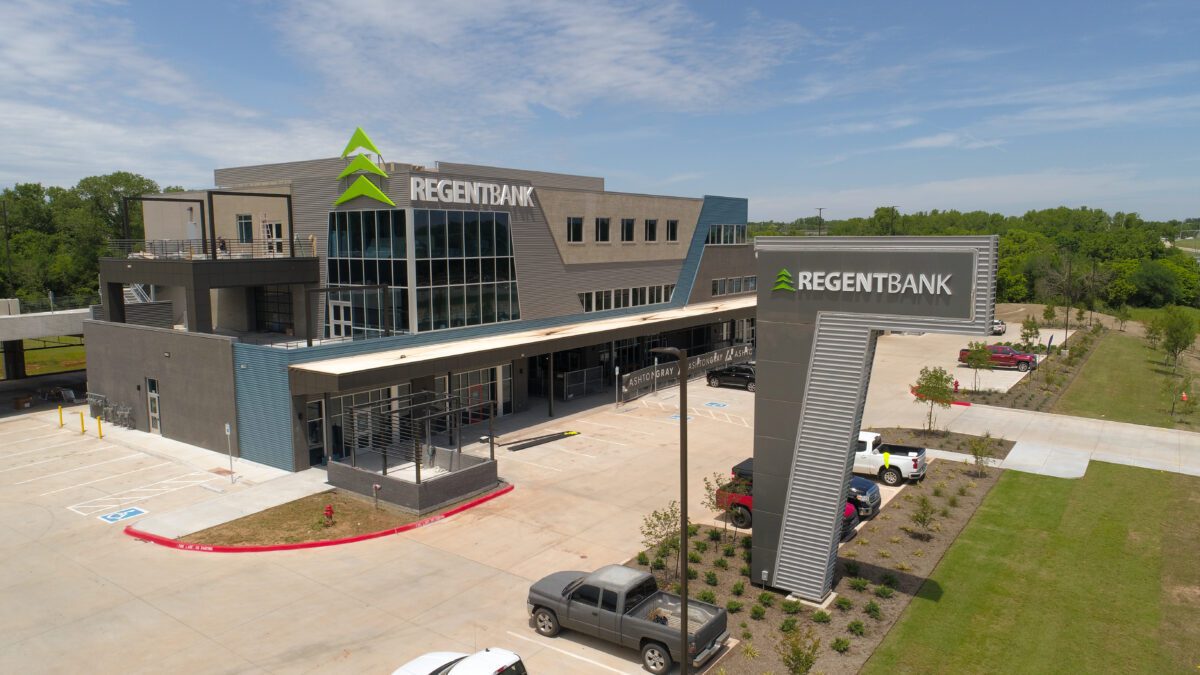
With numerous locations in Oklahoma, Missouri and Texas, Regent Bank is consistently voted as one of the top workplaces – both in statewide and nationwide polls. Offering concierge-style banking, tailored financial solutions and company values that include going above and beyond for customers, Regent Bank aims to be a cornerstone in the communities it serves by empowering individuals every day.
UBS Wealth Management OKC
For more than 160 years, UBS Wealth Management has offered comprehensive banking services, and today, it is among the world’s largest entities specializing in wealth management. The company offers an array of fiscal tools and planning services benefiting individuals, families, companies and specialized client segments.
Wells Fargo Statewide
Since1852, Wells Fargo has served financial and banking service needs with offerings like wealth management, corporate and investment banking, and personal and commercial banking. Focused on making a positive impact on its community, Wells Fargo is committed to supporting a sustainable and inclusive future.
Communications
AT&T Statewide
An American multinational telecommunication holding company and one of the largest wireless carriers in the nation, AT&T offers 5G to data consumers as well as bundled phone and internet services and accessories. With AT&T, home internet reliability is at 99% and the company employs nearly 150,000 people.
Cox Communications Statewide
As the largest private broadband company in the nation, Cox Communications offers digital cable television, home automation and security systems, as well as telecommunication services. With 6.5 million total residential and commercial customers, Cox employs over 18,000 people and, in the last ten years, has invested more than $15 billion in community infrastructure upgrades.
T-Mobile Statewide
With unlimited phone plans and an array of service options, T-Mobile offers among the largest 5G coverage in the nation. For the 17th time, the company has been named as No. 1 in the J.D. Powers’ U.S. Wireless Full-Service Customer Care Study.
U.S. Cellular Statewide
U.S. Cellular provides 5G internet and telephone services with offices nationwide. Among its many accolades, U.S. Cellular recently received recognition from Forbes as one of America’s Best Employers for Women. The company is also dedicated to closing the STEM education gap with programming for K-12 students.
Construction
Ashton Gray OKC
With an emphasis on healthcare real estate development, Ashton Gray helps make clients’ dreams into realities, with services ranging from site selection to construction. The company currently has more than 40 projects in process, everywhere from Oklahoma and Arkansas to Florida and North Carolina.
Cowen Construction OKC and Tulsa
The Oklahoma landscape is dotted with projects helmed by Cowen Construction and its vast, 125+ year portfolio. The award-winning company offers services including design and bid development, construction management, general contracting and preconstruction. Cowen additionally partners with nonprofits and community organizations to better the community.
Crossland Construction OKC and Tulsa
Family-owned and operated Crossland Construction aims to build beyond what you’d think possible in the civic, industrial, medical and retail sectors, among others. Shaping skylines, services offered at Crossland range from carpentry to steel erection and earthwork, with recent projects including 21 North Greenwood and the rehabilitation of Tulsa’s Cherry Street.
Flintco OKC and Tulsa
Founded in 1908 with headquarters in downtown Tulsa, Flintco is registered/licensed in 34 states as a full-service general contractor with services including construction management, general contracting, preconstruction planning and project/program management. Industries served include aviation, higher education, healthcare, leisure, performing arts and more.
G.E. Johnson OKC
With more than half a century of construction experience, G.E. Johnson offers its services to the advanced technology, commercial, education, healthcare and life sciences sectors. Local projects include the new Positive Tomorrows headquarters in OKC. In 2025, the company will move under the DPR Construction brand and name.
J. E. Dunn Construction Group OKC and Tulsa
NABHOLZ CONSTRUCTION CORP., STATEWIDE
For over 100 years, and now with more than $6 billion in revenue, J.E. Dunn Construction Group is the eighth largest general contractor in the nation. Industry sectors served include aviation, education, healthcare, science and technology, with services ranging from design and preconstruction to manufacturing.
Manhattan Construction Group Statewide
Family-owned and privately held, Manhattan Construction Group offers services including design/build, project management and pipeline integrity and maintenance. With a 125+ year history, the company has helmed projects in the U.S., the Caribbean, Central America and Mexico. The group recently won four Build Oklahoma Awards courtesy the Associated General Contractors of Oklahoma.
Nabholz Construction Corp. Statewide
With locations in seven states, Nabholz Construction offers services including construction, custom fabrication and millwork, crane and equipment rental, as well as facility management and repair. Founded in 1949, the company is employee- and family-owned, with more than 1,100 industry-leading professionals working together to best serve clients.
ROSS GROUP, OKC AND TULSA
Ross Group OKC and Tulsa
THOMPSON CONSTRUCTION, TULSA
Begun in 1979, Ross Group provides services including construction, engineering and development with a commitment to quality, safety and customer satisfaction. Industry sectors served include aviation, education, government, healthcare, historic preservation and more, with more than 125 employees in three offices.
Thompson Construction OKC and Tulsa
An award-winning and minority-owned company, Thompson Construction was founded in 1997. Services include construction management, design-build, general contracting and preconstruction in the commercial, education, healthcare, hospitality, industrial, multi-family, Native American, nonprofit and religious sectors, among others.
Credit Union
Allegiance Credit Union Oklahoma City
Offering an industry-leading array of banking services including checking/savings accounts, loans, credit cards, insurance policies and digital and video banking, Allegiance Credit Union has served the Oklahoma City area since 1963. The union currently serves nearly 25,000 customers.
COMMUNICATION FEDERAL CREDIT UNION, STATEWIDE
Communication Federal Credit Union Statewide
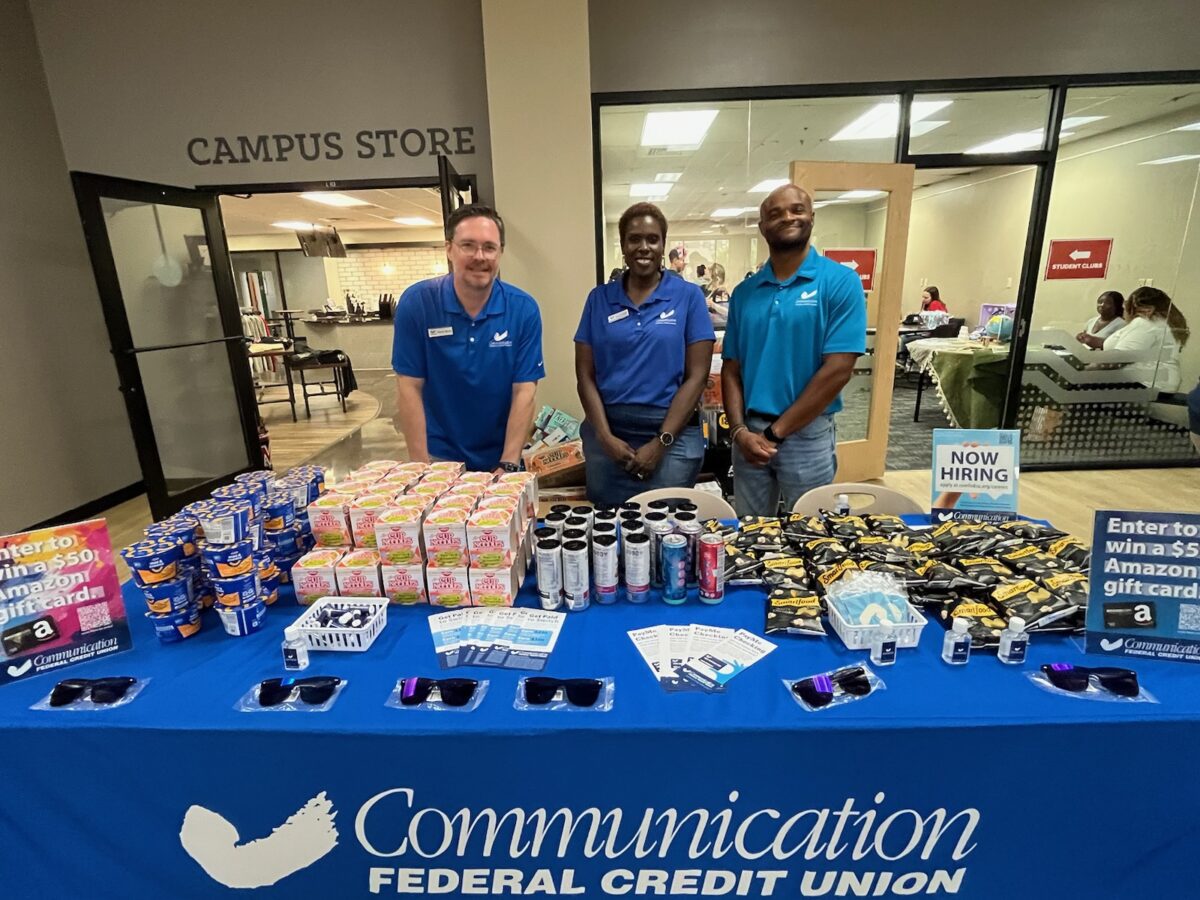
Bettering Oklahoma since 1939, Communication Federal Credit Union is a full-service credit union providing financial services to individual consumers and business partners like ONEOK, ONE Gas and Goodyear Tire. Serving more than 120,000 members, CFCU employs almost 300 people with 22 branches in Oklahoma and Kansas.
Oklahoma Central Credit Union Tulsa
Founded in 1941, Oklahoma Central Credit Union offers banking and checking accounts, auto loans, financial planning and mortgage assistance, as well as money management resources. OCCU is actively involved in a variety of local nonprofits and was a presenting sponsor for the 2024 Dancing with the Tulsa Stars event benefiting San Miguel School.
Red Crown Credit Union Tulsa
With roots dating back to 1938, Red Crown Credit Union continues to serve consumers with services including banking, insurance, technology and loan payments. Aiming to bring personalized member services to your financial life, Red Crown has five Tulsa locations with over 20,000 members.
TINKER FEDERAL CREDIT UNION, STATEWIDE
Tinker Federal Credit Union Statewide
As the largest credit union in Oklahoma with nearly half a million members and assets over $6 billion, Tinker Federal Credit Union has continued to grow and serve the community since its founding in 1946. The credit union offers 32 branches across the state, with services and offerings ranging from online and mobile banking to insurance and military rewards.
TTCU Federal Credit Union OKC and Tulsa
With 21 branch locations, TTCU Federal Credit Union serves the Tulsa and OKC metros with offerings including credit assistance, loans, online and mobile banking and more. Founded in 1934 by Oklahoma educators, TTCU operates with principles including concern for the community and democratic member control.
WEOKIE Federal Credit Union OKC
With more than $1.5 billion in assets, WEOKIE Federal Credit Union offers several branches in the Oklahoma City metro and boasts more than 50,000 surcharge-free ATMs and shared branches. The company was founded in 1969 by Western Electric Plant employees and is now federally insured through the National Credit Union Association.
Distribution
Fabricut Tulsa
A stalwart Oklahoma-based institution and one of the largest wholesale and decorative fabrics distributors in the world, Fabricut offers thousands of varieties of trimmings and fabrics to a global audience. Founded in 1954, Fabricut is a family-run, employee-owned company with an extensive showroom network and a knowledgeable sales force.
Harrison Energy Partners Statewide
For more than four decades, Harrison Energy Partners has provided commercial HVAC solutions to clients in both Oklahoma and Arkansas through its partnership with Daikin, the world’s largest air conditioner manufacturer. The company boasts an average ten-year employee tenure and has been honored numerous times for its positive working environment.
Locke Supply Co. OKC
Locke Supply Co., a plumbing, electrical and HVAC distributor based in OKC, has over 200 convenient locations. Services range from lighting and project management to final delivery and project staging. Locke Supply’s core values include character, customer service and remaining 100% employee-owned.
180 Medical OKC
180 Medical offers the highest quality ostomy/catheter supplies available as well as customer education and personalized service in fulfilling specific medical supply needs. The company, founded in 1994, operates with a mission to provide education, unparalleled service and a wide variety of products to its myriad customers.
Energy
Alliance Resource Partners OKC
The largest coal producer in the eastern United States, Alliance offers reliable and affordable baseload energy for domestic and international markets. With seven underground mining complexes, Alliance produces a diverse range of thermal and metallurgical products and serves utility, industrial and steelmaking clients.
Continental Resources OKC
Founded in 1967, Continental Resources is a top ten independent oil producer in the U.S. and is the largest leaseholder and producer in the Bakken play in Montana/North Dakota. The company, which went private in 2022, operates with a focus on the exploration and production of oil, utilizing the newest technology and resources.
Devon Energy OKC
Founded in 1971, Devon Energy is a leading independent oil and natural gas exploration and production company with operations focused onshore in the U.S. Devon’s second quarter 2024 daily production was approximately 335,000 barrels of oil, about 182,000 barrels of natural gas liquids and more than 1.1 billion cubic feet of natural gas.
Expand Energy Corporation (Formerly Chesapeake Energy) OKC
Following an October 2024 merger with Southwestern Energy Company, Chesapeake Energy is now Expand Energy Corporation – the largest natural gas producer in the U.S. With a mission to safely and responsibly deliver critical energy to markets in need, Expand Energy operates with core values including stewardship, collaboration and character.
OG&E OKC
Oklahoma Gas & Electric Company has been keeping the lights on in Oklahoma since 1902, and today is the largest electric utilities company in the state. Modern times see OG&E as a vibrant community partner with an emphasis on stewardship – most recently exemplified by the deployment of restoration crews to hurricane-torn Florida and Georgia.
ONE Gas Tulsa
ONE Gas provides dependable gas distribution services to 2.3 million customers in the residential, commercial and industrial sectors and is one of the largest publicly traded, 100% regulated natural gas utilities in the country. Founded in 1906, ONE Gas employs more than 2,000 people and boasts 20,000 miles of distribution and transmission pipeline.
ONEOK Tulsa
ONEOK capabilities include the gathering, processing, fractionating, transporting, storing and marketing of natural gas and natural gas liquid systems, making it a leading midstream service provider. The company, which maintains an extensive network of natural gas gathering, processing, storage and transportation assets, has closed nearly $25 billion in acquisitions since 2023.
Public Service Company of Oklahoma Tulsa
Employing nearly 1,800 people, electric utility provider Public Service Company of Oklahoma aims to redefine the future of energy. The company, which recently sent employees to Florida in the wake of hurricane devastation, invests millions of dollars annually to maintain, improve and expand its system, ensuring reliable electric service to Oklahomans.
Summit Utilities Statewide
Summit Utilities provides natural gas energy services to 525,000 homes and businesses with 17,000 miles of pipeline. Markets served include Oklahoma, Arkansas and Texas. In 2023, Summit employees logged 8,800 hours of volunteer services, and the company donated $317,000 in community sponsorships and charitable contributions.
Williams Tulsa
A FORTUNE 500 investment grade corporation, Williams is responsible for about one third of the natural gas in the nation, working to provide the necessary infrastructure to serve growing markets and safely deliver natural gas products. Williams participates in extensive community giving efforts, with a focus on education, environmental stewardship, arts and human services, among others.
GARVER, OKC, TULSA AND NORMAN
Engineering
BKL, Inc. Tulsa
Founded in 1946 to provide transportation, civil and structural engineering services to Oklahomans, BKL added architectural offerings in 1969. To date, landmark projects include Tulsa’s Port of Catoosa and the original roadway and bridge designs for the Oklahoma Department of Transportation and the Oklahoma Turnpike Authority.
Burns & McDonnell OKC
With offices nationwide, Burns & McDonnell provides planning, design, architecture, technology and science services to build critical infrastructure projects. Founded in1898, the firm serves the aviation, commercial, government, manufacturing, and telecommunications sectors, among others.
CEC, OKC, NORMAN, TULSA AND DUNCAN
CEC OKC, Norman, Tulsa and Duncan
A multi-service engineering firm, CEC is privately held and provides specialized assistance for private developers and public entities. Meeting needs in civil engineering, construction management, land surveying, materials testing, remote sensing and more, CEC also has a team-led corporate giving program that serves over 50 nonprofits.
Garver OKC, Tulsa and Norman
Garver, founded in 1919, offers engineering, planning and environmental services, focused on aviation, transportation, water services, surveying, construction engineering and more. The employee-owned firm has more than 1,300 staffers across 20 states. Recent accolades include being named the No. 1 Best Firm to Work For (200+ employees category) by Zweig Group.
Olsson OKC and Tulsa
Established in 1956, Olsson is one of the 75 largest engineering and design firms in the U.S. and employs over 2,000 people. The employee-owned company has won a slew of awards for its workplace culture and employee benefits, and serves the government, transportation, water, energy and telecommunications markets, among others.
Parkhill OKC, Norman, Woodward and Tulsa
More than 500 employees strong in offices across Oklahoma, New Mexico and Texas, Parkhill offers services including comprehensive architectural and engineering design for the government, commercial and institutional sectors. The firm, founded in 1945, operates with values including innovation, personal ownership and work/life balance.
Smith Roberts Baldischwiler OKC and Norman
Smith Roberts Baldischwiler offers specialized services including surveying, hydrologic and hydraulic analysis and design, right-of-way services, highway/roadway and bridge design, and stormwater management. The locally owned company, formed in 1981, is focused on communication, collaboration and commitment.
Wallace Design Collective OKC and Tulsa
A consulting firm offering structural and civil engineering alongside landscape architecture, surveying and more, Wallace Design Collective operates with 275+ employees, seven offices and licensed professionals in all 50 states. The firm has designed well over $100 billion in construction nationwide and won an American Architecture Award in 2023 for its work at Tulsa’s Bob Dylan Center.
WALLACE DESIGN COLLECTIVE, OKC AND TULSA
Entertainment
BOK Center Tulsa
An award-winning beacon on the Tulsa skyline, the BOK Center is Tulsa’s premier entertainment and sports venue that acts as ‘home ice’ for the Tulsa Oilers hockey team. The 19,199-seat venue hosts over 50 ticketed events annually, with an overall mission to grow the economic and community infrastructure of Tulsa for future generations.
Celebrity Attractions Tulsa
Thanks to Celebrity Attractions, northeastern Oklahoma is treated to year-round, world-class Broadway performances as well as other theatrical, musical and family entertainment. Founded in 1983, Celebrity Attractions’ upcoming shows include Clue, Dear Evan Hansen, Wicked, and The Outsiders, which will open its North American tour at the Tulsa PAC in the fall of 2025.
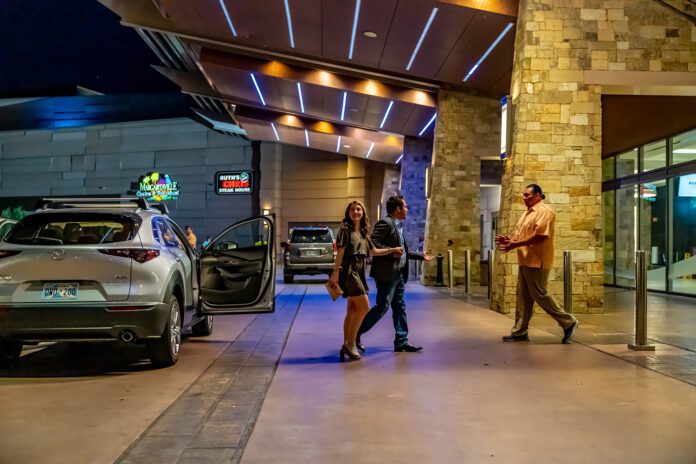
Choctaw Casino Resort Durant Durant
From a state-of-the-art poker room to ample slot machines and a AAA Four Diamond hotel and resort, Choctaw Casino Resort Durant aims to raise the bar for what a world-class resort can be. Alongside an RV park, movie theater and ample food and drink options, Choctaw Casino Resort Durant also offers live entertainment, with upcoming shows including Rascal Flatts and Dancing with the Stars: Live.
Civic Center Music Hall OKC
Since opening its doors in 1937 as the Municipal Auditorium, the Civic Center Music Hall has offered world class entertainment ranging from Broadway shows to rock concerts and arts festivals. Managed by the Civic Center Foundation, the music hall hosts national entertainment offerings as well as local events from partners including the OKC Philharmonic, OKC Broadway and OKC Ballet.
Hard Rock Hotel and Casino Tulsa Tulsa
Hard Rock Hotel & Casino Tulsa is a premier destination for golf, luxurious lodging, a resort-style pool, dining and, of course, gaming and world-class entertainment. Boasting more than 2,600 electronic games, a poker room and 36 table games, Hard Rock will again be a circuit stop in the 2025 World Series of Poker.
Oklahoma City Thunder OKC
Formed in 2008 after a move from Seattle, the Oklahoma City Thunder is part of the NBA’s northwest division of the Western Conference. Alongside providing critical economic boosts for the City of OKC, the organization also offers the Thunder Cares platform, which invests in sponsored programs, donations and player engagement efforts to better the community.
Osage Casino Hotel Tulsa
Osage Casino Hotel, perched on the north edge of Tulsa, offers high-end hotel accommodations, dining and gaming options along with the Skyline Event Center. Revenue from all Osage casinos are used to fund tribal government programs, promote tribal economic development and support charitable organizations.
Paycom Center OKC
Opened in 2002, downtown OKC’s Paycom Center hosts world-class entertainment including concerts, televised events, family shows and NBA games as the home court of the OKC Thunder. The 581,000-square-foot venue is owned by the City of OKC, and has organized more than 1,200 events since its opening.
RIVER SPIRIT CASINO RESORT, TULSA
River Spirit Casino Resort Tulsa
River Spirit Casino and Resort has become a must-visit entertainment venue in Tulsa, with over 3,000 high-tech electronic games, alongside numerous poker tables and table games. The resort also offers nearly 500 luxurious hotel rooms, a salon and spa, a meeting space, a resort-style pool and a 2,500+ seat showroom theatre for live entertainment.
Tulsa Performing Arts Center Tulsa
Presenting world-class entertainment for decades, Tulsa Performing Arts Center is also a nonprofit entity with a mission to bring arts education and access to all Tulsans, evidenced in its participation in the Kennedy Center’s Any Given Child program. Founded in 1977, the TPAC offers national tours as well as local performances from Tulsa Ballet, Theatre Tulsa and Tulsa Town Hall.
Food/Beverage/Convenience Industry
BAMA COMPANIES, TULSA
Bama Companies Tulsa
Founded in 1927, Bama Companies now produces two million pies, 1.5 million biscuits, 1 million hotcakes and 1 million pizza crusts daily. Headquartered on Route 66 in Tulsa, Bama operates with four pillars: people, customers, continuous improvement, and smart, fun growth. The company has won a slew of awards for its products and workplace culture, including the Malcolm Baldrige National Quality Award.
Love’s Travel Stops & Country Stores Statewide
Whether topping off the gas tank or grabbing a bite to eat, family-owned Love’s Travel Stops & Country Stores is a traveler’s resource at more than 510 locations across 41 states. The company, founded in 1964, is also passionate about community giving, with local partners including the United Way of Central Oklahoma and the Oklahoma City Boathouse Foundation.
Oklahoma Beef Council OKC
The Oklahoma Beef Council works to amplify awareness, promote value and increase general trust of Oklahoma beef production. The nonprofit organization was founded in 1975 and operates with the mission to be a positive difference for Oklahoma’s farming and ranching families, as well as the greater beef community.
Oklahoma Pork Council OKC
Whether advocating for Oklahoma pork production or giving away hams in charitable community fundraisers, the Oklahoma Pork Council serves the state with resources, education, advocacy and support. More than pig farmers, the OPC is dedicated to the wellbeing of Oklahoma’s animals, people, communities and land.
QuikTrip Statewide
With over 1,000 locations, QuikTrip is a major convenience store and fueling chain founded in 1958. The company, which now has locations in 17 states, is privately held, boasts over $11 billion in assets, and employs more than 31,000 people. With a passion for community impact, philanthropic focuses include at-risk youth, early childhood education and military families.
Healthcare
Advanced Orthopedics of Oklahoma Tulsa
Comprising specialty trained doctors in every area of orthopedic and sports medicine, Advanced Orthopedics offers exceptional care from exceptional providers. After a merger in 2017, Advanced Orthopedics became the largest orthopedic practice of fellowship-trained orthopedic/sports medicine experts in northeastern Oklahoma.
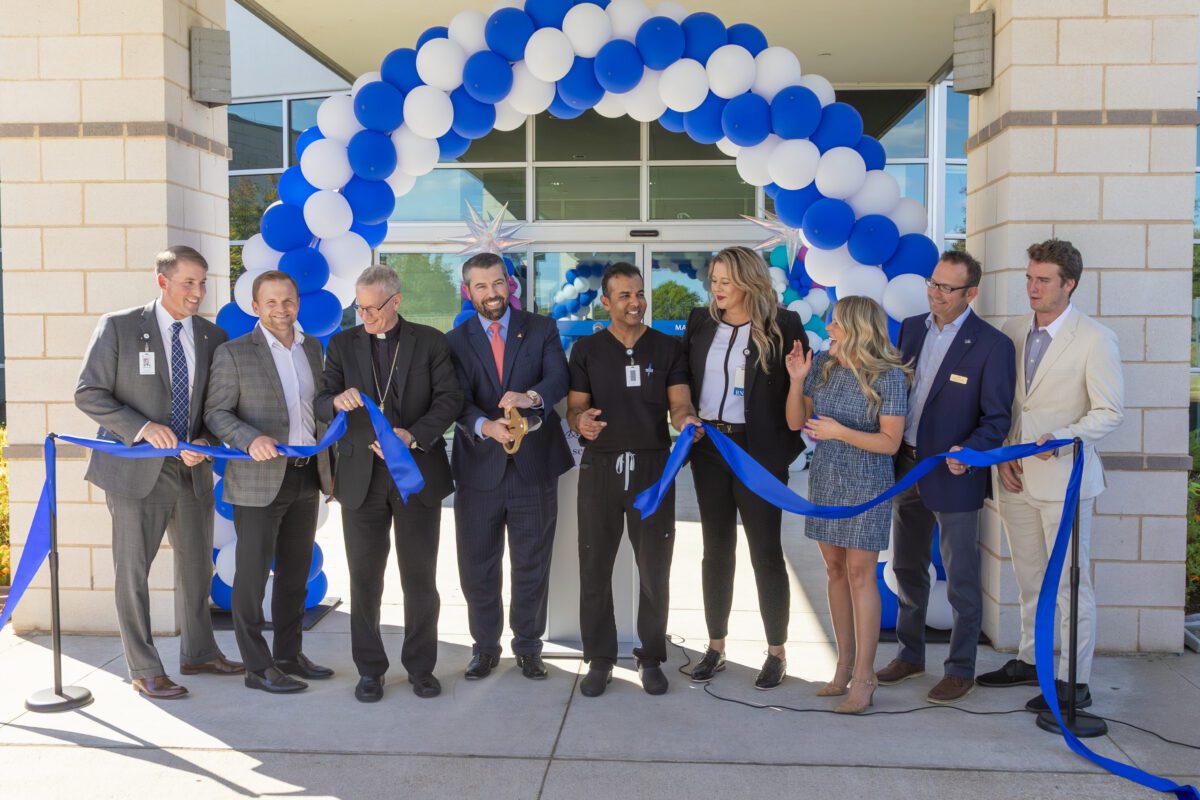
MATT ADAMS, DAVID HAWS, BISHOP DAVID KONDERLA, BO BEAUDRY, YOGESH MITTAL, M.D., REBECCA BENHAM, HEATHER TURNER, MATT EMMONS; ASCENSION ST. JOHN HEALTH SYSTEM, TULSA
Ascension St. John Health System Tulsa
Serving Oklahoma for nearly 100 years, Ascension St. John operates seven hospitals and more than 80 healthcare clinics and facilities, employing nearly 4,500 associates. In fiscal year 2024, St. John provided more than $66.5 million in total community benefit. The health system is also investing in new technologies and upgrading facilities, recently introducing state-of-the-art Intuitive da Vinci 5 robots; St. John is now home to the region’s largest surgical robotic fleet. St. John recently opened its newest surgical facility in Jenks; this growth follows the expansions of cardiovascular and intensive care services in Broken Arrow, Owasso and Tulsa.
Dean McGee Eye Institute OKC
One of the country’s largest and most respected centers for eye care, Dean McGee Eye Institute serves patients from all 77 Oklahoma counties. A stand-out element at Dean McGee is the range of services provided – from general optometry to cataract surgery, ocular prosthetics and laser vision correction. The institution is also consistently involved in a variety of vision-related research projects.
Eastern Oklahoma Ear, Nose and Throat Tulsa
Offering the only fellowship trained neurotologist and rhinologist in Tulsa, Eastern Oklahoma ENT specializes in the diagnosis and treatment of pediatric and adult ear, nose and throat diseases. Creating long-standing relationships with patients, the team combines precision and compassion, resulting in excellent patient outcomes.
Indian Health Care Resource Center of Tulsa Tulsa
Providing quality healthcare for American Indians in the greater Tulsa area, the Indian Health Care Resource Center utilizes a patient-centered, multidisciplinary approach. The center’s goal is to improve health and reduce the incidence/severity of chronic disease by engaging the Native community in ongoing health promotion.
INTEGRIS HEALTH, OKC
INTEGRIS Health OKC
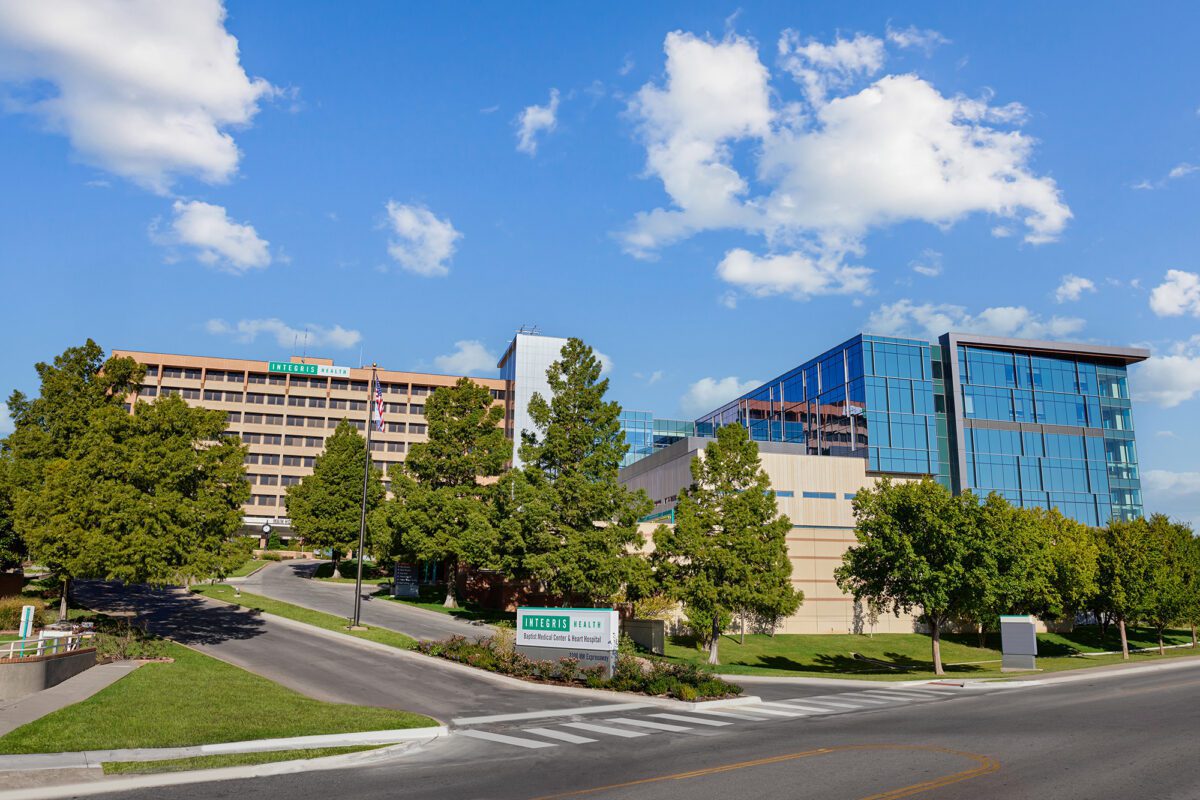
Striving to help Oklahomans live fuller, healthier lives, INTEGRIS Health is the state’s largest not-for-profit and Oklahoma-owned healthcare system with the goal to be Oklahomans’ most trusted partner for health. Values within the health system include integrity, compassion, accountability, respect and excellence, and services range from breast health and cancer care to neurology, primary care and surgery.
Mercy Health OKC
Aiming to serve patients with dignity, excellence, justice and stewardship, Mercy Health was founded in 1986 and now has a vast network of hospitals, clinics and urgent care centers. Additionally, the health system is focused on sustainability and aims to reduce its carbon footprint and recycle materials whenever possible.
Norman Regional Health System Moore/Norman
Delivering personalized healthcare with compassion and excellence, Norman Regional Health System is anchored by Norman Regional Hospital, a 775,000-square-foot, acute-care facility with services ranging from cardiovascular care and orthopedic surgery to labor and delivery, emergency care and more.
Oklahoma City Indian Clinic OKC
A contractor of Indian Health Services, Oklahoma City Indian Clinic provides culturally sensitive health and wellness services from devoted providers. Serving children and adults, the clinic’s offerings range from dental care to optometry, radiology, physical therapy and preventative care.
Oklahoma State University Medical Center Tulsa
OSU Medical Center is one of the nation’s largest osteopathic teaching facilities with 11 residency and nine fellowship programs. With 195 licensed beds and Oklahoma’s top-ranked wound clinic, OSU Medical Center excels in cardiovascular medicine, respiratory services, maternal child health, emergency medicine and more.
The Orthopaedic Center Tulsa
Combining orthopedic excellence and empathetic care, the Orthopaedic Center employs physicians who continually strive to improve through research programs, continuing education and the utilization of the latest technology. The team’s specialties range from treatments of the foot and ankle to hip surgery and spine and pain management.
OU Health OKC and Tulsa
With a mission to advance healthcare, medical education and research for the region, OU Health provides top-quality care while also teaching the next generation of healthcare professionals. OU Medical Center is the state’s only Level 1 Trauma Center, and the Oklahoma Children’s Hospital is recognized as one of the top 50 children’s hospitals in the nation for pediatric cardiology, heart surgery, gastroenterology and GI surgery.
OU Health Stephenson Cancer Center OKC
OU Health Stephenson Cancer Center is the state’s only NCI-Designated Cancer Center, one of 72 in the nation. All types of cancer can be treated at Stephenson, ranging from adrenal and kidney to lung and uterine. There are additionally 250+ ongoing original biomedical research projects at Stephenson, aimed at exploring cancer and developing more effective treatments.
Saint Francis Health System Tulsa
Saint Francis Health system offers a vast healthcare network that includes a children’s hospital, heart hospital and psychiatric clinic. Specialties within the system range from cancer care to women’s health and orthopedics. This year, all four of the system’s major hospitals were awarded four stars from the Centers for Medicare and Medicaid Services.
Southern Plains Tribal Health Board OKC
The Southern Plains Tribal Health Board serves the 44 federally recognized American Indian tribes in Kansas, Oklahoma and Texas through partnerships, advocacy, education and training. At SPTHB, leadership believes a healthier life is possible by improving access to health services, preventative care and disease management.
SSM Health St. Anthony OKC
Founded in 1898 with just 12 beds, SSM Health St. Anthony has grown to become a leader in Oklahoma’s healthcare landscape with a nationally certified stroke center and cutting-edge robotic-assisted surgery. This year, Modern Healthcare magazine named SSM Health to its list of Diversity Leaders.
Tulsa ER & Hospital Tulsa
The team at Tulsa ER & Hospital is aiming to eliminate the frustrating elements of the ER by offering concierge-level emergency care, 24 hours a day, 7 days a week. Tulsa ER & Hospital’s state-of-the-art, 20,000-square-foot facility offers the most advanced equipment on the market, and the team is able to treat both major and minor injuries.
Higher Education
Northeastern State University Tahlequah
NSU offers its students 59 undergraduate and 26 graduate programs, with popular fields of study including criminal justice, accounting and nursing. The university’s strategic plan operates with a core mission to build upon its Cherokee heritage, help students succeed and create a sustainable future for its diverse community.
Oklahoma City University OKC
Combining the feel of a tight-knit campus with the academic options of a large school, Oklahoma City University is a private institution that offers 70+ undergraduate and 20+ graduate degrees. Programs include the Ann Lacy School of American Dance and Entertainment and the Meinders School of Business.
Oklahoma Panhandle State University Goodwell
With a 17:1 student-to-faculty ratio and a designation as the first and only public Hispanic Serving Institution in the state, Oklahoma Panhandle State University is committed to promoting excellence in the preparation of students for success. The university offers three distinct colleges: Business and Technology; Arts and Education; and Agriculture, Science and Nursing.
Oklahoma State University Stillwater
Ranked No. 1 in 2024 by Niche for best value and best academics in Oklahoma, OSU offers 300+ majors and minors, plus 200+ masters and Ph.D. programs. A five-campus system, OSU has graduated more than 264,000 students and was recently included in The Princeton Review’s Guide to Green Colleges, which highlights universities that foster a culture of environmental responsibility and demonstrate a commitment to sustainability.
Oklahoma State University Center for Health Sciences Tulsa
OSU Center for Health Sciences includes the College of Osteopathic Medicine, with a variety of graduate programs and medical residency and fellowships offerings. Aiming to transform care in downtown Tulsa, OSU-CHS educates and trains osteopathic physicians, scientists and other healthcare professionals with an emphasis on helping underserved and rural communities.
Oklahoma State University-Tulsa Tulsa
OSU-Tulsa offers highly trained faculty mentors, tailored programs and financial aid/scholarships for graduate students. OSU-Tulsa recently paired up with Emerson Elementary for the Partners in Education initiative, enhancing the educational experience for Emerson students to encourage them to attend college.
Rogers State University Claremore
Known for its high-quality academic programs, strong scholastic atmosphere, distance learning opportunities and investment in the newest technology, RSU’s mission is simple: ensure student success. Additionally, RSU was recently named the No. 1 university in Oklahoma for online business degree programs by Research.com.
Tulsa Community College Tulsa
With an emphasis on affordability and accessibility, TCC builds success through education. The proof is in the numbers: 71% of graduating students complete TCC debt-free, and 96.1% of graduating students say they would choose TCC again. Additionally, the school offers dual credit programs, continuing education, university transfer paths, professional certificates and more.
University of Central Oklahoma Edmond
Empowering students to turn ‘one day’ into ‘day one,’ UCO has academic colleges including business; education; fine arts and design; liberal arts; math and science; forensic science; and graduate studies. University resources that encourage student success include a career development center, free peer tutoring and a focus on transformative learning.
University of Oklahoma Norman
The state’s flagship university, OU offers 170 academic programs and boasts over $416 million in research expenditures. In October, the school launched an Enhanced Air Traffic–Collegiate Training Initiative (AT-CTI) program within the OU School of Aviation; the program is currently the only four-year Bachelor of Science degree program of its kind in the nation.
University of Science and Arts of Oklahoma Chickasha
Recently ranked No. 7 in Great Value College’s 100 Most Affordable Small Colleges West of the Mississippi, USAO is the state’s only public liberal arts college. Leadership at USAO believe the best path to a meaningful life is an education that integrates multi-disciplinary knowledge to equip individuals for the 21st century.
University of Tulsa Tulsa
With over 80 undergraduate, 41 masters and 17 doctoral programs, TU boasts an average class size of 13 and offers financial aid to 94% of its students. The school has the most National Merit scholars per capita and was ranked in the Top 100 private research universities by U.S. News & World Report.
Human Resources and Staffing Agency
Express Employment Professionals Statewide
A valuable resource for both job seekers and employers, Express Employment Professionals is a leading staffing agency in the U.S., with additional offices in Canada, South Africa, New Zealand and Australia. Aiming to create opportunities and build futures, Express has empowered over half a million individuals annually since its founding in 1983.
Key Personnel OKC and Tulsa
A pillar of quality employee recruitment in Oklahoma since 1978, Key Personnel’s core values include authenticity, dependability, integrity and passion. With local ownership and community focus, Key Personnel is a fully certified, woman-owned business that believes diversity and inclusion are the keys to success.
Robert Half OKC and Tulsa
Helping businesses find quality candidates and candidates find in-demand jobs, Robert Half has grown from a small operation founded in 1948 to a specialized talent solutions and business consulting firm with offices around the world. The agency specializes in everything from finance to administration and marketing.
Insurance
American Fidelity Assurance OKC
More than an insurance company, American Fidelity Assurance also offers benefits strategies to help employers create the best possible atmosphere for their organization and employees. American Fidelity serves the education, public, automotive and healthcare sectors, with the goal to act as an extension of a company’s HR department.
AMERICAN FIDELITY ASSURANCE, OKC
Blue Cross Blue Shield of Oklahoma Statewide
A local, trusted name for health insurance, Blue Cross Blue Shield of Oklahoma offers individual, family, Medicare and group plans tailored to specific needs and budgets. Additionally, BCBSOK offers a vast, statewide network of trusted doctors, hospitals and pharmacies, plus access to health management tools.
CommunityCare Tulsa
CommunityCare’s mission is simple: to serve Oklahomans with local, personalized services in pursuit of every member’s optimal well-being. Offering individual, family, group and Medicare plans, CommunityCare is owned by two of the region’s premier health systems: Ascension St. John and Saint Francis Health System.
CompSource Mutual Insurance Company OKC and Tulsa
A leading provider of workers’ compensation insurance for over 85 years, CompSource Mutual protects people above all else. Services range from safety and loss prevention to underwriting, claims and audit support, and the company serves the construction, agriculture and electrical sectors, among others.
Delta Dental Statewide
Connecting members with a vast network of dentists nationwide, Delta Dental offers quick answers, personalized service and a focus on protecting your smile. Delta Dental serves more than 90 million Americans, providing coverage in all 50 states and supplying quality, cost-effective dental insurance.
GlobalHealth OKC and Tulsa
Staffed with local, dedicated team members, GlobalHealth serves 26 counties across Oklahoma. The company, founded in 2003, is committed to quality care and optimum health for the community, and offers a variety of insurance plans to fit different health needs and budgets.
INSURICA Statewide
Among the top 50 largest insurance brokers in the U.S., INSURICA employs more than 800 people and is focused on finding quality and experienced partners to better serve its members. Offering solutions for both individuals and businesses, INSURICA handles personal plans, employee benefits, alternative risk and more.
Mid-Continent Group Statewide
With a passion for mutual success, Mid-Content Group aims to help small- and medium-sized businesses with their difficult-to-place or unique commercial insurance needs. A member of the Great American Insurance Group, Mid-Continent offers resources from one of the largest insurance providers in the U.S.
Rich & Cartmill OKC and Tulsa
A leading insurance provider since 1922, Rich & Cartmill offers 200+ affiliations across the U.S., allowing employees to meet clients’ specific requests at an affordable rate. The company serves a variety of sectors, ranging from construction and energy to education, retail and manufacturing.
State Farm Statewide
Founded in 1929, State Farm now has more than 7.8 million life insurance and annuity policies in force. No matter the insurance need, State Farm can help – from auto to home and property and small business. Additionally, State Farm offers banking and investment services with thousands of agents around the U.S.
Law Firm
Barrow & Grimm Tulsa
Established in 1976, full-service law firm Barrow & Grimm handles cases involving tax law, business services, labor and employment, business litigation and more. Of Barrow & Grimm’s 25 highly trained attorneys, 15 have been named in prestigious listings including Super Lawyers and AV Preeminent Lawyers.
Brewster & De Angelis Law Offices Tulsa
With a skilled team and stellar reputation, Brewster & De Angelis provides experienced representation in personal injury, criminal defense, medical malpractice and civil litigation. Utilizing a personalized approach, the firm has a storied history of successful case results across the state and aims to provide clients with the best possible guidance to navigate any and every legal matter.
Chubbuck Duncan & Robey, P.C. OKC
The personal defense counsel option for Oklahoma, Chubbuck Duncan & Robey tackles cases ranging from insurance defense to wrongful death, and has provided services to some of the nation’s largest Fortune 500 companies. What sets the firm apart is its collaborative approach, where a senior lawyer and team of associates/support staff come together to work each case.
MARK E. HAMMONS, SR., AMBER L. HURST; HAMMONS, HURST AND ASSOCIATES, OKC
Hammons, Hurst and Associates OKC
Specializing in employment law, Hammons, Hurst and Associates represents individuals across a variety of industries who have become the subjects of illegal discrimination, sexual harassment and retaliation. The firm offers a proven track record of holding employers accountable, and owner Mark Hammons’ also founded the Oklahoma Employment Lawyers Association.
The Handley Law Center El Reno
The team at Handley believes you have a future worth fighting for – and back that claim by offering comprehensive representation to ensure clients get the compensation they deserve. Utilizing a client-first mentality with expansive courthouse experience, Handley Law Center practices in areas including personal injury, criminal defense and wrongful death.
Jones Gotcher Tulsa
Known for its premier practices in civil litigation, construction, family law and estate planning, Jones Gotcher is dedicated to creating a client-focused, integrity-first, results-driven practice. A mid-sized firm, Jones Gotcher can handle cases for Fortune 500 companies, local businesses and individuals alike.
Latham Keele Lehman Ratcliff Carter & Clarke P.C. OKC and Tulsa
With experience surpassing 300 jury trials, the team at Latham Keele Lehman excels in areas including labor and employment, real estate, medical malpractice defense and banking. The practice, which was recently recognized by Best Law Firms, strives to create an inclusive and prosperous environment for both employees and clients.
LATHAM KEELE LEHMAN, OKC AND TULSA
McIntyre Law OKC
Committed to improving the lives of individuals and leveling the playing field against insurance companies, McIntyre Law believes in one-on-one client interactions to garner the best possible results. Specialties at McIntyre range from personal injury to car accidents, products liability and drug liability.
Stange Law Firm OKC and Tulsa
Specializing in family law, divorce and separation, child custody and more, Stange Law Firm is dedicated to helping its clients with responsive, diligent and communicative representation. Combining the resources of a large firm with the personal attention of a small one, Stange attorneys will guide clients through tumultuous family law cases with compassion and expertise.
White & Weddle, P.C. OKC
White & Weddle, a full-service civil litigation firm, offers 35+ years of combined experience in cases pertaining to wrongful death, bad faith insurance, education law and workplace injury. Over the years, the firm has obtained numerous settlements for their plaintiffs, ranging from $500,000 to more than $15 million.
Manufacturing and Industrial Supply
AAON Tulsa
Providing highly configurable HVAC solutions to commercial and industrial clients, AAON is committed to driving its industry forward to a cleaner, more sustainable future. The company, founded in 1988, manufactures rooftop units, split systems, air-source heat pumps, condensing units, geothermal heat pumps and more.
AAON, TULSA
Airgas Statewide
Airgas, an Air Liquide company, is a leading supplier of industrial, specialty and medical gasses, alongside hardgoods. The company is also the leading U.S. supplier of ammonia products and process chemicals, helping more than 1 million customers advance their business performance with reliable products and services.
Brainerd Chemical Company, Inc. Tulsa
A leader in chemical manufacturing and distribution, Brainerd serves industries including oil and gas, metal manufacturing, water treatment and animal health. Safety, government compliance, environmental protection and outstanding customer service are the cornerstones of Brainerd, founded in 1959.
Delco Electric, Inc. OKC
Delco Electric, a commercial electrical service provider, offers decades of experience in everything from new build construction to general service calls. Taking a personalized approach to each bid proposal, Delco believes the true measure of its achievements is the expert completion of a project.
Ditch Witch Perry
Ditch Witch is a trailblazer in the manufacture of underground construction equipment, with products including directional drills, vacuum excavators and stand-on skid steers. Ditch Witch’s brand is centered around true partnerships with customers, and the company recently won an OPE+ award for its newest product, the Ditch Witch SK1750.
Hilti OKC and Tulsa
Developing, manufacturing and distributing products for the construction, building maintenance and energy sectors, Hilti aims to make every client’s job easier and safer. Hilti – a family-owned company founded in 1941 – creates products that are built to last, with an emphasis on precision and advanced safety.
Kimray, Inc. OKC
A principal manufacturer of oil and gas control equipment, Kimray has created simple, effective solutions for its clients since 1948, with a mission to make a difference in the lives of those they serve. Recently, the company partnered with environmental organization Kathairos to offer customers a sustainable methane elimination system.
Matrix Service Co. Tulsa
A premier provider of engineering, fabrication, infrastructure, construction and maintenance services to the oil, gas, power, petrochemical, industrial, mining and minerals markets, Matrix Service Co. is consistently recognized nationally for both its products/services as well as its workplace culture.
Sigma Stretch Corp. Tulsa
A plastic fabrication company, Sigma Stretch Corp. operates with a mission to produce quality, reliable products at affordable rates, and has become an industry leader with its innovative and environmentally conscious solutions. Founded in 1993, Sigma has grown to harbor over 700 million pounds of capacity.
Webco Industries Sand Springs
Creating the future of the tubing industry is paramount at Webco Industries, a pioneer in the manufacture and distribution of steel tubing. Founded in 1969 as Southwest Tube, Webco now boasts 2.2 million square feet of facility space, 13 locations and 1,400+ team members. The company recently acquired the Sea-Cure brand – which produces a strong, highly corrosion-resistant, super-ferritic alloy.
Zeeco Broken Arrow
Zeeco, founded in 1979, excels in the design and manufacture of advanced combustion and environmental solutions. The company, which aims to create a workplace culture that challenges and rewards its employees, also seeks every opportunity to create positive impacts on the community, with consistent outreach, charitable events and disaster relief efforts.
Miscellaneous
ALERT360, TULSA
Alert360 Tulsa
Offering security systems for both homes and businesses, Alert360 employs highly trained expert consultants who work with each client to identify tailored solutions. Alert360 also provides 24/7 alarm monitoring with an emphasis on premier customer service, with custom packages, smart devices and cameras for every need.
Hobby Lobby Statewide
An arts and crafts retailer headquartered in OKC, Hobby Lobby boasted $7.9 billion in revenue in 2023. Hobby Lobby is serious about taking care of its employees – evidenced in the decision to raise its minimum full-time hourly wage to $19.25 in October. The company was also one of the first to establish a nationwide minimum hourly wage well above the federal base back in 2009.
Oklahoma State University Foundation Stillwater
The private fundraising arm for Oklahoma State University, the OSU Foundation touts core values including authenticity, partnership, integrity, intentionality and service. Funds donated to the foundation help provide the most advanced educational opportunities for students, faculty, staff and alumni of OSU.
Real Estate
Chinowth & Cohen Realtors OKC and Tulsa
With 15 offices and 700+ associates around Oklahoma, Chinowth & Cohen has grown since its founding in 2004 to become the largest independent real estate company in the state. Alongside ensuring client needs are consistently met, C&C helps its team members succeed through training programs and other helpful resources.
Coldwell Banker Statewide
With offices in 40 countries and over 100,000 total agents, Coldwell Banker offers a powerful network and world-class guidance for all real estate needs. Founded in 1906, Coldwell Banker has accrued $234 billion in sales while also donating over $1.6 million to St. Jude Children’s Research Hospital.
Keller Williams Realty Statewide
Founded in 1983, Keller Williams Realty has grown to become the world’s largest real estate franchise by agent count, and operates with the purpose to “be the place where entrepreneurs thrive.” Recently, the international division of KW, Keller Williams Worldwide, expanded operations in Central America with a new master franchise in Guatemala.
McGraw Realtors Statewide
Working to make real estate simple since 1938, McGraw Realtors is one of the nation’s top ten fastest-growing real estate companies with 21 offices across Oklahoma, Arkansas and Colorado. Committed, loyal and tenacious, McGraw’s agents tout extensive experience and knowledge of cutting-edge technology to help close any real estate deal.
Technology
InterWorks Tulsa
InterWorks, a people-focused tech consultancy, provides IT and data strategies, solutions and support to myriad clients – viewing themselves as partners, not vendors. Committed to curating a positive working environment, InterWorks’ culture highlights the passions and skills of each employee.
Paycom OKC
Paycom is a cloud-based human resource and payroll software provider based out of OKC, operating with the goal to simplify life for employees and businesses alike. Paycom employs over 7,300 people and has nearly 37,000 clients. Recently, the company was named as a 2024 Top HR Product by Human Resource Executive magazine for its automated time-off request tool, GONE.
Tourism/Recreation
Discover Durant Durant
A division of the Durant Tourism Economic Development Authority, Discover Durant helps tourists and locals alike to dig deep into the City of Magnolias and its many offerings – from general attractions to outdoor recreation, landmarks, hotels, restaurants and arts and culture fare.
Oklahoma Tourism and Recreation Statewide
With a goal to drive domestic and international visitation through marketing and outreach, the Oklahoma Tourism and Recreation department promotes state parks, local businesses and other entertainment. The department also functions in an advisory capacity for the governor, state legislature and other elected leaders on matters pertaining to tourism/recreation.
OKLAHOMA STATE UNIVERSITY FOUNDATION, STILLWATER
Poteau Chamber of Commerce Poteau
The Poteau Chamber of Commerce is the information hub for the Le Flore county seat, offering literature, business information, history and attraction recommendations. Annual events hosted by the chamber include a membership banquet, career day, citywide clean-up, the Poteau Balloon Fest and a Christmas parade.
Visit Bartlesville Bartlesville
Encouraging tourists to eat, play, shop and stay, Visit Bartlesville provides all the information one could need about the Washington County seat, from history to outdoor offerings and museums. The goal? Help Bartlesville become a premier destination for leisure travel, film productions, conventions and more.
Visit Broken Arrow Broken Arrow
Marketing Broken Arrow as “adorable, explorable and downright affordable,” Visit Broken Arrow provides information surrounding entertainment, hotel, sports, shopping, venue and restaurant offerings in BA The mission of Visit BA is to enhance the city’s economic opportunities and bring in steady and strong tourism numbers.
Visit Claremore Claremore
With a mission to promote the city’s rich, diverse history and culture, Visit Claremore bolsters tourism numbers and boosts the city’s economy. Alongside its marketing efforts, Visit Claremore promotes and hosts a variety of events throughout the year and partners with local businesses to ensure the city’s continued success.
Visit Oklahoma City OKC
Oklahoma City, recently named one of the Best Places to Visit by Travel + Leisure, is passionately promoted by Visit OKC. Alongside touting the city as a first-class visitor destination, Visit OKC also contributes to the economic fabric of the city through the solicitation and servicing of conventions and other related group business.
Visit Ponca City Ponca City
Promoting Ponca City as a location rich in history, culture and community, Visit Ponca City markets its ample art galleries, outdoor offerings, entertainment and more. With an emphasis on preserving natural treasures for a greener future, Visit PC aims to consistently improve the lives of its residents and the state at large.
Visit Tulsa Tulsa
A branch of the Tulsa Regional Tourism department – which also houses the Tulsa Convention and Visitors Bureau; the Tulsa Sports Commission; and the Tulsa Office of Film, Music, Arts and Culture – Visit Tulsa promotes leisure travel to the 918. Touting the city’s museums, music, nightlife and outdoor recreation, Visit Tulsa ensures that tourists and residents know “what’s booming in Boomtown.”
Transportation
Melton Truck Lines Tulsa
Melton Truck Lines, a leading over-the-road flatbed trucking company, cultivates a family-first atmosphere with a dedication to customer satisfaction. In business for 70 years, Melton provides flatbed deliveries with accuracy and safety and is known for its competitive base and tarp pay, plus its excellent benefits and recognition programs for drivers.
Tribal Enterprise
Cherokee Nation Catoosa
The Cherokee Nation – 450,000 members strong with 141,000 of those citizens residing within the tribe’s borders in northeastern Oklahoma – operates Cherokee Nation Businesses, the board-governed holding company for the tribe’s business portfolio. CNB offers subsidiaries in entertainment, federal contracting, cultural development, hospitality and more.
Chickasaw Nation Ada
Aimed at enhancing the overall quality of life for the Chickasaw people, Chickasaw Nation presents a diverse economic portfolio, with enterprises ranging from gaming centers and casinos to gift shops, banks, cultural centers, hotels and spas. Funds from these businesses are funneled directly back into the Nation for education, healthcare, youth, aging and housing.
Choctaw Nation Durant
Operating with a focus on providing continuous opportunities for growth and prosperity, the Choctaw Nation offers a multitude of enterprises in hotel operations, retail, tribal business, hospitality and gaming. Within the Nation’s businesses, every individual matters –from the highest levels of corporate leadership to those working quietly behind the scenes.
Citizen Potawatomi Nation Shawnee
Citizen Potawatomi Nation’s enterprises span vast industries – from banking and finance to shopping, dining, entertainment and gaming. Finances from these and other business subsidiaries help to fund services to CPN’s citizens, including programs for the elderly and for veterans, alongside housing, workforce development and social services.
Muscogee Nation Okmulgee
The Muscogee Nation’s Department of Commerce aims to foster, serve and promote the Nation’s economic development and technological advancement. Funds from enterprises – ranging from gaming to business and higher education – are then reinvested into the Nation to support the tribe’s general welfare, develop new businesses and better serve Oklahoma at large.
Osage Nation Pawhuska
With a focus on education, economic prosperity, civic engagement, culture, language retention, natural resources and overall health, the Osage Nation is over 25,000 members strong. Tribal services bolstered by Osage Nations’ business enterprises include childcare, housing, employment, crisis assistance, education, and health and wellness.
Seminole Nation Wewoka
With a determined 21st century narrative, the Seminole Nation of Oklahoma offers its Division of Commerce and its gaming enterprises to strengthen the fabric of the Nation and state at large. Funded tribal services include everything from vehicle maintenance and mental health programs to housing, childcare and education.
WINTERFEST TULSA
PHOTO COURTESY DOWNTOWN IN DECEMBER
Gift Wrapping 101
So you’ve gotten your holiday shopping out of the way early, snagging Black Friday deals galore. Good for you! However, unless you’re a cranky curmudgeon, you’ve still got one more step left: gift wrapping those bad boys. Here are a few tips to help you wrap like a pro.
Put it in a box. Don’t try to wrap a bottle of wine, a power tool or a toy. Put it in a box, then wrap the box. (You’d think this would be common knowledge, but, alas…)
Get sturdy wrapping paper. Use the Goldilocks method – none of that easily rippable stuff, but also nothing too thick. Juuuust right.
Acquire sharp scissors. You know that feeling when you’re cutting paper and the blade just starts gliding? Heaven.
Measure your paper. Your paper, once cut, should be large enough to wrap around your box with a little overlap, as well as a little overhang on the sides. Too much and you’re wasting paper. Too little and your recipient will be able to see what’s inside before you want them to! The horror! Keep it tight. If you want your present to look like it’s wrapped by a pro, make sure to pull it tightly around the box before taping.
Hide the tape. Speaking of tape, try the double-sided kind to make your wrapping look even sleeker.
Less is more. No, not when it comes to paper. We’ve covered this! We’re talking about embellishments. Consider one beautiful bow or an artful pairing of ribbons to accompany your present, not six. (Unless your recipient is, in fact, six. Then go hog wild – they’ll love it.)
If all else fails: Get on YouTube. If that fails, just buy bags and tissue paper. You’ve done your best.
Gingerbread Glee
Whether you’re attempting to create a gingerbread house for the first time this year, or are entrenched in an all-out war with your extended family to decide who can make the most beautiful house of them all, try these tips to win the day.
Sketch your design concepts on paper first. Does this seem excessive? Maybe. But approaching your clean gingerbread slate with a pre-approved design will help keep things moving smoothly.
Use fine tipped brushes and small piping bags. The devil’s in the details, after all. Smaller piping and finer tools will allow you more freedom to decorate how you please.
Decorate everything before assembling. I mean, this is gingerbread house construction 101, but we’ll reiterate: only finishing touches should be applied after the house is glued together.
Be patient. It will take time for your designs to dry, as well as time for the house pieces to meld together with the icing. Don’t touch it until you’re sure it’s dry!
Make sure your icing is stored correctly. Perhaps your gingerbread decorating takes more than one sitting – that’s A-OK, pal. If the icing is going back into the fridge, make sure storage is airtight. Then, when round two begins, allow the icing to warm back to room temperature before using it again.
Spreading the Joy
Ready to be a festive Christmas elf? Here are some random (and not so random) acts of kindness to try this season:
Volunteer. Head to the homeless shelter, ring some donation bells or spend time with seniors at the nursing home. You will get just as much out of the experience as the nonprofit you’re helping.
Deliver presents in person. Nothing beats seeing someone’s face light up right in front of you – not on a tiny screen.
Write holiday letters or greeting cards. The holidays can be lonely, and this will ease that feeling for many. Plus, it’s a chance to brag about what a great year you had and reconnect with old pals.
Connect with your neighbors. Whether that means bringing over a pie or shoveling show off their driveway, a little goes a long way.
Donate. Be it clothes, food, time or money, it’s always a good idea to help those in need.
Be patient. The holidays can be a time of stress for many. Take a few deep breaths if someone shoves past you at the mall or cuts you in line. (I’m suggesting this one just as much for me as for you.)
What’s on the Menu?
There are plenty of great things about holiday food. But the best, we’d wager, is that you aren’t tied to a certain meal or, more importantly, a specific protein come Christmas. (For example – my family does brisket mac n’ cheese every year. Traditional? Nope. Delicious? You bet.)
Media brand Taste of Home released survey results this year that outline America’s favorite Christmas dishes. The poll, which involved 1,140 people, offered head-to-head match-ups of a variety of food items. The top five match-up champs include:
Roasted potatoes
Mashed potatoes
Turkey
Bread/rolls
Stuffing/dressing
Talk about carbo-loading! And bottom of the barrel?
Cabbage
Goose
Turnips
Plantains
Tofu
No matter what you bring to your table, you can’t really go wrong. (Unless you serve me tofu. Sorry. Just no.)
Sip, Sip, Hooray!
Maybe you need a little liquid courage to brave a chat with your extended family … or you just like to sip on spirits during the holidays. Either way, here are some festive cocktails to whip up. (Remember, these will be just delicious without the booze if you’re alcohol-free!)
The Cranberry Ginger Mimosa
2 oz. Ginger beer
2 oz. Cranberry juice
Champagne to top
Sugared cranberries to garnish
Combine the ginger beer, cranberry juice and champagne in a glass.
Garnish with skewered sugared cranberries.
The Brandy Alexander
1.5 oz. Cognac
1 oz. Dark creme de cacao
1 oz. Cream
Grated nutmeg to garnish
Add cognac, dark creme de cacao and cream into a shaker with ice; shake well.
Strain into a glass.
Garnish with freshly grated nutmeg.
Pear Martini
1.5 oz. Pear vodka
1.5 oz. St. Germain liqueur
3/4 oz. Lime juice
1 dash Angostura bitters
Pear slices to garnish
Add vodka, liqueur, lime juice and bitters to a shaker filled with ice; shake well.
Strain into a glass.
Garnish with pear slices.
Hot Toddy
2 tsp. Demerara/brown sugar
1/4 oz. Lemon juice
2 oz. Whiskey
4 Cloves
1 Lemon peel
Boiling water to top
Fill a mug with boiling water and let stand until warm.
At the same time, stick cloves into the lemon peel.
Empty the mug and fill again, about halfway, with more boiling water.
Add the sugar and stir until dissolved.
Add the prepared lemon peel and stir.
Add the lemon juice and whiskey.
Stir again.
Made with help from Liquor.com.
Festive Filmography
So, you don’t want to watch The Polar Express for the fourth year in a row? We present a few other options, both classic and atypical. (Read into these before viewing; some aren’t quite kid-friendly.)
• Elf
• Home Alone
• A Christmas Story
• The Nightmare Before Christmas
• Love Actually
• The Family Man
• Die Hard
• The Holdovers
Myriad Gardens, OKC; photo courtesy Downtown in December
Lights on Lights
Let it shine at free and ticketed light displays around the state.
Woolaroc Wonderland of Lights Through Dec. 22 Woolaroc Museum & Wildlife Preserve, Bartlesville
Myriad & Bright Through Dec. 24 Myriad Botanical Gardens, Oklahoma City
Philbrook Festival Through Dec. 28 Philbrook Museum of Art, Tulsa
Festival of Lights Through Dec. 30 Regional Park, Ardmore
Festival of Angels Through Dec 30 Various locations, Ponca City
Botanic Garden of Lights Through Dec 30 Tulsa Botanic Garden
Fantasy Land of Lights Through Dec. 30 Johnstone Park, Bartlesville
Chickasha Festival of Light Through Dec. 31 Shannon Springs Park, Chickasha
OKC Zoo Safari Lights Through Jan. 1 Oklahoma City Zoo & Botanical Garden
Bixby’s Winter Wonderland Through Jan. 1 Charley Young Event Park, Bixby
Edmond’s Electric Luminance: An Enchanted Stroll Through Jan. 1 Mitch Park, Edmond
Signature Symphony presents: Christmas in Tulsa Dec. 13-14 TCC Van Trease PACE, Tulsa
Oklahoma City Ballet presents: The Nutcracker Dec. 14-23 Civic Center Music Hall, OKC
Pollard Theatre presents: A Territorial Christmas Carol Through Dec. 22 Pollard Theatre, Guthrie
Lyric’s A Christmas Carol Through Dec. 27 Lyric at the Plaza
Trans-Siberian Orchestra Dec 30 Paycom Center, OKC
Glide Away
Ice rinks beckon for active fun.
Ice on the Plaza Through Dec. 31 323 E. Grand Ave., Ponca City
Arvest Winterfest Through Jan. 6 Downtown Tulsa by the BOK Center
Christmas in the Ville Through Jan. 4 201 S.W. Keeler Ave., Bartlesville
Holidays on Ice Through Jan. 4 301 S. Independence Ave, Enid
Yukon Ice Rink Through Jan. 5 500 W. Vandament Ave., Yukon
BA Ice Rink Through Jan. 6 418 S. Main St., Broken Arrow
Crest on Ice Through Jan. 6 2550 Mt. Williams Dr., Norman
Edmond Ice Rink Through Jan. 20 Mitch Park, Edmond
Devon Ice Rink Through Feb. 2 Myriad Botanical Gardens, OKC
Gatherings Galore
Community events can help get you in the holiday mood.
Saints Santa Run Dec. 7 535 N.W. Ninth St., Oklahoma City
Tulsa Christmas Parade Dec. 14 Downtown
Santa’s Ozark Mountain Village\ Through Dec 21 Har-Ber Village Museum, Grove
Holiday in the Ark Through Dec. 23 Endangered Ark Foundation, Hugo
OKC Community Chanukah Festival Dec. 29 Scissortail Park
The Polar Express Through Dec. 29 Oklahoma Railway Museum, Oklahoma City
Depot Green Christmas Train Through Dec. 29 205 Elgin St., Muskogee
Route 66 Christmas Chute Through Dec. 29 101 E. Dewey Ave, Sapulpa
Red Earth Treefest Through Jan. 3 BancFirst Tower, Oklahoma City
Arvest Winterfest Through Jan. 6 Downtown Tulsa
Downtown in December Through Feb. 2 Downtown Oklahoma City
Traditions, Explained
You may catch yourself setting out cookies for Santa and wondering, well, why the heck am I doing this? Don’t worry – there’s reasoning behind many of our quirky holiday traditions.
Christmas tree: These beauties date back to the Middle Ages, with Germany being the first country known to decorate pine trees for winter celebrations. A 2019 survey by the American Christmas Tree Association (yes, that’s a real thing) says that today, 77% of U.S. households display trees. Perhaps more wild? 81% say theirs is fake!
Yule log: Burning logs during the holidays dates back to ancient winter solstices. Although once a necessity to keep celebrants warm, now lighting a fire is more for coziness and ambiance than anything else.
Cookies and milk: Ancient Norse mythology saw people leaving treats for Saint Nick and his reindeer. But the cookies and milk trend was born during the Great Depression as a sign of gratitude during struggle.
Poinsettias: Poinsettias were brought back to America by the first U.S. ambassador to Mexico, botanist Joel Roberts Poinsett, in the 1820s. The star-shaped leaf pattern is said to symbolize the Star of Bethlehem.
Bartlesville may be known as a historic oil town, but this city has been expanding steadily and revitalizing its downtown, too.
“People that come here are always so pleasantly surprised with how clean and cute our downtown is,” says Maria Swindell Gus, executive director at Visit Bartlesville.
In 2020, the city opened the Tower at Unity Square, a voter-approved green space, which acts as a gathering place for community events. Residents can enjoy fitness classes, bingo and live music year-round.
“It really has become the heart of this community,” says Swindell Gus.
Within walking distance of the square are several attractions, including the Bartlesville Public Library, the Phillips 66 Museum, the Frank Phillips Home and Theater Bartlesville.
“Twenty years ago, downtown was mostly empty storefronts,” says Swindell Gus. “Now it’s really a thriving, bustling area.”
Residents can also take part in outdoor recreational activities. The city’s expansive system comprises 17 parks featuring amenities like swimming pools, walking trails and dog parks. At the Woolaroc Museum and Wildlife Preserve, visitors can spot more than 30 species of wildlife roaming 3,700 acres.
Retirees may find Bartlesville particularly attractive for its size, nearby metropolitan cities and affordable housing. According to Zillow, the average home value is $174,117.
Swindle Gus notes that the community is very welcoming, too. For instance, the Osher Lifelong Learning Institute in Bartlesville offers courses to adults of all ages. Retirees can acquire new skills and learn about topics ranging from history to cuisine.
“My mom is 89, and she’s super active,” Swindle Gus shares. “She goes to classes [at OLLI] all the time. She’s taken a film class and a wine-tasting class. There are a lot of opportunities to meet other people and explore a diverse range of interests.”
Muskogee
Situated 50 miles west of the Oklahoma-Arkansas state line, Muskogee prides itself on a rich, diverse history. The Three Forks Area, which encompasses Muskogee county, was a hub of settlement for Native American tribes and European settlers. In 1905, several Indigenous tribes gathered to create a constitution that would recognize Indian Territory as the State of Sequoyah. At this historic convention, Muskogee was elected as the proposed state capitol.
As such, retirees with a special interest in history will appreciate Muskogee’s attractions. From the Three Rivers Museum to the Five Civilized Tribes Museum, there’s an abundance of institutions and historic sites that aim to preserve the city’s unique heritage.
Muskogee has established several parks in honor of its military history, too. At the War Memorial Park, residents and guests can tour the U.S.S. Batfish, a War World II submarine manned by a highly decorated crew.
Deemed the “crowned jewel” of the city’s parks system, Honor Heights Park was established in memory of World War I soldiers. The park spans 132 acres, featuring picnic areas, fishing docks, tennis courts and the Papilion Butterfly House. Honor Heights Park is also the hub for many of Muskogee’s most beloved festivals. In April, Honor Heights Park holds the Azalea Festival in celebration of the blooming of 30,000 azalea bushes. During the winter season, the park transforms into a twinkling wonderland for the Garden of Lights.
To promote health and wellness among the senior community, the city holds the Muskogee Senior Games every year. The event draws people over the age of 50 from across the region, giving them the opportunity to compete in athletic activities, including golf, bowling, swimming, pickleball and more.
Bartlesville; photo courtesy Visit Bartlesville
Okmulgee
Flowing springs and scenic views are the mainstays of Okmulgee. Although the city is less than an hour drive from Tulsa, residents enjoy a slower pace of life. As of 2023, Okmulgee had a population of 11,367 with 16% of its residents over the age of 65.
Retirees can unplug from the hustle and bustle of major cities and connect with the great outdoors. Established in 1927, the Okmulgee and Dripping Springs Lake and Recreation Area features two parks with lakes, camping sites and hiking trails.
Another outdoor destination is the Deep Fork National Wildlife Refuge, which was established to protect one of the only bottomland hardwood forests in Oklahoma. Stretching 34 miles along the Deep Fork River, the refuge is home to more than 149 species of birds and other indigenous wildlife. The park also has several hiking trails and fishing spots.
Beyond outdoor recreation, Okmulgee has preserved a bevy of historic spots. Over 140 buildings in the Okmulgee Downtown Historic District have made their way onto the National Register of Historic Places. The downtown area hearkens back to the city’s ties to the Creek Nation Capitol and a thriving African American business district.
The Creek Nation Council House also holds historical significance. Founded in 1868 by the Muscogee Nation, Okmulgee remains the home of the tribe’s legislative body, executive branch and tribal court system.
For entertainment, retirees can try their luck at One Fire Casino, which boasts a selection of more than 350 electronic games. During the holidays, residents can gather their loved ones for the Annual Festival of Lights Parade, which includes festive floats, hot cocoa and elaborate light displays.
Ponca City
With a storied past tied to the oil boom and the 60-mile wide Cherokee Outlet, Ponca City offers residents a variety of cultural and historic attractions. The city has built a reputation as “the jewel on the prairie” for its sprawling natural landscapes and enduring pioneer spirit.
Ponca City’s small-town charm may appeal to retirees who are looking for a tight-knit community. Not too small and not too big, the population in Ponca City sits at 24,306.
Ponca City has been recognized as a City of Character, a nationwide program led by the International Association of Character Cities. The program encourages citizens to embody positive traits in their daily lives, such as respect and resourcefulness.
Locally owned operations, such as the Blubaugh Angus Ranch and Big V Ranch, preserve Ponca City’s roots in agriculture. At Silvertop Farm and Vineyards, visitors can observe historical reenactments, tour the grounds, and take wine-tasting lessons.
Another draw is the E.W. Marland Mansion and Estate. Founded in 1928 by an oil baron who once controlled a tenth of the world’s oil reserves, the mansion has become a historic and architectural attraction. The Marland family originally built the Italianate residence for $5.5 million. In the 1940s, the mansion was operated by the Felician Sisters as a nunnery before it was acquired by the City of Ponca City.
Residents can also learn more about women’s impact on Oklahoma history at the Pioneer Woman Museum. Built in 1957, the museum features interactive exhibits and educational programming. Visitors can also take part in hands-on activities, such as quilting, knitting and spinning.
Other popular attractions in the area include Standing Bear Park, Conoco Museum and Poncan Theater.
Ponca City; photo courtesy Visit Ponca City
Oklahoma City
Ardmore
Located in south Oklahoma, Ardmore offers small town charm and big city amenities.
“Ardmore has been a center of commerce,” says Bill Murphy, president and CEO of the Ardmore Chamber of Commerce. “It’s history in the cotton and oil and gas industries created generational wealth that afforded people to bring resources and amenities to the community.”
The combination of cultural, outdoor and community-based activities has made the growing city a hotspot for retirees. Approximately 23% of residents are over the age of 60.
Oklahoma’s first and most expansive park, Lake Murray State Park, is located in Ardmore. The park spans 12,500 acres of wooded land, offering a robust trail system and sport facilities for adults of all ages to enjoy. Plans to develop the parks and recreation even more are underway.
Ardmore; photo courtesy Ardmore Chamber of Commerce
“The work that the City of Ardmore is doing for its parks and recreation is commendable,” says Murphy. “They’re not only investing in our parks, but they’re working on the walk-ability of the community.”
One area ideal for strolling is the Depot District, which has been revitalized into a flourishing commercial zone. From salons to clothing boutiques, it provides plenty of restaurants, entertainment and shopping. For retirees who have a passion for the arts, the Goddard Center for the Visual and Performing Arts brings rotating exhibits and live performances to the local scene. Situated on the same grounds is the Ardmore Little Theater, which recreates classics like Midsummer Night’s Dream and The Wizard of Oz for season ticket holders.
Residents also benefit from easy access to healthcare. Constructed in 1898, the Mercy Hospital Ardmore is a 190-bed facility that offers a network of 2,300 primary and specialty medical providers. The hospital has been recognized as a top 100 rural and community hospital by the Chartis Center for Rural Health.
Ada
Founded in 1891, Ada is a progressive community situated in southern Oklahoma. The city acts as the headquarters for the Chickasaw Nation, which has long promoted the area as a destination for tourism and leisure.
Ada’s Main Street highlights the city’s vibrant past through historical landmarks and a lively arts district. Residents can find plenty of entertainment at the 100-year-old McSwain Theatre, which was built in the 1920s as a venue for vaudeville performances and silent movies. Ada Main Street is also used as a gathering place for pop-up markets and food trucks. In the winter, residents can gather for seasonal festivals that include craft shows, carriage rides, parades and pictures with Santa.
Year round, retirees can find several things to do in town. Soak in picturesque views and sip on hand-crafted wines at Waddell Vineyards, a family owned and operated seven-acre vineyard. Throughout the year, the vineyard hosts fun events, like “Sip and Swirl” painting classes.
Make a splash at one of Ada’s aquatic centers or grab a drink at Ada’s Gaming Center. In the summer and winter seasons, the Ada Shakespeare Company puts on outdoor performances of Romeo & Juliet, Julius Caesar, and other plays at Wintersmith Park.
Deemed one of the best racing facilities in the state, the Oklahoma Sports Complex provides spectators with an evening full of thrills and excitement. Races are held on select dates starting at 7:30 p.m.
Seasonally, residents can gather fresh produce, including watermelon, jalapenos and blackberries at the Peach Tree Farms Orchard and Fruit Stand. The farm also sells locally crafted goods, ice cream and pies.
For its beautification and environmental efforts, Ada was named a Tree City USA by the Arbor Day Foundation in 2022.
Lawton
Chock-full of history and cultural destinations, Lawton is an excellent place to retire. One of the biggest tourist attractions in the area is the Museum of the Great Plains, which showcases archaeological artifacts from the Paleo-Indian cultures. The museum also offers self-directed activities and temporary exhibits for visitors to explore. Retirees can support the entity by becoming a “Friend of the Museum.” These volunteer opportunities range from assisting with the archive and collections to helping with fundraising efforts and special events.
Another cultural and historical landmark is the Fort Sill National Historic Landmark and Museum, which is located three miles north of the city. The fort was originally constructed between 1869–1870, serving as a cavalry post for controlling the Indigenous tribes of the southern plains.
The fort is made up of 26 historic buildings, and the grounds contain the burial sites of Chiricahua Apache leader, Geronimo and Comanche leader, Quanah Parker. The fort currently serves as the home of the United States Army Field Artillery School.
About 22 miles northwest of Lawton is the Wichita Mountains Wildlife Refuge, which spans 59,000 acres. Attractions in the refuge include the Holy City of the Wichitas, Parallel Forest, Mount Scott and Quanah Parker Lake.
Seniors that are looking for opportunities to connect with their community can join the AmeriCorps Seniors in Lawton. This volunteer-based organization provides a plethora of community-focused activities, from clean-up programs to community drives.
The Center for Creative Living also serves people over the age of 55 by providing a dedicated space for seniors to meet their social, physical and intellectual needs. Group activities, including quilting, aerobics and painting classes, help members build a social network thereby enhancing their quality of life.
Chickasha
Originating from a railroad stop in the late 1890s, Chickasha has steadily grown into a small city of its own. Although it has accumulated a population of nearly 17,000 people, the city preserves its historic charm.
In the last decade, Chickasha has focused on revitalizing its depot, which sat empty for several years. It has since become a destination for community events.
“When you see our historic Santa Fe Depot, you literally feel like you’re walking back in time,” says Jim Cowan, president of the Chickasha Chamber of Commerce and executive director of the Chickasha Economic Development Council.
Chickasha’s main claim to fame is its Festival of Lights. The annual light show features 3.5 million twinkling lights and draws over 250,000 people from across the region annually.
“People have been coming here and building their holiday traditions around the festival,” says Cowan. “We believe we’re the kind of town that you’d see in a Hallmark Christmas movie.”
No matter the time of the year, retirees can enrich their lives with nearby activities. Home of the longest-running golf tournament in Oklahoma, the Chickasha Golf and Country Club is a popular spot for leisure and social activities. The Chief Drive-In is a favorite among locals, too; the drive-in presents many releases and old classics for families to enjoy.
With eight distinct residential areas in development, retired folks can find affordable housing options, from apartments to homes in gated communities. The average home value in Chickasha sits at $135,610, which has increased by 3% since last year.
Posed for continued growth, the community continues to prioritize making the city attractive for residents and tourists alike.
“This place will always be very special to me,” says Cowan. “Here I am, at age 61. I have an opportunity similar to my dad in terms of [his legacy] and making the town I grew up in better prepared for the future.”