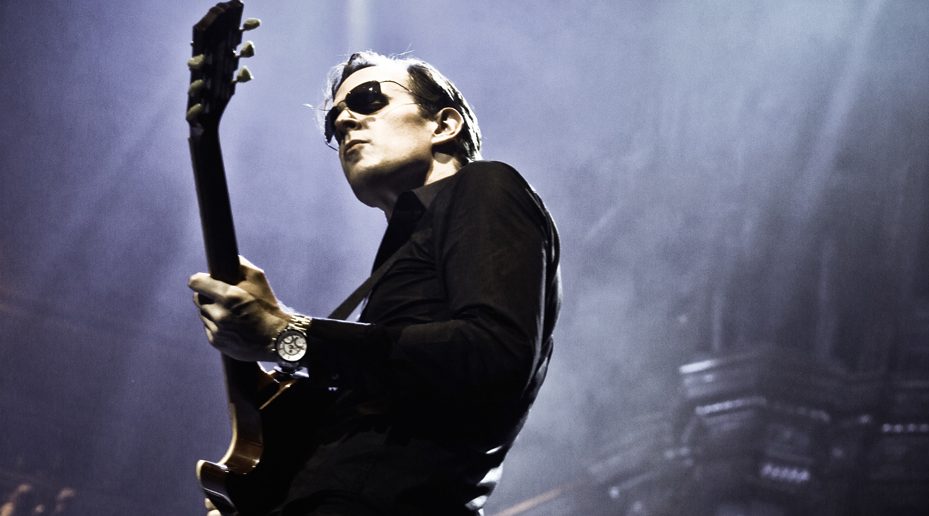
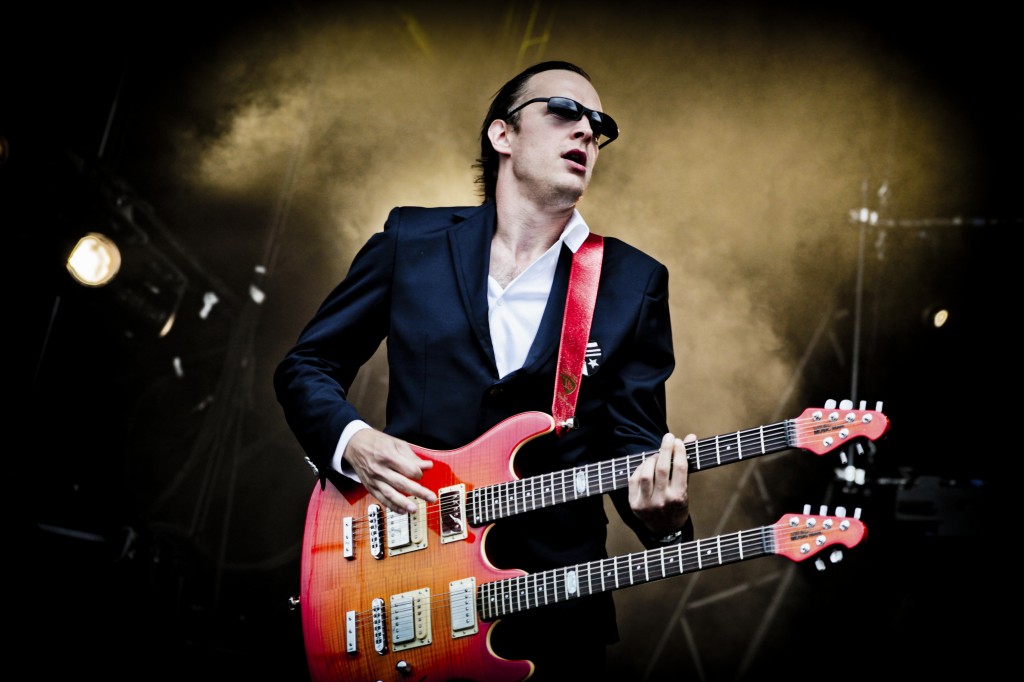
Popular music has changed over the decades, but one truth remains constant – you just can’t beat a good blues man who can rock the guitar. Playing with a band of acclaimed musicians, Joe Bonamassa consistently tops the Billboard Blues Chart and is considered by many (musicians and fans) to be one of the greatest guitarists playing today. Said to deliver a true tour de force on stage, he’s about to bring it to the Chesapeake Energy Arena, 100 W. Reno Ave., Oklahoma City. Inspired by British blues acts of the 1960s and ‘70s as well as Stevie Ray Vaughan, Bonamassa will play an entire acoustic set and an electric set at his concert, 8 p.m. Tuesday, April 8. Tickets are $83.95-$145.05, available at www.chesapeakearena.com.
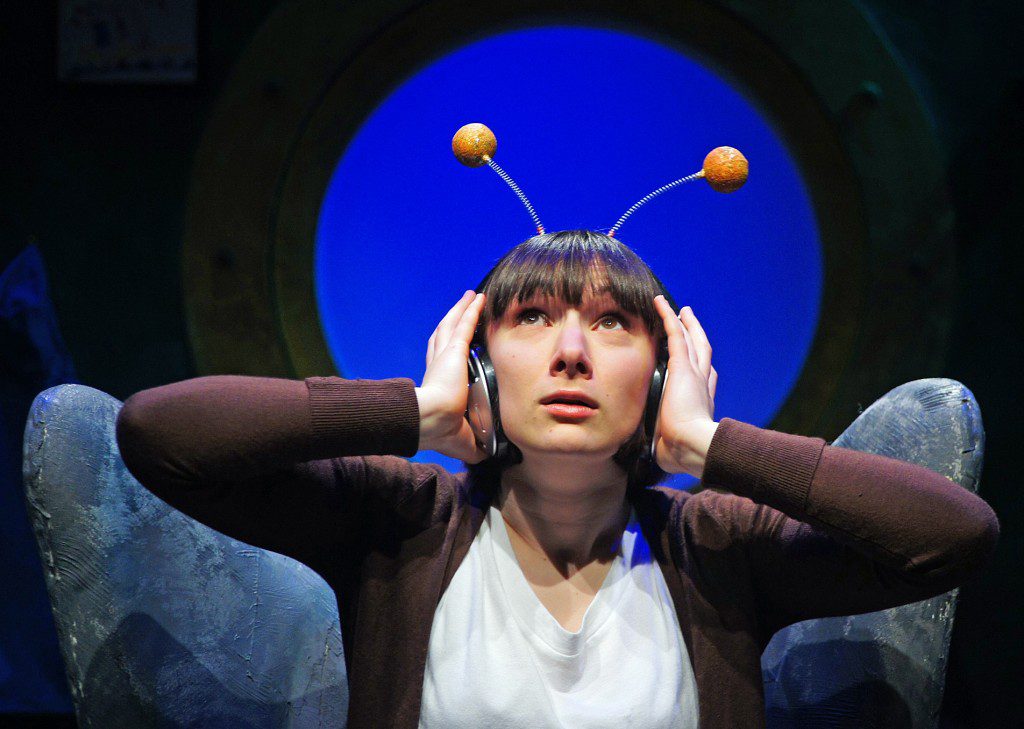
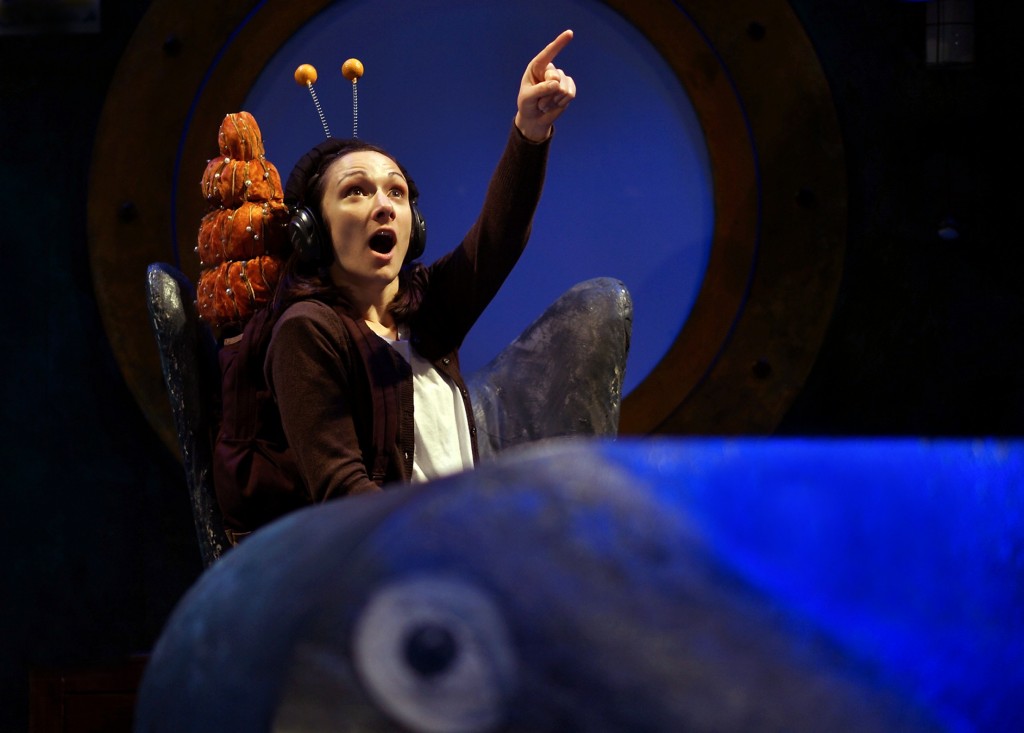
The Tulsa Performing Arts Center Trust welcomes Tall Stories of London, a theater company known for its unique brand of physical storytelling. The group performs an imaginative adaptation of Julia Donaldson’s children’s book The Snail and the Whale at the Tulsa Performing Arts Center, 110 E. Second St., Tulsa. The story about a tiny snail that hitches a ride on the tail of a humpback whale to travel the world is told through a girl and her seafaring father. Shows are at 7 p.m. Friday, March 28, and at 11 a.m. Saturday, March 29. Tickets are $10 and are available at www.myticketoffice.com.
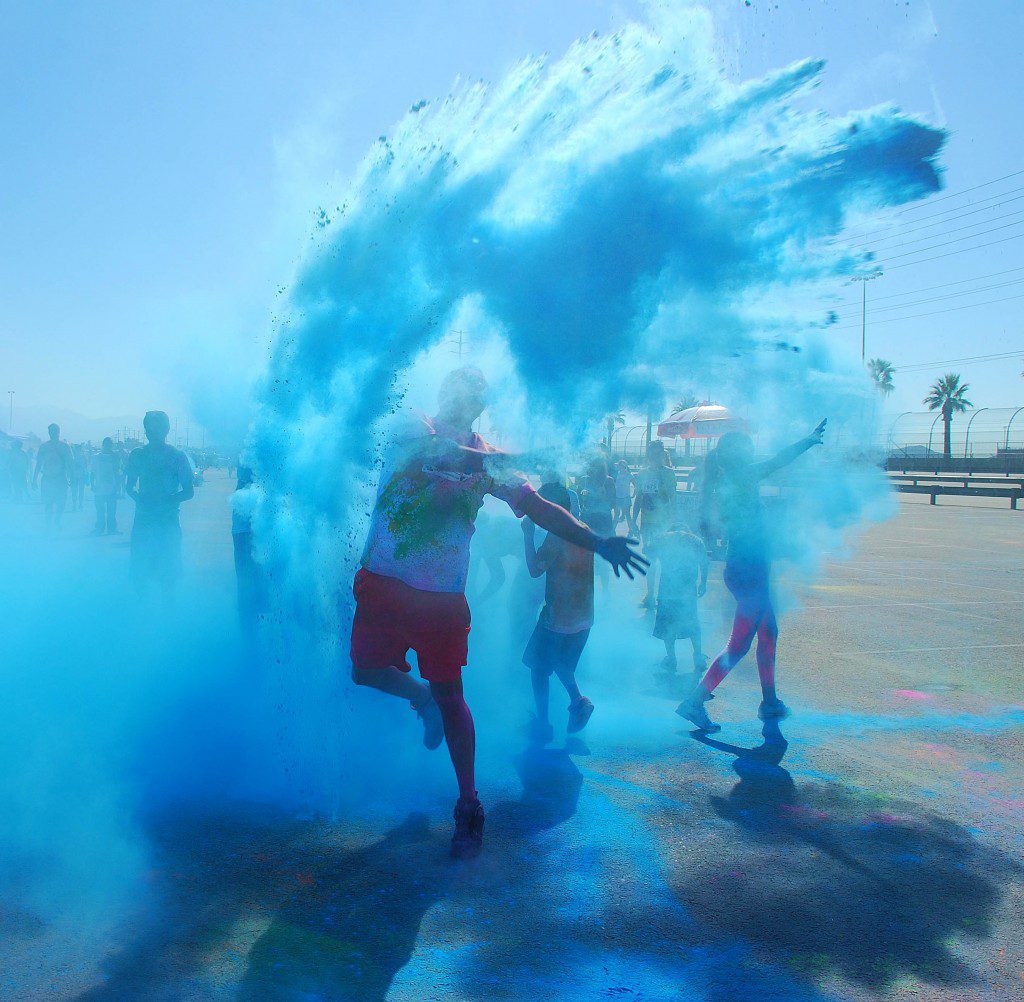
The colors run as fast as you can in this 5k challenge run. Color Me Rad is back at Veterans Park, 1875 S. Boulder Ave., Tulsa, with more cannons firing off rounds of colored cornstarch dousing participants in an array of Muppet-toned hues. Register at www.colormerad.com by Thursday, March 27, and show up in your pristine white outfit on Saturday, March 29, for the first run at 10 a.m. A second wave starts shortly after. Registration is $40. Go online for more information, including race packet and route information and more.
Cher recently kicked-off her big “Dressed to Kill” tour in Phoenix, Ariz., and if the reviews of her splashy, sold-out performance are anything to go by, Tulsa has a big night to look forward to. The grand diva of pop music, film and entertainment performs at the BOK Center, 200 S. Denver Ave., Tulsa, at 8 p.m. Saturday, March 29, in a stunning array of costumes that highlight memorable moments throughout her epic music career. Along with all her biggest hit songs, Cher sings music from her new album, Closer to the Truth. Although she’s has already done the “farewell tour,” “Dressed to Kill,” with its retrospective on the evolution of Cher, may be that spectacularly feathered cap that marks the end of an era – or perhaps a new phase in her stunning career. Tickets are $25.50-$105.50, available at www.bokcenter.com.
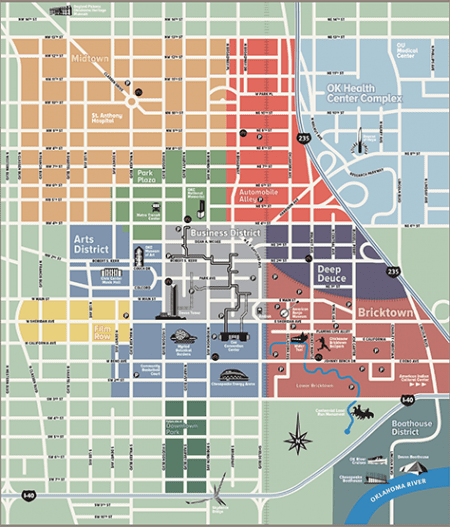
Downtown Oklahoma City’s many districts are color-coded in this map. Rendering courtesy Downtown Oklahoma City, Inc.
Downtown Oklahoma City’s many districts are color-coded in this map. Rendering courtesy Downtown Oklahoma City, Inc.
Not too long ago, neither the downtown streets of Oklahoma City nor those in Tulsa could be described as vibrant. Plagued by poor roads, vacant store fronts and some of the less savory elements of the populace, nobody viewing those bleak streetscapes of two decades ago could imagine them as they are today. Now, as new life is breathed into the hearts of Oklahoma’s largest cities, the dreams of developers and residents alike are finally manifesting.
“The renaissance of downtown Oklahoma City is truly becoming evident, with now-established nodes of activity in districts like Midtown, Automobile Alley and the Arts District, not just Bricktown,” says Ian Colgan, urban redevelopment division manager with the City of Oklahoma City Planning Department. “Urban neighborhoods like Deep Deuce are starting to gel, generating even more interest in downtown living. Investments made through MAPS (Metropolitan Area Projects program) and other sources are generating tangible economic development growth.”
As examples of that growth, Colgan cites the OU Health Sciences Center, the recent addition of a major GE research facility, the renovation of the Journal Record Building, the planned renovation of the Fred Jones building into the 21c Hotel and Art Museum and Devon Energy Tower.
The skyline of Tulsa also has experienced a vivid reimagining. In 2003, Tulsa voters approved a sales-tax increase to pay for the future of their city and county, impacting everything from industry to infrastructure. A decade later, their actions are bearing fruit, and Vision 2025 projects have transformed the face of downtown Tulsa and other areas. A dizzying array of alterations, from the construction of the BOK Center arena to the installation of more parks, sidewalks and pedestrian lighting, have begun to lure both businesses and residents to the heart of the city. In addition, revitalization of historic areas, such as the Brady Arts District, is attracting a robust amount of tourist traffic as well as residents.
“The Vision 2025 projects have been very impactful to our entire city.” says Tulsa Mayor Dewey Bartlett. “We have millions of dollars of investment going in downtown Tulsa today, and while it is not all a result of Vision 2025 projects, projects like the BOK Center certainly sparked an interest in downtown development that has continued to grow. As a matter of fact, Tulsa is one of the top 10 best music scenes in the country. We have always had a strong heritage of musical and artistic talent, but we are really getting recognized as a place to be.
“The BOK Center is a world-class arena with world-class shows, and you can’t stop in Tulsa without catching a show at the Tulsa Performing Arts Center, Brady Theater or Cain’s Ballroom,” Bartlett says. “People are coming downtown for music, fun, food and to live in increased numbers.”
And the transformations to Tulsa’s downtown aren’t set to stop any time soon. Just last fall, citizens passed yet another initiative targeted at major improvements in the downtown area. The Improve Our Tulsa package will dedicate nearly $25 million to further develop roadways, traffic signals and streetscapes downtown. Funds will also go to upgrading water and sewer lines, the development of residential housing downtown and the implementation of a bus rapid transit system that will be headquartered at the downtown Denver Avenue station.
“These enhancements will build on the previously funded public and private improvements that have helped lead to the revitalization of downtown,” says Paul Zachary, engineering services director for the City of Tulsa.
As designer Mel Bean, co-owner of Austin Bean Design Studio, discusses the renovation plans for this midtown Tulsa home, she gives the homeowners plenty of credit.
“We worked together for nearly six months finalizing every detail before the construction began,” says Bean.
In both the kitchen and master bathroom, the renovation was more than replacing finishes and fixtures; both areas were demolished, and the designer and homeowners focused on how the spaces worked.
As the plans took shape, Jim Harden, owner of J & H Remodeling of Broken Arrow, was added to the team. Since the homeowners intended to stay in the house during remodeling, it was important that everyone working on the project coordinate.
For the family with two active children, the long and narrow kitchen needed more width.
“We captured a screened-in back porch and incorporated it into the kitchen,” says Bean.
Job accomplished, the wider kitchen provides room for a central island with eating space. Flanking an oversized apron sink are a trash drawer and dishwasher with a full overlay door hiding their functions.
Existing dark cabinets on opposite walls were replaced with classic white cabinets designed by Bean and running the length of two contiguous walls. The countertops are Carrara marble, and the backsplash is a white beveled mini-brick tile. To create a subtle accent, the tile was installed in a herringbone pattern over the Wolfe range. New, two-inch oak flooring matches the original wood floors throughout the rest of the house.
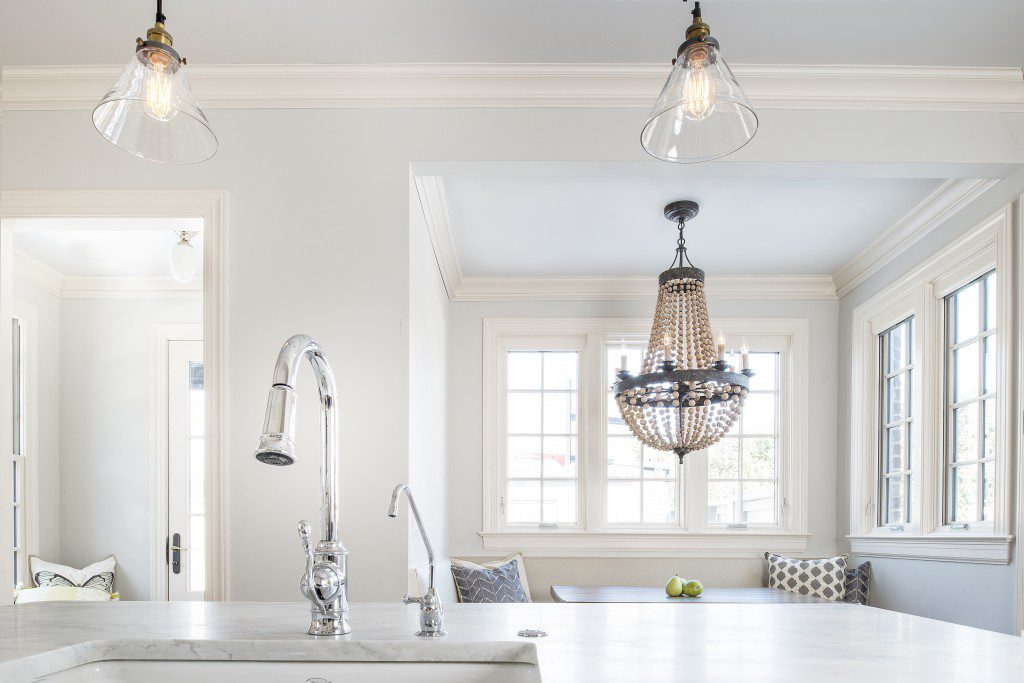
“We added ceiling beams to create architectural detail,” says Bean, “and the upper cabinets were designed around them. Replica vintage industrial glass light fixtures hang over the island and create a sparkle throughout the room.
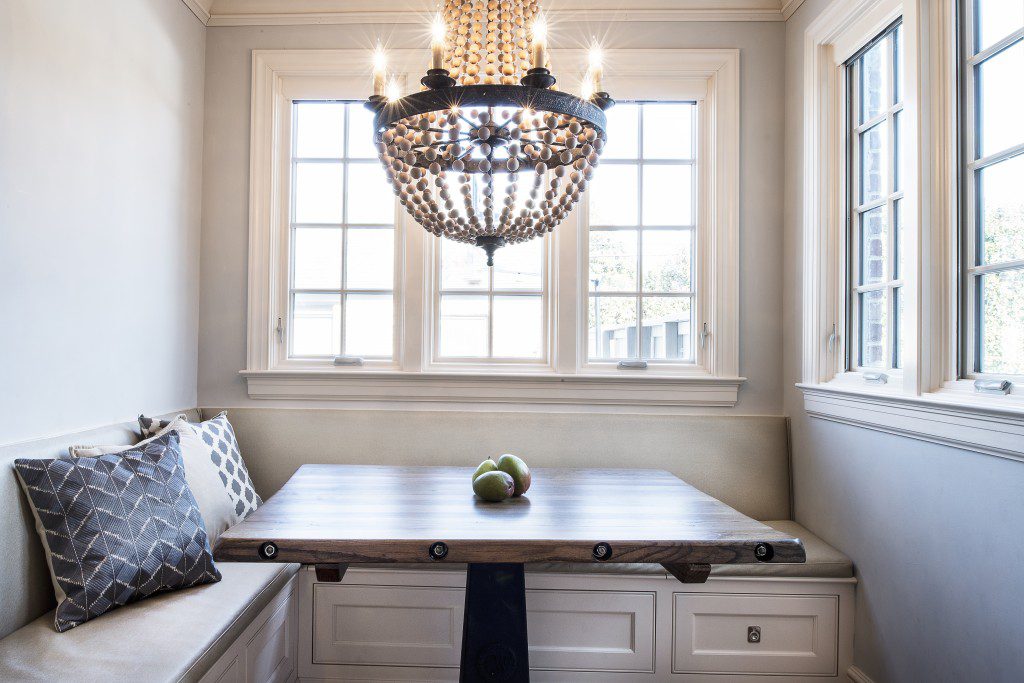
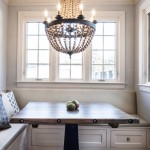
In addition to enlarging the kitchen, the additional space gained from the back porch accommodated a large, built-in banquette providing comfortable seating with storage under the built-in bench. Bean had a custom top built onto a cast iron base. Desiring a casual look, the homeowners purchased a chandelier with an aged patina on the wood and metal.
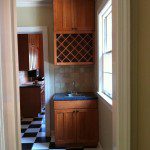
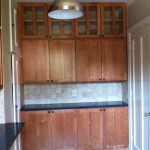
The narrow, dark pantry next to the kitchen was transformed into a smaller, more functional pantry room with a dedicated bar and desk space.
The master bathroom also went through extensive renovation. An existing bathtub was removed and replaced with an oversized shower. The toilet was relocated to another wall, allowing the countertop to be doubled in length for two sinks.
To keep the space open and light, the same white cabinetry used in the kitchen was used in the bath. The countertop is also Carrara marble.
“The original floor tile was very fun, but it just wasn’t in good shape,” says Bean. The team chose a one-inch Carrara marble hexagonal tile in a honed finish for the floors. Carrara and Thassos marble tiles also create a chevron-patterned accent wall.
“This project was truly a team effort,” says Bean.
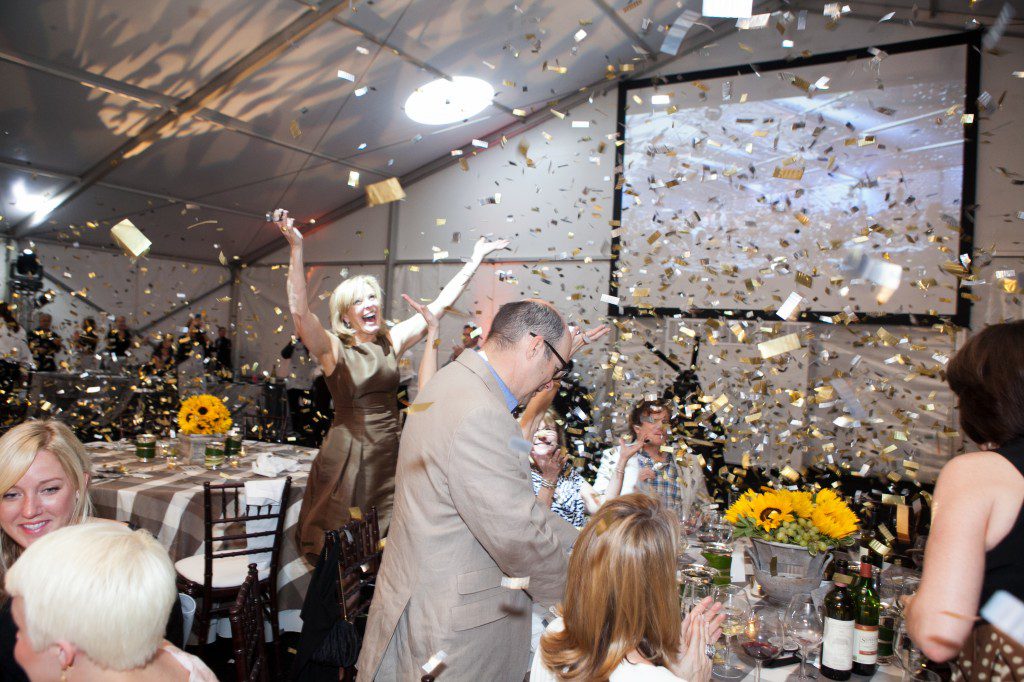
2012 Philbrook Wine Experience. Photo courtesy Philbrook Museum of Art.
2012 Philbrook Wine Experience. Photo courtesy Philbrook Museum of Art.
There’s a science to the art of winemaking. The scientific, technical side has been practiced for thousands of years – smash grapes and add yeast that consumes the sugar and converts it to alcohol. But the other part of winemaking – the artistic side – is where the real magic happens.
Anyone can learn the chemistry, but artistry separates connoisseur-quality wine from the mediocre. The grapevine is a vintner’s palette, and its fruits are the colors used to build a beautiful work of art. In this way, vintners and traditional artists are the same: They are masters of creative expression.
An exceptional museum is no different. By bringing objects of beauty, skill and vision to its halls and inviting the community to experience them, museums are society’s medium to creativity and innovation. Philbrook Wine Experience celebrates this excellence.
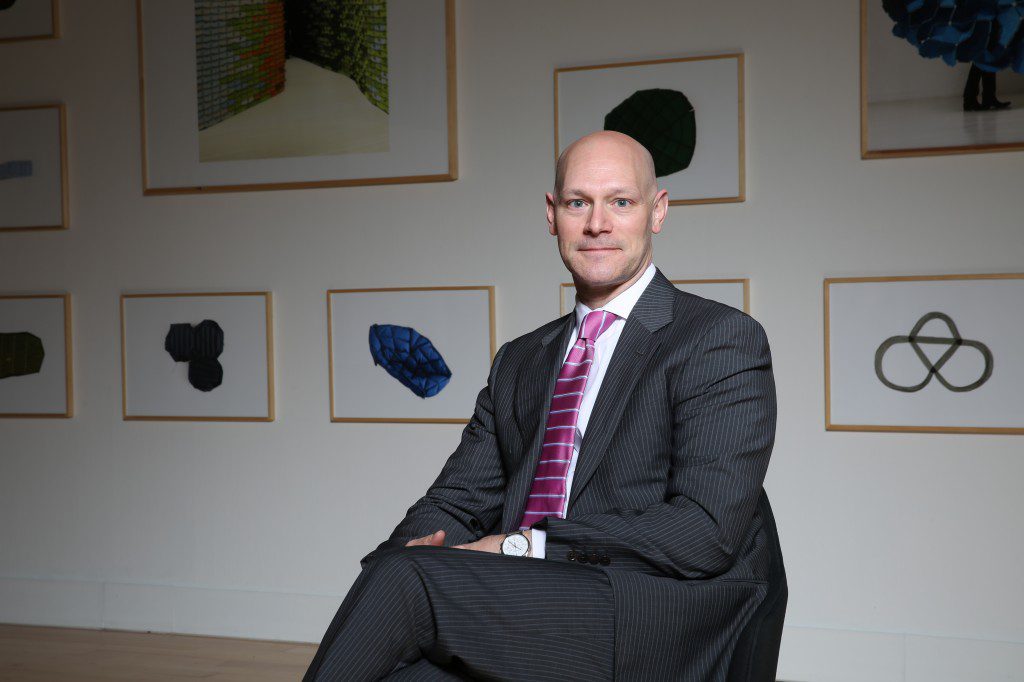
Philbrook Museum of Art Director Rand Suffolk’s hope is that Philbrook will “be everyone’s museum.” Photo by Brandon Scott.
Art As Educator
More than a general art museum, Philbrook is considered “Tulsa’s crown jewel,” an institutional masterpiece exemplifying the great strides of local involvement and investment.
Committed to growing its permanent collection and community spaces, the museum is host to intriguing exhibitions presenting the finest examples of artistic achievement from near and far.
“As an organization, we want the broadest possible public engagement. We want to be everyone’s museum,” explains Rand Suffolk, director of Philbrook Museum of Art.
Philbrook enjoys an annual audience of nearly 150,000 visitors, and the museum’s steady growth in attendance has proven that with the right leadership, selfless generosity and proactive ingenuity, barriers to fine art museums – both real and perceived – can be broken.
Special events, such as the biennial Philbrook Wine Experience, open doors to art for many while raising funds essential to the museum’s future growth. The 2012 event raised an impressive $2.4 million, making Philbrook Wine Experience the largest fundraising event in Oklahoma and among the nation’s top 10 wine events.
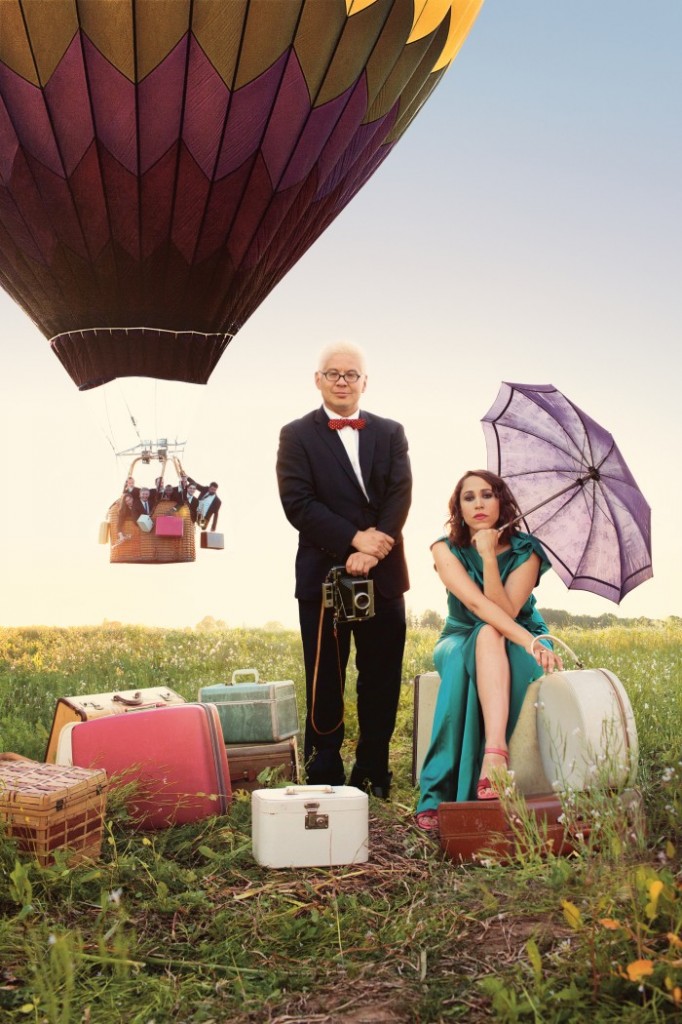
Oklahoma City Civic Center Music Hall will be all bubbly this weekend when pops band Pink Martini gets downtown Oklahoma City swinging to standards and favorites. The band, featuring 10-12 musicians and vocalists, has an international repertoire and has played with more than 50 orchestras around the world at such venues as Los Angeles’ Hollywood Bowl, London’s Royal Albert Hall and Carnegie Hall in New York City. The Oklahoma City Philharmonic has the band’s back when it plays at 8 p.m. Saturday, March 29, at OKC Civic Center Music Hall, 201 N. Walker Ave. Tickets are $30-$100 each and are available at www.myticketoffice.com.
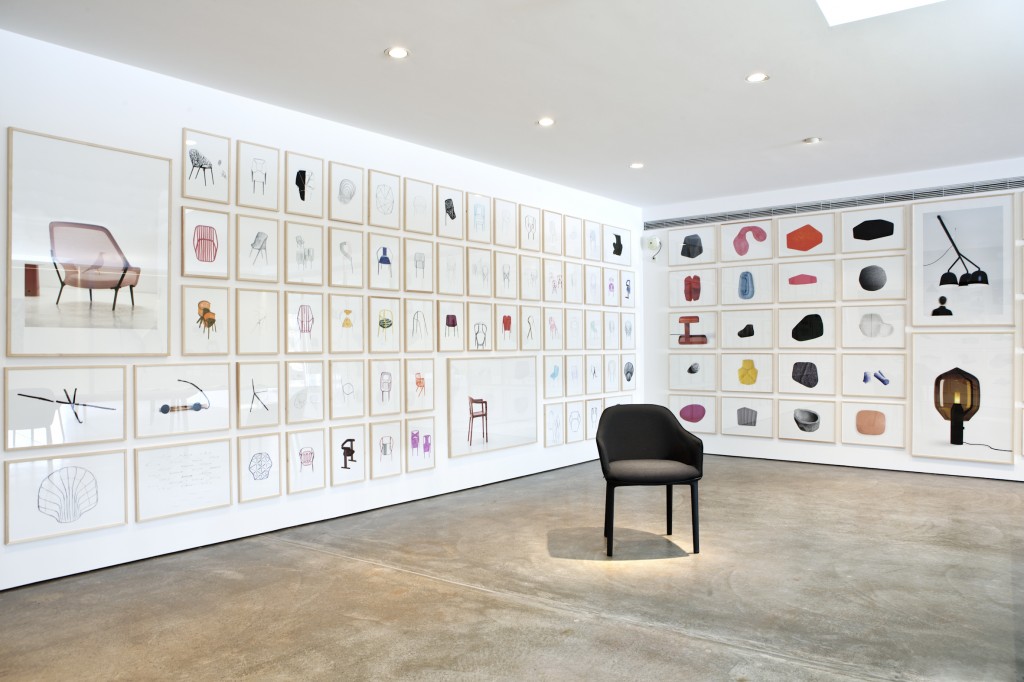
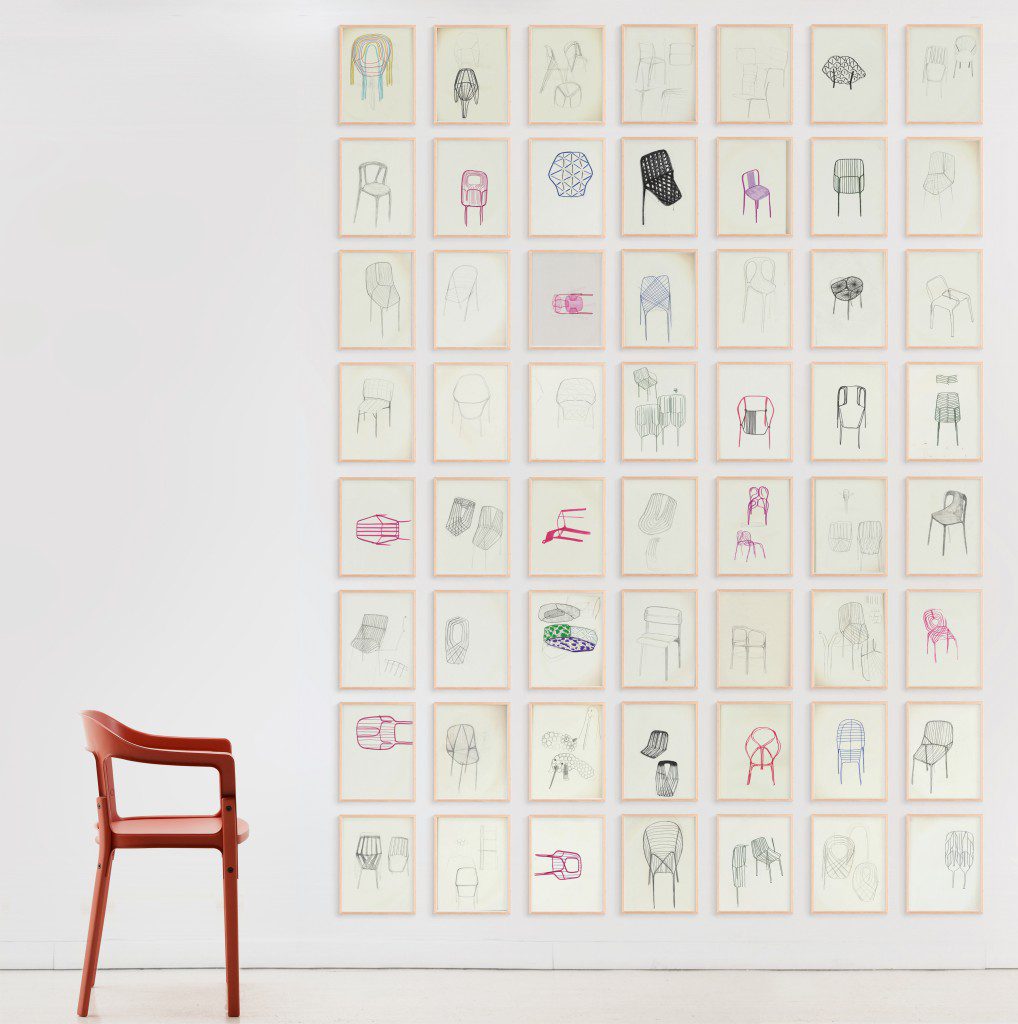
Philbrook Museum of Art’s exhibition Ronan & Erwan Bouroullec: Album takes a definitive look at the creative spontaneity that led to some of the brother design team’s most amazing works. As part of the exhibit, which continues through May 11, Philbrook brings museum patrons even closer to the experience with a guest lecture that’s anything but dull. “Bouroullecs – From Pen to Product” brings Michael Darling, James W. Alsdorf chief curator of the Museum of Contemporary Art Chicago, to share his insight on the drawings the Bouroullecs used to build their masterful designs and creations. The lecture is at 6:30 p.m. Thursday, March 27, at Philbrook, 2727 S. Rockford Road, Tulsa, and is open to the public. Tickets are $6.45-$8.29. The exhibit Ronan & Erwan Bouroullec: Album continues through May 11. For more, visit www.philbrook.org.