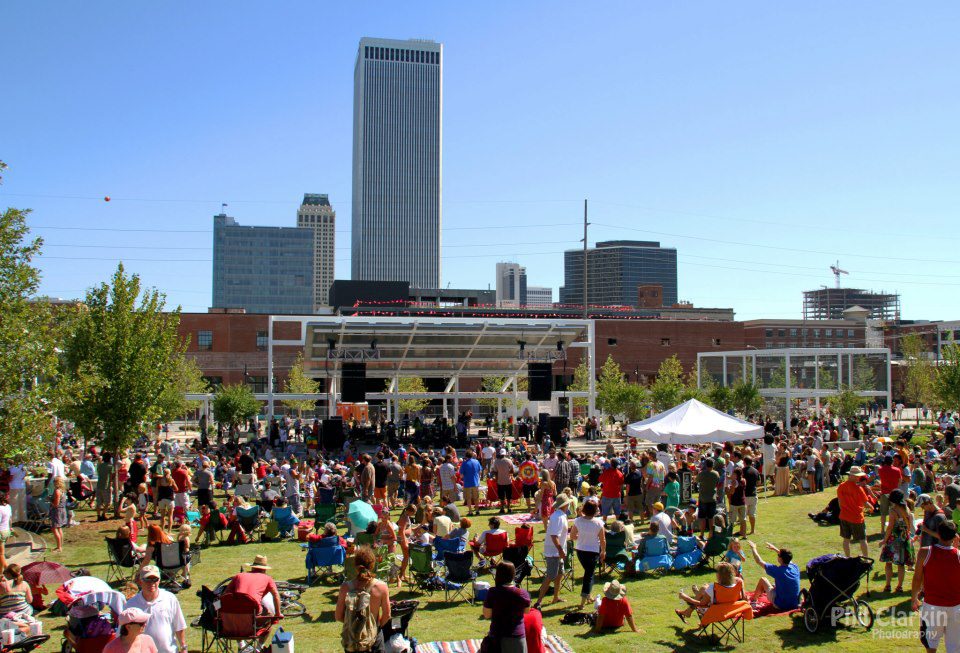
It was a long, rough winter for many, which means most of us are looking forward to warm days ahead filled with live music and fun outdoors. The Guthrie Green books another round of entertainment and more on the lawn beginning this weekend. First, the Guthrie Green welcomes a taste of the upcoming Norman Music Festival. Tulsa band All About a Bubble plays the green at 7 p.m. Friday, April 4. Presented by the Tulsa Film and Music Office, the band offers a sampling of what they’ll play at the big Norman concert event later this month. The official Guthrie Green opening day celebration takes place on Sunday, April 6, with great bands on the stage. Look for the Erica James Band at 2 p.m., the Tequila Songbirds at 3:30 p.m. and the Eric Himan Trio at 5 p.m. Arrive earlier in the day and take advantage of the Sunday Market from 10 a.m.-2 p.m. every Sunday through the end of October. Events are free and open to the public. To learn more about events and other information, visit www.guthriegreen.com.
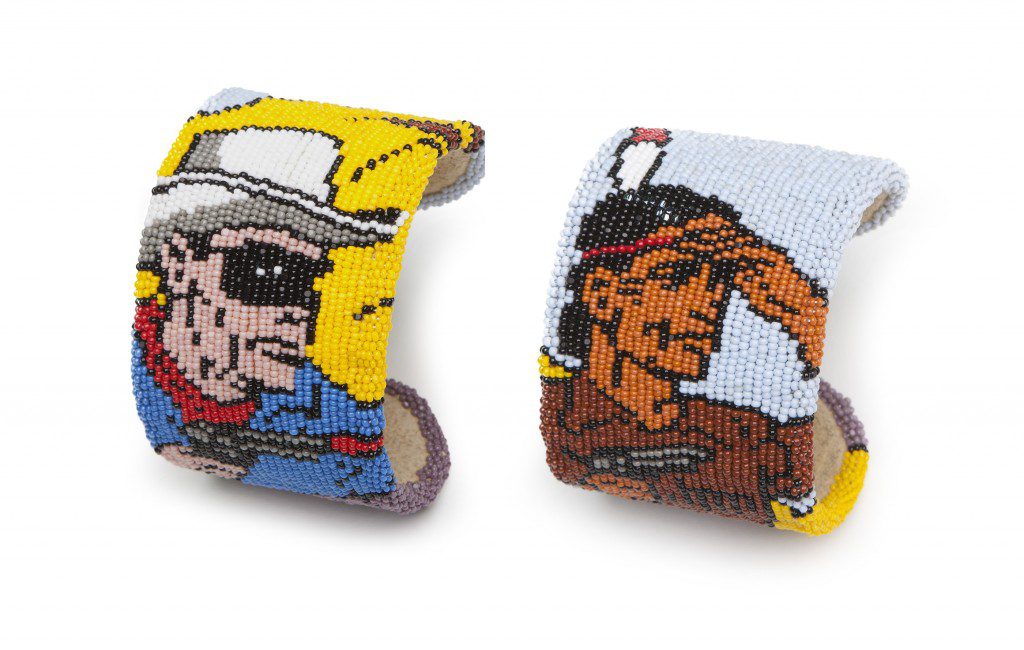
Beaded bracelets (Lone Ranger and Tonto), 1999, by Marcus Amerman (Choctaw). Photo courtesy Philbrook Museum of Art.
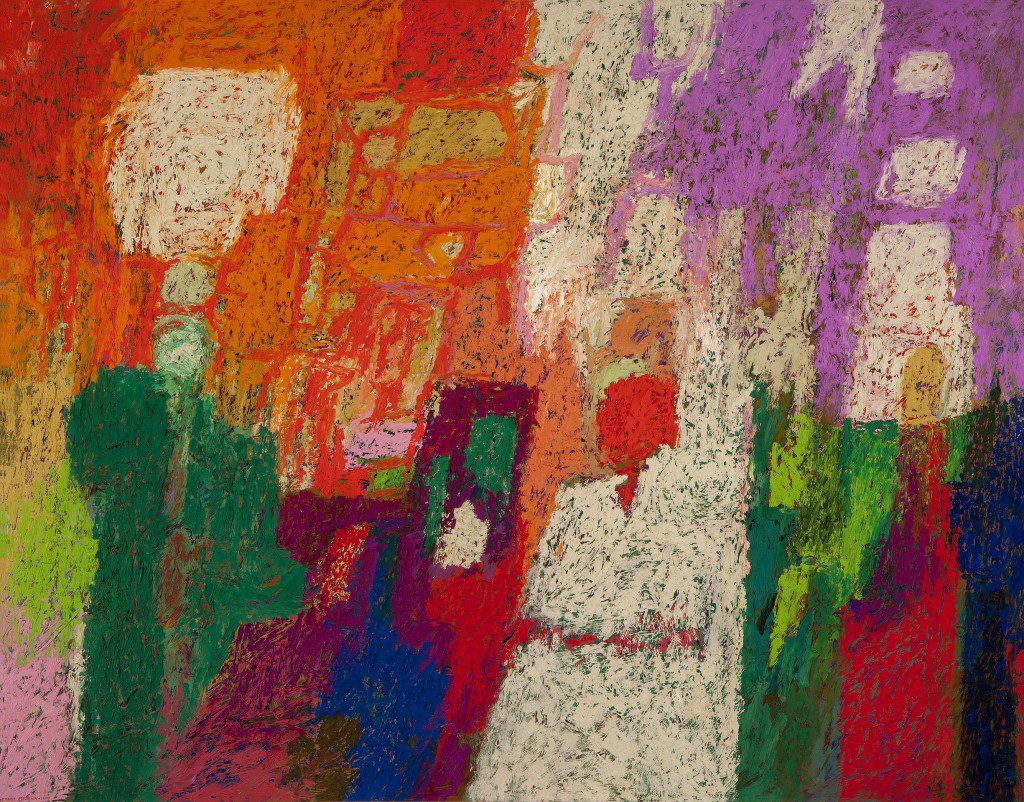
Ex-Patriot, 1964, by George Morrison (Chippewa). Image courtesy Philbrook Museum of Art.
Saturday, April 5, 8 a.m.-5:45 p.m.
Philbrook Museum of Art spends a day examining Identity & Inspiration: Creativity in 20th & 21st Century Native American Art, a symposium from 8 a.m.-5:45 p.m. Saturday, April 5. With its own collection of Native American art spanning centuries, Philbrook welcomes guest speakers W. Richard West Jr., president and CEO of the Autry National Center in Los Angeles; Nancy Mithlo, associate professor of art history and American Indian studies at the University of Wisconsin-Madison; Kathleen Ash-Milby, associate curator of the National Museum of the American Indian in Washington, D.C.; W. Jackson Rushing III, professor and chair of art history at the University of Oklahoma; and Gerald McMaster, independent curator and scholar. The day will include looks at collections at the museum, 2727 S. Rockford Ave., as well as the exhibition Identity & Inspiration at Philbrook Downtown, 116 E. Brady St. Tickets are $25 each, available at www.philbrook.org.
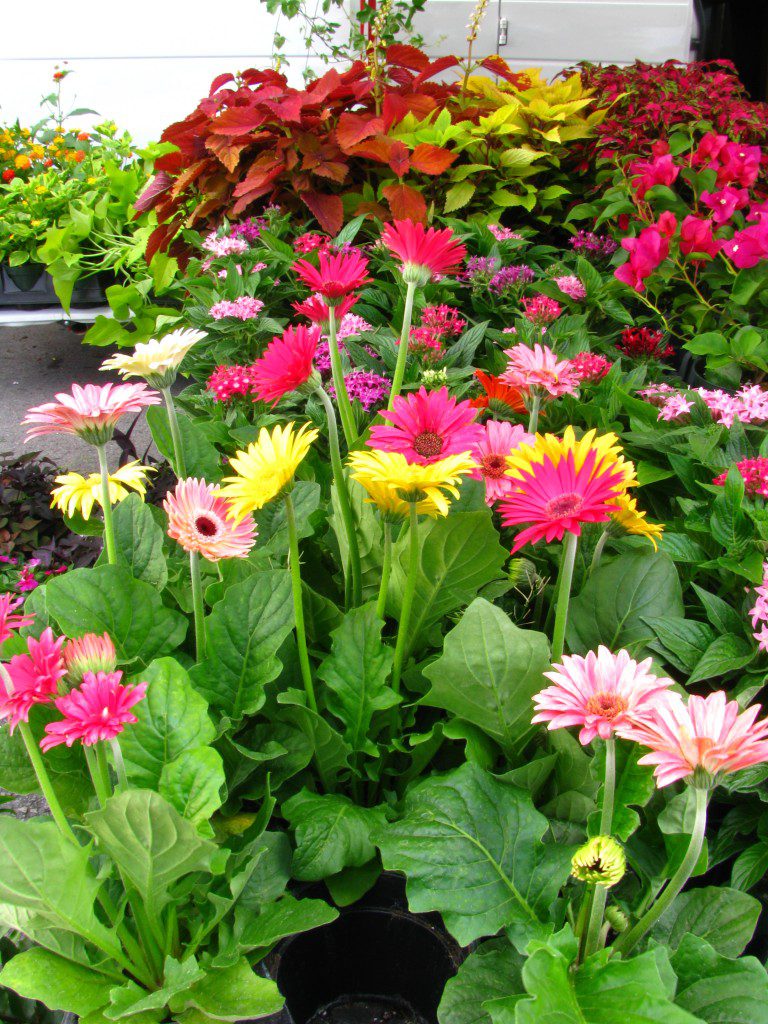
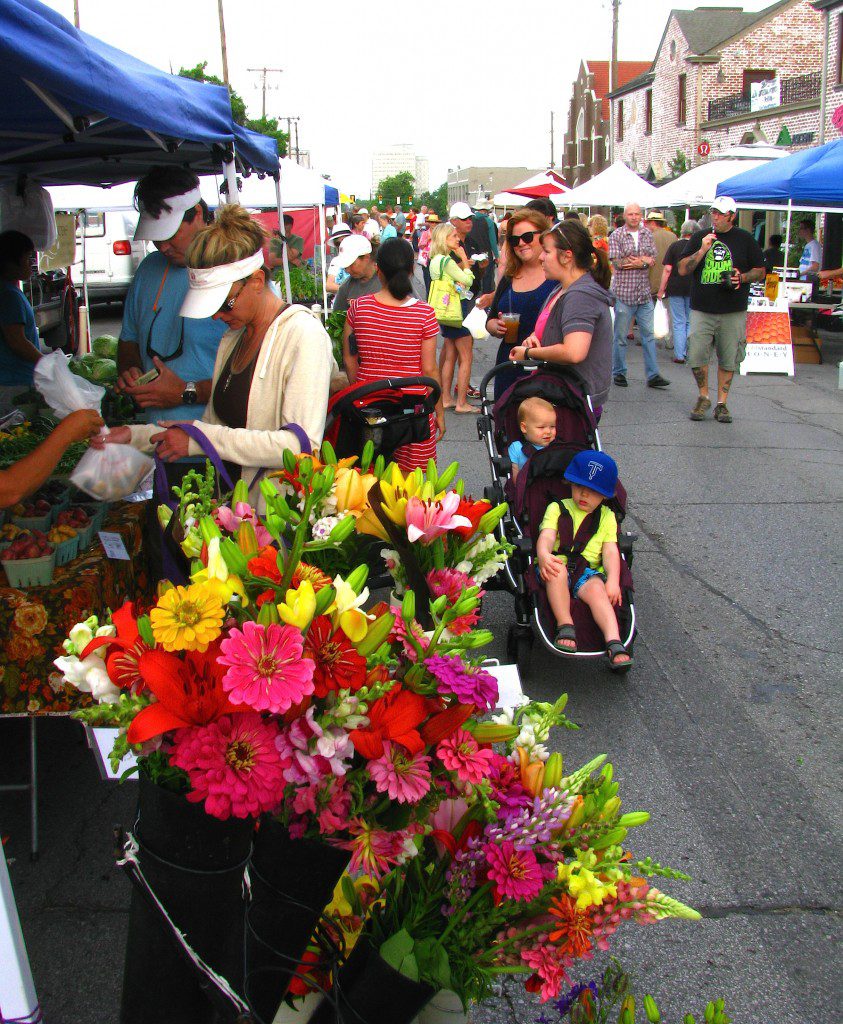
Why did the farmer leave the dell? To set up a booth at the Cherry Street Farmers’ Market on opening weekend, Saturday, April 5, from 7-11 a.m. Show up early for great selections of locally-grown produce, farm-raised meats and other products gathered and created in the region by enterprising individuals we call friends and neighbors. Also look for caterers preparing special selections for the Saturday morning crowd. The market is located on 15th Street between Peoria and Rockford avenues. For more, check out www.cherrystreetfarmersmarket.com.
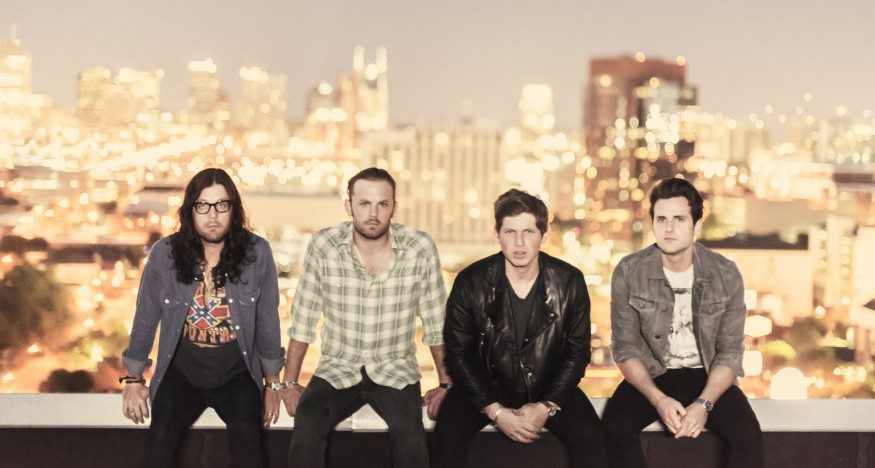
They’re headlining Chicago’s three-day Lollapalooza music festival in August, but you can have the Kings of Leon all to yourself (kind of) Tuesday, April 8, at the BOK Center, 200 S. Denver Ave., Tulsa. The Followill family of rockers are on the second leg of an American tour for the band’s latest album, Mechanical Bull, its sixth. The Nashville band with Oklahoma ties – the brothers and cousin grew up for a time in the state – hit it big in 2008 with singles such as the Grammy Award-nominated “Sex on Fire.” Special guest band Local Natives open the show at 7:30 p.m. Tickets are $29.50-$59.50, available at www.bokcenter.com.
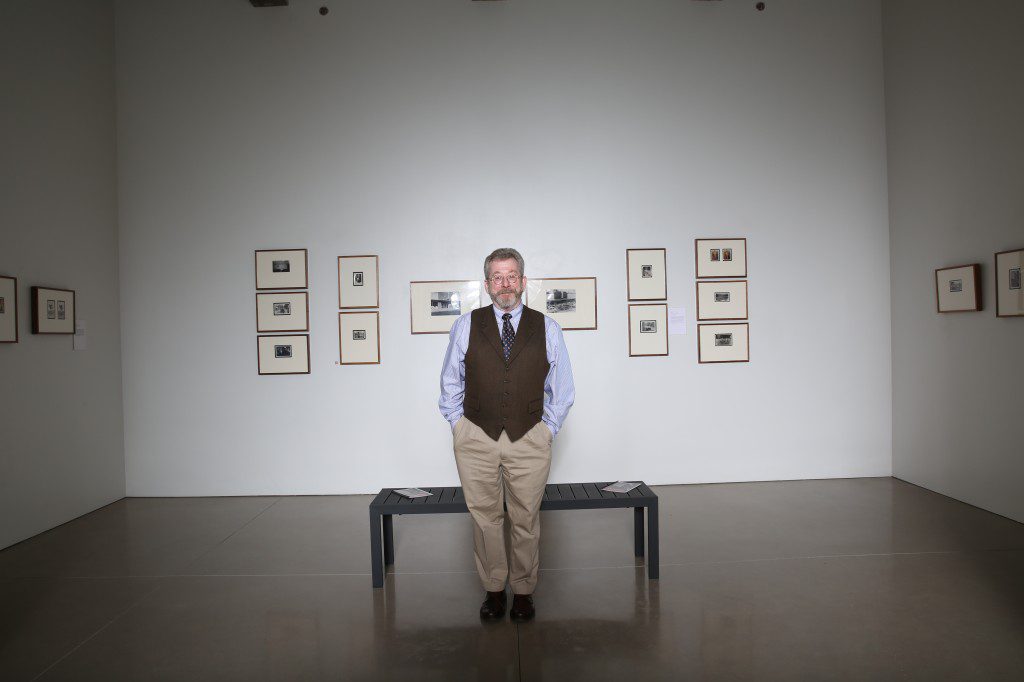
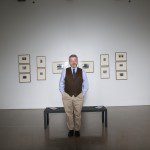
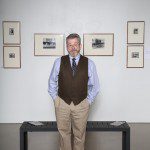
Fitzerman stand among the photos in Unexpected. Photo by Brandon Scott.
“I bought my very first picture at a shop in Atoka, (Okla.) right before I stopped for fries and a Coke.”
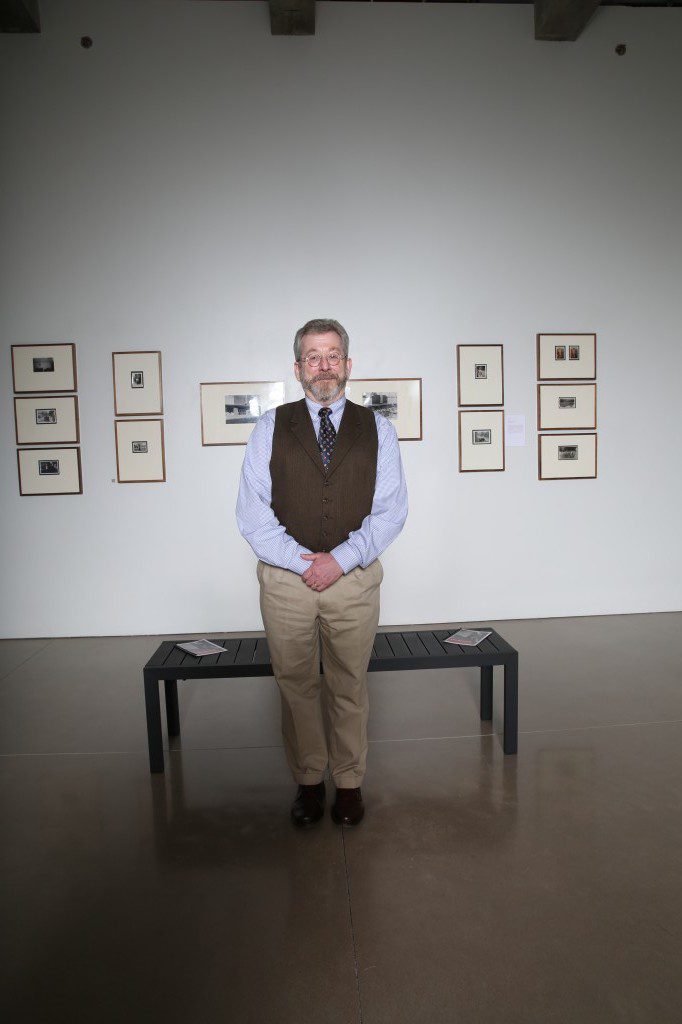
This is where Rabbi Marc Boone Fitzerman’s fascination with old photographs began.
“The dapper young man depicted in the photo has the perfect geometry of a Renaissance prince in an Old Masters painting,” Fitzerman says. “When a photograph reveals some inner world of mathematically perfect forms, I can’t stop looking.”
This trance has culminated in a 40-photograph exhibit called Unexpected, which runs through May 11 at Philbrook Downtown.
This exhibit of “vernacular photography” in some ways explores both the development of popular photography and the forgotten photographs that litter antique malls and flea markets across America.
Fitzerman notes that when “we take a camera in hand, it’s typically to record or memorialize, not to fulfill a grand, self-conscious ambition. Many photographs were taken in this commemorative spirit, including snapshots, vacation Polaroids, industrial and trade images and pictures shot in small-town studios by journeymen photographers.”
Examples of these types of photographs can be viewed in the exhibit. They are material “largely ignored in the official narrative of photography, which has its own heroes and virtuoso performers,” he says.
But vernacular photography – photography of the people, of the average citizen – also has much to bring to the contemplation of the art of photography.
It is not so much the story of the photographs that compels Fitzerman as the matter of discernment, which evokes a series of questions for him: What does the image disclose about the world of the photographer? What was she or he likely trying to communicate? Are there thoughts and emotions that the image triggers?
These questions of artistry and psychology intersect with Fitzerman’s work as the leader of Tulsa’s Congregation B’nai Emunah, a position he has held since 1985. Fitzerman says that he talks about photography a lot at the synagogue because he thinks there is a “natural affinity” between Jews and photography.
“Everyone knows the problem of the Second Commandment: The making of images offends against the standards of the first Israelites,” he says.
However, he adds, “photography is right on the border of ‘making’ and ‘taking.’ For Jews entering the world of Western art in the 20th century, photography was a good fit. It allowed them to participate fully in the fashioning of art and somehow honor the taboo against graven images.”
None of Fitzerman’s own works appear in the exhibit. Instead, Fitzerman says, “People have begun to hand me photographs they think I might find interesting.”
These gifts came with a price, though.
“I used to think it was strange to handle this material, and it made me feel awkward and conflicted,” he says.
Yet, the unique aspect of this exhibit is that the “refuge” he has made for these photographs can be altered.
“If anyone sees a family member in an exhibition or a display, I’d be glad to surrender the picture on the spot,” he says. “Vernacular photographs are lower to the ground, democratic and approachable. I think we love them because they feel close to the bone. Every one of them could be a shot from our own family albums.”
Photo by Brandon Scott.
Photo by Brandon Scott.
Rabbi Marc Boone Fitzerman and Philbrook Director Rand Suffolk at Unexpected. Photo by Brandon Scott.
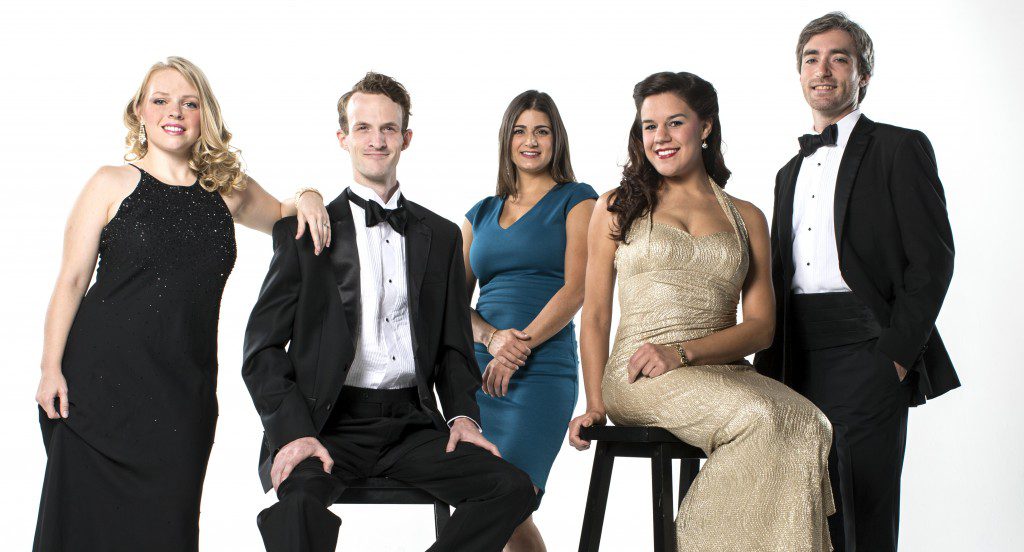
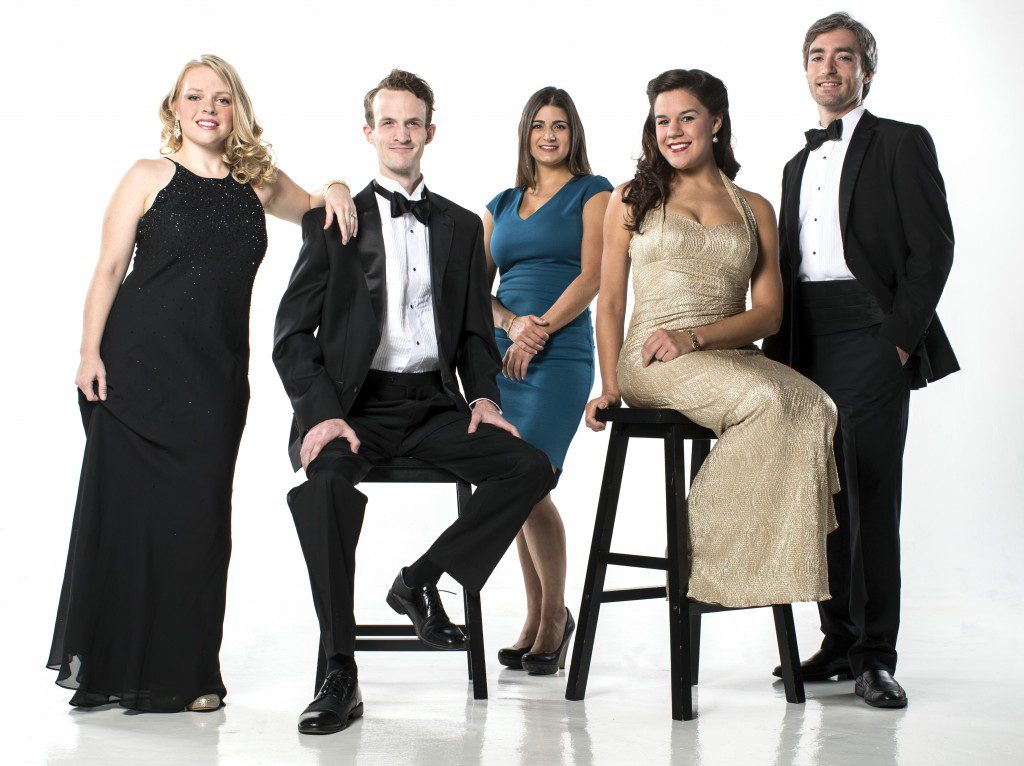
The future of opera is here, and it trots the Charleston this weekend at Philbrook Museum of Art. Tulsa Opera puts its Tulsa Opera Studio, a training program for young artists in opera, out front at 2 p.m. Sunday, April 6, in the Patti Johnson Wilson Hall at Philbrook, 2727 S. Rockford Road, Tulsa. Five young artists portray characters in selected scenes from John Harbison’s opera The Great Gatsby, based on the F. Scott Fitzgerald novel of a decadent 1920s playboy and lost ideals. Tickets are $10-$12 and can be purchased at www.tulsaopera.com.
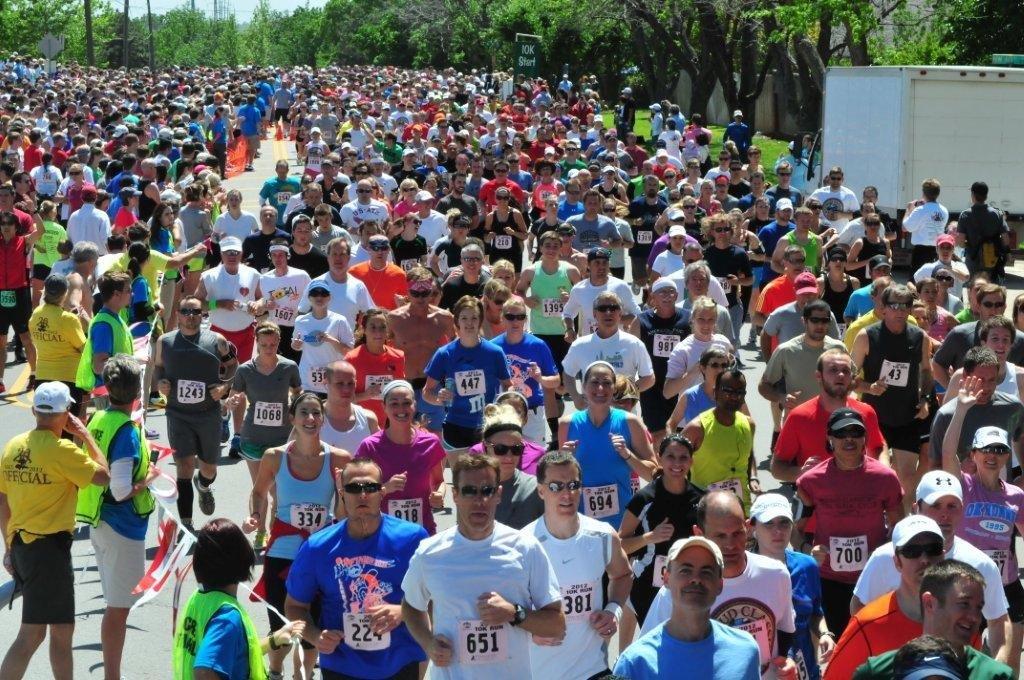
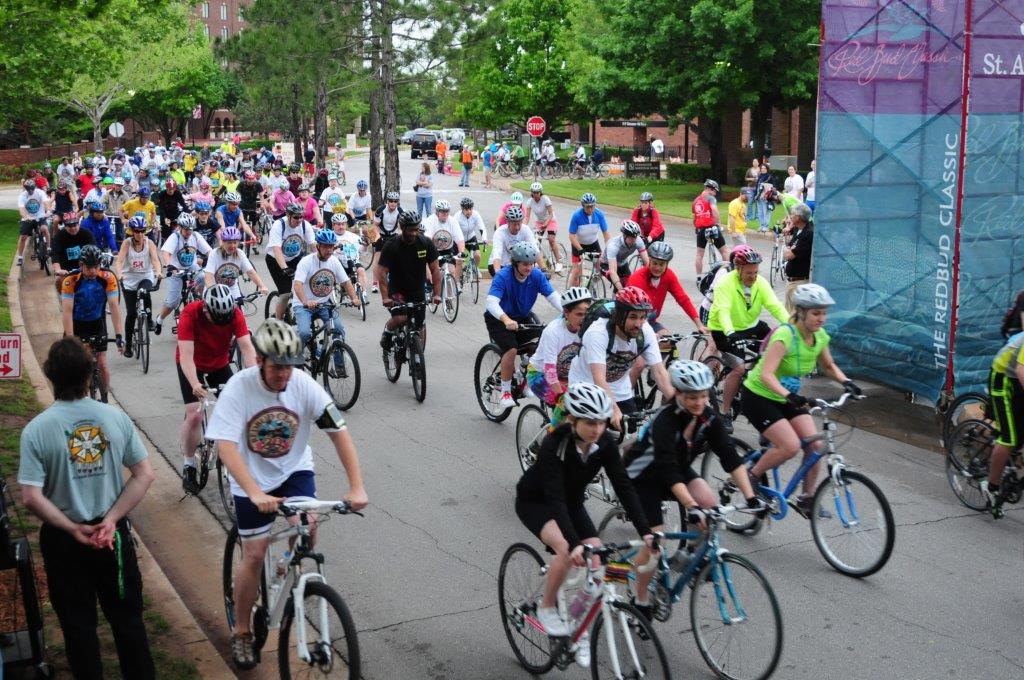
If you think the Redbud Classic is nothing but a running, cycling, biking and fitness event, you’ve missed the mark. The 32nd annual event features all those things, true, but with an emphasis on family and community, the Redbud Classic does as much to encourage a healthy collective mindset as it does healthy bodies. Find your spot in the weekend festival taking place Saturday, April 5, to Sunday, April 6, in Oklahoma City’s Nichols Hills District. Registration continues through the weekend and is $30 (one event)-$50 (two events) through Friday, April 4, and $35-$65 during the weekend. For a schedule and more information, visit www.redbud.org.
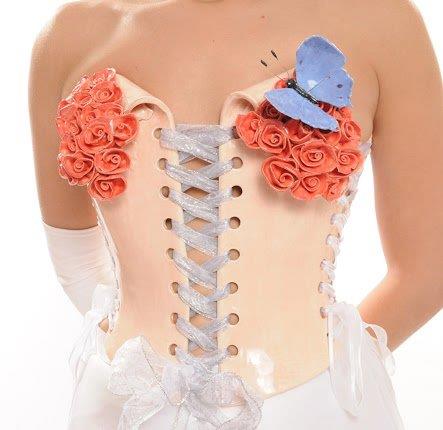
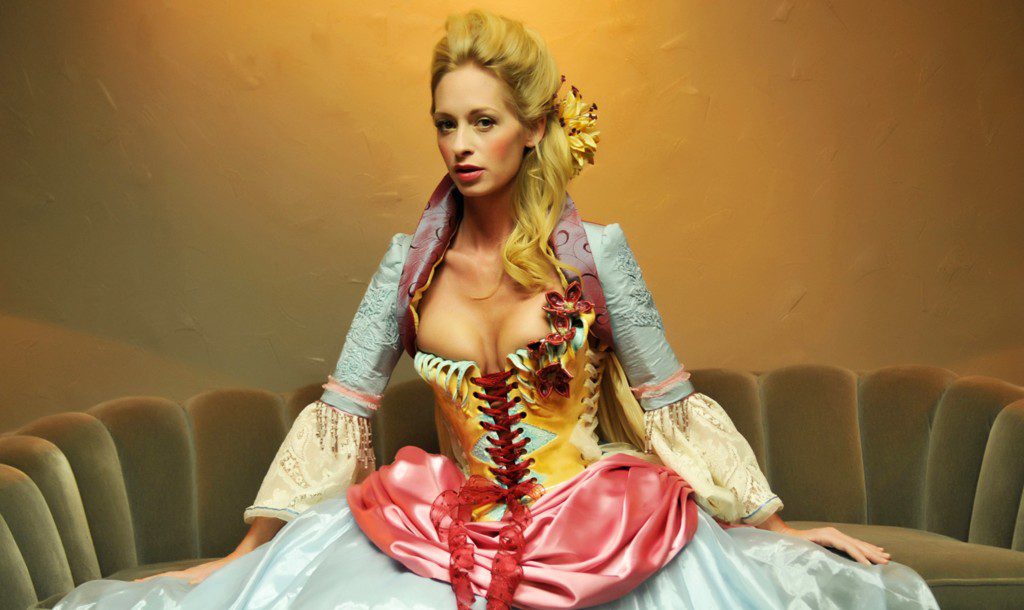
The work of ceramic artist Nicole Moan will be featured throughout the month of April at the Dennis R. Neill Equality Center. An Oklahoma City sculptor who also works in tile, murals, jewelry and fashion, Moan is best known for her sculpted corsets, which are made from clay and fitted together with fabric. On their own or worn by a model, these works undoubtedly stand-out in the contemporary art scene for their form and fashion functionality. The show, Wakening, opens Thursday, April 3, with a reception from 6-9 p.m. in the art gallery at the equality center, 621 E. Fourth St., Tulsa. For more, visit www.okeq.org.
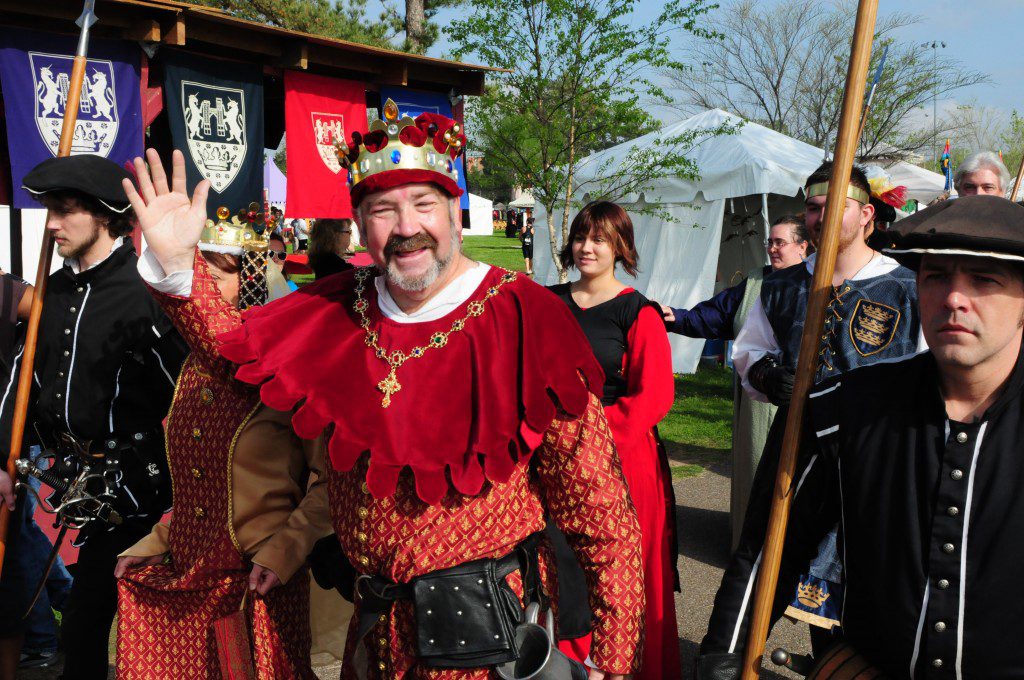
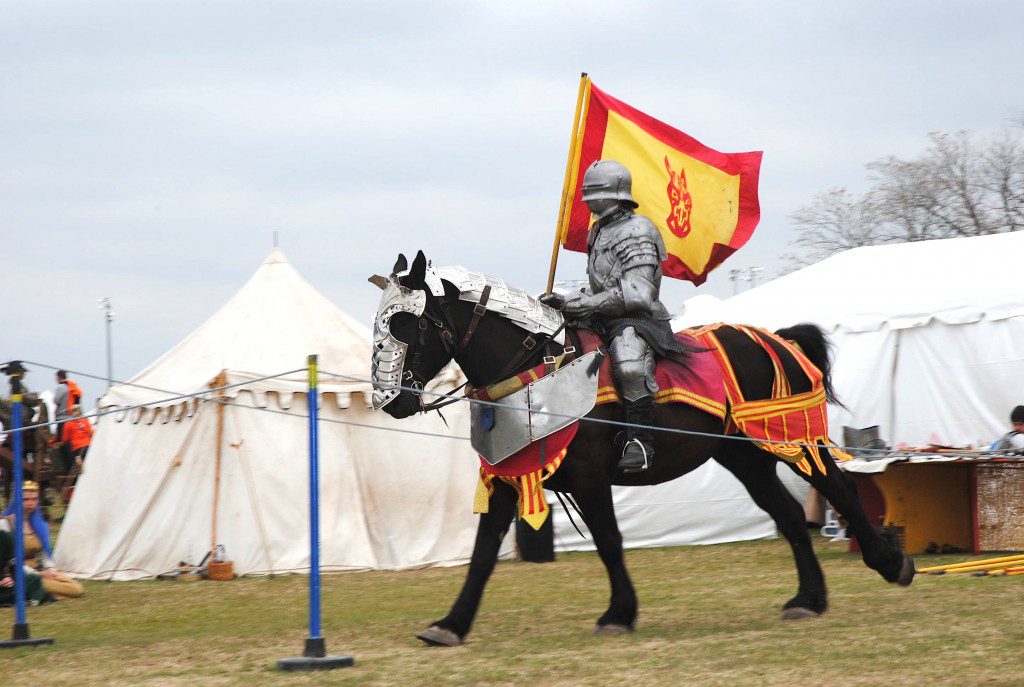
Dig out your best chainmail and tunics the 38th annual pageant of mirth, merriment and minstrels wandering Medieval Fair in Norman. The festival takes place Friday, April 4-Sunday, April 6, at Reaves Park, 2501 S. Jenkins Ave., Norman, and features costumed characters dressed as kings, queens, mermaids, pirates, fairies and knights plus attractions like jousting and human chess games. A stroll through the medieval village offers more than 200 arts and crafts booths selling leather crafts, stained glass, pottery and jewelry as artisans demonstrate their works and skills. The fair is one of the largest events in the state, and it’s free and open to the public. For more, go to www.medievalfair.org.
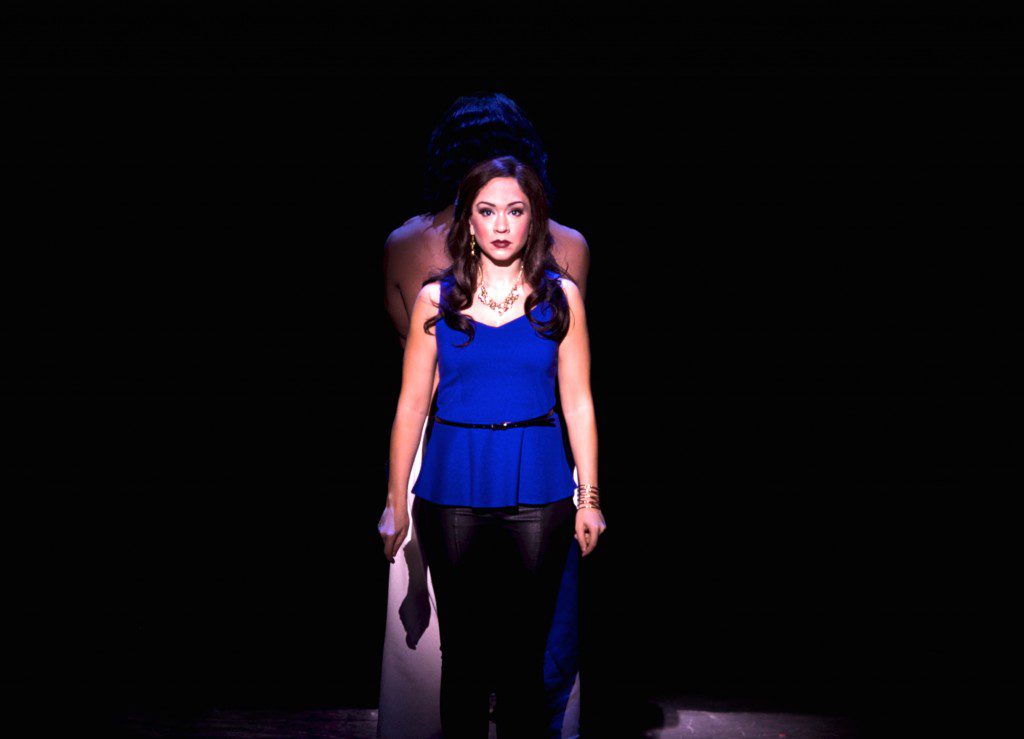
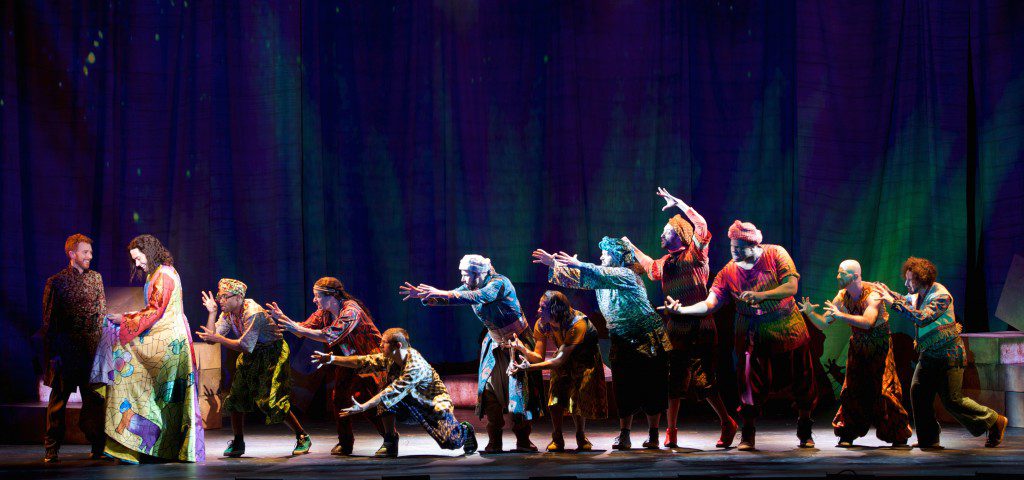
The touring musical production of Joseph and the Amazing Technicolor Dreamcoat continues its run at the Tulsa Performing Arts Center this week before it moves to Oklahoma City. The Tim Rice and Andrew Lloyd Webber musical based on the Bible story of a shepherd’s ultimate revenge on the brothers who sold him into slavery is set to rockin’ tunes. Starring American Idol alumni Ace Young and Diana DeGarmo, Joseph plays at the PAC, 101 E. Third St., through Sunday, April 6. The musical then heads for Oklahoma City Civic Center Music Hall, 201 N. Walker Ave., to open a week-long run beginning Tuesday, April 8. Tickets for the Tulsa show are $20-$60. Tickets for the Oklahoma City performances are $24-$70. Get yours at www.myticketoffice.com.