We’re closing out some seasons, opening others, and getting excited for some outdoor sporting shenanigans this April.
The Tulsa Drillers are back and better than ever at the ONEOK Stadium this month. You can catch them at home April 3, 9-14, 23-28 and 30. At the BOK Center, enjoy the last of the Tulsa Oilers’ hockey season, April 5 and 14. On the flip side, Tulsa Oilers’ football offers games at BOK on April 6 and 20. Stick around the concert hall for the Harlem Globetrotters on April 7 and Smoke and Guns IX on April 27. At the latter, Oklahoma firefighters and police officers box it out for charity. Other sporting events in Tulsa include the Oklahoma Buckskin’s Bloomin’ Blowout on April 6-7 at Expo Square, along with XFN 393 – an MMA and kickboxing match – at River Spirit Casino Resort on April 19.
In Oklahoma City, you can visit Paycom Center for one of several OKC Thunder games this month, on April 9-10, 12 and 14. Additionally, visit RiverSport OKC on April 26-27 for Olympic team trials for events like canoeing, kayaking and slaloming.
College baseball and softball heat up this month. At Norman’s Love’s Field, see the OU softball team play April 11-13 and 19-21. Sooner baseball can be found at L. Dale Mitchell Park on April 12-14, 23 and 26-28. In Stillwater, visit the O’Brate Stadium for Cowboy baseball April 2, 5-7, 12-14, 16, 25-27, and 30, as well as OSU softball at the Cowgirl Stadium April 13-14.
It’s time to celebrate spring and socialize at a variety of community events.
At Tulsa’s Circle Cinema, the Oklahoma Jewish Film Festival runs April 7-11, with a variety of cinema gems from creators around the world. Tulsa Town Hall welcomes documentary storyteller Dawn Porter on April 12 to the Tulsa PAC. Catch the last few weeks of Tulsa Botanic Blooms at Tulsa Botanic Garden, where you’ll see over 150,000 tulips, daffodils, hyacinths and other spring-flowering bulbs. Along the same lines, celebrate Mother Nature at the Tulsa Earth Day Celebration, running April 19-21 at Guthrie Green. And if you want to get active and help a great cause, register for the ZooRun on April 20, benefitting the Tulsa Zoo.
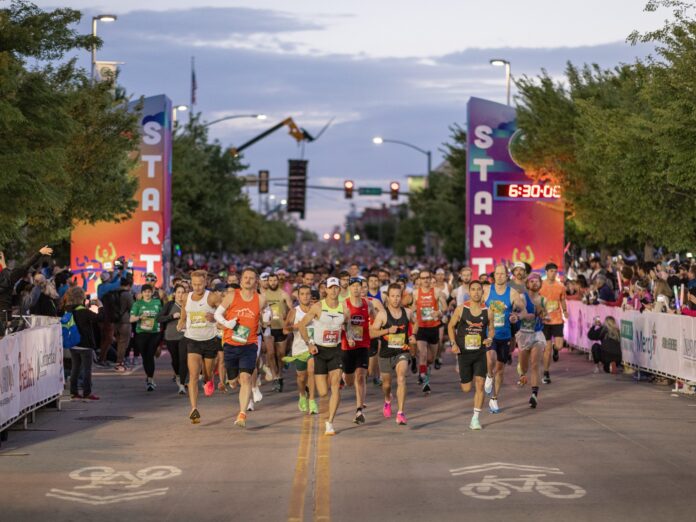
In OKC, family-friendly entertainment is around every corner. The Shrine Circus comes to town April 11-14 at the OKC Fairgrounds, and you can stick around the venue for the Festival of Trains Model Train Show on April 13-14. Other can’t-miss events include a speaking engagement with author and psychologist Jordan Peterson, April 13 at Paycom Center, as well as the much-anticipated Festival of the Arts, April 25-28 in Bicentennial Park. Don’t miss the Norman Music Festival, April 25-27 on Main Street, as well as the 24th Annual Oklahoma City Memorial Marathon on April 26-28, starting at the OKC Memorial and Museum.
Around the state, visit the Azalea Festival, all month long at Honor Heights Park in Muskogee, as well as the Montmartre Chalk Festival on April 4 at USAO in Chickasha. Norman’s Medieval Fair returns to Reaves Park on April 5-7, and the Woolaroc Spring Traders Encampment runs April 12-13 in Bartlesville. Lastly, venture to downtown Guthrie for the annual 89ers Day Celebration, April 16-20.
OKC Memorial Marathon;Photo courtesy the OKC National Memorial & Museum
April arrives with a wide array of film choices for whatever cinematic palate you may have. This month also marks the birthday of Mary Willa Allen, Managing Editor here at Oklahoma Magazine. Please plan accordingly, as she honestly deserves all the gifts and more. [Editor’s note: Is he biased because he’s my brother? Yes. Is he still correct? Also yes!]
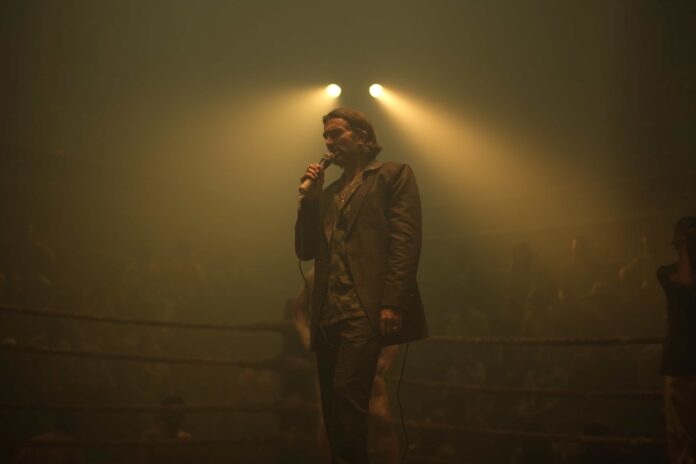
For your action thriller, take a look at Monkey Man. Written and directed by Dev Patel (Slumdog Millionaire) in his directorial debut, the film follows a man working in an underground fight club who begins a journey of revenge against the corrupt leaders responsible for his mother’s death. Described as “John Wick in Mumbai,” the film was originally going to be a straight-to-Netflix release until Jordan Peele (Get Out) decided it was so good it needed to have a theatrical opening. We’ll see how it does when it releases on April 5.
For more action but with a different angle, check out Civil War. Written and directed by Alex Garland (Ex Machina), the story sees a dystopian United States embroiled in a second civil war between the American government and the “Western Forces,” led by Texas and California. The cast includes Kirsten Dunst, Jesse Plemons and Nick Offerman, and tells an allegorical story about the very real and very polarized present. Hopefully it won’t feel too on the nose when it hits theaters on April 12.
If you want a monster horror flick, Abigail should do nicely. The plot follows a group of kidnappers who must watch over the daughter of a very powerful underworld figure in order to gain a $50 million dollar ransom. However, the girl turns out to be a vampire, aiming to hunt them down one by one. The trailer has a lot of cheese going on, but if it’s anything like 2022’s M3GAN, in which the filmmakers are in on the joke, it could potentially be a very fun and campy ride when it comes out on April 19.
If you’re on the hunt for a spy comedy, make sure to find time for The Ministry of Ungentlemanly Warfare. Directed by Guy Ritchie (Snatch), known for his British crime capers, the film is billed as the true story about a secret World War II origination called the Special Operation Executive. Founded by Winston Churchill as a means to fight the Nazis in an irregular fashion, the group’s actions helped to change the course of the war for the better. The trailer indicates Ritchie’s usual flair for the flashy, along with comedy and a dynamic cast including Henry Cavill, Eiza Gonzalez and Alan Ritchson. It releases on April 19.
Finally, for those with a love for steamy romantic sports films – a niche category to be sure – check out Challengers. Starring Zendaya as Tashi Duncan, a talented tennis player, the movie follows her husband, a Grand Slam champion, going up in a Challenger event against her former lover. The trailer shows off some tennis, flirting, anger, jealousy and Zendaya’s unmatched charisma. Directed by Luca Guadagnino (Bones and All), the film looks ostentatious, sexy and entertaining. It’ll be a perfect addition to your cinema calendar when it releases on April 26.
Photo courtesy the Communities Foundation of Oklahoma
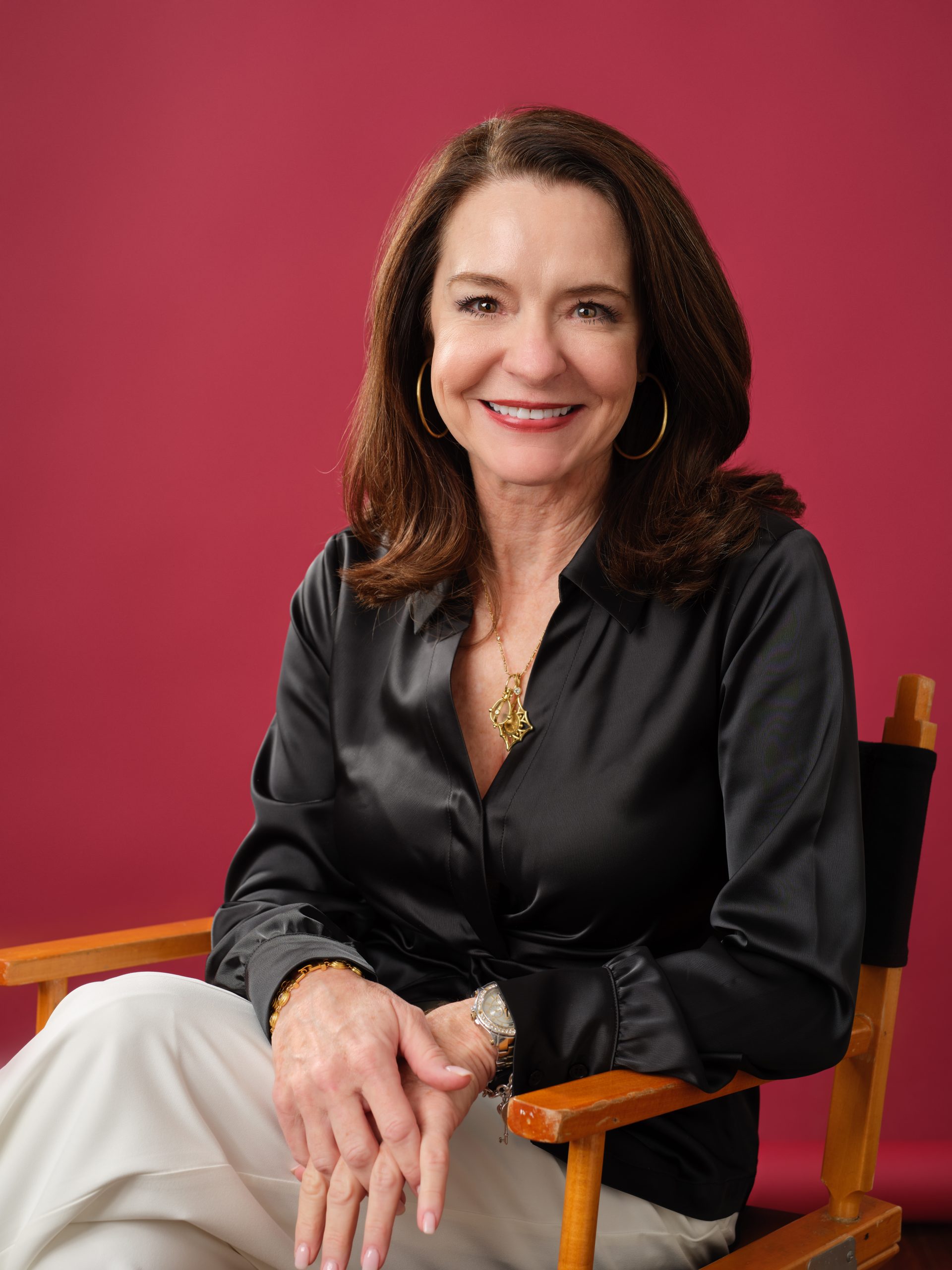
Executive director of the Communities Foundation of Oklahoma (CFO), Teresa Rose earned her bachelor’s degree and juris doctor from Oklahoma City University. After, she traversed the state, representing school districts in 150 communities. Following stints with Chesapeake Energy Corporation and the Oklahoma City Community Foundation, Rose landed at CFO, utilizing her expertise in law, community relations, government and philanthropy. We caught up with Rose and got her thoughts on …
… the mission behind CFO.
To strategically distribute charitable funds, maximize our donors’ impact and strengthen their communities through stewardship and commitment to sustainable change. For us, this looks like helping great people, organizations and communities across the state do great things by providing guidance, assistance and knowledge. We are the trusted partner in helping people create positive, long-term change in Oklahoma.
… her day-to-day.
Most generally, I am responsible for ensuring the day-to-day operations are accomplished, but I also serve as the bridge between our generous donors and the diverse communities we support. It’s my responsibility to facilitate meaningful connections, ensuring that our donors’ intentions are fulfilled and that the work of our team will advance the communities in which we are working. As a result, sometimes I find myself traveling the state, from Anadarko to Stillwater, Tahlequah to Alva, visiting one or more of our communities in a day. Other days, I’m stationed at our office, collaborating closely with our staff, brainstorming innovative strategies to amplify the positive impact our donors can make across Oklahoma.
… her proudest accomplishments.
There is so much that I am proud of from the work of CFO and the donors and communities we support. The increase in the number of communities we work with is something I am very proud of. When people living in a community decide they want to make their community better, we can provide assistance by helping them with administrative support and nonprofit guidance. Often, people have a vision or a project which will improve their community but lack the experience or tools for the project to come to fruition. I am also very proud of the work we did to assist the State, City of OKC and OK County in dispersing the rent and utility assistance included in the Emergency Rental Assistance Program (ERAP). Through the work of CFO and numerous partners, we were able to keep housed over 83,000 Oklahomans during the COVID-19 pandemic. Through this work we literally saved lives.
… what she wishes more people knew about.
The transformative power individuals hold within their communities. CFO’s goal is to forge dynamic partnerships between donors and communities, fostering growth and progress throughout our state. We firmly believe that every individual possesses the ability to affect meaningful change and leave a lasting impact.
… her time practicing law and her passion for education.
I absolutely loved the time I practiced law representing school districts. For most people who choose to spend their careers caring for other people’s children is a calling, and I was honored to support them as they worked to help children learn and grow to have healthy and stable lives. I believe education is one of the key and essential components of a successful and independent adult life. And for our children who are in low-income or poverty situations, an education is one of the only ways they have a chance to accomplish a different future. Additionally, democracy is dependent on an educated and thoughtful population. Self-governance requires that the population be informed and have the capacity to understand, assess and make determinations. A quality education is critical to developing these skills.
… what her dream Oklahoma looks like.
I love this question. My ideal Oklahoma is a state where, through a combination of public and private resources, every Oklahoman could access the resources to live the life they choose. Whether it’s through access to quality healthcare, affordable childcare in every county, or education systems that uplift everyone in them, our state’s citizens would be enabled to achieve their dreams and give back to their communities.
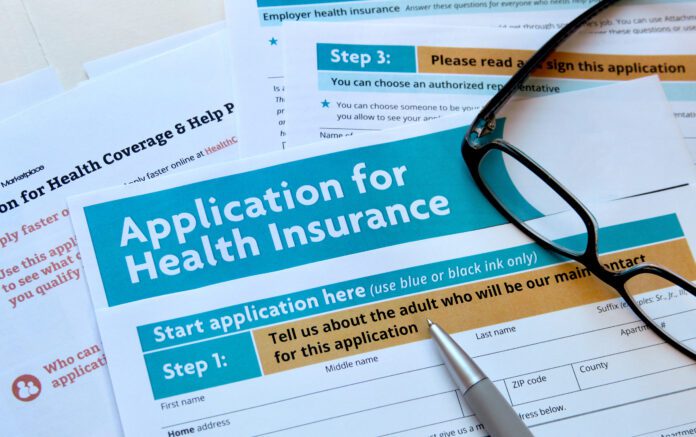
At its core, health insurance is an agreement between you and a health insurance provider, stating that the provider will pay all or some of any qualifying medical expenses you incur.
Matt Brown, life and health insurance agent with the Tulsa-based office of Rich & Cartmill, Inc., explains the essence of health insurance in simple terms.
“I think health insurance is protection for that, ‘what if’ day,” he says. “To be there for the worst case scenario, if it were to happen, [and] to protect you from medical bankruptcy, is the ultimate goal.”
And, unfortunately, the risk of financial problems due to an injury or illness is a real possibility. According to the American Public Health Association, medical bills are one of the most frequent causes of financial hardship in America.
Brown stresses that it is important not to assume you can’t afford health insurance without getting all the information.
“More and more people are qualifying for a tax credit through healthcare.gov,” says Brown. “So when they think they can’t afford it, they actually can. There’s situations or circumstances that are in place, that maybe … their adjusted gross income actually qualifies them for some monthly savings that they can use for the cost of their insurance. So they don’t have to go without. It’s worth the investigation to see that, based off [their] family size and [their] family income, they’re going to qualify.”
How do I get it?
In most cases, the best way to obtain individual or family health insurance is through an employer group plan. So check with your place of employment first to determine if it provides health insurance as an employment benefit. If health insurance is not a benefit offered by your employer or you are unemployed, you’ll need to look a little further.
Brown recommends shopping for health insurance through the federal health insurance marketplace, healthcare.gov. Here, shoppers can check out the healthcare insurance options available in their county. This is where you can find information regarding whether or not you are eligible for a federally funded subsidy to help you pay for your coverage as well, says Brown.
“A subsidy helps them … pay for a portion of their premium if they qualify, based off of their household size and household income,” says Brown.
There is a third option for obtaining health insurance by contacting insurance companies directly or working with a health insurance agent or broker.
What should I know about enrollment?
At the end of each year, it’s important to re-examine your health insurance plan. Make sure that it’s still serving your needs, and determine if any changes need to be made. Because, typically, you can only make these changes during a specific time of the year – the enrollment period, or open enrollment.
Be sure to watch for information about the enrollment period if you’re using your employer-offered health insurance. There will be a window of time, typically in November or December each year, when you will be asked to enroll for your employer’s health insurance plan for the next calendar year. This is the time to make any changes to that plan for the next year.
The federal health insurance marketplace operates on a similar time table. Those deadlines are typically from Nov. 1 through Dec. 15, says Brown, but be sure to verify those dates in your state.
There are some situations that occur that cause an exception to this rule. These are called qualifying events and include things like marriage, birth of a child, a move to a new area or the loss or change of a job. These events allow individuals to gain or change their coverage at any time during the year, says Brown.
Term glossary
When dealing with health insurance, you may run across some terms that are unfamiliar. Premium is one of the first terms you’ll see, and it is simply the amount you pay, typically monthly, to participate in a certain healthcare plan. If you are getting your health insurance through your employer, this may be automatically deducted from your paycheck.
Another term you may hear in relation to health insurance is deductible, says Brown. He explains that a deductible is a dollar amount that you are 100% responsible for paying before insurance begins to pay. This amount varies from plan to plan, and can be tied to a higher or lower premium, so it is important to know your deductible.
Next you will want to know what the term coinsurance means. Brown describes this as the percentage split between you – the member – and the insurance company itself. So, after you’ve paid your deductible, if you have one, then your insurance pays a certain percentage of healthcare costs and you pay the remaining percentage. This is typically around 80% for insurance and 20% for the member, according to Brown.
After the deductible and coinsurance comes the out-of-pocket maximum. This is the total amount you would have to pay in a year. So no matter how large your medical bills are, that out-of-pocket maximum number is your total exposure for the year, says Brown. All co-pays, which are set amounts you pay for basic services, prescriptions and your percentage of coinsurance, count toward this out-of-pocket maximum.
Indian family interested in life insurance
Life Insurance
Now let’s discuss a different, but no less important, type of insurance – life.
What is it?
Much like health insurance, life insurance is a contract between an insurance policy holder and an insurer or assurer, where the insurer agrees to pay a designated beneficiary a sum of money upon the death of the insured person.
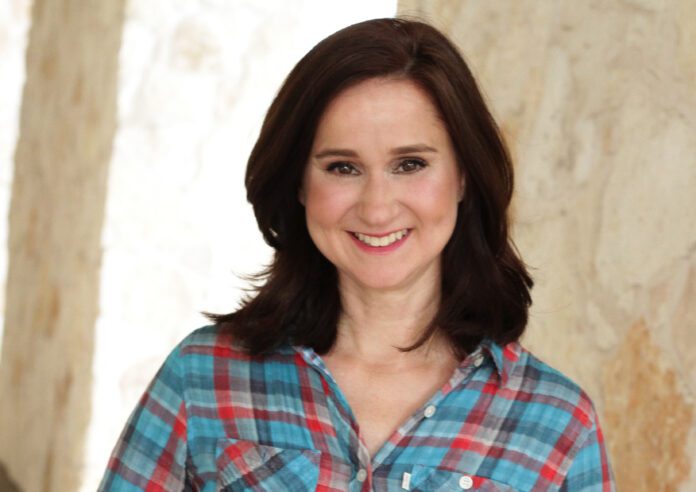
Susan Weed, the chief sales officer for American Fidelity Assurance in OKC, says that “life insurance allows us to plan, prepare for and financially protect our families and other loved ones when we die.”
What types of life insurance exist?
There are a few different types of life insurance that you may want to consider, but it’s important to have some form of life insurance to provide for those you love in the case of death. According to Forbes.com, 44% percent of U.S. households would face financial hardship within six months if the primary wage earner died; and for 28%, it would be just one month.
Weed explains that there are three main types of life insurance: term, whole and universal.
Term life insurance can be the most affordable, but is only guaranteed for a set number of years – typically 15, 20 or 30. Weed says this type of life insurance can be useful “to cover your working years in case you pass away before paying off your home. Or to provide for your family during the years, when you have young children [and] they are most dependent on you financially.”
Whole life insurance typically has more costly premiums, but those premiums and the face amount will not change for the rest of your life.
“You have an idea of the amount of money that you want to leave, so that any outstanding and final expenses are covered, as well as an additional amount to help those who you are leaving behind,” says Weed.
Universal life insurance is a blending of the other two offerings, and all of these options should be discussed with a professional to determine which type or types are correct for different situations.
When it comes to life insurance, it is an important topic to ponder and discuss with loved ones. But Weed emphasizes the need to not overanalyze the choices and make a decision to protect your family.
“Most people do not have enough life insurance,” she says. “But the most important concept that I wish everyone could remember is [that] the best policy is the one you have in place when you die. Even a small amount of coverage is better than nothing.”
Oklahoma native Laura Galt is a producer on The Outsiders musical. Photo by James Arlen
In March 1943, the musical Oklahoma! – based on the play Green Grow the Lilacs by Claremore native Lynn Riggs – made its Broadway debut. More than 2,000 performances later, the Rodgers & Hammerstein production ended its run as one of the most successful shows ever to play the Great White Way, bringing our state incalculable positive attention.
Now, 81 years later to the month, along comes another set-in-Oklahoma musical. Like its predecessor, it’s based on the work of a stellar writer from the northeastern part of the state. And also like Oklahoma!, it could turn out to be something very good for us all.
The show is The Outsiders, based on the famed novel by Tulsa’s S.E. Hinton. Previews begin in New York on March 16, prior to its official opening date of April 11. And co-producer Laura Galt – who recently helped bring a number of cast and creative-team members to Tulsa for a weekend visit, including A-list producer Angelina Jolie – is enthusiastic about the connections that are already underway between the state and the show.
“One of my goals as a co-producer is to facilitate relationships between the production and the state of Oklahoma and city of Tulsa,” she says. “I think they can elevate each other. This musical can raise visibility for the state and, hopefully, encourage tourism. Oklahoma can also be a support for the production. And then, everybody’s goal is to shepherd Susie’s legacy, which is an incredible one.”
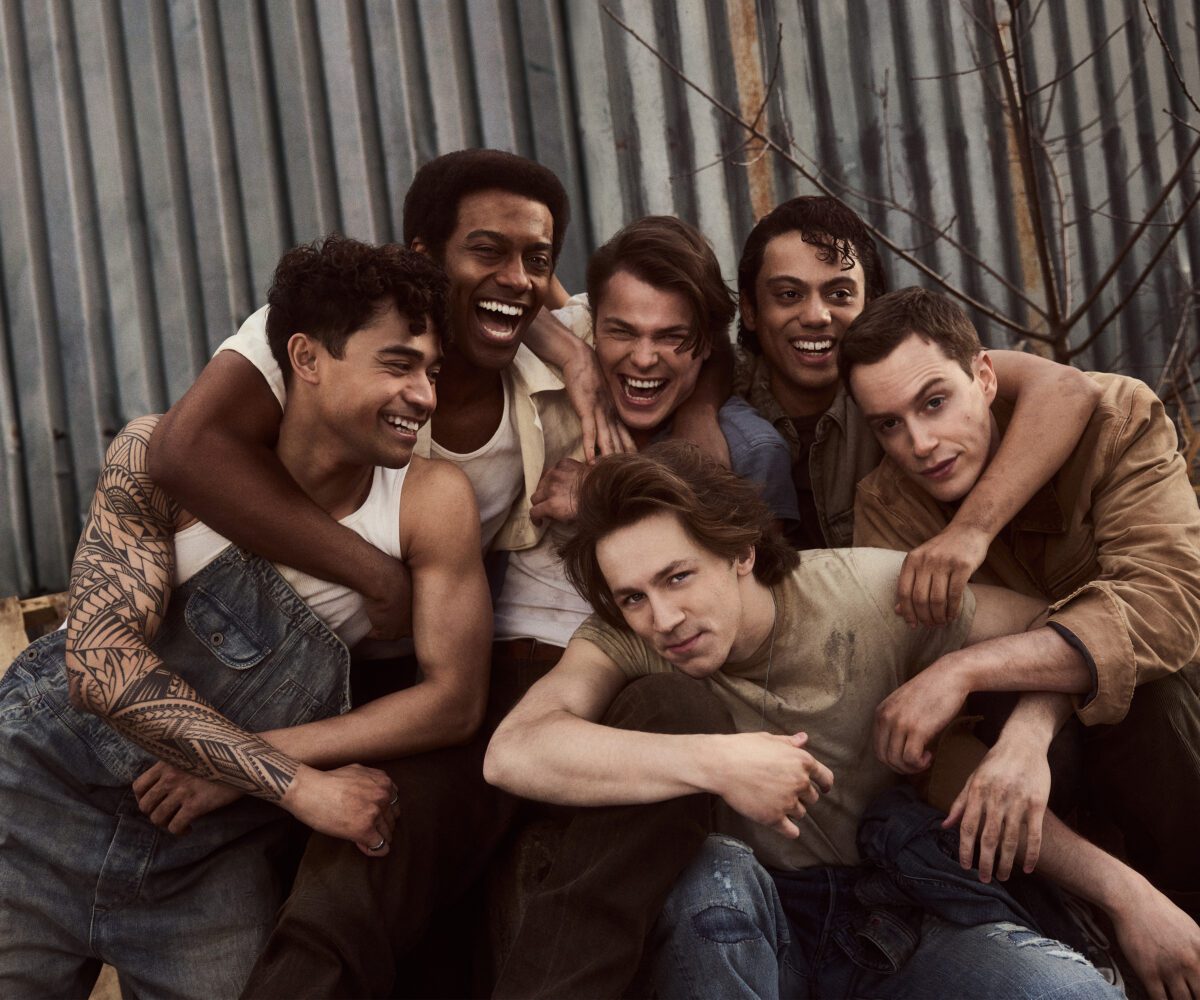
Back row, L-R: Daryl Tofa as Two-Bit Mathews, Joshua Boone as Dallas Winston, Jason Schmidt as Sodapop Curtis,
Sky Lakota-Lynch as Johnny Cade, Brent Comer as Darrel Curtis; front: Brody Grant as Ponyboy Curtis. Photo by Miller Mobly
Susie Hinton wrote the novel The Outsiders while still a student at Tulsa’s Will Rogers High School. Her experiences of witnessing the tensions between the “greasers,” kids from the city’s poorer neighborhoods, and the “socs,” those in the school’s upper social echelons, fueled the book, which was first published in 1967. In the decades since, The Outsiders has not only become a perennial bestseller and enduring American classic; it’s also credited with starting the whole genre of young-adult fiction.
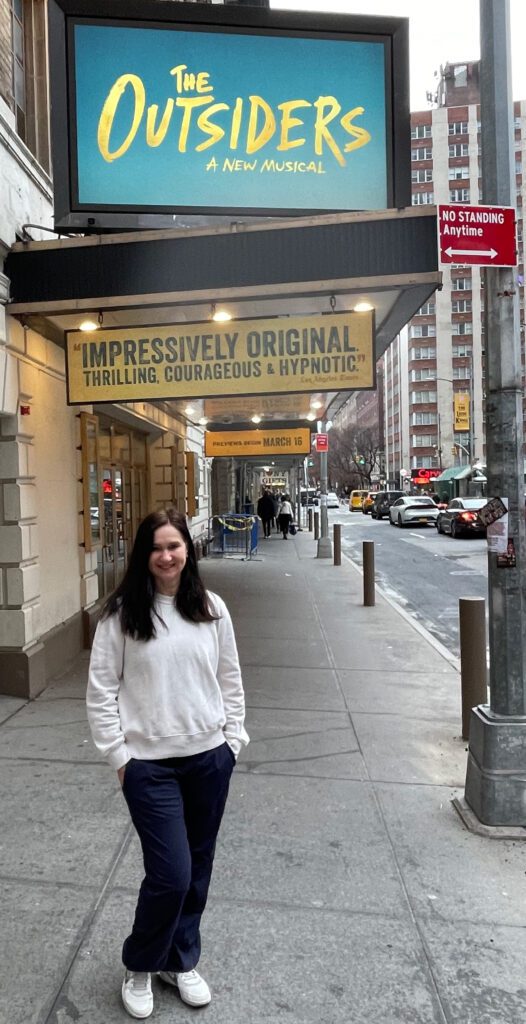
Galt stands outside NYC’s Bernard B. Jacobs Theatre, where previews begin this month. Photo courtesy Laura Galt
In addition, The Outsiders was the basis for one of director Francis Ford Coppola’s most memorable pictures. That 1983 production, shot in Tulsa and featuring a cast full of young actors who were just beginning to taste stardom, sent a lot of viewers to libraries and bookstores to seek out the book. One of those was Laura Galt herself, who now works out of Texas but grew up in Oklahoma City and, she says, considers Tulsa a “second home.”
“I feel like I was a very smart girl growing up,” she says with a laugh, “but I would probably call myself a reluctant reader. I was introduced to The Outsiders via the Francis Ford Coppola film, and that inspired me to look into Susie’s writings. Seeing the film inspired me to read. That’s something I’m hoping the Broadway show does for other youths.”
At the same time, she acknowledges the differences between the way stories are presented onstage and on a page.
“In a book,” she explains, “you can take several pages to develop or describe a character or an incident. But in a musical, you don’t have the time to elaborate or narrate. You have to show who that character is via a song. So a lot of the character development and the things that drive the story are done through song and lyrics.”
An example of that can be seen and heard on YouTube, which features a sample of an Outsiders number called “Great Expectations.” It’s sung in the musical by lead character Ponyboy, played by Brody Grant.
“It’s about these great expectations he has for his life,” says Galt of the song, “and these dreams he has for his life, and he knows the story that he wants to write for himself. But then he says, ‘Sometimes I feel like the story is writing me.’ Haven’t we all experienced that?’”
Feeling that those lyrics are examples of the universality of both Hinton’s story and its musical adaptation, she calls The Outsiders “a show for everyone – for men, for women, for all ages. I feel like there’s something in this show that every single person can relate to.”
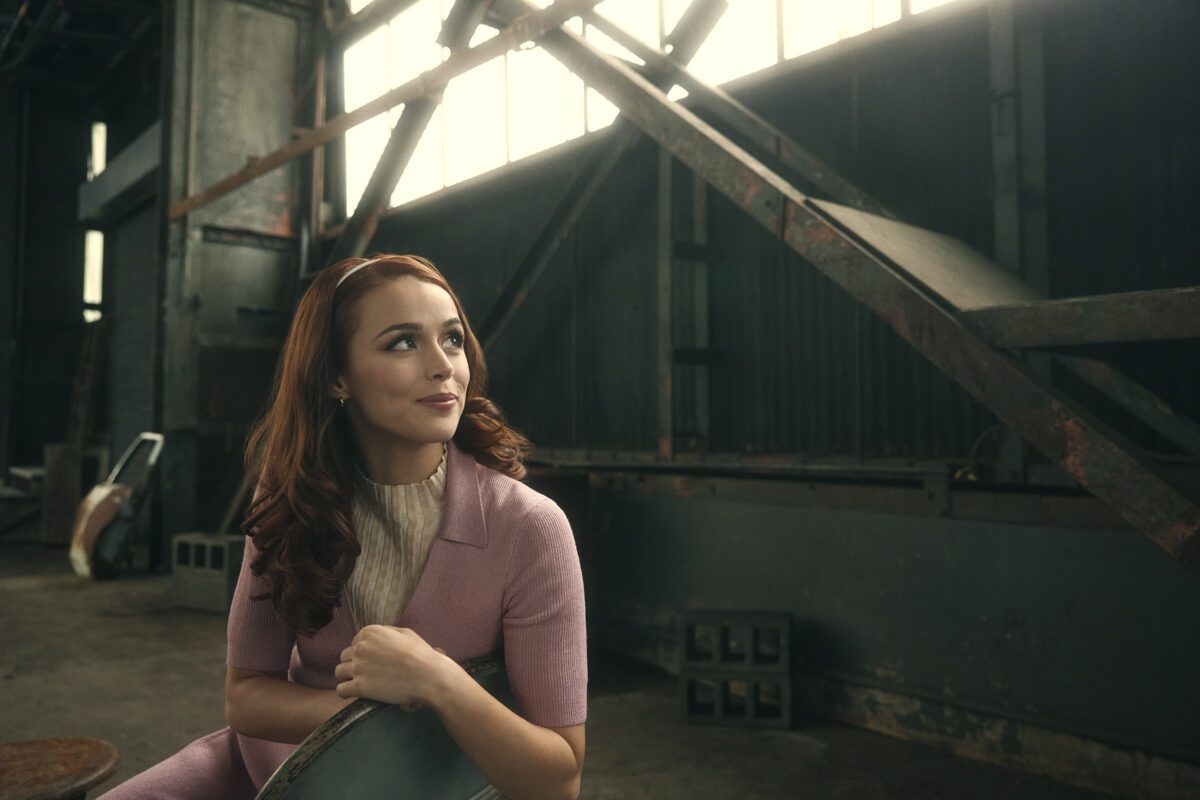
Emma Pittman as Cherry Valance. Photo by Miller Mobly
Galt knows that both the book and the movie set some extraordinarily high standards. She’s confident, however, that the musical will be well-received by those who already love the previous two versions of The Outsiders.
“I do think fans of the book and fans of the movie will be fans of the musical,” she says. “As a personal fan, it hits every mark for me. You walk away so happy and so fulfilled. You see some things online where people are worried that maybe it’s not going to stay true to the story, but it is very true to the story. It’s done wonderfully well.”
For more information about the musical, visit outsidersmusical.com. Those interested in group ticket sales can contact Galt herself at atxrandom.com.
It’s been said that creating art can be good for the soul and for mental health, but what if you think you don’t have any artistic aptitude? That’s where local classes and teachers can step in to help you reach your potential.
A variety of classes are held locally, and for people who don’t have experience or feel they don’t have the “talent,” – you can still benefit from taking a class, says Theresa Hultberg, the programs and exhibitions manager for the Paseo Arts Association in Oklahoma City.
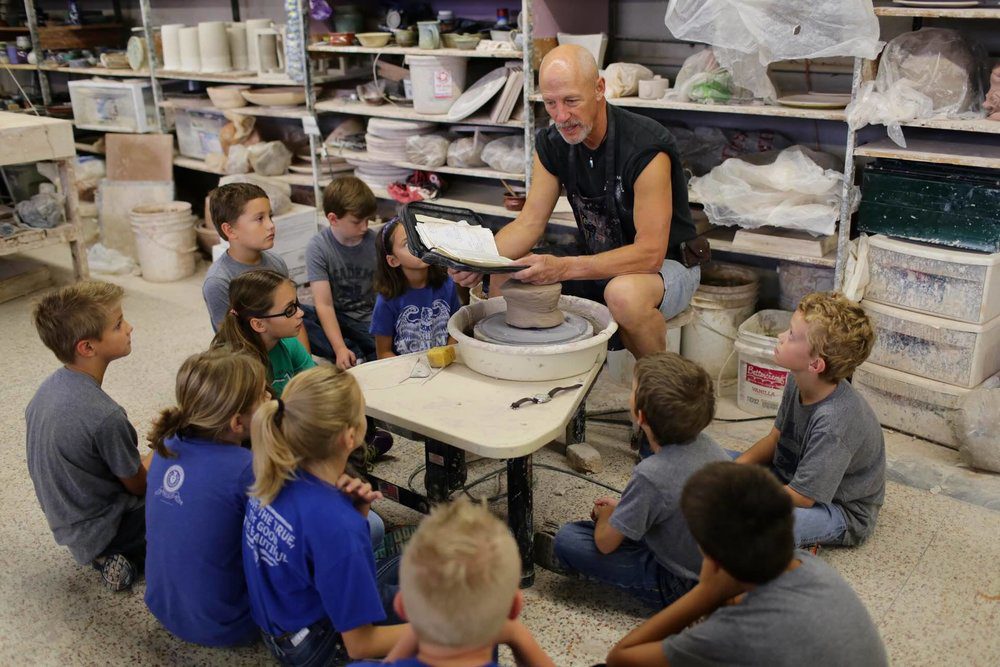
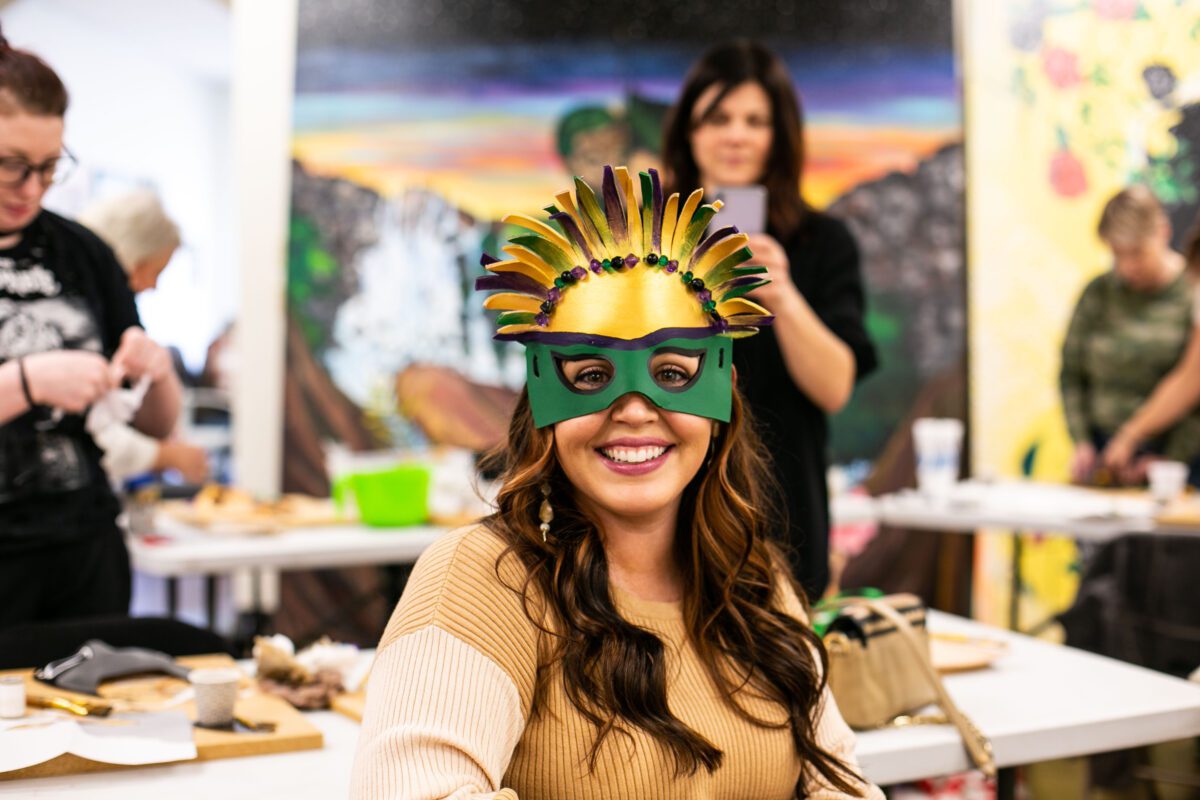
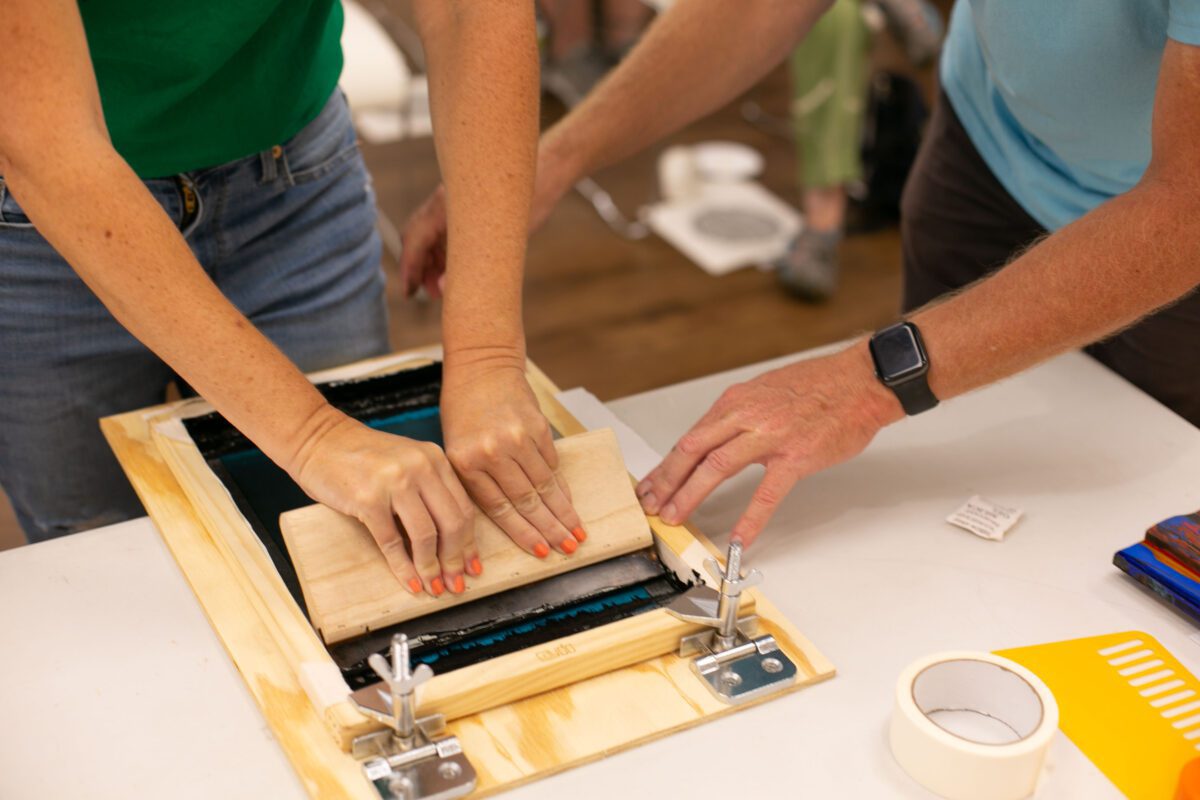
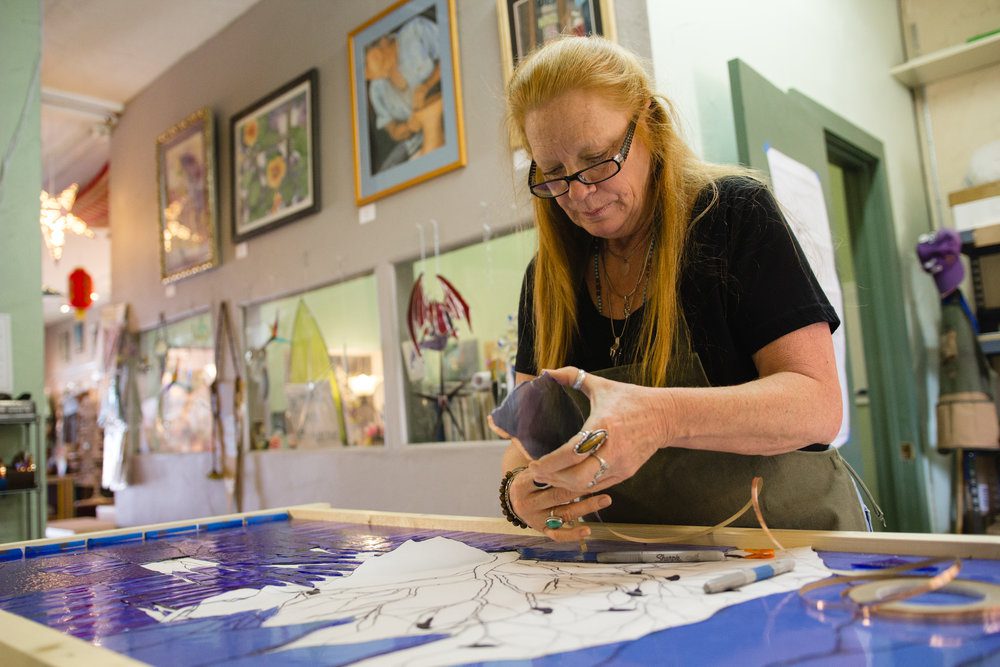
The Paseo Arts Association in Oklahoma City offers a variety of art classes in different mediums, all across the district. Photos courtesy the Paseo Arts Association
“Creating art isn’t always about the final product,” she says. “It’s about expressing yourself and taking a moment away from the daily stressors we all experience to have some fun and explore color, texture, material and shapes. Creating something with your hands will engage your senses, get you out of your thoughts and ground you in the present moment. People often feel a sense of accomplishment when it is all done.”
The Paseo Arts Association hosts artist-taught workshops and classes on a rotating basis, and all events are hosted in the Paseo Arts and Creativity Center.
“[Everyone] can visit the galleries and studios in the Paseo Arts District,” says Hultberg. “Many of our businesses offer classes, including Su Casa (needlepoint), Prairie Arts Collective (stained glass), Paseo Pottery (ceramics), JW Jewelry and Home (jewelry), Paseo Arts and Creativity Center (watercolor, sculpture, alcohol ink, acrylic pour painting) and Paseo Gallery One (various mediums).”
No matter the medium you choose, you’ll be greeted warmly by the pros.
“All of the teaching artists in the district are extremely welcoming, and our spaces are accessible and casual, creating the perfect space to relax and create,” says Hultberg.
In Green Country, the Tulsa Art Center is a hub of creativity for art novices and pros alike.
“The Tulsa Art Center is an art-centered, educational community where experienced Tulsa artists inspire students of beginning levels of all ages to achieve their creative goals,” says Marie Sullivan, the center’s owner.
The Tulsa Art Center has classes for adults and children, and all can enjoy courses in a low-pressure environment, says Sullivan. Parents who homeschool their children will also find valuable art resources at the center. Art “parties” can also be scheduled.
“We offer acrylic painting, color pencil, watercolor and drawing,” she says.
As for gaining confidence in art, Sullivan offers some insight.
“Everyone is born with talent until they start thinking they can’t do it,” says Sullivan. “During our classes, we start each beginner with the basics and help them learn the necessary techniques they will need to paint their piece.”
Art and Mental Health
Why does creating art help the mind?
“Because of the expressive nature of creating art, people are able to process their thoughts and emotions by making something with their hands that is uniquely theirs,” says Hultberg. “Both creating and observing art can reduce stress and empower people through their interpretation or relation to artwork.”
She continues: “Depending on personality, adults may find any one of the types of artwork we offer relaxing. We’ve had some popularity with acrylic pour painting, as it is a simple technique and participants get to play with color and patterns of the paint without the use of brushes.”
With March’s arrival, the green-themed holiday that’s a favorite for many also makes its appearance. St. Patrick’s Day, associated with Irish traditions, dance, music, food, drink and general revelry, inspires a host of Oklahoma-based celebrations.
Sham-ROCK The Gardens
Located in Oklahoma City at the Myriad Botanical Gardens, Sham-ROCK on March 17 has something for everyone, from face painting to vendor booths to delicious foods and beer. On top of that, Irish dance routines and music will be performed, with bagpipes as an exciting addition.
“Myriad Botanical Gardens is proud to host this annual Sham-ROCK the Gardens tradition,” says Kristen Milburn, the public events manager for the gardens. “It is always a day filled with stomping-good music and family fun!”
Stockyard City in OKC offers a rousing St. Patty’s Day parade on March 16. Photo courtesy Stockyard City
And don’t forget to take in the green lake, dyed specifically for the event.
“And what a bright green it is,” says Leslie Spears, the gardens’ director of marketing and public relations. “It’s a great backdrop for so many photos!”
Stockyards City St. Patrick’s Day Parade
Located in the historic Stockyards City in Oklahoma City, the St. Patrick’s Day parade on March 16 offers an eye-popping display of wonderful Irish iconography and music. Beginning at the intersection of Exchange and Pennsylvania avenues, the parade will include marching bands, bagpipes, Irish dancers, participants from the Shriners group, plus unique cars, community groups, horses and more. After, the McTeggart Irish Dancers will perform, alongside myriad fun activities for kids, such as balloon art and face painting.
ShamRock The Rose District
Located in Broken Arrow’s Rose District, this year’s ShamRock the Rose on March 16 marks the 10th anniversary of the event – and the perfect time to stop by. There will be live music from School of Rock, Glam-R-Us, and Weston Horn & the Hush, along with a family friendly kid’s zone, plenty of food trucks and street vendors, and a craft beer garden. Admission is free, but if you want to try unlimited craft beers, you’ll need a ticket starting at $40. There will also be a special Soldier’s Wish ceremony honoring Oklahoma veterans.
Kilkenny’s and Watershed Tulsa St. Patrick’s Day Block Party
Located off Cherry St. in Tulsa, the block party is hosting several St. Patrick’s Day themed events all weekend long.
“This year we will be transforming our streets into a vibrant celebration of all things Irish once again,” says Alyssa Reichlin, marketing director of Watershed Hospitality, which runs beloved restaurants like Kilkenny’s and Nola’s.
Live music will keep your toes tapping while Nola’s, Kilkenny’s and Alley Cat Ranch will provide delicious meals for purchase.
“Imagine juicy andouille sausage corn dogs or the classic corned beef and cabbage – perfect for fueling your revelry,” says Reichlin.
There will also be a kid’s zone for the little ones, plus adorable and adoptable pets from the Tulsa Humane Society.
“This is more than just a party,” says Reichlin. “It’s a chance to connect with the community, create lasting memories and experience a touch of Irish magic.”
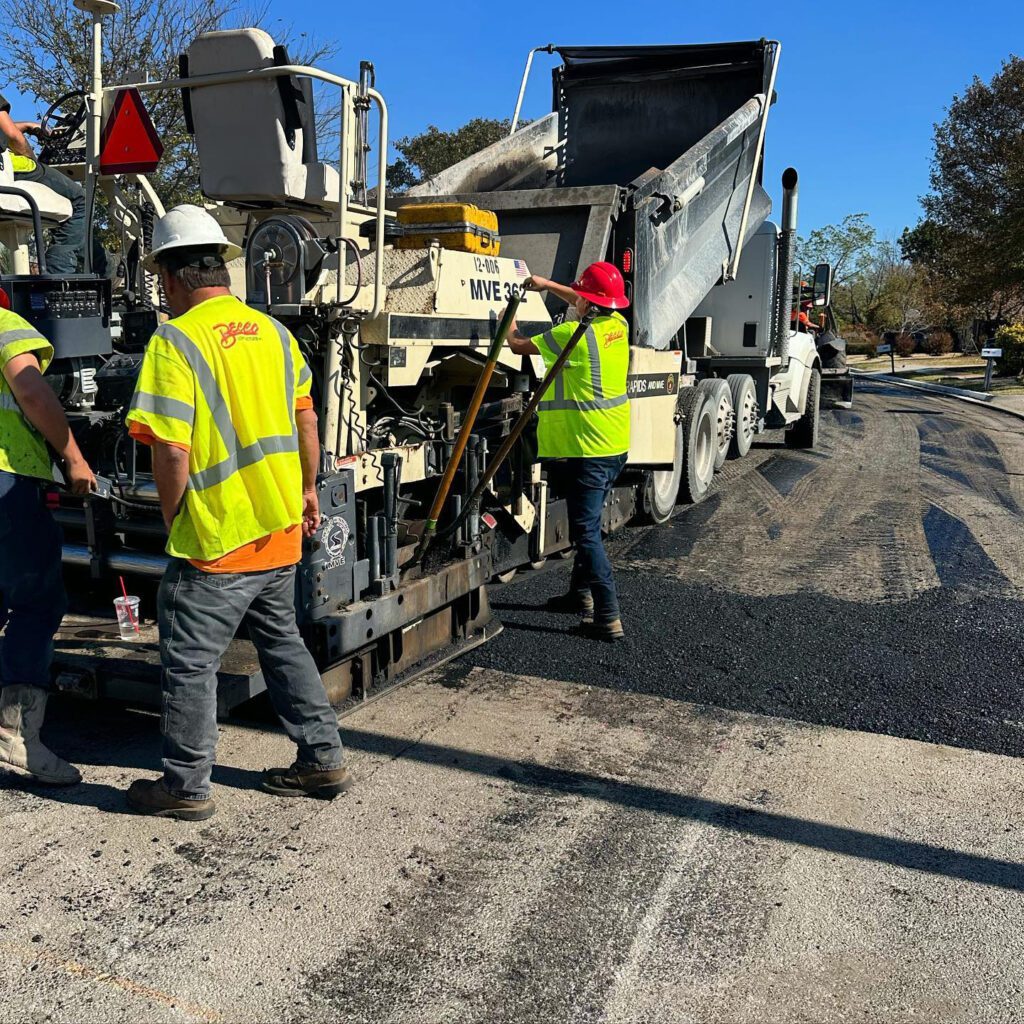
Becco Contractors is currently working on the Gilcrease extension project over the Arkansas River. Photos courtesy Becco Contractors
An aerial view of northeastern Oklahoma depicts the megalithic handiworks of heavy highway construction company Becco Contractors Inc. Projects range from highway and bridge constructions like the Gilcrease extension over the Arkansas River to the almost finished widening of Yale Avenue from 81st to 91st.
Holding both helicopter and plane licenses, Becco’s general superintendent Chad Smith is familiar with that stunning view from the sky.
“Most of our projects are within 90 miles of Tulsa for bridges and overlays outside the surrounding cities,” says Smith. The company typically works on around fifty plans simultaneously, often on projects large in scope, involving infrastructure and mainstay institutions including the Turnpike Authority, the Oklahoma Transportation Department, the City of Tulsa, the City of Broken Arrow and the City of Owasso.
Becco is a private, family-owned company headquartered in Tulsa that employs around 430 people. Smith says the business has grown about 800% since his parents founded it in 1988, thanks in part to large city projects that started in 1989. Smith grew up learning every aspect of the construction industry, later earning a business construction management degree at Oklahoma State University. Today, he continues to wear many hats including, he says with a laugh, “all the HR.”
Photos courtesy Becco Contractors
Training existing employees and the future generation of workers is a priority for Smith, and Becco has curated project partnerships with Tulsa Technology Center to develop the workforce they need, with training for equipment operators and CDL (commercial driver’s license) truck drivers.
“We started a program about six years ago with Tulsa Tech,” he says. “Right now, we have an operator’s program with equipment simulators at the campus at 31st and Memorial with a full-time instructor; we think of it as ‘Becco University.’ As we bring in new people and invest in existing employees, we want them to succeed – and so we invest in training, helping them earn certifications and operating skills. We are getting a nice return on the young men and women who come through the training program who become safer, more efficient and overall better employees.”
Smith says he devotes time talking to high school and vocational tech students to “let kids know that construction is cool, and you can have a different, well-paying career where you are outside every day. Minimum wage in this is $16.20 an hour, and when you prove your worth, that wage keeps going up.”
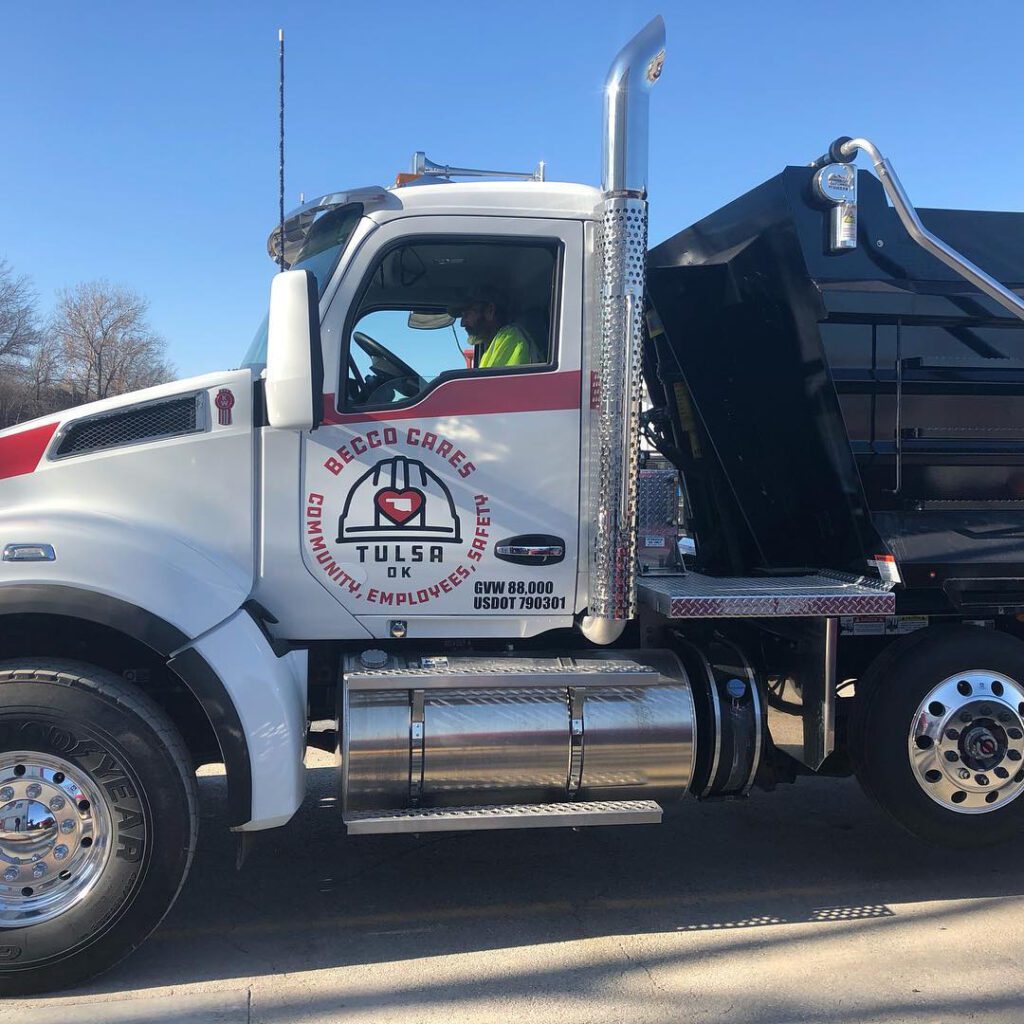
The social media campaign #BeccoCares came about “to bring awareness to our company and to safety,” says Smith. “Often in this industry, the only news that comes out is talking about road construction. With hashtags, I thought we could update it and bring awareness to employees, safety, community and our well-received, free concrete recycling program. It’s ongoing, as we’ve donated to different [causes]. People ask for donations, and we help when we can. And we want to communicate that we are hiring and share an option to people wanting a computer or tech job.”