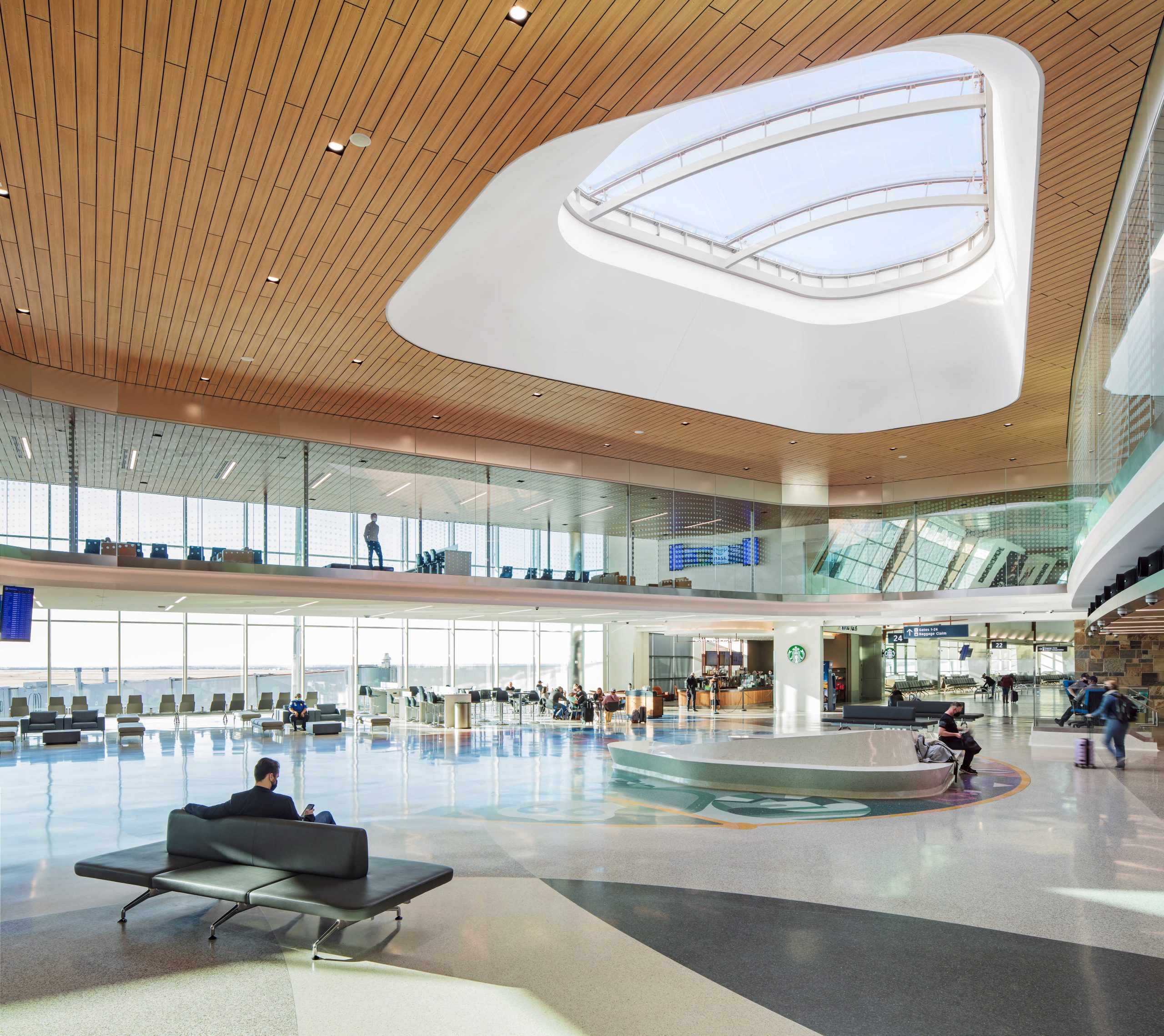
“Since mid-2021, Tulsa International Airport (TUL) has welcomed twelve new non-stop destinations from four carriers – American, Southwest, Allegiant and Breeze,” says Andrew Pierini, Tulsa International Airport’s executive vice president and chief commercial officer.
And our state’s capital is staying competitive as well. Stacey Hamm, Oklahoma City public information officer and marketing manager for the department of airports, reports similar additions for Will Rogers World Airport (WRWA).
Within the past two years, she says, “WRWA has added new non-stop flights. Southwest is flying to Nashville, Austin and San Antonio, and also to Tampa on a seasonal basis. American Airlines now flies to New York La Guardia and Austin.”
The waning of the COVID-19 pandemic has lent itself to better flight numbers.
“Travelers changed once COVID left,” says Hamm. “We started to see more people travel for leisure. Some of those markets, such as Austin, San Antonio, New York and Nashville, are pretty hot spots for leisure travelers. When American Airlines launched and announced La Guardia, they were only flying there once daily. Over the past 1 1/2 years, that route has performed exceptionally well with not only business but also leisure travelers. So they added a second daily flight there.”
Pierini adds: “Some of the most exciting growth markets have come from American Airlines, which has started non-stop service from TUL to Austin, Miami, NYC and Washington, D.C. In total, American has launched six new markets from Tulsa in the past four years. NYC, D.C. and Miami were our top three unserved markets before they both launched,” he says. “Both markets offer a solid mix of business and leisure traffic, and being able to be in either city in around three hours has been a game changer for the Tulsa market.
“Southwest has launched service to Austin, in addition to Chicago-Midway. Between the arts and music ties with Austin, to the up-and-coming tech scene in Tulsa, that market has been a huge success for Southwest. Chicago-Midway not only gives Tulsans another non-stop to the Windy City, but also opens a wide variety of connecting options throughout the Midwest and northeast USA.”
Pierini says government-related travelers are benefiting from non-stop service to D.C.
“The south Florida market has also taken off at an incredible pace,” Pierini continues. “The new non-stop from Tulsa to Miami has seen that same type of growth. American’s MIA hub also is a seamless connecting opportunity to the Caribbean and South America.”
Both Hamm and Pierini say growth, and upticks in traffic, have come after years of work. Officials representing both airports meet regularly with airline planners at conferences, analyzing numerous variables to make airline pitches.
Positive Tourism Effects
“The non-stop flights bring a lot of people to Oklahoma who may have never traveled here before,” says Hamm. “We are definitely on the map for people domestically and internationally to come to OKC. A lot of people fly into OKC to attend conferences. And equine brings a lot of tourism.”
Pierini says that in 2023, “[Tulsa International Airport] was named the overall winner, and small hub winner, out of North, Central and South America at this year’s Routes Americas Awards. This award is highly regarded in the aviation industry for recognizing marketing services that support new and existing air services, and excellence and innovation in route development.”
Photo credit:Photo courtesy Will Rogers World Airport
The Stafford Air and Space Museum is dedicated to the career of Gen. Thomas P. Stafford, one of America’s most renowned astronauts.
Photo courtesy Stafford Air and Space Museum
Travel – first by horse and buggy, then rail and automobile – has been important to Weatherford since its late 1800s birth on the western Oklahoma plains. Its importance continues today as Weatherford draws visitors who come for a variety of reasons. There, they find a bustling college community that boasts a thriving economy with a prosperous outlook.
A major draw, visible from I-44, is the Stafford Air and Space Museum, dedicated to the career of Gen. Thomas P. Stafford, one of America’s most renowned astronauts.
Weatherford also remains popular for people making a commemorative journey along Route 66. Mayor Mike Brown says “Mother Road” nostalgia continues to draw travelers – especially those looking ahead to the highway’s 2026 centennial.
A recent draw to the city is a replica of the Vietnam Veterans Memorial Wall, located in the Weatherford Wind Energy Park. Brown says the wall has increased visitation manyfold.
“We’re just one spot in a long journey,” Brown says of his city, “but we want to make sure they see things while they’re here.”
In the meantime, there’s plenty of activity in this Custer County city of about 12,000, whose population swells by another 4,000 or so when classes at Southwestern Oklahoma State University are in session.
Weatherford was an agricultural community in its early days, according to the Oklahoma Historical Society. After the Choctaw, Oklahoma and Gulf Railroad arrived in 1898, shipping pens, depot, hotel and public water works followed. Its early “wild and woolly” days yielded soon enough to a tamer life for families, with schools, churches and organizations following.
Then came “America’s Highway,” Route 66. Elizabeth Amen, Chamber of Commerce director, says Weatherford is one of the few communities where the original highway runs right through the middle of town.
Integral to life in Weatherford is SOSU. Brown says the university is the city’s largest employer with an estimated 800 working there. SOSU offers 14 academic degree programs and more than 100 study fields, with branches in Yukon and Sayre and a host of online offerings.
The Stafford Air and Space Museum, meanwhile, features test-fired, flight-ready engines from both the U.S. Saturn V and the Soviet N-1 moon rockets. Considered one of the most comprehensive air and space museums in the central U.S., the museum encompasses 63,000 square feet and has the distinction of being a Smithsonian affiliate museum. A major expansion is under way, Brown says.
Another must-visit is the Heartland of America Museum, patronized by an estimated 1,900 annually, and where a Vietnam War-era Huey helicopter is on display. Museum Director Linda White says guests heap praise on the museum after they see it.
“We have visitors from all across the country, and many have told us that we are the best museum they have ever visited,” White says.
Especially interesting, White says, is a diner, relocated from downtown, that was frequented by singer Elvis Presley as he traveled the U.S. at the height of his popularity.
The Huey helicopter’s cement pad is unique, having been poured in the shape of the state of Oklahoma.
“The Red River was a challenge, but our contractor did a great job,” she says.
When you’re curating a professional online presence, it’s important to remember that the internet remembers everything you post – the good, the bad and the ugly.
Local and national organizations can help guide you in creating a snapshot that allows your background, skills and drive to shine above the rest of the crowd.
David Tollette, the executive director of Tulsa’s Young Professionals, says that creating a strong online presence “starts with deciding which platforms you choose to have a public presence on. Decide what is right for you and set your privacy settings accordingly. It’s okay to have both.”
He recommends having at least one online presence accessible to employers and the community at large. This could take the form of a personal website, a business website, LinkedIn or a social media platform.
“Your public presence should give others a sense of who you are, what you are passionate about, your education, experience and volunteer roles,” says Tollette. “Assume that employers will look at your online presence. I suggest researching yourself on your favorite search engines periodically. Look through the websites, photos and videos that are associated with your name.”
Jackie Gonzalez, TYPro’s 2023 chairperson, agrees and encourages everyone to think before posting.
“Someone once told me to think of it as a virtual office party – it’s a great place to show off skills, connect with friends and have some fun,” she says. “But tread lightly when it comes to gossip or other workplace shenanigans. Definitely try to be consistent with your personal brand, and don’t post anything you’d be embarrassed about someone reading out loud or forwarding to your manager.”
Gonzalez suggests always using visuals as part of your storytelling and to have a headshot that reflects your own style.
“And make it easy for people to know how to get ahold of you,” she says.
OKC Young Professionals offers similar advice. Group member Michelle Crone, an account manager at Boiling Point Media, says that “the key to succeeding with [creating a strong, professional online presence] is making sure your personal life does not reflect poorly on your professional life. Life is all about balance – but keep in mind, everything you put online could be used against you.”
Crone suggests being genuine and authentic online, showing your personality and using a professional profile picture. As for things to steer away from, she recommends avoiding controversial topics unless that is part of your personal brand and you are willing to “take some heat” for it.
“Don’t bash anyone or anything,” advises Crone. “Employers will see that as you being negative.”
So what are the best sites for young professionals to be on?
“The top professional site is still LinkedIn,” says Crone. “So utilize that to its full potential. Optimize your profile, have peers write reviews about you, have a cool cover image, share articles, post industry topics. Show that you are valuable!”
While Crone believes Facebook and Instagram are less important to employers, it is her contention that these same hiring managers will look at a LinkedIn page about 90% of the time.
“Be yourself – but if you consider your online presence not up to par with your professional goals, change it,” says Crone. “Delete some photos and posts. Allow your social media channels to reflect who you want to be, not who you’ve been in the past.”
Keep Yourself Safe
Getting online means potential security risks. Keep yourself and your information safe with the following tips:
• Know the effectiveness of the installed security tools you have on your computer and devices;
• Install and update antivirus software;
• Obtain a Virtual Private Network (VPN) and make the most of using it;
• Use a different password for all of your various logins;
• Avoid posting too much personal information online, like home addresses, financial statements or vacation plans/locations;
Some people may label a gluten-free diet as a growing trend, but for those living with celiac disease, it’s a necessary lifestyle for overall health and wellness.
James T. Phoenix, II, M.D., an internal medicine physician with Ascension St. John in Tulsa, explains that celiac disease is an inherited autoimmune condition that causes damage to the small intestine, leading to an intolerance to gluten – a protein found in wheat, barley and rye.
“An autoimmune condition means that a person’s immune system mistakenly attacks their own body,” says Phoenix. “In this case, it causes chronic inflammation of the small intestine that is made worse when exposed to gluten. The common symptoms are abdominal discomfort, fatigue, diarrhea and weight loss, and people may or may not be aware that certain foods trigger these symptoms.”
He adds that celiac disease is a relatively rare condition that affects approximately 1% of the world’s population and is most common in people of European descent.
“Gluten sensitivity is a more common dietary intolerance that affects an estimated 6% of people in the United States,” says Phoenix. “While it causes similar symptoms, it does not cause the same kind of serious damage in the intestine that happens with celiac disease.”
According to the Celiac Disease Foundation, people with a first-degree relative with celiac disease (parent, child or sibling) have a one in ten risk of developing celiac disease – and the disease can develop at any age after an individual begins consuming gluten. In addition, individuals with celiac disease are at greater risk of developing coronary artery disease and small bowel cancers.
If left untreated, celiac disease can also lead to other health problems including type 1 diabetes, multiple sclerosis, dermatitis herpetiformis (an itchy skin rash), anemia, osteoporosis, infertility and neurological conditions.
“If a person notices that they have this kind of food intolerance, they should seek medical attention,” says Phoenix. “The most common test for celiac disease is a simple blood test, looking for the antibodies that cause the condition. It can also be diagnosed by intestinal biopsies, but this is usually not necessary.”
There is no known cure for celiac disease, and Phoenix says the main treatment for celiac disease or gluten sensitivity is to avoid gluten-containing foods.
Is Celiac on the Rise?
Anecdotally, it may seem like more people are developing celiac disease, but Phoenix says as with other food intolerances and allergies, it’s not becoming more common, but rather more commonly recognized and more publicly discussed.
“Our bodies are not really evolved to eat foods that are high in carbohydrates, including gluten-containing foods, so moderation in these foods is good for general health as well as for people that have a genetic intolerance to them,” says Phoenix.
When choosing food products, the Celiac Disease Foundation recommends consumers pay close attention to product labels. The FDA only allows packaged food to be labeled ‘gluten-free’ if it contains less than 20 parts per million (ppm) of gluten. However, consumers should still check products for allergen listings and obvious ingredients: wheat, barley, rye, malt, brewer’s yeast and oats (unless specifically labeled gluten-free).
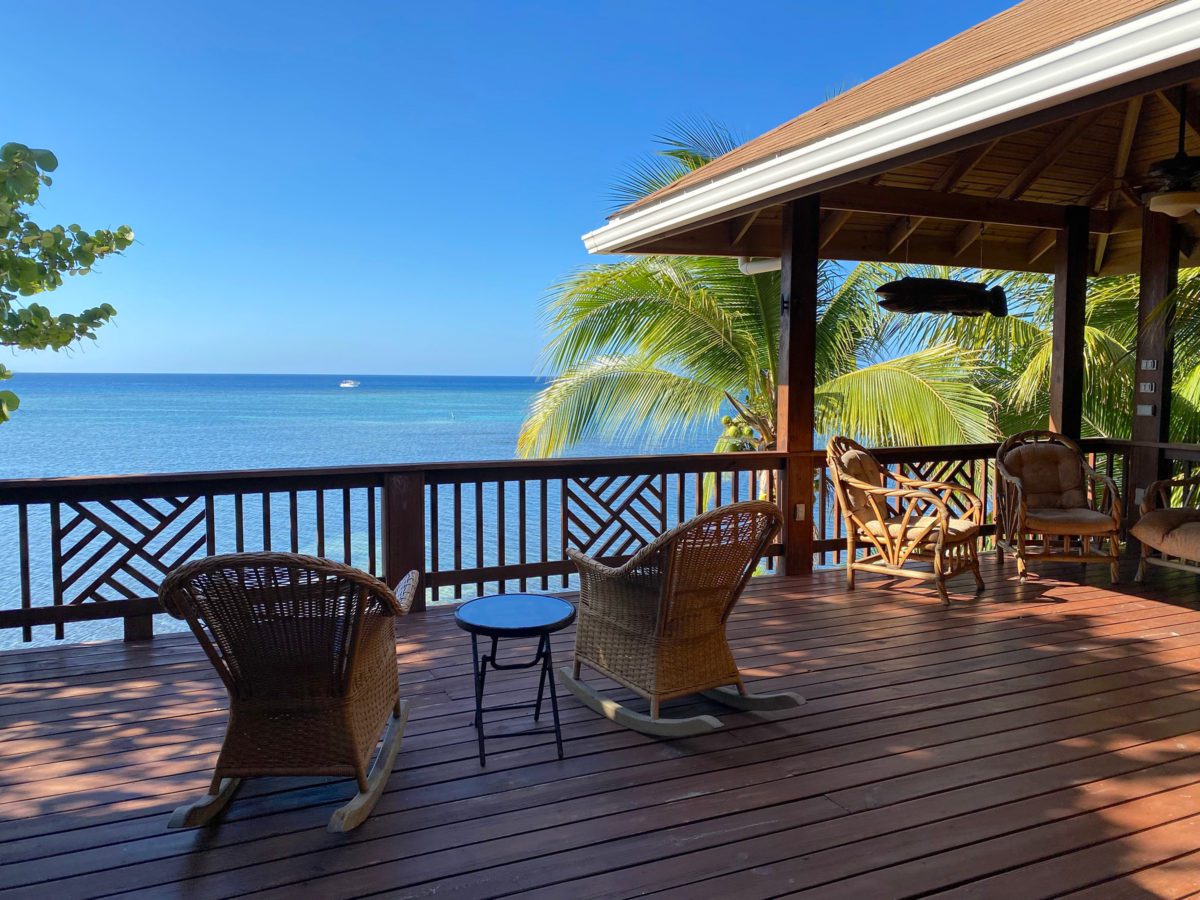
The island of Roatán, off the coast of Honduras, welcomes tourists from around the globe.
Photos by Gina Michalopulos Kingsley
The curiosity for traveling has not waned – despite the hectic challenges the industry has endured over the last few years. Like historic explorers, vacationers must choose their routes carefully, minimizing airport connection waits, long taxi rides and excursion times that chop up your vacation days, interrupting your relaxation time. Honduras is a destination that can certainly achieve the latter.
All photos by Gina Michalopulos Kingsley
From Tulsa or OKC, a one-hour flight to Houston and an approximate two-hour flight to Roatán, means you can have a noon arrival to this Central American and Caribbean paradise. Small Caribbean airports have an efficient and simple customs/immigration process. With Roatán being a small island off the Honduras mainland, this makes your taxi ride to your lodging short and sweet. Check-in time is succinct within your arrival, which means you can realistically be on the beach by mid-afternoon. Bienvenido a la playa!
Honduras attracts scuba divers and retirees alike, and this combo makes it a carefree environment. The Reef Beach House in Sandy Bay has everything one needs; plenty of room, a guest apartment, kayaks, paddle boards, snorkel gear, a semi-private beach and good security. Walk the beach to the nearby taverns where you’ll savor the blazing sunsets and enjoy live music. Although there are many excursions, you may want to maximize your relaxation time and focus on frolicking. The shallow shore, sandy beaches and sea creatures keep one occupied.
Excursions are informative, but frolicking is restorative. Sink into the shallow shore, roll in the sand and swim out to the reef. Watch children lift a conch shell under a palm tree and find large crabs hiding underneath. Gaze at the boats on the horizon, watch locals fish for barracudas, and enjoy the gray-colored egrets catching food. Do yoga and meditation on your deck. Stretch into your pose and observe the gull gliding overhead on one side of you while feeling the palm breezes on your other side. This is the perfect soundscape with only a simple trill from a tropical bird. Stroll the beach and interact with those around you.
Teen volunteer groups harvest mangrove trees in greenhouses to grow and plant along the shore. Fun facts about mangroves:
• They remove carbon dioxide from the atmosphere;
• Mangrove forests are the home to many species;
• Their roots filter pollutants from the water;
• Mangroves are a natural coastal defense against storms and sediment;
• They’re a basin of the marine food chain.
Village children run back and forth across backyards in a progressive playdate style of socializing. Take a drive out to West Bay and West End for a different energy. Visit Spanish Stone village for the elevation point to view the cruise ships on the coast. Roatán’s lush and verdant hillsides are the epitome of jungle imagery. There’s much development occurring in Roatán, so consider scheduling a trip there while it still has undeveloped areas.
Restaurants to try:
Gio’s – Seafood and pasta
Oasis – Global fusion, brasserie style
Sunken Fish – Traditional Caribbean
Blue Bahia – Traditional Caribbean, seafood and healthy snacks
Excursions and galleries to try:
Waves of Art Gallery in the West End
Mangrove Tunnel Tours
Chocolate and rum factories
Eco walks and suspension bridges
Gumbalimba Park and island tour
Horseback riding
Monkey and sloth parks
Top tips:
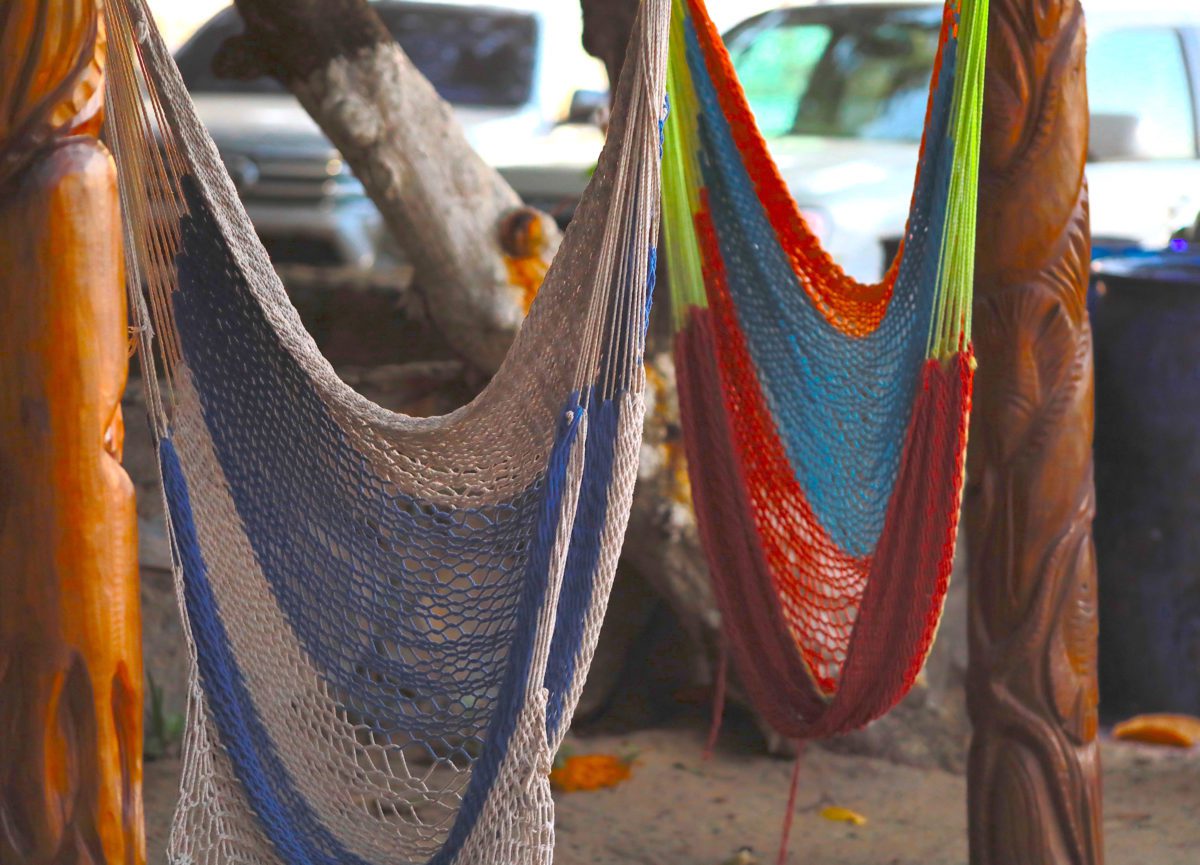
The popular Honduran food is the baleada, which is a wheat tortilla-filled treat of various ingredients. Many street vendors sell delicious varieties of empanadas, too. Get into the local spirit by riding in the public vans which make many stops along the Roatan island. In a $1 ride, you’ll capture cultural nuances.
3D illustration of an abstract compass over black background with needle pointing the text trusted advisor. Trustworthy financial advisory Concept
Turning to the Experts
When you hire a financial advisor, the assistance you receive is tailor-made, says Treana M. Lankard, vice president and branch leader for Fidelity Investments.
“Every investor has a unique situation, so we take into account the big picture,” Lankard says. “We look to understand their priorities, preferences and family dynamics to lay out the foundation of a plan that aims to effectively manage their wealth now and into the future. Once we have this framework, we can start to determine what kinds of accounts might best support and put their financial plan into action.”
The goal of a financial advisor “is to help you make your money work harder for you. In other words, we partner with clients to ensure that every dollar has a purpose,” Lankard says. “At the end of the day, financial planning is collaborative and fluid – we’ll be there to help your financial plan adjust with you through all of life’s challenges.”
Myths, Debunked
Not all financial advisors are alike, and they are not just for the uber-rich.
The best way to separate fact from fiction is to interview financial advisors before you hire one, according to NerdWallet.com.
“Not only are there many different types of financial advisors, but advisors also make money in many different ways,” NerdWallet says. “Some advisors charge an ongoing fee based on the amount of assets they manage for you; some are paid commissions from the products they sell to you (annuities, life insurance, mutual funds, etc.) or from trades they place on your behalf; and some charge an hourly fee for the services they provide. Often, it’s a combination of these methods. Don’t be afraid to ask any advisor what they charge and compare their fees to others before moving forward. “
For more than 75 years, Fidelity Investments has worked with all types of people to help them manage their wealth, says Lankard.
“Whether you’re looking for guidance on saving for retirement or need strategies to better manage your money, financial professionals help make your goals actionable by partnering with you to put a plan into motion,” Lankard says.
Financial advisors can help with budgeting, saving, investing and portfolio management, insurance coverage and retirement and tax planning.
How to Save Smart
Financial how-to articles offer similar advice when it comes to beefing up your savings and living below your means: track your spending, cut the frills, create a budget, stay out of debt and find a side hustle.
The lifestyle blog Kindafrugal.com also presents such tips, but with a more positive spin.
“Being ‘kinda’ frugal to us means finding joy in simplicity and embracing the art of maximizing our earnings and getting the best value out of every dollar spent,” the authors write. “It’s not just about saving money; it’s about creating a life that aligns with our values and dreams.”
Jessica Jones, senior financial advisor for BOK Financial Advisors, encourages people to “get into good habits as soon as possible. I like to coach my clients to live on 90%, put 10% of what they bring home into savings, or if they have an employer-sponsored plan, put in 10%. Get in the habit of telling yourself: ‘Not every dollar I make is available to me right away.’”
Young people are saving at a higher rate than some might think. According to the Federal Reserve’s Survey of Consumer Finances, Americans under the age of 25 had an average balance of $10,200 in their bank accounts in 2016. By 2019, the last time the survey was done, the average savings balance for that age group had grown to $11,250.
Risk Tolerance
When investing, the level of comfort you have is called risk tolerance, “and it’s essentially the amount of risk you are willing to take on your investments,” says Lankard.
“With lots of time on their side, young people may choose a high-risk, higher potential reward investment since they are able to recoup any losses over the long-term if an investment has a bad year,” Lankard says. “On the other hand, those closer to retirement may prefer investments that may be less likely to result in short-term losses.”
But sometimes just the opposite is true. Jones says she also considers the experience level of her clients when advising about risk.
“If you are inexperienced, you might not be able to tolerate the level of risk that comes with age and experience,” Jones says.
Conversely, people with more experience at investing “might have a higher risk tolerance because you have a higher level of assets,” she says.
High Risk Investments
When considering whether a particular investment might be risky, Jones says she considers the client as well as the stock itself.
Jones says she would not patently warn clients away from MemeStocks, Bitcoin, options, mini-bonds or complex investments.
“Those types of alternative investments require a certain client,” Jones says. “For more experienced investors with more liquid assets, if you want to use that as an alternative to your overall position, that’s something we can look at exploring.”
With Bitcoin, “I’m not advising a client to dump their retirement into that,” she says. “We don’t have enough history on Bitcoin. It’s been extreme ups and extreme downs.”
When it comes to options, “I would not necessarily say they are high-risk,” Jones says. “They should not be used for everyday clients. I am typically only using them for very experienced clients.”
MemeStocks, which are shares of companies actively being traded, “are hot topics because they are in the news for something,” Jones says. “The risk in that is to be careful following trends. Make sure it matches your goals. Sometimes these companies might not even last.”
Financial Freedom
The road to financial independence “looks different for every individual,” says Jones. “I don’t believe in a one-size-fits-all. There may be things that make my road different than yours.”
Lankard says that one of the best things to do to get started toward greater financial wellness is to create a plan.
“Your financial plan is a blueprint for managing your money, constructed on several key financial pillars: spending, saving for the future, managing debt, protecting what you already have and estate planning,” she says. “Understanding where you stand on each of these in the context of your long-term goals can help you remain flexible and change course should your priorities change or if life just gets in the way.”
Financial independence, Jones says, “means you are self-reliant. You have built a position for yourself where you are not dependent on the mortgage company. You have a steady stream of income, and are on your own without having to depend on government assistance, a loan company [or] a credit card, and you are not using other people’s money.”
Credit Card Debt
Having credit card debt, “isn’t necessarily horrible,” says Jones. In certain situations, in fact, it might be a better option than tapping investment accounts.
During the early years of the COVID-19 pandemic, for example, “there were a lot of people without jobs for a long time,” Jones says. “I have clients whose jobs were put on hold. Unless they started depleting retirement accounts, they turned to credit cards.”
Once you have recovered from a financial crisis, impulse spending, medical emergency or whatever else landed you in credit card debt and are ready to wipe out the balance, it’s a good idea to call the credit card companies and ask about payment options, Jones says.
“You can also explore balance transfer options, which offer zero-percent interest for 12 or 18 months with a one-time transfer fee,” Jones says. “That fee will be much less than the interest you are going to pay.”
To free up money to make bigger payments, “start from the basics, look at where your money is going,” Jones says. “Look for the dollars and cents that are going places that can be put on hold. Starting is as easy as being disciplined enough to re-budget.”
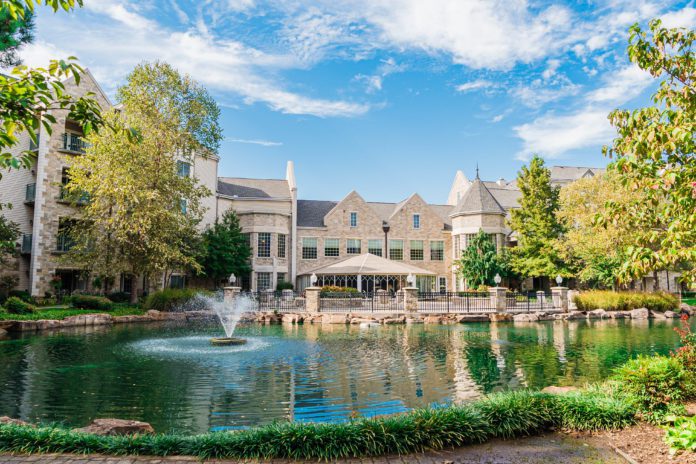
Covenant Living at Inverness emphasizes a focus on holistic living for its residents. Photo courtesy Covenant Living at Inverness
The Pros of Volunteering
One innovative way for seniors to get moving is to dedicate their time to helping others. Volunteering helps keep bodies running, minds nimble and hearts softened.
Tara Powell, director of education and training at Cedarhurst at Woodland Hills, explains how its communities organize events for the Walk to End Alzheimer’s to benefit the Alzheimer’s Association.
“Our team members, residents, family and loved ones are always welcome and encouraged to attend,” she says. These events are a great way to stay active and support an important cause.
“Covenant Living at Inverness offers both short-term and long-term volunteer opportunities,” says Sharon Goforth, resident life director. “We have residents who volunteer with other levels of care on outings, pushing wheelchairs, reading to residents, providing Bible studies, giving of their musical talents and other needs.”
The benefits of volunteering for seniors – or anyone – are vast.
“Volunteering adds to anyone’s sense of purpose,” says Goforth. “It also provides social interaction with those of like interests. Our residents are not isolated because of volunteer opportunities in the community.”
With fitness activities, plenty of recreation and a variety of community gatherings, retirement communities are better than ever. Left and right photos courtesy Cedarhurst at Woodland Hills; middle image courtesy Covenant Living at Inverness
Staying Fit, Staying Safe
Many of these volunteer opportunities bring groups of seniors together while they get out and about. Participating in group activities is a proven way to stay motivated toward movement goals.
“Having a friend join a fitness class with you is helpful to keep you consistent – which seems to be the case for anyone at any age,” says Powell. Cedarhurst offers dedicated staff members who provide encouragement and help tailor fitness programs, including tai chi, yoga, cardio and more, to keep residents interested and building strength and improving balance. For those who prefer a more competitive component to their exercise, they can participate in cornhole tournaments, chair soccer, balloon volleyball and horseshoes.
A variety of living arrangements and ample social opportunities make Cedarhurst an ideal community for seniors. Photos courtesy Cedarhurst at Woodland Hills
While staying active can lengthen and improve anyone’s life, it remains important to know physical limitations, especially as we age. Considerations such as beginning an exercise program gradually, making sure to drink plenty of water while exercising, wearing appropriate clothing and footwear, and consulting a physician before starting a new exercise program are always important, but can be especially critical for seniors to keep in mind.
Goforth mentions that Inverness residents “have access to well-trained fitness professionals who stay abreast of education and safety. We also partner with our on-campus therapy department for programming and recommendations when needed.”
At Cedarhurst, leadership emphasizes the importance of checking with a physician to ensure the safety of a new exercise plan.
“Our Life Enrichment team members also encourage residents to do what the body allows, and they also offer modifications to the exercises for anyone that may have limitations,” says Powell.
Exercising the Brain
The many benefits of staying active – especially when done carefully and in groups – go well beyond the physical.
“Exercise has been proven to help brain health simply because of the vascular benefits,” says Goforth.
At Covenant Living at Inverness, they pair brain challenges with physical exercises for even more advantages for the residents.
These types of activities are beneficial because mental health and exercising the mind as we get older are just as important as keeping the body active. And living within a community means that many seniors have a lot of opportunities to increase their mental acuity.
“Residents in our community have the opportunity to participate in activities which improve brain function,” says Goforth. “They exercise their brains together while laughing and encouraging one another.”
They offer resident-led activities such as art and bridge, as well as programs on technology and other topics of interest.
“We implement brain-boosting food in dining with our Crafted by Cedarhurst program, as well as brain-boosting activities which can be done in social settings such as trivia-type games including Jeopardy, brain puzzles and charades,” says Powell.
Senior living communities are also vital in caring for a special group – residents living with dementia. At Covenant Living at Inverness, for example, they “offer a non-pharmacological program … [that] pairs supporters with learners [with dementia] for brain exercise. This brings enhancements and blessings to both sides of the table,” says Goforth.
Photo courtesy Cedarhurst and Woodland Hills
A Focus on the Holistic
A move toward a more holistic lifestyle for older adults is a major trend for retirement communities. Both Inverness and Cedarhurst work hard to keep up with these changes and stay on top of what their residents want and require.
Powell mentions that it is important to have a focus on how today’s seniors want to spend their time. They have noticed changes as newer generations begin to move into the community. She mentions that today’s seniors tend to have much more familiarity with technology and more awareness of the importance of a physical lifestyle.
This “allows us to change our programs to be relevant to their lifestyle choices,” she says. “Residents in our communities want opportunities to continue enjoying things they were active in before moving in and to continue learning and growing as well.”
At Covenant Living at Inverness, activities are always steered by the desires and input of the residents. Everyone wants to know they have control over the choices of activity available to them.
“The lifestyle is designed to provide a variety of experiences to lessen stress, improve health and mobility, and improve nutrition,” describes Goforth. Inverness also utilizes their network of 19 other communities within the Covenant Living organization to stay on top of best practices and cutting edge principles.
So whether seniors are taking advantage of active volunteer opportunities or exercising their brains and bodies, staying active can lead to a longer, healthier, more fulfilling life. There is not a substitute for an active lifestyle, no matter a person’s age.
Photo courtesy Covenant Living at Inverness
Perfecting Vacation Safety
Vacationing can be an excellent way to stay active and continue learning as an older adult. But as we age, there are new considerations when it comes to staying safe while traveling. Powell offers these suggestions:
1. Be sure to let someone know the address where you’ll be staying;
2. Ensure that you have your cell phone, any accompanying chargers, and your purse or wallet with your ID inside;
3. Know your body’s physical limits and take necessary breaks;
4. Be mindful of your surroundings and research the area you’re visiting so you are familiar with the terrain and other safety concerns that might arise;
5. Check beforehand for the presence of stairs or steep areas you may have to walk during your trip. If you are not booking the lodging yourself, be clear with whomever is about any limitations you may have;
6. Have a talk with your doctor if you are unsure about your limitations preventing you from being able to enjoy parts of the trip;
7. Stay hydrated and use sunscreen for any prolonged outdoor activity.
American football stadium and ball on green grass. Mixed media
Hazing: Is It An Issue?
Hazing – a ‘rite of passage’ groups invoke to embarrass new members – is a controversial subject. Some believe light hazing can bring people or team members closer together. College officials, on the other hand, don’t tend to share that viewpoint.
The University of Tulsa works diligently to create well-rounded athletes, on and off the field. Photo courtesy TU Athletics
“Hazing in its different forms can undermine any organization,” says Gavin Lang, associate A.D. of communications for Oklahoma State University Athletics. “The best way to stop hazing is through proactive communication from the coaches to student-athletes – that hazing is not acceptable, and that there are consequences. If hazing does happen and the coach is unaware, it’s important for student-athletes to communicate it to the coach, and for the coach to bring it to an end. Without a clear set of expectations and communication, the problem grows.”
Many school leaders, after seeing the sometimes fatal consequences of hazing, take a zero-tolerance approach.
“We do not have a tradition of hazing in athletics at The University of Tulsa,” says Rick Dickson, vice president and director of athletics at the University of Tulsa. “It is inconsistent with who we are. Hazing is not tolerated – much less condoned – at TU. Following a recent incident at Northwestern, we met with our teams to clearly state this type of conduct is unacceptable and to provide educational and training components for our student-athletes.”
OSU Athletics works to create connections between teams and students, thus maximizing excitement and attendance. Photo courtesy OSU Athletics
Driving Excitement
Some sports naturally draw fervent crowds and don’t need gratuitous marketing or bonus fluff to get people excited … while other sports may benefit from incentivizing attendance.
“Every sport is as important as the next. Football and basketball are on a bigger stage, provide a larger revenue stream and are sports that draw more spectators, but we want all our student-athletes to experience the best atmosphere possible,” says Dickson. “We try to create an environment and a pricing structure for all sports that make it affordable and fun for fans to attend soccer, volleyball and softball just as easily as basketball and football.
“Home events for cross country, golf, tennis and track are free and open to the public. We take great pride in being a well-rounded program of excellence. The fact that we enter year ten in the American Athletic Conference with the most championships of any other league school is evidence of that exceptional success.”
OSU also takes a proactive approach to sports attendance.
“There are countless ways to incentivize attendance for sporting events other than football and basketball,” says Lang. “Of course, it helps when the team is successful or when it’s playing a high-stakes game, but at Oklahoma State, the big thought is that we want our fans to feel a connection with the teams and the student-athletes, that goes beyond wins and losses – we want them to see our student-athletes as people. If fans connect with our student-athletes as people, the chances improve of fans wanting to show support by going to the games.”
The record-breaking OU Sooners softball team won another national title in 2023. Photo by Mike Houck, OU Athletics
Teaching Sportsmanship
In today’s highly competitive sporting atmosphere, spectators have come to expect the occasional post-score hijinks. Some athletes are even known for being cocky, brash and unsportsmanlike – and they may be popular because of it. College coaches and officials, however, are working to teach sportsmanship – no matter the situation.
“Sportsmanship is critical to a good experience for the teams and the fans at college athletic events,” says Dickson. “TU emphasizes the importance of good sportsmanship with our student-athletes overall, and our coaches continuously reinforce this with their teams. Our actions should reflect the high standards of integrity and ethics that characterize participation in the highest levels of competitive sports.”
Sportsmanship and respect for other players are key components to collegiate sports. Photo by Mike Houck, OU Athletics
Respect for the sport itself can be key.
“There is a balance when it comes to sportsmanship,” says Lang. “The student-athletes who make it to this level are remarkable at what they do and for most, a fiercely competitive nature serves as a competitive advantage. That said, the game needs to be respected. That’s where program culture fits in. Coaches in particular set the expectation for what is and what isn’t acceptable. Those conversations happen in a variety of ways – sometimes with the whole team, sometimes on an individual basis.”
College athletes are taught to handle disagreements, controversial calls, wins and loses with grace. Sometimes, this includes penalties.
“In some sports, the game polices itself as it pertains to sportsmanship,” says Lang. “One example is football, where there is an actual 15-yard penalty for unsportsmanlike conduct. Basketball has technical fouls. Beyond in-game consequences from the sport’s rule book, sportsmanship is an area where coaches set and enforce team culture. If a student-athlete does something unsportsmanlike, it is not uncommon for the coach to take him or her out of the game, and depending on the severity of the offense, to suspend the student-athlete – or worse.”
Athletes and Media: Expectations
As if playing a sport and getting an education aren’t enough of a challenge, student athletes are expected to deal with the media, too, from press conferences, interviews and deals, to how they present themselves on social media.
Student athletes at Oklahoma State University often participate in media interviews to help team and school exposure. Photo courtesy OSU Athletics
“Student-athletes have a heavy load to carry with academics, athletics and other activities,” says Dickson. “Media is a part of it, but it’s fit around the student-athletes’ schedules.”
Lang continues: “Student-athletes from all sports at Oklahoma State get media exposure, which is a good thing, because it’s proof that people care. Every interview is a chance to tell your own story, your own way and to be a positive ambassador for the team and school. Not everyone is comfortable going on camera or speaking to reporters, but just about everyone understands the value of granting interviews. The expectation at OSU is that student-athletes and coaches participate in interviews when requested. There are times when it doesn’t work out, but for the most part, it’s not a problem.”
Being a Student First
Students – whether athletes or not – deal with academic rigor, study hours and an expectation of integrity. This can be a challenge for students playing athletics at a high level with much on the line outside the classroom. Schools find different ways to ensure that athletes place their education and student experience first.
“At TU, our students’ well-being and academic lives come first,” says Dickson. “We take every step possible to ensure each student-athlete receives the support they need in all aspects of their college experience.”
The University of Oklahoma also places an emphasis on the academic life of its athletes.
“The University of Oklahoma Athletics Department employs a holistic approach to developing student-athletes beyond their time competing,” says Mike Meade, OU’s senior associate athletics director for academic services. “OU Athletics’ Prentice Gautt Academic Center is a comprehensive support services unit for intercollegiate student-athletes, offering a wide array of services to ensure students prioritize their academic goals and responsibilities.
Photo by Mike Houck, OU Athletics
“Within the Academic Center, OU provides its student-athletes with access to a full staff of academic advisors and learning specialists; a career center with ample resources for students to prepare for life after college; centers for math, tutoring and foreign language, designed to meet student-athletes precisely where they are academically; study abroad opportunities that seek to broaden student-athletes’ perspectives; and PROS, or Psychological Resources for OU Student-Athletes, which features a team of licensed psychologists who deliver premier mental health care services for student-athletes’ academic, athletic and personal success. Beyond these support services, OU Athletics has cultivated an environment that places a premium on education above all else, with everyone from the athletics director to head coaches to support staff ardently supporting the mission and ensuring OU’s student-athletes are positioned for success academically.”
OSU also dedicates resources and staff to guaranteeing student athletes have a balanced, overall student experience.
“We’re very fortunate here at Oklahoma State to have a dedicated staff in our Academic Enrichment Center, led by long-time director Dr. Marilyn Middlebrook,” says Lang. “She is so closely woven into the student-athlete experience that many call her ‘Mom.’ In partnership with the individual sport coaches, Dr. Middlebrook and her team ensure that academics are taken seriously.”
Paying Student Athletes
“Most in major college athletics don’t have an objection to student-athletes profiting from their name, image and likeness,” says Lang. “The NCAA’s interim policy says using that as a recruiting inducement to come to a school is illegal. Schools are doing it anyway and not being punished. Once that is sorted out, things have a chance to get better.”
Behind every great company is a hardworking team that contributes to the diverse economic fabric of our state. These individuals spend their days creating quality products and services, ensuring clients, customers and patients get exactly what they need, when they need it.
To showcase these industry leaders, Oklahoma Magazine presents Faces of Oklahoma – which shines a well-deserved spotlight on those who make Oklahoma a better place to live, work and play. From healthcare experts to construction professionals, jewelers and wealth managers, the following companies stand out as the unique face of their field.
When deciding which businesses to trust, turn to the Faces of Oklahoma.
1. The Face of Fine Jewelry Stores – Diamond Cellar
Diamond Cellar staff
Discover the true difference of genuine luxury at Diamond Cellar—Your True JewelerTM. In 2006, Diamond Cellar purchased Bruce G. Weber Precious Jewels – a longstanding Tulsa favorite for luxury brands. As Weber looked toward retirement, he wanted to ensure the company remained family-owned and was focused on selling only the best brands. Weber approached his longtime friend, Andy Johnson, to continue this legacy. Both men shared a love for jewelry and a passion for customer care, so it felt like a perfect fit. In 2022, the name changed to Diamond Cellar, with an expanded selection of jewelry plus a new store on Cherry Street. Johnson’s Columbus, Ohio-based Diamond Cellar has set the standard for authentic craftsmanship, unparalleled expertise and exceptional customer service for over 75 years.
Only a True Jeweler offers creation, curation and caretaking of all luxury jewelry and timepieces. From engagement rings to statement pieces, our creations are meticulously crafted, elevating each design to a work of art. Our roots are in the goldsmith trade and our team of master artisans possesses unparalleled skill and expertise, ensuring that every piece surpasses the highest standards of quality.
We take great pride in creating trust and genuine lifelong friendships with our customers. We offer an exceptional shopping experience with personalized service and attention to detail, guiding you to the perfect piece that reflects your unique sense of style. We represent some of the best brands in the world with more than 50 designer partners. We guarantee the authenticity and ethical sourcing of our diamonds and gemstones, ensuring that every purchase is a conscious one. Trust and integrity are the cornerstones of our business.
Visit us at Diamond Cellar, where luxury, artistry and unmatched service converge to create an extraordinary experience. We’ve got something for everyone to help you make memories that will shine forever.
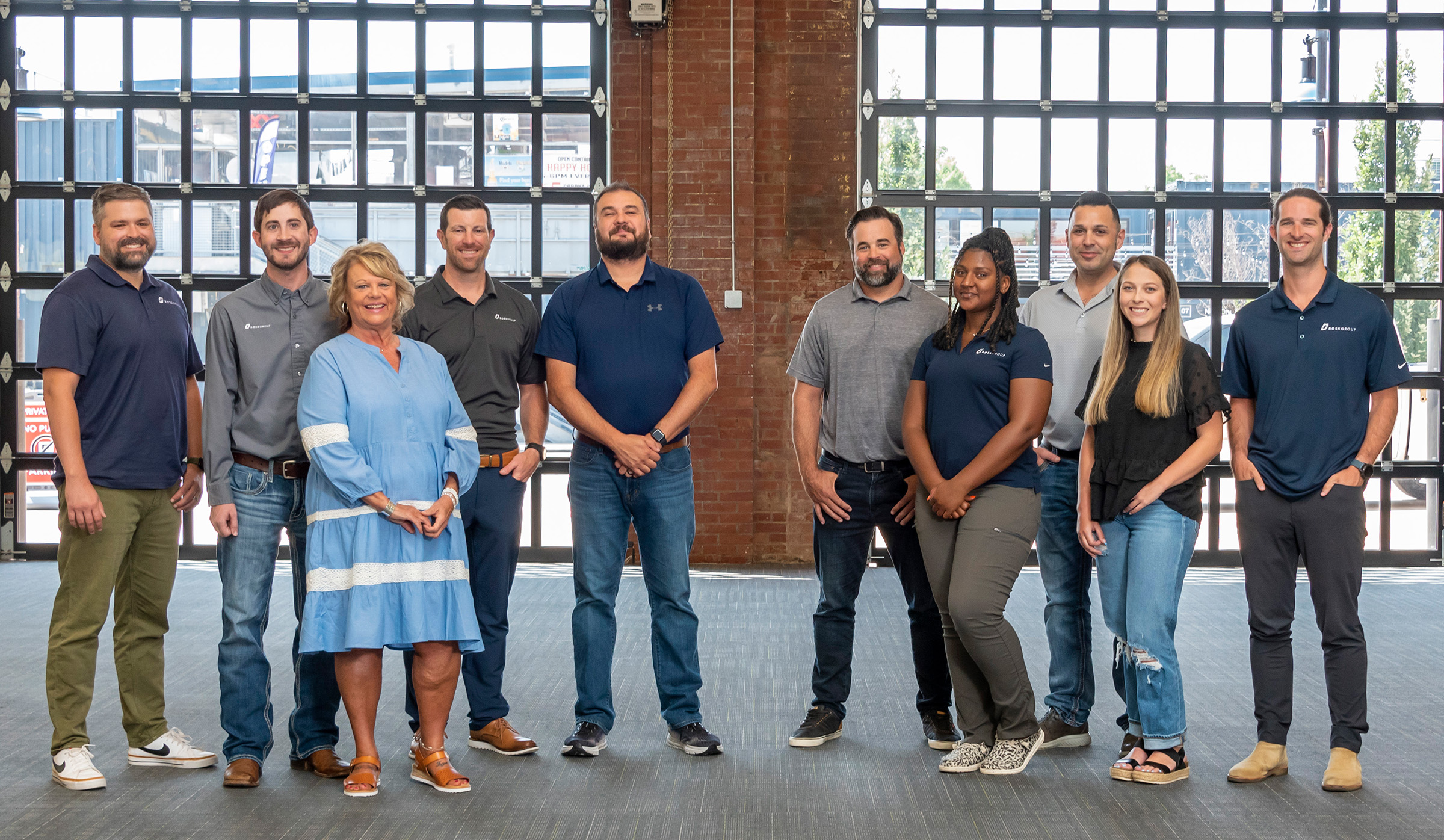
2. The Face of Construction Companies – Ross Group
From left to right: Bobby Spurlock, Tyler Buchanan, Tracy Hembree, Clint Black, Brandon Robbins, Eli Kieslich, Dallis Reed, Victor Tobin, Kyndra Walker, Chris Bynum
Ross Group began as a small contracting company based out of Catoosa, Oklahoma, in 1979, when Jesse Ross founded J. Ross Acoustics and Drywall. The company specialized in carpentry and interior finishes and quickly earned a reputation for quality construction, professional excellence and good old-fashioned hard work. In 1996, Warren Ross joined his father in the business and The Ross Group Construction Corporation was incorporated in the great state of Oklahoma. Building on each other’s strengths, the father/son duo used their knowledge and reputation to make a seamless transition into general contracting.
Since its incorporation, Ross Group has evolved into a development, engineering and construction firm serving private, commercial and government clients under the leadership of CEO Warren Ross. Working hand-in-hand with our clients, we provide industry-leading solutions in a variety of markets, such as medical, aviation, hospitality, education, government, manufacturing, industrial, and oil and gas. By offering an integrated suite of services to fit any need in any market, we commit to achieving our client’s vision for each project.
While our company has grown to include more than 130 employees spread across two offices, we are still a roll-up-our-sleeves and get-to-work kind of place. Just like our founder Jesse, our leadership and staff realize that companies don’t build projects. People do. We are team players who will help anyone who asks, regardless of our titles, because we know we all succeed or fail together. With that in mind, Ross Group’s dedicated employees continue to build our firm’s reputation through our actions, while delivering tangible benefits to our clients as a one-stop-shop for project delivery. Visit us at withrossgroup.com to learn more about how Ross Group can help your make your vision a reality.
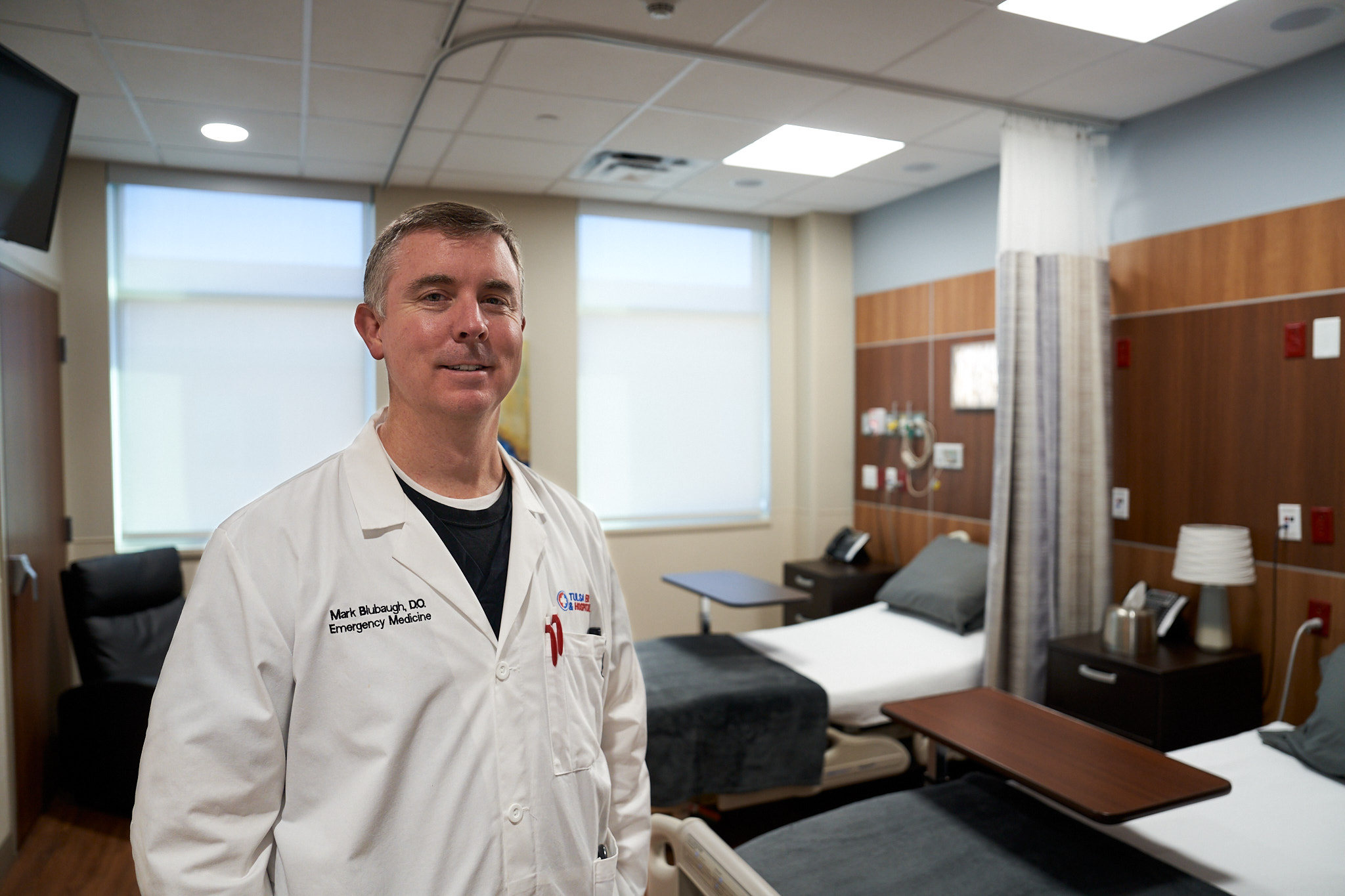
3. The Face of Emergency Medicine – Tulsa ER & Hospital
Dr. Mark Blubaugh
Dr. Blubaugh is a native Oklahoman. Born and raised in Ponca City, Oklahoma, he attended Northeastern State University, then pursued his medical education at Oklahoma State University College of Osteopathic Medicine, graduating in 2001.
After residency, Dr. Blubaugh spent the next 13 years practicing and teaching emergency medicine at Oklahoma State University Medical Center. During this time, he saw the need for more personalized, patient-focused care.
Since 2019, Dr. Blubaugh has been a founding partner at two of Oklahoma’s only physician-owned micro-hospitals, Tulsa ER & Hospital, and Oklahoma ER & Hospital. Both hospitals were designed by emergency physicians in an effort to improve the access and quality of emergency care and hospital services. Local ownership and management allow for the hospital to adapt to the needs of the community. The physicians are able to customize services for community providers and patients without the bureaucratic delays and hurdles, typical of larger corporate health systems. Emergency room services, observation care, inpatient care, outpatient imaging, outpatient laboratory services and outpatient therapies are offered at both facilities.
Tulsa ER & Hospital and Oklahoma ER & Hospital are the only facilities in Oklahoma that offer outpatient services 24/7 without an appointment. Dr. Blubaugh is currently the Medical Director at the Tulsa facility. This position has afforded him the ability to spend more time with patients and experience both the administrative and political aspects of healthcare within the state.
Our physicians and staff strive to create an atmosphere where the patient feels heard and receives healthcare that is above and beyond.
918-517-6300 | 717 W. 71st St. S., Tulsa | tulsaer.com
4. The Face of Medical Spas – For Inner Good (FIG) Medical Spa
Dr. Cristie Hawkins and staff
For Inner Good (FIG) Medical Spa, located in Tulsa, is known for its expertise in the science of anti-aging for face and body rejuvenation. Under the direction and supervision of Cristie Lehr-Hawkins M.D., Fig offers the latest treatments for the face, hair and body.
The staff at Fig brings multiple years of experience in patient care and is dedicated to providing the most innovative treatments for their patients. Fig is honored to have won numerous awards for Best Medical Spa, Skin Care, and Wellness Center in Tulsa, the state of Oklahoma and nationally. Fig has also been awarded Oklahoma Magazine’s The Best of the Best Award in 2021, 2022 and 2023.
Medical and wellness services offered at Fig include dermal fillers, injectables, microneedling, PDO threading, weight loss programs and hormone therapy. They also provide a full range of laser treatments and aesthetic services.
Some of the newest treatment modalities at Fig include Opus Plasma and TED. Opus Plasma is a skin resurfacing treatment using plasma energy and radio frequency to repair photodamage and treat the signs of aging with minimal down time. Fig is also the only medical facility in Tulsa to offer TED (Transepidermal Hair Restoration). This new treatment uses ultrasound technology to stimulate hair growth. The TED treatment is painless and needle-free with no downtime. TED is quick and beneficial for any individual suffering from hair loss or wanting to improve the appearance and health of their hair.
Fig carries numerous skin care lines such as SkinCeuticals, Caudalie, Revitalash, ZO Skin Health, iSClinical, Skin Medica, and Revision. Fig also has the SkinCeuticals SkinScope LED Lamp. With the help of the aestheticians and The SkinScope lamp, patients can learn about their visible and underlying skin imperfections and what products will work best for them. FIG recently launched its own skincare line, Fig MD. This medical-grade skincare line is both preventative and corrective. Fig MD products are built on a layered system of the highest quality ingredients resulting in healthy and beautiful skin.
To learn more about Fig’s services or purchase products, please visit their website figtulsa.com. To schedule an appointment for a service or free consultation, call 918-932-8810.
918-932-8810 | 8921 S. Yale Ave., Suite B., Tulsa | figtulsa.com
5. The Face of Heating and Air – Airco Service, Inc.
With over 60 years in business as a family-owned company, Airco Service has a reputation for reliability, along with the trust of customer who count on us for excellent service, honesty, and integrity. Airco offers 24/7 service for all your home needs. With the largest service area in Oklahoma, Airco Service provides customers with the highest quality products and maintenance available in the areas of heating, air conditioning, plumbing and generators. We are a one call does it all company, with certified, trained technicians along with excellent customer service. Call or text us, Airco is home services made easy.
www.aircoservice.com Tulsa — 918.252.5667 | Edmond — 405.715.2665 | Moore — 405.378.4500 | Grand Lake — 918.782.2263
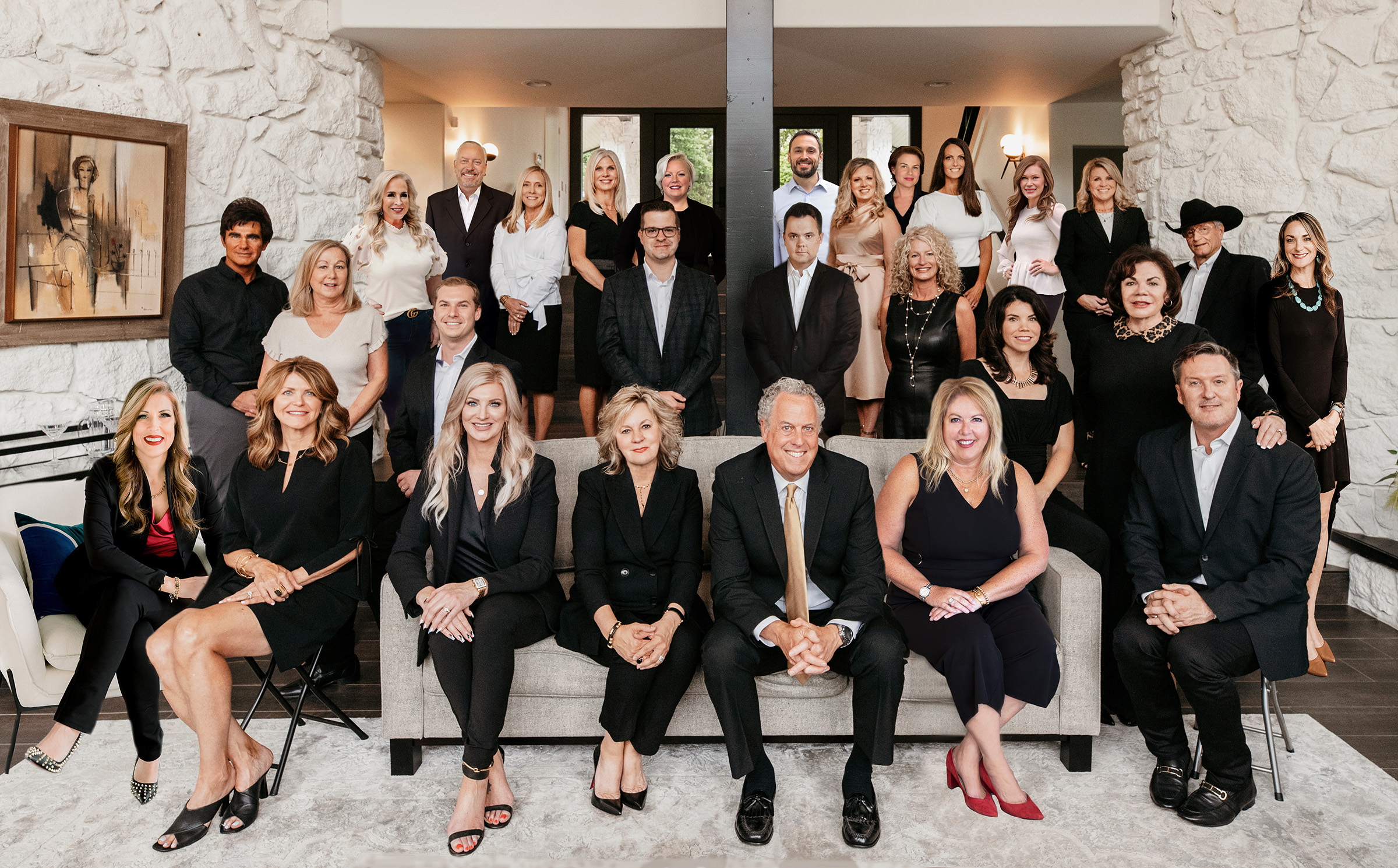
6. The Face of Residential Real Estate – Chinowth & Cohen Realtors
Chinowth & Cohen REALTORS® is the largest independent real estate company in the state of Oklahoma with more than 700 associates, 15 real estate offices and over $2 billion in annual sales. Founded in 2004 by Sheryl Chinowth and Lee Cohen, the company has seen rapid growth and expansion over the years, with the help of sons Leland and Taylor Chinowth.
And while Chinowth & Cohen is a leading luxury real estate company in the nation, at its core, C&C is a local, family-owned and operated enterprise that prioritizes investing in their agents – paving the way for individual success.
Realtors love being a part of Chinowth & Cohen because of the tools they are equipped with in order to make them as effective and successful as possible. Aspiring and new agents have the Chinowth & Cohen Real Estate Academy with an extraordinary team of educators and trainers, who also offer a plethora of courses for existing Realtors to further their education in real estate.
Chinowth & Cohen also prides itself on its large, award-winning in-house marketing department, a one-stop shop for agents to get all the graphic design, digital media, printing, photography and videography services right within the company.
And because real estate is really about people and making genuine connections, the profound level of investment in people goes beyond just the real estate business. Chinowth & Cohen supports dozens of non-profits and charitable organizations throughout Oklahoma and encourages their agents to get involved and be present in the communities they serve. Chinowth & Cohen’s mission extends beyond just helping Oklahomans buy and sell homes – it’s about building community.
Affiliated with the largest referral networks in the world, such as Leading Real Estate Companies of the World and Luxury Portfolio International, Chinowth & Cohen agents are ready to provide you with the elite experience in buying or selling your home.
918-296-7950 | 10129 S. Yale Ave., Tulsa | ccoklahoma.com
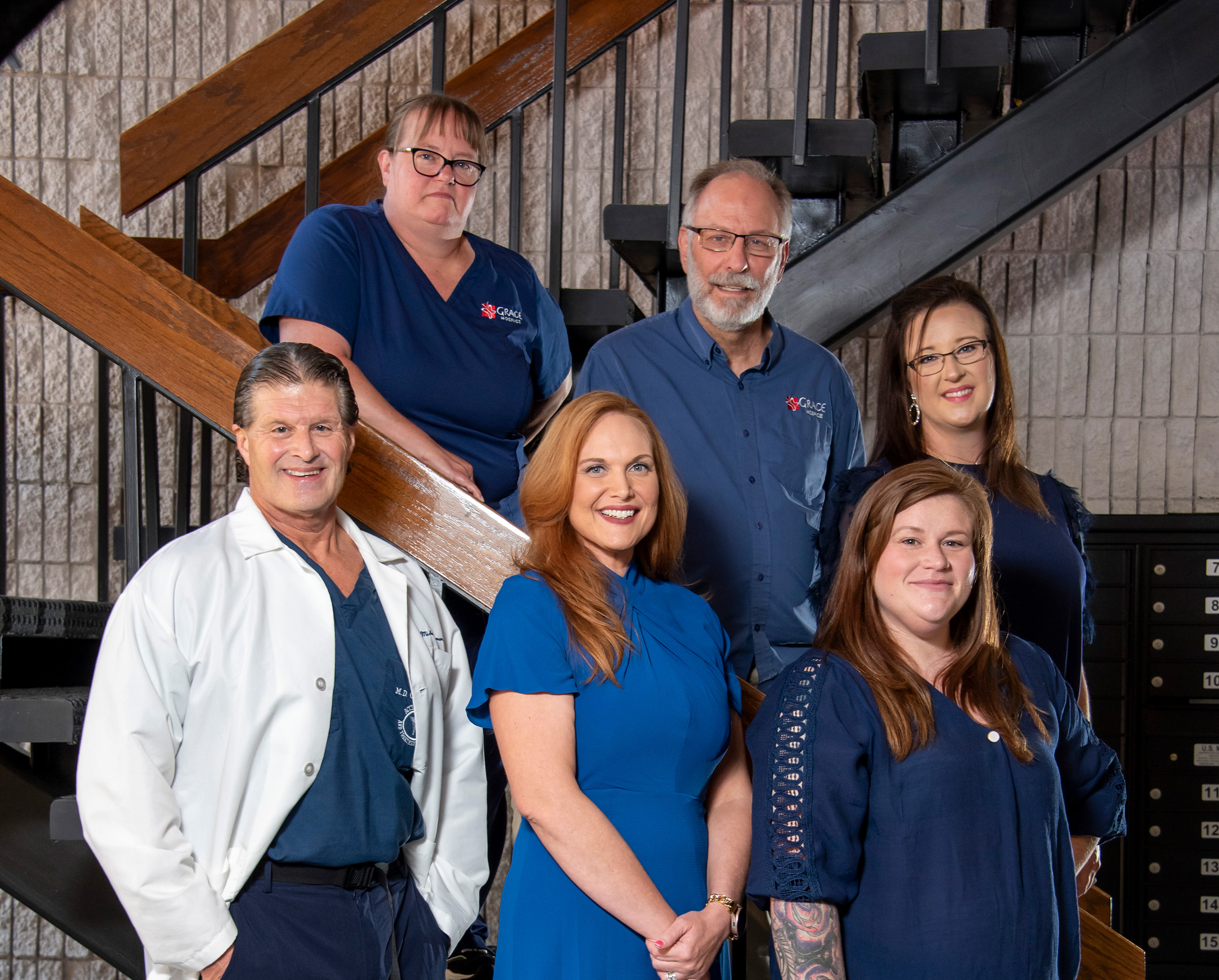
7. The Face of Hospice Care – Grace Hospice
Front row, L-R: Dr. Michael Gorman, Rachel Arnold – Executive Director, Tifafny Hughes – Business Manager
Back row, L-R: Michek Swift – LPN, David Peterson – Chaplain, Amber Rasnake – Account Executive
Grace Hospice is one of the oldest hospices in the Tulsa area, having served Green Country and beyond for over 20 years.
While traditional health care only concentrates on treating a patient’s illness, Grace Hospice also focuses on offering comfort and compassion to patients, family members and caregivers. Executive Director, Rachel Arnold, MHA and Certified Hospice Manager, and her interdisciplinary team of Hospice professionals are able to deliver a higher standard of care by meeting the physical, social, emotional and spiritual needs of each patient and their loved ones.
From the first visit through our last, the Grace Hospice difference is evident. Patients needing help are admitted within 24-hours of referral. Grace works with every patient, family and primary care physician to create a customized care plan. After a patient passes, the Bereavement Team provides support through mailings, monthly grief support groups, phone calls and visits. Grace Hospice is also one of the few Hospices in the state to receive a 4-star CMS Family Satisfaction Rating.
Grace Hospice’s team of physicians, nurses, aides, social workers, chaplains, volunteers, therapists and dieticians all work together as a cohesive unit. “Our team allows family members the opportunity to be family members and to be present. It is such a blessing to be able to give a patient and their loved ones quality time together for however long we can, free of the burdens of caregiving, planning, medication management and pain,” says Executive Director Rachel Arnold.
At the end of life, most people want to stay at home, surrounded by family and friends, with symptoms and pain under control. By focusing on the whole individual, not just the illness, Grace Hospice honors life’s final journey, leaving a legacy of compassion and caring.
918-744-7223 | 6218 S. Lewis Ave., Ste 1000, Tulsa | gracehospice.com
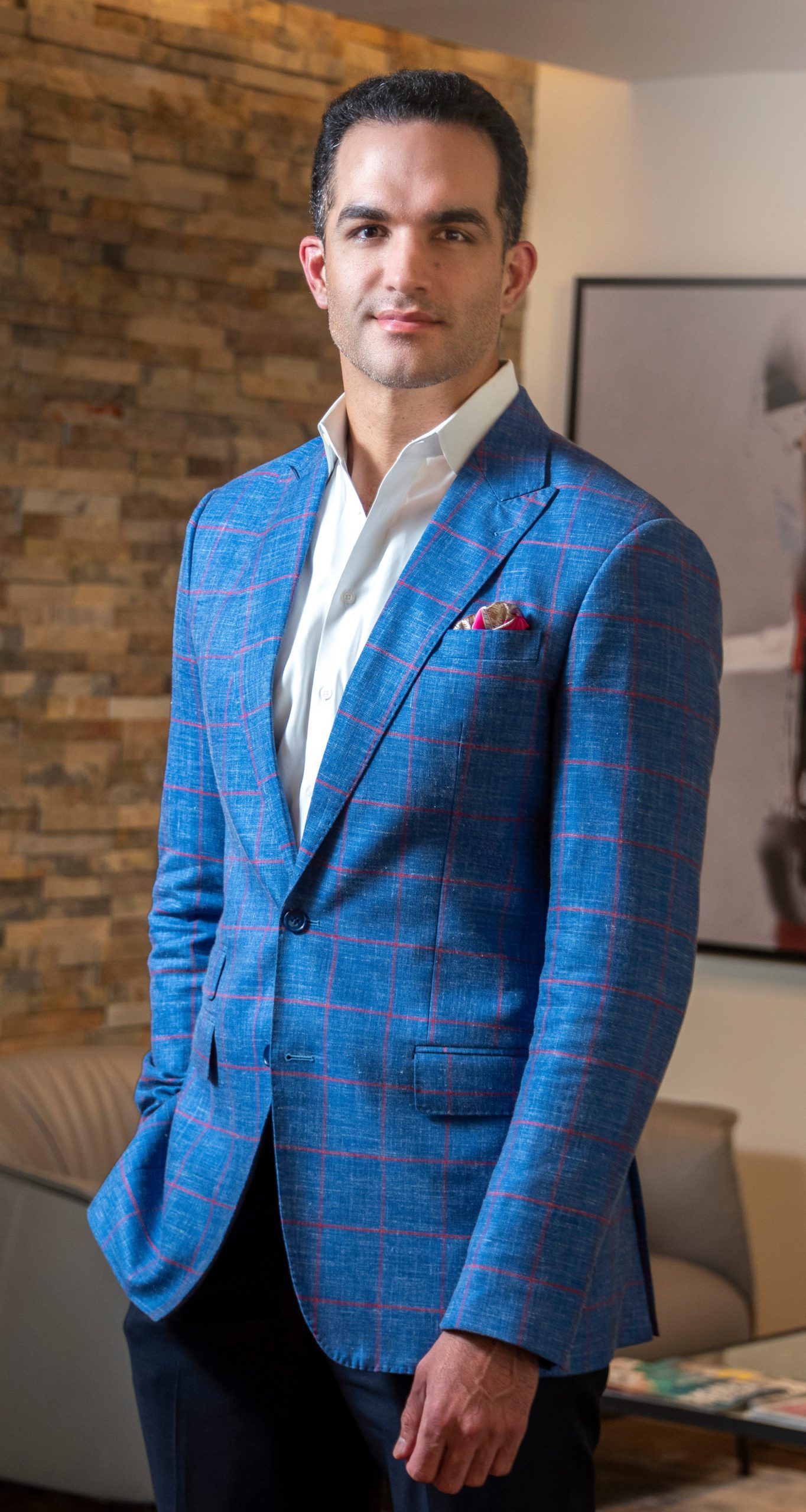
8. The Face of Wealth Management – David Karimian
Prime Wealth Management™ a Private Wealth Advisory Practice of Ameriprise Financial
David Karimian is a Tulsa native who graduated from Jenks High School and the University of Oklahoma. Upon graduation, David started in the wealth management industry and quickly became a licensed financial advisor, and soon after, a Certified Financial Planner®. This year, he was even named as one of Forbes’ Best In-State Wealth Advisors.
David’s firm name is Prime Wealth Management™ a Private Wealth Advisory Practice of Ameriprise Financial. David and his team specialize in comprehensive financial planning and unique asset management strategies, helping his clients reach their financial goals.
David says “everything begins with learning what is important to the client, what they would like to achieve, and then crafting a personalized plan that they can follow to help them feel confident about working towards their goals.”
Investing is a big part of the plan, but David believes starting with a well thought out plan can help clients achieve better outcomes. Before one starts a business, they must first create a business plan, David says. People should approach their personal financial goals the same way. Once a plan is developed, David and his team go to work on executing it, and investing is an important piece of the puzzle. David believes in creating custom investment portfolios that are tailored to fit the client’s unique situation. David has been helping people feel more confident about their financial futures for over 15 years. He enjoys working with clients very closely – creating deep and meaningful relationships.
David lives in midtown Tulsa with his wife Sarah and daughter Isabella. You can find them in their off-hours at a local park or enjoying one of Tulsa’s many fine dining restaurants.
David’s office is at Southern Hills Tower, and he welcomes anyone to visit who would like a complimentary consultation or guidance on how their plan might be working for them.
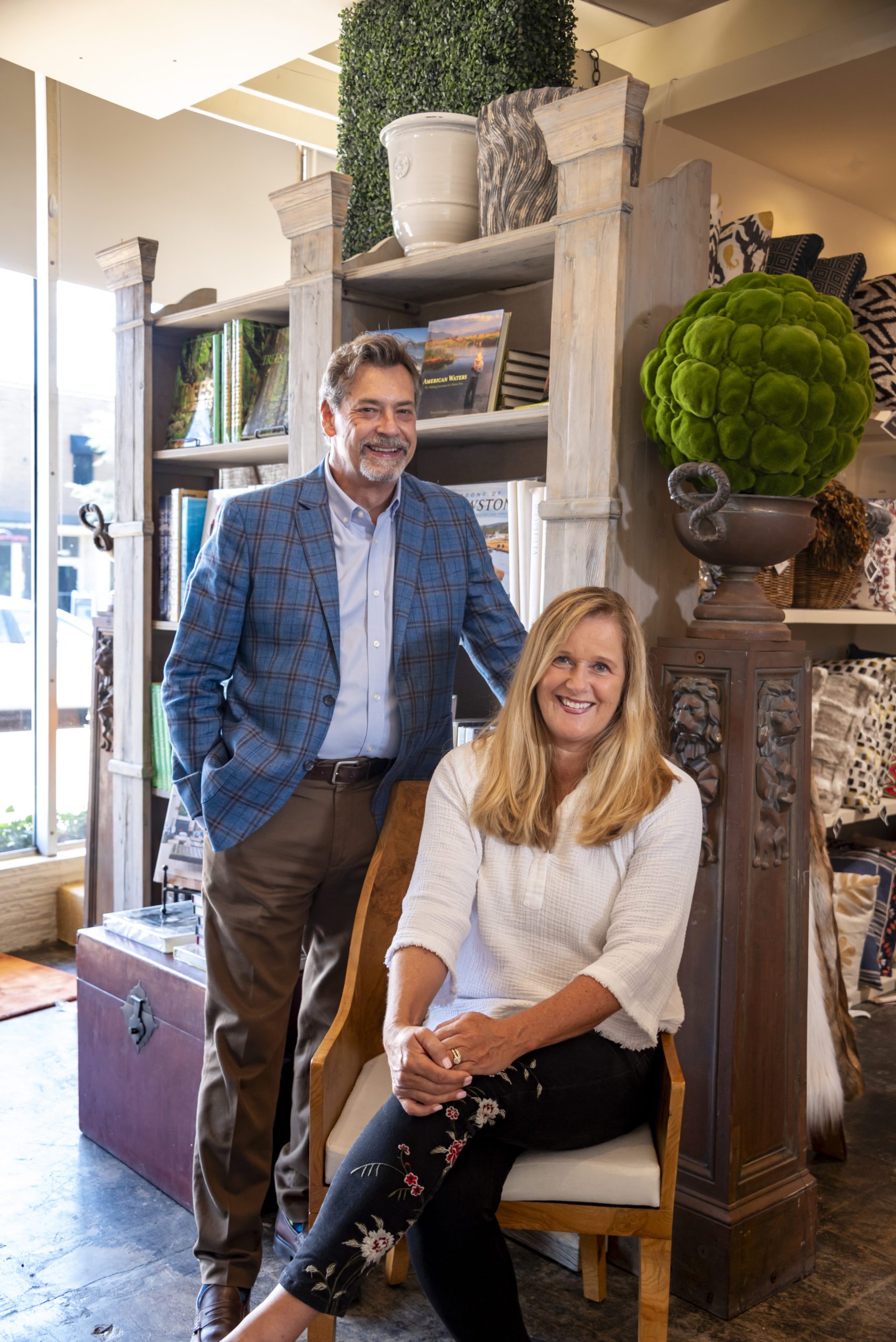
9. The Face of Interior Design – Lance Cheney Richard Neel Home
Lance Cheney, Alison McFarlane
Interior designer Lance Cheney, head “Style Coach,” helps clients find their personal style. His goal is to enhance and encourage each client by getting to know their families and sometimes, most importantly, their pets!
Modern, traditional or anything in between, the team of Lance Cheney (owner/ designer) and Alison McFarlane (designer) will work to develop their client’s individual design vision.
Lance Cheney Richard Neel Home, the oldest brick and mortar interior design company in Tulsa, offers full-service interior design alongside a fine home furnishings store that also serves as a resource and inspiration for many local design professionals.
“My store represents many design styles – modern, traditional, vintage. We help you find your style, not ours,” Cheney says. “Every design is one-of-a-kind.”
The 4,000-square-foot retail space features the designer studio alongside everything from art and furniture to lighting, accessories, fabric, and wallpaper – everything needed to furnish a home.
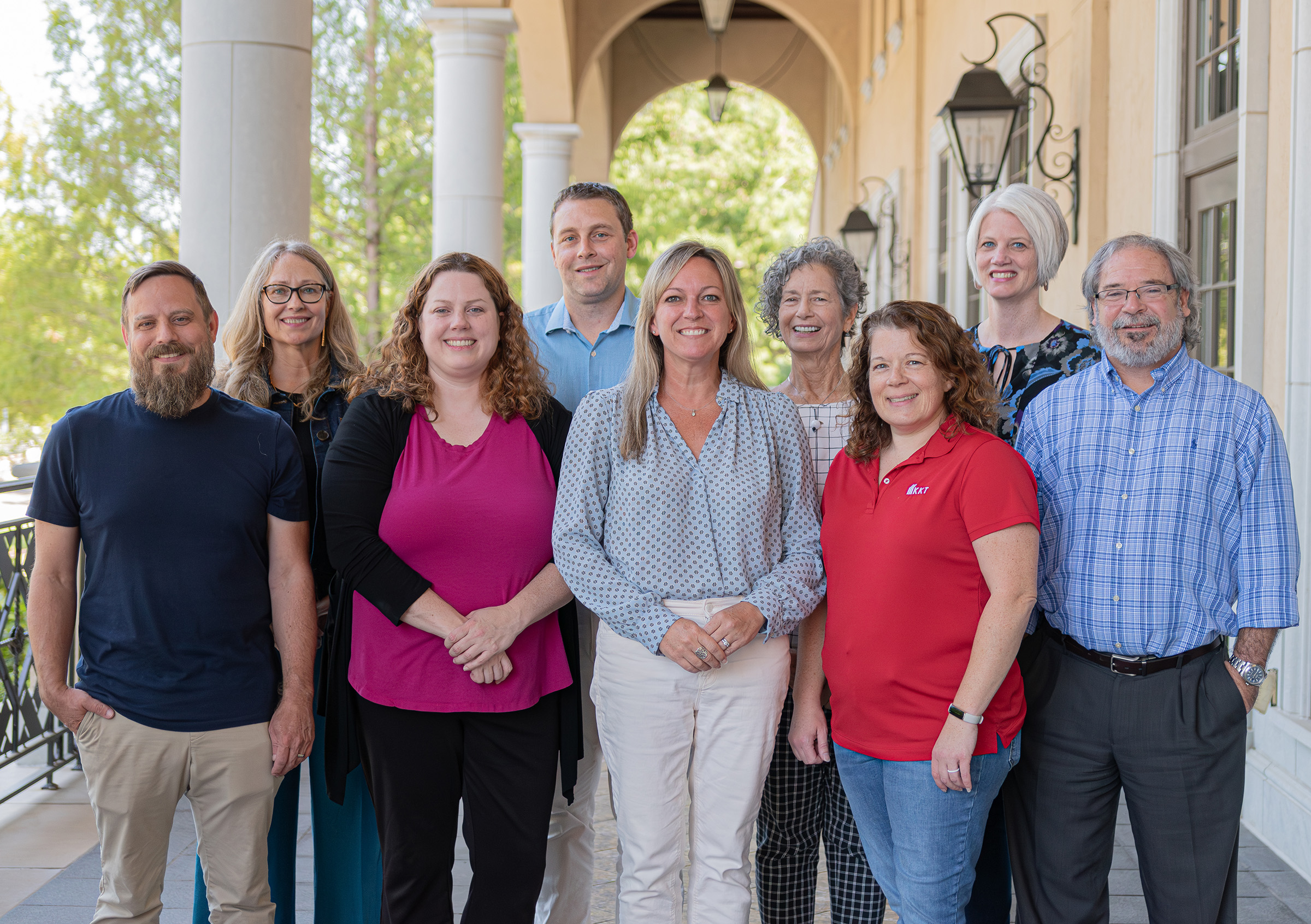
10. The Face of Commercial Architecture – KKT Architects
Sarah Gould and KKT Leadership Team including (L-R), Brandon Hackett, Yolanda Wright, Liz Rohrbacker, Francis Wilmore, Sarah Gould, Pam Deatherage, Angela Sexton, Kate Cofer and Jim Boulware.
At KKT Architects, we are a full-service architectural, interior design, and structural engineering firm that is passionate about improving lives and enriching the community. We are local by design, engaged in Oklahoma’s future by aligning closely with community-based organizations focused on improving quality of life in our state.
Our firm is approaching its 35th anniversary, and we are excited to announce the launch of our new Oklahoma City office space, broadening our visible presence in the metro community, in addition to our main headquarters in Tulsa. Our professional team of over sixty-five Architects, Interior Designers and Structural Engineers is ready to continue to build partnerships.
Our reputation is built on innovative design solutions, client partnership throughout design, elevated customer service, repeat clientele, and adherence to project budget and schedules. Our team of professionals is led by Sarah Gould, President and CEO. We are dedicated, nimble and proactive through the leadership of our experienced Principals and Department Leads who keep our projects and teams organized and running smoothly. We consistently utilize our resources to address the most complex projects and aggressive schedules while remaining 100% committed to meeting our client’s needs and exceeding their expectations.
By staying true to an inclusive design process, we have been able to consistently design high quality, signature projects in many communities — each building distinctly reflecting the image of the organization it represents.
Creating spaces begins with your idea. Let’s get started!
Dr. Matthew Walker • Dr. Brian Gosnell & Hygiene Staff
Dr. Matthew Walker and Dr. Brian Gosnell and the team at Utica Dental offer patients a truly relaxed, professional, state-of-the-art experience, with beautiful results from the moment they walk through the door. Conveniently located between 15th and 21st Street on South Utica Ave. in Tulsa, Utica Dental provides patients with peaceful, serene views out of the floor-to-ceiling windows while the dental team provides gentle care. Television monitors allow patients to get comfortable and watch a favorite show or movie. Want to hear music instead? Just ask Alexa to play it while in the dental chair.
Dr. Walker and Dr. Gosnell provide cosmetic and family dentistry to patients of all ages. General restorative care, dental implants, Invisalign, teeth whitening, root canal treatment, extractions, crown and bridge, preventative hygiene care, sedation dentistry, nitrous oxide (laughing gas) and full mouth transformation procedures are all available at Utica Dental.
Our hygiene staff is one of the best in the area. We offer many different techniques to make your visit with us as comfortable and painless as possible. We are a family-based practice so all members of your family can be seen in the same office, no more traveling to different offices for dental care. We take pride in the care that we give to our Utica Dental family.
Infection control and sterilization are top priorities at Utica Dental. Using the most up-to-date, strictly followed CDC guided sterilization procedures and products, Dr. Walker and Dr. Gosnell are committed to creating a sterile environment for the safety of every patient and team member.
Utica Dental is an Oklahoma Magazine “The Best of the Best” recipient, and Dr. Walker and Dr. Gosnell continue to elevate his dental techniques to provide the best dental care to patients. Dr. Walker and Dr. Gosnell encourages you to come and experience Utica Dental, where every patient is a priority and truly a member of the family.
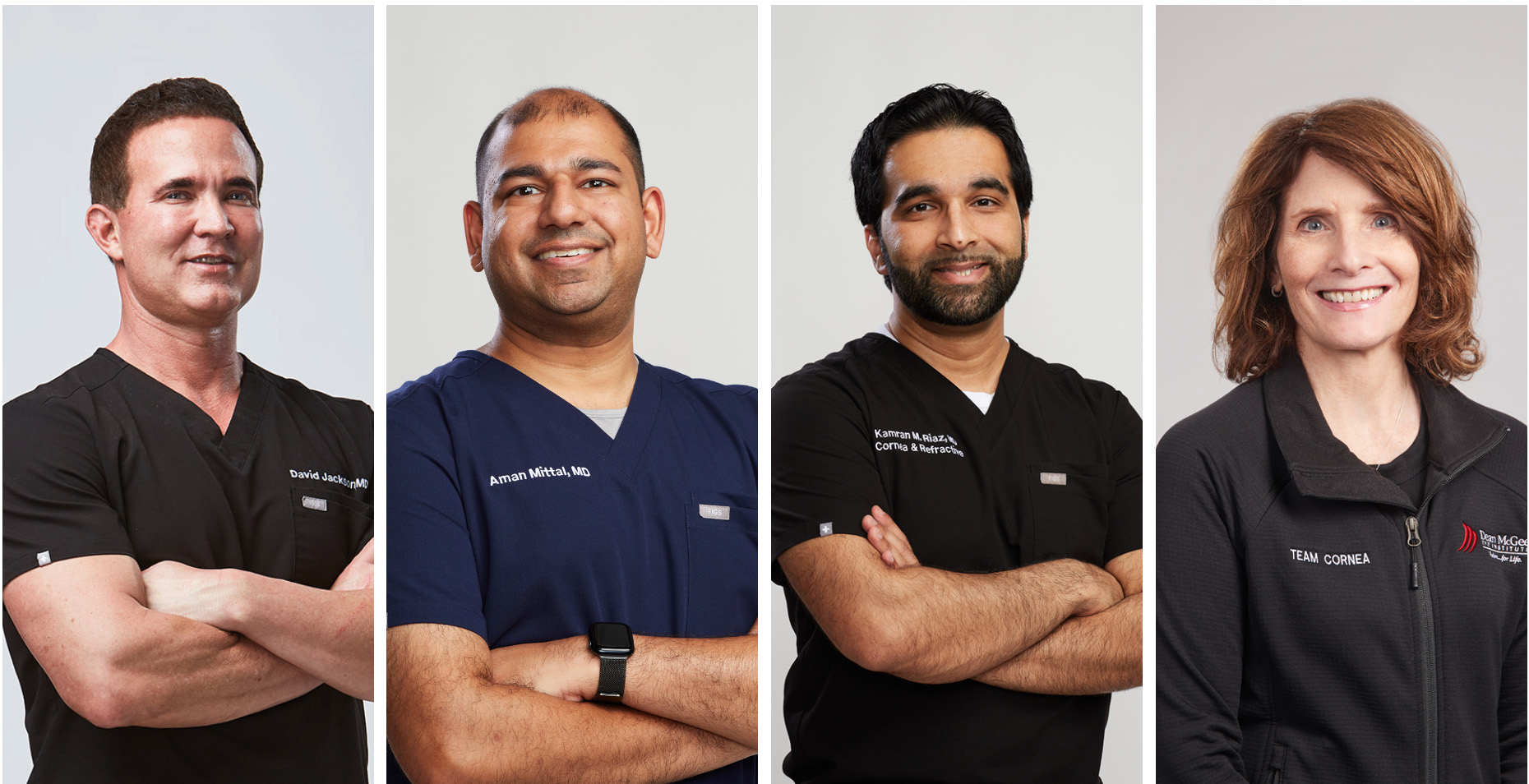
12. The Face of Cornea and External Diseases – Dean McGee Eye Institute
From left to right: David W. Jackson, MD, Aman Mittal, MD, Kamran M. Riaz, MD, Rhea L. Siatkowski, MD
The cornea is the outer layer of the eye, the clear window that focuses and bends light as it enters the eye, allowing for sharp vision. It also acts a protective barrier against dirt, foreign objects and bacteria. However, if the cornea is affected by injury, disease or infection, vision can be compromised.
That is when the expertise of the cornea and external disease specialists at the Dean McGee Eye Institute (DMEI) – Dr. Rhea L. Siatkowski, Dr. Kamran M. Riaz, Dr. Aman Mittal and Dr. David W. Jackson – can help save a person’s vision or even their eye.
According to Dr. Siatkowski, “While we treat patients with common corneal conditions, such as dry eye and pink eye (conjunctivitis), we are also experienced in handling more serious conditions such as bacterial infections caused by improper contact lens hygiene, corneal ulcers, and hereditary diseases such as keratoconus and Fuchs’ dystrophy.”
As Dr. Riaz explains, “We treat the full range of corneal pathology and regularly perform complex corneal surgeries. When it comes to these types of cases, the level of expertise our surgeons have makes DMEI the referral center of choice for all of Oklahoma and the surrounding region.”
Should the cornea, or certain parts of it, no longer function properly there are options available to the surgeons at DMEI. “Luckily, the cornea is one part of the eye that we can successfully transplant,” states Dr. Mittal. “Using donor tissue, we can actually restore visual function that has been lost due to disease or damage. This can be life-changing for the patient.”
If your cornea is otherwise healthy but you would like to improve your vision without glasses or contacts, the corneal surgeons at DMEI can help you with this as well. “Refractive surgery such as LASIK or PRK can correct a wide range of refractive errors, including nearsightedness, farsightedness, and astigmatism,” states Dr. Jackson. “As LASIK and other refractive technologies continue to advance, we at DMEI remain on the cutting edge.”
If you have been diagnosed with a corneal disease, suffered damage to your cornea, or want to correct your vision, the skilled physicians at DMEI are ready to help. Call 405-271-1095 to schedule an appointment or learn more at dmei.org/services- specialties/cornea-external-diseases/.
405-271-6060 | 608 Stanton L. Young Blvd, Oklahoma City | dmei.org
13. The Face of Health Insurance – Sung Kang
Sung Kang, an Oklahoma insurance professional, treats his clients with the same care and respect he gives his own parents.
Hailing from Tulsa, Oklahoma, Sung’s roots trace back to a long-standing, local, family business — a martial arts school recently marking its 50th-year anniversary. At Kang’s TaeKwon-Do in Tulsa, Sung and his family have been imparting the essence of Traditional TaeKwon-Do since his father started the business in 1972. Sung holds titles such as Oklahoma State and US National Champion, and has a Silver Medal from the 1989 U.S. Olympic Festival in Oklahoma City. He further honed his skills training alongside world-class athletes at the United States Olympic Training Center in Colorado Springs. Returning to Tulsa, Sung established his own TaeKwon-Do School, shaping students’ lives by nurturing their mind, body, and spirit.
Today, Sung Kang is the Executive Sales Leader at HealthMarkets in Oklahoma City, leading the OKC HealthMarkets team of 60 agents. As a licensed insurance agent, he specializes in assisting retirees during their Medicare transition. His primary mission is to protect seniors from predatory practices and deceptive marketing prevalent in the industry. Sung believes seniors deserve undivided attention in healthcare decisions, as negligence could result in serious financial consequences. He urges agents to become trusted advisors, treating clients like family to establish lifelong relationships and enhance their own financial success through client loyalty and referrals.
With a thriving business, Sung is dedicated to guiding his team toward prosperity. He instills the values from martial arts training in his agency, placing integrity above all else. Creating a supportive “family-like” environment, Sung ensures every individual receives care and respect.
For insurance assistance or an opportunity to join the OKC HealthMarkets team, contact Sung. You can schedule an appointment with his office manager at 405-850-1900. Or reach out to Sung directly at [email protected] for support and expertise. Sung and the HealthMarkets team are committed to delivering the fair treatment and coverage you deserve.
14. The Face Of Medical Aesthetics – Radiance Medical Aesthetics
Kasey Swayden, PA-C and staff
Radiance Medical Aesthetics is proud to bring Beauty by the Best!™ to Oklahoma City as the premier destination for aesthetic treatments. With over 90 years of combined experience, the professional team at Radiance Medical Aesthetics is dedicated to helping their patients feel and look their very best with results-driven treatments.
Radiance was founded by Kasey L. Swayden, PA-C in 2020. With over a decade of experience in Aesthetic Medicine, Kasey dreamed of opening a Medical Spa that was centered on skin health and built around a professional team that delivers advanced cosmetic treatments in a beautiful, spa-like atmosphere. Today, Kasey’s dreams have become reality, and patients travel from all over for the advanced aesthetic treatments at Radiance Medical Aesthetics.
Under the supervision of Board Certified Dermatologist, Dr. Tracy Kuykendall, Radiance offers a variety of industry-leading treatments and technologies to achieve the best results for their patients. From advanced injectables like Botox and dermal fillers, to state-of-the-art Sciton lasers, HydraFacial and SkinPen procedures, the team of professionals have curated a comprehensive selection of treatments designed to address various aesthetic and skin concerns.
Since opening in 2020, Radiance Medical Aesthetics has evolved into one of Oklahoma’s most recognized names in Aesthetic Medicine. The team has earned numerous accolades, including being named “OKC’s Best Medical Spa” by Oklahoma Magazine and several other local publications.
In 2022, Radiance doubled the size of their office and their team, and expanded their menu of services to include The Perfect Derma Peel and Moxi Laser Resurfacing. RMAOK continues to grow in 2023 by investing more than ever before in continuing education and staff training, and adding Genius Microneedling + RF (non-surgical skin tightening), Daxxify – the newest wrinkle relaxer to hit the market – and medically-monitored weight management.
To learn more about Radiance Medical Aesthetics of Oklahoma and to view their services, visit rmaok.com
405.80.RMAOK | 3308 N.W. 135th St., Suite 100, Oklahoma City | rmaok.com
15. The Face of Barbecue – RibCrib
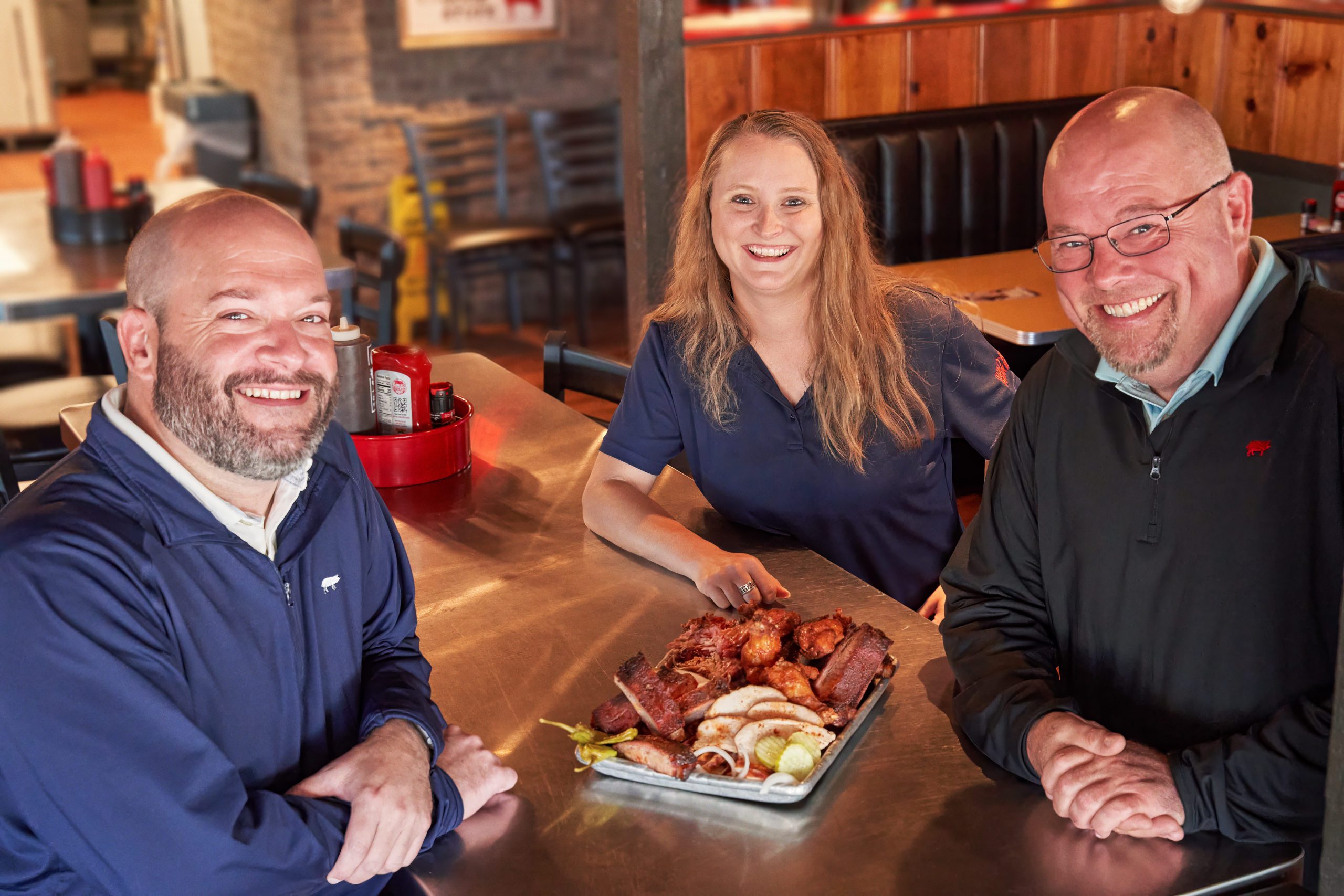
Jeff Baird, Beth Ruddle, Matt Thompson
Founded in 1992 by Bret Chandler, RibCrib lit its first smoker in Tulsa, Oklahoma. Opening its doors with a menu of four meats and three sides, the brand has grown to 45 locations in Oklahoma and neighboring states. Matt Thompson, vice president of operations, says the secret to RibCrib’s success is its authenticity. Every location smokes its meats on-site daily, using only split-green hickory, crafting the unmistakable flavor fans have loved for 30 years.
What truly defines RibCrib? Its core values.
“’Make Every Rib Righteous’ isn’t just a slogan we use during training. It’s our pledge to always go the extra mile,” Thompson says. “We’re driven to never settle, to innovate and to invest in our team and guests. Our communities are an enormous part of RibCrib’s success.”
Community engagement is central to RibCrib, with initiatives ranging from school sponsorships to a semiannual golf tournament that raises funds for local charities. Looking ahead, RibCrib has plans. Adapting to the ever-changing food scene, they’re working to make barbecue accessible to more people. They’re also refining their scratch side recipes and rethinking their loyalty program to reward guests more.
As RibCrib looks forward to smokin’ the good stuff for the next 30 years, Thompson’s vision is clear: “We’re focusing on a 21st century smokehouse experience, ensuring RibCrib remains a go-to for barbecue enthusiasts.”
918.712.7427 | 4535 S. Harvard Ave., Tulsa | ribcrib.com
Tulsa Oktoberfest; Oct. 19-22, River West Festival Park, Tulsa; photo courtesy Tulsa Oktoberfest
Tulsa Oktoberfest
If you haven’t yet made it to one of Oklahoma’s most anticipated annual festivals, you’re missing out. Tulsa Oktoberfest returns to River West Festival Park from Oct. 19-22, celebrating 44 years in the metro.
A love of Bavarian culture is at the heart of Oktoberfest, with activities to entice like bier barrel racing, stein hoisting, dachshund dog races and live music. If you’ve come for food and drink, you won’t be disappointed; 200 German and local beers are on tap, along with traditional cuisine options like Bavarian cheesecake and strudel, wienerschnitzel and brats. Among the other offerings within the 140,000 square feet of fun include carnival games, rides, a variety of stage performances and VIP experiences.
Modeled after the Oktoberfest Munich in Bavaria, Germany, Tulsa Oktoberfest even flies in authentic bands from Germany. The event was named a Top Five Oktoberfest by USA Today, Conde Nast Traveler Magazine and Orbitz. Get your tickets at tulsaoktoberfest.org.
Take an impromptu trip to Santorini, Greece, at the annual Tulsa Greek Festival, running Sept 21-23 at the Holy Trinity Greek Orthodox Church.
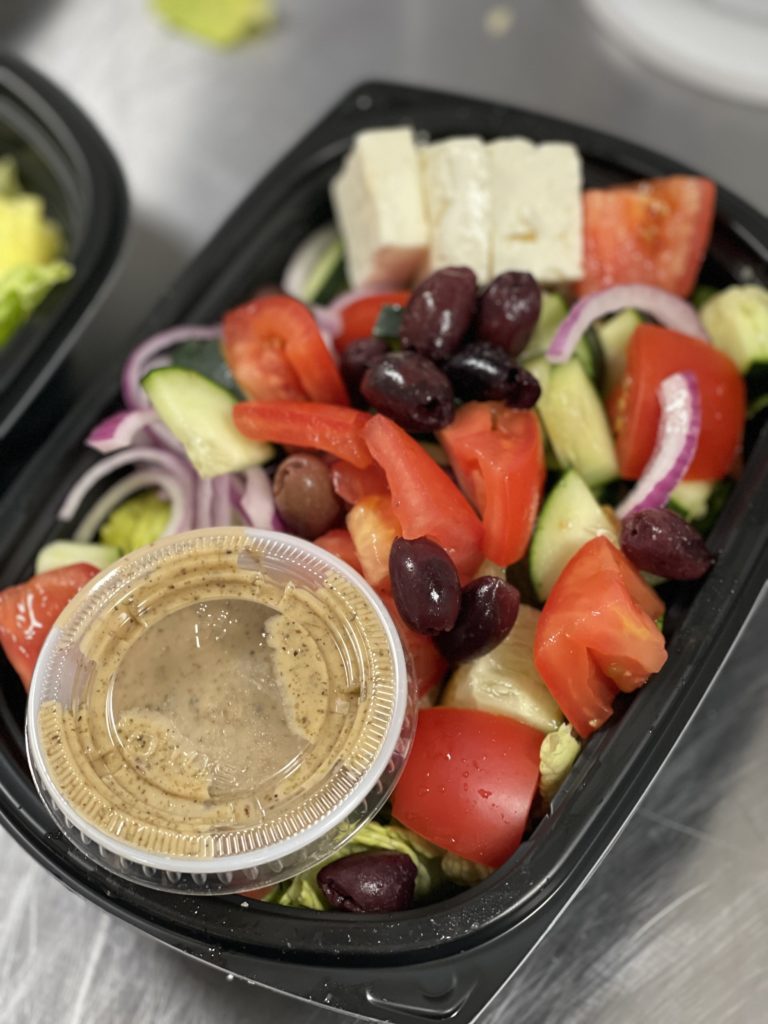
Food takes center stage at this event, with options including lamb, spanakopita, Greek-style green beans, gyros and calamari. Head to the bakery to enjoy baklava, finikia, kourambiedes and koulourakia.
Get your shop on at the market, with local wares, festival goodies, jewelry, imported foods and more.
Other activities include live music and dancing, a Toga Run with a 5K, church tours and wine tastings.
Support a good cause and have a great time doing it at the Tulsa Regional Balloon Festival, benefitting Gatesway Foundation, at Broken Arrow’s Events Park from Oct. 27-28.
Gatesway, a nonprofit Oklahoma agency, encourages independence and provides opportunities for people with intellectual disabilities to live and work in the community. The foundation – which is celebrating its 60th anniversary this year – hosts the annual festival with over 30 hot air balloons from across the country. Guests can enjoy live entertainment, balloon competitions, arts and crafts, local vendors and plenty of delicious eats. Bring the kids for a children’s activity area, pony rides, a cupcake decorating contest and even lawn mower races.
Of course, the main draws are the hot air balloons themselves, from competition flights to tethered rides and balloon glows. Learn more at gatesway.org/balloonfestival.
Guthrie’s Cottonwood Flats Recreation Area welcomes one and all to Oklahoma’s International Bluegrass Festival, an annual three-day event teeming with national and international bluegrass bands. This exciting event brings musicians in from across the globe and supports the bluegrass industry at large.
You’ll often stroll past talented artists jamming together in a casual, supportive environment. Plus, open mic nights allow for everyone to shine. You’ll hear everything from the titular music style to country, folk and even swing.
Don’t leave the kiddos at home. The Children’s Tent will teach kids about music history and offer arts and crafts projects they can take home. Lastly, the festival offers delicious eats and other concessions, as well as acoustic instrument dealers and the chance to camp out overnight. The fun runs from Oct. 12-14. Visit oibf.com for more information.
Robbers Cave Fall Festival
Arts and crafts vendors, delicious food and drink, amusement park rides and an entertainment stage are just a few of many draws at the annual Robbers Cave Fall Festival, running Oct. 20-22 at Robbers Cave State Park in Wilburton.
Along with the above goodies, the festival also features the Fall Foliage Cruise, described as a “pre-1984 rod, custom and classics car and truck show.” The cruise often attracts over 500 different car owners from a multi-state region.
Robbers Cave Fall Festival; Oct. 20-22, Robbers Cave State Park, Wilburton; photo courtesy RCFF
The shops are a hidden gem at Robbers Cave. You’ll find a bevy of handcrafted items, from soap to pottery, yard art, jewelry and even cedar furniture. Delicious food and drink – like loaded baked potatoes and homemade root beer – will also be available, alongside barbecue, caramel apples and corn dogs.
Free transportation shuttle buses are available to and from downtown Wilburton. For more information, visit robberscavefallfestival.com.
Oklahoma Regatta Festival; Sept. 29-Oct. 1, Oklahoma River, OKC; photo by Georgia Read
Oklahoma Regatta Festival
Fans of the outdoors, sports, aquatic adventures and family friendly fun won’t want to miss the annual Oklahoma Regatta Festival, running Sept. 29-Oct. 1 on OKC’s Oklahoma River.
Hosted by RiverSport Adventures, the festival includes a variety of competitions. First up is the OG&E NightSprints on Friday for RiverSport Corporate Rowing and Dragon Boat League championships. Next up are the collegiate, masters and juniors racing events Saturday and Sunday. The events wrap up Sunday with Paddlemania, open to all, starting at noon.
For those more keen to stay on land, there will be plenty of live entertainment, food trucks and even a livestream to enjoy the competitions from afar. For more information, visit riversportokc.org.
Aviation Festival; Sept. 23, Max Westheimer Airport, Norman; photo courtesy OU
Aviation Festival
Fly over to the University of Oklahoma’s Max Westheimer Airport for its annual Aviation Festival, Sept. 23 from 9 a.m. to 2 p.m.
Perfect for kids, kids at heart … or really anyone interested in the ins and outs of aviation, the festival includes a variety of exciting static aircraft displays to peruse. Additionally, a Kid’s Corner welcomes Junior Sooners to chat with OUPD officer Volmmer and K-9 bomb dog Joe, along with OU mascots Boomer and Sooner.
For an educational component, visit the Sooner Flight Academy, which boasts hands-on hangar activities and STEM programs for all ages. You can also enjoy food trucks on-site.
Parking and admission is free. For more information, visit ou.edu/airport.
You’re in for an enriching cultural experience at the Edmond International Festival, running Nov. 11 at the Edmond Festival Market Place.
The event, established in 1975 at the University of Central Oklahoma, has grown to now include the entire city of Edmond. The school itself even has an entire week dedicated to international celebrations.
You will see a variety of countries, regions and cultures represented during the festival, with display booths, authentic eats, performances and toe-tapping music. This event celebrating the beauty of diversity is free to the public. For more information, visituco.edu/student-life/ihouse/international-festival.
Rock Island Arts Festival; Sept. 29-Oct. 1, Rock Island Depot, Chickasha; photo courtesy RIAF
Rock Island Arts Festival
Chickasha’s Rock Island Depot hosts the annual Rock Island Arts Festival from Sept. 29-Oct. 1.
Guests can expect everything from fine art displays to exciting live music and various art-based activities. Booths will line the train depot, filled with goodies like sculptures, paintings, wood crafts, ceramics, photography and handmade jewelry.
You can take a pit stop in the henna tent, or visit the wine and brewery booths for adult beverages. Saturday welcomes the Ride the Rock gathering – a bicycle tour replete with food from on-site vendors. Kids can enjoy sand treasure digs, inflatables and carnival rides.
Venture to Ramona for the annual Oklahoma Heritage Farm Fall Festival, running from Sept. 30 to Nov. 5.
The farm, which boasts over thirty acres of greenery, will play host to a variety of events, including games, hay rides, family friendly activities, petting zoos and live entertainment.
You can also fully embrace the beauty of autumn with a 10-acre maze and smaller option for the kiddos. Other goodies include fire pits, shopping options and concessions. Make sure to stop by the pumpkin patch and grab a seasonal photo before you leave.