















Oklahoma food trucks are navigating a high stakes hustle, cashing in on low overhead and surging demand for gourmet-on-the-go.
Food truck sales nationwide are expected to explode to nearly $3 billion this year. And the average Oklahoma food truck is getting a $330,000 piece of the pie. But the lifestyle can resemble a reality show – free spirits, finicky trucks and grueling work. Local entrepreneur Josh Lynch knows the reality firsthand.
Several years ago, the lights went out on his “Arnie’s Bar” wrapped truck as he steered through the darkness from Grand Lake. Horns blared. Lights flashed. As cars bolted past, the hot dog truck navigated by cellphone light rather than headlights. A highway patrolman pulled up and peered inside at the frazzled driver.
“You got beer in there?” asked the patrolman.
“Dude, we’re a food truck,” Lynch wearily rasped back.
Miraculously, the “The Dog Father” – as Lynch is known around town – hobbled back into the night toward his next gig … with no ticket.
Before the early-2000’s food truck boom, Lynch hung up his sushi restaurant apron when his dad gave him a hot dog cart in 2007. He soon became a staple outside of hotspots like Cain’s Ballroom and Arnie’s Bar before joining the evolving food truck caravan.
Today, Lynch, his wife, Lacey, and daughter, Natalie, operate their thriving food truck, the Dog House, statewide – whenever he isn’t replacing engines, waiting on mechanics, emptying his pockets for gasoline or losing hot dogs from a swinging door.
Despite the grind, Lynch remains committed.
“Man, I wouldn’t change it,” he says.
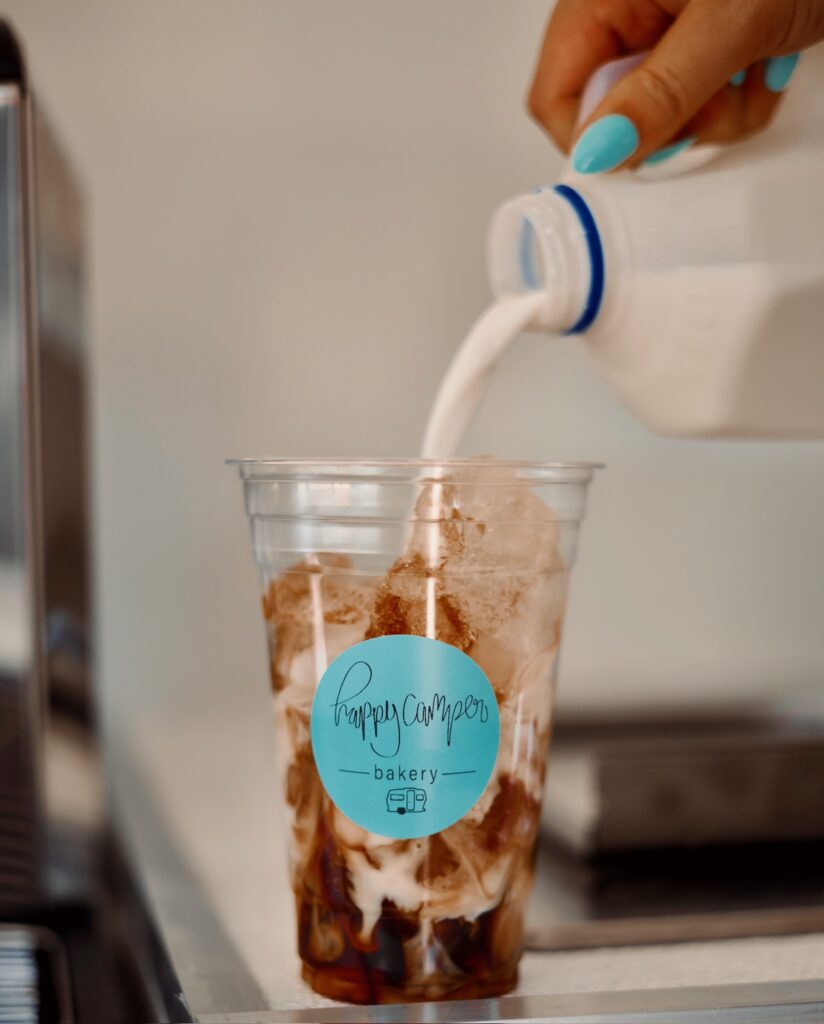
Similarly, Gail Johnston and daughter Olivia Haley slowly transitioned from home bakery to food truck in 2024. Leveraging a culinary degree, an MBA and Haley’s teenage dream of owning a cupcake shop, the duo transformed a 1972 Shasta camper into the Happy Camper Bakery.
“Our startup cost was probably around $20,000 by the time we got the equipment and the build-out,” says Johnston.
The Oklahoma City-based truck hit profitability in year one with delectable coffee and homemade sweets. Their fan favorite cookies?
“Chocolate chip always wins,” Johnston says.
Ready to jump into the food truck industry? Here’s the game plan:
1. Research: Talk to food truck owners, plus the Small Business Administration (SBA), which loans out sizable sums for vehicle purchases, equipment and other necessities.
2. Business plan creation: Factor in 6-15% margins (about $1.20-$3 profit per $20 check), versus full-service restaurants’ 1-5% margins (20 cents to $1 profit). The SBA offers free financial templates and mentors.
3. Insurance: Oklahoma requires commercial auto insurance and liability coverage, including product liability. Budget $125 to $300+ monthly.
4. Permits and inspections: Address annual health inspections, clean-up measures and fire extinguishers. Oklahoma’s Food Truck Freedom Act requires one statewide license, though cities and counties may still charge administrative fees.
5. Social media marketing. You’ll need to learn how to stand out from 270+ competitors statewide. A popular management and booking site is okiefoodtrucks.com.
Ultimately, owners say the food truck business is not for the faint of heart. But the allure is irresistible.
“Oh,” says Lynch, “the freedom!”