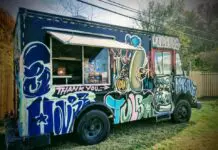
Broken Arrow’s Rooster Days Festival celebrates its emerging Rose District with all the fanfare it focuses on the town’s farming heritage. Beginning Friday, May 9, the 83rd annual festival begins with the carnival, a 5k run and live music at Broken Arrow’s Central Park, 1500 S. Main St. The rest of the weekend includes a parade plus more entertainment for all ages through Sunday, May 11. The Rose District may be Broken Arrow’s future, but the city hasn’t forgotten on its humble, rural beginnings. For more, visit www.roosterdays.com.
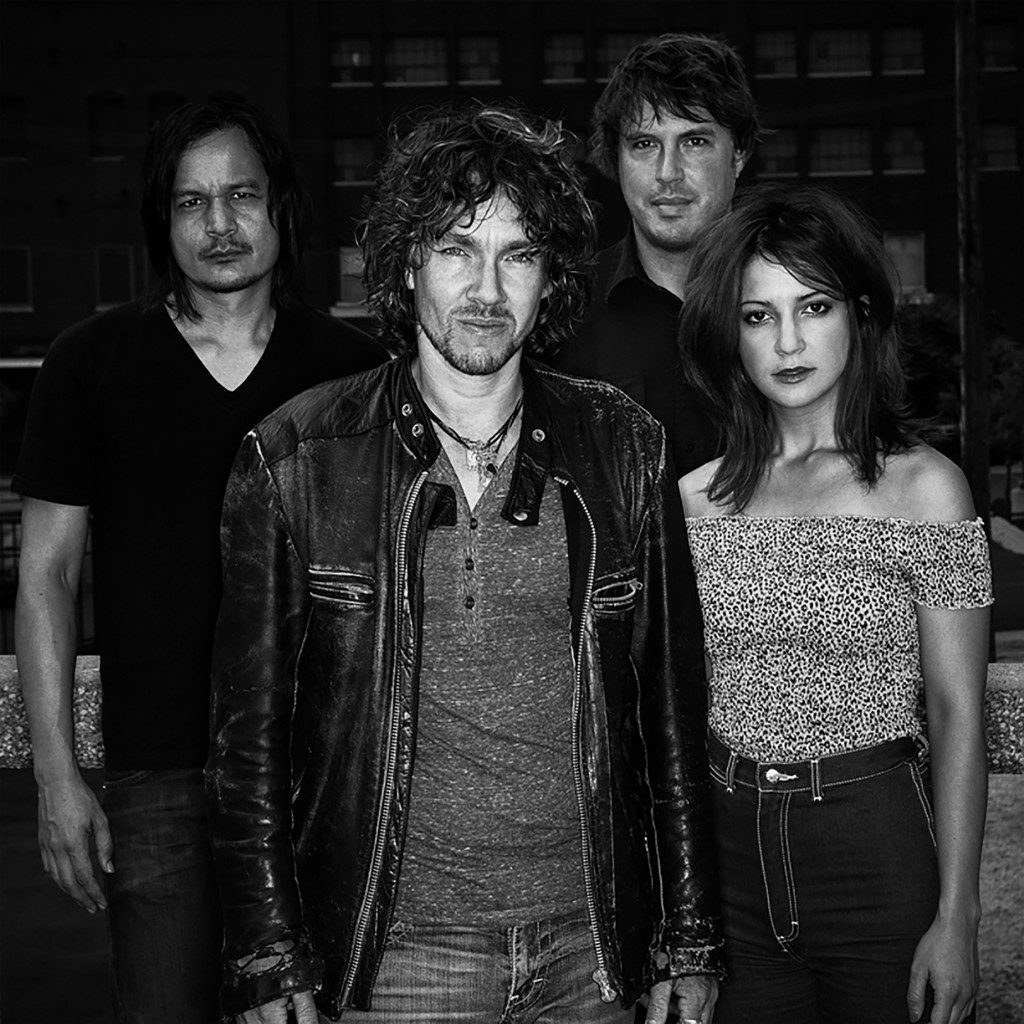
Rock trio Gooding tours straight to the Bricktown Music Hall for a performance at 8 p.m. Saturday, May 10. The band of Steven Gooding, Jesse Rich and Billy Driver may be based in Los Angeles, but members hope their homegrown sound comes through loud and clear, especially on the new album, We Love the Dark Stars, set for release next week. Originally from Kansas (the guys are University of Kansas alumni), that sound has taken them all over, and finally to Bricktown Music Hall, 103 Flaming Lips Alley, Oklahoma City. Doors open at 7 p.m., and tickets, $10, are available at www.ticketstorm.com.
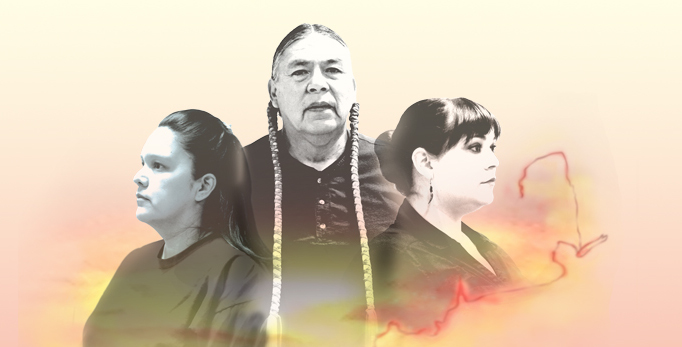
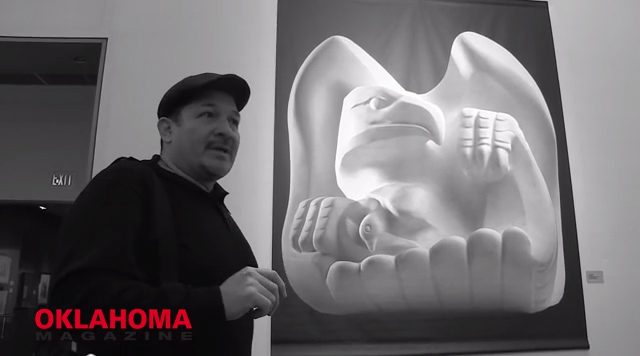
Oklahoma City Theatre Company feeds anticipation for another great year for the Native American Play Festival with an original drama loaded with intrigue and meaning. Manahatta, by Mary Kathryn Nagle, premieres at 8 p.m. Thursday, May 8, at Oklahoma City Civic Center Music Hall, 201 N. Walker Ave., and continues through next week leading into next weekend’s main festival events. Nagle, an Oklahoma playwright living in New York City, is the author of Sliver of a Full Moon, which was presented in Tulsa last year. While Sliver dealt with issues of domestic abuse among native populations, Manahatta moves between today and the 1600s as it follows an ambitious Lanape woman who goes to work on Wall Street. Tickets are $10 each. For more, go to www.okctheatrecompany.org.
Originally published in the May 2012 issue of Oklahoma Magazine.
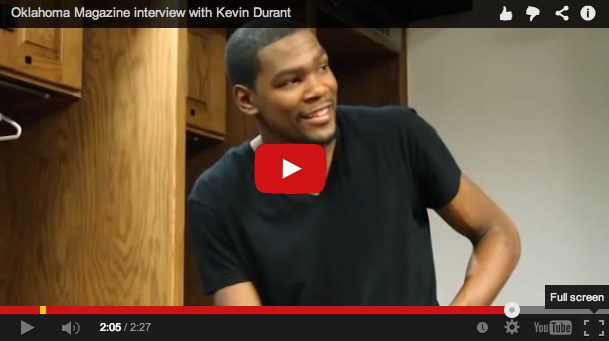
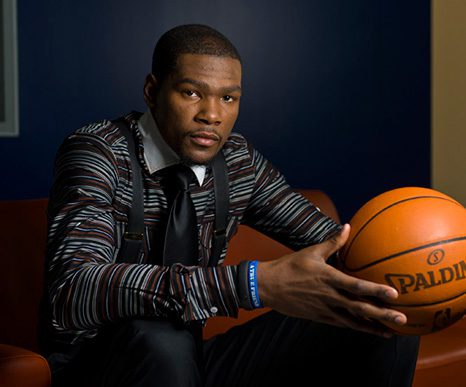
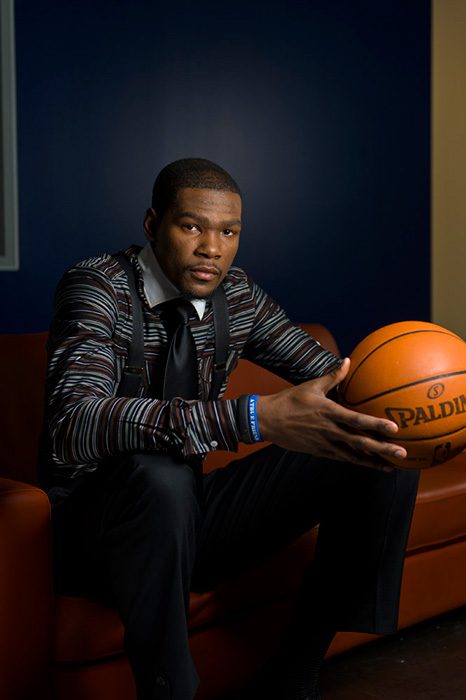
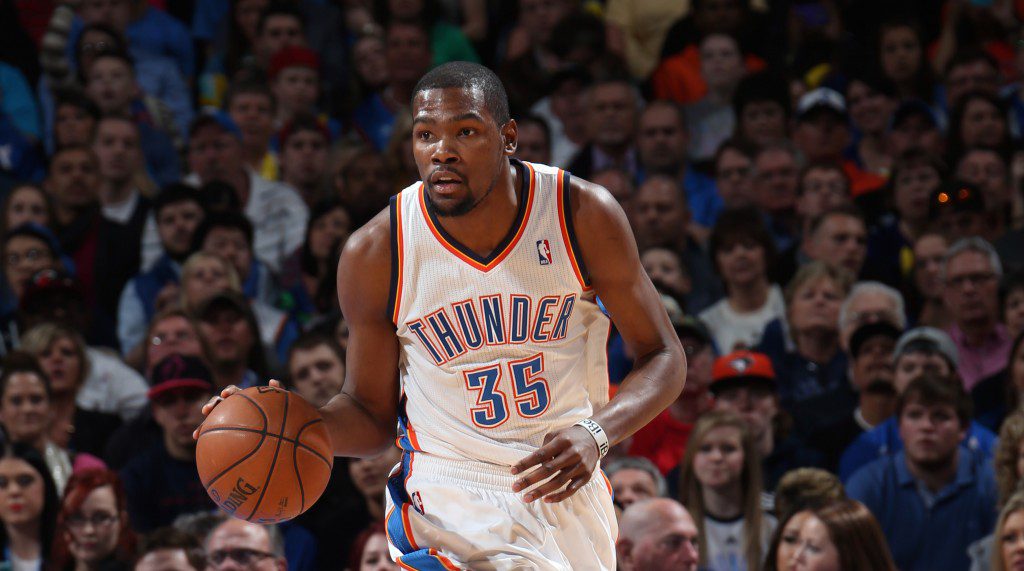
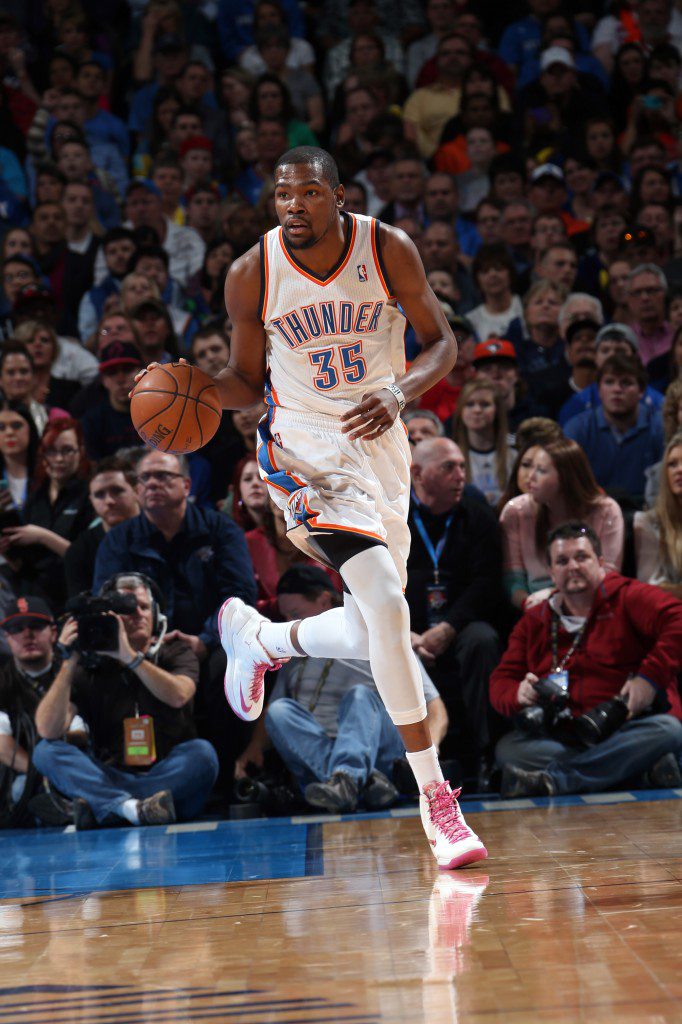
Kevin Durant wants his fans in Oklahoma and abroad to know one thing about him.
“People put me up on a pedestal, but I’m not a saint. I mess up. I get angry. I am not a perfect person,” says the all-world small forward for the Oklahoma City Thunder.
It’s not uncommon for superstars in any field to offer up words like these with a wink escorting the platitude – as if affirming their true perspective with a dubious confession.
But that’s not Durant. Instead of a mocking wink, his eyes flame with intensity, his soft voice deepens. Sincerity is draped over him as easily and as naturally as is his Thunder uniform as he dresses for a photo shoot at the team’s former practice facility on North Lincoln. He means what he says, and means for it to be an important message to the fans who have taken to him as an adopted son, the public face of a city on the cusp of excellence in a state with a culture of engrained humility. Cynics and veteran sportswriters decry the lack of candor when it comes to interviewing professional athletes today. Those cynics would benefit from spending a little time around Kevin Durant.
It’s understandable that Thunder fans and Oklahoma boosters in general might be a bit effusive in praising Durant. His pedestal is built on earnest legs of adulation. Since being drafted second overall in the 2007 NBA draft, Durant has averaged more than 25 points per game, led the league in scoring last season, and, among dozens of other quick accomplishments, has led the Thunder from being a novelty to a respected contender for the league finals for years to come.
Still, it isn’t Durant’s on-court wizardry alone that has made him the Sooner State’s favorite athletic import. It’s how he conducts himself on and off the court. In terms of involvement in the community, sportsmanship, dignity and class, the 24-year-old phenom could teach his peers, from Los Angeles to Miami, a few things.
“You’re going to play in the NBA and your brother is going to be there to help you.”
“I don’t think you could find a person who could fault Kevin for anything,” says Oklahoma City Chamber of Commerce President and prominent Thunder booster Roy Williams. “Kevin’s way of conducting himself on and off the court has been 100 percent embraced. It’s been above reproach.”
Another Thunder fan, Oklahoma City Mayor Mick Cornett, witnesses Durant’s influence regularly.
“He’s our first star,” Cornett says. “Kevin’s commitment to Oklahoma City impacts every kid in the city in some way. So many young kids need inspiration – an example of how hard work pays off. The values he brings to Oklahoma City help young people’s validation for what they hear in school and church.”
But sitting in the dressing room, talking teamwork, pro ball and his own rapid rise to fame, Durant seems less like an NBA superstar than he does an eager, hard-working rookie trying to make the cut. There is no entourage, no bloated ego, no chip on his shoulder – veritable calling cards of pro athletes in the Lebron and “pay the man” era of sports. Although imposing in a lanky way at six feet, nine inches and 240 pounds, he seems unimpressed with himself. Even when he fields common questions with a party-line reply, there’s one difference between Durant and many other pro athletes: It’s not cliché when it’s sincere. And Durant comes across as sincere to a fault.
It’s little wonder Oklahoma has embraced the Thunder’s No. 35 with open arms.
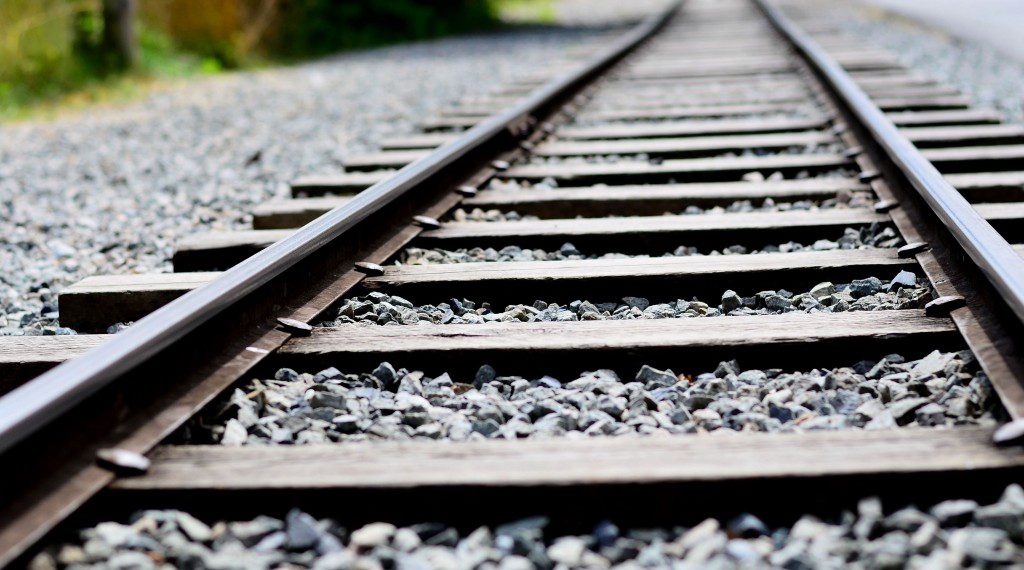
Supporters of passenger rail service between Oklahoma City and Tulsa are having trouble getting their voices heard over the noise of the project’s squealing brakes. Barring legislative intervention, it’s entirely possible that the Oklahoma Department of Transportation will sell the Sooner Subdivision line to a private company later this year. If it goes, the state’s dream of a commuter train between its two largest cities could follow.
“I think the Sooner Sub’s our best and last chance [for commuter trains]. If the line is sold, we’re at the mercy of whoever owns it. The state will lose control, and there’s a very good chance that we’d lose the possibility for reasonable passenger rail service. The best chance is for the state to maintain ownership of the line,” says Rick Westcott, a former Tulsa City Councilor and supporter of passenger rail service.
The Sooner Subdivision line – 97.85 miles of track stretching between Sapulpa and Del City – is a solid but undeveloped contender for a commuter-friendly alternative to the Turner Turnpike. Currently used exclusively for freight traffic, the line needs repairs to accommodate passengers at high speeds. But it’s better than nothing, and using it as a foundation for commuter service would save the state hundreds of millions of dollars.
“Advocates of passenger rail service claim that if the department sells the line, it totally makes passenger rail service not an option. It isn’t true,” says ODOT Public Information Manager, Brenda Perry.
Rep. Richard Morissette (D-OKC) is a longtime passenger rail fan frustrated with ODOT’s failure to seriously engage Oklahoma’s dependence on cars. His legislative career is peppered with attempts to mandate passenger rail development.
“ODOT is trying to scare everybody. They’re actively trying to get out of the rail business. ODOT is a wholly owned subsidiary of the roadbuilding lobby,” Morissette says.
The Sooner Sub has slowly fallen off the state’s agenda during the last two decades. It was purchased by the state in the 1990s in an effort to preserve it for development. Watco, a private railway, leases it. That lease was renewed for five years in 2013, and Watco is one of two bidders for ownership.
The second bidder, Burlington Northern, is interested in incorporating the Sooner Sub into a supply line for Bakken oil on its way south. The company’s inquiries fired up the state’s recent move to sell. It was Burlington Northern that sold the line to Oklahoma in the 1990s.
The price tag for line improvements isn’t small by any stretch, and there are huge disparities in the estimates. Supporters quote a figure as low as $2 million. ODOT, citing department studies, won’t go any lower than $42 million. But these are, as they say, apples and oranges. The two parties aren’t shopping in the same store, and neither figure includes ongoing upgrades as demand for service grows.
One price tag that hasn’t been thrown out lately is $0. That’s the cost of offering passenger service on the Sooner Sub in its existing condition. The trains wouldn’t be fast enough to perform duty as a serious commuter service. But they’d be faster than the Heartland Flyer, Amtrak’s daily round-trip from Oklahoma City to Fort Worth.
Commuter service has clear public support. Several city councils in the region – including representatives of potential stops along the line – have passed resolutions all but begging Gov. Mary Fallin to take privatization off the table.
“Bristow and other cities along the line would get a major boost. They’d have the opportunity to work together and market Oklahoma as the place to vacation. Can you imagine selling Tulsa and Oklahoma City as a package deal? You don’t need a car. Come check out all the things we have to offer. Fly in and take the train. Worry-free,” says Jennifer Shelton-Taylor, president of the Bristow Area Chamber of Commerce.
Iowa Pacific Holdings, a rail company ready to collaborate with the state – right now – to develop passenger service, sold tickets on excursion rail trips along the line earlier this year. All 900 tickets for the Eastern Flyer were sold within days. The trips garnered rave reviews. Or, to put it another way, not only did the train get passengers from Tulsa to Oklahoma City and back, people had fun along the way.
The Cherokee Nation definitively weighed in March. A contributor of $1.3 billion annually to Oklahoma’s economy, the nation sees the Sooner Sub as a way to bring more people to its entertainment venues. People have fun, the tribe makes money, the state collects taxes.
The state’s very official Eastern Flyer Passenger Rail Task Force heard from Tulsa’s City Council in 2012. It urged development of passenger rail service “as quickly as possible.” It even used italics in its final report. Tulsa hasn’t joined the list of cities asking Fallin to retain state ownership of the Sooner Sub. Its city council resolution was vetoed by Tulsa Mayor Dewey Bartlett earlier this year.
The Sooner Sub is not an unused asset. It’s not just collecting dust. It’s collecting money. Its existing lease with Watco brings in $500,000 every year. Estimated sale prices for the line hover near $9 million. That’s not an impressive ROI for a moneymaker, especially if its loss means leaving passenger rail service at the station.
The line’s fate sits in the hands of five cabinet secretaries: Commerce, Finance, Agriculture, Energy and, of course, Transportation. They’ll make their recommendation for or against the sale at the May 5 meeting of the Oklahoma Transportation Commission at ODOT’s Oklahoma City headquarters.
In all fairness, a recommendation is just a recommendation. But a recommendation to sell could be the first in a series of veiled bureaucratic vanishing acts for passenger rail’s future in Oklahoma. Buyers of the Sooner Sub could offer passenger rail, but it’d be on their dime and its success would be another to-do item on a corporate task list.
Burlington Northern might call in the heavily subsidized, not-saving-you-tax-dollars Amtrak to haul people from here to there. Amtrak doesn’t offer passenger service on lines used for freight, however, and if the dollars going into Burlington Northern’s coffers flow from the Bakken fields, passengers will have to wait. In their cars.
Watco might pull in Iowa Pacific Holdings, the company behind this year’s popular Eastern Flyer excursions. But neither company will make a firm commitment to passenger service as a condition of the line’s sale.
Oklahoma’s poised to make a big decision for turnpike travelers. For now, they can only dream of an easier way to get between Tulsa and Oklahoma City. They definitely shouldn’t text about it while driving. Texting is much safer on the train.
Energy, in short, is the reason for the recent population booms of two western Oklahoma cities.
Energy, in short, is the reason for the recent population booms of two western Oklahoma cities.
While we love them for their down-to-earth, laid-back living, small towns aren’t known for vibrant, dynamic economies. Two Oklahoma towns, Weatherford and Woodward, are shattering the stereotype, working overtime to attract job-seekers and new businesses while maintaining a small-town way of life.
Both, benefiting from the expanding energy market, found spots on the Census Bureau’s 2014 top-10 list of America’s fastest growing cities. Business is booming, and job-seekers are flocking to the new hotspots, even though they might have to pitch tents to wait for new homes to hit the market.
“The main impetus behind the population increase is the expansion of oil and gas activity in that area of the state with horizontal drilling. Once the wells are completed, which require a wide variety of people and skills, you still have maintenance and servicing of the well during its life,” says Don Hackler, general counsel for the Oklahoma Department of Commerce.
C.J. Montgomery, president of the Woodward Chamber of Commerce, estimates that about half of the new workers are emigres from other states.
Weatherford clocks in at just over 11,000 people. Woodward is home for just under 13,000. With their populations growing at roughly four percent over the last four years, they’re seeing hundreds of new faces. That’s not a lot for larger cities, but it’s introduced some growing pains in these small communities. But residents and businesses alike cheerfully endure them, saying the quality of life and dynamic business climates are worth the trade.
A typical Saturday in Weatherford finds families enjoying an outing at the recently upgraded Rader Park. Splash pads keep the kids cool, and fans cheer their friends on at the city’s new softball complex. Golfing is practically a way of life, and the nearby, well-kept public course is always booked. The new amphitheater will be finished next year, but the way it’s talked about, you’d think it was already selling out shows.
While they boast unemployment rates well below the national and state averages, both cities understand that they still has to compete for the best workers. Sales tax revenues have grown with them, and they’re being spent on adding and upgrading amenities. Quality of life matters, and providing it is the lynchpin of a strategy for luring the best and brightest from far and wide. it’s working.
“Our housing market is hot. It always has been. It’s always had a bigger increase than other towns its size. Houses just don’t stay on the market that long here. We had 75 new homes in 2012 and 60 new homes in 2013,” says Terri Trent, executive director of the Weatherford Chamber of Commerce.
Weatherford’s list of corporate illuminati includes Southwestern, ONEOK, Devon, Chesapeake, Hammond-Phillips and Chapparal, all big players in the energy market. The town’s spacious business and technology park is filled to capacity. These high-tech operations regularly send local internet providers on a mad dash for more bandwidth.
Weatherford will also be the regional HQ for the Granite Wash play, a new effort to tap a large shale field in western Oklahoma and the Texas Panhandle.
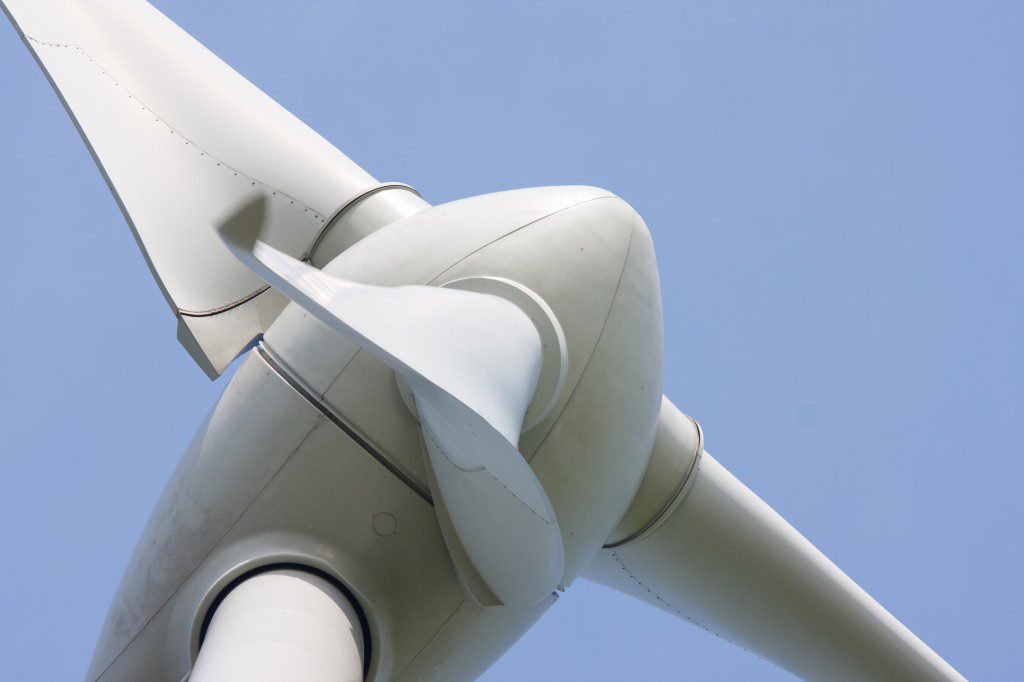
While Woodward’s home to some energy heavy hitters, it’s attracting some new players in the sector, as well. They’re after the most underutilized energy resource of all: wind. In 2012, Siemens built a 64,000-square-foot wind distribution center near Woodward’s airport. The facility employs more than 50 people, who maintain and service the turbines that have become familiar features of Woodward’s prairie landscape.
Houses are becoming scarce in Woodward, as well. It’ll be awhile before the housing market catches up with demand.
“As soon as something’s vacant, people are ready to move in. Sometimes its hard for people to understand that homes in Woodward are so scarce that people are renting trailers or buying fifth-wheels to live in,” says Paula Hughes, a property manager at Hughes Investments.
In Woodward, signs of change are everywhere. Crews construct a new exit on the freeway to accommodate a new retail center. The traffic in town isn’t unmanageable, but it’s thicker than you’d expect. “Coming Soon” signs announce new residential and commercial projects along the outskirts of town.
Woodward is branding itself as a business destination, too. Its new, state-of-the-art convention center can host a decent crowd, and it’s about a year away from completing its new fairgrounds, complete with a new expo center.
Weatherford and Woodward are college towns, too. The universities – Northwestern Oklahoma State University in Woodward and Southwestern Oklahoma State University in Weatherford – add another pillar to the entertainment scene, which, as happens in most small towns, revolves around church and family. The colleges account for nearly 40 percent of the cities’ residents.
“As people come to Weatherford and Woodward from outside Oklahoma, they realize that this isn’t a temporary assignment. They like living here. They put down roots and look for ways to enhance their living in Oklahoma. I think that growth in these areas is going to continue as we further develop our hydrocarbon interests and our wind farms,” says Hackler.
Photo by Layne Murdoch/NBAE/Getty Images, courtesy OKC Thunder.
Saturday, May 3, 7 p.m.
It’s down to the weekend and Oklahoma City’s home court, where the state’s only NBA team – a pretty good one, we don’t mind adding – will play the formidable seven seed Memphis Grizzlies. Game time is at 7 p.m., and the showdown will be broadcast from the Chesapeake Energy Arena in downtown Oklahoma City on TNT cable network.
Faced with the possibility of going home Thursday night and ending hopes to advance in the NBA play-offs, the Thunder dug into their reserves to keep the Grizzlies from getting too close point-wise most of the night. Despite the maligned headline labeling star forward Kevin Durant as “Mr. Unreliable” and other criticism that the Thunder had lost its, well, thunder, OKC’s team heads into Game 7 of the first round of play-offs with a little more respect from critics and even greater expectations to stay motivated to another win. Follow at www.nba.com/playoffs.