























At its core, barbecue is simple: meat, fire and time. But in our state, those elements merge to create something uniquely Oklahoman. With pecan wood lending a subtle signature and pit masters prioritizing technique over excess, the state’s BBQ scene is carving out its own identity. It’s a flavor profile as bold, unique and welcoming as Oklahoma itself.
What is barbecue? From a scientific standpoint, it’s quite easy to understand: a cooking method centered on roasting or smoking food, particularly meat, over live fire, hardwood or hot coals, typically using low, slow and indirect heat. Pre-cooking, seasoning doesn’t need to be extensive.
“On a molecular level, salt’s the only seasoning small enough to work its way into the meat before cooking sets it. Other seasonings build the outside flavor and help create that iconic bark,” says Joshua Snead, manager of leadership development at Tulsa-born Rib Crib. “A rib a day keeps the blues away.”
Few of us think of the delicate flavors that go into barbecue when eating that particular dish – we simply enjoy it. Yet, increasingly, barbecue culture and the cooking of barbecue has become a source of pride for Oklahoma, almost as much as barbecue is for Texas, where mesquite trees are used to fuel cooking fires and barbecue sauces bordering on the gourmet are almost as important as the cuts of meat themselves.
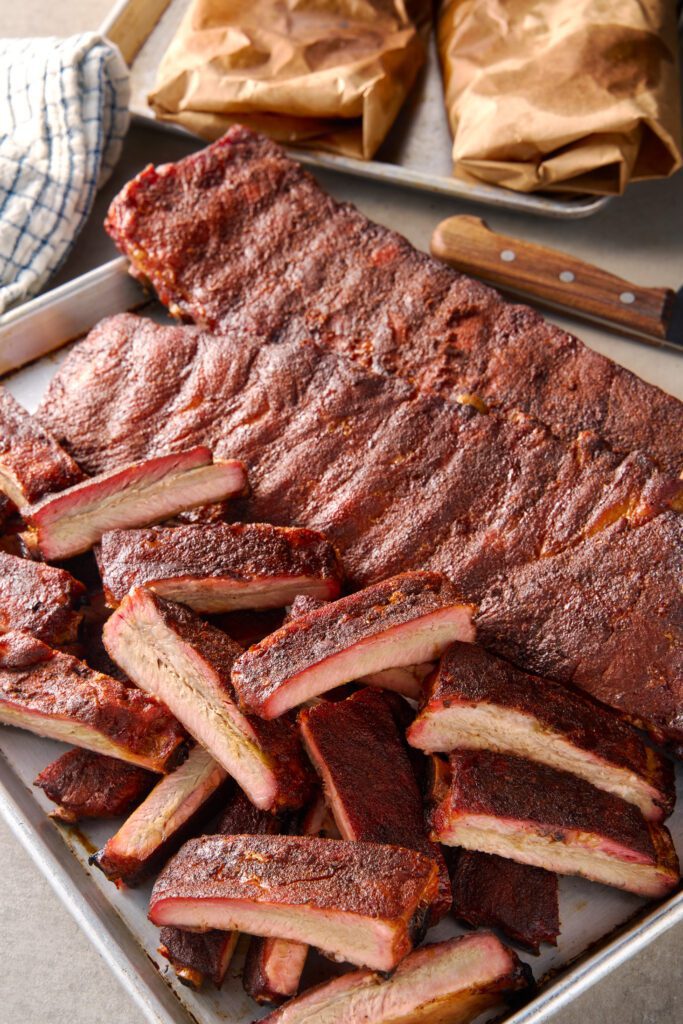
At Albert G’s Barbecue, another establishment with roots in Tulsa, “Tulsa Style Ribs” are patterned after St. Louis Style Ribs, which are higher in fat content, and have a longer cooking time than spare ribs.
“The twist is, we’re in Tulsa, so why call them St. Louis Style?” asks owner Chuck Gawey. “We season our brisket, pork and ribs with our rub, and slow-cook the meat over pecan or hickory wood.”
Barbecue professionals are known as “pit masters” because of the pits in which many barbecue fires are contained. Most people use a grill with a metal grate that elevates the meat when barbecuing, but in the past, barbecues were wooden, and sometimes consisted of simple roasting skewers rotating over the open fire.
Everything in that fire (and thus in the smoke) contributes to the flavor of the meat – the wood, the charcoal, even the herbs added to the cooking fire, eliminate the need for sauces, often heavy in sugar, and therefore carbohydrate, content.
“It’s true,” Snead says, “the best BBQ should taste complete before sauce touches it. Fire and smoke are the best flavors, but there are lots of good sauces out there that add a whole other dimension of taste.”
“Since we’re not trying to hide anything, we don’t put sauce on our meats,” says Gawey. “We let the meat speak for itself.”
The most popular woods for cooking over an open fire are hickory, mesquite and oak for beef, and apple, cherry or woods like mahogany for chicken. Herbs, such as rosemary, lavender and spearmint can be added to the wood itself for a more robust gourmet barbecue.
Amy Matthews, pit master, founder and CEO of Wagoner’s Smokin’ Sisters on Main, believes that pecan wood is what makes her barbecue unique to the state. Uniquely famous for flavors and recipes that are stamped with Oklahoma verve, Smokin’ Sisters on Main represents the movement of more and more female barbecue entrepreneurs taking over the industry.
Matthews finds that when faced with the choice of hickory, mesquite, oak, (or even apple, cherry or mahogany), pecan wood is best for a sort of Oklahoma dry barbecue style.
“Pecan wood has a mild flavor,” Matthews says, and this factor creates a full and arid flavor that doesn’t necessarily need barbecue sauce. Lucky for Oklahomans, pecan trees are known to grow well here.
Snead, Gawey and Matthews emphasize the idea that barbecue is a community endeavor for Oklahoma, and nowhere is this more evident than in the rise of barbecue festivals across the state.
“In my opinion,” says Snead, “barbecue is way more than food – it’s entertainment, community and cultural pride all rolled into one. Add live music, cold beer, good weather and a little friendly competition, and you have a festival formula that’s built to grow.”
Barbecue festivals abound this summer. The Bixby Barbecue and Blues Festival, May 14-16 at the Washington Irving Memorial Park, combines great eats and music. Variations of these celebrations go on through the month of June, with the Bluegrass BBQ and Brews Festival happening on June 6 at RiverSport OKC, and The Bricktown Blues and BBQ Festival following closely thereafter on June 27 in our capital city’s booming Bricktown district.
“I think it’s because summer brings people outside and together, and that’s what BBQ is really about. Winter BBQ is fun too – you’re just warming yourself up by the fire instead of sweating over it,” says Snead.
This year, Tulsa’s Big Bite Festival on April 18 shared this competitive weekend with Oklahoma’s Rib Cookoff Association World Championship, hosted at Fire Lake Arena in Shawnee, which boasted international barbecue artisans who competed for dominance and cash prizes of over forty-thousand dollars. The winner of last year’s contest automatically qualified for an invitation to the 2026 Memphis in May BBQ World Championship Cooking Contest, happening at Liberty Park in downtown Memphis on May 13-16.
Colloquially known as “poor man’s steak,” smoked bologna is surprisingly iconic to Oklahoma. Given that Tulsa is reputed to have once been the oil millionaire capital of the world, we have maintained our food staple out of a sense of humility and gratitude for abundance.
Ribs, however, are perhaps the most lauded of all barbecue delicacies in Oklahoma. Snead says his personal favorites are pork spare ribs.
“I also love a good brisket,” he says. “Both take a different level of skill to smoke, but can be appreciated for the technique and patience behind them.”
Matthews of Smokin’ Sisters loves all cuts of meat.
“I eat all of it, and I love all of it,” she says.
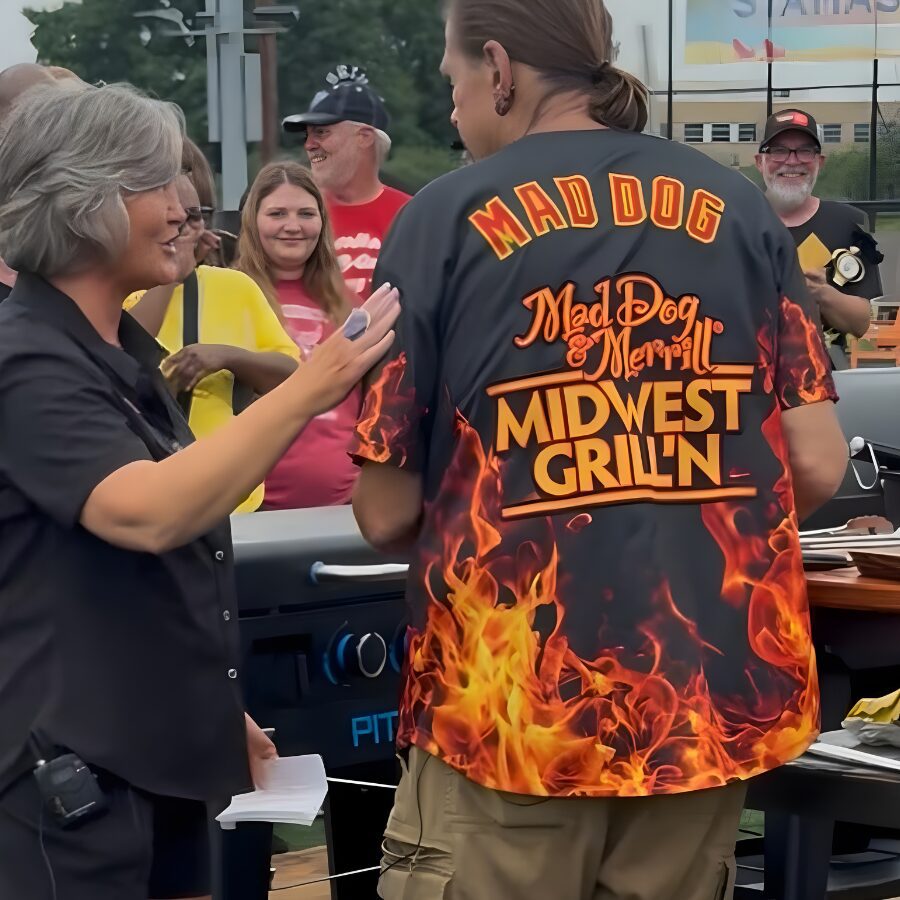
The Rib Cook Off Association (RCOA) is helmed by Jody Harris, who has been a pitmaster for more than fifteen years before co-founding her organization three years ago with partner Dirk Mullins.
“[Dirk] actually came up with this idea to have the Rib Cook Off Association, and I took my business acumen and made it all work,” she says. “Our thought process was that there were so many people out there that really want to cook,” although cost was often a factor that deterred them.
“Before we even leave the driveway, we’re already in at about one-thousand dollars,” says Harris. “With our organization, you could probably spend one hundred dollars, and you could come cook ribs and wings.”
The RCOA now consists of over 2,500 members.
“Our motivation is to have fun,” says Harris, as she pointed to a baseball cap bearing that mantra in bold. “Our first year, we had over forty contests.” The popularity only continues to grow.
“We believe it’s just because we were already in the community of cooks, and they believed in us,” says Harris. “They trusted us, and they were really excited. We launched January of 2024. By the month’s end, we probably had over four-hundred and fifty members. A lot of those members never, ever cook. They just believed in our mission.”
The RCOA believes that one of its missions is to be cooks for cooks.
“When the cook comes in, we understand what they’ve already been through for the day, what it takes to get all the meat around. We understand the stress that they have,” she says. “We organize the whole event. The community that we’ve built has really become closely knit.”
That closeness extends to the international community.
“The first year, we brought Europe on,” Harris says, “Belgium, Germany and Italy.” New Zealand’s north island and south island are also frequently represented. Harris suggests that perhaps barbecue owes its welcoming vibe to the nature of barbecue itself, going back all the way to the caveman days.
“Stepping back in a backyard or an event space, and being able to cook, to barbecue, it’s really about bringing people together. And that’s what we’re seeing,” she says.
Typically, the RCOA awards over forty-thousand dollars in prizes.
“They bring their own cuts of meat,” says Harris. “Some promoters will get ribs donated; however, the cooks are kind of picky about that for their competition. The Rib Cook Off Association has become more than a sanctioning body. It has grown into a strong and expanding community built around competition, connection and giving back.”
Like many barbecue festivals in Oklahoma, the event functions as a fundraiser, and the RCOA has taken that to new heights, raising over two-hundred-thousand dollars for meaningful causes.
“Last February, we helped one man in Decatur, Texas get ten-thousand dollars for a kidney transplant,” Harris says.
Harris feels strongly that barbecue in Oklahoma is its own unique kind of experience.
“It’s just what you like,” she says. “Anything with an open flame, whether you have that over a pit, or in an open fire setting, which a lot of those pits are now – they have the open flame. All of that’s going to be considered barbecue.”
Novices to barbecue, and those cooking with kids, should know that overcrowding the grill can prevent cuts of meat from searing, and can lead to disparate cooking. Contrary to popular grilling techniques, flipping too often can dehydrate cuts of meat, and that is what leads to the cover-up of excessive saucing, a common shortcut for the beginning pit master.
Those new to the world of barbecue should know their trees, and know them well, as softwoods that might at first seem appropriate for grilling, (like firs, pine, redwood, and cypress) used for cooking fuel can contain large amounts of resin oil or sap, which can create bitter barbecue and cause vomiting or episodes of non-fatal food poisoning.
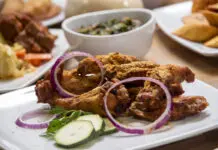
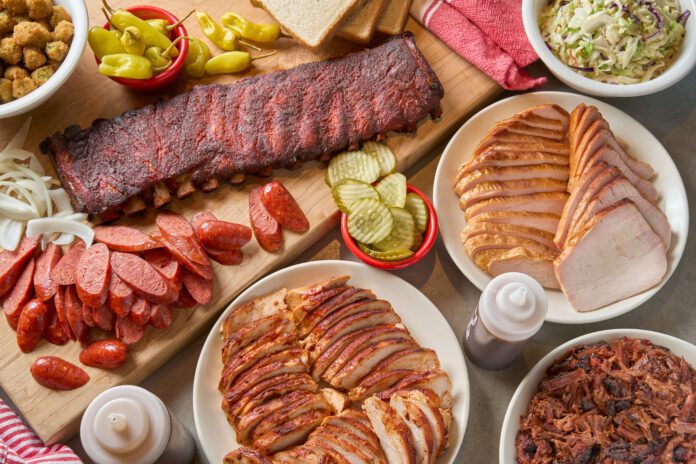
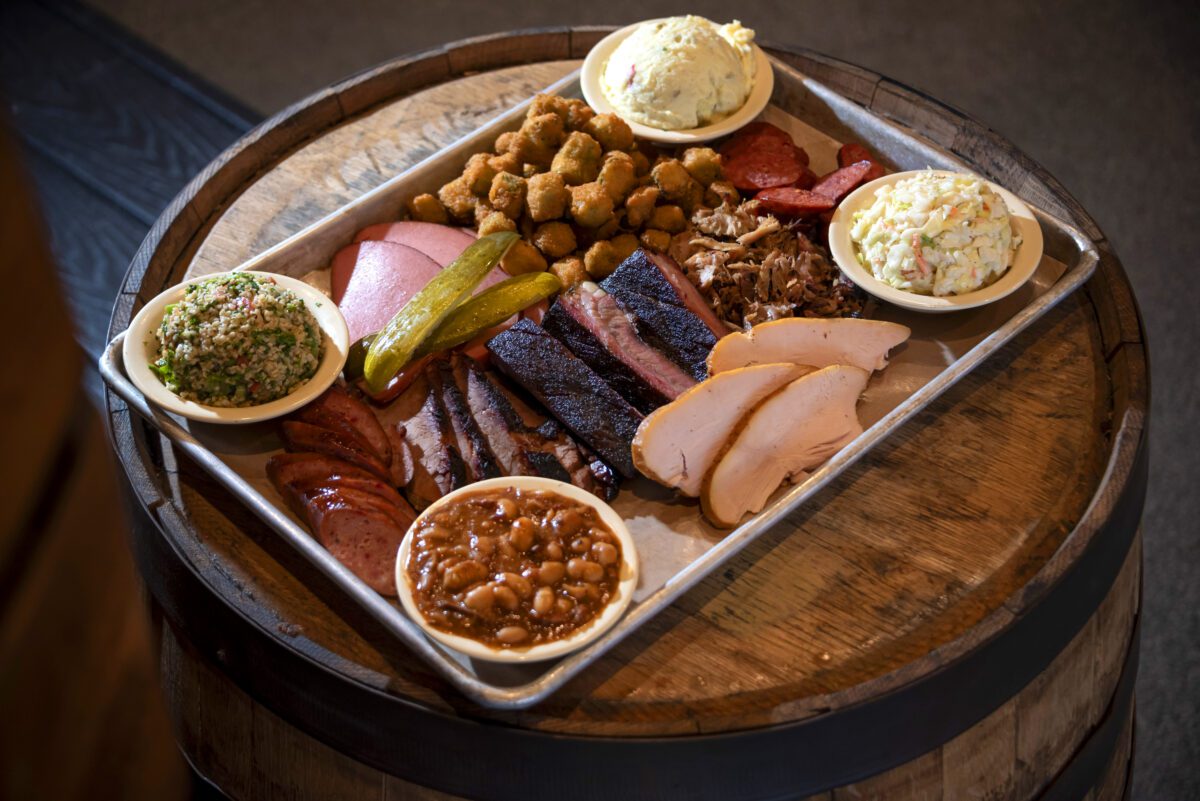
Featured photo credit: At Tulsa-based Rib Crib, diners can enjoy everything from the famous ribs to chicken, turkey, hot links and chopped brisket. Photo courtesy Chandler Hospitalitty Group

You don’t need a large sum to begin investing—just consistency and a clear goal. Local experts break down stocks, retirement accounts and cryptocurrency, along with the risks and rewards of each. If you’re looking for a practical guide to building wealth over time, we’ve got you covered.
says Jack Graddy, private wealth market manager for BOK Financial. “Investing small amounts consistently can be very powerful over time,” he says. “Regardless of which platform or provider you choose, it’s prudent to understand fees as well as your financial goals.”
Investment vehicles include stocks, bonds, mutual funds, exchange-traded funds and real estate, and all come with their own level of risk and returns.
“Stocks give you the most growth potential but also the most ups and downs,” Graddy says. “Bonds tend to be steadier but grow more slowly, while mutual funds and ETFs bundle investments together to spread out risk.”
Outside of stocks and bonds, Graddy says, “real estate can generate income, but it usually requires more money and hands-on involvement – and is also less liquid.”
To match investment choices with your personal financial goals, “it ultimately comes down to when you’ll need the money and what it’s for,” Graddy says. “Short-term goals call for safer choices such as bonds or cash, while long-term goals like retirement can usually handle more market ups and downs in exchange for higher growth.”
A widely-used investment option is the 401(k), often provided
by employers.
“With a traditional 401(k), your contributions aren’t counted as income for tax purposes; that reduces your annual tax bill,” according to the AARP.
“For example, if you earn $50,000 a year and contribute $5,000 of your salary to a 401(k), you shelter $5,000 from state and federal income taxes that year. If you’re in the 20 percent combined state and federal tax bracket, that will reduce your tax bill by $1,000.”
Having your contributions automatically deducted from your paycheck is more convenient than writing checks or making transfers to the bank or investment company that holds your account, AARP says.
“Without that hassle, you’re more likely to continue saving, year after year, which makes it more likely you’ll have enough money to retire on when the time comes.”
To understand how cryptocurrency works, it’s best to “zero in and focus on it,” says Matthew J. Moore, host of The Money Block television and radio show on the BizTV Network. “You almost have to be self-taught,” says Moore, who lives in Tulsa and has been involved with cryptocurrency since 2017.
The best-known of the cryptocurrencies is Bitcoin, a decentralized digital currency that uses blockchain technology to enable peer-to-peer transactions. Block chains are decentralized databases, Moore says.
“There’s no one owner, no one controller. It’s just
open-sourced software,” he says.
Bitcoin, the original cryptocurrency, went live in 2009, Moore says. It was created in 2008 and attributed to Satoshi Nakamoto, but it’s not certain if that is one person or a group of people, Moore says.
“It’s definitely a grassroots movement,” he shares. “People love this stuff. It’s been one way to beat inflation.”
Ethereum is a global software platform driven by blockchain technology, according to Investopedia.
“Known for its native cryptocurrency, ether, Ethereum is pivotal in the world of blockchain and decentralized finance. It is designed to be scalable, programmable, secure and decentralized, allowing anyone to develop secure digital technologies,” according to Investopedia.
Altcoin, Moore says, “is anything that’s not Bitcoin.”
Cryptocurrency is volatile, Moore says, “but that’s just the price of admission for any market. Any market you are involved in has risk.”
Cryptocurrency kiosks, also called crypto ATMs, convert cash into digital currency and often resemble traditional ATMS. They are located in such businesses as supermarkets, bars and convenience stores.
AARP reports that seniors are particularly at risk of being defrauded through the use of crypto ATMs, and supports states that have regulated their use.
Cryptocurrency kiosks were used in scams that led to more than $333 million in reported losses in 2025, according to FBI data. More than 12,000 complaints were filed with the FBI’s Internet Crime Complaint Center, which noted a “clear and consistent rise” in cryptocurrency kiosk scams over recent years “that is not slowing down,” according to AARP.
In a February survey by AARP, more than 8 in 10 senior citizens said they perceive laws regulating kiosks as ways to support responsible growth of cryptocurrency, rather than barriers to innovation.

Emerging cryptocurrency markets such as Polymarket and Kalshi are prediction markets, says Moore.
“You are basically buying a yes or a no token,” says Moore. “With prediction markets, you are betting on whether an event will happen or not. You are making these bets among peers.
They are all based on real-world outcomes.”
Polymarket is the cryptocurrency native version, Moore says, while Kalshi is a centralized, regulated U.S. exchange using traditional dollars.
Kalshi gained attention in 2024 when a federal appeals court upheld its right to offer election-related contracts, making it the first fully regulated platform in over a century to provide legal election trading in the United States, according to Kalshi.com.
“These markets cover presidential races, congressional control and various political outcomes. Subsequently, traders on Kalshi correctly called the outcome of the 2024 election,” according to its website.
Sports markets have become one of Kalshi’s fastest-growing segments, offering contracts on game outcomes across football, basketball, baseball, golf, MMA, tennis and more. Cultural events include Oscar winners, Grammy awards and streaming viewership numbers. Climate and weather contracts let traders take positions on hurricane intensity, temperature records and other meteorological events, according to Kalshi.com.
Polymarket was founded in 2020.
“What started as a COVID-19 pandemic–era experiment in crowdsourced forecasting has evolved into one of the world’s most active platforms for event-based speculation,” according to Britannica.
A drawback of event-driven trading is that “it has binary outcomes,” Moore says.
“You lose 100% if you are wrong, he continues. “There’s a lot of emotion involved. There is potential for overtrading, and there could be disputes over ambiguous outcomes.”
The prediction market is different from investing in cryptocurrency at large, Moore says.
“You can sell if the price changes,” he says. “It has a lot of liquidity.”
You don’t need to watch the stock market every day to stay informed, says Graddy.
“Stick to reliable news sources, focus on big trends, and ignore the daily noise — long term investing works best when emotions stay out of it,” he says.
Staying informed is one way to be aware of investment risk. A diversified portfolio is another method of managing risk.
“Diversification simply means not betting everything on one idea,” Graddy says. “Mutual funds and ETFs make this easy by spreading your money across many companies, industries and even countries, but it’s important to understand the associated fees.”
Saving in a 401(k) can give you the advantage of dollar-cost-averaging.
“Dollar-cost averaging is the habit of investing the same amount on a regular schedule, no matter what the market is doing,” Graddy says. “This helps reduce the stress of trying to time the market and smooths out the impact of market ups and downs over time.”
AARP has this to add: “By investing the same amount consistently, at regular intervals, you are effectively buying more shares of your investment when stock prices are low and fewer when prices are high. Just as a smart shopper might buy more of a favorite item when it’s on sale, you’re buying more shares of stock when they’re on sale.”
Your investment strategy should evolve as your needs change, according to the AARP.
“In early retirement, many shift toward more conservative investments to protect their principal. However, if you need to grow your nest egg, selectively increasing risk in certain areas might be necessary,” AARP suggests.
Working with an advisor can help ensure your allocations reflect your current goals and market conditions.
Potential taxes shouldn’t prevent someone from investing, but choosing the right account and holding investments long enough can make a big difference, says Graddy.
“Some investments create taxable income (like interest, dividends, or profits when you sell), while others grow tax-deferred or tax-free in retirement accounts (like 401ks and IRAs),” Graddy says.
Taxes can take a bite out of your retirement income, according to the AARP.
If you’re facing Required Minimum Distributions (RMDs) from a traditional IRA or 401(k), there are strategies to consider, AARP says. With Roth conversions, you pay taxes now to enjoy tax-free withdrawals later. Donating RMDs to charitable causes can reduce taxable income, AARP says.
And when withdrawing from tax-free accounts, you can avoid higher tax brackets by strategically choosing where your income comes from, according to the AARP.
“Every investment has costs, and even small fees can quietly eat into returns over time,” Graddy says. “Paying attention to expenses and choosing low-cost options helps keep more of your money working for you.”
“If you’re investing through a retirement account, fees matter,” according to the AARP. “Even a 1% management fee can eat into your returns over time. Opt for lower-cost options.”
Those include index funds, which typically charge less than 0.1% in fees, and fixed index annuities, which offer principal protection and potential for market gains—some with no fees.
“Lower fees mean more of your money stays invested and growing,” says AAR

WOMEN ENTREPRENEURS ACROSS OKLAHOMA ARE GAINING ACCESS TO A GROWING NETWORK OF RESOURCES DESIGNED TO HELP THEM START AND SCALE SUCCESSFUL BUSINESSES. FROM FUNDING PROGRAMS AND ACCELERATORS TO MENTORSHIP AND CERTIFICATION OPPORTUNITIES, SUPPORT IS AVAILABLE AT EVERY STAGE OF THE JOURNEY. THESE EFFORTS ARE HELPING CLOSE GAPS AND EXPAND OPPORTUNITY.
Rooted in the legacy of Black Wall Street, Build in Tulsa’s goal involves closing the wealth gap in America by catalyzing the creation of multi-generational wealth through tech and entrepreneurship. Build in Tulsa is committed to providing opportunity for entrepreneurs who have historically been denied resources and funding – many of whom are women and racial minorities.
“Since Build in Tulsa began operations in 2021, we have been cognizant of the disparity in funding and resources for women-led startups, particularly for minority women-led companies,” says managing director Ashli Sims. “While we have many programs dedicated to uplifting all, from Build Up, our startup school, to accelerator programs to First Friday Founders Markets, we have made sure to shine a spotlight on female-led companies.”

REI Oklahoma’s Women’s Business Center (WBC) is the state’s only statewide WBC dedicated to helping women start and grow their businesses. REI has supported nearly 30,000 entrepreneurs and business owners, with services available statewide, and offices in Durant and Oklahoma City.
REI Oklahoma Vice President of Business Resources James Harrington says that “organizations like REI Oklahoma have specific programs such as the WBC to offer workshops, business guidance and networking specifically for female entrepreneurs in the state. Additionally, state and local entities such as the Department of Commerce often provide business services and programs to promote creation and expansion of businesses in Oklahoma.”
The Oklahoma Department of Commerce (ODC) certifies women-owned businesses in Oklahoma. The program has the potential to benefit those businesses that may have traditionally faced extra barriers to market entry or participation. Some companies and state agencies use certifications to ensure diversity when they select contractors, vendors and suppliers.
The Department of Commerce’s Women Owned Businesses Certification (WOBC) program is a state legislated program that is not affiliated with any other certification program, and there is no fee for certification. The business must be 51% or greater owned, operated and managed on a daily basis by one or more women and the highest level officer in the company must be held by a woman on a full-time basis. The purpose of the certification is to assist in contracting opportunities. Upon certification, the company name and information are displayed on the department’s website page searchable database.
Oklahoma currently has more than 200 certified women-owned businesses. Any woman-owned small business is eligible to apply for the certification program.
“There are a number of organizations that can assist all small business owners,” says Cathy Curtis with the ODC’s Business Development, Women Owned Business Certification, and State Certified Incubator programs. “REI Women’s Business Center, Oklahoma Small Business Development Center, Oklahoma Career Technology Centers, and the U.S. Small Business Administration are a few. These all offer services to small businesses at little to no cost.”
When starting a small business, getting capital is one of the most crucial components.
“REI Oklahoma offers flexible financing for all Oklahoma entrepreneurs,” says Harrison. “Our various funding partners including, the U.S. Small Business Administration, USDA Rural Development, and the Economic Development Administration, among others make it easier for businesses to get the financing they need to grow. Even if traditional loans aren’t an option, REI Oklahoma’s lending programs are designed to meet business owners where they are and help them move forward.”
REI Oklahoma loan programs include SBA 504, SBA Microloans, Direct Loans, Manufacturing Equipment Loan Program, USDA Meat and Poultry Loan Program, Contract Line of Credit, and New Markets Tax Credits.
“Loan information can be provided by REI Business Lending, Oklahoma Small Business Development Centers, and the US SBA,” says Curtis.
Sims adds: “Through our Female Founders Pitch Competition, we have directly addressed the funding gap for female tech founders. Since 2021, we have hosted 12 competitions with 78 contestants. The program has awarded over $293,000 to 32 top contestants. The program has awarded prizes from $1,000 to $20,000. Our next female founders’ pitch competition will be May 21.”
As well, Build in Tulsa pitch competitions award up to $10,000 to help female founders build. Their W.E. Build accelerator includes a $25,000 business award as well as financial stipends while in the program.
Created as a flexible solution to help Oklahoma businesses maintain momentum and continue growth trends despite challenging economic conditions, Oklahoma Business Lending Partnership (OBLP) has flexible terms, and OBLP supports businesses throughout Oklahoma. As a collaboration between the Oklahoma Center for the Advancement of Science and Technology and TEDC Creative Capital, OBLP expands access to capital for Oklahoma businesses through the U.S. Treasury’s State Small Business Credit Initiative (SSBCI) administered by OCAST.

OKC Women in Business is a network through which individuals access resources, opportunities and a vibrant community dedicated to empowering women in the entrepreneurial world. The collaboration offers connections with over 7,500 women entrepreneurs in Oklahoma City and has a directory of women-owned businesses, which expands visibility.
OKC Women in Business participants may engage in monthly community coffees designed to connect with peers, form partnerships and share insights. The community coffees take place around OKC and serve as a cornerstone of the networking efforts, designed to foster connections, share ideas and build a supportive community.
“REI Oklahoma offers networking events throughout the state including OKC Women in Business Breakfast and Southern Oklahoma Women in Business Networking Events to connect with other professionals, discover new opportunities and explore valuable resources, and take new steps both personally and professionally,” says Harrington.
Curtis adds: “There are many local and regional organizations that offer networking groups that actually work. Enid Regional Development Alliance offers quarterly women in business luncheon meetings with speakers on relevant topics.”
Sims adds: “Build in Tulsa hosts a variety of networking and training opportunities throughout the year. Follow us on social media or sign up for our newsletter to stay up to date on our activities. We host the First Friday Founders Market, which is a great way to connect with the ecosystem and support other entrepreneurs.”

“REI Oklahoma’s Women’s Business Center (WBC) is the state’s only statewide WBC dedicated to helping women start and grow their businesses,” says Harrington. “Whether you’re exploring a business idea or expanding an established company, the WBC offers training on marketing, business planning, QuickBooks, social media, taxes and more.”
Sims says that Build in Tulsa hosts a variety of workshops designed to help build a successful business.
“From Build Up, our startup school, to accounting classes with 1921 Sankofa, to sales workshops, to fireside chats with investors, Build in Tulsa is committed to providing founders with the tools they need to succeed.”
The Oklahoma Small Business Development Center assists small business owners and new entrepreneurs by providing no charge, one-on-one business management advising and workshops and business technical assistance.
The Oklahoma Council on Economic Education (OCEE) is a nonprofit that promotes economic education and financial literacy, and is a sector of the College of Business at the University of Central Oklahoma in Edmond. OCEE provides resources and training to K-12 teachers about incorporating principles of economics and personal finance into classrooms.
The Oklahoma Center for the Advancement of Science and Technology (OCAST) is the state’s agency for technology-based economic development. A results-driven, high-performing organization, OCAST increases research activity and public/private partnerships leading to innovation in the core tech sectors most important to Oklahoma’s economy. These include Aerospace – Defense and Autonomous, Biotechnology and Life Sciences, and Energy Diversification.

Harrington says the public can support women-led enterprises by visiting state and local entities from women-owned business directories, and attending networking events and conferences specifically catering to women-owned businesses.
“The best way people can support women-led businesses is to put your money where your mouth is,” says Sims. “Shop with women-owned businesses and not just big box retailers or tech marketplaces. Integrate that philosophy into your work culture. How many women-owned businesses does your business do business with? From your legal representation to your accountant to your caterers, are you making sure your vendors are representative of your values?
“We often hear about mentorship, which I do believe is important, but I think it doesn’t go far enough. Beyond dispensing advice, we need to move toward advocacy. Build in Tulsa is committed to making introductions to those who can help you grow and sustain your businesses. We are proud to be a springboard for women-led businesses, but, ultimately, we want these businesses to thrive on their own, with sustainable, scalable business models that become economic engines for our city and state.”
Marco Herrera cuts an imposing figure – larger than many bears – but that’s not what you notice first: it’s his intellect. In fact, when he first moved to Tulsa, he was a Ph.D. candidate. However, as he said at the time and later repeated to me, “there are too many Ph.D.s in the world, and too few good tacos.
Herrera was born in El Paso, Texas, and more or less grew up in his dad’s small Mexican restaurant. His earliest memories are of being in the kitchen, watching the chefs prep, then watching the somewhat ordered chaos of the breakfast and lunch rush.
“From my earliest years,” he told me, “if you’d asked me what I wanted to do with my life, I’d have said I wanted to cook. It was always present, this desire, and as I got older and older it got louder and louder, and in the end, I couldn’t deny it.”
He taught himself to cook by trial and error, and “in many ways,” he says, “I’m still learning. It never ends.”
One day, at a restaurant in east Austin named Suerte, Herrera had a tortilla that, he declared, “changed my life. It was so good I couldn’t believe it existed.” That sent him researching down the never-ending rabbit hole of corn, masa and nixtamalization and its place in Mexican life and cuisine. And that’s why, when he joined his friend Colin Sato in establishing what began as a pop-up and grew into the James Beard Award semi-finalist Et Al, he specialized in a program of Tuesday heirloom corn tortillas and tacos that helped the restaurant garner national attention. And himself too. The Wall Street Journal even called him “one of America’s best new chefs.”
Lately, Herrera’s been a happy man. He’s back in Tulsa, and he’s helping design Little Belly, where he’ll be executive chef. He’d spent many months in Denver, where he was culinary director of a Michelin-starred restaurant group. But Tulsa always seems to pull him back like a magnet, and he couldn’t pass up an opportunity to work with Sheamus Feeley again – the wunderkind restaurateur behind James Beard semifinalist Noche.
But what is Little Belly? It’s an American izakaya, says Herrera, located on Tulsa’s Brookside within the old Pei Wei at 3535 S. Peoria Ave. In Japan, an izakaya is a place like a pub or tapas bar. It’s a casual drinking establishment that serves food, but over centuries of evolution in Japan, a subtle web of customs, etiquette and tradition governs how you behave in one. But there’s none of that here.
“This is a place focused on fun and it’s supposed to feel easy,” says Herrera. “It’s Japanese and American cooking and tradition coming together and playing together.”
There’s a long bar on the southern side of the vibrantly decorated restaurant, with a Suntory machine for making highballs and lots of fun cocktails. The list of sake and whiskey on offer will be small but constantly changing. But if you know Herrera, you won’t be surprised to learn that most of his efforts have gone into obsessive design of his dishes.
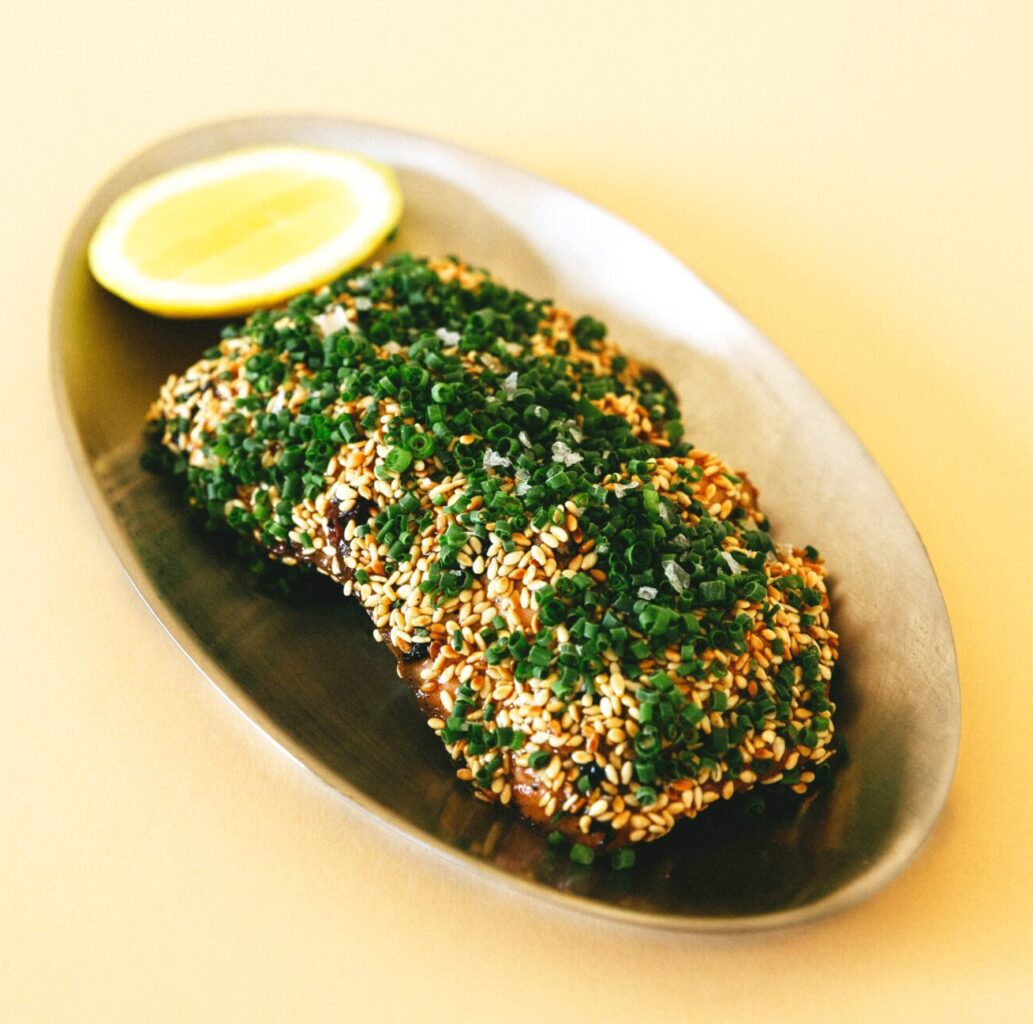
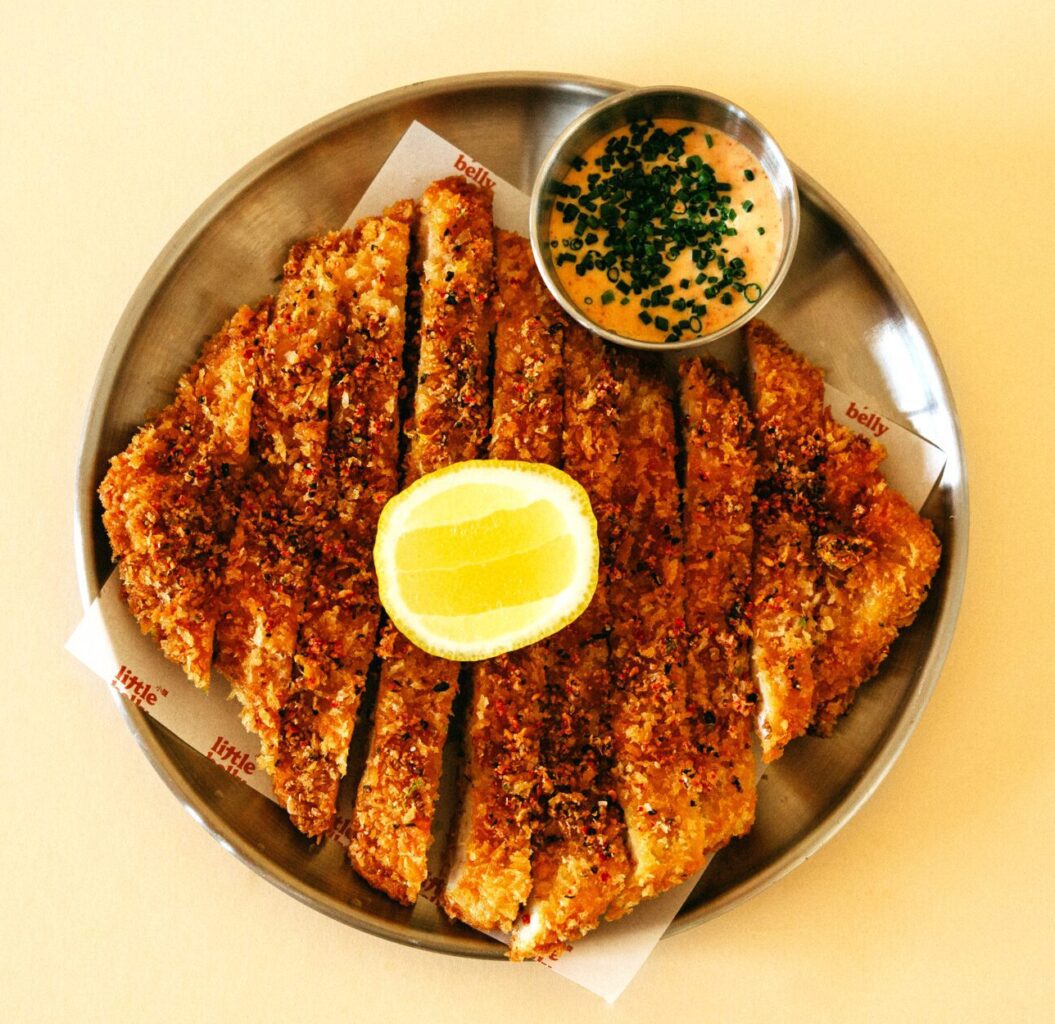
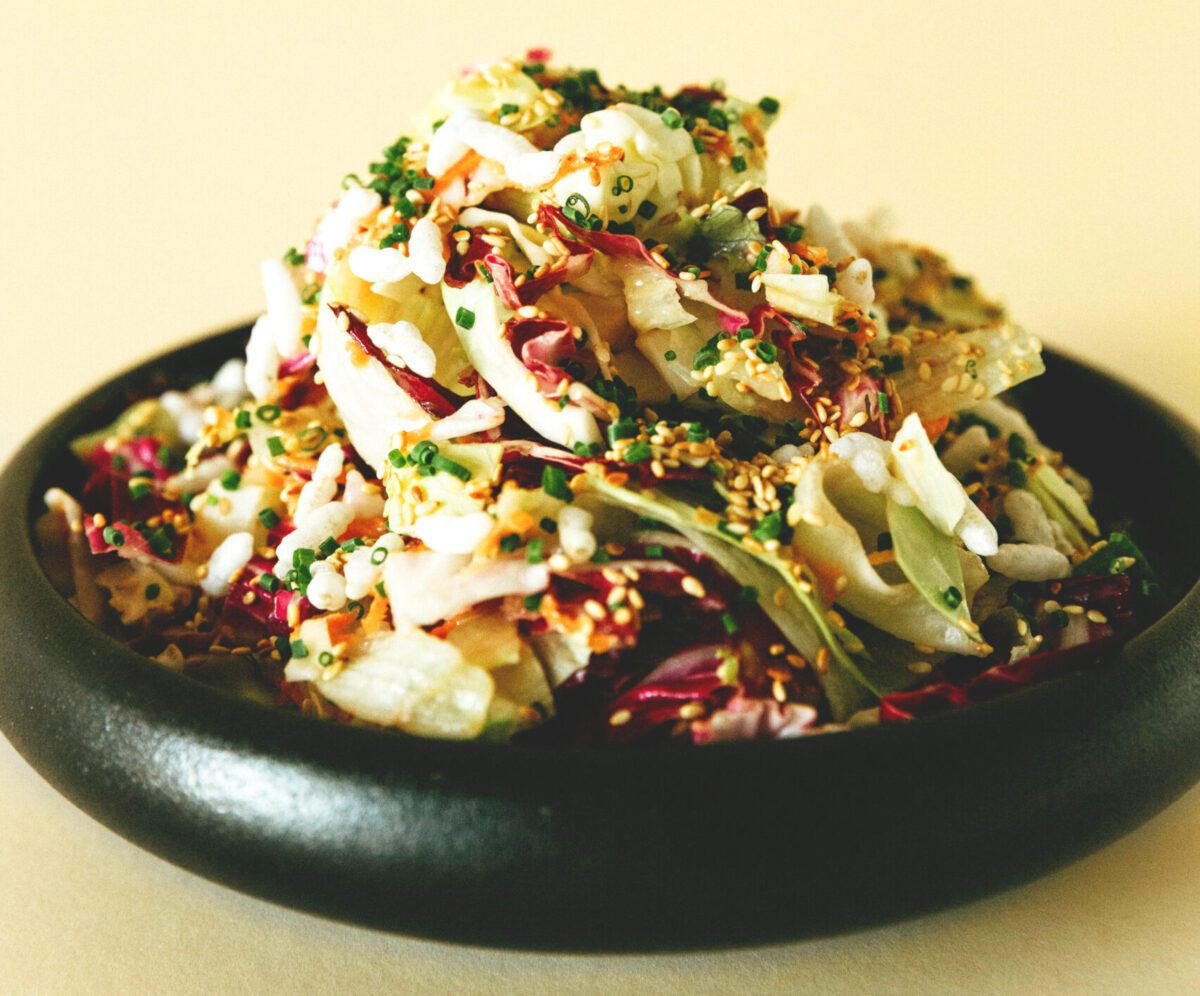
“Sheamus and I do everything 50-50,” says Herrera. “We created each dish together. There’s Magic Cabbage Salad, very umami-driven, there’s creamy butter ramen with fresh corn and chives, there’s yuzu pepper tonkatsu (chicken-fried pork).”
As a nod to Nikkei cuisine developed by Japanese immigrants in Peru, there’s a tiradito, the impeccably fresh fish caressed by Peruvian leche de tigre and a sauce made of Peruvian yellow peppers. The recipes are playful and bend the rules but, Herrera stresses, “we approach Japanese cuisine with respect and reverence.”
When you visit Little Belly, it’s a pretty safe bet that Herrera will be there.
“I love restaurants and I love good food,” he says. “After all these years it’s still one of my favorite things in the entire world.”
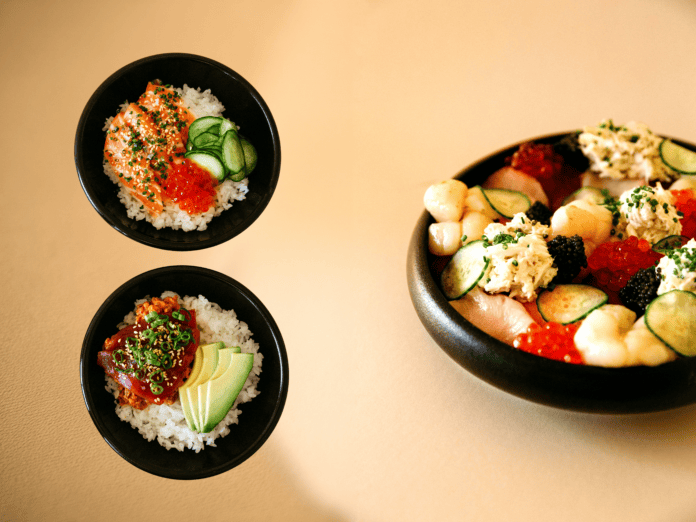
Featured photo credit: Left: Sushi lovers should try the Tekka Don and Sake Don Handroll Sets, made to order. Right: The Chirashi Royale is a premium, high-end sushi bowl featuring a luxurious assortment of seasonal fish. All photos by Hunter Herrera
With Barrio’s, located at 1000 N. Hudson Ave. in OKC, the origin story may be just as rich and delicious as the menu itself. Although it’s part of A Good Egg Dining Group, the restaurant’s heart lies with the Barrios family, whose legacy stretches across several OKC concepts. Beginning with Juan Barrios at Cheever’s Café in 2000, the family quickly became a cornerstone of the group’s success, contributing their culinary talent to spots like Iron Star Urban BBQ and Red PrimeSteak.
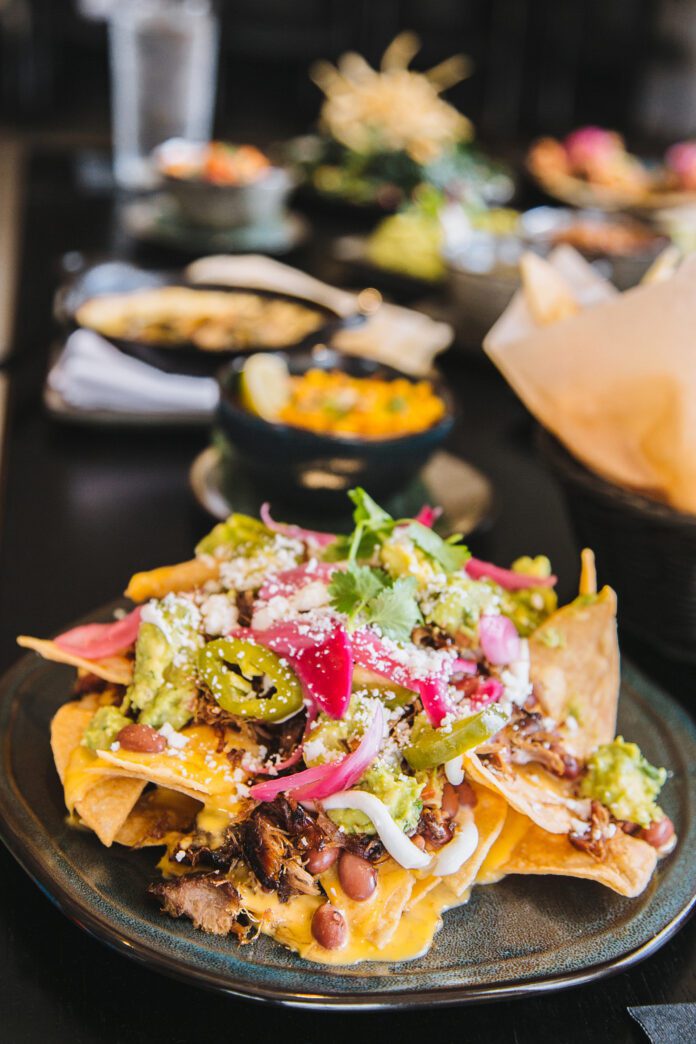
The menu at Barrio’s into fresh, made-from-scratch Mexican cuisine designed for sharing. Starters like traditional smashed guacamole, queso fundido with mushrooms and poblanos, and Tex-Mex queso with red chorizo will surely get the party started. Heartier options include loaded Victory Club nachos or a fajita quesadilla packed with grilled steak or chicken. Entrées range from wood-fired fajitas to ancho agave salmon and pork cheek carnitas tacos. Standouts like lamb barbacoa tacos and roasted chicken enchiladas showcase the restaurant’s range, and are great for those looking for something a little outside the box.
Whether on the patio or inside the lively dining room, Barrio’s emphasizes hospitality, flavor and authenticity.
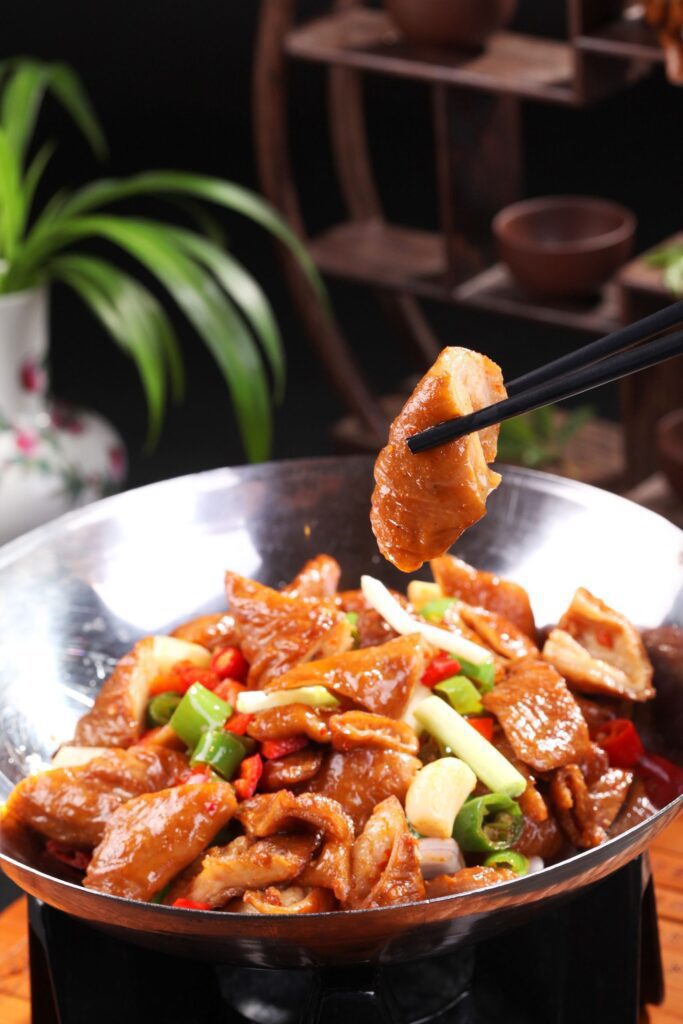
Chengdu was born from the partnership of two immigrant families, one from Sichuan and the other from Fujian, who met after arriving in the United States. Initially serving Americanized Chinese fare, they soon pivoted to serve the bold, traditional flavors of their heritage after their customers requested something a bit more authentic. The result is the real Chengdu: a restaurant dedicated to showcasing the depth and complexity of Sichuan cuisine.
The kitchen is led by chefs trained in China, and their expertise shines through in dishes known for their signature balance of heat and flavor. Classic Sichuan offerings like water-boiled beef and spicy fish deliver layers of chili heat, and dry pot dishes bring an aromatic intensity, combining spices and fresh ingredients.
Alongside these traditional options, the menu also offers familiar Chinese-American favorites such as General Tso’s chicken, sweet and sour chicken and Mongolian beef, making it approachable for even the pickiest of eaters. Dim sum, soups and a variety of chicken and beef dishes round out the offerings.
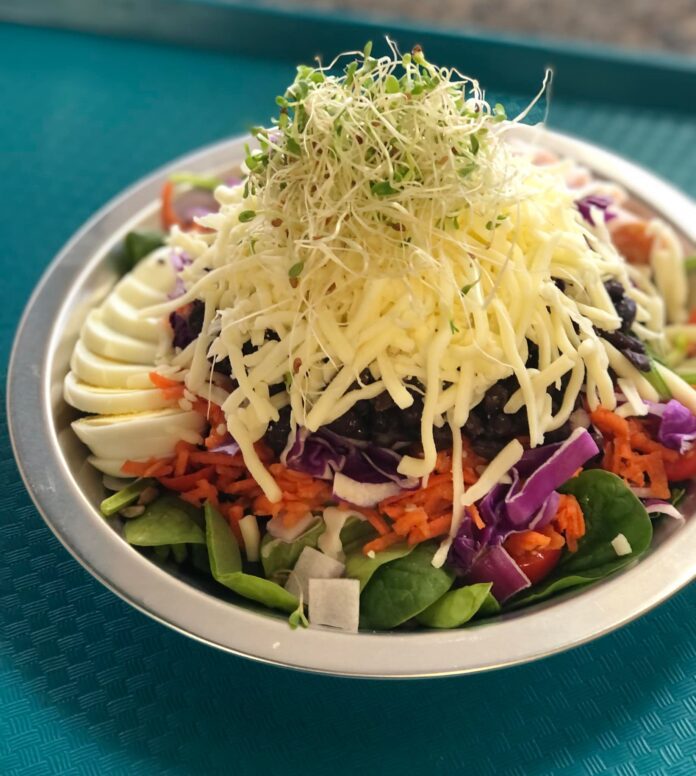
Big Al’s offers a quick, feel-good option for Tulsa diners seeking lighter fare without sacrificing flavor. Known for its health-forward menu, the joint blends classic comfort food with fresher ingredients, so diners leave happy – and ready to take on the rest of the day.
Wraps and sandwiches range from a zesty Baja chicken to a hearty roast beef and provolone, while salads like the mandarin orange chicken bring a balance of sweet and savory. Even staples like the chicken Caesar get a thoughtful twist – nothing is run-of-the-mill at Big Al’s.
For an extra boost, fresh juices like a green blend of celery, spinach, cucumber and lemon round out the experience.
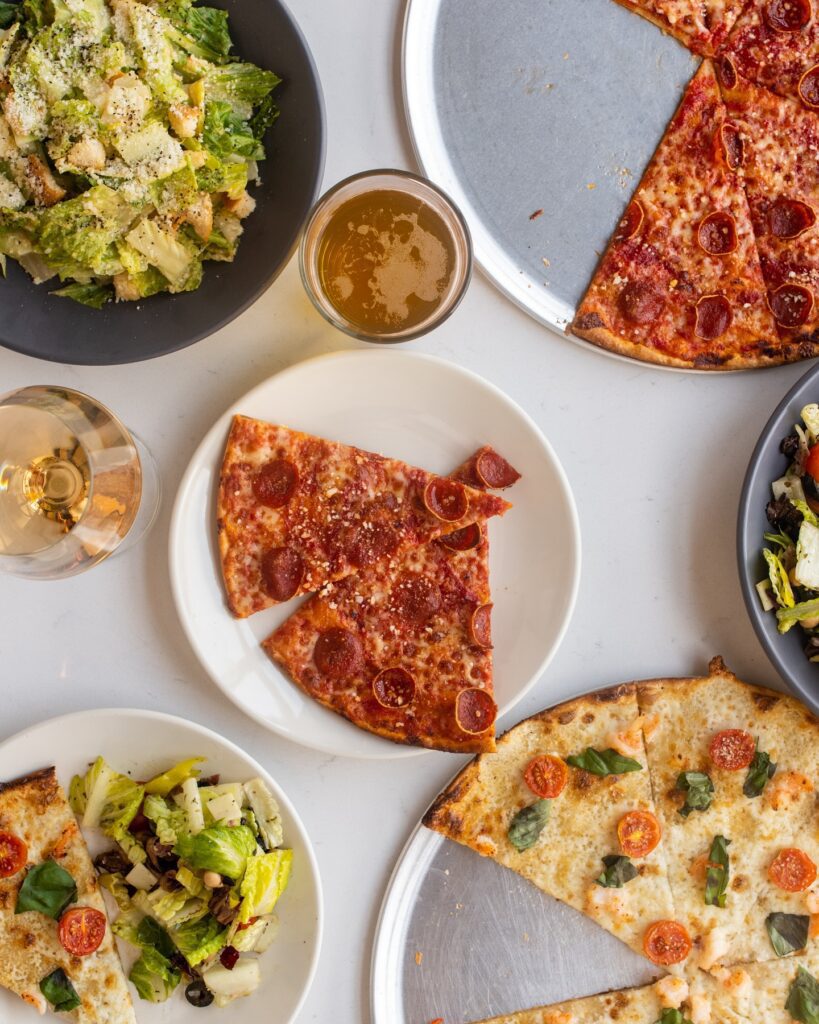
Tiny Bubbles brings a playful, elevated twist to Oklahoma City’s wine bar scene. Launched in 2020 by Jeremiah and Brandi Esterline, the concept pairs a cozy brick-and-mortar space with a vintage mobile wine cart for events of all sizes.
The menu is ideal for groups looking to indulge, featuring shareable boards with cheeses and cured meats, alongside inventive bites like cacio e pepe fries and lasagna skewers.
Thin crust pizzas, from classic pepperoni to mushroom-forward options, offer something for every palate … as long as they love ‘za, of course. With sparkling wines, cocktails and decadent desserts like tiramisu, Tiny Bubbles delivers a lively, stylish experience perfect for a night out.
At Inheritance Juicery, clean eating and a thoughtfully curated, aesthetic atmosphere merge. What began as a passion for organic, locally sourced ingredients has grown into two go-to destinations for health-conscious diners across Tulsa, including its downtown locale and Brookside expansion.
The menu remains rooted in simplicity and quality, offering everything from ample smoothie bowls and classic avocado toast to heartier options like bibimbap bowls and plant-based brunch plates.
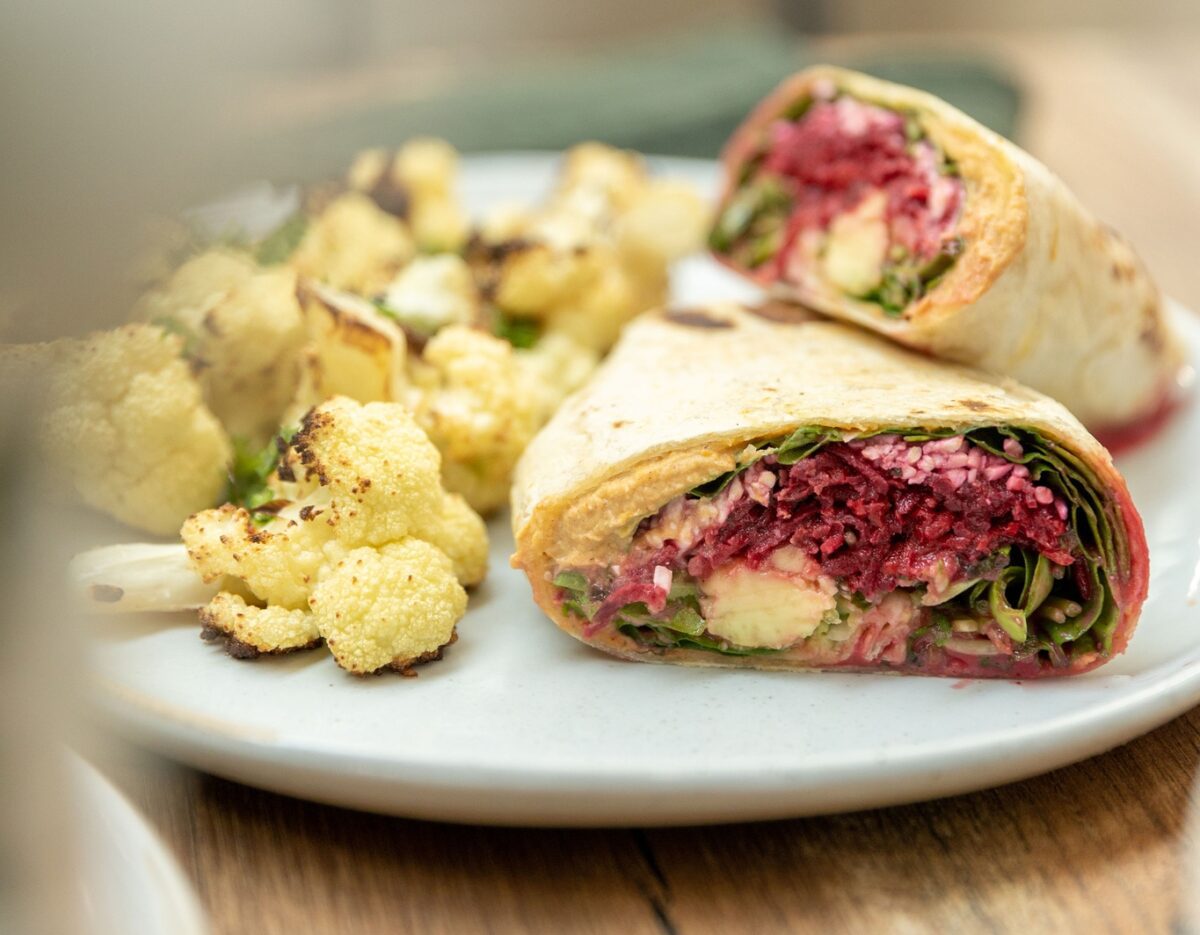
Cold-pressed juices remain the centerpiece, crafted from fresh fruits and vegetables, but other goodies include coffee and
cocktails. And with a strong focus on sustainability and community partnerships, Inheritance delivers a dining experience that feels both nourishing and intentional.
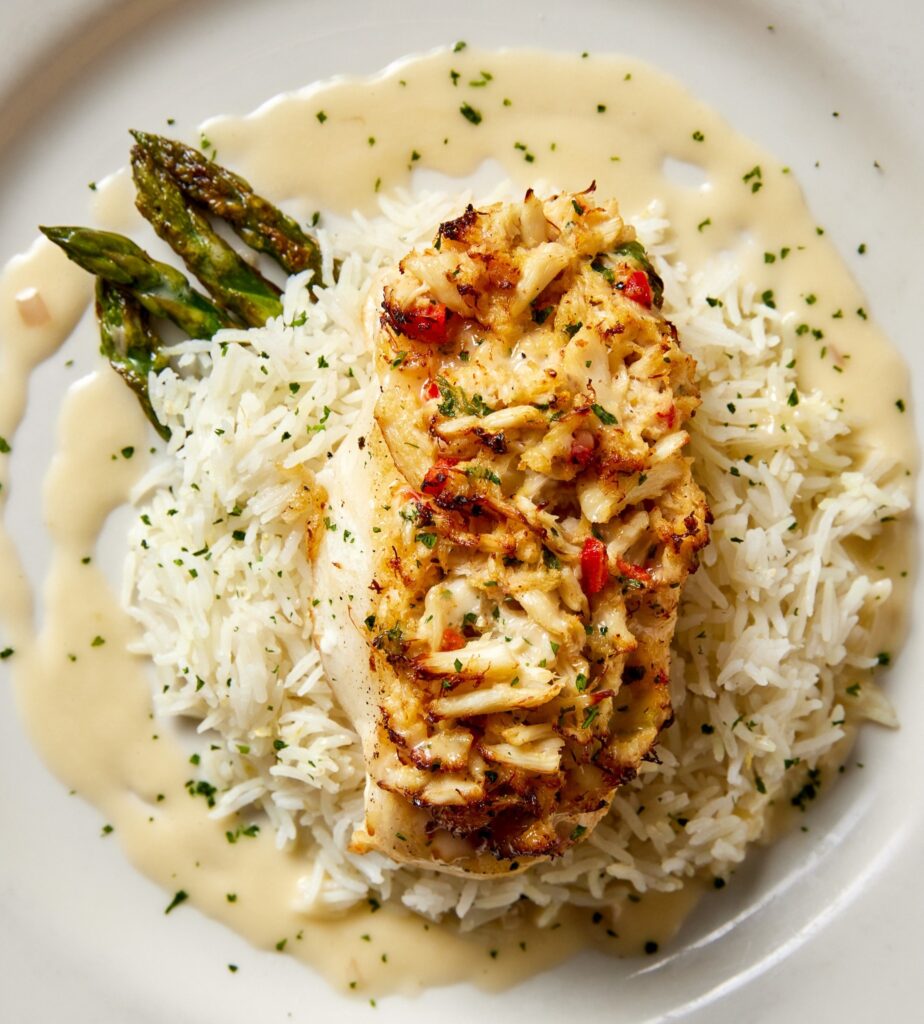
Set against the scenic backdrop of Lake Hefner, Hefner Grill combines polished dining with relaxed lakeside charm. Known for its seafood-forward menu, the restaurant offers everything from crispy calamari and crab dip to standout entrées like pecan-crusted trout and sea bass.
Lighter fare, including fresh salads and shrimp dishes, balance the menu, while non-seafood choices ensure broad appeal for those not inclined to dine from the sea.
Weekend brunch adds another layer of whimsy, with classic dishes like omelets and Benedicts. With its inviting atmosphere and well-rounded offerings, Hefner Grill remains a staple for both casual meals and special occasions.
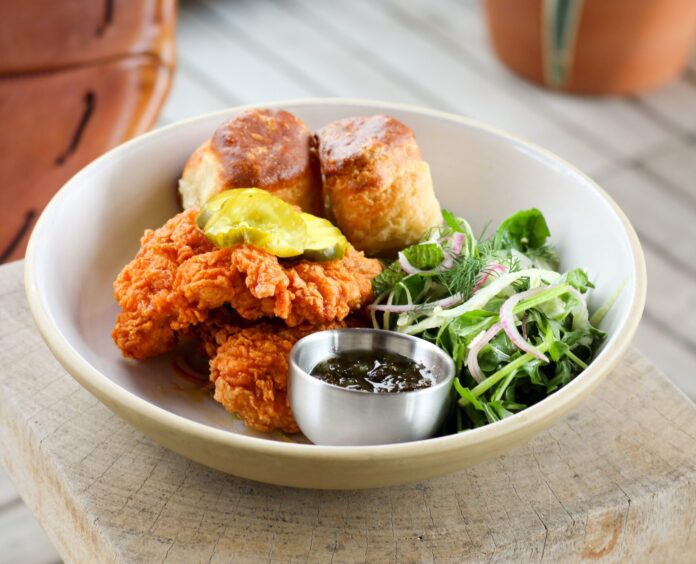
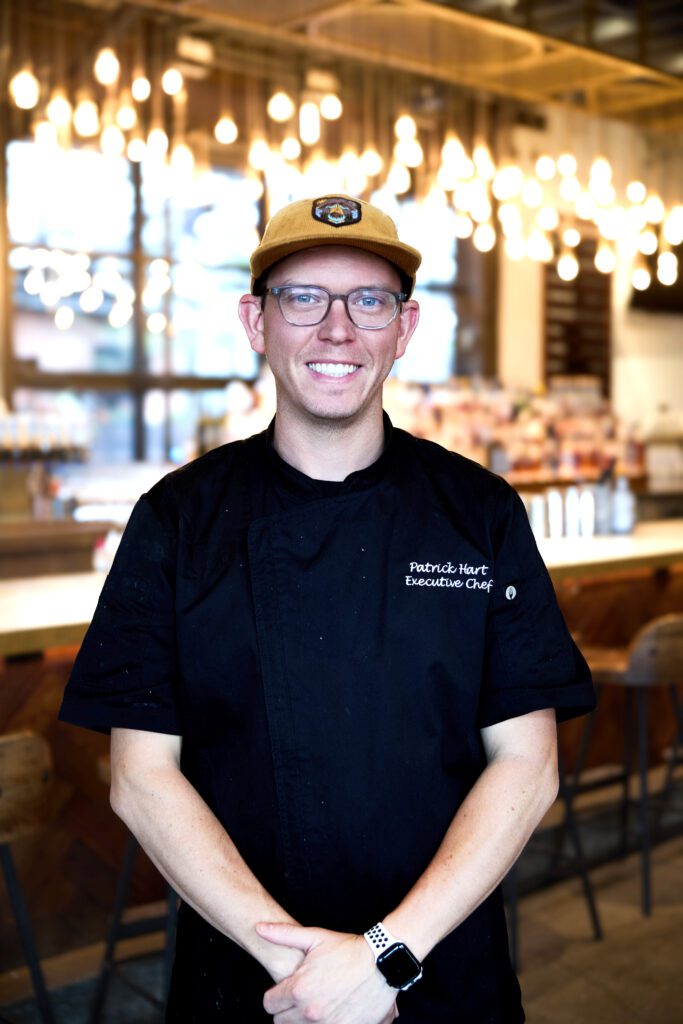
“You want to make a béchamel, you need to have butter, flour, make a roux, then you add milk. That’s what a béchamel is,” says executive chef Patrick Hart at OKC’s The Jones Assembly at 901 W Sheridan Ave. “Okay. Then you can say, what if I want to toast my flour, you know, the way mine tastes might differ slightly from yours.”
Of all the social endeavors known to mankind, the culinary efforts of chefs may be some of the most tirelessly ground-breaking. Masters of cuisine are not simply cooks, but artists who, by meeting a basic human need, foster discussion and camaraderie among people from varied perspectives.
Beginning in 2021 as sous chef, Hart is now the longest tenured chef at The Jones Assembly, being on staff for five of their nine years. Chef Hart comes to The Jones Assembly from Hal Smith Restaurant Group, and completed his formal education in Houston at The Culinary Institute Lenotre, where his focus was on French cuisine.
Hart returned to Oklahoma, starting Guyutes, an elevated street food restaurant in Oklahoma City’s 23rd District.
“I helped them open, design the kitchen, menu layout, and all that,” Hart said. “And then, after Guyutes, I worked at a place called Green Goodies, which was mostly vegan.”
When I asked chef Hart about misinformation circling about him on the internet – that he had been educated in Rhode Island and North Carolina at Johnson and Wales University, where dishes like “Bread in a Can” are regional staples – he responded light-hearted humor.
“That’s so funny,” he says. “I’m actually working on a BLT salad right now.”
Hart’s love of the culinary arts comes from cooking with family.
“I think most people that fall into cooking grow up with either a guardian or a neighbor cooking with you,” he says. “Mine was my grandma.”
The menu at The Jones Assembly, a music venue as well as a bar and restaurant, changes every six months, but items like the Jones Burger and the famous dips and spreads the establishment are known for will remain.
“We put rigatoni on the menu in 2022, and Cacio e Pepe has been on the menu since day one,” he shares.
When speaking of locally sourcing ingredients for his recipes, Hart say, “we get as much stuff as we can from local farms. We have a company that we work with called Farm Hub. For the longest time, you had to build up these relationships with each individual farm to get their product. One resource has taken that hard work out for us. They partner with local farms, creating a database or like, a catalog. I can order fresh tomatoes, and Farm Hub with deliver them to us.”
To put it lightly, Hart stays busy at The Jones: he prepares meals for, on average, two-hundred guests each weeknight and one thousand guests on the weekends.
“I was talking to a farmer about red potatoes. I was like, ‘Yeah, okay, great. I would love to get some red potatoes from you. Can you do two-hundred pounds a month, or a week?’”
Prep Method

May is chock-full of performances for those looking to escape the May heat.
At the Tulsa PAC, start with Tulsa Symphony’s Mahler’s Symphony No. 2 on May 2, followed by the final performances of Marilyn through May 3 courtesy OKC Ballet. Celebrity Attractions returns this month with another blockbuster: The Wiz, running May 5-10. (OKC Broadway also brings the show to the Civic Center Music Hall from May 19-24). You can also venture over to the German-American Society of Tulsa on May 16 to enjoy Tulsa Opera’s Sing Me A Waltz.
In OKC, the Civic Center is ablaze with activity. Begin the month with OKC Phil’s Mahler’s Resurrection Symphony on May 2, followed by the Philharmonic’s second offering – Take Me Out to the Ballgame! on May 3. Dance lovers will want to stick around the venue for OKC Ballet’s Shorts: A Night of Premieres from May 8-10. Other goodies at the Civic include Shucked courtesy OKC Broadway from May 12-17, and Canterbury Voice’s Crescendo on May 14.
You can also take a short road trip to Stillwater for Allison Krauss and Union Station, performing at the McKnight Center for the Performing Arts on May 2.

Sports enthusiasts have plenty to cheer for this month.
In Tulsa, head to the BOK Center on May 1 for the WWE Smackdown, with famous wrestlers including Cody Rhodes, Drew McIntyre and Jade Cargill. Stick around the venue for Tulsa Oilers football games May 3, 16 and 30, or enjoy America’s favorite past-time at ONEOK Field May 1-3, 12-17 and 27-31 with the Tulsa Drillers. The rest of the month can be spent at Expo Square, with offerings including the Oklahoma Dressage Spring I & II events, May 2-3; the OKRVA regional volleyball championships, also May 2-3; and the Breeder’s Invitational horse show, May 9-23.
In OKC, the sky’s the limit. Kick off with the U.S. Rowing Central Youth Championship, May 1-3 at Riversport OKC, then venture over to the OKC State Fair Park on May 2 for the Red Dirt Rodeo. Other happenings at the park include the Royal Crown Futurity on May 19-23 and the Oklahoma Summer Classic, May 27-31. Baseball fans can be found at Chickasaw Bricktown Ballpark all month long to cheer on the OKC Comets. Softball fanatics can visit Devon Park on May 6-10 for the Big 12 Softball Championship, and again on May 28-June 5 for the NCAA Women’s College World Series. And this writer is confident you’ll see the OKC Thunder on the Paycom Center court all month long as NBA playoffs continue. Thunder Up!
Month after month, we present a colorful kaleidoscope of the people, places and culture that make Oklahoma such a fascinating place.
© Oklahoma Magazine