Oklahoma designer Marshall Danzy Taulbert labels much of his branded clothing with ‘South Tulsa, California,’ a nod to both his hometown and his current place of residence. Photos by Menelik Puryear
In February, brand Abercrombie & Fitch launched a new clothing line, co-designed with a native Tulsan and Los Angeles-based fashion designer: Marshall Danzy Taulbert. Taulbert says getting to this milestone was an experience he didn’t see coming.
In November of 2023, Taulbert learned that Abercrombie might consider him for a new collaboration – but it wasn’t until March of 2024 that he knew he had about two weeks to pitch a collection.
“I didn’t pitch them clothing,” says Taulbert. “I wanted to pitch them a world first, the world of Danzy Estates, and the clothes people would wear there. It’s about the world that people would be part of when they purchase this collection.”
The Abercrombie team was, of course, enamored. Taulbert was designing the collection by May, flying back and forth between LA and Abercrombie’s corporate offices in Ohio.
Taulbert, who anchors his designs in real or imagined places, says the line, Abercrombie x Danzy Design Studio, a.k.a Danzy Estates, reflects “what I believe [downtown Tulsa’s] Black Wall Street would be if it were still around, like some kind of subdivision that would be there,” he shares.
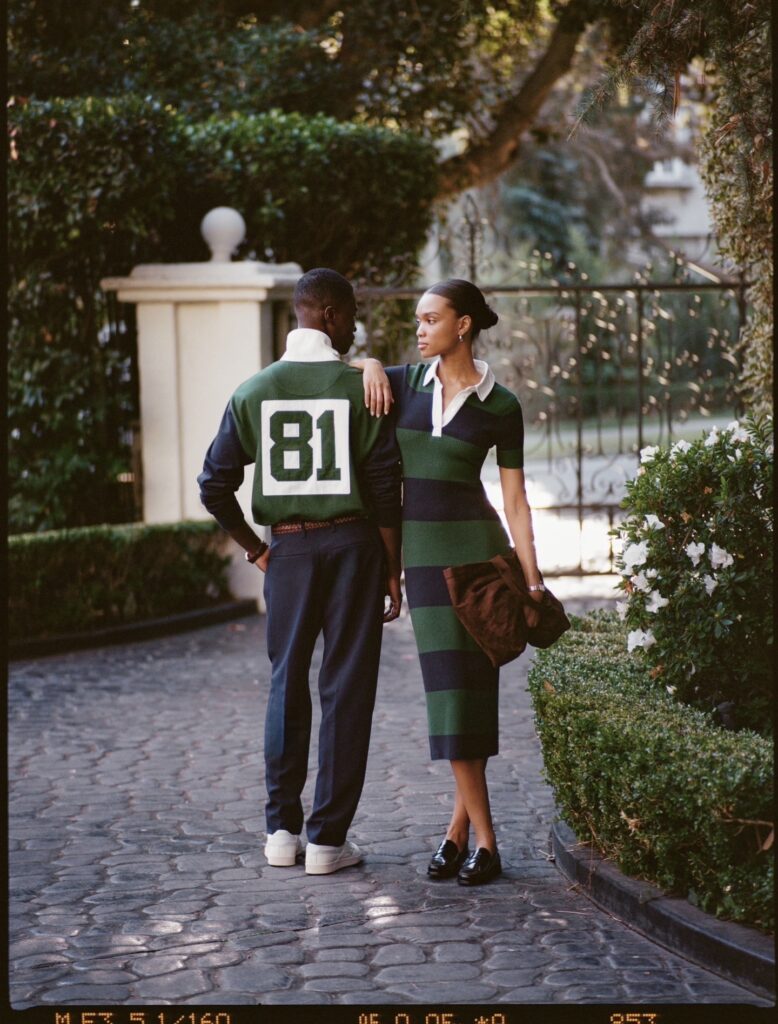
L-R: Kwaku Ansong and Samantha Archibald model some of Taulbert’s newest line, Danzy Estates, in collaboration with Abercrombie.
Danzy Estates is a collection of smart staples with a nod to retro sportswear, Taulbert says – a 26-piece collection that is mostly mix-and-match, unisex (except for a few dresses, skirts and tank tops), in classic, preppy and tailored styles. Think polo collars, rugby stripes and collegiate looks in hunter green, navy, gray and white. Each piece is marked with “Danzy Estates,” “D.,” and “1981” – his birth year.
Taulbert envisions a day in his line: The morning routine might involve coffee, and perhaps a workout class, while wearing a gray pair of sweats or fleece shorts. Then, there’s a change of clothing for transitioning to work – whether working from home and connecting to employees via Zoom meetings or heading to the workplace. No matter the situation, Taulbert has everyone ready with rugby shirts, V-neck cable knit sweaters, blue slacks, varsity bomber jackets and a double breasted blazer. A third portion of the line involves clothing for after-work plans.
Danzy Estates is part of the Abercrombie Vol. 28 recurring clothing collection designed to amplify Black voices and culture, featuring clothing inspired by Black artists and style. Taulbert’s inspiration includes several photos of his parents, who still live in the south Tulsa home where he grew up.
“Both my parents are very classily dressed people,” he says. “There’s a picture of my mom in the ’90s, wearing a bright red, double breasted blazer with gold buttons. And a picture of my dad wearing a navy blazer with a pair of old Levi jeans and cowboy boots. That’s where I got the idea of a double breasted blazer.”
Taulbert’s own Danzy Design Studio in LA produces clothing labeled with his creative ‘South Tulsa, California,’ moniker.
“That is my overall city,” he says. “But I’ve created subdivisions within that, and Danzy Estates, for Abercrombie, is one of those – like Utica Square.”
Looking towards the future, Taulbert is prepping for New York Fashion Week in September.
“People can expect to see a little bit more tailoring from Danzy,” he shares. “Right now, I’m a little more known for the casual and the sweat brand. But they’ll start to see the maturation within my brand.”
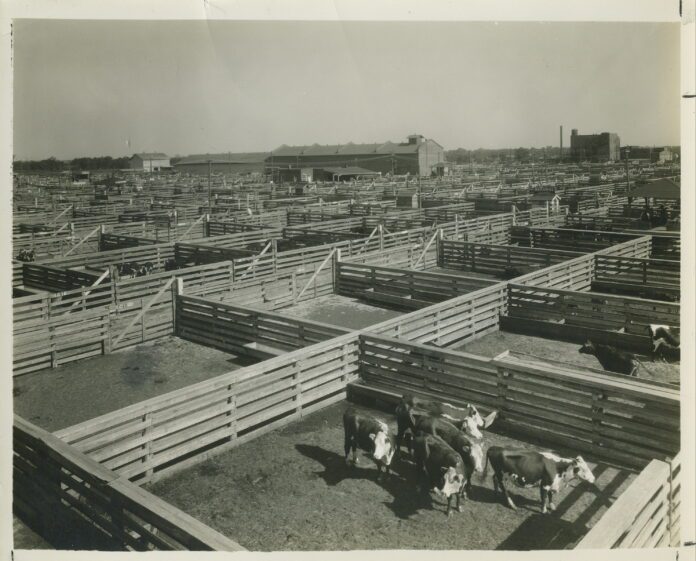
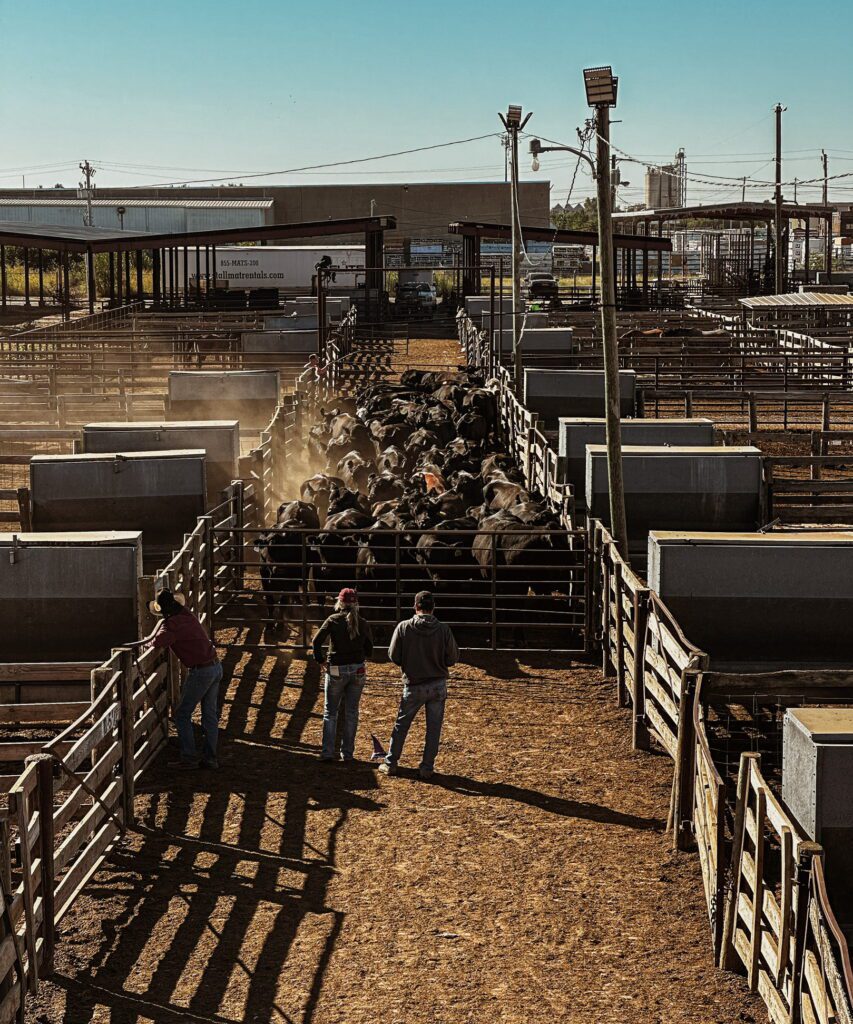
The Oklahoma National Stockyards was established in 1910 and generated 2,400 jobs in a city of only 60,000.
Photos courtesy the Oklahoma National Stockyards
The Oklahoma National Stockyards is for sale, but “new ownership does not mean that everything has to change,” says president Jerry Reynolds.
“There has been a lot of interest, and we have had offers. We are not under contract,” Reynolds said in late February. “All the people that have expressed interest, they know the importance of the stockyards continuing on as is, or at least some close variation of that.”
The stockyards company was founded in Oklahoma City in 1910, in conjunction with the opening of a packing house by the Chicago-based Morris and Company, now known as Armour. A second packing house opened the next year, and the stockyards and packing plants generated 2,400 new jobs in a city with a population of only 60,000, according to the nonprofit Stockyards City Main Street.
While the board chairman is a direct descendant of the founder, Reynolds mentions that no one in the family has an interest in taking over the operation. The board of directors of the publicly-traded company made the decision to sell, “but it’s not like we are trying to have a fire sale and dump that thing off.”
The stockyards handle 350,000 to 400,000 head of cattle every year, with the biggest sale day on Monday, Reynolds says. Multiple generations of a family will attend the sale, “then go by Cattleman’s and get a steak, and go to Langstons and buy a pair of jeans or a cowboy hat. It’s a destination location.”
The stockyards and Stockyards City are destinations for tourists as well as cattlemen.
“We get Route 66 tourists every week,” Reynolds says. “You wouldn’t believe the amount of agritourism we get every week – people who want to see the sale. The television series Yellowstone has reinvigorated people’s appreciation for the West.”
Stockyards City Main Street promotes the area southwest of downtown Oklahoma City as a cultural and business destination and sponsors events including business workshops, a Christmas Tree lighting, a “Wines of the West” festival and the Stockyards Stampede event.
Stocker feeder sales of 329,000 head last year were down 10% from the previous year, Reynolds says, but the Oklahoma National Stockyards remains one of the largest in the nation. Cows and bulls are also sold through the auction house.
“Joplin did more head than us last year, but they have a video auction and we don’t,” Reynolds says. “In size, we are as big or bigger than Joplin. But it’s not a competition to me or us.”
More than 130 families are supported by employment at the stockyards.
“The economic impact is well over $1 billion a year,” says Reynolds. “We are very sustainable.”
One thing that makes the operation unique is that “nine commission firms sell out of our facilities,” Reynolds says. “Commission firms have the connection with the producer, with the customer. They have been helping sell cattle here for a long time.”
The west side of the property is undeveloped, and Reynolds says he can imagine new ownership creating something in that area.
But, he says, the board would be unlikely to accept an offer “if they had any inkling that someone would come in and just doze it all down,” Reynolds says. “The potential lies solely in it being a stockyards.”
Confused about cryptocurrency? Baffled by Bitcoin? Dumbfounded by Dogecoin? Join the crowd. Digital currency is an interesting, inventive and perplexing field.
As a currency, crypto is still in its infancy; the technology was only created in 2008 and began circulating in 2009. Awareness has grown about the uses and potential of cryptocurrency but, with that, concerns also have arisen about hacking, scams and a lack of protections for consumers. We explore some of the basics to keep readers up to speed.
Meaning and Uses
Cryptocurrency is digital or virtual currency that utilizes cryptographic techniques to allow for secure and decentralized transactions, giving people the ability to make financial transactions independent of banks, financial firms or a central government. Cryptocurrencies are supported by a technology known as blockchain, which maintains a transparent and immutable record of transactions.
Bitcoin emerged as the first digitally circulated currency about 16 years ago, and awareness has grown through the years.
“I do think more people know about it and are interacting with it,” says Andrew Morin, Ph.D., research assistant professor of cyber studies at the University of Tulsa.
In Oklahoma, for example, Gov. Kevin Stitt signed into law last year HB 3594, designed to safeguard digital asset usage in the state, such as prohibiting the state government from impeding on citizens’ ability to use crypto or digital assets to purchase goods or services, or imposing additional taxes on payments used with digital assets.
Choosing Cryptocurrency
Individuals interested in using the digital currency can buy it through avenues such as traditional investment platforms, cryptocurrency exchanges or mobile payment services. Some users see the currency as a way to invest or make a profit. Others like the ability to make quick payments or to avoid transaction fees that traditional banks may charge.
People can also use cryptocurrency to buy different products and services – such as on technology and e-commerce sites that accept Bitcoin as a payment method. Home Depot also accepts Bitcoin payments, and some car dealers and insurance companies accept cryptocurrency, as well.
Morin says that while cryptocurrency is innovative, there are some concerns with protections for users and the prevalence of scams and fraud.
“It exists in a regulatory vacuum,” he says. It’s a space that doesn’t offer as many protections for consumers and investors as traditional methods, such as those provided by the Electronic Fund Transfer Act, he mentions. The act protects consumers from unauthorized electronic fund transfers.
For example, if you need to dispute a purchase with your credit card, the credit card company has a process to help you get your money back. Cryptocurrencies typically do not come with such protections, often leaving people with no clear path to restitution.
“By and large, you’re gambling your money in a very consumer-unfriendly environment,” he says.
Another major concern is cryptocurrency fraud and scams, such as through fake websites, virtual Ponzi schemes or online dating scams where criminals try to persuade people they meet on dating apps or social media to invest or trade in virtual currencies.
Morin says that overall, he is “cautiously optimistic” about the future of cryptocurrency and does believe there are efforts to develop legitimate uses for the currency. But he also believes better protections, security, transparency and regulations will be needed to make it a safer space for consumers and investors.
A multi-purpose stadium near Bricktown will house OKC’s re-branded soccer team thanks to the collaborative efforts of a diverse group of civic, business, sports and cultural leaders helming the OKC for Soccer committee. Rendering courtesy Echo Investment Capital
A real life field of dreams is taking shape as a group of civic, business, sports and cultural leaders unite to re-energize the sport of soccer in Oklahoma City.
“It’s exciting when you can bring people from different communities, different cultures and different languages together and connect them all through this wonderful sport of soccer – or football,” says Jorge Hernández, president of Tango Public Relations and a founding member of the OKC for Soccer committee.
Led by Echo Investment Capital and founder Christian Kennedy, the re-imagination of OKC’s soccer culture comes complete with a downtown stadium and 42-acre development next to Bricktown, construction for which is now underway. A groundbreaking is set for later this year, and opening day is anticipated for spring of 2027. Alongside founding committee members like Gov. Bill Anoatubby of the Chickasaw Nation and Zac Craig, president of Visit OKC, OKC Thunder legend Russell Westbrook also has a sizable investment in the project.
“It’s not only going to be a really fantastic stadium, but it will also be one of the most unique places to experience an event of any kind in the region,” says Court Jeske, Echo’s sports and entertainment partner. “Oklahoma City has had a very rich history in the world’s game of soccer. Now the vision includes a publicly-funded, multi-purpose stadium that will be the home for the new team in Oklahoma City.”
The club is going to be built with the community’s fingerprints on it at every turn, Jeske says, with fans getting to have input on the team name, team colors and other important facets.
“We all have seen how the Thunder have benefited Oklahoma City and the state in terms of the way that they represent us in the global sport of basketball,” Jeske says. “Now it’s time that Oklahoma City has a club that represents us in the global sport of soccer.”
That includes, he says, the 300,000 Hispanic residents who live in OKC.
“Soccer is the fastest growing sport in America for many reasons,” Hernández says. “But soccer has been part of the Latino culture for [a long time]. It’s a sport that a high percentage of our population is involved in or engaged in.”
Having a world class soccer club in town is an inspiration for everyone, Hernández says.
“It gives kids a chance to dream,” he continues. “When you can experience the sport at a high level with international talent like the [OKC Energy FC] or the future soccer team here in OKC, it gives kids a chance to work at something, at a vision they can see, taste and hear. I think it will be nothing but incredible.”
Women’s soccer is in the game plan as well, Jeske mentions.
“We will have women’s soccer as a part of our club,” he says. “We don’t know at what level they will play at and when they will begin, but we have made the commitment that it’s important to us to have cultural equity and gender equity as a part of the club from day one. We want to make sure that through the world’s game, Oklahoma City has a brand and a movement that they can be proud of.”
Hernández encourages soccer fans, and those new to the sport, to get pumped about the big changes coming to OKC.
“There’s a reason why it’s called a beautiful game,” he says. “It really is art in motion. The skill that it takes to move a soccer ball at the speed that they do on the pitch, it’s beautiful. And soccer has a special type of fan base, so together we’ll be uniting Oklahoma City and cheering on our team to victory.”
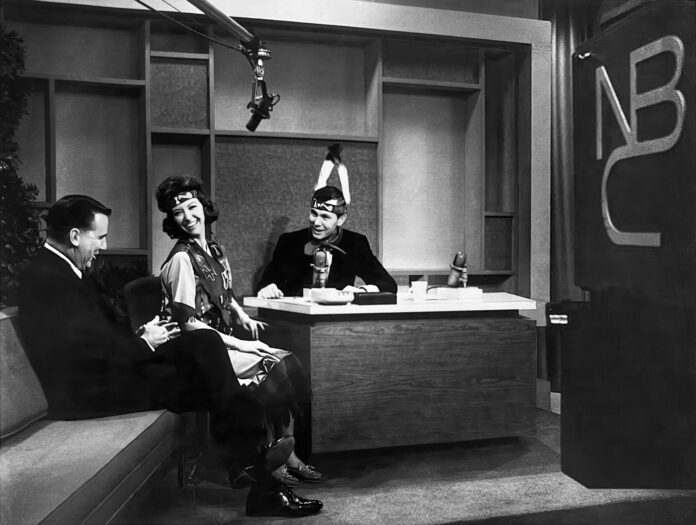
Tulsan Lynette Bennett says a career highlight was making it onto The Tonight Show as the highest ranking Campfire Girl in the country. Photos courtesy Lynette Bennett
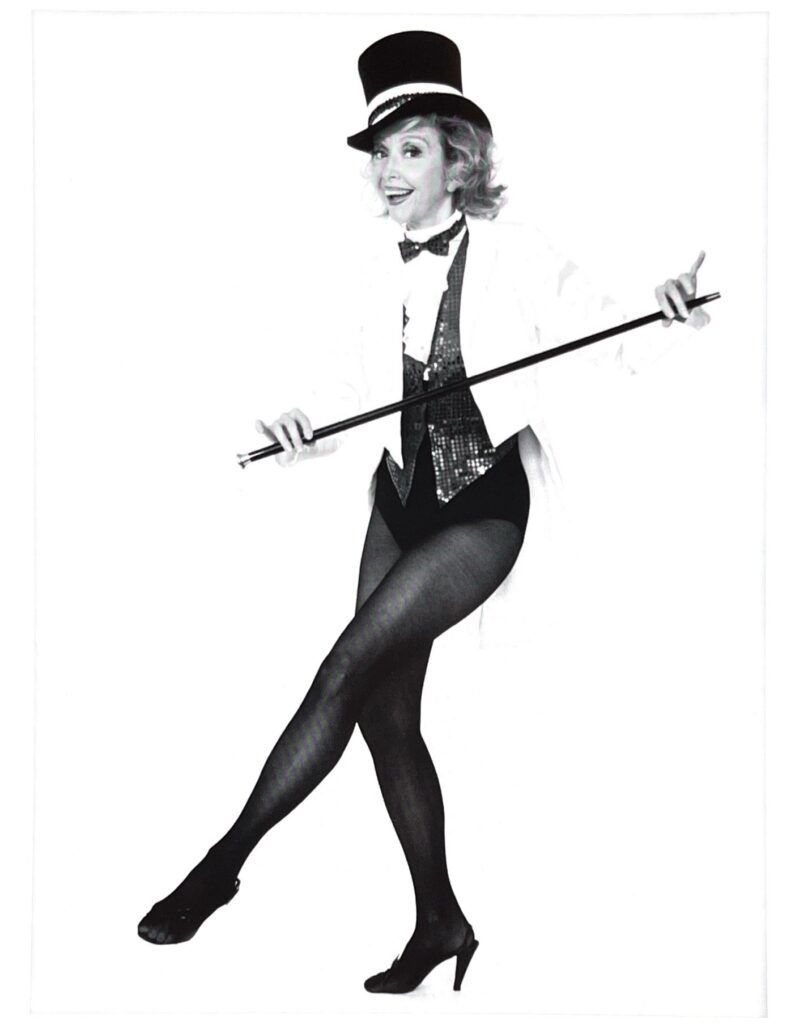
During her time as a New York-based performer, Tulsa’s Lynette Bennett rehearsed and recorded with a young piano player named Barry Manilow, got a kiss from Johnny Carson on his late-night TV show (after making him an honorary Campfire Girl), and broke bread with the classic Hollywood-star likes of Rita Hayworth and Betty Grable. Plus, along with her roles on Broadway and in touring shows, she became a staple of what were then known as “industrial musicals,” doing lavish Broadway-style productions for national conventions of automobiles and other big businesses.
Perhaps most impressive is the fact that she did it all without ever having to wait tables or take other non-theatrical jobs to make ends meet.
“That’s right,” she says. “Most actors do. They have to have some way of making a living so that they can pay the rent. But I never did. I was always able to pay the rent – and on time,” she adds with a laugh.
Bennett’s experiences on the Great White Way, touring both stateside and abroad, and working such disparate show-biz jobs as a jingle singer, TV-commercial actress and model for magazine ads, are chronicled in her book Broadway Dreamer, newly released by Babylon Books. (In the interest of full disclosure, I should note that Babylon has also published a good bit of my own work.) It begins impressively – following two-plus pages of critical praise for her various performances – when, as she’s signing the cast’s call board at the Winter Garden Theater for her role in the musical Funny Girl, a “hand with shiny red nails” reaches around her to put another name beside hers. As it turns out, the hand belongs to Barbra Streisand, who then goes on to chat pleasantly with Bennett for a few moments.
“I had done a previous Broadway show, The Yearling, which had a gorgeous score by Herb Martin and Mickey Leonard,” she recalls. “But it didn’t make it. Funny Girl was already a big hit, and Barbara had become a star. So that show, probably, was the high point [of Bennett’s show-business career].”
There are, however, plenty of candidates for that honor. One of them was that appearance on The Tonight Show with Johnny Carson, which was then in its heyday. Singing at an upscale nightspot called the Viennese Lantern at the time, Bennett was booked after the club’s publicist contacted the Carson show with an unusual pitch: the current vocalist at the Viennese Lantern also happened to be, as Bennett writes about herself, “the highest ranking Campfire Girl in the country.”
That was enough to get Bennett on the network show, where she presented Carson with a feather-festooned headdress, tied his and co-host Ed McMahon’s legs together with leather thongs, and gave them both Native American names – all to the delight of the studio audience.
Photos courtesy Lynette Bennett
“We laughed and joked for twenty-five minutes,” she notes in the book. “Johnny was swinging. I was giddy, one of those magical performances when each bit of comedy Johnny and I did together clicked.”
Although they weren’t nearly as high-profile, the industrial musicals (also known as “business theater,” a sub-genre celebrated in the 2018 documentary Bathtubs over Broadway) provided more indelible memories. These were live shows done for corporate conventions, with original music, lyrics and dialogue slanted toward a corporate product, and, she says, “They were just smashing. They paid good money and they didn’t stay out of town very long, so that was an actor’s dream – you got your salary, and you went back home, and you were ready for your next audition.
“The first one I did was for Ford Tractors,” she adds with a chuckle, “and it was set in heaven. It was the most beautiful show I’ve ever done. They had Broadway lighting designers, a Broadway director – it was straight from Broadway. It’s hard to say how many of those I did; maybe a half-dozen. And sometimes, it would be on a smaller scale, for regional meetings.
“One time I did one of those that was for just three actors. I was the wife, we had the husband and we had the salesman. That could have been for Oldsmobile. It was just the three of us traveling around, and we were out for a while. But when you’re getting a good salary, you don’t mind traveling a little bit longer.”
Her Barry Manilow connection began at a club in New York, where Bennett saw him and a partner of his opening for Joan Rivers. Bennett was impressed enough with the young pianist and vocalist to go backstage and ask if he’d like to work with her. He became, as she writes, her musical director, and when she decided to do a demo tape – a recording of her singing several songs, which she could pitch to record companies and other entities – Manilow was the one who picked and arranged the numbers, along with conducting and playing on the sessions.
“I booked a studio where I had done jingles,” she remembers. “Because I knew the engineer and the general setup I thought I’d be comfortable there. Barry had picked out three wonderful songs. We had a bossa nova by [Brazilian bandleader Sergio Mendes’s group] ‘Brasil ‘66, ‘Laia Ladaia,’ and that gorgeous ballad ‘But Beautiful.’ And then Barry asked, ‘Do you like overdubbing [vocals]?’
“I said, ‘Yes, I love it,’ and he said, “Okay, let’s do a Donovan song. You’ll sing it, we’ll put down your voice, and then I’ll write three overdubbings and we’ll record it that many more times, so that we have four versions [of the song] on top of each other.’”
After doing the overdubs on that one, “Wear Your Love Like Heaven,” and completing the studio sessions with Manilow and the other musicians, she was ready to show the results to a record company. So she made an appointment with an executive at RCA Victor, a friend of a friend of hers, and showed up “at this lovely, lovely office,” she remembers, wearing “a dark blue mini-dress and white boots, of course. This was the ‘60s.”
In Broadway Dreamer, she describes what happened next.
“He glanced at me. ‘I’ll listen to your demo, but I can tell from looking at you’ – he gestured head to toe – ‘you are not what we’re signing up.’
“That stopped me cold. My look was not what they wanted? What does that mean? ‘Could you elaborate, please?’
“`You look dignified, attractive, like a straight-shooter from the Midwest. That’s not what sells today. We’re looking for kinky, crazy, wild, kid-stuff. Kids buy records.’”
That story illustrates the rude awakenings with some of Lynette Bennett’s Broadway dreams, as do other near-misses and assorted struggles. As her story unfolds, she marries her hometown sweetheart, eventually divorces him, and meets and marries the love of her life, a Methodist minster and missionary named Warren Danskin. The book ends with the beginning of their life together, including a South American honeymoon and, at the end, a flight to London, where a new church assignment is waiting for her husband. (She would end up on the stage in England as well, but that’s a story for another book.)
Through it all, elation and disappointment, the soaring highs and grinding lows, Lynette Bennett had always continued to work at her craft, not only on the New York stages she’d dreamt about as a young girl in Tulsa, but also on television, in magazines and in venues around the world.
The title of her book doesn’t quite say it all. Sure, she was a Broadway dreamer, like millions of others across the globe. She was, however, also something much more special: one of a glittering handful of hopefuls who ended up actually living what they’d dreamed.
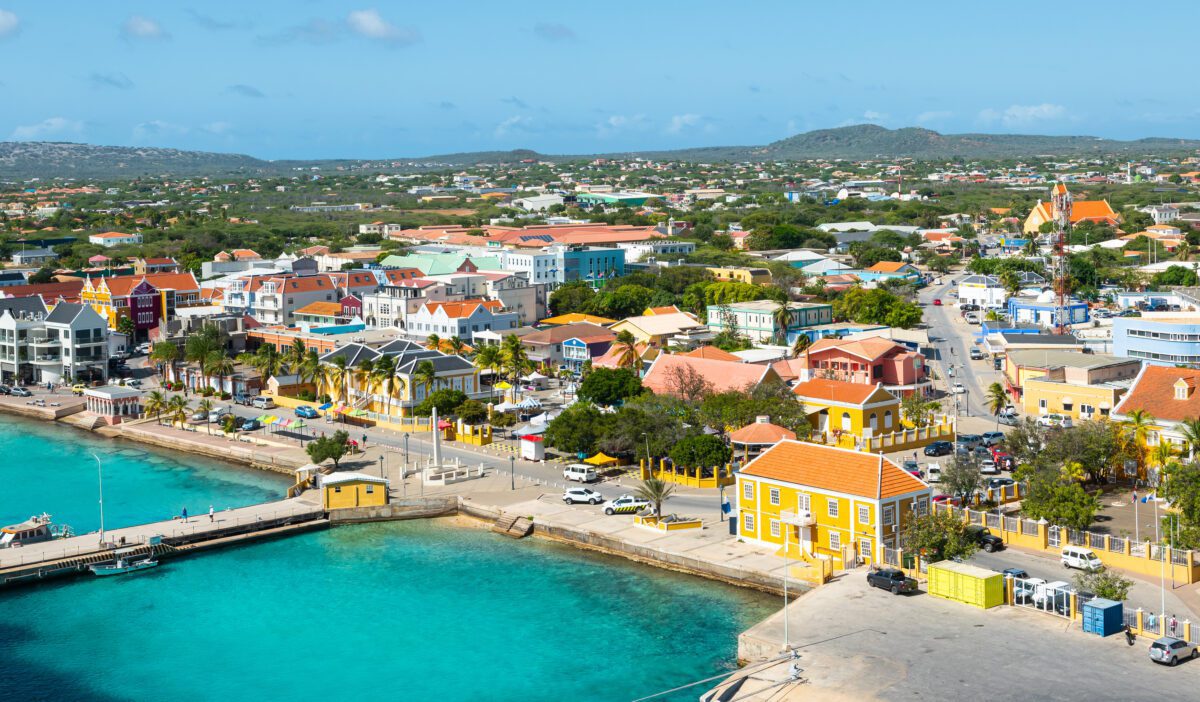
The Dutch Caribbean island of Bonaire is surrounded by splendid coral, protected for nearly 50 years by a massive marine sanctuary filled with 350 species of fish, five dozen kinds of living coral and sparkling, peacock-blue water. Bonaire takes stewardship of its sea life seriously, and scuba divers rank the reefs among the world’s best. It’s the B in the ABC Islands, along with Aruba and Curacao, about 50 miles off the coast of Venezuela.
Eighty established dive sites dot the reefs surrounding Bonaire, most notably Bon Bini Na Cas and Witches Hut near 1000 Steps beach, just north of Kralendijk, the island’s capital. To the south, an old wrecked smugglers freighter called the Hilma Hooker lies in about 60 feet of water near where a double reef system begins. The 235-foot shipwreck is a favorite of marine life and divers.
A pioneer in eco-tourism, Bonaire (pronounced bone-air) not only safeguards and restores its reefs for divers and snorkelers, it also protects the wetland nesting and feeding sites of sea turtles and migratory birds. Thanks to early planners like Capt. Don Stewart, the father of dive tourism, the Bonaire National Marine Park now totally orbits the island, protecting beaches, reefs, flora and magnificent birds like herons, flamingos and pelicans.
Three of the world’s seven species of sea turtles inhabit Bonaire’s glittering waters. Green and hawksbill turtles can be seen year-round, while the 400-pound loggerheads generally visit only during nesting season, April through December.
Grab a kayak and glide through mangrove forests amidst the natural wonder of Lac Bay, a stunning lagoon on the island’s southeast coast. The park-protected bay presents a lovely color palette – white sand accented by green mangroves and blue water. Nearby, Sorobon Beach is famous for windsurfing, quirky bars and great beach food.
Kralendijk (pop. 10,000) is wholly walkable. Thread your way down bustling streets lined with brightly-painted Dutch/Caribbean homes and shops to Plaza Wilhelmina, the town square. Art galleries fight with boutique specialty stores for your attention and both share curb space with eclectic restaurants.
Shoppers find bargains on Bonairean salt products for home and bath, exquisite jewelry made of driftwood and coral, original local artwork, and all manner of aloe vera ointments, balms and lotions, made from plants grown on the island.
You probably can’t bring it back with you, but while there, give the local cactus liqueur a try. The slightly sweet, bright green stuff is called Cadushy of Bonaire, and it’s made locally out of limes and native Kadushi cactus. Sip some with your stoba kabritu, Bonaire’s unofficial national dish, a slow-cooked stew made of vegetables, spices and goat.
Café menus may also mention lionfish burgers, iguana soup, fish pizza and a sort of gumbo made of okra and seafood called guiambo. (This is not beef country.)
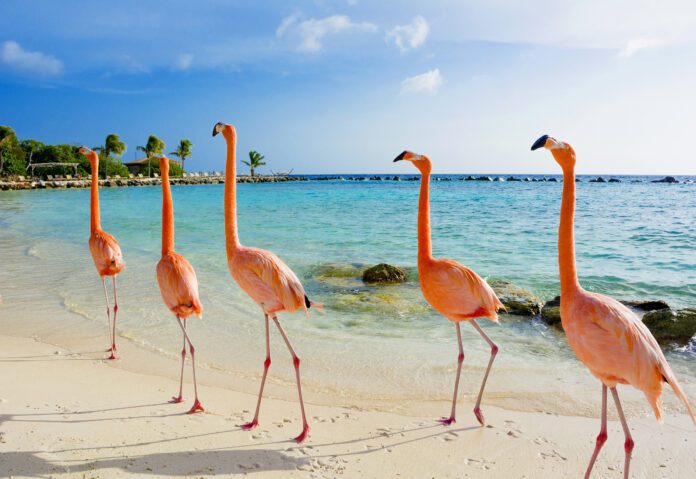
There are only four designated breeding grounds for the Caribbean flamingo and one of them is on Bonaire, the Pekelmeer Flamingo Sanctuary, no humans allowed. But you can peek into the preserve from a road above it and the birds are also known to frequent Pink Beach, which is close by. During breeding season, January to July, upwards of 10,000 of the beauties call the southern tip of Bonaire home. Not too far away, Donkey Sanctuary Bonaire cares for more than 800 sick, injured or orphaned donkeys, descendants of the donkeys, goats and pigs brought to the island by Europeans in the 16th century. Most still roam the countryside.
Stay on the water at the Bellafonte, a 22-room boutique hotel just outside Kralendijk. Enjoy the ocean front plunge pool, dive shop, on-site restaurant and fantastic sea views. The hotel’s private pier gets you access to Bonaire National Marine Park and the reef. Every suite comes with front-row seats for the brilliant sunsets that fill the western sky with fiery ruby reds and neon oranges.
According to the National Eczema Association (NEA), around 31.6 million people in the United States – approximately 10% of the population – have some form of eczema. As an umbrella term, ‘eczema’ refers to a group of inflammatory skin conditions that can cause dry skin, itchiness, scaly patches, rashes, blisters and, in some cases, skin infections. While eczema can cause the immune system to overreact, it is not classified as an autoimmune disease.
There are seven main types of eczema: atopic dermatitis, contact dermatitis, dyshidrotic eczema, neurodermatitis, nummular eczema, seborrheic dermatitis and stasis dermatitis. The most common type of eczema is atopic dermatitis. The NEA reports an estimated 16.5 million U.S. adults have atopic dermatitis, with 6.6 million having a moderate to severe case of the disease.
Weyman Lam, M.D., an allergist and immunologist with Warren Clinic Allergy and Immunology in Tulsa, explains that atopic dermatitis is a complex disorder involving gene mutations impairing the skin barrier, reducing the skin’s ability to protect itself.
“While environmental factors such as allergens can cause a flare-up or outbreak, due to the skin barrier dysfunction with atopic dermatitis, almost anything can serve as a trigger, such as stress or a person’s sweat,” says Lam. “However, with contact dermatitis, most flare-ups are directly related to specific triggers, like certain soaps or moisturizers, or exposure to metals or chemicals. For example, someone may wear a metal wristwatch and then develop a rash on their wrist.”
Atopic dermatitis is also part of the ‘atopic march’– this describes the common progression of allergic diseases in individuals. A person may develop eczema in infancy and/or early childhood and then as they grow older, develop food allergies, allergic rhinitis (hay fever) and asthma.
Regarding treatment, Lam says topical steroids are a reasonable and common first step when the disease is minor. However, if a patient is noticing that they’re using their medication almost daily and/or more than half the month, then the treatment isn’t adequately controlling their condition.
“We don’t want patients to use topical steroids for prolonged periods of time because there can be significant adverse effects, such as skin atrophy, telangiectasia and adrenal suppression if using a high potency steroid,” he says. “Instead, we want to try and switch them to a topical non-steroidal or biologic. Today, there are several great treatment options that are very safe and effective.”
Most recently in 2024, the Food and Drug Administration (FDA) approved four new treatments for eczema – two topical non-steroidal creams and two biologics – and research continues on additional new therapies.
For those living with the daily discomforts of eczema, the NEA offers these recommendations for managing the disease: know your triggers; implement a regular bathing and moisturizing routine; use over-the-counter and/or prescription medications consistently and as prescribed; and watch for signs of skin infection such as pus-filled bumps, pain, redness and/or heat.
Lam says a simple product like vaseline is an effective ointment to treat mild eczema as it helps moisturize and protect the skin – and in general, patients should try to use fragrance-free products and avoid triggers, when possible. He also shares the reminder that there’s no way to ‘avoid your way to a cure.’ Despite a person’s best efforts, there can still be unexpected flare-ups and prescription treatment may be needed.
Shawnee’s Butterfly Gardens are a half-acre oasis that showcase Oklahoma’s native plants and pollinators.
Photo courtesy OSU Extension
Nestled between Tulsa and Oklahoma City along the historic Route 66, Shawnee is a charming town brimming with history, culture and natural beauty. Whether you’re drawn to its rich past, looking for family-friendly activities, or hoping to find a peaceful reset, Shawnee offers something for everyone.
A visit to Shawnee wouldn’t be complete without exploring St. Gregory’s Abbey, a Benedictine monastery with a legacy that dates back 150 years. The Abbey traces its origins to 1875, when two French monks arrived in Indian Territory and established Sacred Heart Abbey and Mission. Over time, their mission expanded, leading to the creation of St. Gregory’s Abbey. Today, the monastery remains a beacon of faith and service, with monks engaged in pastoral care, educational programs and community outreach.
Visitors to St. Gregory’s Abbey can immerse themselves in its tranquil atmosphere, joining the monks for daily prayers or mass in the stunning Abbey Church. The church, with its stained-glass windows and nine side chapels dedicated to various saints, provides a setting for reflection. Additionally, the Abbey grounds feature a cemetery, prayer labyrinth and grottos, all of which offer spaces for contemplation. For those interested in unique local goods, the Monks’ Marketplace sells products such as honey, handmade soaps and beef sourced from the monastery’s sustainable farm.
“The Monks’ Marketplace features products produced at St. Gregory’s Abbey,” says Theresa A. Bragg, Ph.D., assistant to the abbot. “We are pleased to [also] carry items from other religious communities … the marketplace is proud to be an outlet for these items for the local community.”
Another hidden gem in Shawnee is the Butterfly Gardens, a delightful half-acre oasis that showcases Oklahoma’s native plants and pollinators. Although smaller in scale compared to botanical gardens in larger cities, the Butterfly Gardens provide an accessible and educational experience for visitors of all ages. Carefully designed with Oklahoma Proven plants, the garden serves as a living demonstration of what homeowners can achieve in their own outdoor spaces.
“Our program includes gardeners from Pottawatomie, Lincoln and Seminole counties who have completed the OSU Master Gardener training and have met their certification requirements of volunteer service,” says Carla Smith, OSU Horticulture educator of Pottawatomie County and advisor to the Multi-County Master Gardener Program. “We are active at our office garden and in the local communities where members live. Our goal is to bridge communication from our OSU Land Grant University to the communities in our area through educational programs and events.”
Wander through the Butterfly Gardens and discover a variety of nectar-rich flowers that attract butterflies, bees and other beneficial insects. Seasonal displays highlight different gardening techniques, while informative signs, equipped with QR codes, offer insights into specific plants and their role in supporting pollinators. Visitors may also catch glimpses of caterpillars, lizards and birds that call this habitat home. With its proximity to I-40 and Highway 177, the Butterfly Gardens provide a perfect spot to stretch your legs and enjoy the wonders of nature.
Shawnee boasts a range of other attractions, including the Mabee-Gerrer Museum of Art, home to Oklahoma’s only Egyptian mummies, and KidSpace Park, an ideal stop for families.
Whether you’re exploring history, indulging in retail therapy or simply soaking in the natural beauty, Shawnee is a destination that welcomes visitors with open arms and endless opportunities for discovery.
Main image cutline:Shawnee’s Butterfly Gardens are a half-acre oasis that showcase Oklahoma’s native plants and pollinators. Photo courtesy OSU Extension
Good news about tornadoes in Oklahoma? There are many ways you can prepare for them. The not-so-good news? According to an Oklahoma research scientist, tornadoes can occur when you least expect them.
“While Oklahoma is known for its frequent tornado activity, especially in spring, there is technically no ‘tornado season,’ because tornadoes can happen any time of year,” says Justin Sharpe, Ph.D., research scientist at the Cooperative Institute for Severe and High Impact Weather Research and Operations at the University of Oklahoma. “While it’s true that tornadoes are more common in the spring, particularly in April and May, due to the specific weather conditions that occur then, tornadoes can form during other seasons as well.”
Sharpe gives a few more reasons why tornadoes can happen anytime:
1. Unpredictable weather patterns: Tornadoes form when specific conditions are met; typically, a combination of warm, moist air, and cool, dry air that creates atmospheric instability. These conditions can occur in any season.
2. Other seasonal outbreaks: While spring is the most common time for tornadoes, they can, and do, occur during other months. In fact, tornadoes have been recorded in Oklahoma during the summer, fall and even winter.
Is it possible, then, for an Oklahoma resident to prepare their home for a tornado?
“This is a complex question that varies depending on the type of home you are in, as well as if you own or rent property,” says Sharpe. “Different home types – like single-family homes, mobile homes and apartment buildings – require specific strategies to minimize tornado damage.”
He offers some advice on how to prepare these various home types.
Single-Family Homes
Designate a safe room: If possible, install a reinforced safe room or storm shelter in a basement or underground. If that’s not feasible, designate an interior room on the lowest level of the home – like a bathroom, closet or hallway – away from windows and exterior walls.
Reinforce the roof: Strengthen the roof to the frame with hurricane straps or clips to prevent uplift during strong winds. This is particularly important for homes with a pitched roof.
Secure outdoor items: Bring in any outdoor furniture, grills or other items that could become projectiles.
Invest time in tree maintenance: Trim trees and remove any dead or weak branches that could fall on the house during strong winds.
Mobile or Manufactured Homes
Anchor the mobile or manufactured home: Use tie-downs and anchors around the frame rails to prevent movement or damage during high winds.
Designate an emergency shelter: Always have a nearby storm shelter or community shelter to go to if a tornado warning is issued. If the forecast becomes local, move to your safe space.
Apartment or Multi-Unit Dwellings
Identify your safe space and determine the safest spots in the building: These are usually interior rooms or hallways on the lowest level. Avoid areas with windows and exterior walls.
“By tailoring these precautions to the specific type of home and staying vigilant, you’ll increase your chances of staying safe during a tornado,” says Sharpe.
Staying Safe
New to Oklahoma or just want to brush up on your tornado safety? We offer a few suggestions.
Stay Informed: Always keep on top of weather conditions and updates from meteorologists, especially during tornado season.
Have an Emergency Plan: Create and practice an emergency plan for your family or household before tornadoes strike.
Create An Emergency Kit: Always keep a bag on hand with water, non-perishable food, a flashlight, batteries, first-aid supplies and important documents.
Carol Rittner, Ph.D, will visit Tulsa during the 27th annual Yom HaShoah: An Interfaith Holocaust Commemoration, on April 24. Photos courtesy the Tulsa City-County Library
It is estimated that out of nine million Jews under Nazi domination, tens of thousands were rescued during the Holocaust by non-Jewish people. Many rescuers acted out of a sense of altruism; some performed acts of heroism based upon deeply held religious beliefs or moral codes; others acted in the spur of the moment, offering help to complete strangers.
What is the role of good people in perilous times? This is a question Carol Rittner, Ph.D., has contemplated throughout her many years as a Catholic nun with the Religious Sisters of Mercy. A distinguished professor of Holocaust and genocide studies emerita, and a Dr. Marsha Raticoff Grossman professor of Holocaust studies emerita at Stockton University, Rittner has dedicated her life to her Christian faith – and to understanding the circumstances that allowed the Holocaust and other genocides to occur.
Recently, Sofia Thornblad, director of collections and Holocaust education at the Sherwin Miller Museum of Jewish Art in Tulsa, spoke with Rittner in preparation for her upcoming visit to Tulsa to be the featured speaker for the 27th Annual Yom HaShoah: An Interfaith Holocaust Commemoration, co-sponsored by the Tulsa Council for Holocaust Education of the Jewish Federation of Tulsa, the Sherwin Miller Museum of Jewish Art and the Tulsa City-County Library.
ST: Your talk for the Jewish Federation of Tulsa’s Yom HaShoah commemoration focuses on protecting each other in perilous times. Can you tell us a brief story of protection during the Holocaust?
CR: Sister Anna Borkowska was the Mother Superior of a small convent of Catholic nuns located in Kolonia Wilénska, a town near Vilna (Vilnius), Lithuania. During the war, she aided Jews in her area who were being persecuted by the Nazis. During the summer of 1941, thousands of Jews were massacred in Ponary (Paneriai), a site about six miles from Vilna. Sister Anna agreed to hide 17 members of Jewish Zionist youth groups for short periods of time in her convent. Later, she helped the Vilna Ghetto underground by sneaking weapons into the ghetto. Sister Anna even showed resistance leader Abba Kovner how to use some of those weapons. The Nazis found out about Sister Anna Borkowska’s activities in 1943. In September, she was arrested, the convent was closed down, and the other nuns moved elsewhere. Sister Anna survived her arrest, incarceration and the war, and in 1984 was designated as Righteous Among the Nations by Yad Vashem.
ST: People tend to wonder how those of us who engage with the Holocaust as a subject matter take care of ourselves mentally. What helps you process and decompress?
CR: Taking the time each morning and evening to try to pray and reflect on the goodness of people. Reading literature that inspires and challenges. Enjoying time with family and friends. Reading Holocaust survivors’ memoirs, particularly those that show resilience and a positive outlook on life, despite what they went through. Watching movies and TV programs that make me laugh, like M*A*S*H., Schitt’s Creek and Grace and Frankie.
ST: Finally, you and John K. Roth have a book coming out soon. Can you tell us a bit about that?
CR: Our new book is Stress Test: The Israel-Hamas War and Christian-Jewish Relations. Stress Test is an urgent and timely exploration of how the 2023 Israel-Hamas conflict has reshaped Christian-Jewish relations, featuring insights from leading voices in Christian scholarship. This volume brings together a distinguished group of American Christian scholars who examine the unprecedented strain the ongoing war has placed on Christian-Jewish relations and offer a thoughtful and balanced analysis of the profound ethical, theological and humanitarian challenges at the heart of this crisis.
To hear more about protecting each other in perilous times, join Rittner at the Yom HaShoah Commemoration on Thursday, April 24 at 7 p.m. at Temple Israel in Tulsa.