
















Firenze in Italian, Florence is also famously called La Culla del Rinascimento, “The Cradle of the Renaissance,” the place where the stars aligned to produce a culture like none other.
The timing could not have been better. It was the 15th century, and merchant ships of many flags were making regular stops at Italy’s seaports, bringing spices, wool, grain and new ideas. Or rather, in this case, reborn ideas sparked by Francis Petrarch’s rediscovery of Cicero’s letters in 1345.
The Roman statesman wrote of Greek and Roman ideals in politics and philosophy which got the attention of folks in Florence, ultimately inspiring a celebration of humanism in literature, architecture, science, finance and the arts. The naissance of the Golden Age of Rome became Italy’s Renaissance 1,500 years later, financed by wealthy patrons like the long-ruling Medici family and boosted by Gutenberg’s invention of the printing press.
The heart of the Renaissance was Florence, founded by Julius Caesar in 59 BC along the Arno River. Its cobblestone streets front some of the most beautiful buildings in the world where the creative minds of Leonardo da Vinci, Michelangelo and Filippo Brunelleschi produced their masterpieces, many still on display. The Renaissance wasn’t just about art, though. The city was also the crucible that produced Machiavelli, Dante, Galileo and Boccaccio.
The entire central historic district of Florence is a UNESCO World Heritage Site and quite walkable. Start at the Uffizi (yoo-FIT-see), Florence’s premier depository of remarkable Renaissance paintings, sketches, sculpture, books and photographs, built in 1560 by Duke Cosimo I de’ Medici.
Among the Uffizi’s treasures: Sandro Botticelli’s The Birth of Venus (“Venus in a half-shell”) and his Primavera, Leonardo da Vinci’s Annunciation and his uncompleted Adoration of the Magi, Raphael’s Madonna of the Goldfinch and Andrea Verrocchio’s Baptism of Christ (completed with an assist from a very young Leonardo
de Vinci).
A few blocks away at the Accademia, Michelangelo’s 17-foot tall statue of David glares at Goliath just before doing battle. Bonaguida’s Tree of Life uses miniature scenes in a massive tempura and gold leaf painting of the life of Christ.
In the Duomo complex, there are two must-sees: Lorenzo Ghiberti’s spectacular East Doors of the Baptistery of St. John – what Michelangelo called the “gates of paradise” – are stunning gilded bronze doors depicting 47 stories from the Old Testament.
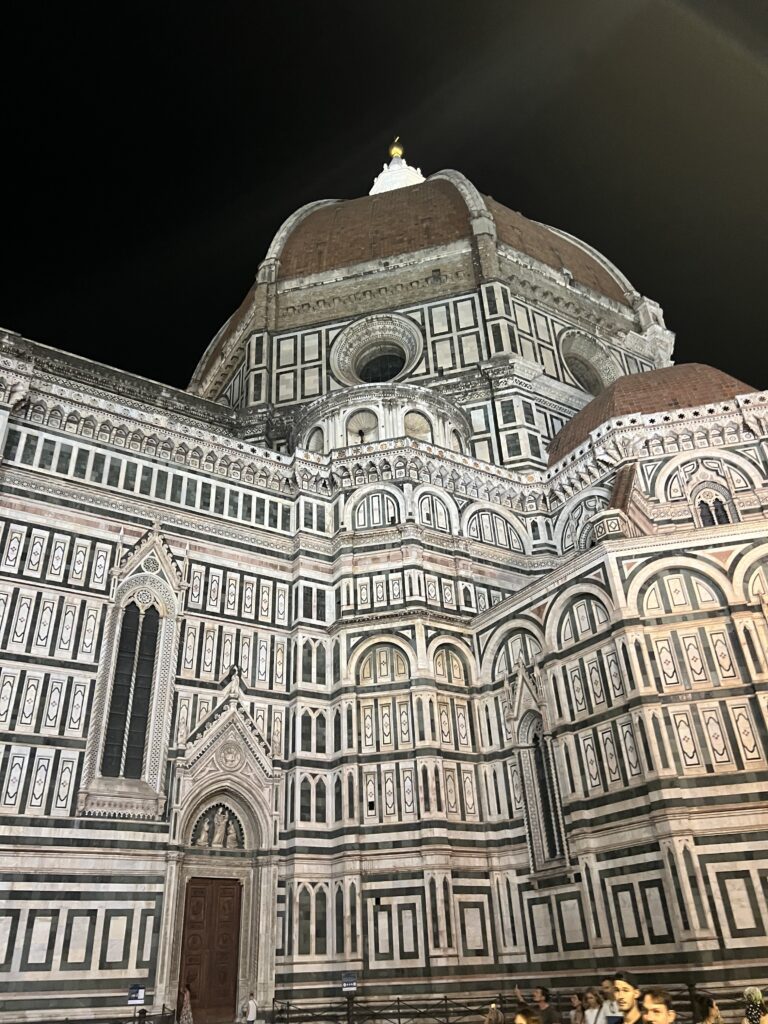
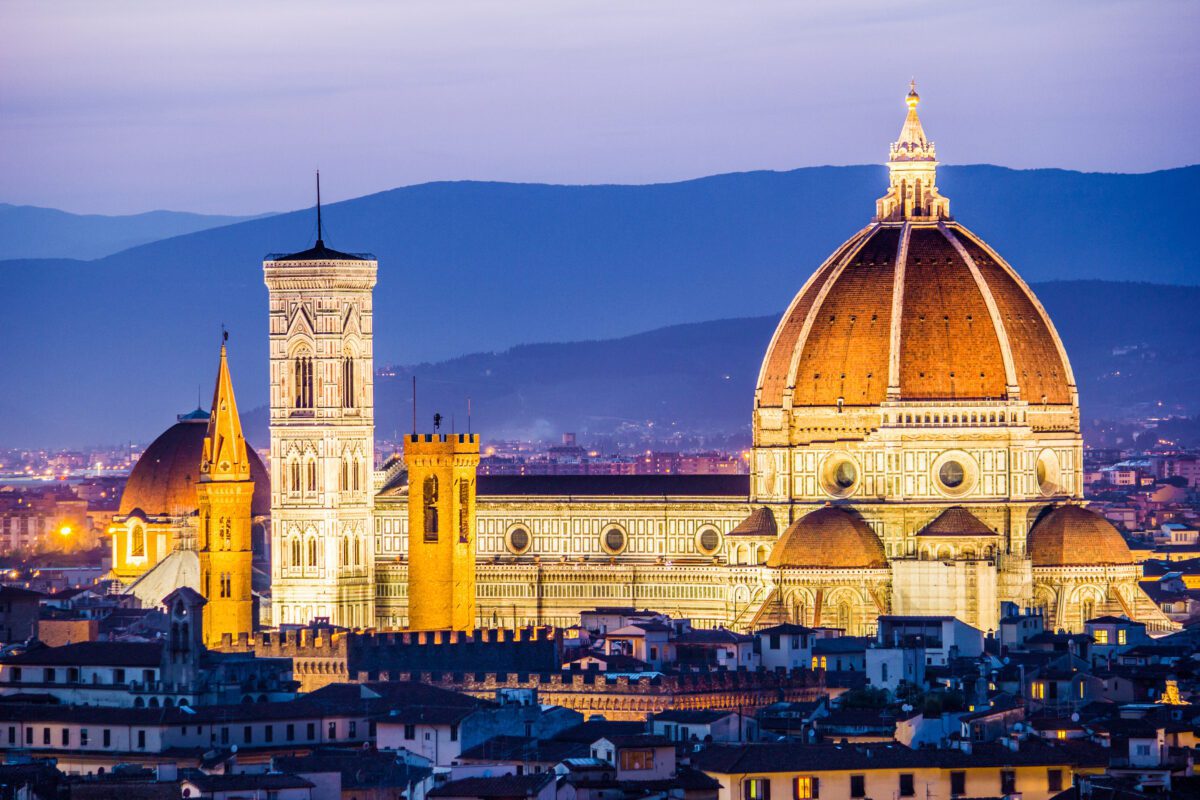
And Florence Cathedral is also on the grounds, topped by Brunelleschi’s red-orange dome, the largest masonry dome ever built. Frescoes of The Last Judgment by Vasari and Zuccari fill the cupola and you can actually climb the dome’s 463 steep stone steps.
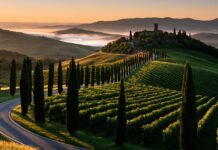
Florence is the capital of Italy’s rolling Tuscany region, full of olive groves, cypress trees and small winding roads. The first city wall was built by the Romans in the first century BC.



What fun to stay outside Florence in a swank villa surrounded by vineyards and olive trees and then take cabs into the city. Such a place is COMO Castello Del Nero, a romantic 12th century castle in Tuscany, where the restaurant is excellent, the spa features thermal suites with ice fountains and the resort’s amenities include a hot air balloon.
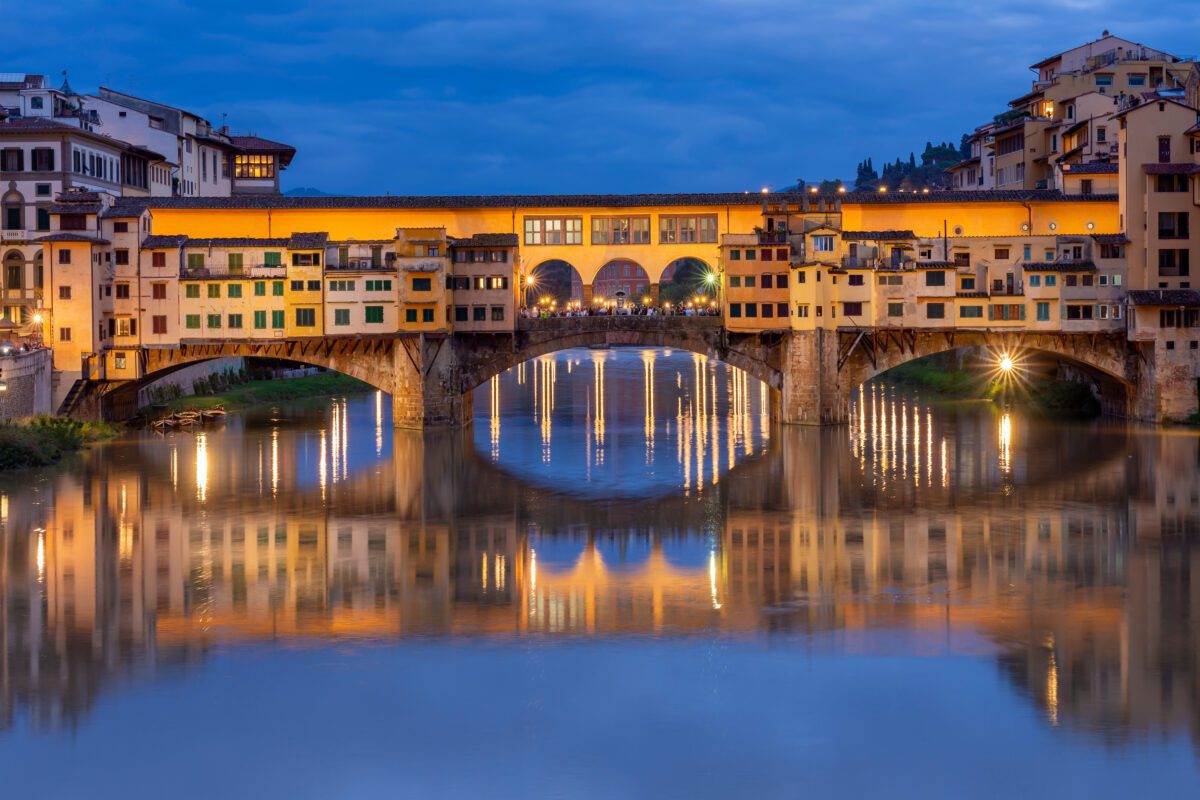
Cruise the Arno River, bicycle the countryside, tour vineyards and take a day trip to colorful Cinque Terre on the Italian Riviera. Florence is known for its leather goods, and be sure to walk the famous multi-level Ponte Vecchio medieval stone bridge on which little shops sell art and hand-crafted gold jewelry.
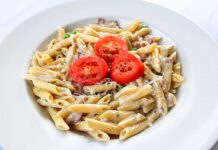
You’ll feel like you are back in Oklahoma when you order Florence’s signature dish, Bistecca alla Fiorentina (Florentine steak): a massive Chianina T-bone grilled over hot coals, finished with Tuscan olive oil and black pepper and served rare.
If you can’t get to Florence, swing by Tulsa’s renowned Philbrook Art & Gardens, the best example of a classic 16th century Italian Renaissance villa in the region.