















For many veterans, finding help can be almost as difficult as knowing they need it.
Oklahoma has no shortage of organizations serving veterans and their families, but navigating benefits, healthcare, housing, employment, mental health services and other resources can be overwhelming. Raymond Queen, director of Veteran Impact and Engagement at the Coffee Bunker in Tulsa, says veterans don’t need to go it alone.
“One of the reasons the Coffee Bunker exists is because veterans should not have to know exactly which organization or program they need before asking for help,” Queen says.
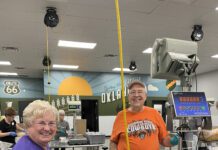
The Coffee Bunker provides assistance with employment, education, food insecurity, benefits navigation and peer support while connecting veterans with healthcare, housing, mental health and other community resources. Queen says the organization helps an average of more than 70 veterans a day.
Oklahoma Veterans United also points veterans toward a broad network of resources, including the U.S. Department of Veterans Affairs, the Oklahoma Department of Veterans Affairs, and Oklahoma Employment Security Commission’s Veteran Services Division. Other organizations, including Disabled American Veterans, Veterans of Foreign Wars, Paralyzed Veterans of America, The American Legion and the Dale K. Graham Veterans Foundation can help with an array of benefits questions.
Mark Morgan, Community Executive Liaison for Oklahoma Veterans United and a retired U.S. Army member, says housing costs, employment and access to healthcare remain among the biggest challenges for the veterans his organization serves. He also points to a less tangible challenge: helping veterans transitioning from active service find community – and determine which resources they can trust.
That is where organizations such as the Coffee Bunker can serve as a starting point. Queen encourages veterans to ask questions, determine what an organization provides and whether there are eligibility requirements or costs. Veterans seeking assistance with VA benefits should also consider working with VA-accredited representatives or Veterans Service Officers.
Civilians can play a role, too. Volunteering, donating money or needed supplies, hiring veterans and helping veterans connect with resources are all meaningful ways to contribute to the cause. Morgan also offers a reminder that is easy to overlook: “Thank the family members of veterans, and especially those who have family still serving.”
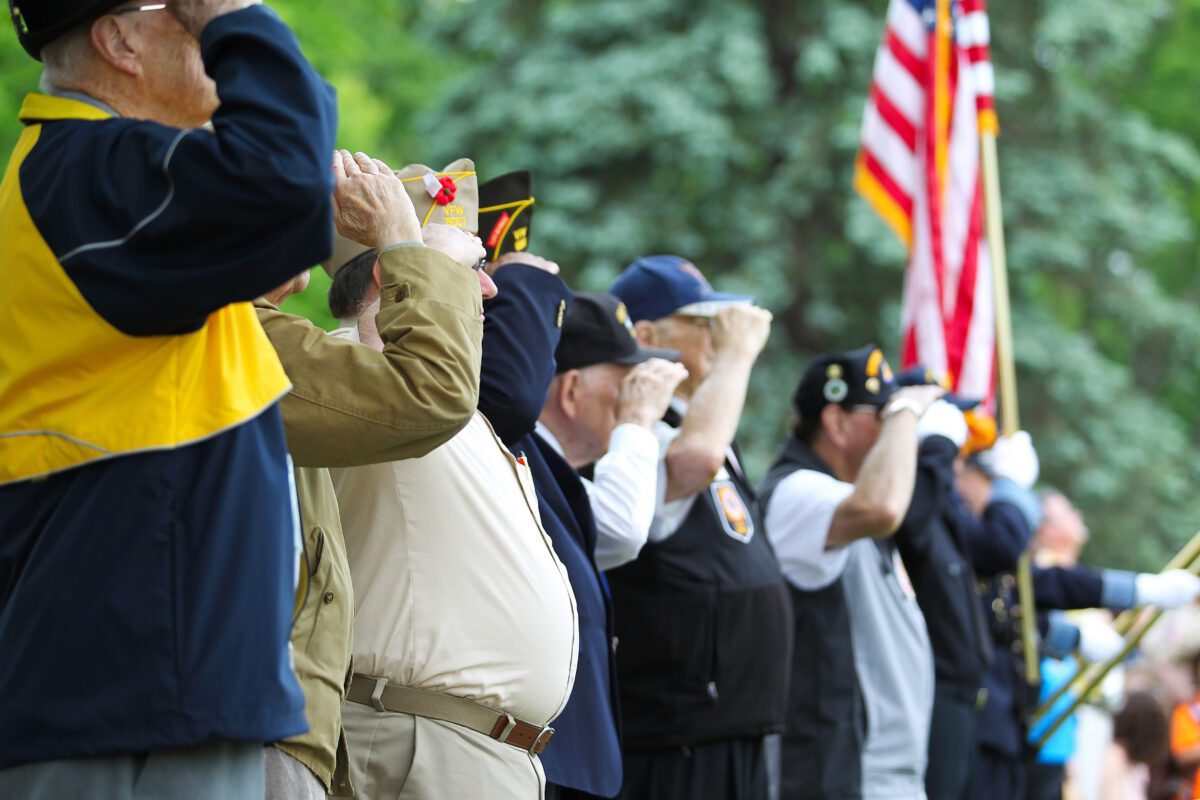
For Queen, the goal is to make that support last beyond Nov. 11.
“Veterans are veterans the other 364 days of the year, too,” he says.
Morgan encourages Oklahomans to connect with local veterans service organizations, even if they have no personal connection to the military community.
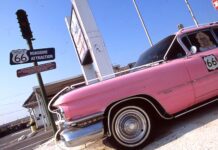
For those looking to show their support this Veterans Day, the Tulsa Veterans Day Parade begins at 11 a.m. on the holiday. This year’s parade coincides with Tulsa’s celebration of the 100th anniversary of Route 66. In the Oklahoma City metro, the Midwest City Veterans Day Parade begins at 10 a.m., with veterans invited to attend as honored guests.
The events are an opportunity to honor those who served – but they can also be a starting point for something more lasting.
“Keep showing up after November 11,” Queen says. “Veterans shouldn’t have to wait for Veterans Day to know their community remembers them.”