




















Handmade leather goods are surging in popularity, and Oklahoma has a new generation of leatherworkers helping carry the craft forward. From functional staples like belts and wallets to custom pieces designed to become heirlooms, these makers are putting their own spin on a centuries-old craft.
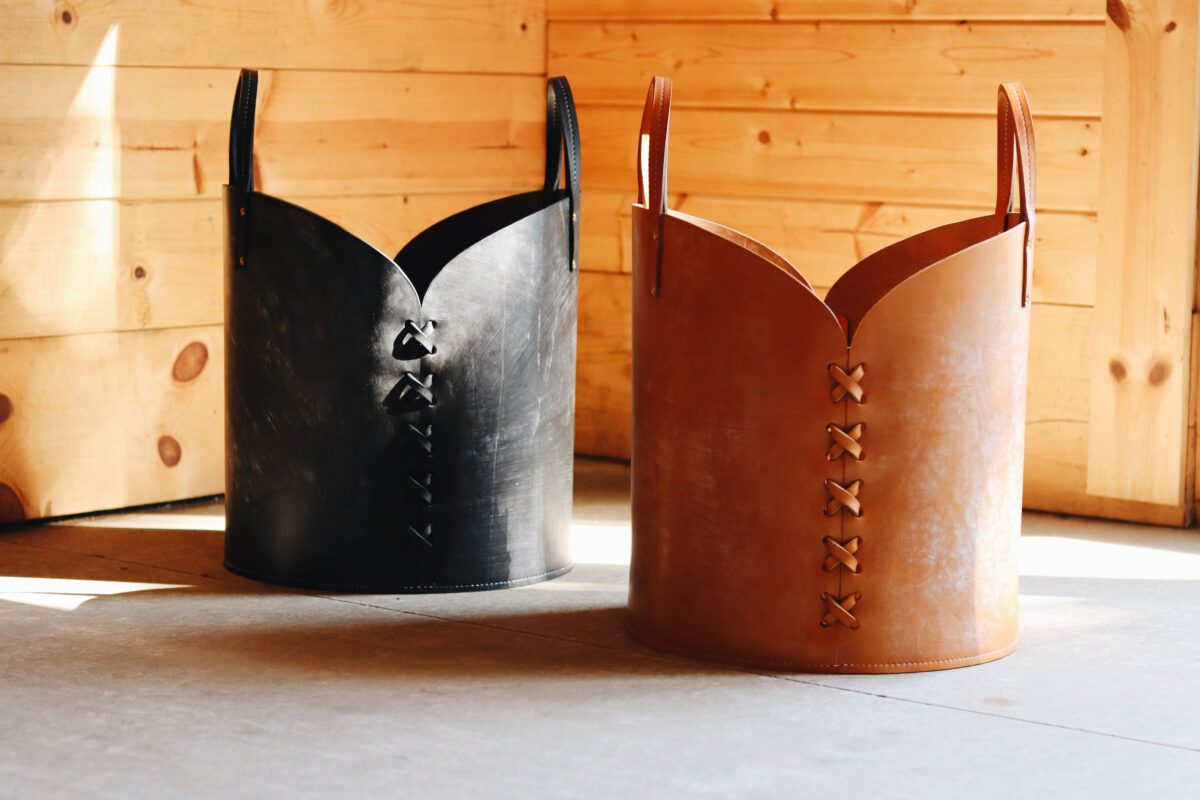
Andrew Reed owns Harrow and Sickle Design in Oklahoma City. He makes belts, wallets and bags, but he’s also transitioning into leather baskets and home décor. Reed uses all the best materials he can find, “cut, sewn and put together with my hands in my shop to last for generations,” he says.
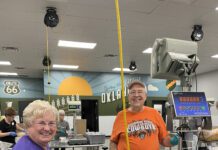
That emphasis on longevity is shared by Richard Hershey, the owner and leatherworker behind Custom Leatherwork by Richard LLC. Located in Owasso, he makes belts, wallets, bags, jackets, custom makeup bags, organizers, handmade overnight bags, heirloom Bible covers and just about anything else clients request.
“Our goal is to create high-quality pieces built to last,” he says. “We don’t just personalize leather goods; we create custom leather goods in our workshop. We take customers’ ideas and figure out how to create them. We have equipment like engravers to put detailed designs, company logos, names and other touches onto leather. We ship nationwide.”
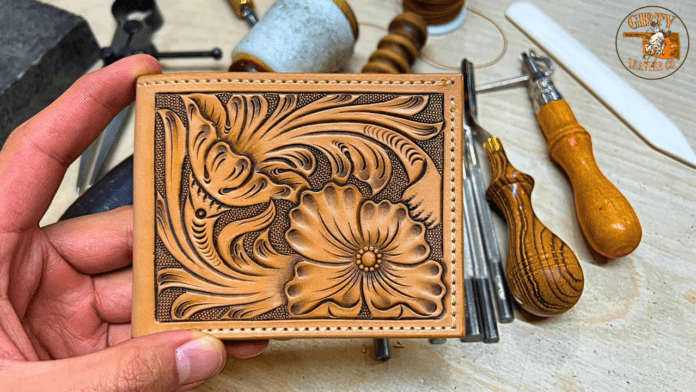
In Muldrow, Ethan Girty owns Girty Leather Co. Like Reed and Hershey, Girty is a self-taught leatherworker. He makes custom tooled leather products, with a focus on Western and cowboy culture, including belts, wallets, small bags, knife sheaths and other small- to medium-sized personal items.
“Over 90% of the products I make incorporate unique hand carved/tooled/finished designs,” says Girty. “I hand draw all of my artwork to be one of a kind, from scratch, each time I create a custom item. What I create is my own. I have customers in 49 states, dozens of countries and on six continents.”
For all three makers, the appeal of leather goes beyond the finished product. They believe customers find deep value in the time, craftsmanship and personalization that go into handmade goods. Reed says handmade items bring value in many ways through utility and beauty.
“With social media, it is easy to share and see what actually goes into a handmade piece of functional art,” says Girty, “whereas people may not have previously known. Also, knowing that a human is making something tangible that can be used for generations is worthy of admiration.”
Hershey adds that buyers “appreciate handmade craftsmanship knowing they’re purchasing something made with care, quality materials and the intention of lasting a lifetime when properly cared for, and handmade gives customers an opportunity to be part of the process. They aren’t limited to choosing something off a shelf. When I make something by hand, I know who I’m making it for.”
That personal connection may be part of what keeps handmade goods in fashion. Girty believes “everything is cyclical, and whether owning or producing handmade leather goods is popular now or not, the opposite will make its way back around eventually. The heavily-Western-influenced products I make are not regional. There are outstanding leather crafters across the globe and also consumers eager to support the products.”
Still, the future of the craft isn’t guaranteed. Hershey says younger generations have grown up in a world of online shopping and next-day delivery. So, he doesn’t see younger consumers keeping pace with older generations’ appreciation of handcrafted goods – at least, not yet.
Girty, however, sees the enduring appeal in the product itself.
“When you invest in handmade, custom products, you are almost guaranteed to get the best work that individual is capable of creating with their hands. That product will also age and grow with you and develop its own stories and character.”