
















Passing through the state of Oklahoma, it’s not uncommon to see areas of land on fire. Smoke is often seen from miles away, too. While it may feel alarming to see swaths of the Sooner State ablaze, many of these are prescribed burns; they aren’t set on accident.
“A prescribed burn is when fire is applied to a specific area of land for specific goals and objectives,” says John Weir, Senior Extension Specialist at Oklahoma State University. “It helps Oklahoma’s ecosystem in multiple ways; our native plant communities and wildlife are adapted to centuries of fire use by Native Americans.”
The burns positively affect soils, general plant life and overall growth.
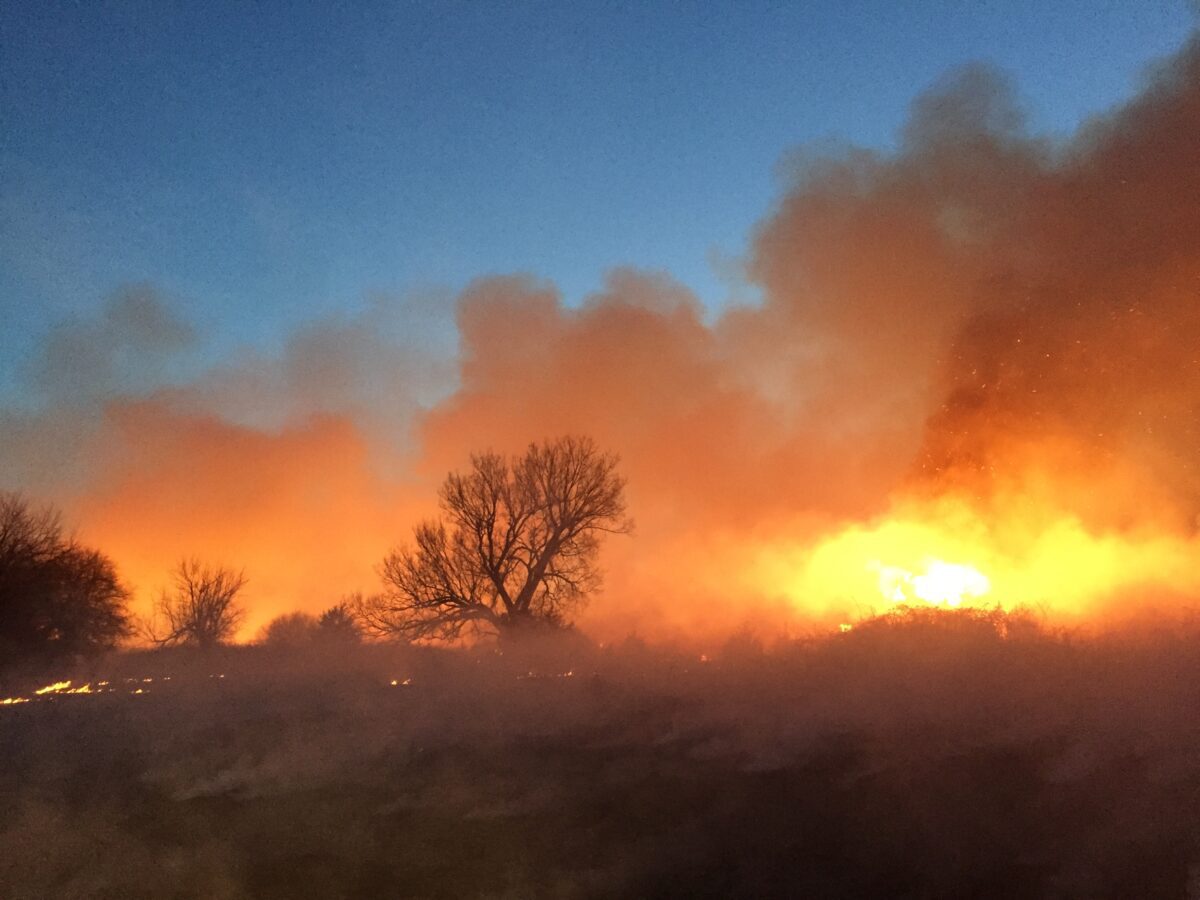
Photos courtesy Oklahoma State University
“It changes plants’ physical and chemical properties, making them more palatable and nutritious to wildlife and livestock; it changes habitat structure for many wildlife species and, most of all, limits the spread of invasive species such as eastern red cedar,” says Weir.”Prescribed fire also helps to reduce the impact of wildfires by removing heavy fuel loads, reducing volatile fuels such as eastern red cedar, and creating blackened areas to stop the spread of wildfires.”
These kinds of burns still carry an inherent risk, but are done with well coordinated safety efforts.
“With prescribed fire, practitioners plan prior to setting the fire. The planning includes what area needs to be burned, what type of firebreaks are needed, what kind of pre-burn management is needed to make the fire safe and effective, how many people are needed, how much and what type of equipment is needed, what are the best weather parameters to burn with, and how to manage the smoke so it does not create a problem,” says Weir.
Private landowners, state and federal agencies, and other non-governmental organizations all participate in prescribed burns throughout the state.
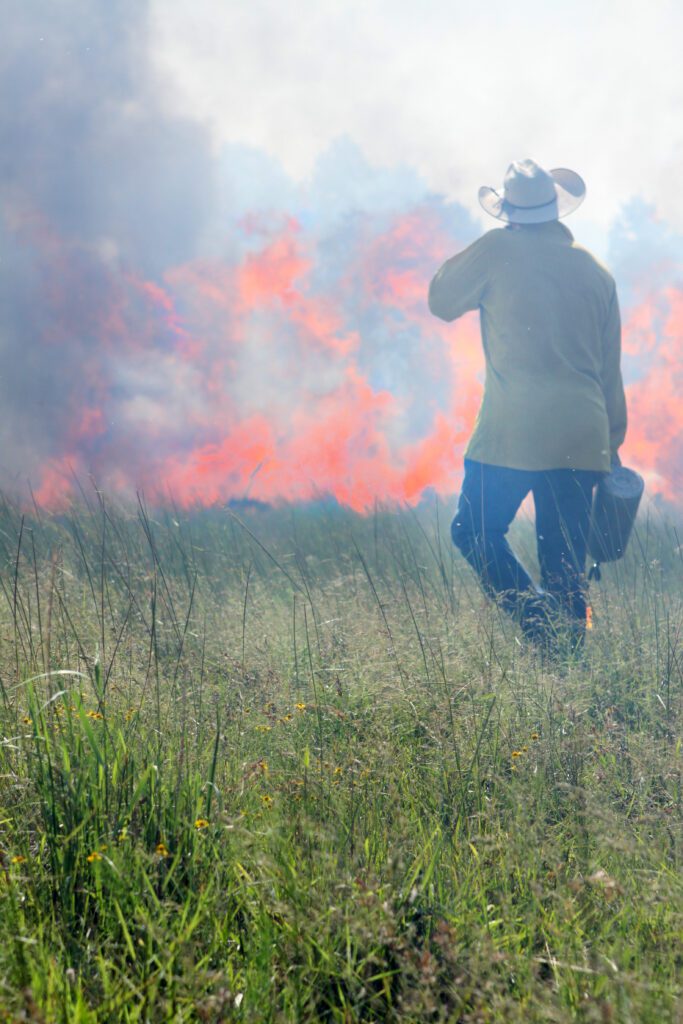
“Prescribed burning is a property right in Oklahoma per state law,” adds Weir.
Although it may seem like a counterintuitive fact, prairie health is actually quite dependent on burns like these.
“A prairie, grassland or rangeland cannot exist without periodic fire,” explains Weir. “Without fire, these areas will become cedar woodlands, then cedar forests. This loss of prairie habitat will cause grassland-dependent wildlife species to leave and drastically reduce forage production for livestock.”
Exactly when a burn is started is also an important factor, as the weather can play a large role in how the burn plays out.
“Most prescribed burns in Oklahoma are conducted in the late winter to early spring – January through April. In the last twenty years, growing-season burns – May through October – have become more popular with land managers as well,” says Weir. “We now see about 25% of prescribed burns conducted during this time. Weather conditions are the biggest factor the burns depend on. Choosing days with the right wind speed, wind direction and relative humidity is the biggest driver of safe, effective prescribed burns.
“Many times, people think that you do not want wind when you are burning,” Weir concludes, “but winds from 4-15 miles per hour are needed. This way, you know where the fire is going and what the smoke will impact.”