





















By 2034, it’s projected that there will be more Oklahomans over the age of 65 than children under 18. To help address this unprecedented population shift, Oklahoma Human Services (OHS) has rolled out Aging Our Way: a multi-sector, state-led iniative that focuses on everything from affordable housing to caregiver support and community health resources.
OHS professionals Nadine Walter, director of Community Living, Aging and Protective Services, and Brenda Strahan, director of Tulsa’s Area Agency on Aging, explore what it means to “age well,” discuss pressing issues and available resources for seniors, highlight the role of technology and the power of volunteering, and share tips for making healthy lifestyle choices.

Redefining Aging Well
As Oklahoma’s population of older adults continues to grow, communities are rethinking what it means to age well. Beyond healthcare, successful aging depends on access to resources, meaningful connections and support systems that help seniors remain independent and engaged.
“Our aging population is really booming, and we need to shift our resources to look at our community partners and our seniors themselves to help us meet those evolving needs,” says Walter. “Aging well is defined, in my opinion, on how each person defines it themselves. Definitely keeping those individuals as healthy as they want to be, as connected, and as safe and engaged in the community as possible.”
The ten year plan for Aging Our Way outlines challenges such as financial security, housing services, healthcare and transportation.
“We have waiver programs that help individuals stay at home if they’re financially and medically eligible,” says Walter. “We have Adult Protective Services, the Older Americans Act and other smaller programs. Those really support a lot of individuals around the state. We need not only to support aging people,
but not lose sight of how important it is to care for caregivers that are aging.”
Strahan says there are nine state Area Agencies on Aging, each offering specific services relevant to their region.
In the three-county Tulsa area, “we have congregate meal sites where senior adults can gather and socialize with other seniors,” she says. “They can have a nutritious meal five days a week. We provide health programs, whether it’s ‘Tai Chi for Arthritis’ or fall prevention – we know that falls and hip fractures are deadly to senior adults. We do respite for caregivers.
“We provide an actual in-person presentation from our registered dietitian. People can talk about any nutrition matters, whether it’s related to losing weight, gaining weight or being diabetic. Participants say they learn more in the diabetes education empowerment program than their doctor ever told them. We provide some transportation services so people can take our ride to the nutrition site and have lunch. They can go to the grocery store. They go to the pharmacy. We provide some legal aid services to help people basically stand up for themselves and their rights, because they can’t afford an attorney.”
Additionally, Stahan adds, there are no income stipulations.
“We do a holistic assessment of their needs, and when we do that assessment, we educate them about the options available and then give them the choice as to which ones they would like to participate in,” she says.
Bridging the Technology Gap
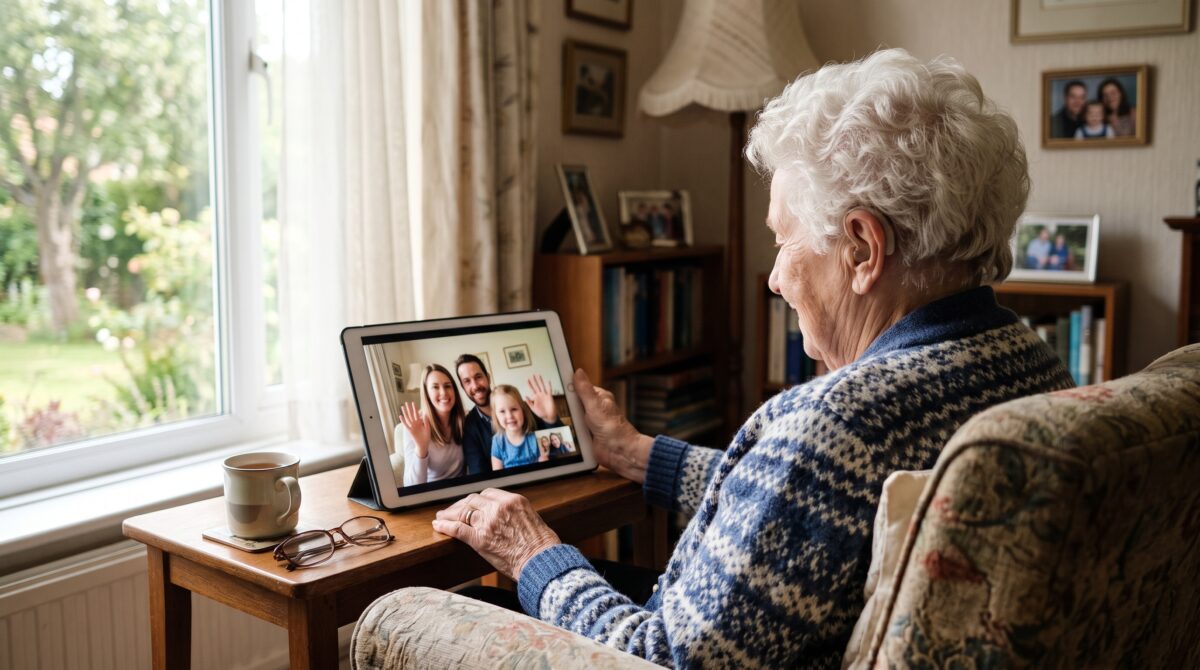
Strahan says the use of technology by older adults remains a challenge, but there is improvement. When businesses and venues shut down during the 2020 COVID-19 pandemic, it forced some seniors to learn how to use smartphones and tablets to order groceries and stay in touch with family. But since then, she says, emailing documents is now a requirement to participate in some senior-focused programs, and agencies use only email to send out informational newsletters.
Video appointments with medical providers are a convenience for older adults – but seniors need to know how to make it happen. Classes are often available at local libraries or through AARP, and some seniors use their grandkids as tutors. An added benefit? She says learning about technology typically results in added confidence for seniors.
“In Oklahoma, there are a lot of individuals that still have a landline or can’t get Wi-Fi in their area,” Walter says.
She is a fan of hands-free, digital voice assistants, advantageous for seniors as well as caregivers.
“They’re simplified so that if the caregiver wants to step away to get groceries, the machine can detect if there’s been movement [in the house]. If the individual wants to call a family member, they just say, ‘Call my daughter Susie.’ It’s kind of a companion to them. This type of technology can help individuals stay engaged in their day – reading a book to them or playing their favorite music and reminding them to take their meds or take a walk or even to eat,” she says.
Walter says that seniors who meet requirements for a medical waiver can receive a wearable alert device to help with an emergency incident, as well as fall detection. On a lighter note, technology enables seniors to stay sharp mentally playing games online.
The Volunteer Generation
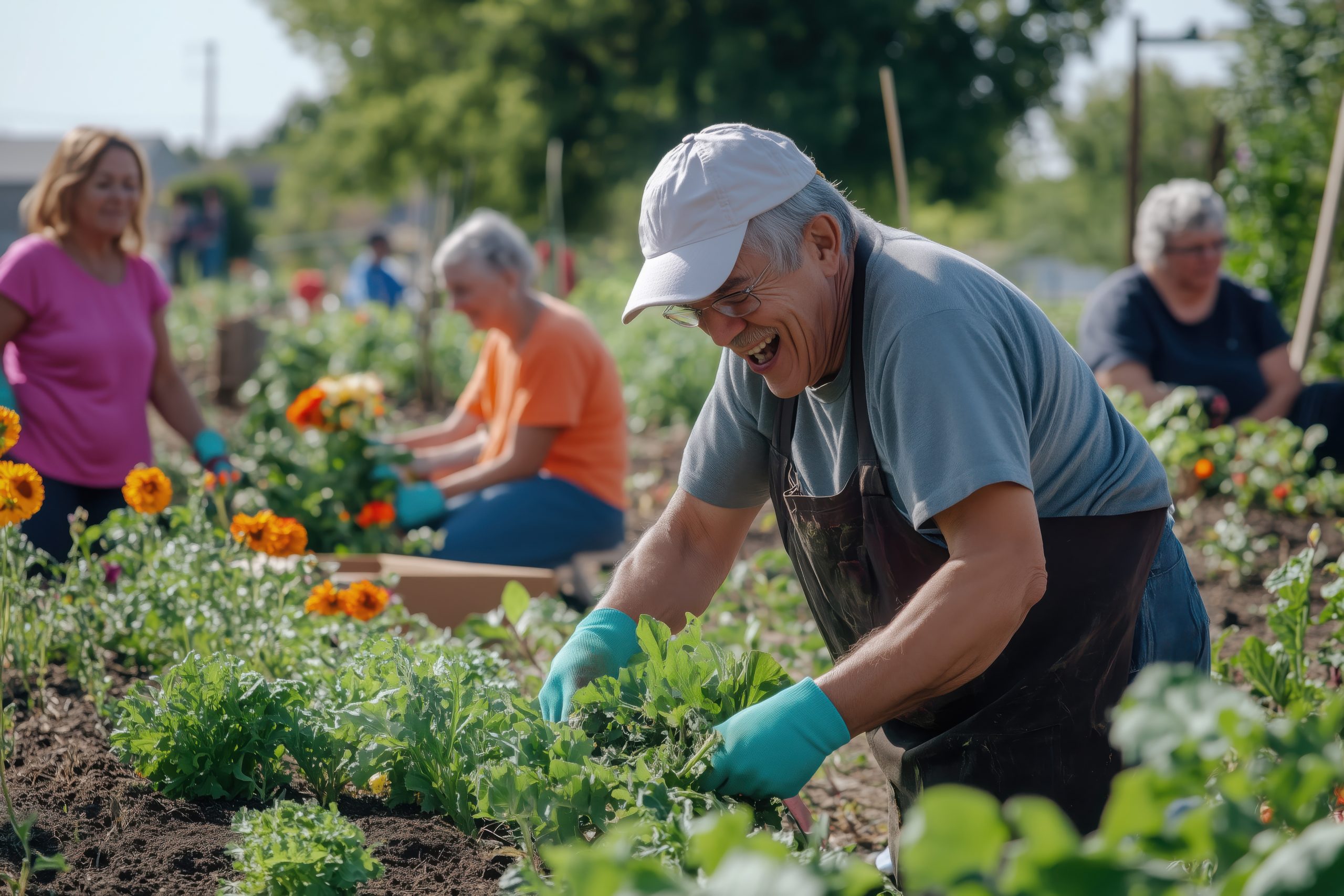
While volunteering is a great activity for folks of all ages, it can prove especially fruitful for those at retirement age.
“Volunteering is good for you,” Strahan says. “It gives you a reason to get up in the morning. It gives you a feel-good moment from helping someone, from knowing you made a difference in someone’s life and that you contributed to society. I love our volunteer opportunities to deliver meals in some of our nutrition programs. It’s people delivering meals to other people they know, an opportunity to check in with homebound friends and socialize while delivering a nutritious meal.”
Strahan mentions that seniors also volunteer at the hospital to rock babies in the NICU while weary parents take a short break. Her colleague also mentions Tulsa’s Reading Partners program.
“Seniors can go into a school and they’re paired with a student who needs help with reading and work with that child,” she says. “It builds a relationship between the volunteer and the student and boosts that child’s confidence.”
She says the agency’s ombudsman program – volunteers serving as advocates for those in long-term care –
is in desperate need of participants.
Walter says that all the knowledge, skills and experience seniors have is ideal for volunteer work with advisory and civic boards. Other opportunities are equally impactful.
“What a great feeling to go to a school or library, to a food bank or faith-based organization and volunteer,” she says. “As they grow older, they stay active, they stay connected and they’re engaged. I think it’s a huge win for everybody.”

Longevity Hacks
Services and activities at Area Agencies for Aging address movement, nutrition and social connection, important components for a healthy, active lifestyle for older adults.
“It’s important that we focus on all of those,” says Strahan. “Fixing a little bit every day is going to be more effective than one big thing. Nutrition is our No. 1 program, and we try to pair it with social connection. Connecting with other people can start making a difference quickly, and over time help maintain health and independence.”
Make good choices, she advises. Quit smoking, limit alcohol, utilize an exercise program and get enough sleep.

“Talk to your doctor,” Strahan says. “If you’re not healthy, you’re not going to be able to move, you’re not going to be able to sleep well, you’re not going to feel like getting out and seeing other people. Get out of the house and do something fun with friends. Feed your spirit. Recognize your ability to change things and make the most of what you have.”
Walter adds: “No matter what you do, make it a routine. Eat breakfast at a certain time, eat lunch at a certain time and you’re more likely to be successful. Volunteering will definitely keep you in a routine. Staying in that routine helps physically, mentally and emotionally, a well-rounded way to stay healthy.”
Overall, Walter says, “keep that body moving, your nutrition healthy, put on sunscreen—all the things your mama told you. Be sure you keep a good sleeping routine. Stay connected. Try to engage in things that keep your mind active: learn new things, do puzzles and hobbies. See your healthcare provider for prevention. All of that keeps you engaged in the quality of life that you choose and enjoy.”