


















Home Blog Page 109

Showcasing Indigenous Cuisine

Loretta Barrett Oden believes her work at Thirty Nine is a conglomeration of her many culinary experiences around the world. Photos courtesy First Americans Museum

Loretta Barrett Oden’s life and work demonstrate the power that food has in connecting us to our cultural heritage. As a chef, lecturer, food historian and member of the Citizen Potawatomi Nation, Oden has made it her mission to celebrate and preserve traditional Indigenous cuisine. Through her work at Thirty Nine Restaurant at OKC’s First Americans Museum, she is protecting the past and inspiring the next generation of chefs.

Oden’s journey in the culinary industry began with her first husband, whose family owned a popular Shawnee barbecue restaurant, Van’s Pig Stand. After moving to OKC and raising her two sons, Oden then decided to “travel some and learn about what native foods are all about.” 

Traveling to Tokyo and conducting cooking demonstrations featuring native ingredients was an experience that stayed with her. 

“Not only was it a surreal experience with such a large city and so many people, but the people had an absolute fascination with everything Native American,” she says.

Criss-crossing the U.S., Oden spent several years documenting Native American cuisine and its unique regional flavors. She discovered that “full bellies listen well. When everyone has eaten and we are settling back in chairs, it is time to converse and get to know one another.” 

She later wrote and hosted a PBS series, Seasoned With Spirit: A Native Cook’s Journey, proving food can be an incredible tool for both connection and storytelling.

In 1993, Oden, together with her son Clay, opened Corn Dance Café in Santa Fe, New Mexico. Unlike other area restaurants that focused on the southwest, the cafe celebrated the diversity of native recipes across North America.

After a decade there, Oden returned to Oklahoma in 2003. Since the inception of the First Americans Museum (FAM) nearly 20 years ago, Oden has lent her passion and expertise surrounding Indigenous food to the project’s leaders. Today, life has come full circle for her at Thirty Nine Restaurant. 

She doesn’t “liken this to a swan song, because that sounds too much like an ending. I look forward to bringing together all the work and the endeavors I’ve done over the years, to come back home, and share the food and what I’ve learned with family and friends in Oklahoma.”
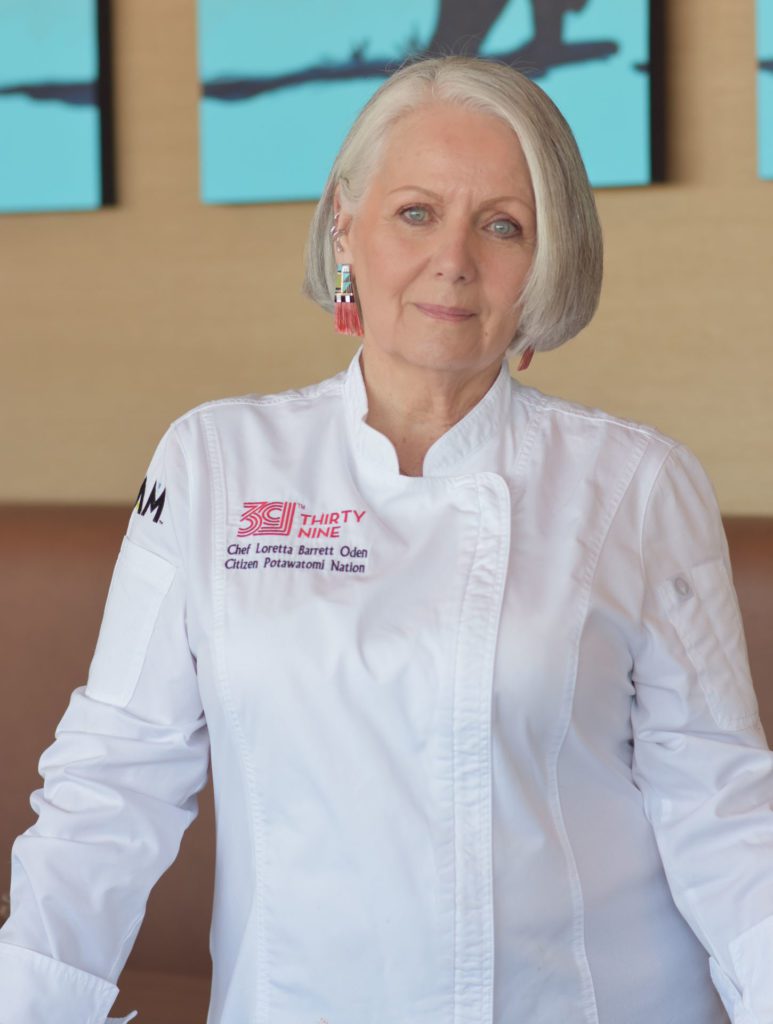
As a consulting chef, Oden is involved in all aspects of menu development: “What to cook, how to cook it, the ingredient base, and so on,” she explains. She describes her approach to food as “updated Indigenous cuisine for today, that through food history, can inform diners about who we are – that we are still here, and we have some pretty good food.”

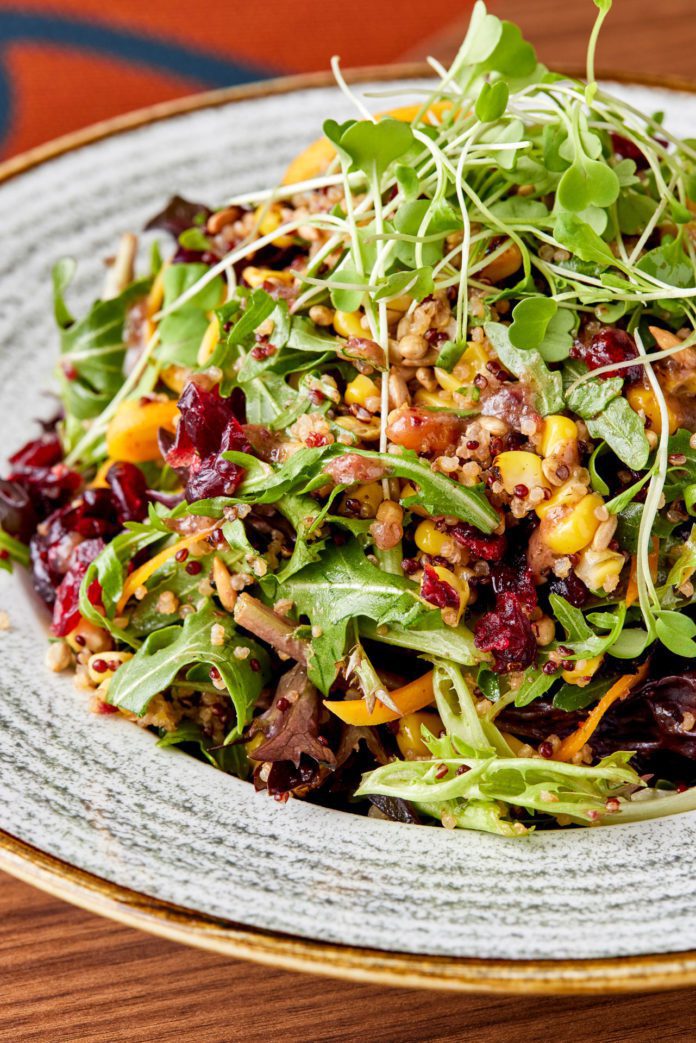
When you look at the 39 tribes that call Oklahoma home, it’s clear they came from every direction, bringing with them diverse cuisine. The menu is an expression of that diversity. The grass-fed bison is sourced from Sayre, Oklahoma’s Benjamin Lee Bison Ranch or, when available, directly from tribes including Cheyenne and Arapaho. Blue corn is featured in the pumpk’n cheesecake’s sugar cookie crust. Corn is the highlight in the popcorn crème brûlée, with flavorful corn stock reduction and popcorn-infused cream.

Plans are underway for a summer teaching garden on the outdoor patio, where children attending FAM camps can learn about eating healthy foods while “playing in the dirt.” Oden is looking to the future and loves working with young minds, “with hopes to plant fresh seeds in those minds,” she says. 

Food is a way to connect with the past, and it’s also a way to celebrate the present and the times ahead. Oden hopes to “reacquaint the coming generations with what’s out there and what’s possible for the future.”

Three Sisters Saute with Sage Pesto

1 pound zucchini squash, cut into bite-sizes, or thinly julienned

3 tablespoons olive oil

1 cup heirloom beans, cooked

2 cups fresh or frozen sweet corn, thawed and drained

1 cup chopped ripe Roma tomatoes

1 cup cooked quinoa

1 cup cooked wild rice

Salt to taste

1/3 cup sage pesto, recipe follows

Sage Pesto:

1 cup pine nuts

1 1/2 cups fresh sage leaves, firmly packed

1/2 cup flat-leaf parsley leaves

1/2 cup olive oil

1/4 cup garlic, chopped

1 teaspoon salt

1 lemon juiced

Directions:

Rinse and trim squashes, julienne on a mandoline leaving the skins for a pasta effect, or cut into bite-sized chunks. You can use whole or halved baby squashes or even ribbons of butternut squash.

Heat oil in a large saute pan. Add squash and saute for 1 minute, then in succession, tossing and stirring with each addition, add beans, corn, tomatoes, then the sage pesto ,stirring gently to distribute evenly.

Salt, only if needed, and serve immediately.

Sage pesto:

Toast pine nuts in a dry saute pan or in a 350 degree oven on a sheet pan being careful not to burn. Combine all ingredients in food processor or blender and process until a smooth.
Outdoor Enrichment Awaits

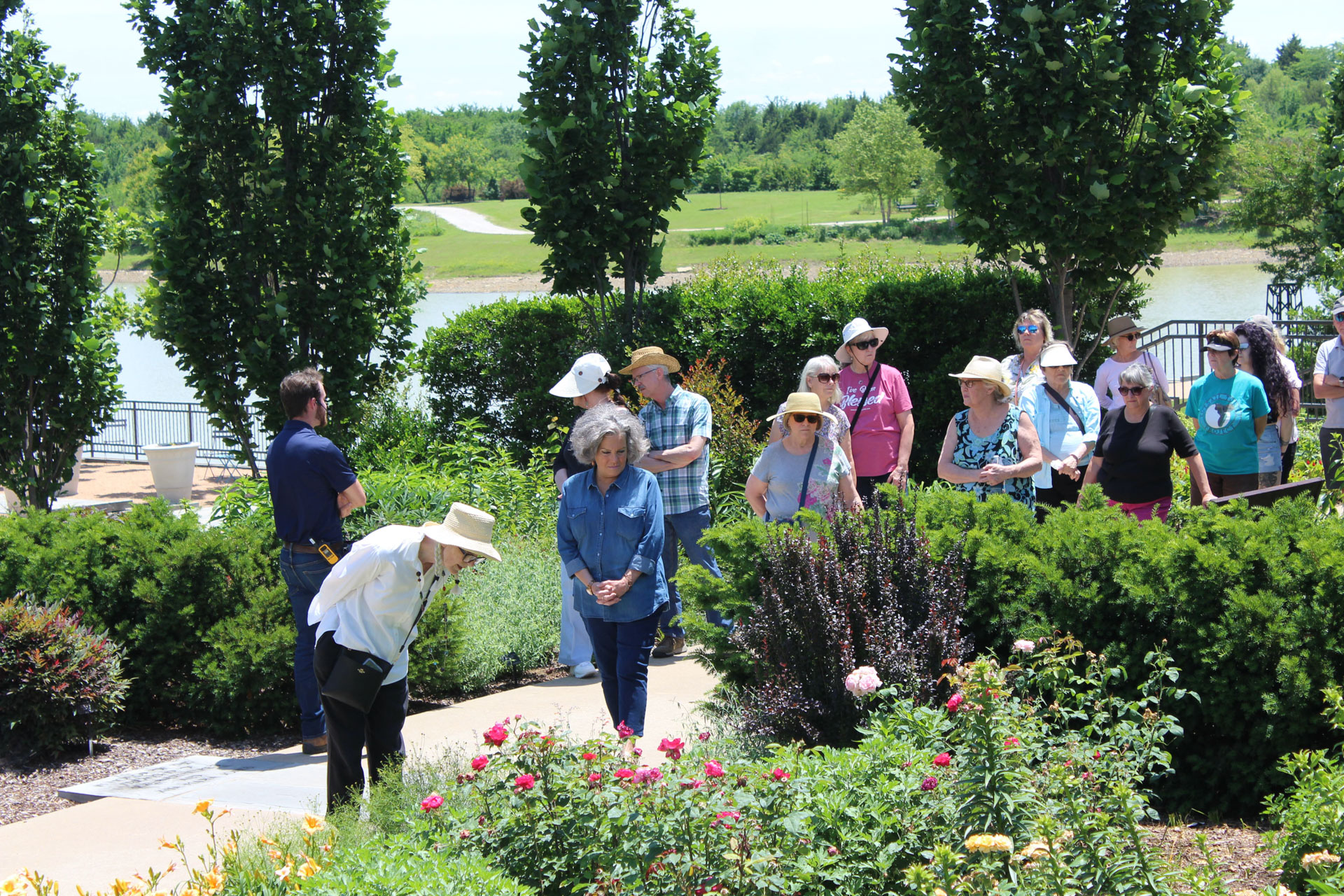
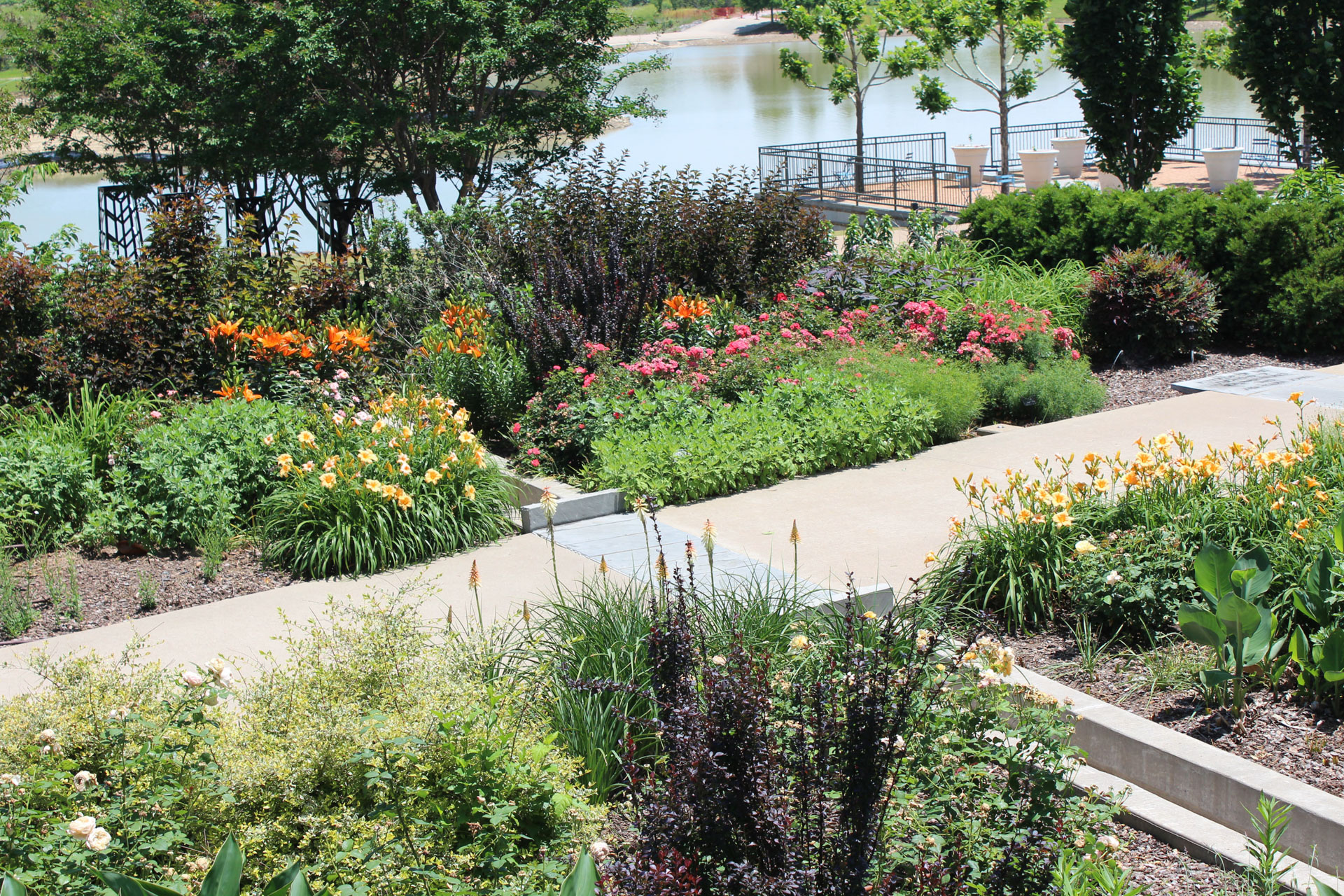
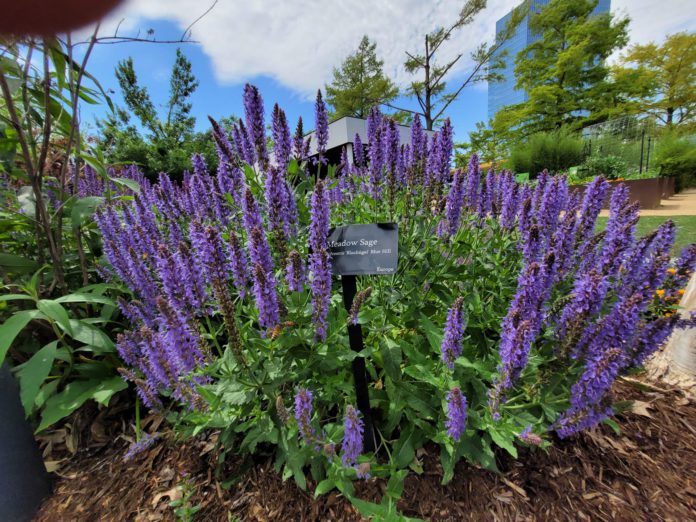
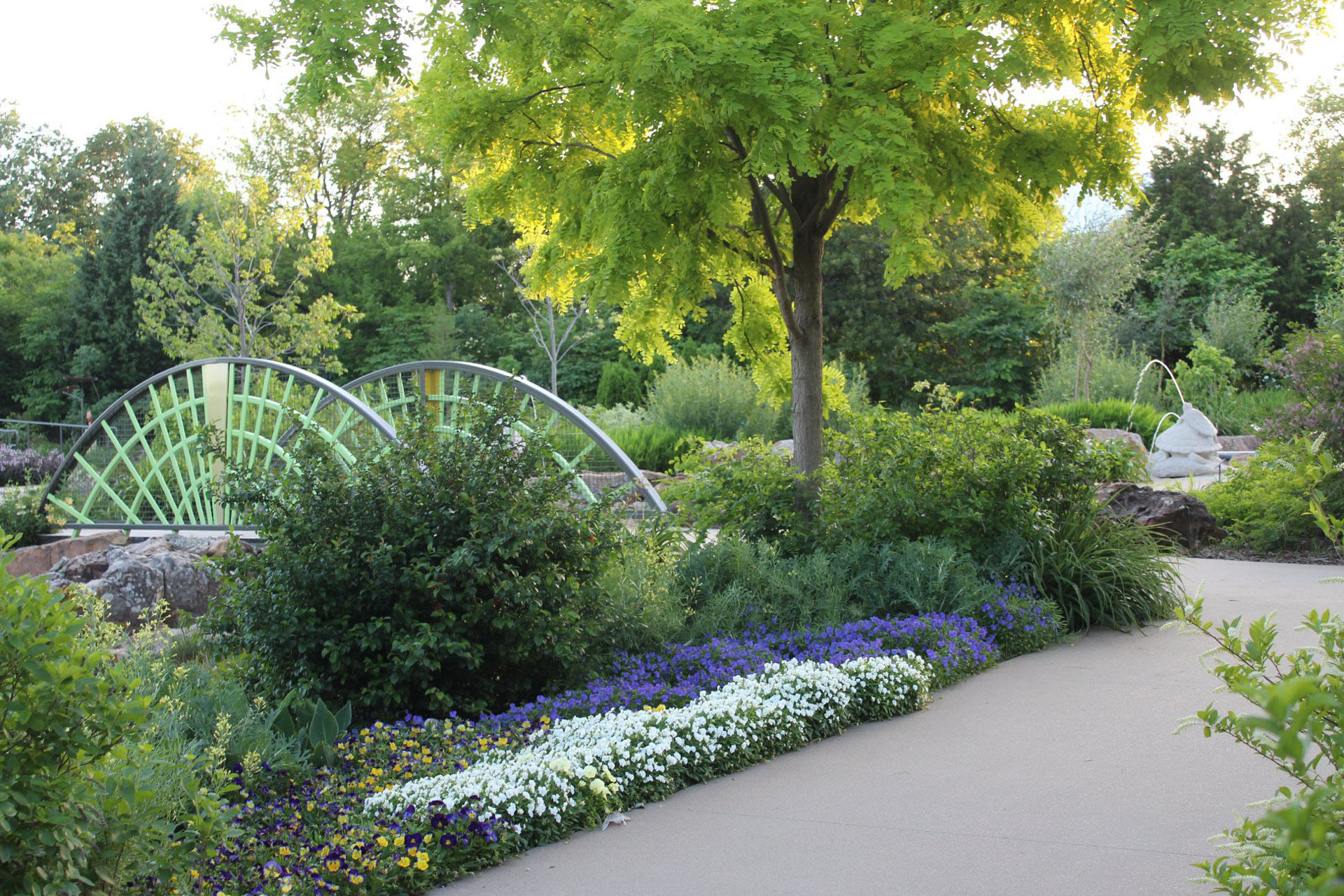
Traces of spring can be seen in Oklahoma as early as March, with the blossoming of tulips, daffodils and dogwood trees. By May, Oklahoma enters a liminal space, suspended between spring and summer. Temperatures rise. The soil warms. Plant life flourishes. 

This transition between seasons is an ideal time to visit Oklahoma’s parks and gardens. Places like the Tulsa Botanic Garden, Muskogee’s Honor Heights Park and OKC’s Myriad Botanical Gardens continue to push the limits of what they can grow – despite tumultuous temperatures.

“People need beauty in their lives,” says Maureen Heffernan, president and CEO of the Myriad Gardens Foundation. “I think that the more time you spend in green spaces, the more you can appreciate what they have to offer.” 

Tulsa Botanic Garden

Tucked away in the rolling Osage Hills, the Tulsa Botanic Garden is a serene escape from the busyness of the city. The garden, which is located on a 170-acre lot eight miles northwest of downtown Tulsa, comprises a Children’s Discovery Garden, lush floral terraces, a seven-acre lake and the Cross Timbers Nature Trail. 

For the month of May, visitors can expect to see a variety of flora, including roses, canna lilies, catmint, ginger and yuccas. The garden also hosts several programs and special events. On May 4, the garden puts on its final Band and Blooms, with a live musical performance from the Tulsa-based country soul act Pilgrim. 

The garden is also gearing up for its annual family friendly fundraiser, Day in the Garden, or “DIG,” which takes place May 13 from 3 to 6 p.m.

“There will be lots of kids activities, food and drink, and games,” says Chuck Lamson, CEO of Tulsa Botanic. “People can experience all that the garden has to offer.” 

Earlier that day, the garden holds its Second Saturday Dog Day, giving visitors an opportunity to bring their four-legged friends to the garden. 

Summer also ushers in an exciting expansion. In June, the garden will open two new features: the Bumgarner Lotus Pool and the Stanford Family Liberty Garden. These additions will nearly double the size of the estate. 

“We are always trying to…benefit members and pique the public’s interest,” says Lamson. “In the 20 short years that we’ve been here, we’ve made a lot of progress. We have things to see that make it worth the trip.” 

Honor Heights Park

Named as a tribute to veterans, Honor Heights Park has become one of Muskogee’s most popular outdoor attractions. The park, which is known for its hearty azalea bushes, spans a 132-acre site that includes fishing spots, walking trails, picnic shelters and tennis courts. For the month of May, the park’s garden beds take on a rainbow theme, showcasing flowers and plants of all hues. 

Starting Mother’s Day Weekend, May 12, Honor Heights opens its Papillon Butterfly House. For a small admission fee, visitors can enter an open-air captive sanctuary filled with 12 different species of butterflies. Visitors can also check out the park’s arboretum. 

“We have over 500 memorial trees,” says Brooke Hall, assistant director of recreation at Muskogee Parks and Recreation. “It’s a great shaded area.” 

For those who crave a sense of adventure, Hall recommends hiking to the Rock Waterfall. 

“It’s quite the trek up and down the waterfall, but it’s so beautiful,” she says. “It’s one of my favorite things to do.” 

Park leadership has also focused on improving accessibility by paving sidewalks throughout all areas of Honor Heights. 

“There’s lots of different options [of things to do] in our park, whether you want to jog our trails or take a picnic in the park,” says Hall. “We are an outdoor space for everyone.” 

Myriad Botanical Gardens

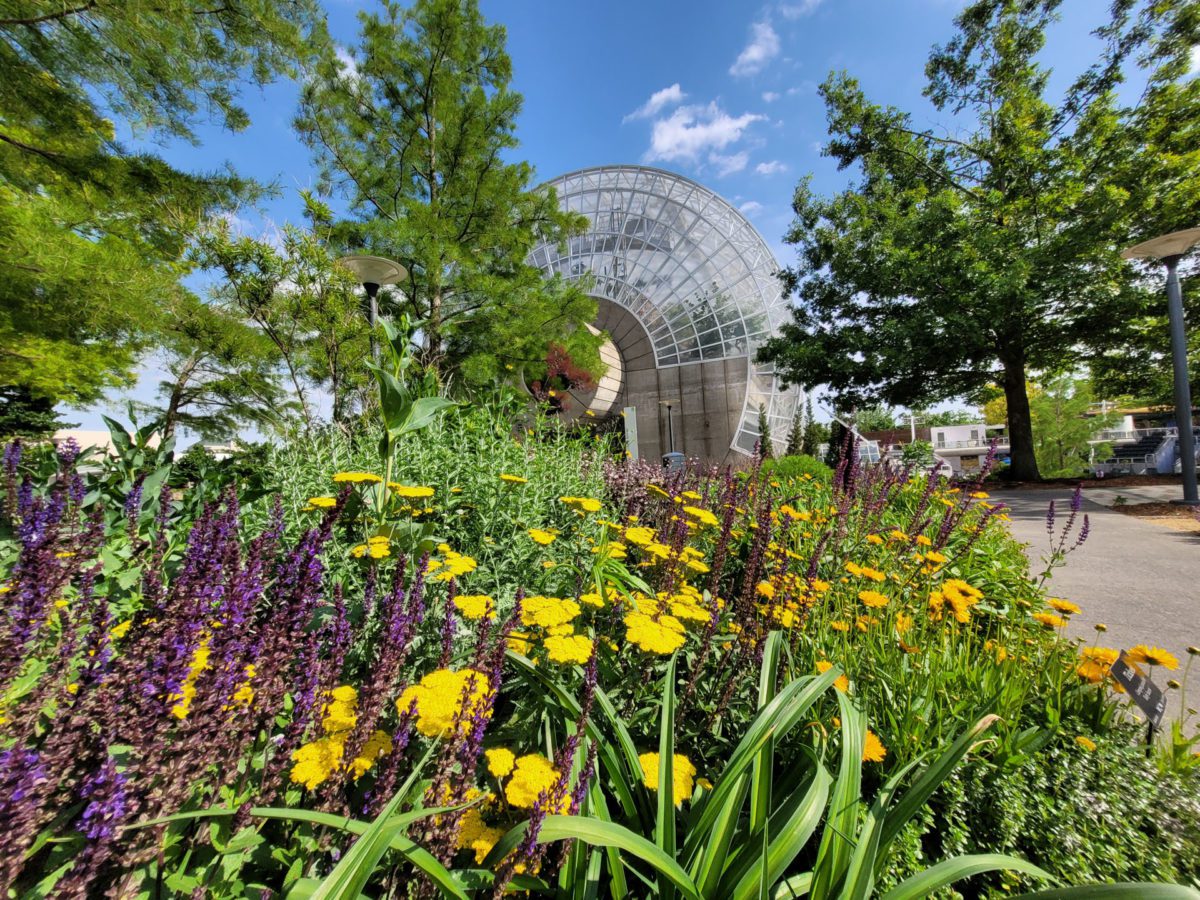
Nestled in the heart of Oklahoma City’s downtown, Myriad Botanical Gardens is a 15-acre green escape that features ornamental gardens, a dog park, a children’s garden and carousel, art installations and a bevy of other amenities. At the end of last year, the nonprofit opened its newly renovated Crystal Bridge Conservatory, a project that totaled $11 million. 

Some of the new features include a gift shop, a cloud portal sculpture, a bromeliad terrace and a two-story cascading waterfall. Renovations also improved accessibility, with wider pathways and an additional elevator. 

“It was a gut renovation,” says Heffernan. “And it’s really come together beautifully.” 

Inside of the multi-level conservatory, visitors can view over 100 species of exotic plants, including coffee plants, avocado trees and sugarcane. 

“People can really start to appreciate how fundamental these plants are to our lives, and throughout the world,” says Heffernan. 

The nonprofit also hopes to foster an appreciation for plant life during its OKC Flower and Garden Festival, taking place May 13. Nearly 50 different vendors will come together to sell gardening supplies, succulents, jewelry and handmade crafts. During the event, parents can keep their kids entertained at the Children’s Garden Festival, which offers hands-on activities in the Children’s Garden.

No matter the season, one of the things that makes the Myriad Botanical Garden unique is that its garden grounds are free to the public. 

“You can be an office worker who comes over for a walk, or a low-income family that enjoys all the outdoor amenities,” says Heffernan. “We want to provide a beautiful, clean and vibrant space with a variety of programs that will be of interest to anybody, from kids to adults.” 

Collectors Welcome

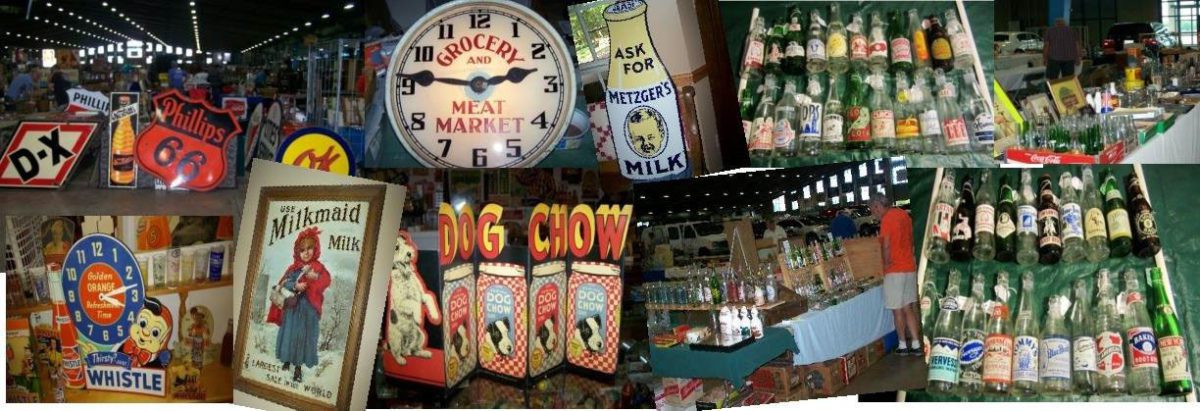
The Tulsa Antiques and Bottle Club has been around for decades, and now has about 60 members. Photo courtesy Tulsa Antiques and Bottle Club

A massing antiques has been a passion for centuries. Collectors find joy in discovering and preserving items from the past, whether it’s furniture, radios, paintings, ceramics or cars. 

Tulsa Antiques and Bottle Club 

The appeal of antique collecting lies in the stories that these objects tell. Each item has a unique backstory, and collectors like Henry Tankersley can delve into the past and discover the item’s secrets.

“I was a banker for nearly 50 years … and caught the antique bug from a co-worker who restored antique furniture,” he says. “I began acquiring Victorian-era furniture for my house. I searched for Coca-Cola items and became intrigued by early drugstores, relating to their soda fountains, eye-catching signs and total quackery.”

For some, the thrill of the hunt is the most exciting part of collecting. Scouring antique shops, flea markets and estate sales for hidden treasures is a challenge that many collectors relish.

Tankersley is the president of the Tulsa Antiques and Bottle Club. The club has about 60 members who collect everything from bottles and jars to antique advertising, postcards, toys, lamps, art deco items, ceramics, stoneware, insulators and tools.

“I have been a club member for about 25 years, and for the last 35 years, have been assembling an entire latter 19th/early 20th-century American drugstore,” says Tankersley. “It occupies every room of my house, which I call the 1910 Drugstore Museum.”

According to Tankersley, collecting should not be solely about financial gain. People should appreciate the beauty and historical significance of the acquired items.

“These days, relatively few people earn significant income from dealing in antiques,” he says. “The operators of antique shows, auctioneers and a few antique shop owners are among the few who do. Most dealers in antiques earn little in net income from doing so; they do it because they love it.”  

The Tulsa Antiques and Bottle Club has been around for decades, and now has about 60 members. Photo courtesy Tulsa Antiques and Bottle Club

Oklahoma Vintage Radio Collectors

Some collectors, like Tankersley, specialize in a particular era or style; others, like Jim Collings, focus on niche items like radios.

“There are numerous varieties of radios and equipment made since World War I days,” he says. “Most collectors focus on one aspect of the type of radio after collecting everything when they start out. This is usually due to space considerations.”

Collings has a little of everything but mainly sticks to rarer items. He’s also the Oklahoma Vintage Radio Collectors president and says the club has about 90 members. They host a biannual swap meet on the second Saturday of April and October. Swap meets include a silent and verbal auction, raffle of a donated radio, and an equipment contest with about 14 categories. They also have monthly meetings and a newsletter.

Antique collecting can be a fascinating and rewarding hobby that allows individuals to connect with the past and preserve its beauty and history for future generations. 

Whether for personal enjoyment or financial gain, collectors should approach their hobby with passion, knowledge and reverence for the stories these objects tell.

Shows Galore

Photo by Shevaun Williams

Live showcases are around every corner in May.

At the PAC, kick off the month with Theatre Tulsa’s presentation of Kinky Boots, running through May 7. Tulsa Opera’s final showcase of the season, Into the Woods, runs May 14 at the PAC; the classic Sondheim musical interweaves a variety of timeless fairytales. Tulsa Symphony also presents a May showcase at the PAC – Luminous: Beethoven’s Symphony No. 3 Eroica on May 20. Other Tulsa goodies include Tulsa Ballet’s Signature Series, May 11-14 at the Lorton Performance Center; and a comedy show from Nick Offerman on May 19 at River Spirit Casino Resort. 

In OKC, visit the Civic Center Music Hall for a smattering of shows. First is OKC Ballet’s Shorts, May 5-7, which presents three iconic ballets in one performance. Next, stick around for OKC Phil’s Oklahoma Stories on May 13, which acts as a tribute to a variety of Oklahomans during the Clara Luper Centennial celebration. Comedian Tim Allen visits the Civic on May 19, and you won’t want to miss Hamilton, running May 24-June 4 courtesy OKC Broadway. Mosey down to the Oklahoma History Museum for Canterbury Voices’ presentation of Crescendo on May 18 as well.

Pauls Valley and Cement offer their monthly opries on May 6 at Pauls Valley High School and 410 N. Main St. in Cement, respectively. Lastly, don’t miss Gaslight Theatre’s presentation of Arsenic and Old Lace on May 12-20 in Enid. 

A Serene Staycation

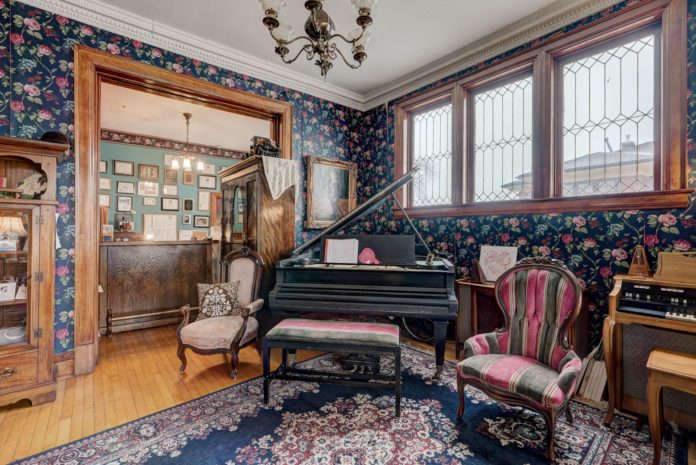
Located in OKC, the Grandison Inn was once the home of railroad magnate James Maney. Photos courtesy Grandison Inn

Often independently owned, a bed and breakfast (B&B) is a small hotel, usually wrapped in personal experiences and quaint charm. Oklahoma offers a handful.

Cedar Rock Inn

Tecumseh Perryman, a Creek Nation allottee, built his home in 1890. Now reimagined as Cedar Rock Inn at Redbury Farms, the B&B rests among 55 acres in the foothills west of downtown Tulsa. Five suites with attached baths, a three-course breakfast and a wooded walking trail with a pond add to the ambiance.

Owner Sandi Dittman says on April 4, Cedar Rock began its monthly, free pop-up-market with vendors in the barn, along with a food truck and live music. Guests should bring chairs or blankets for free Music On The Lawn weekly events through June. 

Black Mesa Bed & Breakfast

Black Mesa B&B is two miles north of Kenton near the base of Black Mesa – Oklahoma’s highest point with an elevation of 4,973 feet. The B&B sits on a working ranch, the Roberts Ranch. Vicki and Monty Joe Roberts live in a 1910 native rock farm house, and they share their kitchen with guests who make their own lunches and dinners. 

The historic chicken house, well house and other buildings are now bedroom suites, along with the newly built Sunrise Room, which looks like a 19th century picture postcard. Black Mesa offers country breakfasts and five rooms; two have attached baths. The others have access to bath houses. There’s an outdoor grill, and each suite has a microwave, coffee maker and fridge. 

Referred to as ‘Oklahoma’s Best Kept Secret,’ Black Mesa B&B and the area at large draws hikers, birders, star watchers, fishermen, hunters and rock hounds. 

“We have very clear dark skies,” says Monty Joe. “And we have at least 200 species of birds that come through. There are no gas stations or restaurants. Come with groceries and a full tank of gas. The closest place is Boise City, which is 36 miles away and has limited amenities.”

Grandison Inn at Maney Park

In 1904, railroad magnate James Maney built his three-story, 7,000-square-foot home, one of Oklahoma’s finest examples of Victorian architecture. 

Located in OKC, the mansion is now the Grandison Inn at Maney Park B&B, and features a grand staircase plus parlors. A pet-friendly venue that’s also open to kids, the inn offers eight bedrooms with private baths. Most baths have a two-person Jacuzzi. Visitors opt for continental-style breakfasts, and full breakfasts on weekends when they can savor such favorites as Grandison salsa eggs and apple French toast.

Good for the Heart

Dan Simoni and his daughter, Rhianna, are the community volunteer co-chairs for the 2023 Tulsa Go Red for Women Movement. Photo courtesy American Heart Association

In his eighth year of working with the American Heart Association (AHA), Dan Simoni, managing partner of PricewaterhouseCoopers Tulsa, continues to be moved by the startling statistics surrounding women’s heart health. And he’s shared his passion with his daughter, high school senior Rhianna. Together, they are the community volunteer co-chairs of the 2023 Tulsa Go Red for Women Movement. 

The Go Red movement is an AHA worldwide initiative, intended to increase women’s heart health awareness and help improve the lives of women everywhere. Cardiovascular disease (CVD) is the No. 1 killer of women in the United States. In addition, over 44% of women ages 20+ are living with some form of cardiovascular disease.

Dan says he was compelled to get involved after seeing the lack of equity when it came to the knowledge, understanding and underlying research between men and women’s heart health – as well as the overall awareness of the different ways men and women experience symptoms. 

“It immediately caused me to think of my mother, who has suffered and still suffers from heart disease,” says Dan. “Women are also significantly less likely than men to receive bystander CPR.” This is another alarming fact that has influenced his family’s decision to devote time and attention to AHA’s cause. 

This year’s Go Red for Women campaign theme is ‘Be the Beat!’ to emphasize the importance of knowing hands-only CPR. According to the AHA, hands-only CPR – chest compressions without rescue breaths – when performed by a bystander, has been shown to be as effective as CPR breaths in the first few minutes of an out-of-hospital sudden cardiac arrest for an adult victim. 

“Resuscitation that is purely hands-only CPR makes this life-saving effort a little less complex and less intimidating,” which will hopefully encourage more individuals to learn CPR and take action in an emergency, says Dan.

As event co-chair, Rhianna has also helped raise funds and awareness about women’s heart health, especially in younger women, by sharing the AHA message throughout the community and partnering with organizations such as jewelry designer Kendra Scott. 

“I hope to inspire others that are under the misconception that our young age is a limitation,” she says. “Instead, our age provides a different perspective of how we can make an impact for those who come after us.”

Other Oklahoma initiatives the Simoni family hopes to bring awareness to include addressing disparities and inequities in maternal health and ensuring all Oklahoma children have access to clean, safe drinking water via water bottle filling stations in schools. 

The Go Red For Women Movement is sponsored nationally by CVS Health and the campaign culminates with the Tulsa Go Red for Women Luncheon on May 11.

What: Tulsa Go Red for Women Luncheon

Where: DoubleTree by Hilton Hotel Tulsa – Warren Place, Tulsa

When: 10:30 a.m. – 1 p.m.

More information: 918-891-0957 • tulsagored.heart.org

Big Al’s Healthy Foods

Photo courtesy Big Al’s

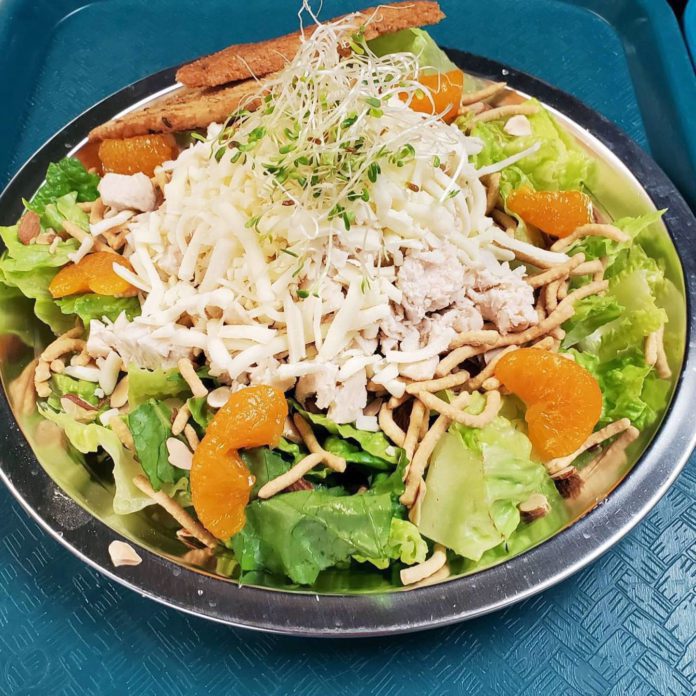
A Tulsa favorite for over 50 years, Big Al’s strives to make healthy food taste delicious. A solid collection of both vegetarian and non-vegetarian options, Big Al’s is also customizable for vegans. Favorites include the grilled chicken wrap with cheddar cheese, tomato, lettuce, sour cream and homemade hot sauce, as well as the Avocado Delight sandwich with provolone, sunflower seeds, tomato, lettuce and alfalfa. Try a variety of salads, paninis and side items like hummus, too. Smoothies are made with real fruit and honey, and the juices are fresh pressed right in the kitchen. 3303 E. 15th St., Tulsa; bigalstulsa.com

Finance: Investing 101

Investment Resources

Among the variety of resources for first-time investors are banks, brokers, investment advisors, financial planners and websites such as NerdWallet or investor.gov. 

Another resource is your employer. Liu Liu, director of investment research and management at BOK Financial, says that often, employers provide retirement plans, which include a retirement calculator that helps keep on track with saving goals. Also, check out the financial wellness tools that assist in creating a budget, identifying goals and measuring the progress toward those goals, as well as evaluating your portfolios and insurance coverage.

“Additional resources include podcasts, books and even social media,” says Liu.

One social media resource she suggests is an online program by chief investment strategist Steve Wyett. Each week he posts a market roundup via LinkedIn that discusses an array of
 investment topics.

Save, Save, Save

The key to investing is to save; Sean Kouplen, chairman and CEO of Regent Bank, says that saving and investing go hand in hand.

“You can’t afford to invest without first growing your savings,” he says, “and without investing, your savings will be eaten by inflation over time.”

The first step, Kouplen advises, is to establish an emergency fund. This fund should be liquid, meaning that you can make a withdrawal any time without a penalty. The emergency fund should hold enough money to cover living expenses for at least three months. 

“A simple checking or savings account is a good option for your emergency fund,” he says.

Next, establish medium-term savings. This is your savings for large expenses over the next two to six years, for vacations, renovations or educational opportunities. These funds don’t have to be completely liquid, and you will want to earn a higher return than you’d get with a standard checking or savings account. 

“Consider investing in safer options like fixed income investments or conservative ETF [exchange-traded funds] portfolios,” says Kouplen.  

Step three is to focus on long-term savings, which is your money to rely on in retirement. This segment is for long-term investments using your 401(k) or IRA (Individual Retirement Account).

Things to Consider Before Investing

The prime investing advice that most financial professionals give, Kouplen says, is to diversify your investments.

“Basically, don’t put all your eggs in one basket,” he says.

Make sure you have diversity in the types of assets you purchase, the sectors in which the assets are tied to, and the geographic location of your assets. Also, invest in mutual funds or ETF portfolios, which are managed by professionals who use their expertise to capture the right balance of different assets from every sector of the economy.

“Some assets will go down and some will go up, but over time, the right asset mix should go up with much less risk than a single stock,” says Kouplen.

Another tip is to keep your fund costs low. 

Liu advises to examine income, spending, any debt, plus the cost of servicing those debts, emergency funds and any other financial obligations or goals in a holistic manner before investing.

“Investing should be considered as part of financial wellness for all of us,” she says.

Types of Investments

There are several investment types, or asset classes, to choose from. Rating the types of investments, from conservative to aggressive investments, Liu lists cash; deposit products and money market accounts or money market mutual funds; bonds, which are debt securities issued by governments and companies; fixed income mutual funds; stocks, meaning ownership of a company; equity mutual funds; and real estate investments, commercial and residential.

Many of the investment solutions in the marketplace can also be used, which take care of asset allocation and investment selection for you, she says. Do your research and don’t be afraid to ask for help.

“It is always great to reach out to a financial advisor as well,” Liu says.

Mutual funds, index funds, and ETF portfolios, Kouplen says, are options to keep your assets diverse. Since these are professionally managed, the asset types are varied, designed to protect you in different environments. 

“There are as many types of investments as there are stars in the sky,” Kouplen says.

And as you get more sophisticated, there are countless price investment options, including investing in private companies, commodities, price debt placement and commercial and residential real estate. 

“These options require specialized knowledge, but can generate enormous returns,” Kouplen says.

Investing At Different Ages

There are different levels of investing as it pertains to age and financial stability. Whether you are a college student with limited funds, in your early 30’s just starting a family, in your 40’s with a stable, established job or in your 50’s or older preparing for retirement, there are strategies that can fit your life. 

“Generally speaking, it is best to start investing early because compounding goes a long way in growing your assets,” Liu says. “However, it is never too late to start.” 

In general, Kouplen says, your investments should be more aggressive when you are younger and more conservative as you age. The markets, which will have ups and downs, tend to rise over time, meaning that the younger investors have more time to recover. However, if you are post-retirement, don’t invest in higher-risk options – because there may not be enough time for the asset to recover its value.

Red Flags

When listening to an investment pitch or reading about an opportunity, there are some red flags to watch for. Liu cautions that investments with a guaranteed high return that are unusual for the type of investment are a red flag. Also, be wary of vague language around fees.

Kouplen offers a few smart questions to ask the person presenting this investment opportunity: 

Does the person requesting the investment have their own money wrapped up in it?

Do they have experience in this type of investment?

How will they benefit if you invest?

What is the exit plan for the investment?

If the investment does not perform well, how will you get paid back?

He also alerts red flag issues including missing documentation; strategies that are overly complex; high pressure sales tactics; and incredibly high profits that are promised. 

“If it sounds too good to be true,” Kouplen says, “it probably is.”

Vocab to Know

Bear/Bull Market: A bear market is a prolonged period of falling stock prices. A bull market is any market in which prices are advancing in an upward trend.

Capital Gain vs. Loss: The difference between a security’s purchase price and its selling price, when the difference is positive, is a capital gain. A capital loss is the amount by which the proceeds from a sale of security are less than its purchase price.

Certificate of Deposit (CD): A savings account that holds a fixed amount of money for a fixed period of time, such as six months, one year, or five years. In exchange, the issuing bank or credit union pays you interest.

Diversification: The process of owning different investments that tend to perform well at different times in order to reduce the effects of volatility in a portfolio.

Dividend: A portion of a company’s profit paid to common and preferred shareholders.

Equities: Shares issued by a company which represent ownership in it.

Fund: A pool of money from a group of investors in order to buy securities.

Individual Retirement Account (IRA): A tax-deferred account to which an eligible individual can make annual contributions. There are several types including the Traditional IRA, Roth IRA, SEP IRA and Simple IRA.

NASDAQ: National Association of Securities Dealers Automated Quotations system. NASDAQ is a computerized system that provides brokers and dealers with price quotations for securities traded over the counter.

Stock: A long-term, growth-oriented investment representing ownership in a company, also known as equity.

Valuation: An estimate of the value or worth of a company – the price investors assign to an individual stock. 

The Mantel

Photo courtesy the Mantel

In the heart of Bricktown, award-winning fine dining can be found at the Mantel. Featuring low lighting and chic digs, the restaurant is best known for its seafood and chops. Diners can begin with a bevy of appetizer options, including risotto croquettes, shrimp cocktail, crab cakes or beef bruschetta. Land and sea options abound for main courses, ranging from filet mignon, duck breast and pesto chicken mac and cheese to mahi mahi, blackened sea bass and scallops. The Mantel’s wine list is extensive – 36 wines available by the glass and over 100 by the bottle. If you’re doing a late lunch or early dinner, visit from 4:30-5:30 p.m. daily for happy hour pricing, which gets you 20% off all food. 201 E. Sheridan, OKC; themantelokc.com

Familiar, Yet Brand New

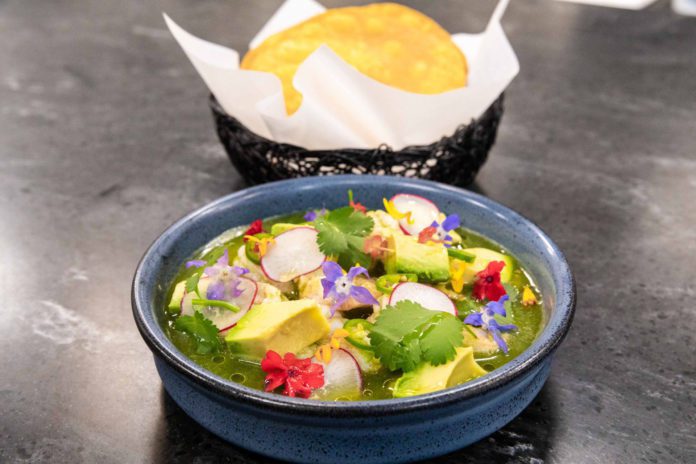
Shrimp aguachile is one of many star dishes on the menu at Noche, which has a tentative planned opening for the end of May. Photo courtesy Food is Family Restaurant Group

“I’m a third generation restaurateur,” says Sheamus Feeley. “And my family’s been farming even longer, so my whole life has been based on food. I’m a total country kid, and my earliest childhood memory is me and my cousin on my grandma’s porch in northwest Arkansas, topping and tailing green beans from her farm. For us, Tulsa was the big city; we’d go ice skating at Williams Center and shopping at Utica Square.” 

At fifteen, Feeley had a chance to visit a much larger space, Mexico City, but the buildings or crowds aren’t what he remembers best. 

“On my very first day, I went out exploring, and I saw two women – street vendors – selling what I later found out were tlayudas from Oaxaca,” he says. “It was a crowded, noisy street, but when I bit into one, space and time stood still. It was so vibrant, so good! That was the first time I tasted authentic Mexican food, and it’s my most vivid food memory ever.” 

These childhood memories set Feeley on the path to opening a grand and vibrant Mexican restaurant in Tulsa. A journalism student at the University of Arkansas, he took time off in his junior year to visit Peru. He found himself living in Huancayo, a small city nestled in the Andes with an elevation of over 10,000 feet. He went to market every day and helped his landlord’s mother with the cooking. 

There, he realized he was destined to be a chef, not an academic. He got a job working for Wolfgang Puck in Denver, started an acclaimed restaurant in Napa Valley – “chef Sheamus Feeley is a genius!” wrote one food blogger – then worked for a company that owned a string of large, elegant restaurants, ending up as executive chef and vice president. Then started his own restaurant company – Food is Family. He, along with his partner, got the idea of building a place in Denver that would capture the rich, vibrant restaurant culture of Mexico City. It would have seriously good food. Then, on a visit to Tulsa, an old friend took him to see the Vast Bank building just west of the Drillers’ Stadium. He remembered how Tulsa had mesmerized him since childhood and he thought, ‘Why not build it here?’ So he did, and he named it Noche. As of now, the restaurant is slated to open at the end of May.

And what a glorious place he’s building! Brian Green’s the chef; you may remember his great work at La Tertulia, where he served up Santa Fe-inspired cuisine. 

Alfredo Aguilera, who has worked as a beverage director in some of Mexico’s top hotels, is here to design a drink roster based on liquors you’ve probably never heard of, as well as some you surely have. Think tequila, but also think sotol, distilled from rare plants found in the Chihuahuan desert, and raicilla, a liquor invented 300 years ago in Jalisco. 

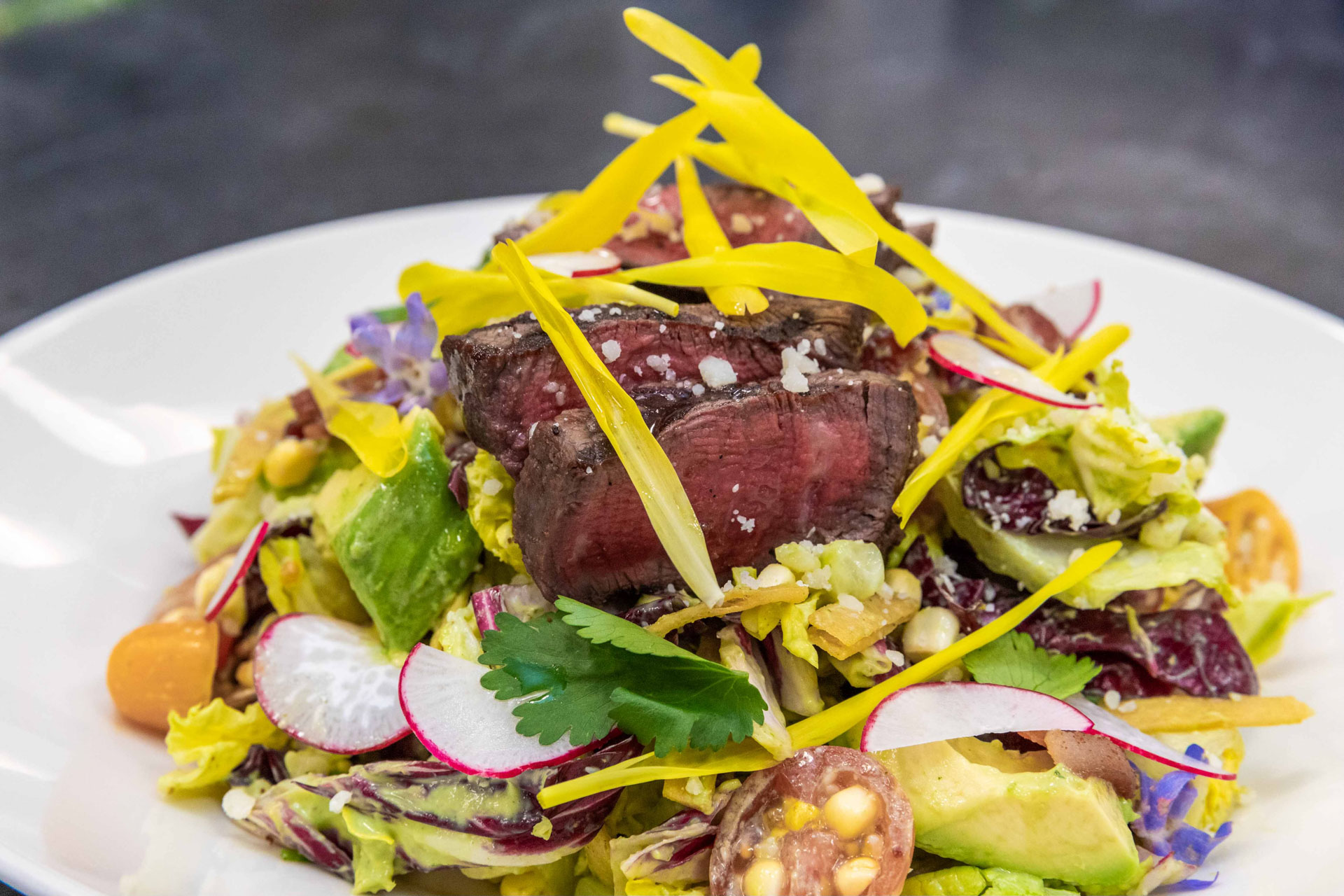
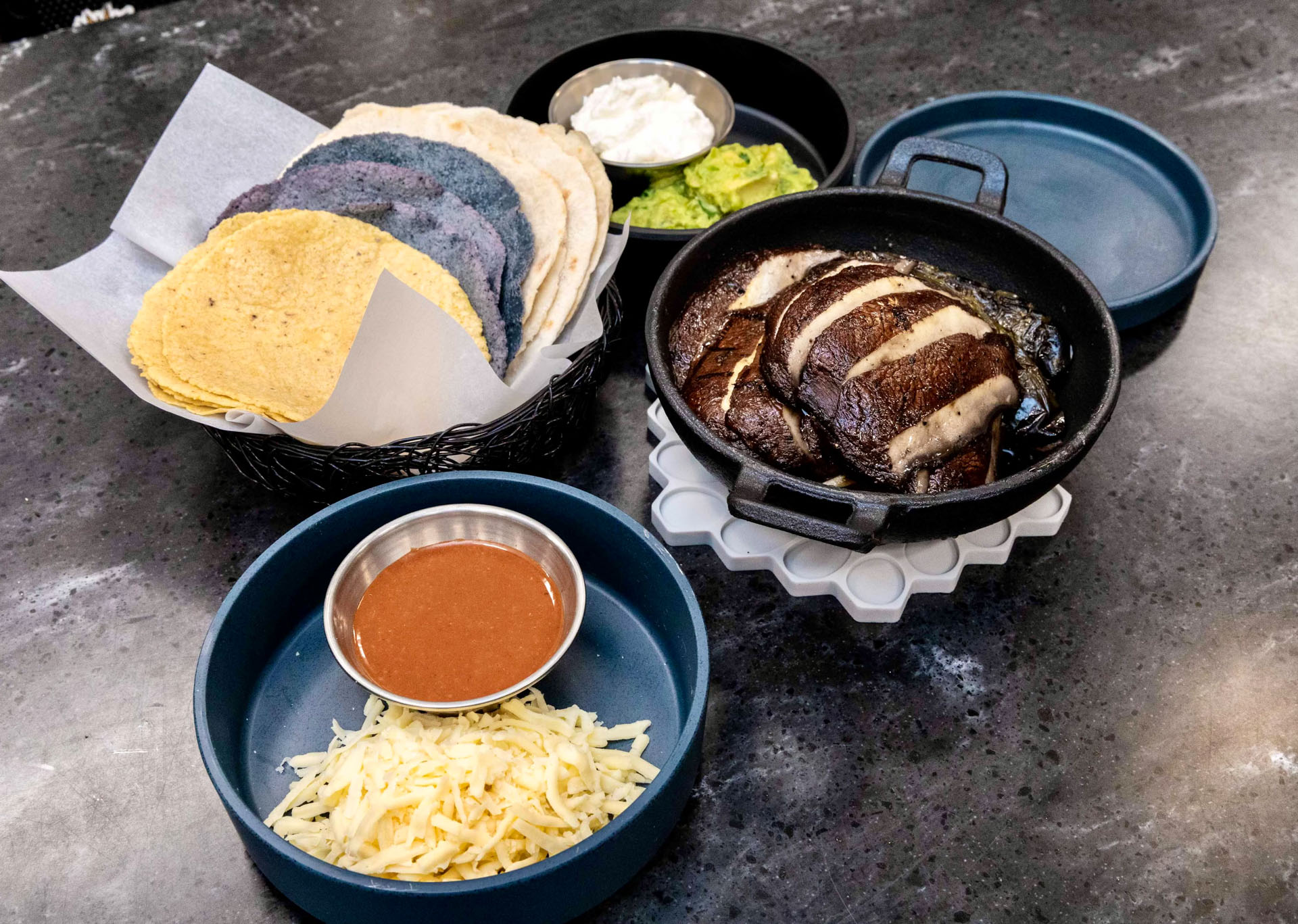
“We want to give people things they’re familiar with,” says Feeley, “and slowly introduce them to things they’re not. It’s Oklahoma, so we’ll do fajitas with pecan-smoked short ribs, and even queso. It’s my mom’s recipe, you’ll love it!” 

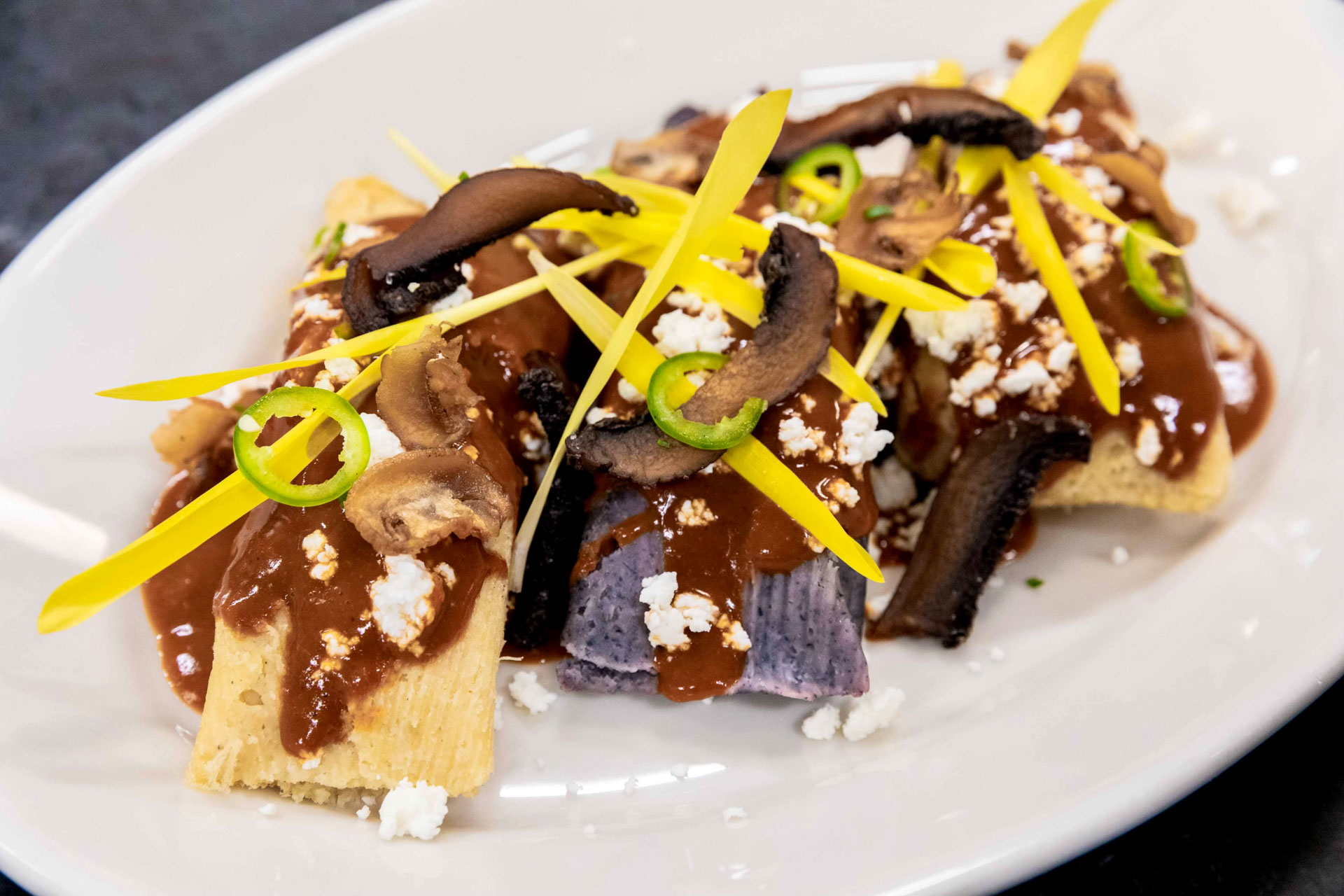
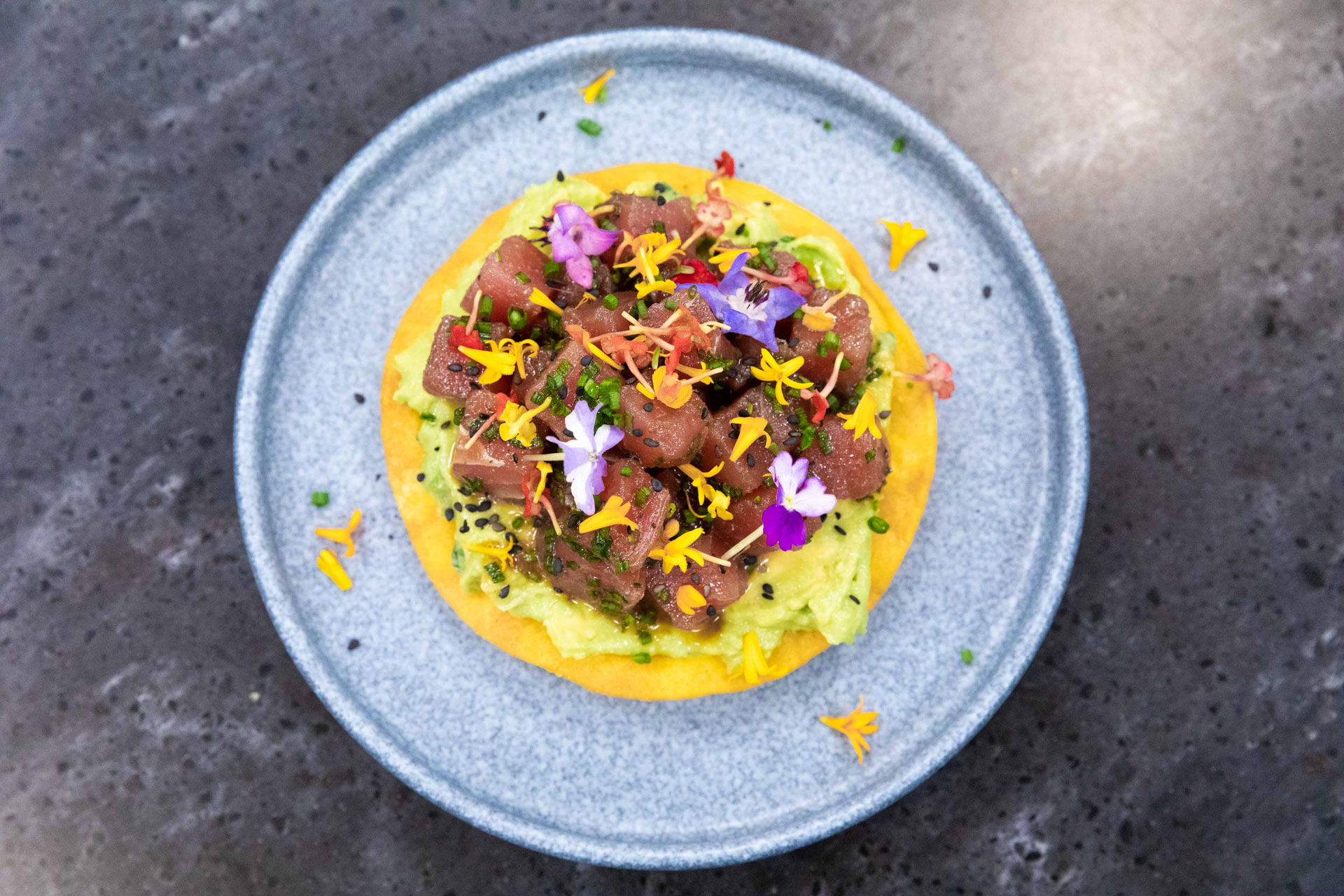
But there’ll also be whole fish with guajillo-arbol salsa; aguachiles; roasted mushroom tamales flavored with requeson, marjoram and epazote; and cochinita pibil. This famous dish from the Yucatan features pork shoulder wrapped in banana leaves, cooked overnight with sour orange and annatto. Large groups (10 to 14 hungry guests) can order a whole pork shoulder made that way. 

“It comes to the table with lots of salsas, pickles, limes, a whole kaleidoscope of color, and then we peel back the banana leaf wrapping and it perfumes the entire table. And it’s fun,” says Feeley. “Great food doesn’t have to be overly serious, it can be fun.”