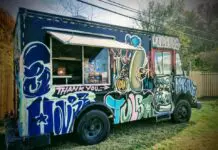
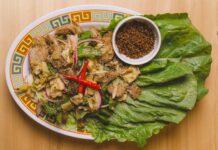
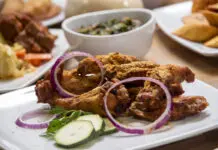
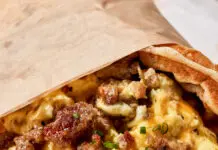
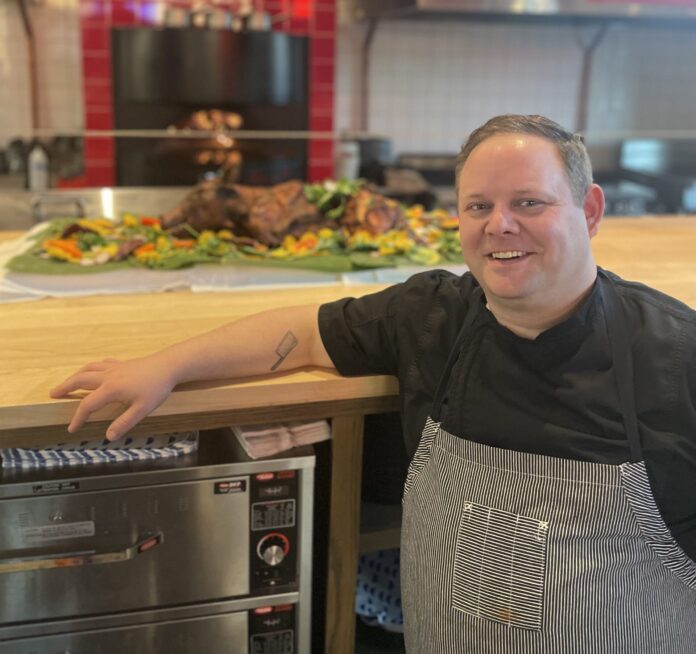
Chef Kevin Lee has palate-forming childhood memories of waking up to a seafood breakfast – pulled fresh from the ocean that morning and prepared by his grandparents in Korea.
“I’ve always enjoyed food,” he says. “Both sides of the family are great cooks. On my father’s side, my grandmother was a trained chef, and on mom’s side, my grandmother is just a great cook who had seven children and cooked for her family her whole life. All of this opened my palate from early childhood, making me open to textures and flavors most little kids wouldn’t be.
“I remember I was about six,” he shares. “I was happy to eat a whole plate of beef tartare. I love food and exotic, different things.”
Fast forward to now, and Lee is a regular face on the Food Network; you can often see him compete – and win – on shows like Iron Chef and Superchef Grudge Match. Alongside that, he’s continuing to hone his culinary craft into a new chef-driven restaurant concept. Birdie’s by Chef Kevin Lee is expected to debut this month in the OKC location of his previous restaurant.
Born in Norman, Lee has lived and worked all over the United States and spent extensive time traveling overseas, especially in Korea. Of the new restaurant concept, Lee says: “We’re changing the vibe, the interior, and starting fresh.”
The itch to change, he says, “started with trips to California. And though I enjoyed having a family vibe restaurant, I spent time with other chefs, including mentors, and just needed to focus on being a chef again.”
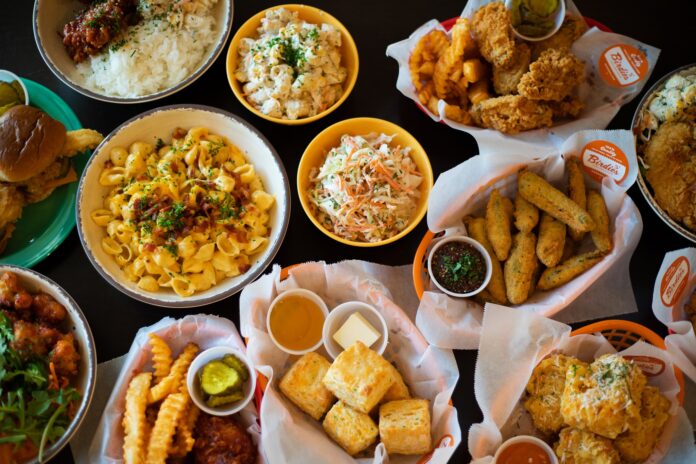
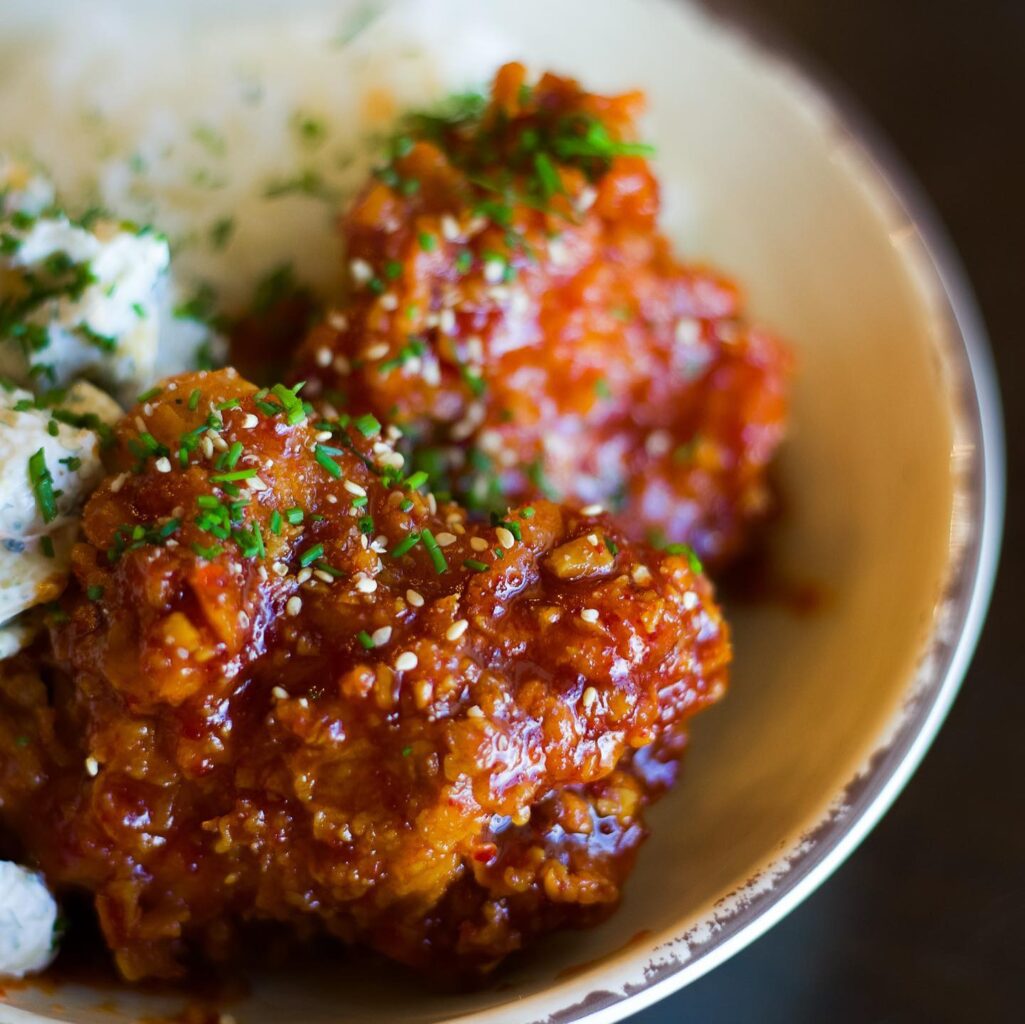
Birdie’s by Chef Kevin Lee will be a revamped version of the current restaurant, showing everything from short ribs to braised beef shank. Photos courtesy Birdie’s
The new menu will better represent him and what he most likes to create.
“Rather than traditional Korean, those flavors will be presented in new ways and styles, speaking to who I am as a chef, as a Korean-American who’s lived in Oklahoma, Vegas, Seattle, the East Coast – just all over the place. I have a unique niche when it comes to flavors of food because of experiencing different flavors in other countries that most people haven’t.”
Lee feels confident that Oklahomans are ready for his new flavor profiles, textures and innovations.
“Korean barbecue is very easily relatable to American palates. We’ll have short ribs, steak entrees, braised beef shank, and these will be fun and familiar, but with a unique spin,” he says. “We will offer fresh raw crudo dishes, stone pot rice dishes, as well as house-made kimchi. One spin is kimchi pancakes served with ranch dressing.”
Lee anticipates the challenges and the creativity involved in his new concept, but is ready to do things his way.
“When I cooked as an executive chef, I always had to cook to fit the concept, not the way I wanted or could,” he said. “Now I can finally be who I am and not worry about responses. Oklahoma City diners are ready for new experiences, and I am ready to cook my food.”
Nestled somewhat inconspicuously amongst a sea of downtown Tulsa’s white and gray buildings is a colorful mural, which beckons you into a new restaurant. In the heart of the Arts District, Rosa Cantina resides in Mixco’s old locale. Inside, the decor is lighter than before, with Mexican influences, an open dining room and a friendly staff.
The succinct menu focuses on tacos – with options including carne asada, pork adobada, fried shrimp, chorizo and short rib barbacoa on either flour or corn tortillas. Toppings range from pickled cabbage to avocado, black cherry crema, sweet jalapeno tartar and citrus coleslaw.
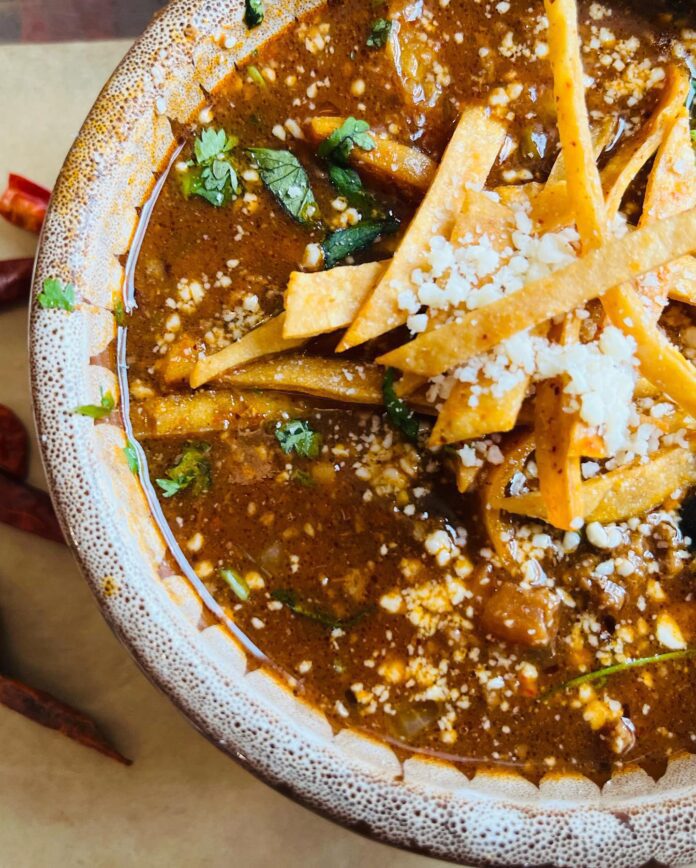
If your tummy is rumbling the moment you enter the building, apps run the gamut. Try a queso crock with chorizo or esquites, or indulge in wings, pulled pork nachos or birria flautas.
The drinks – which the restaurant itself call “damn strong,” are a standout. Try a signature like the margarita or Paloma, or venture to the funkier mezcal tequila cocktails like the Batanga, with Coca-Cola and fresh lime, and the Elderman, with elderflower liqueur, Cappelletti and fresh grapefruit. Others to try include the Oaxacan Old Fashioned with tequila, house agave and orange bitters, and the Mesa Verde, with gin, ancho liquer, agave and fresh lime. You’ll leave full and happy, guaranteed.
With light wood, green accents, floor-to-ceiling windows and ample indoor and outdoor dining, Riviere Modern Banh Mi in central OKC is as beautiful as its menu is delicious.
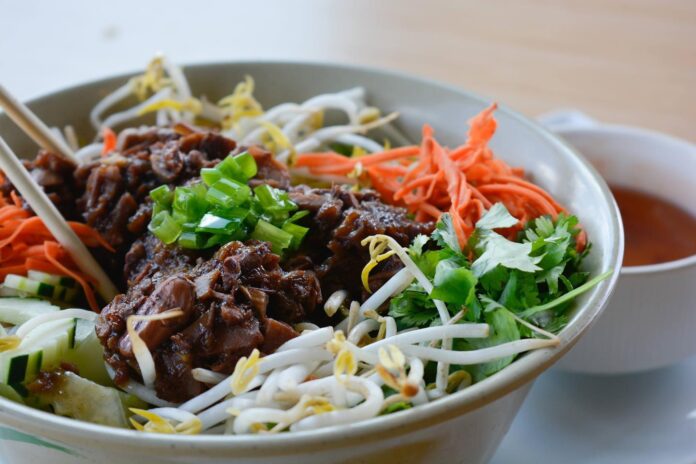
You’ll likely visit the restaurant the first time for its namesake sandwiches, all of which have punny names and are served on 8-inch French baguettes. You can’t go wrong with any of them. Stand-outs include the Pho’Rench Dip, with beef, grilled onion and jalapeno aioli; the Banh Fire with fried chicken, Sriracha buffalo sauce, pickled carrot and cucumber; or the James Banh, with traditional Vietnamese charcuterie, pate, house-made aioli and maggi seasoning. But banh mi isn’t the only thing on the menu. You can start off with lettuce wraps, meatballs, fritto misto or egg rolls, and enjoy rice and noodle bowls with protein options like bulgogi, teriyaki chicken, lemongrass pork and crispy tofu. Other mains range from pho to curry, fried rice and garlic butter noodles.
Spirits are amble at Riviere. Alongside wine, sake, soju and prosecco, there are a variety of local beers, both bottled and on draft. A few of the house cocktails include the Yuzu Daddy with yuzu vodka and liqueur, coconut mix, lemon and ginger beer; the Jamesean Iced Coffee with Jameson cold brew whiskey, Vietnamese iced coffee and cinnamon brown sugar; and the El Chingon, with jalapeno cucumber tequila, lime, pineapple syrup and bitters.
Brian Green, originally from St. Louis, now leads the charge at Tulsa’s Noche.
Photos courtesy Noche
He’d never admit it, but Brian Green is bone-tired. Executive chef at Tulsa’s Noche, he’s been working fifteen hour days for three weeks straight, with only one day off: Thanksgiving. That’s what you have to do if you’re opening what could be Tulsa’s most exciting new restaurant, with a kitchen where excellence is the norm. Besides, it’s always been that way for Green.
Growing up in St. Louis, he spent a lot of time with his grandparents.
“They kept me busy with cleaning, yard work – there was always something going on,” Green recalls. “The best part was cooking. Once a week, we cooked for the whole extended family. We’d decide the menu over morning coffee before I went to elementary school.”
In high school, learning by the book bored him. One day, a teacher at Bishop DuBourgh High asked him what he wanted to do in life.
“The only two things I enjoy in life,” Green told her, “are drinking beer and cooking.”
The next day, she brought him a handful of pamphlets about cooking school. He decided to get a temp job at a restaurant to see if he liked the life. He snagged a Yellow Pages and found a name he liked: Wolfgang Puck. Phoning the restaurant, he was told that they were short-staffed for a big event that evening. So, he found himself cooking at a gala for 800 people. Cary McDowell was the lead chef, and Green ended up working for him, off and on, for almost a decade.
“There’s not much I do today that I didn’t learn from Cary,” says Green. “What awed me was his total confidence. He always looked like he’d been cooking for a million years. I wanted to be like that.”
After, Green moved to New York and landed a job at one of New York’s best, Cafe Boulud. There, Green learned “complete military training in culinary finesse. Everything you thought you knew got tossed out the window. I learned how to show respect for everything I did, from the way I dressed to each ingredient of a dish to the china dishes themselves.”
By 2015, Green wanted to go home. He got a job with James Beard award-winning chef Kevin Nashan, and worked for several years at Peacemaker, Nashan’s seafood restaurant in St. Louis, then followed Nashan to Tulsa.
“We brought Peacemaker to Tulsa and we had a blast,” says Green, who has been working in Tulsa ever since.
Like many in the industry, the pandemic took a toll on Green and he thought of quitting. ‘Stay in Tulsa,’ a friend told him, ‘I have someone you should talk to.’ That someone was restaurateur Sheamus Feeley, and he persuaded Green to help him open Noche.
“Our goal,” Green says, “is to bring something awesome here that otherwise you’d have to go to Mexico City to get.”
It wouldn’t have been possible, Green is certain, if Feeley hadn’t signed Marco Herrera on to be chef de cuisine. Herrera grew up in El Paso, and in recent years he’s devoted himself to studying and cooking the cuisine of Mexico. He was one of the chefs at Et Al., Tulsa’s James Beard semifinalist for Best New Restaurant.
“He’s the real deal and we complement each other,” says Green.
Of Noche, Green says: “Oh, I love this restaurant. I love the smells. There’s a plancha and an oven and a woodfire grill. When I come in and there’s meat on the grill, it brings me back to my grandma’s house. When I came there as a child, there was always the aroma of something cooking. It’s amazing how things come back to the beginning. Almost destiny, you’d say.”
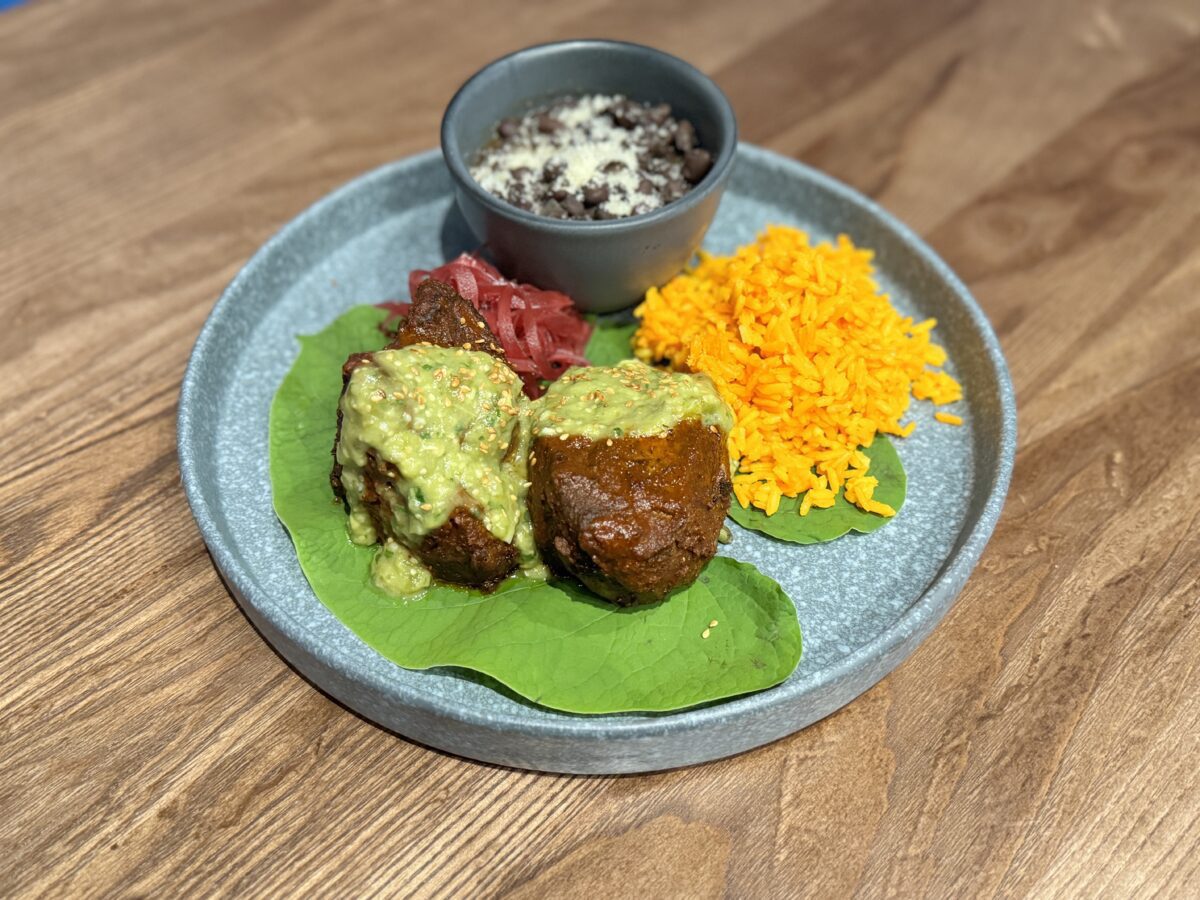
A favorite menu item at Noche is the Yucatan-style pork shoulder.
Chef Brian Green’s Tomatillo Salsa
Ingredients:
2 lbs. tomatillo, boiled
10 fresh fried garlic cloves
2 large onions, fried and iced
4 jalapenos, stemmed and boiled
1/2 cup lime juice
2 bunches of cilantro
Salt and white vinegar to taste
Instructions:
1. Clean your tomatillos
2. Boil the tomatillos and jalapenos until soft
3. Brown the garlic and onions in the fryer
4. Using a 22-quart and large stock blender, combine and pulse all ingredients until smooth
This no-frills pizza/Middle Eastern joint is the perfect stop for a quick – yet absolutely delicious – bite in Tulsa.
As its name suggests, La Roma Pizza is known for its savory pies. Classic renditions include mozzarella, veggie, supreme and all-meat, but you can also venture into specialties like the R.J.’s – with an olive oil base, Feta, onions and jalapenos, or the Mana’eesh, with olive oil, za’atar spice mix and light cheese.
The perfect pairing with your pie is La Roma’s lasagna or spaghetti. You can also choose from a variety of Middle Eastern goodies including falafel, gyros, shawarma, tawook, stuffed grape leaves and baba ghanoush.
If you’re feeling particularly peckish, platters are available of the aforementioned cuisine, along with lentils and rice or cabbage rolls.
Anton’s believes delicious food is what your family deserves – and the team in OKC works to make every moment great. Dishes at the restaurant are made from-scratch and to-order, with options for both lunch and dinner.
Start off with spinach and eggplant dip or garlic lemon fries, then venture over to the sandwiches that include chicken Parmesan, cheese steaks and grilled chicken. Burgers are available all day and include the Swiss mushroom and craft onion burger. Other mains are the garlic lemon chicken, shrimp maisa, fried catfish and the harvest medley, with broccoli, onion, pepper, tomato, olives, mushrooms and craft sauce.
Perfect for groups, Anton’s offers family meals that serve between 6-8 people, along with a kid’s menu, catering and various desserts.
Located in Hennessey, Sparky’s offers everything from pasta to salads, sandwiches, wraps and pizza. Breakfast and brunch menu items include a litany of sandwiches, as well as cinnamon rolls, burritos and hearty platters. For lunch, Sparky’s specialty (and it’s self-proclaimed obsession) is the chicken sandwich – and there’s a whole section of the menu dedicated to its iterations. Try the Cajun, honey Dijon, BBQ, teriyaki or queso blanco versions.
Other goodies include classic sandwiches like the turkey bacon avocado and ham and turkey club, alongside buffalo chicken wraps and Angus beef burgers.
Enjoy baked pastas including the pesto chicken and the Supreme – with pepperoni, sausage, peppers, onions and black olives – as well as numerous pizza and salad options. In short, even the pickiest eater can find something to enjoy at Sparky’s!
Ramen, sushi, bowls, oh my! Mizu has everything you crave on a cold winter day.
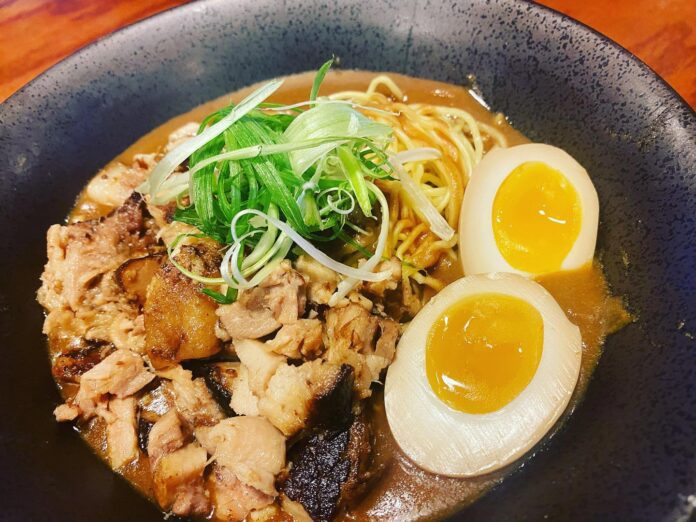
Starters kick your meal off with a bang. Try the octopus salad, hot karaage (fried chicken), gyoza (potstickers) or spicy edamame. Next, you can’t go wrong with one of many ramen dishes. Classics include the seafood, with spicy broth, shrimp, scallops, narutomaki (cured fish) and mushrooms, along with the miso, with pork broth, corn and green onion.
The sushi menu is split in a variety of categories – signature, deluxe, classic, new style and traditional. Standouts are the Crazy Cowboy, with crab salad, tempura flakes and sesame, and the Volcano, with baked scallops, masago and spicy mayo.
Last but not least, the bowls range from curry rice to chashu don – braised pork belly and steamed rice.
Thanks to RSU TV – northeastern Oklahoma’s public-television station – and its senior producer-director, Bryan Crain, I was recently able to co-produce and direct a documentary that I’ve been itching to do for a long time. Called Tulsa Terrors, it’s all about the direct-to-home-video horror-movie boom of the mid-1980s and how it was ignited right in T-town. I was on the scene as a Tulsa World entertainment writer at the time, so I was lucky enough to have witnessed firsthand the start of the whole phenomenon and how it impacted home entertainment across the country and even the world.
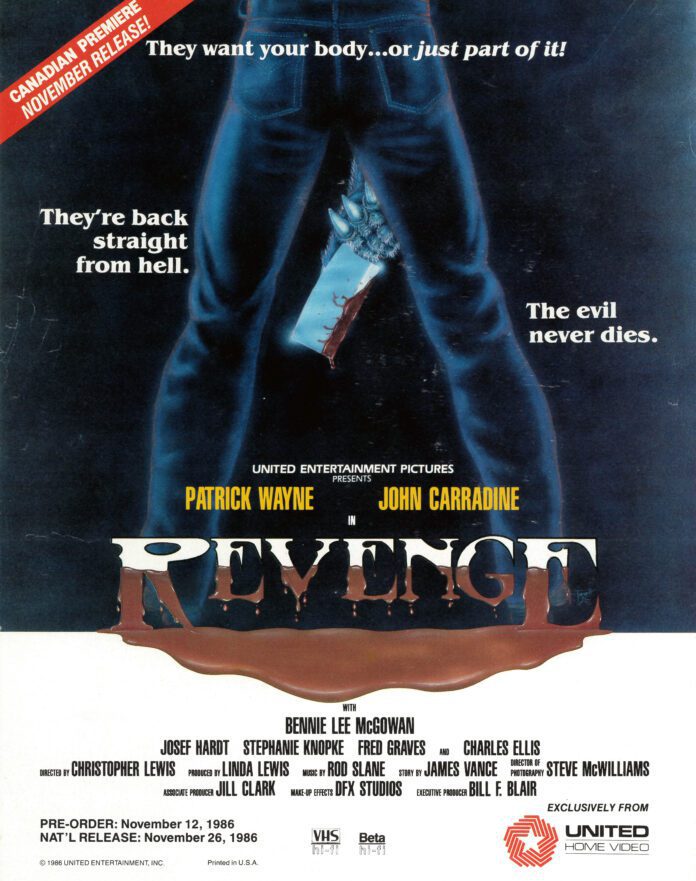
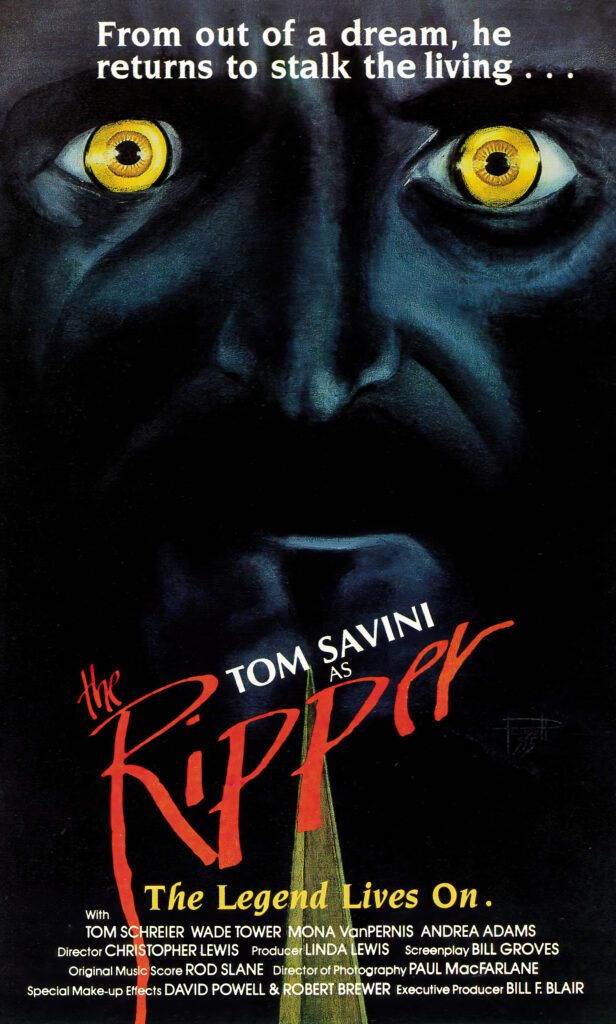
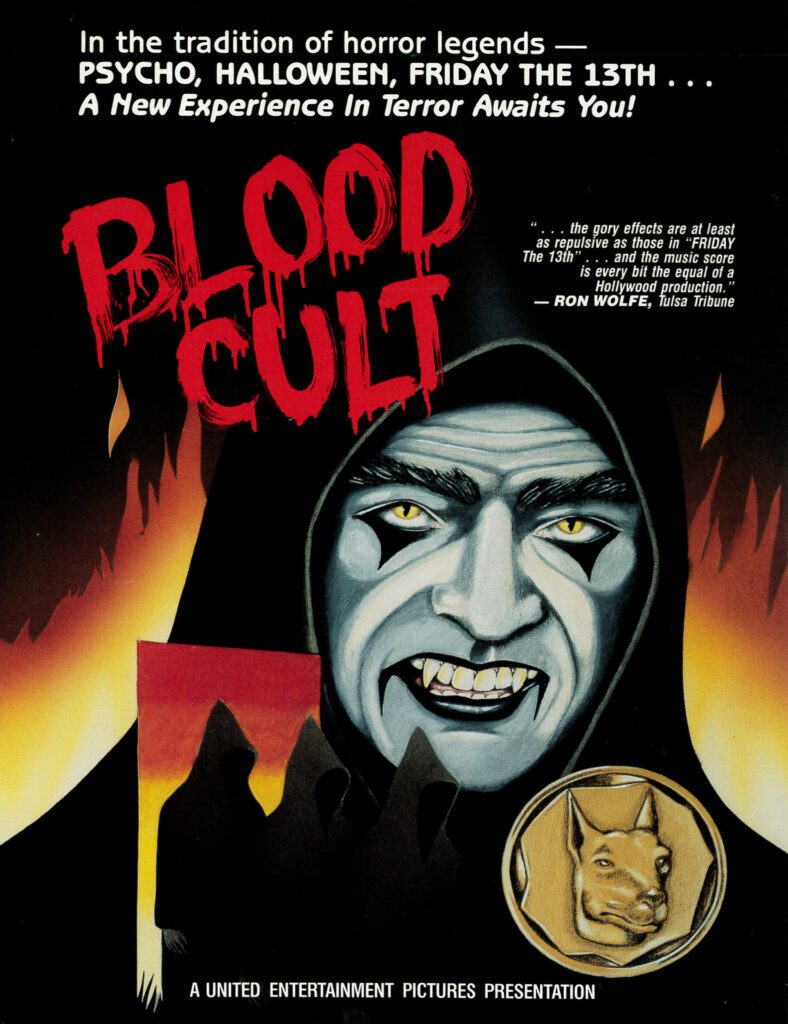
Briefly, this is what happened: A local company, United Entertainment (which is now VCI Entertainment), was doing quite well as an independent home-video distributor, shipping its product to video stores (remember those?) all over the world. Then, the head of the company, Bill Blair, got an idea. All of the movies his business handled had either been shown in theaters or on TV first, or at least had been aimed for one or both of those markets. Why couldn’t someone shoot a film directly for home video, with no aspirations for theatrical release? He just happened to have a script he’d co-written called The Sorority House Murders. So he dusted that off, connected with the husband-and-wife filmmaking team of Christopher and Linda Lewis, and their subsequent picture, Blood Cult, hit the market in 1985.
It cleaned up, too, leading to a couple more United Entertainment productions – The Ripper and Revenge – and kicking off a huge groundswell of direct-to-video pictures, as video companies all across the country stampeded toward the gold mine that Bill Blair had discovered.
Having been on the sets of all of those Tulsa features as a World writer, I was well-acquainted with how they were made and the impact they had. But what I didn’t fully realize was the fact that Bill Blair and United Entertainment/VCI had been pioneers well before Blood Cult came along.
A variety of direct-to-home-movie gems were created and distributed in Oklahoma. Photos courtesy Bob Blair
“Dad was a visionary,” says his son, Bob Blair, who’s now VCI Entertainment’s president and CEO. “He had a lot of great ideas. Some of them came to fruition, and some had other people get hold of them and make them a reality. But he was always ahead of the curve.”
It’s hard to imagine now, but until the mid-1970s, watching a movie of your choosing at home wasn’t easy. You had to have a sound projector, and you had to rent the film on reels – which wasn’t cheap. It was definitely a niche market, but a relatively robust one.
That non-theatrical niche was served by several different film-rental firms around the country, including Tulsa’s United Films, founded with Bill Blair’s personal movie collection. Over the years, it became a family operation, with Bob’s brother Don, now retired, and their sister Rebecca, currently VCI’s office manager, coming aboard early.
“I started sweeping and mopping floors, taking the trash out, in the early ’60s, when I was eight or nine,” recalls Bob. “Eventually, I went to college and put in a couple of years, and then an opportunity came up at the company. At that time, we had branches in Albany and Denver, and the person running the Albany office left. Dad sent the lady who was manager of our film lab to Albany to run that branch, and he asked me if I wanted to manage the lab. That was about the time I got married, and I was tired of school, so I said, ‘Heck, yeah. I’ll do it.’
“That was in 1972. In 1976, Dad started a video division, and we started transferring film over to 3/4-inch Umatic [cassette] tape to service the growing cable-TV business, which was looking for movies and documentaries and things like that. He created a new company, Video Communications Inc. – VCI. Shortly thereafter, Sony came out with the Betamax recorder. For Dad, that’s when the flashing lights went off and the sirens blared and he thought, ‘Hey, I can put movies on those little cassettes and sell them to consumers.’
“So that’s what we did,” he adds. “We were one of the very first pioneers in releasing movies [on tape] to the home-entertainment market. At that point, it was really nothing more than mail-order companies, until another company bought some rights from 20th Century-Fox and turned it into a booming business.”
The boom continued as the VHS format came along to compete with, and ultimately triumph over, Betamax. Into the ‘80s, a consumer could rent movies in either format at video stores, which had popped up across the country like mushrooms after a summer rain. At its peak, the Blockbuster chain had some 9,000 locations across the world; but independent mom-and-pop stores, as well as those in smaller chains, accounted for many more.
“At one time,” says Blair, “there were probably over 50,000 rental stores, with new ones popping up every week. And they had a voracious appetite for putting movies on their shelves. It was becoming increasingly difficult for us to compete with the companies that were shelling out big advances at that time to producers, so we decided, well, let’s see if we can produce something ourselves that’s of enough quality to be successful.”
The Blairs and the Lewises opted to shoot on video, a decision influenced by a couple of things. At the time, Chris Lewis’s sister, in New York, was making hour-long soap operas in the video format. Also, VCI had recently acquired a shot-on-video movie called Copperhead. Its producers had intended to blow it up to 35mm for theatrical release, but, recalls Blair, “it just really didn’t work out that way. But it did give us the idea: ‘Why can’t we do that with something maybe a little better, a little more commercial?’ So Dad pulled out that old script, and we were fortunate to have someone like Christopher Lewis, and his wife, Linda, in town to help us out.”
(Lewis, the son of Golden Age Hollywood star Loretta Young, was at the time a news anchor for a Tulsa TV station.)
It’s always hard to pinpoint the absolute beginning of anything, and certainly there were some earlier filmmakers who might have been happy with only a home-video release, but Blood Cult was the first one to hit big on a national level.
“There were always independent producers out there making movies – some of them shot on film, some maybe on video,” Blair notes. “But it seems like their intent was always to go theatrical. We were the first to embrace the idea and say, ‘We’re going to make this strictly for the home-video market.’ And it worked. It created a pretty good stir in the business. It didn’t take long for our competitors to realize what we were doing, and they jumped on board. It became a big deal.
“I always compared it to made-for-television movies. Some of those movies were as good as anything that was being released theatrically. So why not make something just for the home-video market?”
VCI’s three home-video horror features have, over the years, become cult items, as evidenced by their upcoming reissues by the noted DVD company Vinegar Syndrome, which specializes in restored and extras-laden editions of horror and other genre pictures. Meanwhile, Blair and VCI have moved into the digital age with their catalog, which can be found at vcientertainment.com
“I guess I caught the film-addict bug from my dad,” says Blair with a chuckle. “It’s just incredibly rewarding when you create a film that people seem to enjoy, or you bring them an old classic film and make it look as good or better than it did when it was released. I’ll probably keep doing this as long as I physically can – and hopefully, there’ll be someone to come in and take my place.”
What is it that is so compelling about the idea of a ghost town? Wind blowing through tall, unkempt grasses around the crumbling remains of buildings. Ancient town signs decaying and hanging haphazardly from old posts. Buildings standing creepily derelict is enough to pique the interest of even the most casual observer. These sorts of scenes fill the imagination with a fuller, busier time in the life of a former town.
There are several reasons a town can pop up, seemingly overnight, then fade away into history. One major contributor to this phenomenon in Oklahoma? Oil booms.
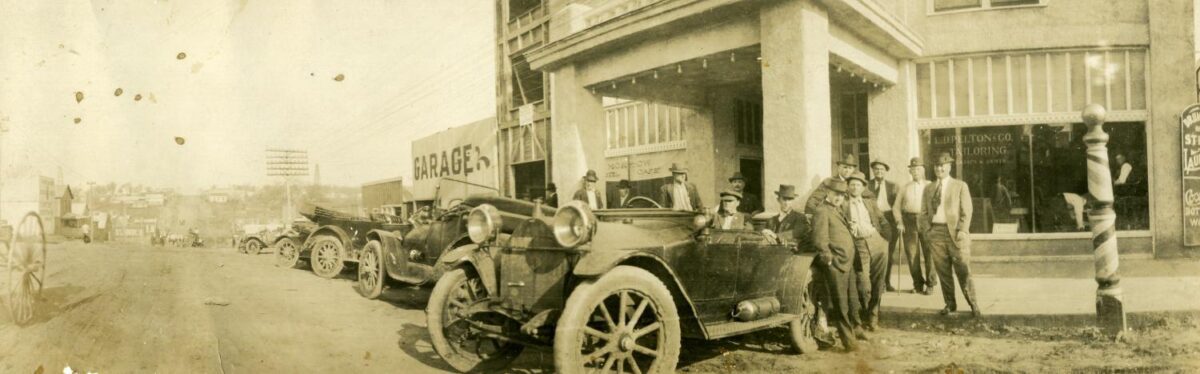
The Encyclopedia of Oklahoma History and Culture describes in detail the culture around the oil fields of the early twentieth century when “black gold” was putting this new state on the proverbial map. The promise of wealth and employment that surrounded the discovery of oil caused people to arrive in droves – and towns to spring up quickly.
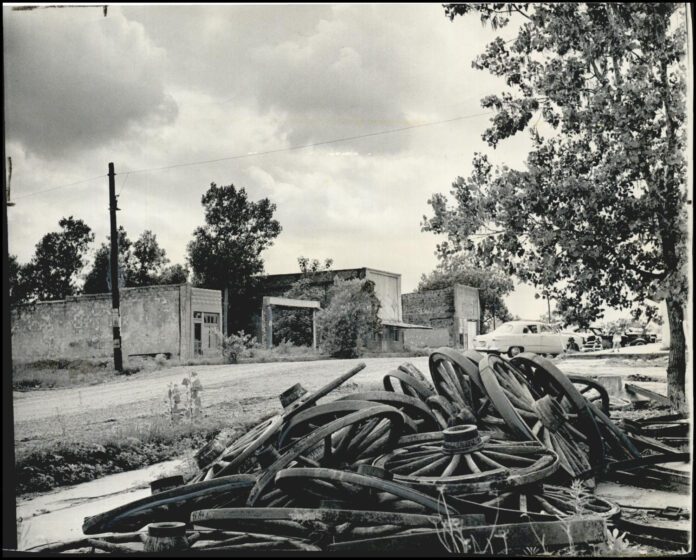
Oil booms happened across Oklahoma – including in Drumright (above) and Slick (main image). These towns are now abandoned. Photos courtesy the Oklahoma Historical Society
Those towns that seemed to develop overnight on the heels of oil discoveries often had interesting naming conventions. Many were named for oil companies such as Wolco – named for the Wolverine Oil Company – and Carter Nine – named for the Carter Oil Company. And a favorite for anyone studying Oklahoma history, Whiz Bang, was named for a popular joke magazine of the time, Captain Billy’s Whiz Bang.
Empire City is another oil boom town with a unique name, and a unique story. This town near Duncan sprouted up in the late 1910’s, but had all but disappeared just a few decades later. However, in the 1980’s, according to the Encyclopedia of Oklahoma History and Culture, the city was expanded and the population blossomed back up to nearly 1,000 in 2010.
Slick seems like an appropriate name for an oil town, but in reality it was named after an oil tycoon, Thomas B. Slick. In 1920, the town of Slick, in Creek County near Bristow, benefited from the oil industry as well as a railroad line to the town. At its largest, Slick had a reported population of more than 5,000. However, by 1930, the population had shrunk to less than 500 and the railroad was abandoned.
Oil boom towns were not unique to Oklahoma, but their proliferation in our state adds color and intrigue to the history. And while most of them have only left behind the occasional cemetery or dilapidated building, the stories remain to inform us of the fascinating past of Oklahoma.
What is a Ghost Town, Really?
According to the Encyclopedia of Oklahoma History and Culture, referencing John W. Morris’s Ghost Towns of Oklahoma, the definition of a ghost town is one that either no longer exists at all, any remaining structures are no longer used, or the population has declined by at least 80% from its peak. Using this definition, Morris estimates that Oklahoma has more than 2,000 of them.